
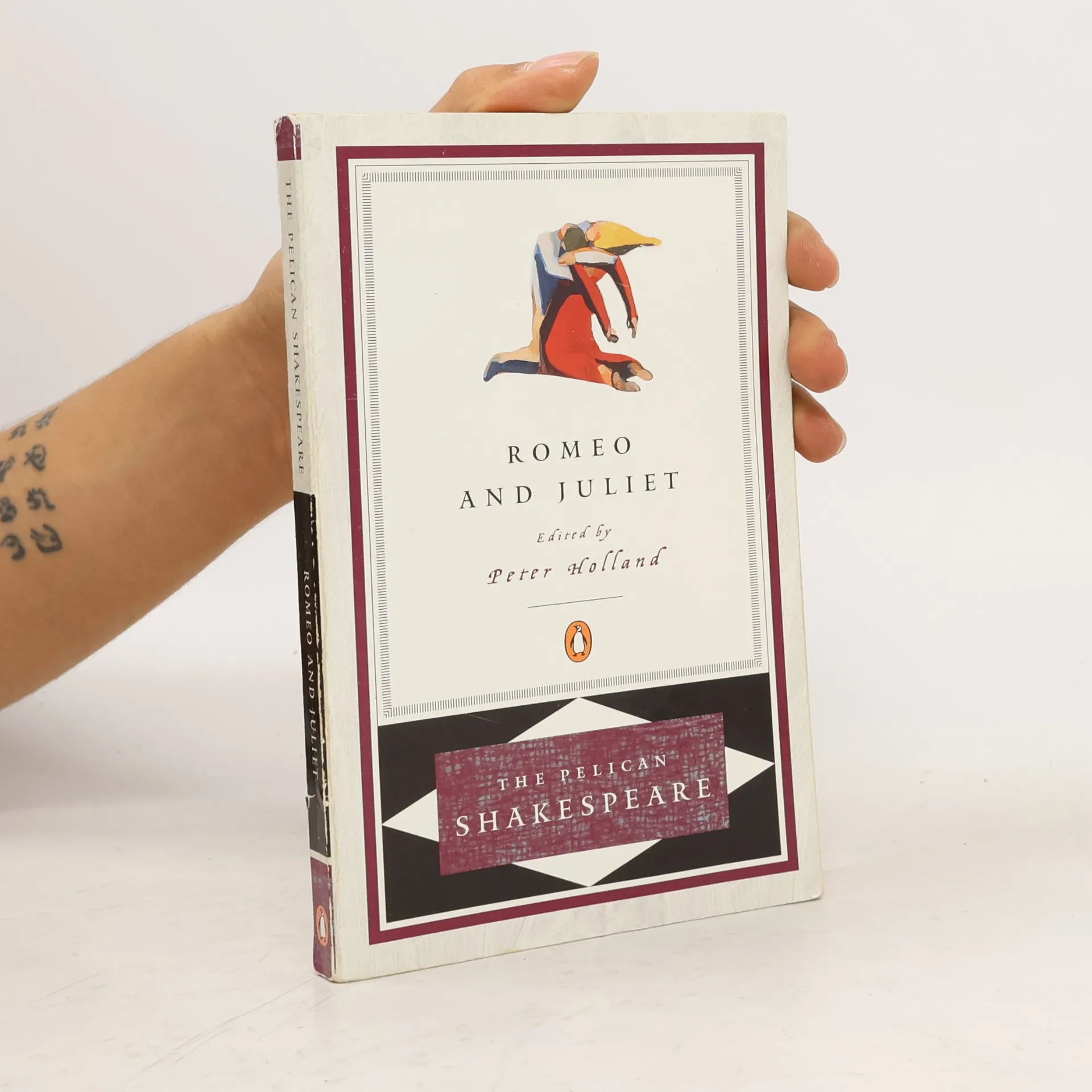
"This translation of Shakespeare's exploration of militaristic might and political folly brings his language into our era, rendering its thematic and dramatic power broadly accessible"--
Peter Holland Libros


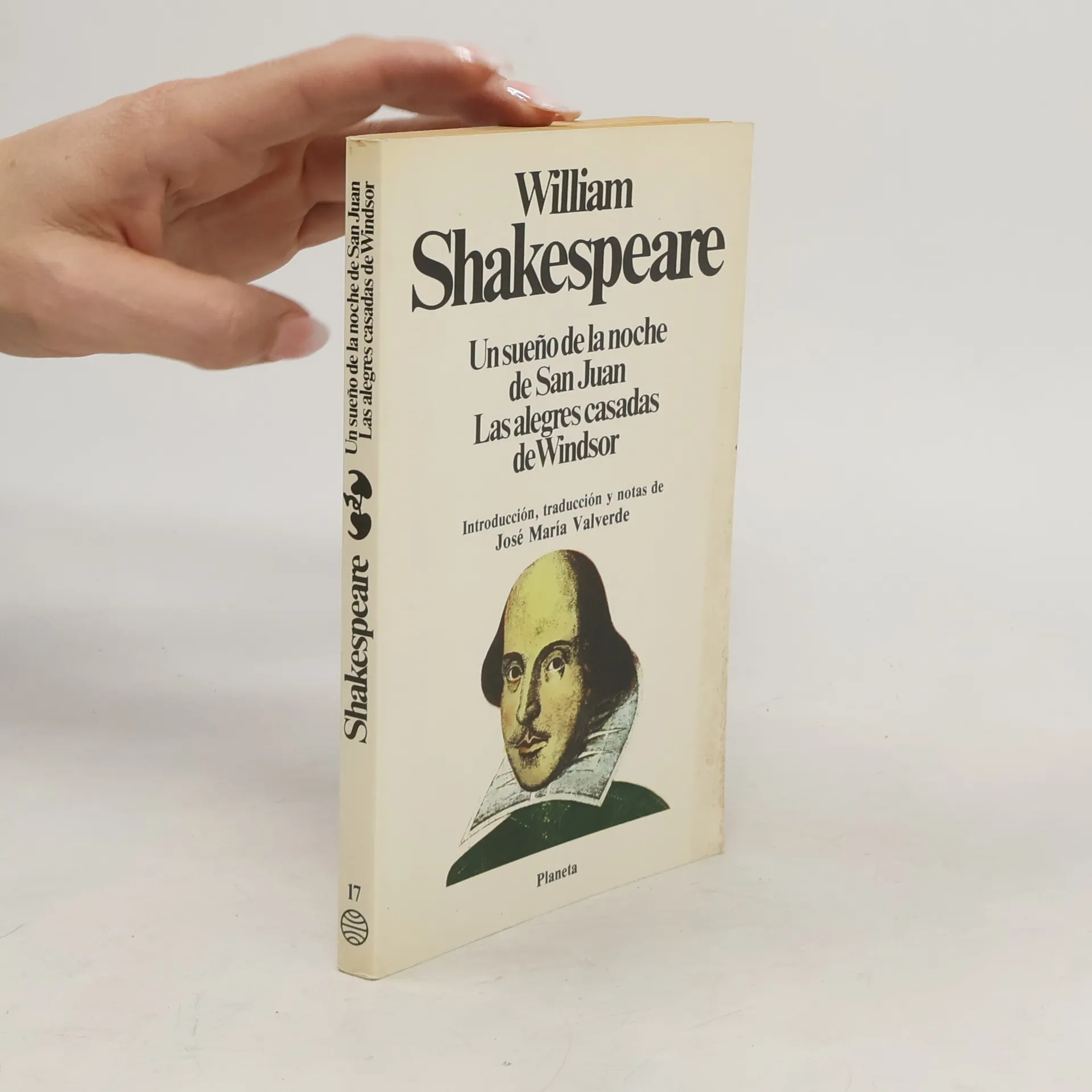
El mundo cómico de Shakespeare empieza a incorporarse a nuestra serie con sus dos piezas, quizá, más caracterizadas, en sentidos muy diversos: Un sueño de la noche de San Juan, deslumbrante fantasía en que se alternan planos de magia y planos de realidad, y Las alegres casadas de Windsor, donde Falstaff, el caballero juerguista y bebedor, corruptor de un príncipe, en Enrique IV, llena con su gran humanidad esta farsa donde queda en ridículo como víctima de unas malignas señoras.
What does it signify when a Shakespearean character forgets something or when Hamlet determines to 'wipe away all trivial fond records'? How might forgetting be an act to be performed, or be linked to forgiveness, such as when in The Winter's Tale Cleomenes encourages Leontes to 'forget your evil. / With them, forgive yourself'? And what do we as readers and audiences forget of Shakespeare's works and of the performances we watch? This is the first book devoted to a broad consideration of how Shakespeare explores the concept of forgetting and how forgetting functions in performance. A wide-ranging study of how Shakespeare dramatizes forgetting, it offers close readings of Shakespeare's plays, considering what Shakespeare forgot and what we forget about Shakespeare. The book touches on an equally broad range of forgetting theory from antiquity through to the present day, of forgetting in recent novels and films, and of creative ways of making sense of how our world constructs the cultural meaning of and anxiety about forgetting. Drawing on dozens of productions across the history of Shakespeare on stage and film, the book explores Shakespeare's dramaturgy, from characters who forget what they were about to say, to characters who leave the stage never to return, from real forgetting to performed forgetting, from the mad to the powerful, from playgoers to Shakespeare himself.
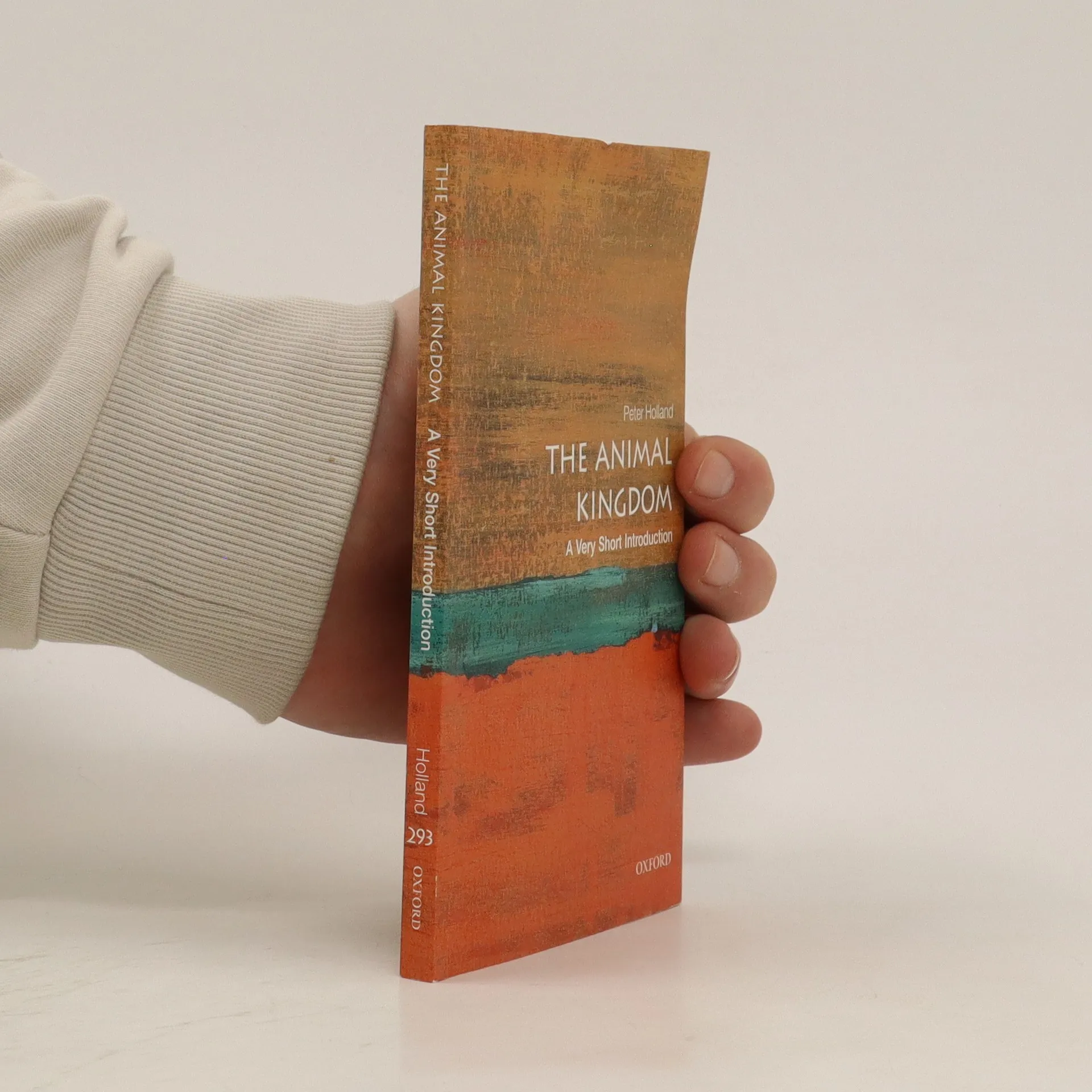
The Animal Kingdom: A Very Short Introduction
- 126 páginas
- 5 horas de lectura
Molecular biology has revolutionized our understanding of animals and their evolution. In this Very Short Introduction, Peter Holland provides an authoritative summary of the modern view of animal life, its origins, and the new classification resulting from DNA studies.