
Maureen Waller, educada en historia medieval y moderna, centra su obra en la vívida representación de la vida en diferentes épocas históricas. Su estilo de escritura se caracteriza por una investigación meticulosa y narrativas cautivadoras que transportan a los lectores al pasado. Waller se esfuerza por desvelar las costumbres cotidianas y las dinámicas sociales que moldearon la sociedad. Sus obras ofrecen una visión fascinante de los acontecimientos históricos a través de la perspectiva de la gente común.
Reissued to commemorate the 75th VE Day anniversary, the critically acclaimed
social history of London, during a crucial year in the city's great history,
from the acclaimed writer of 1700: Scenes from London life.
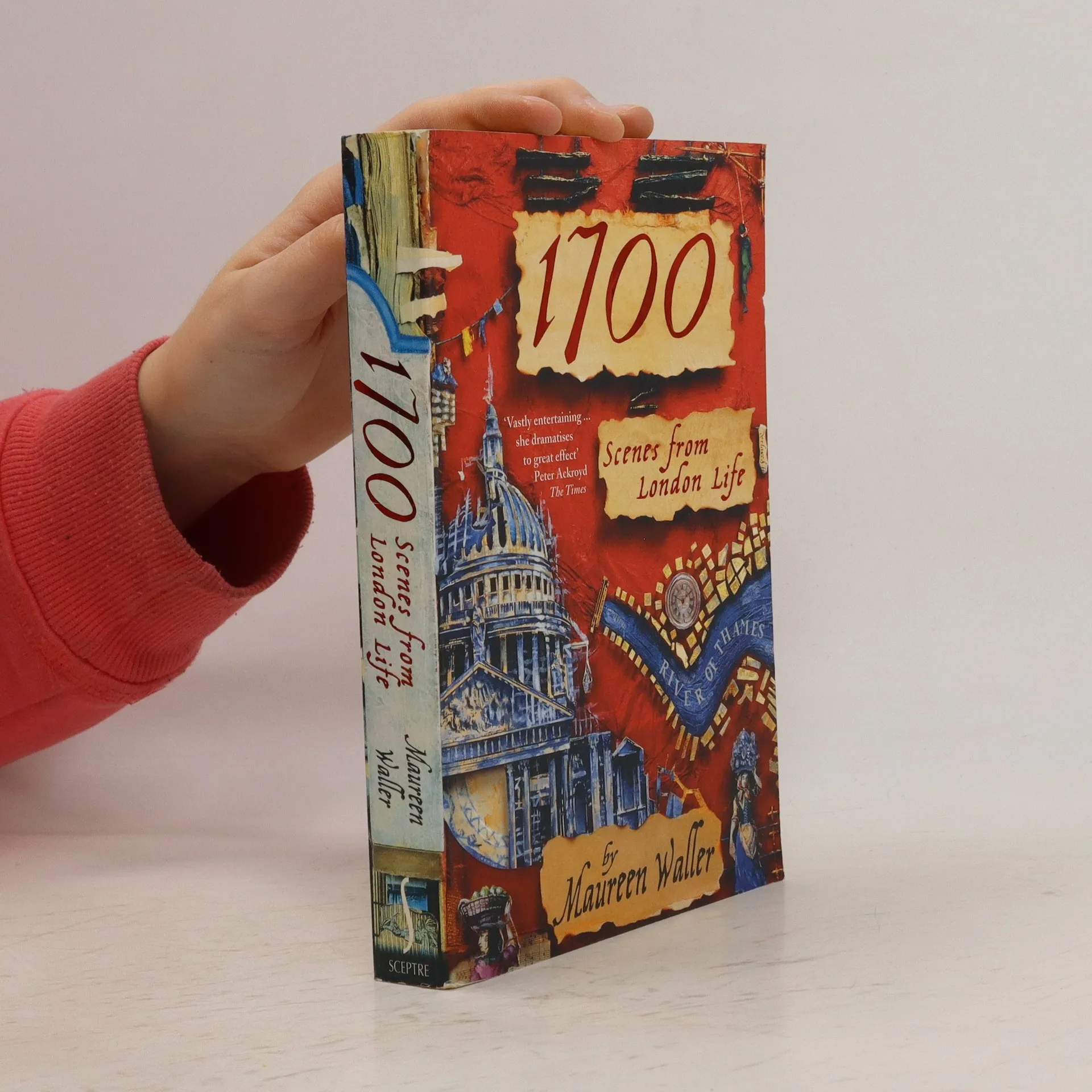
More than a capital city, Londoners had witnessed the unthinkable - the public execution of a king at Whitehall. Thousands had died in the Plague of 1665, then the Great Fire of 1666. But from the ashes rose a modern city, rebuilt with the shining dome of Christopher Wren's St Paul's Cathedral, symbolising a new strength and confidence. London, with a population of over half a million, was now Europe's largest, richest and most cosmopolitian city. Maureen Waller describes a familiar yet alien world. Using anecdotes, detail and amusing contrasts, she draws on court records newspapers, and recorded eyewitness accounts to create a vividly colourful vision. of a city at a unique moment in its history.
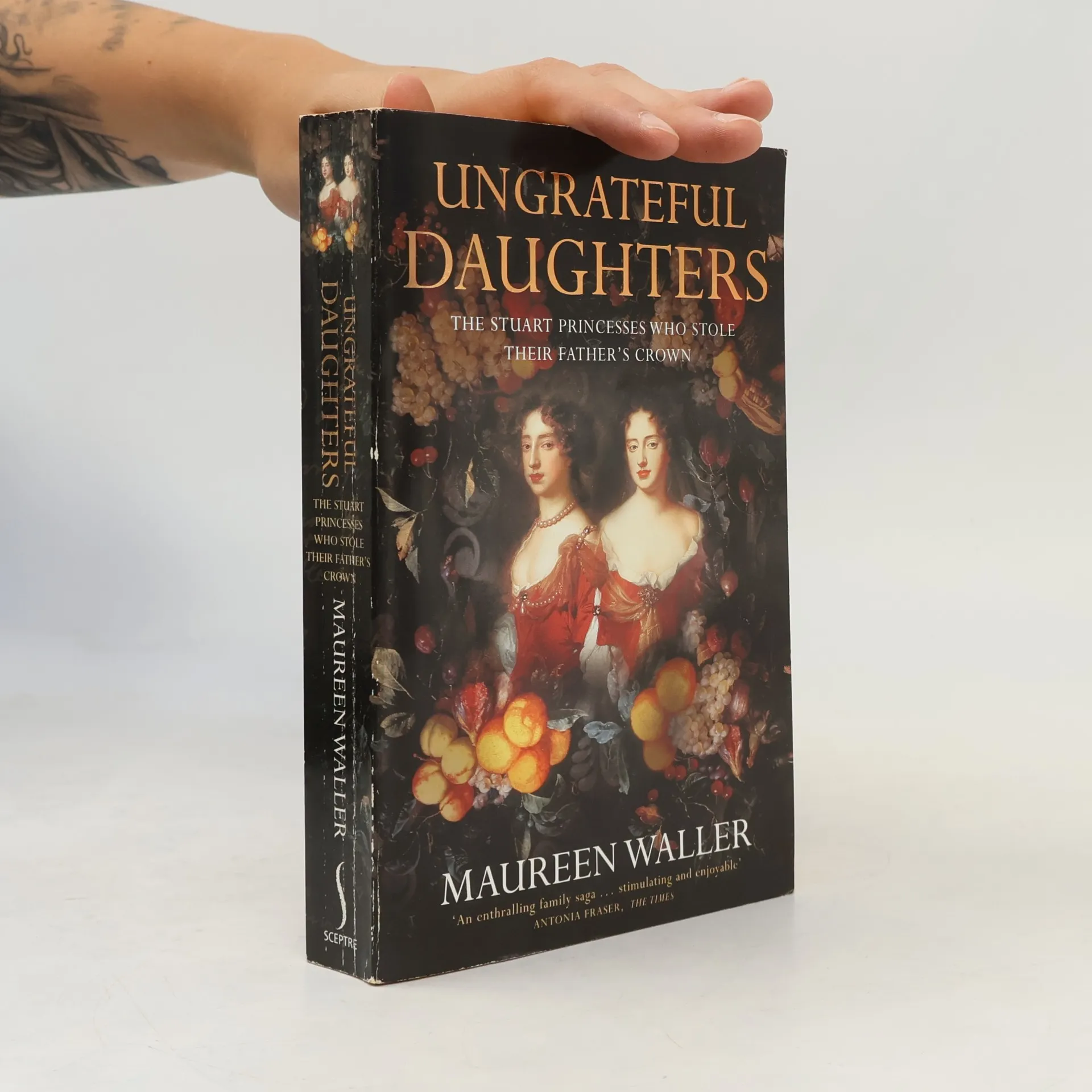
In 1688, the birth of a Prince of Wales ignited a family quarrel and a revolution. Mary and Anne Stuart are the ungrateful daughters who usurped James II's crown and stole their brother's birthright. Maureen Waller recreates the late Stuart era, in a narrative that highlights the influence of three women in one of the most momentous events in our history: a palace coup that changed the face of the monarchy and signalled the end of a dynasty.
Wussten Sie, dass um 1700 ein Paar seine Scheidung selbst aussprechen konnte, indem der Mann die Frau an einem Halfter zum Viehmarkt führte und sie dort versteigerte? In der Regel war dort der künftige Mann zugegen und "erwarb" seine gegenwärtige Geliebte als Ehefrau zu einem vorher vereinbarten Preis, als gerade die Kaffeehäuser groß in Mode kamen, viele Frauen glaubten, Kaffee mache impotent? Eine Ausbildung 7 Jahre dauerte und die Kosten dafür im Voraus bezahlt werden mussten? Man zu jener Zeit annahm, bestimmte Ereignisse während der Schwangerschaft hätten Auswirkungen auf das ungeborene Kind? Wurde beispielsweise ein Kind mit einer Hasenscharte geboren, glaubte man, ein Hase habe zuvor den Weg der Schwangeren gekreuzt ... "