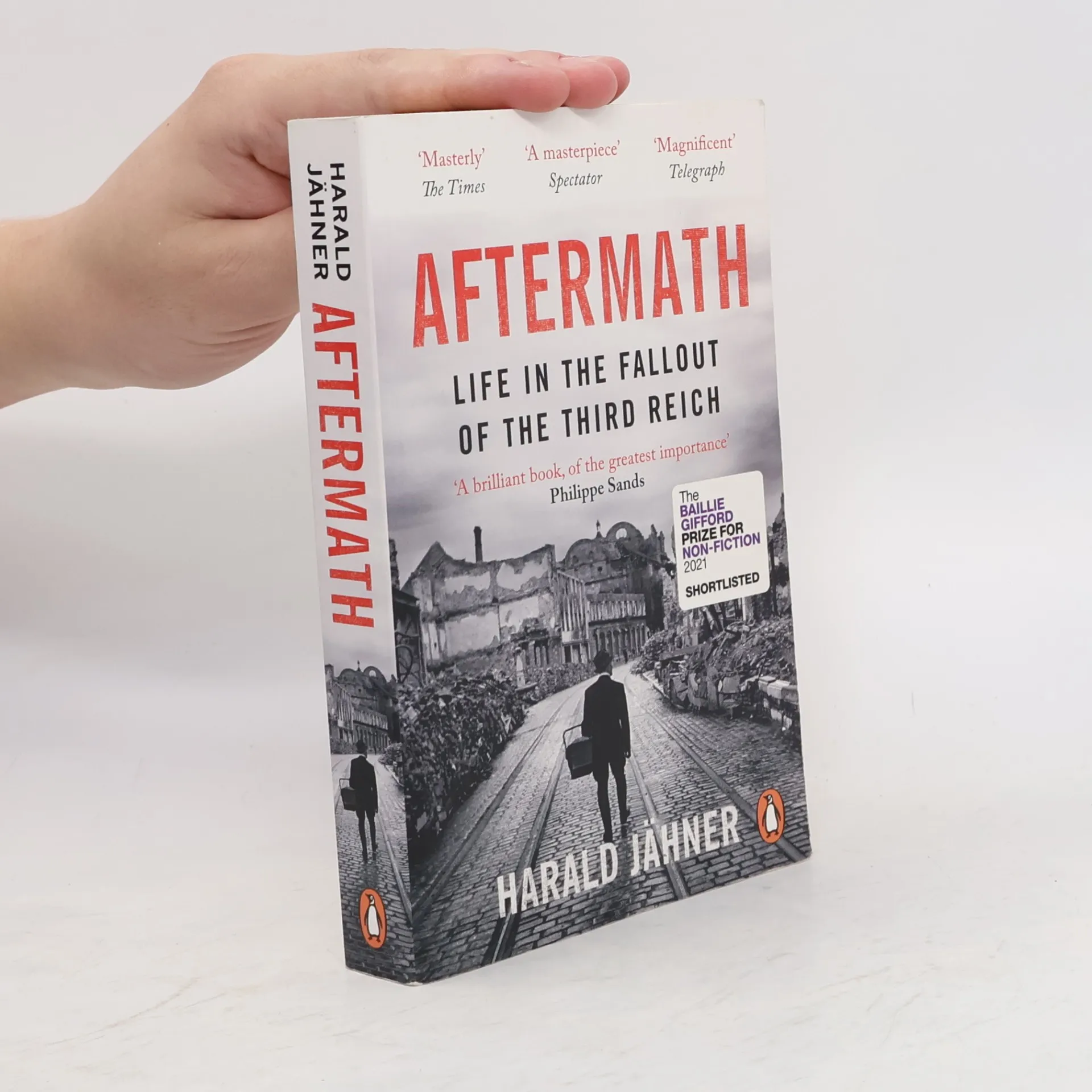
"A revelatory history of the transformational decade after World War II when Germany raised itself out of the ashes of defeat, turned away from fascism, and reckoned with the corruption of its soul, and the horrors of the Holocaust"--
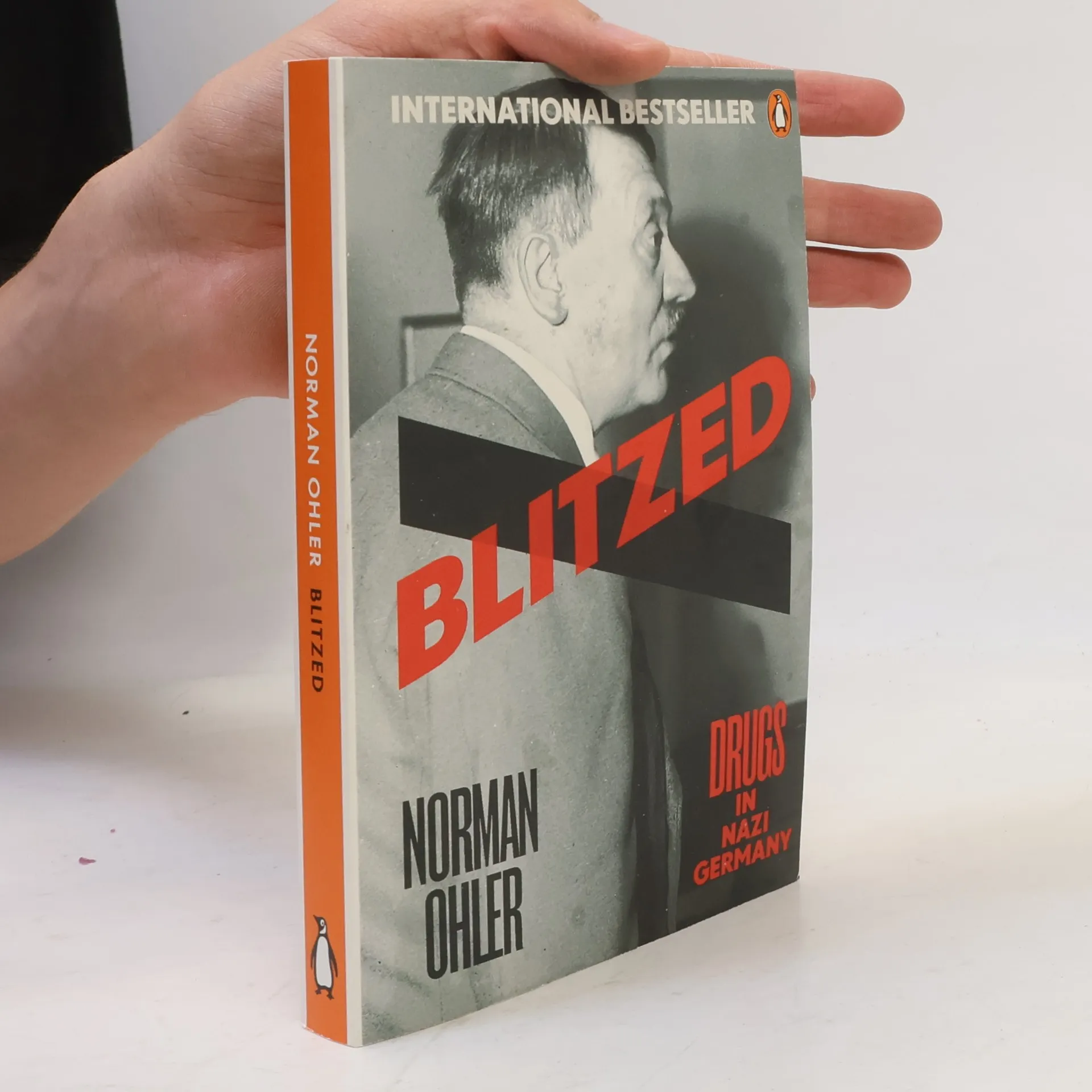
THE INTERNATIONAL BESTSELLER 'The most brilliant and fascinating book I have read in my entire life' Dan Snow 'A huge contribution... remarkable' Antony Beevor, BBC RADIO 4 'Extremely interesting ... a serious piece of scholarship, very well researched' Ian Kershaw The Nazis presented themselves as warriors against moral degeneracy. Yet, as Norman Ohler's gripping bestseller reveals, the entire Third Reich was permeated with drugs: cocaine, heroin, morphine and, most of all, methamphetamines, or crystal meth, used by everyone from factory workers to housewives, and crucial to troops' resilience - even partly explaining German victory in 1940. The promiscuous use of drugs at the very highest levels also impaired and confused decision-making, with Hitler and his entourage taking refuge in potentially lethal cocktails of stimulants administered by the physician Dr Morell as the war turned against Germany. While drugs cannot on their own explain the events of the Second World War or its outcome, Ohler shows, they change our understanding of it. Blitzed forms a crucial missing piece of the story.
"Auschwitz" se ha convertido en sinónimo del genocidio contra los judíos europeos. El mayor campo de concentración del Tercer Reich, en el que fueron asesinadas más de un millón de personas, estaba situado en las inmediaciones de la ciudad del mismo nombre que en la Segunda Guerra Mundial llegó a ser "ciudad modelo" de la colonización alemana. La normalidad y el crimen iban aquí de la mano. Sybille Steinbacher describe de manera concisa la historia de Auschwitz, centrándose en la unidad conceptual, temporal y geográfica, de la política de exterminio y la "conquista de espacio vital" germano. La autora se interroga sobre la percepción del acontecer asesino en la opinión pública y la situación de los presos, las posibilidades de resistencia contra las SS y el comportamiento de los Aliados. Un capítulo aparte está dedicado a la cuestión de la cifra de víctimas. Finalmente se trata el tema de la persecución judicial de los crímenes después de la guerra y la "mentira sobre Auschwitz."
September 29th 1938. The day the fate of Czechoslovakia was sealed by the Munich Agreement. Hitler, Mussolini, Chamberlain & - the phantom of Munich, Edouard Daladier, president of the French Council were all present. This novel tells the story behind one of the 20th century's most decisive moments.
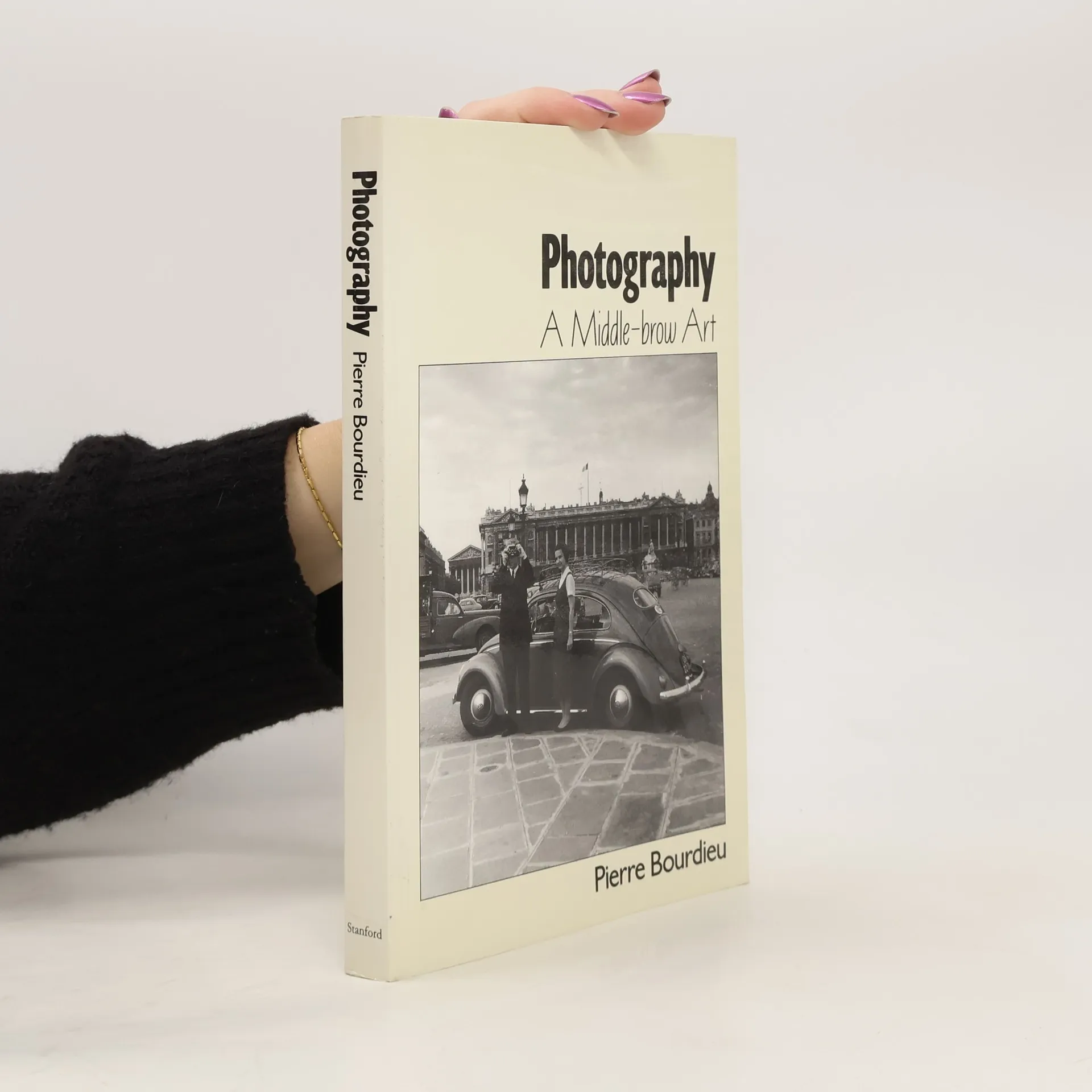
The everyday practice of photography by millions of amateur photographers may seem to be a spontaneous and highly personal activity. But France's leading sociologist and cultural theorist shows that few cultural activities are more structured and systematic than photography.
Los primeros años del siglo XX fueron un periodo de intensa creatividad en Europa, donde emergían nuevas ideas y tendencias en todos los ámbitos: política, ciencia, música, pintura, arquitectura y literatura. Este relato original del historiador y periodista Florian Illies nos transporta a 1913, un año crucial en la escena europea. A través de personajes emblemáticos como Proust, Freud, Stravinski, Kafka, Joyce y Musil, se exploran sus pensamientos y acciones en un contexto de cambio y revolución. En un encuentro singular, Hitler y Stalin pasean juntos en el parque del castillo de Schönbrunn, simbolizando la fusión de triunfo y melancolía en una época de intensa pulsión creativa. Sin embargo, también se percibe una pérdida de inocencia y la inminente caída que se avecina. Con un estilo elegante y un agudo sentido del humor, Illies compila anécdotas, citas y extractos de diarios de la época, recreando la magia y emoción de un momento clave en la cultura europea, cuyas resonancias aún son relevantes hoy. A pesar de las expectativas, este libro ha alcanzado el número uno en las listas de más vendidos en Alemania, manteniéndose relevante hasta la actualidad.
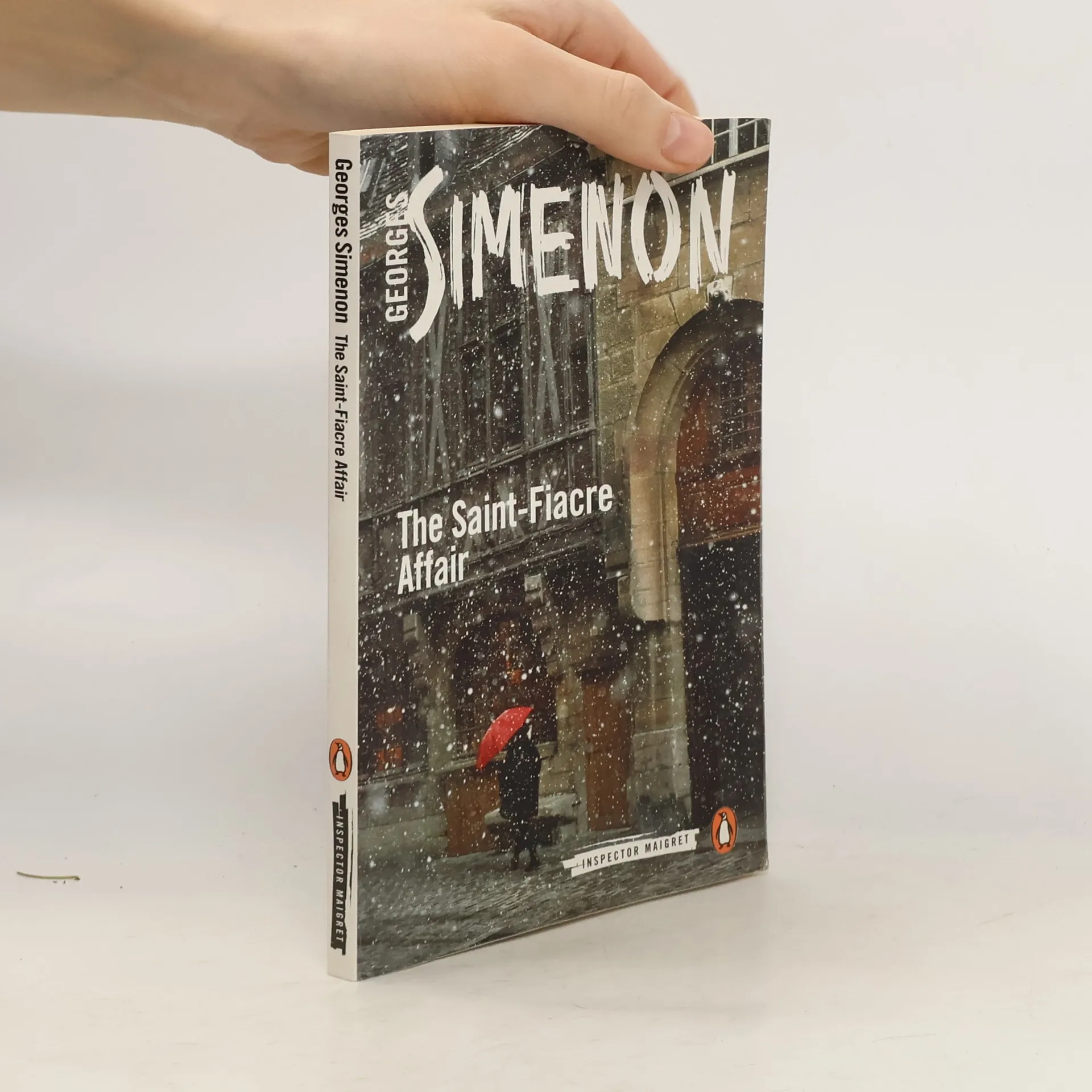
When an ominous note predicting the time and place of a death finds its way to Maigret's desk in Paris, his investigation brings him to Saint-Fiacre, the place of his birth. It isn't long before a darkness descends on Maigret and the town, as the prediction becomes a brutal reality and the Inspector discovers he is not welcome in the place he once called home. As much a thriller as a meditation on alienation, The Saint-Fiacre Affair displays Simenon's unique and searing perspective of the struggles we all are forced to endure.
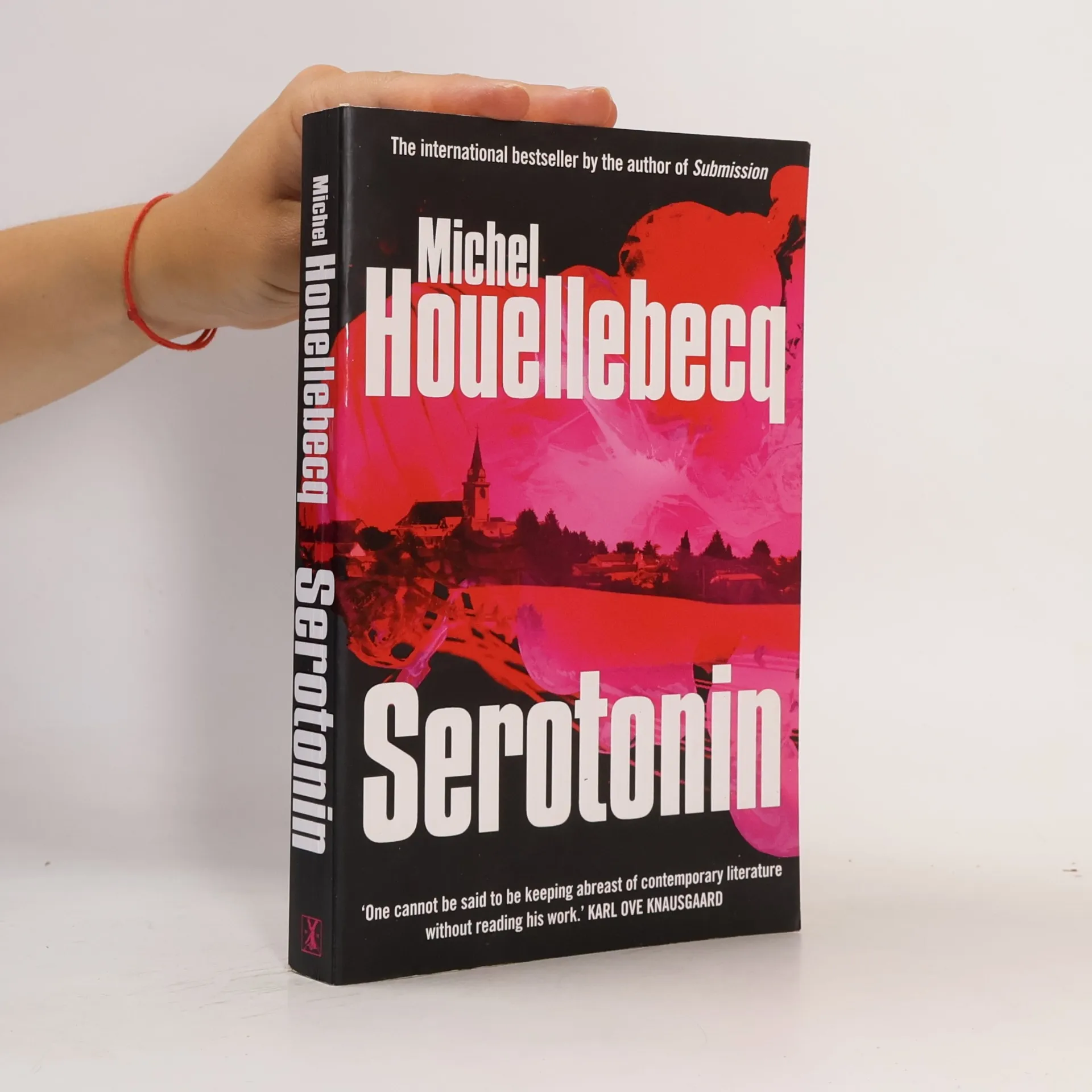
THE MOST IMPORTANT FRENCH BOOK OF THE YEAR ___________________ 'One cannot be said to be keeping abreast of contemporary literature without reading Houellebecq's work.' Karl Ove Knausgaard, New York Times Dissatisfied and discontent, Florent-Claude Labrouste begrudgingly works as an engineer for the Ministry of Agriculture, and is in a self-imposed dysfunctional relationship with a younger woman. When he discovers her ongoing infidelity, he decides to abandon his life in Paris and return to the Normandy countryside of his youth. There he contemplates lost loves and past happiness as he struggles to embed himself in a world that no longer holds any joy for him. His only relief comes in the form of a pill - white, oval, small. Captorix is a new brand of anti-depressant, recently released for public consumption, which works by altering the brain's release of serotonin. With social unrest intensifying around him, and his own depression deepening, Florent-Claude turns to this new medication in the hope that he will find something to live for. Written by one of the most provocative and prophetic novelists of his generation, Serotonin is at once a devastating story of solitude, longing and individual suffering, and a powerful criticism of modern life.
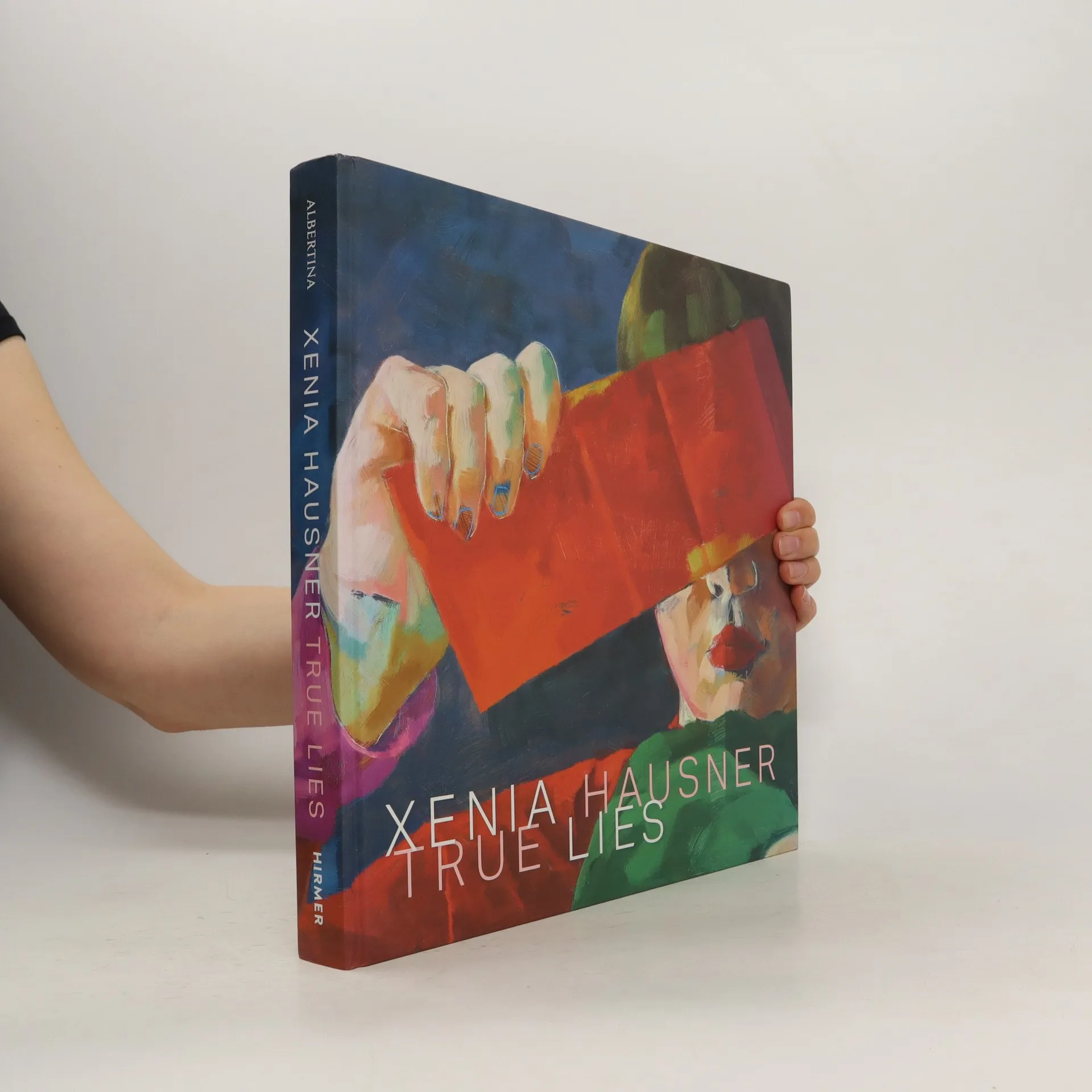
Xenia Hausner is one of the most important Austrian painters of our time. This richly illustrated volume focuses on the aspect of staging that characterizes all her works. Beginning with her early pieces from the 1990s and culminating in the poignant Exiles series, the book transports readers into a feminine world filled with mysterious relationships. Hausner's painting is rooted in photography; the artist constructs spatial settings in her studio and captures a moment akin to a film still. Translated into painting, her images create a dramatic tension, suggesting that what is shown must lead to the next image to reveal its mysteries. Through the staged elements in her works—the painted captured lie—we encounter the contradictions of our existence and find an alternative to a male-dominated visual language.