
Bookbot

Guy Consolmagno

    Este autor se adentra en la inmensidad del cosmos, impulsado por una profunda curiosidad por el universo. Su obra, arraigada en una rigurosa investigación científica, explora la naturaleza de los planetas y los cuerpos celestes. Como científico planetario, aporta una perspectiva única moldeada por las maravillas del espacio. Su enfoque se basa en el espíritu inquisitivo que impulsa tanto la indagación científica como la contemplación filosófica más profunda.

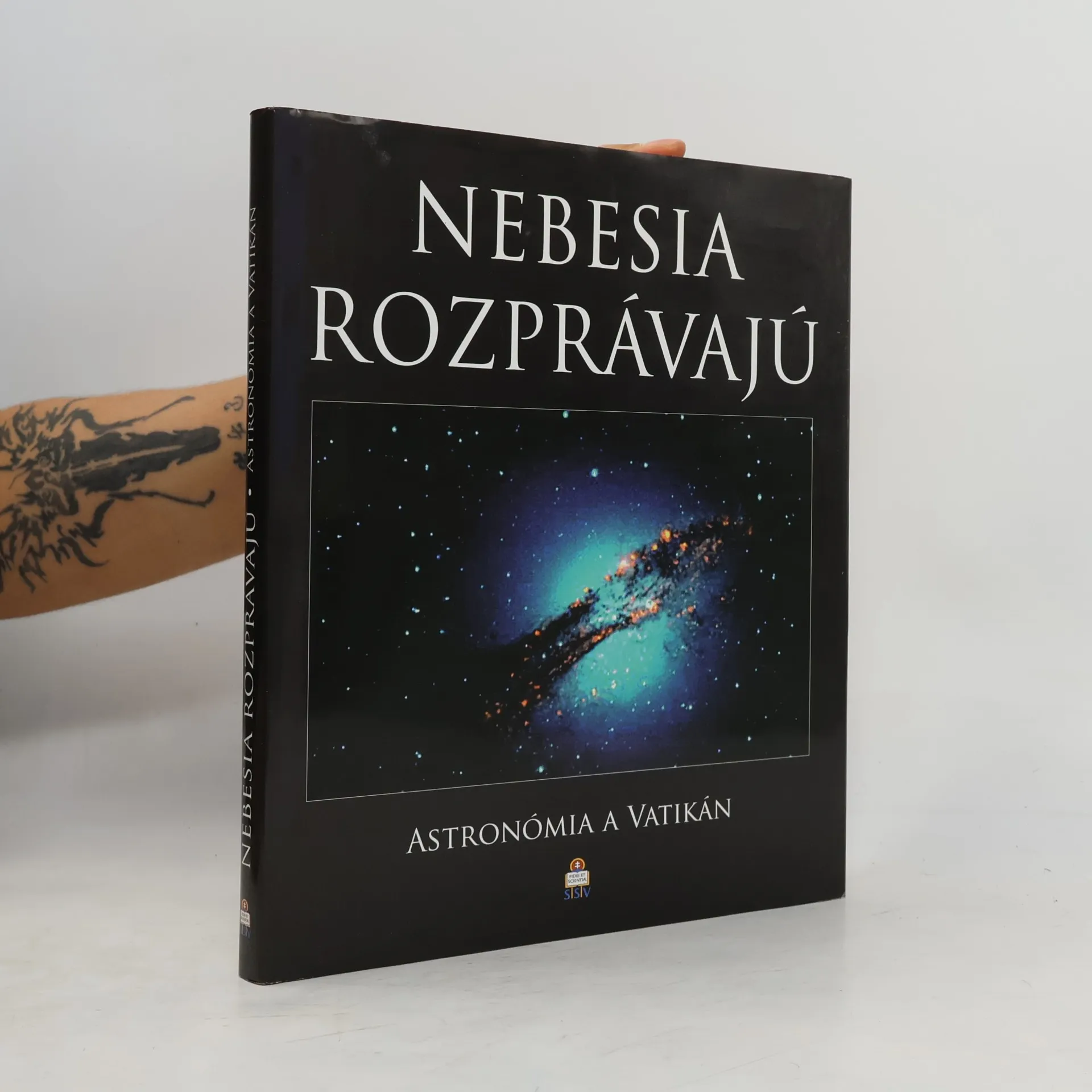
    Nebesia rozprávajú
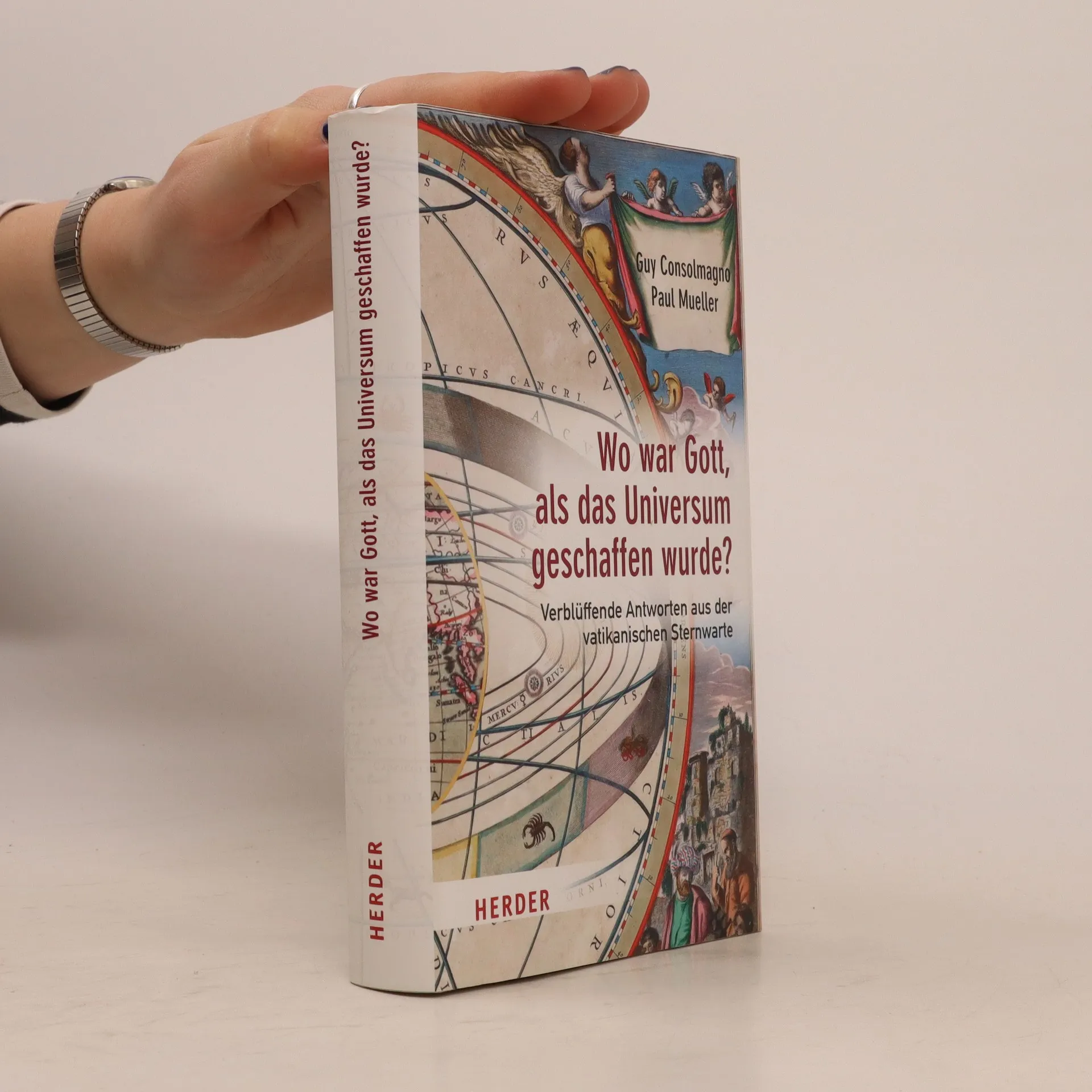
    Wo war Gott, als das Universum geschaffen wurde?
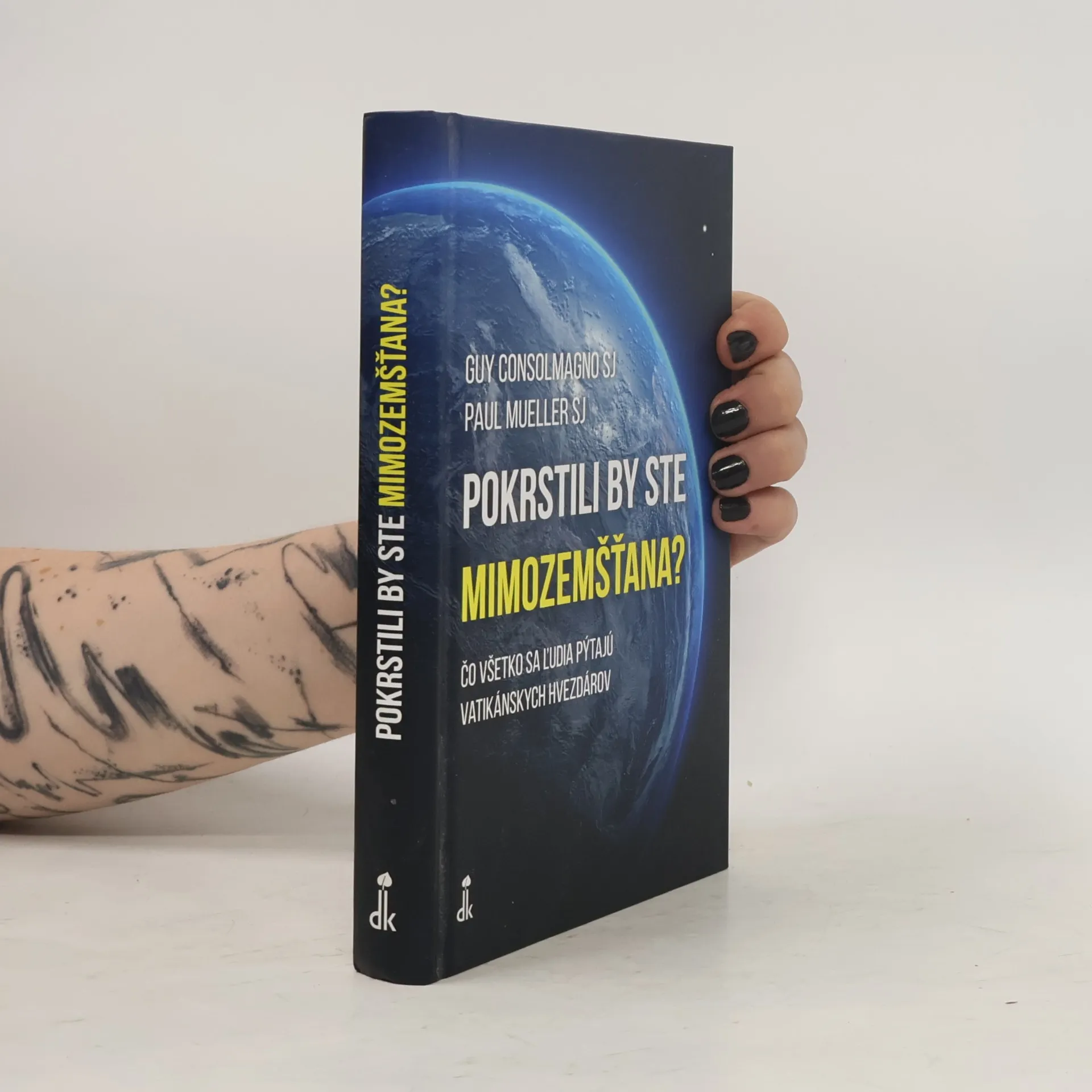
    Pokrstili by ste mimozemšťana?
    Turn left at Orion : a hundred night sky objects to see in a small telescope - and how to find them
    • A superb guidebook described as the home astronomer's "bible," this resource equips beginning amateur astronomers with essential information for observing the Moon, planets, and various celestial objects. Large-format diagrams depict these objects as seen through a small telescope, accompanied by insights into current astronomical knowledge. The revised edition introduces a chapter with ten new spreads on spectacular deep sky objects visible from the southern hemisphere and offers tips for observing the transits of Venus. It covers Dobsonian telescopes and provides hints for using personal computers and the Internet to plan observing sessions. New features include redrawn "Guidepost" figures for a three-dimensional view of the sky's dome, redesigned seasonal object layouts for enhanced naked-eye charts, and a new spread on double stars near Boötes, replacing the previous "Shrinking Double" spread. Additionally, a unique "When and Where to Look" table has been added. Specifically tailored for observers using small telescopes, this clear and user-friendly guide will engage skywatchers of all ages and backgrounds, requiring no prior knowledge of astronomy.

      Turn left at Orion : a hundred night sky objects to see in a small telescope - and how to find them
      4,3
    • Jezuiti dostávajú od pápežov už celé stáročia rôzne špecifické poslania a úlohy. Plnenie takýchto osobitných misií je ich charizmou. Patrí k nim aj vedenie Vatikánskeho observatória, oficiálneho astronomického výskumného pracoviska katolíckej Cirkvi. Táto kniha je rozhovorom dvoch jezuitov, ktorí v ňom pracujú. Spája sa v nich vášeň pre stále napredujúci vedecký výskum vesmíru s obrovským záujmom o dnešného človeka plného otázok, pochybnosti, nádejí, obáv a veľkej túžby po poznaní. Autori čitateľa vedú k rozoznávaniu úlohy vedy a viery v ľudskom živote, hľadajú odpoveď na otázku o Božom pôsobení vo vesmíre. Východiskovými témami tohto vynikajúceho a inšpirativneho čítania sú: vznik vesmíru, metódy, ktoré používajú prírodovedci pri svojej práci, nedorozumenia medzi Cirkvou a vedcami, biblické správy o mimoriadnych prírodných javoch, otázka konca sveta a postoj kresťanov k možnej existencii mimozemských civilizácií.

      Pokrstili by ste mimozemšťana?
    • Wie passen Glaube und Wissenschaft zusammen? Und woher kommen wir und wohin gehen wir? Diese und andere Fragen beantworten zwei Jesuiten, die an einem exklusiven Ort arbeiten: an der vatikanischen Sternwarte in Castel Gandolfo – näher dran an Religion und Wissenschaft kann man nicht sein. Die beiden Autoren streifen durch die Geschichte der Menschheit, diskutieren über grundlegende Fragen und geben verblüffende Antworten, die komplizierte Zusammenhänge ganz leicht erklären und dabei sehr oft überraschen. Selten wurden schwierige Themen so anschaulich, einfach und unterhaltsam behandelt. Ein Muss für alle, die Spaß an den großen und spannenden Fragen unseres Universums haben. „Das Handeln, das wir im Universum beobachten können, entspringt nicht der zufälligen Laune irgendeiner heidnischen Gottheit. Die erstaunliche Komplexität der physikalischen Welt ergibt sich aus logischen, vernünftigen Regeln, die im Grunde ganz einfach sind. Doch die Physik hinter dem Leuchten der Sterne ist nicht nur logisch und vernünftig. Sie ist auch schön. Und das sagt mir einiges über denjenigen, der für diese Sterne verantwortlich ist." (Guy Consolmagno)

      Wo war Gott, als das Universum geschaffen wurde?