Bookbot

Mario Rinvolucri

    1 de enero de 1940

    Mario Rinvolucri es una figura fundamental en la educación de idiomas, celebrado por su estilo de escritura colaborativo. Sus libros más recientes surgen del vibrante intercambio de ideas con colegas, mostrando una dedicación a la inspiración colectiva y la innovación pedagógica. El distintivo enfoque de Rinvolucri se enriquece aún más con su inteligencia kinestética, que canaliza en sus pasiones por la cocina y la jardinería, aportando una sensibilidad única y práctica a su producción creativa.

    Using the mother tongue
    Humanising Your Coursebook
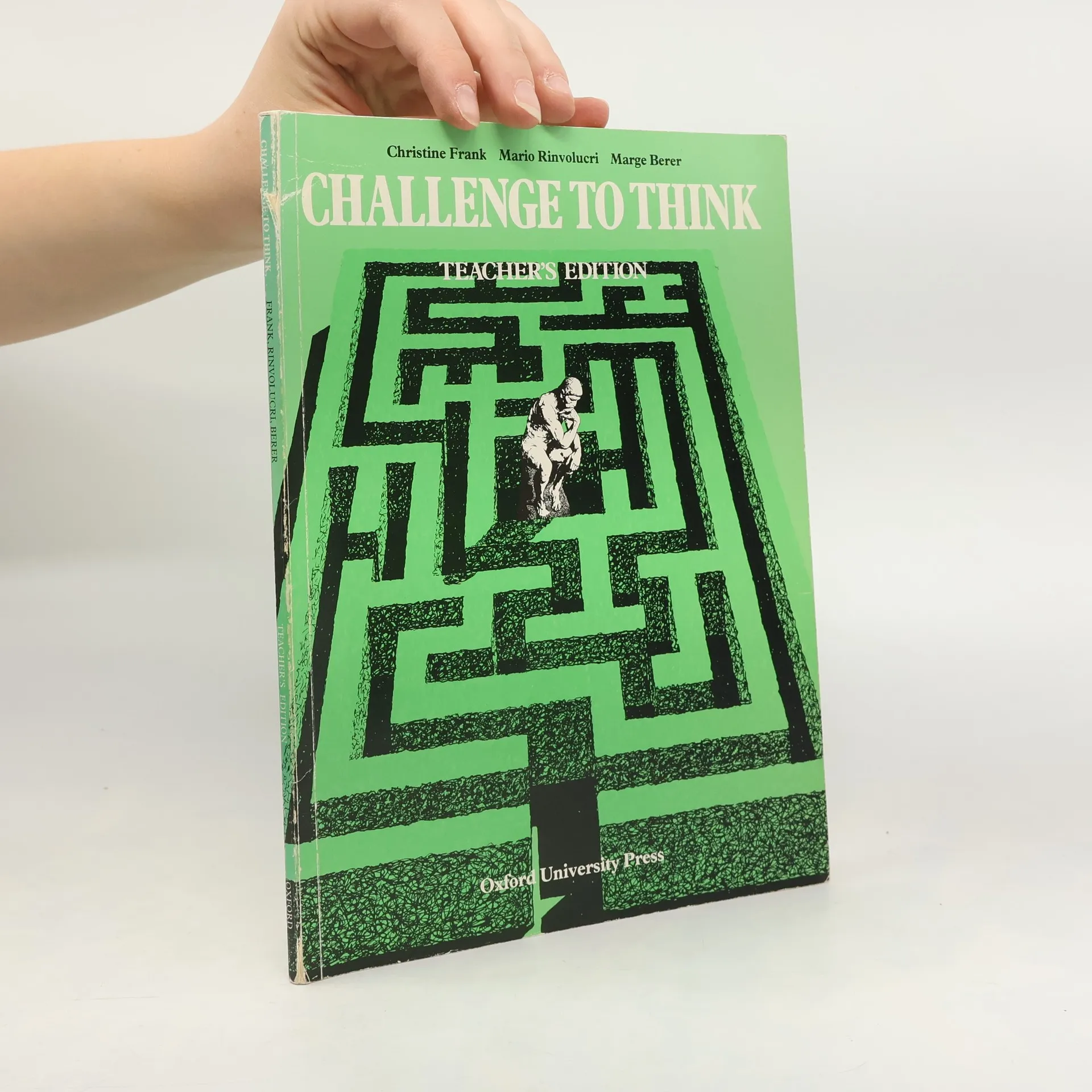
    Challenge to Think Teacher's Book
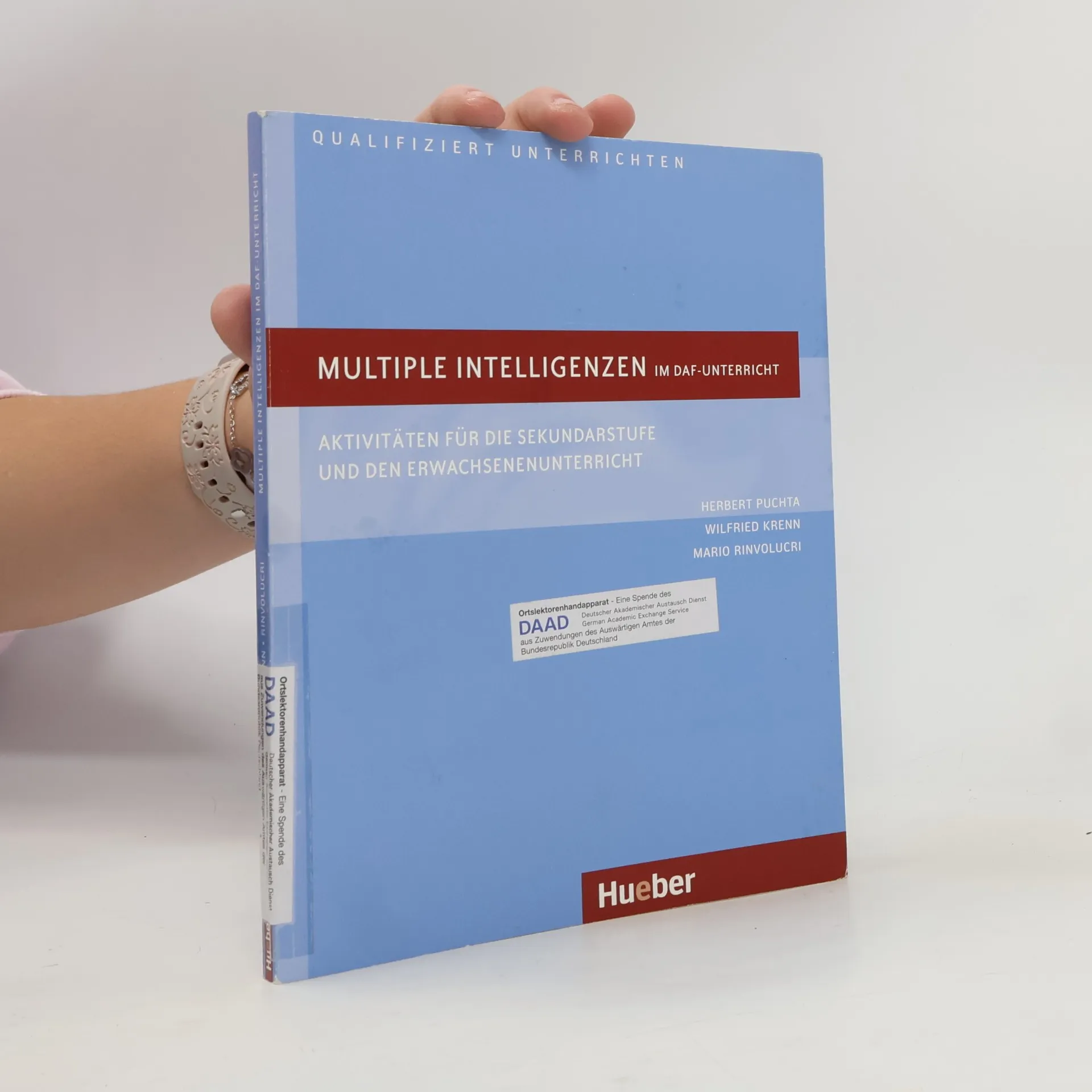
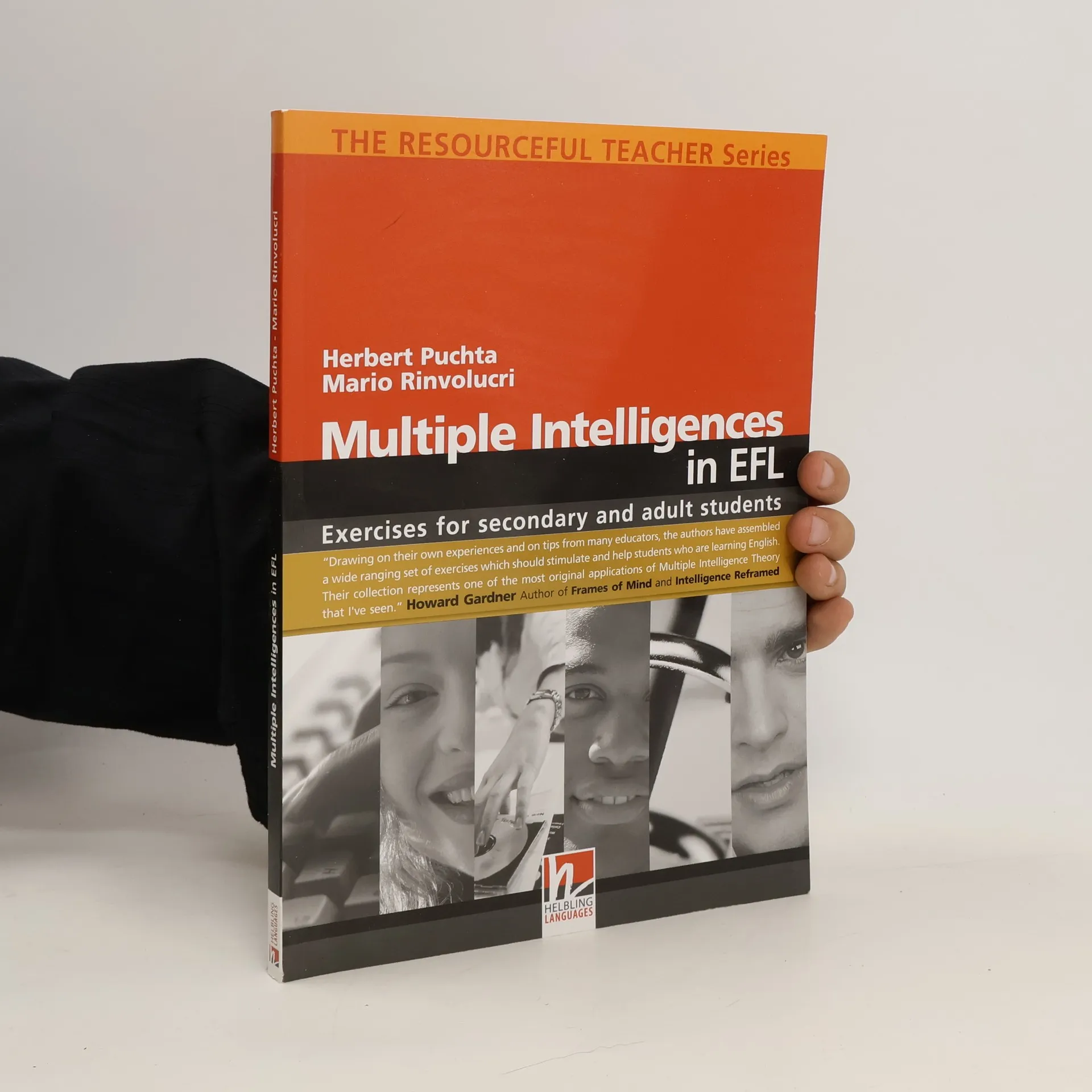
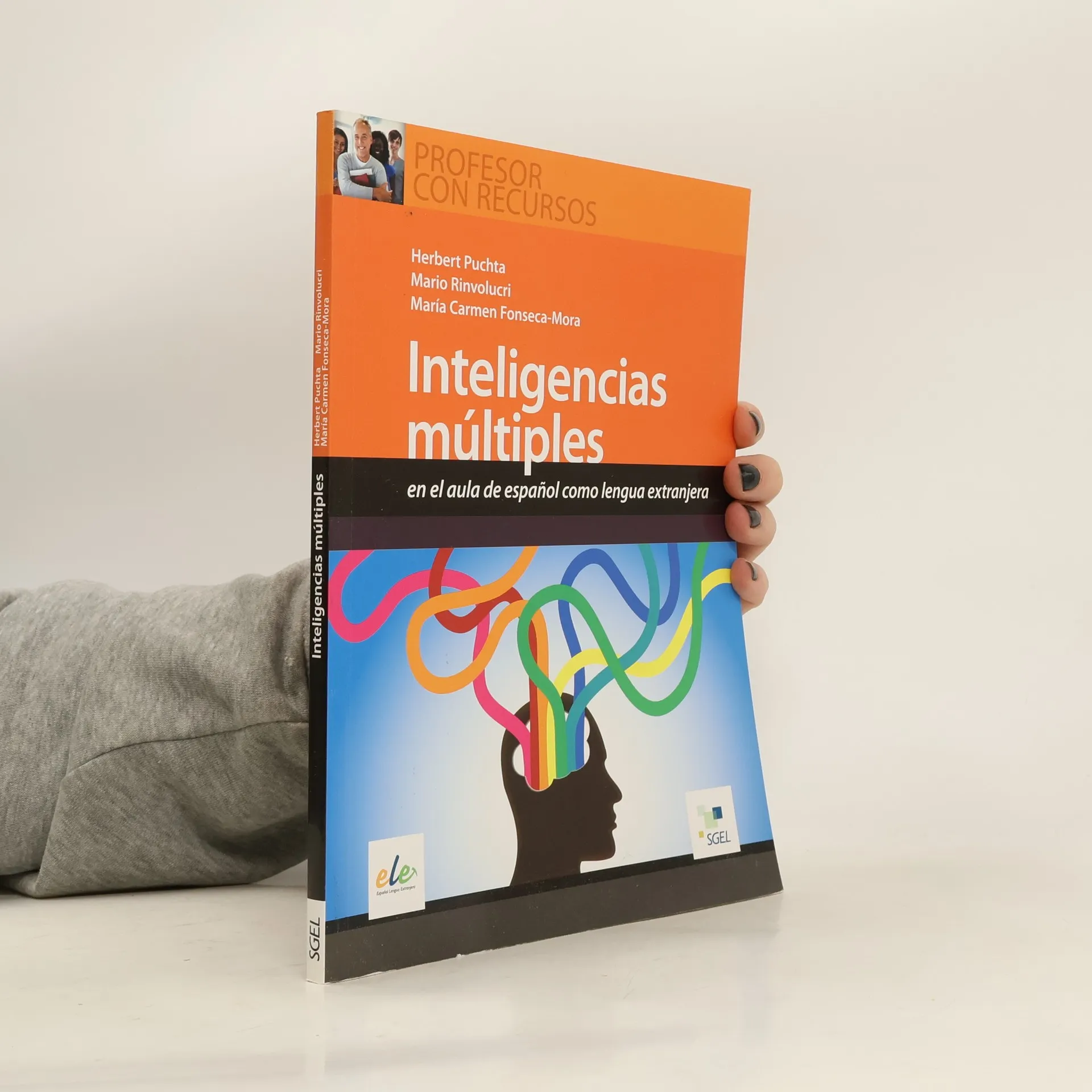
    Multiple Intelligences in EFL
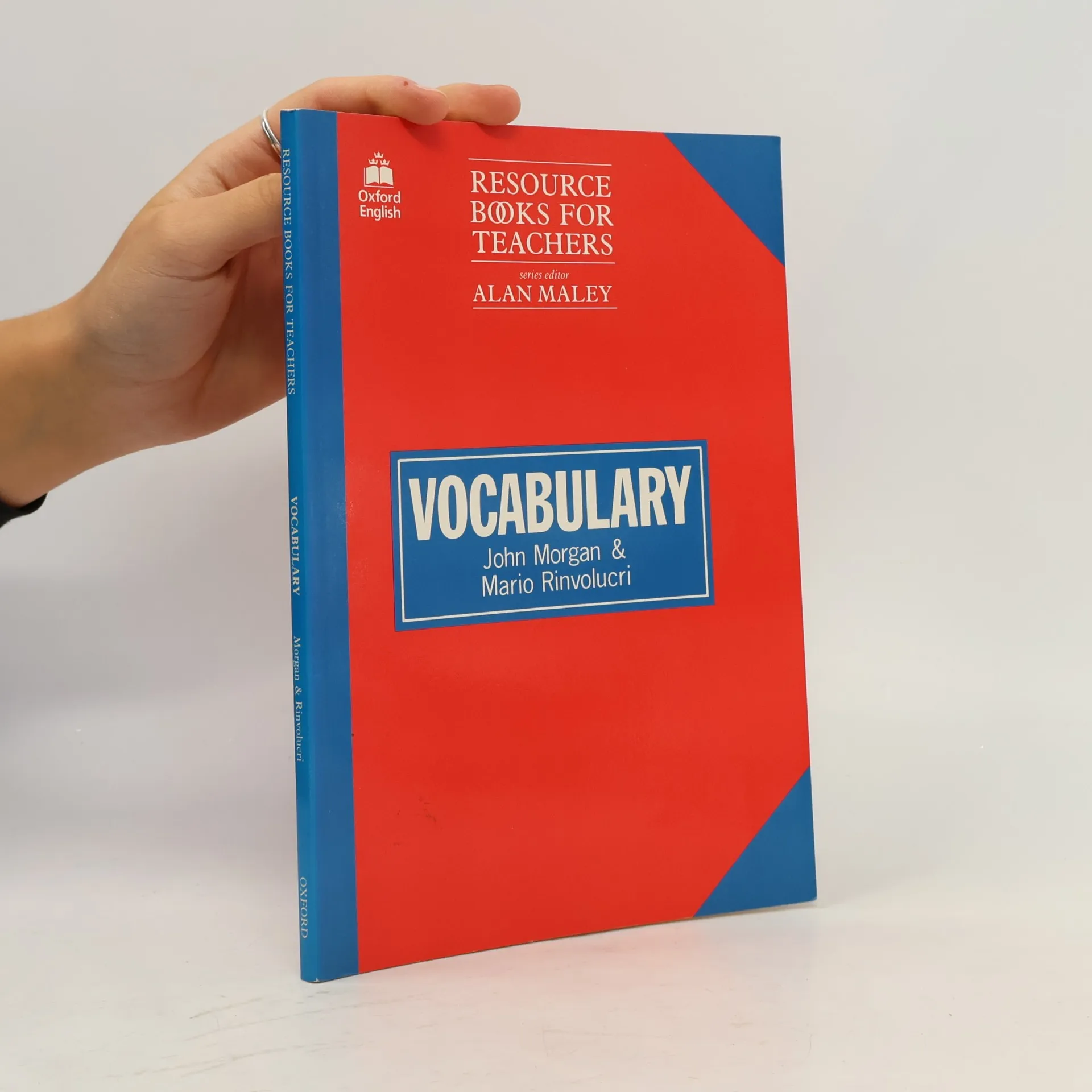
    Vocabulary
    Inteligencias múltiples en el aula de español como lengua extranjera
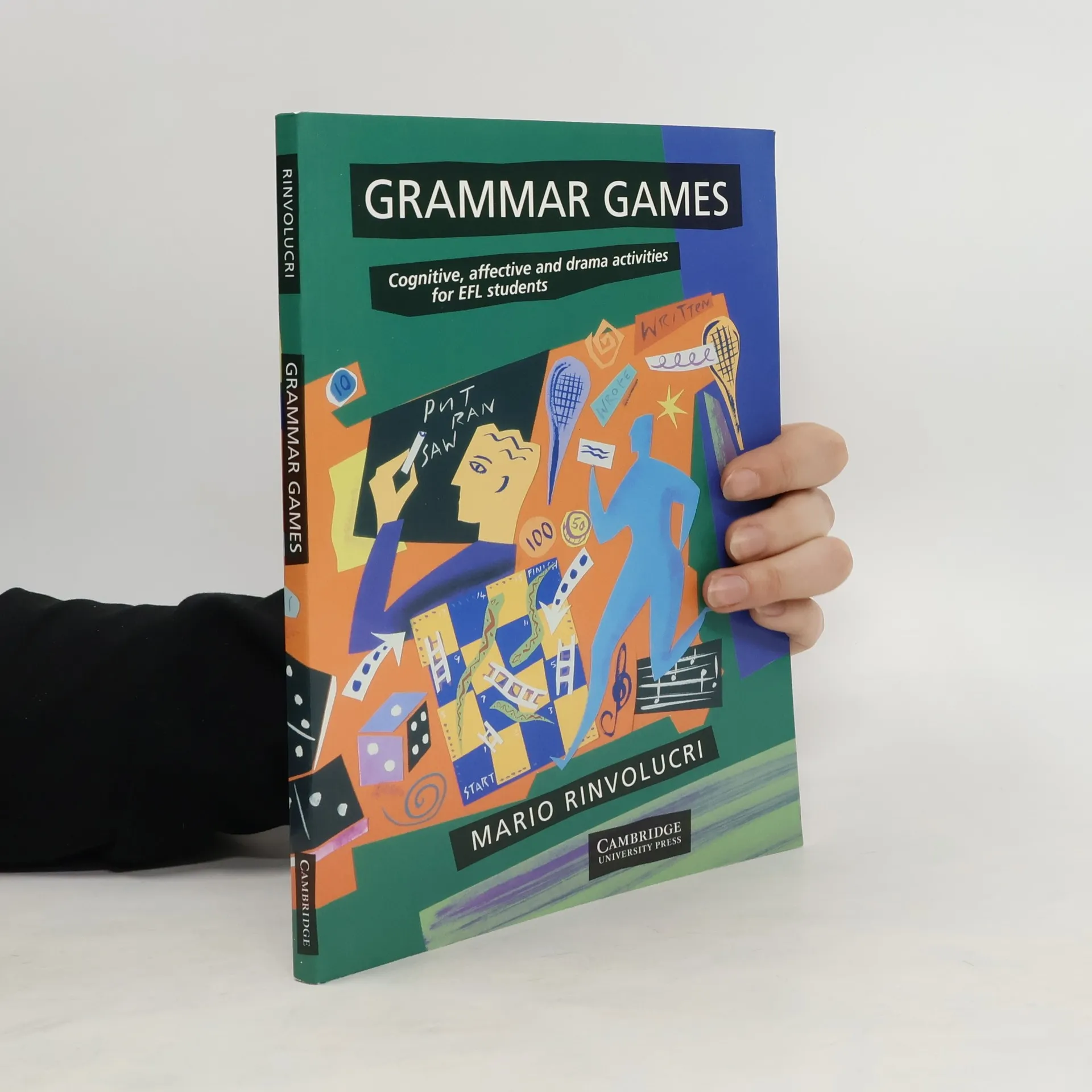
    • 66 Grammatikspiele. Deutsch als Fremdsprache

      • 118 páginas
      • 5 horas de lectura

      "Ernsthafte Grammatikarbeit im spielerischen Kontext bietet ""66 Grammatikspiele"". Klassische Gesellschaftsspiele wie Monopoly oder Dame helfen genau so dabei, die harte Nuss Grammatik zu knacken wie kognitive und kreative Aufgabenstellungen. Die Sammlung ist daher fr Schler und Erwachsene aller Lernniveaus geeignet und kann dabei helfen, die oft trockene Grammatikarbeit in eine aufgelockerte Atmosphre zu transportieren.Die in dieser Sammlung enthaltenen Spiele erfordern meist keine oder nur wenig Vorbereitung."
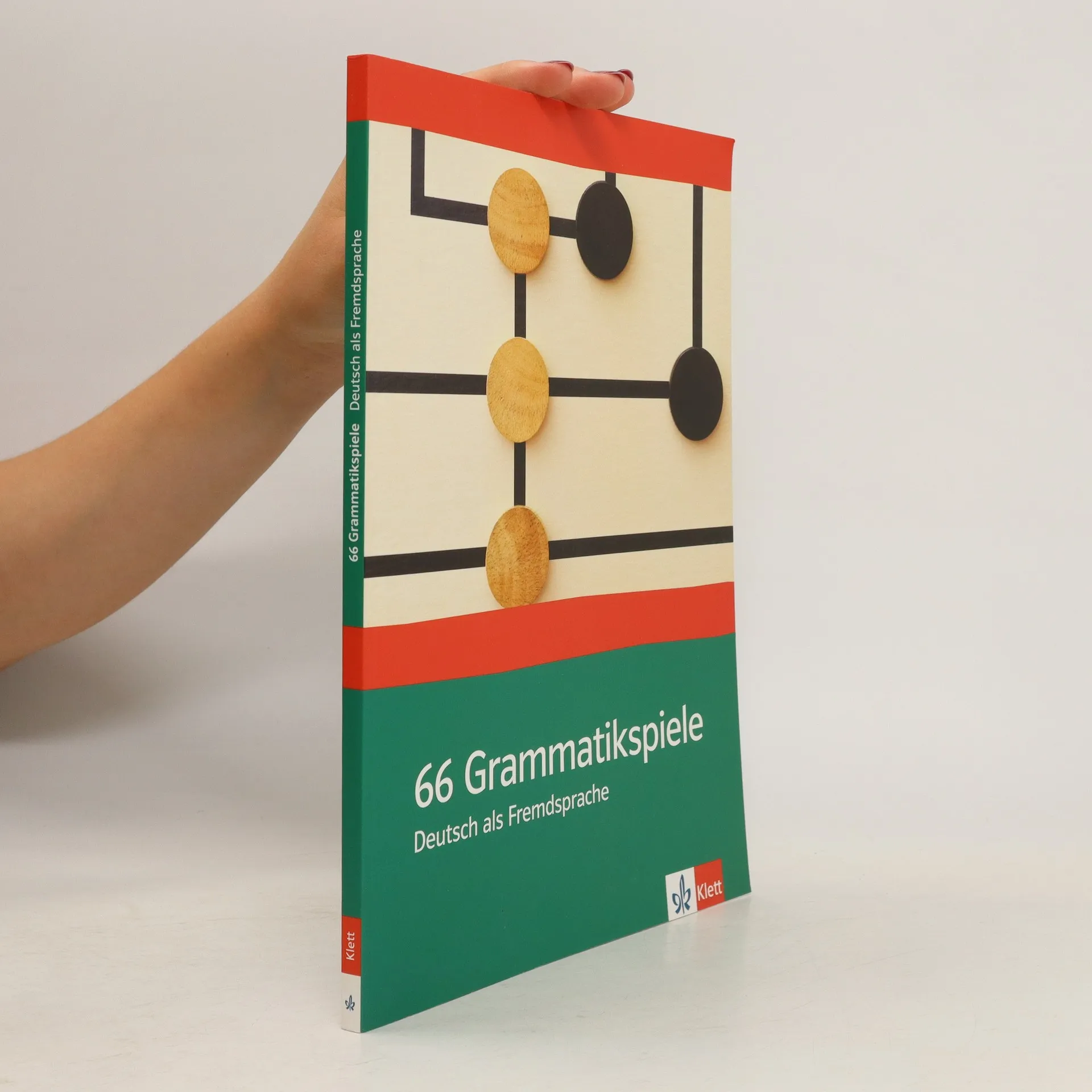
      66 Grammatikspiele. Deutsch als Fremdsprache2018
      5,0
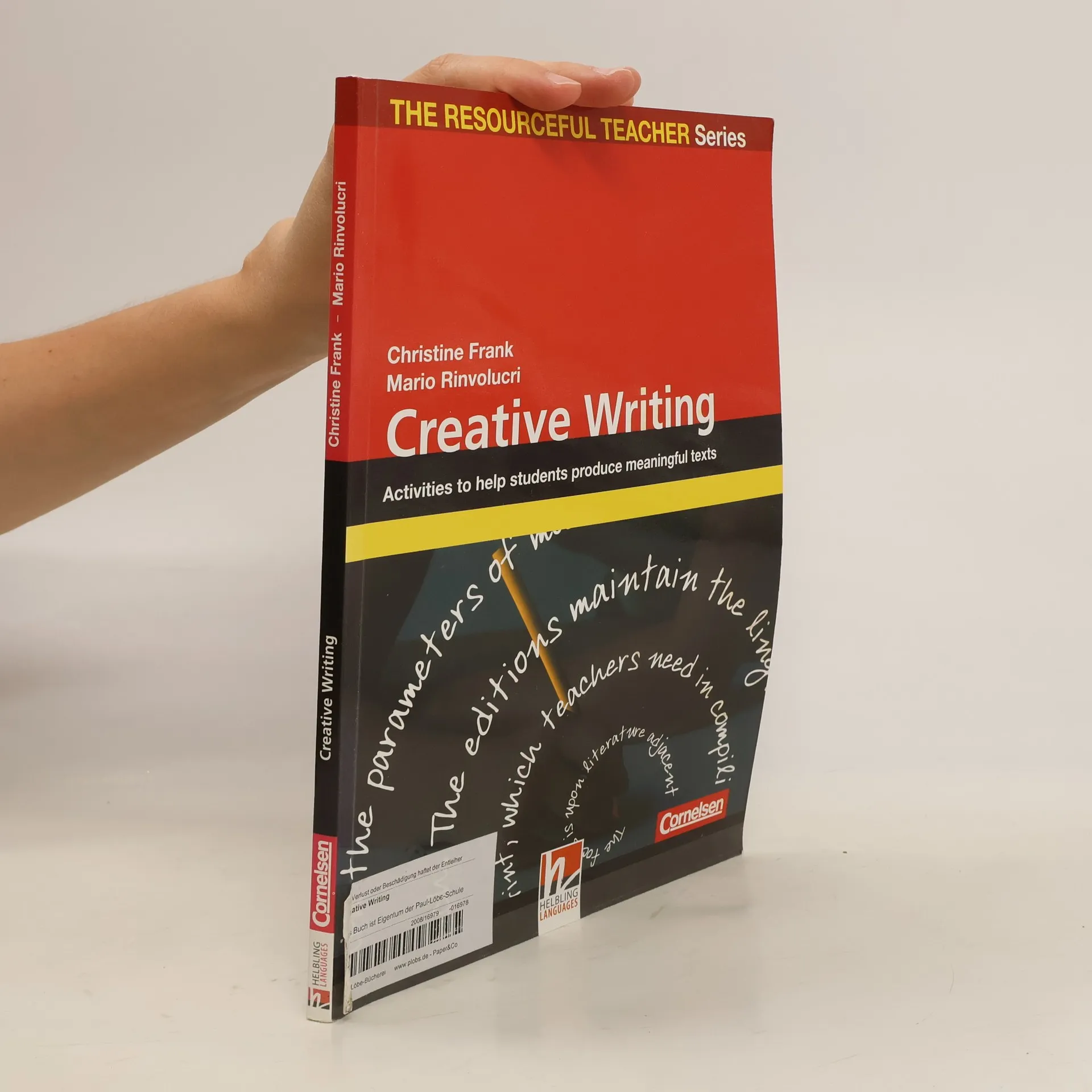
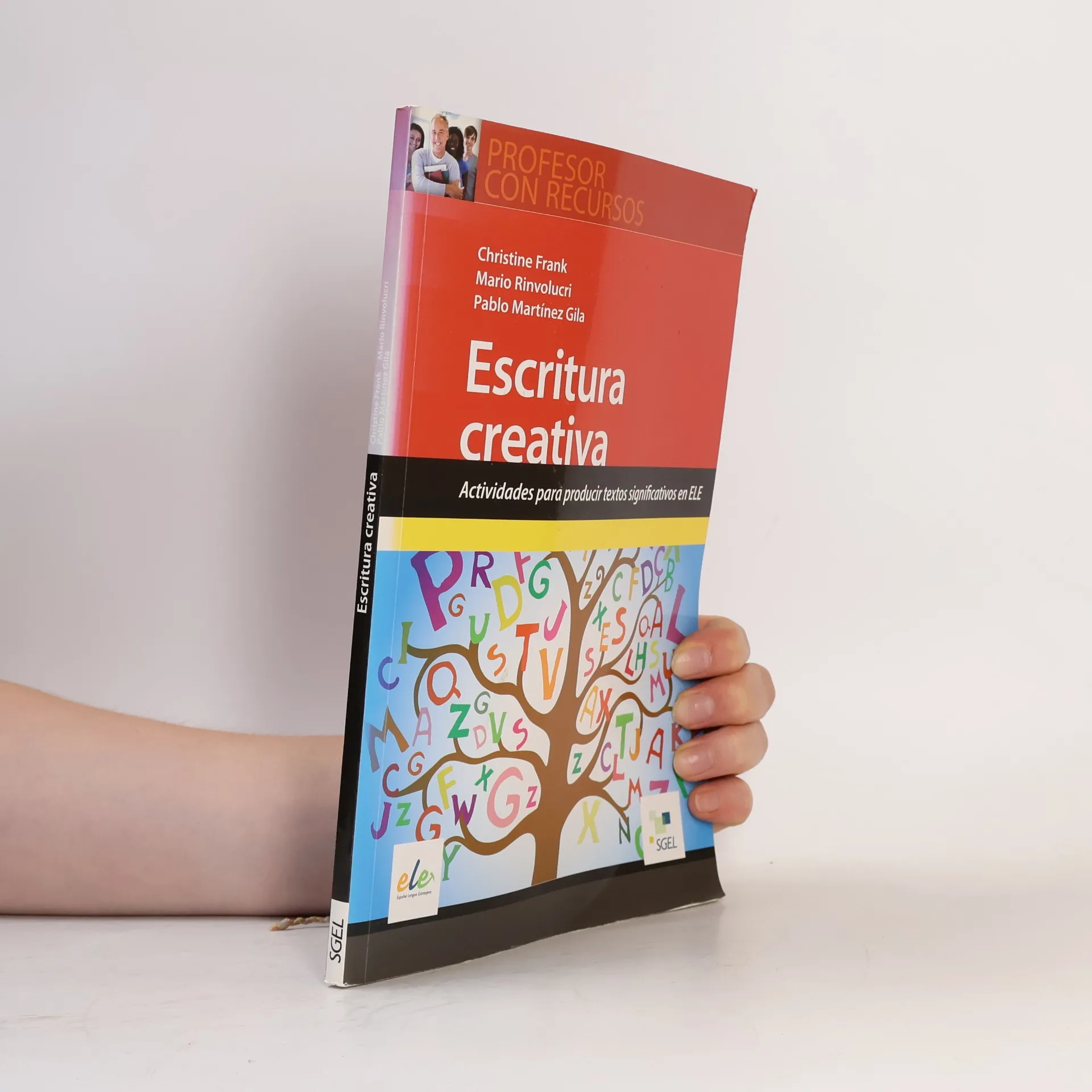
    • Creative Writing

      Activities to help students produce meaningful texts

      Creative Writing2007
    • Unlocking self-expression through NLP, part of the Professional Perspectives series, offers you over a hundred activities that create the need and the desire in the students to express themselves, be it in speech or in writing.Neuro-Linguistic Programming is the study of human experience, focusing on mind-body connection, on language as a mirror of the inner being and on the fact that much of our experience is mediated by powerful internal programmes we are not normally aware of.This book starts from the perspective of NLP and provides teachers with well over a hundred activities, designed to create the wish and need in students to express themselves in English, both in speech and in writing. Talking about newly-felt, newly-apprehended sensations and ideas through English gradually changes the learner’s relationship to the language:*A real desire to talk and write*An improved realtionship with the target language*A growing sense of ownership of the target language*A growth in psychological awareness*A more accurate awareness of classmates and a growth of respect for themThe activities are divided up into sections that go from Warmers to Exam Preparation, from Vocabulary work to Integrated Skills practice, through strategies such as Introspection, Questionnaires, Roleplay and Storytelling.

      DELTA Professional Perspectives: Unlocking self-expression through NLP2005
      3,8
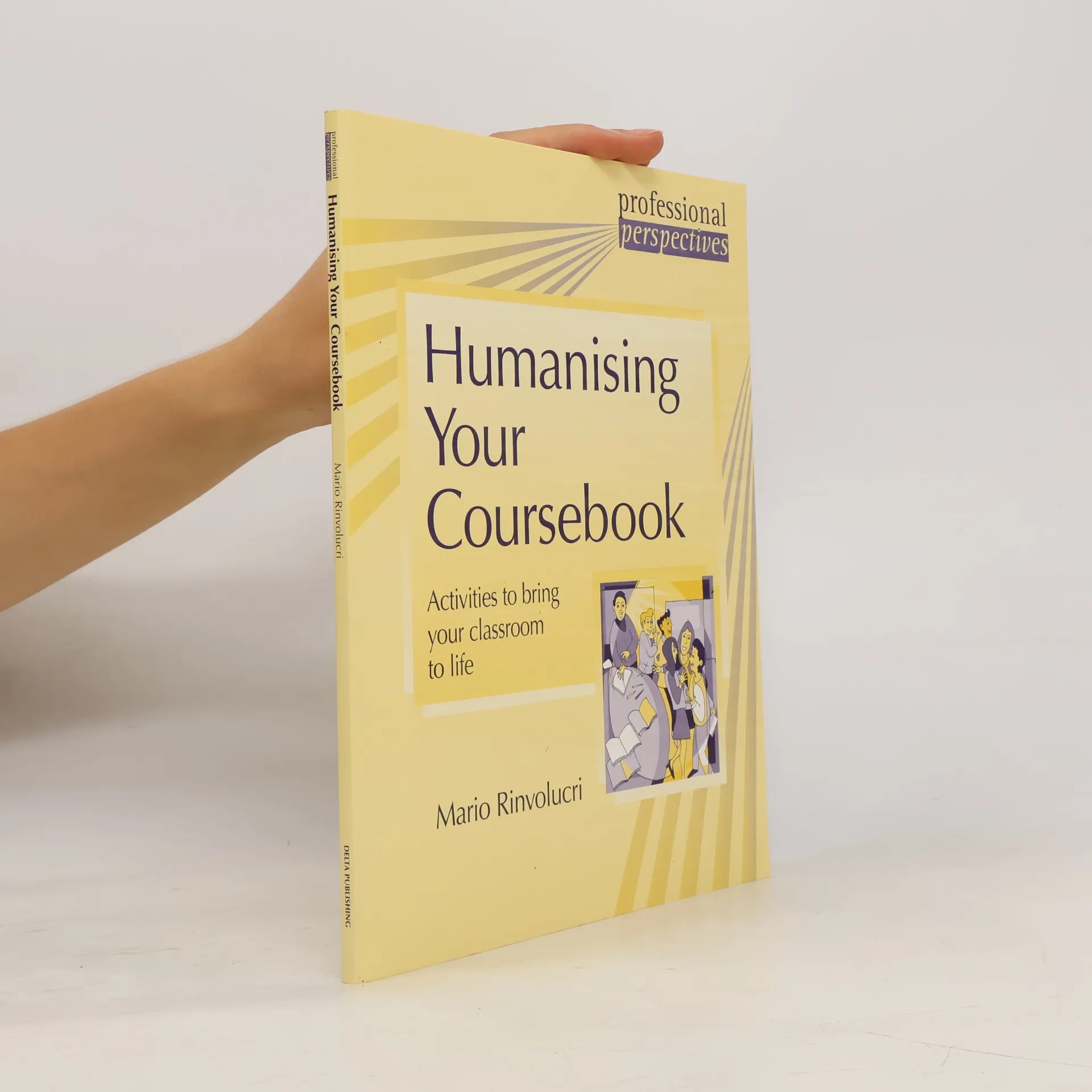
    • Humanising Your Coursebook

      • 96 páginas
      • 4 horas de lectura

      Humanising Your Coursebook, part of the Professional Perspectives series, provides a wide range of original, imaginative, humanistic activities and techniques designed to give new life to any coursebook.Designed to appeal to teachers wishing to diversify or experiment, and students in need of variety, motivation and change, Humanising Your Coursebook is packed with practical activities that: encourage innovation and require minimal preparation put the student ‘centre stage’ recognise the importance of different learning styles

      Humanising Your Coursebook2002
      4,3
    • Using the mother tongue

      • 96 páginas
      • 4 horas de lectura

      Using the Mother Tongue, part of the Professional Perspectives series , offers a variety of practical ways to make use of what is a very valuable resource by: providing ideas and guidelines on when and how to use the mother tongue encouraging teachers to use the mother tongue selectively and effectively raising awareness of the similarities and differences between languages building links between the mother tongue and the foreign language through comparison and translation The use of the mother tongue in the foreign language classroom has often been officially discouraged; however, many teachers have recognised that in practice using one’s own language to learn a foreign language is natural, necessary and efficient.

      Using the mother tongue2002
      4,4
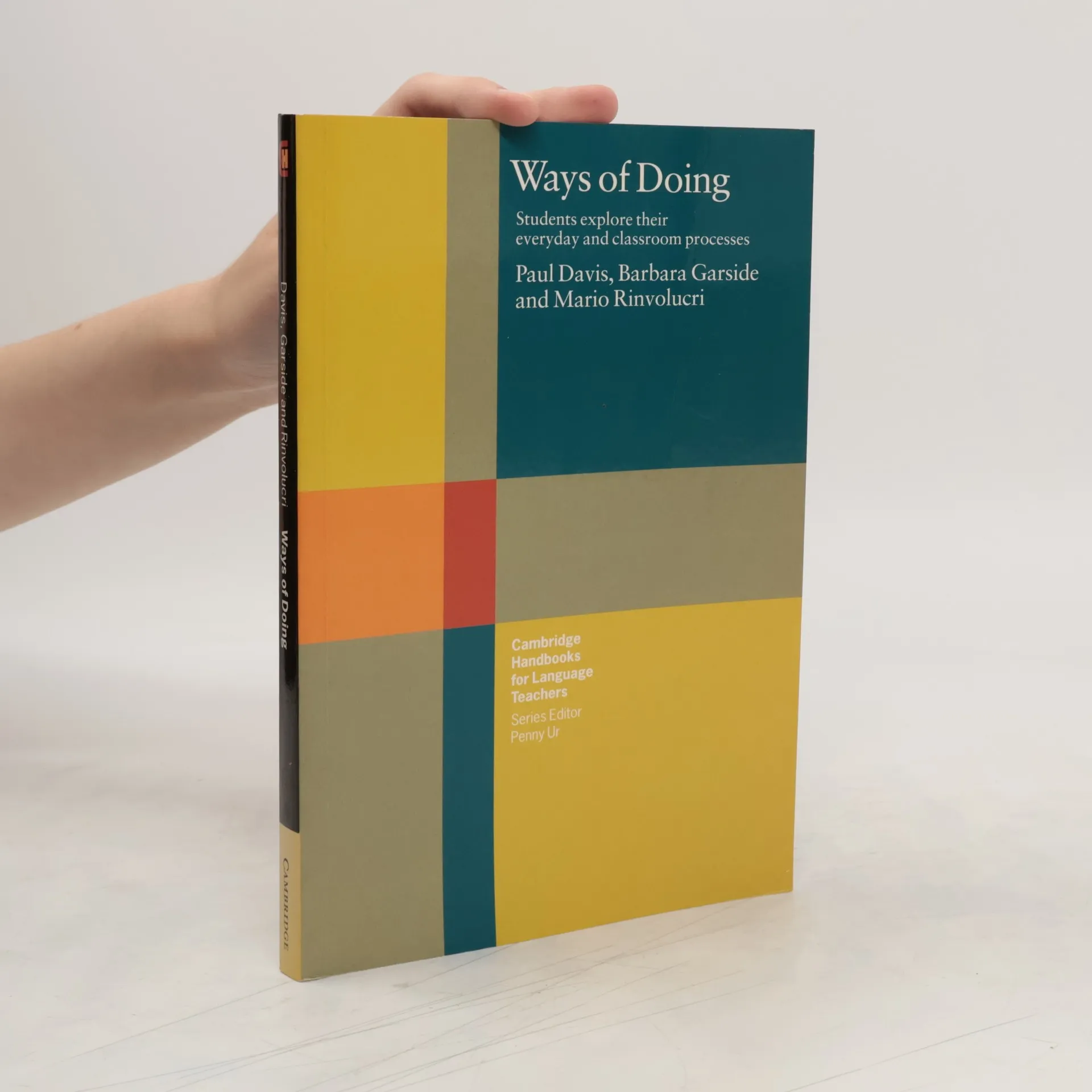
    • Ways of Doing

      Students Explore Their Everyday and Classroom Processes

      • 184 páginas
      • 7 horas de lectura

      Featuring over 100 engaging activities, this book emphasizes minimal preparation while encouraging students to think, speak, and write in English. Each activity is crafted to enhance language skills through interactive and thought-provoking exercises, making it an ideal resource for educators seeking to foster communication and critical thinking in their classrooms.

      Ways of Doing1999
      2,5
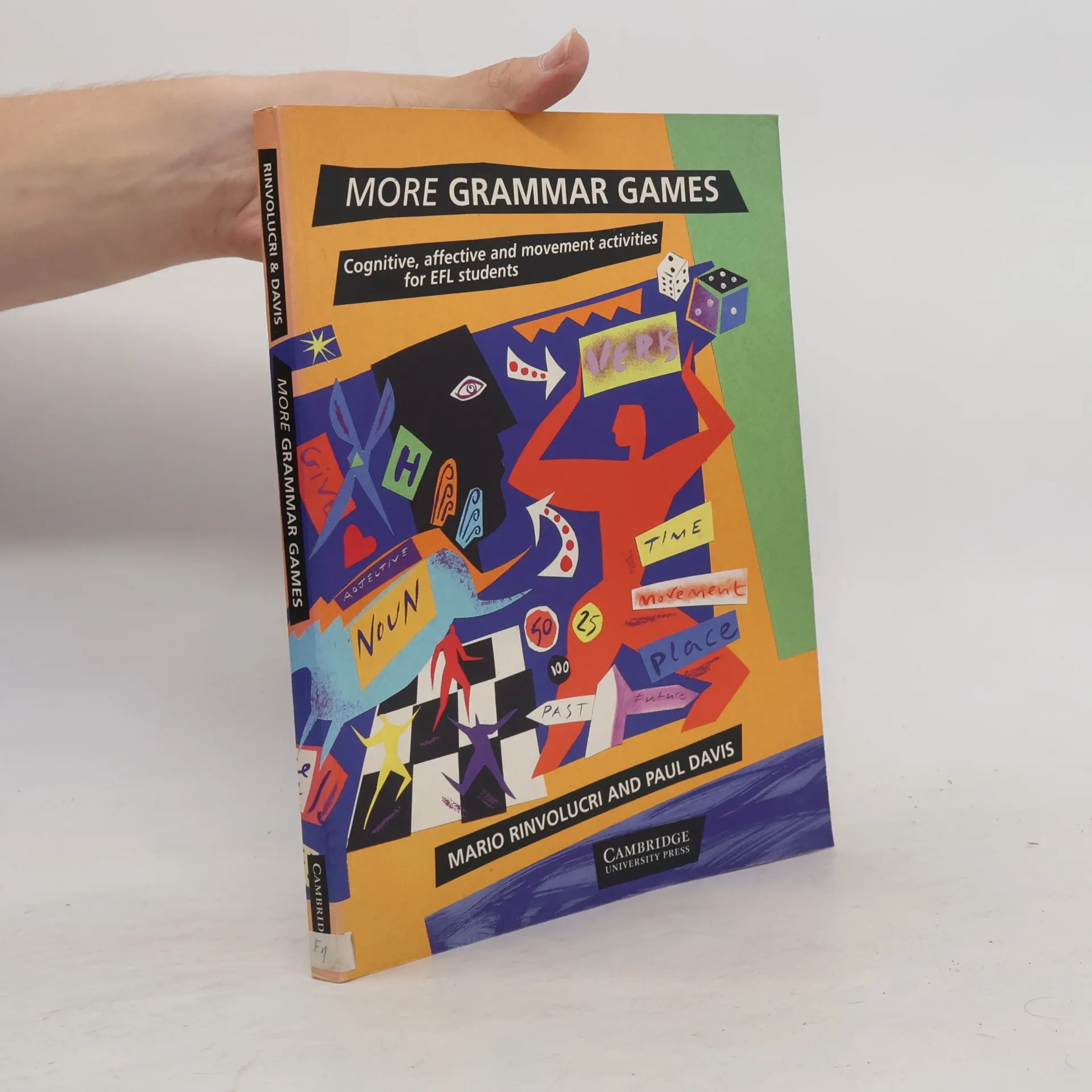
    • Cognitive, affective and drama activities for EFL students This resource book for teachers contains an exciting collection of activities which present and practise vital grammatical content in an original way. Each game is clearly introduced with a summary specifying the area of grammar to be practised, the level it is aimed at, the time required and the material needed. The activity is then presented using a step-by-step approach.

      More Grammar Games1998
      3,3
    • Letters

      • 142 páginas
      • 5 horas de lectura

      A Resource Book full of motivating ideas on reading, discussing, and writing letters in the English class.

      Letters1996
      3,0
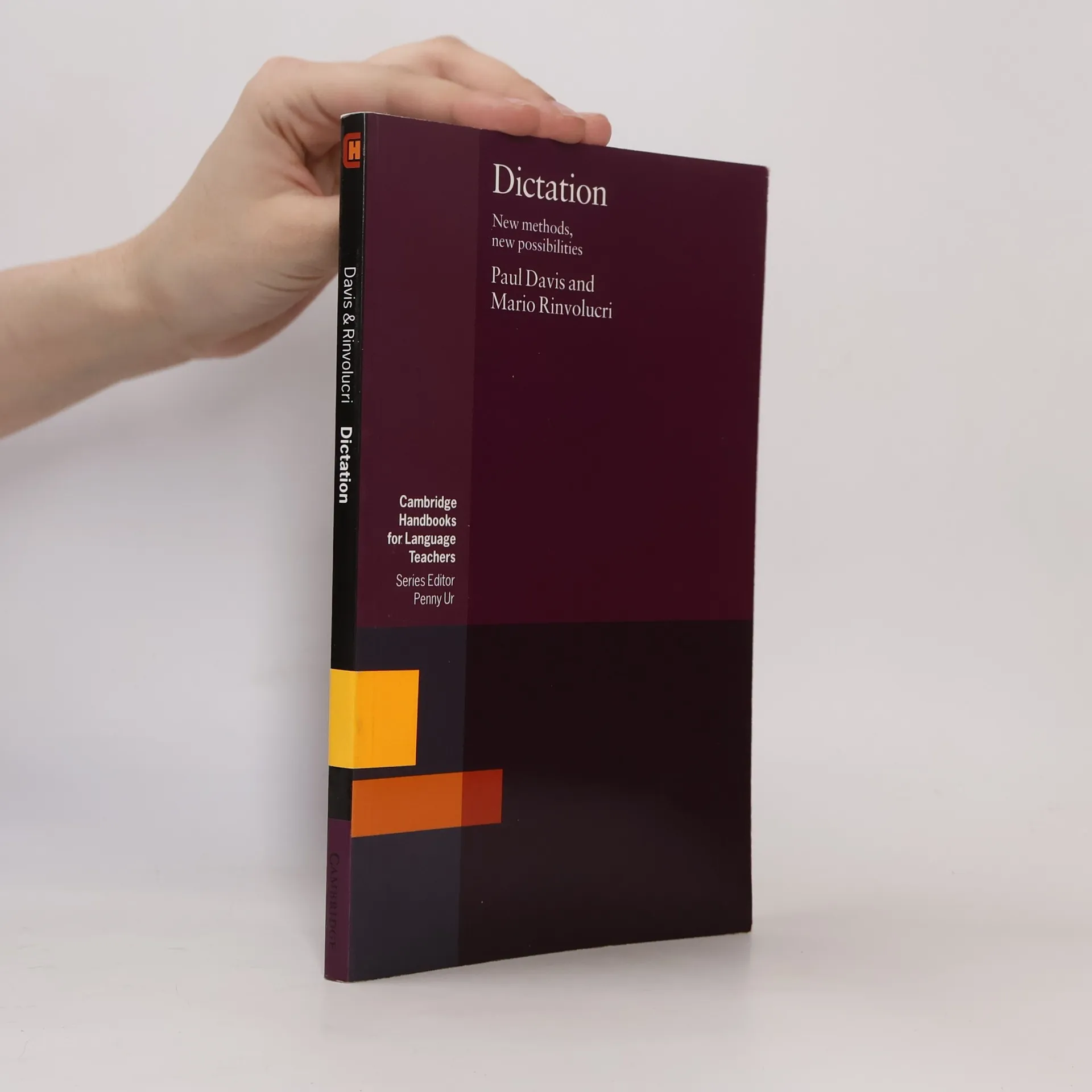
    • Dictation. New methods, new possibilities

      • 128 páginas
      • 5 horas de lectura

      This book contains a wealth of new techniques to extend the traditional language-learning activity of dictation. The authors present some thought-provoking answers to such apparently simple questions Who chooses the text? Who dictates? Who corrects? What and how do they correct? The activities range from traditional focuses on spelling and punctuation problems to exercise that emphasize personal attitudes and opinions of both teachers and students. Dictation activities suitable for a wide range of levels and ages; example texts for many activities, with permission to copy; opportunities for students to create their own texts; a variety of suggested correction techniques; suggestions for using dictation in teacher training.

      Dictation. New methods, new possibilities1989
      3,8
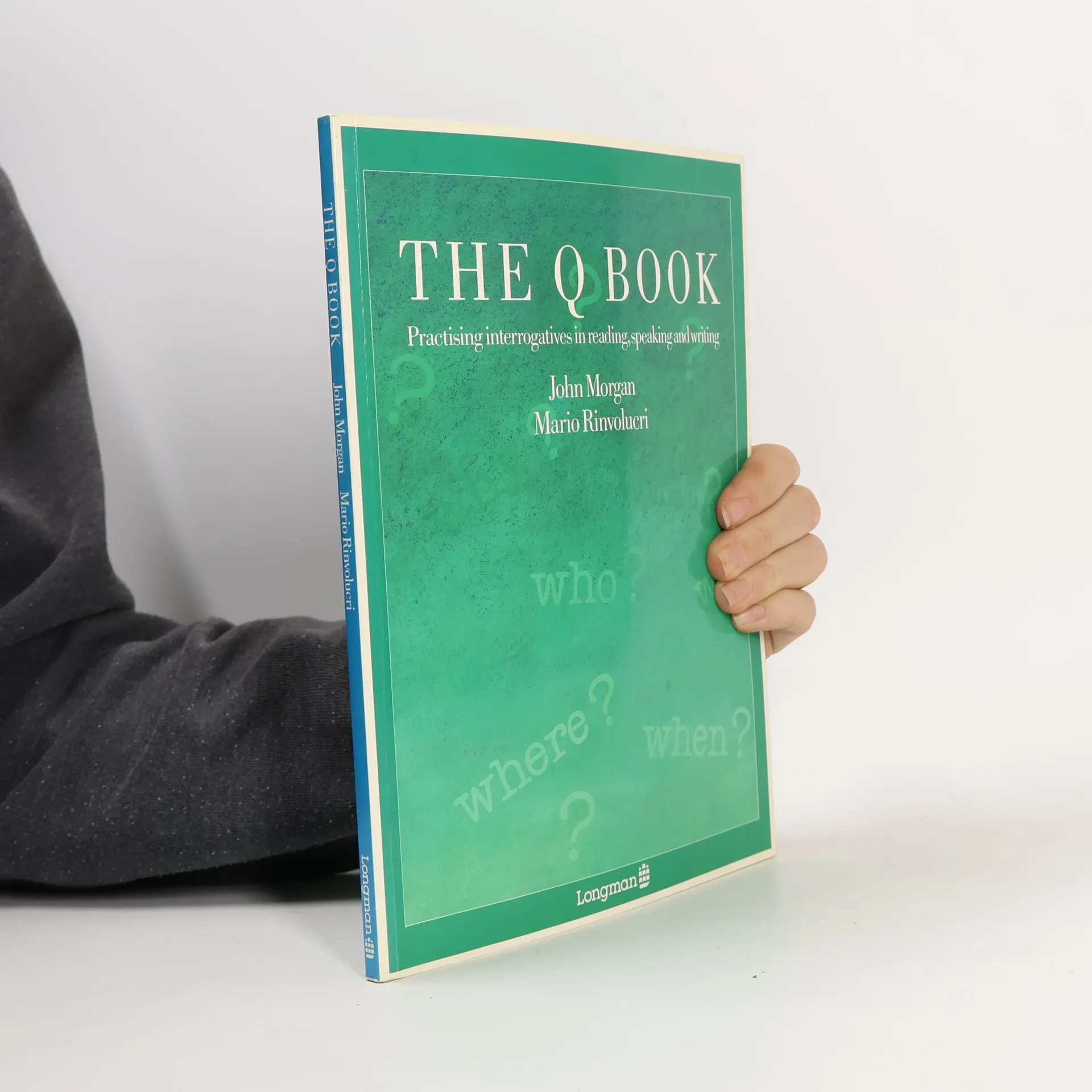
    • The material consists of lesson plans suitable for students of English from post-beginner to advanced levels. Each section is organized according to topics, language or structure, level, and length of time and materials required. There is a wide selection of quizzes, questionnaires and games based on humanistic principles to encourage spontaneity and originality. The instructions are clear, and there are suggestions and follow-up work for each activity. The wide variety of appropriately-chosen topics gives the opportunity to develop interdisciplinary teaching as well, by involving sociology, psychology, politics, etc. Another great merit of the book is that the students are made to ask questions themselves, rather than to wait for a lead from the teacher. In fact the activities are so well organized that in most cases the teacher does not need to intervene in the work of the students. The positive role of group work is strongly confirmed. The authors give a number of variations, and suggest 'either . . . or' activities, encouraging the teacher not to view their suggestions once-and-for-always lesson plans.

      The Q Book1988
    • Vocabulary

      • 133 páginas
      • 5 horas de lectura

      This title includes the following Looks at the process of vocabulary learning and proposes practical classroom activities to help learners acquire vocabulary.; Sets out the exercises clearly in the form of lesson plans with sample material.; Covers all areas of language texts, aural comprehension, written and oral practice.; Can be used alone or in conjunction with the teacher's own materials or a textbook.

      Vocabulary1986
      4,7
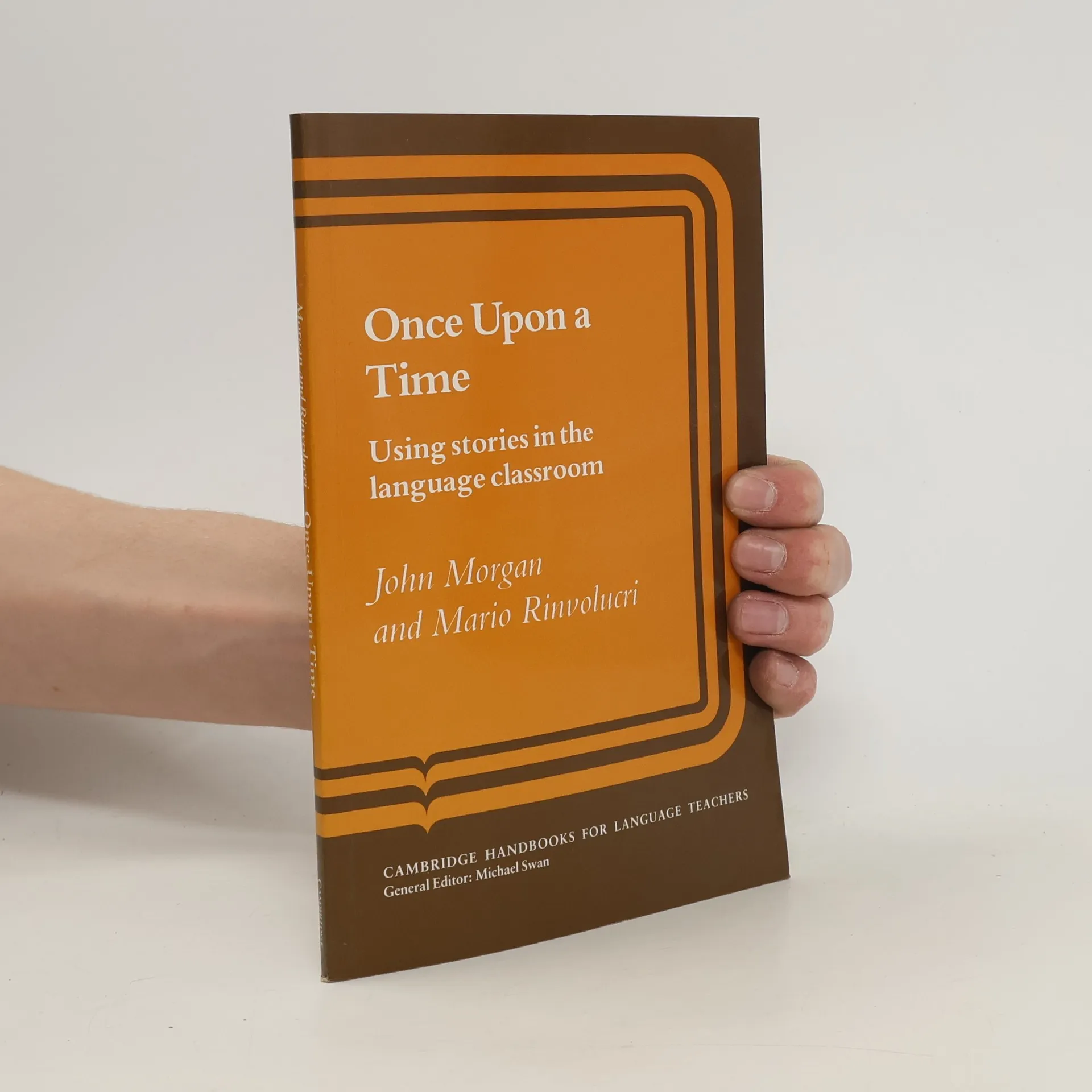
    • Cambridge Handbooks for Language Teachers: Once upon a Time

      Using Stories in the Language Classroom

      • 128 páginas
      • 5 horas de lectura

      Stories can provide a highly motivating, engaging and realistic source of genuine language interaction in the classroom. They are 'living language' in which the teacher (or student storyteller) becomes the source of language, and the listeners are actively involved in understanding. The authors argue from experience that almost everyone can tell stories convincingly, especially given an outline to work from. A very wide range of these outlines, from many cultures and sources, are provided. These can be used by the teacher as a resource for a variety of activities for students from beginner to advanced levels, including listening comprehension, grammar practice, oral production and fluency practice, but above all for exposure to real spoken language.

      Cambridge Handbooks for Language Teachers: Once upon a Time1983
    • Challenge to Think

      • 80 páginas
      • 3 horas de lectura

      Provocative, amusing, controversial, blaffling. Challenge to think is a fascinating compendium of English language puzzles, problems, thinking games, questions and issues, to give intermediate students practice in vital language skills. Three parts : speaking; reading and speaking; writing and speaking

      Challenge to Think1982