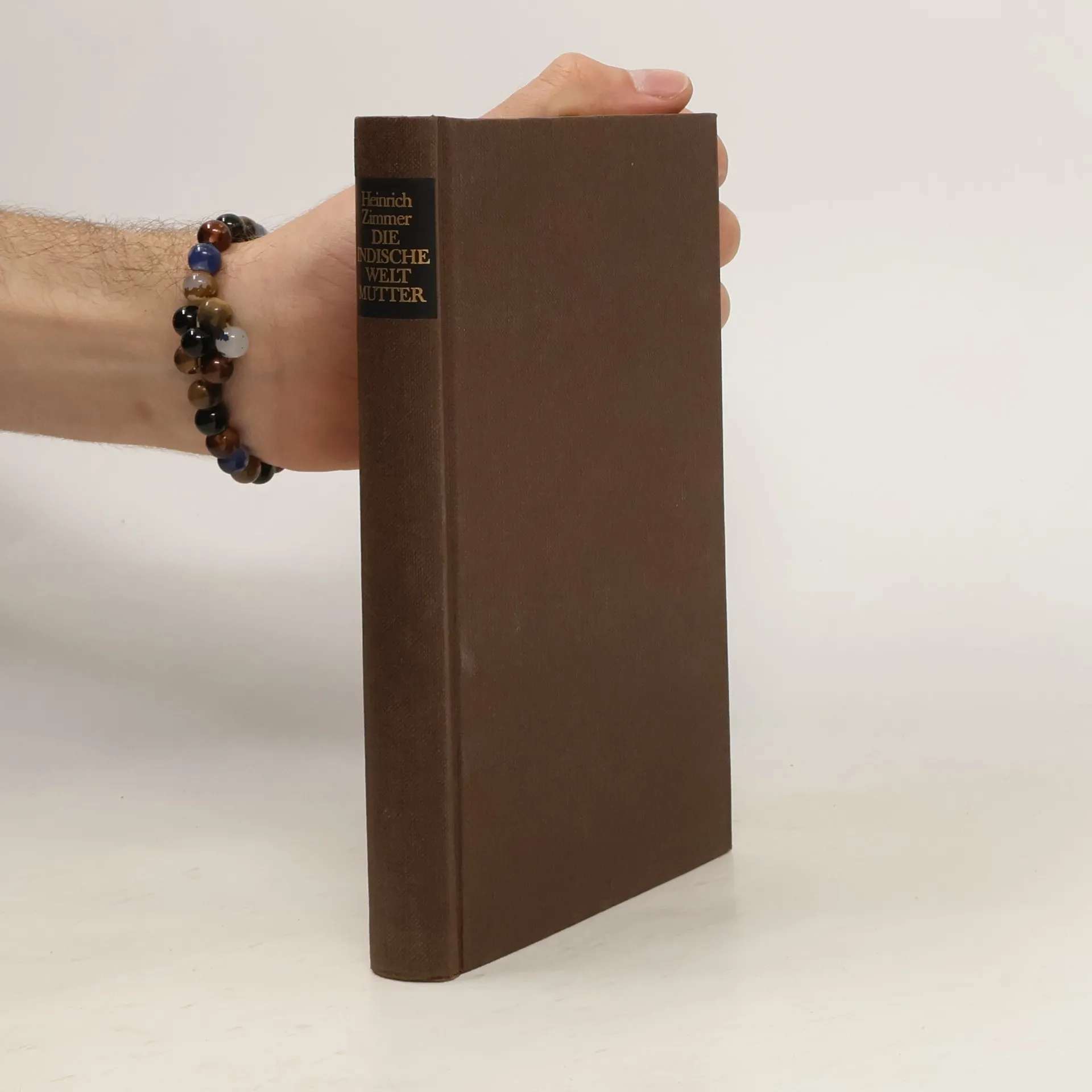
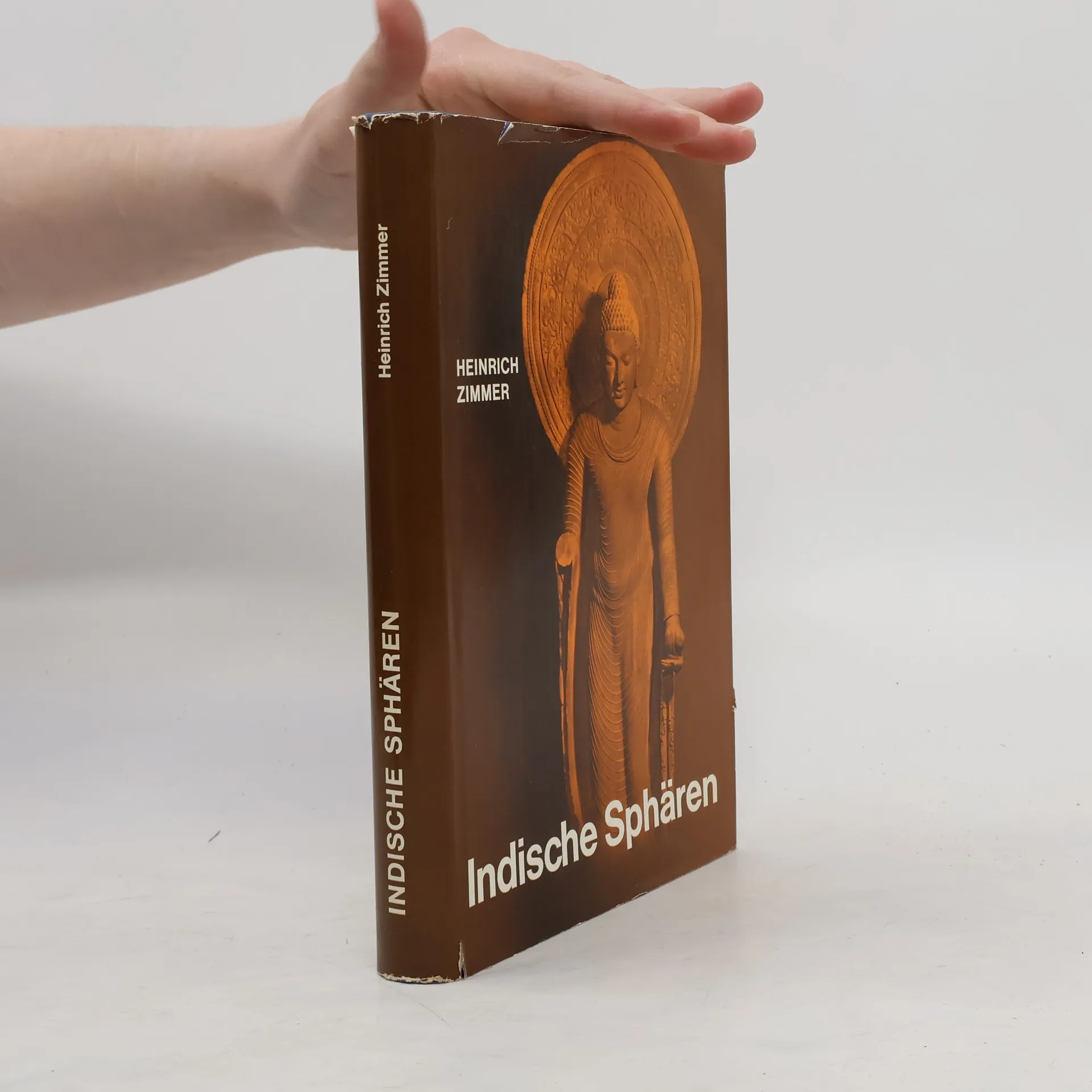
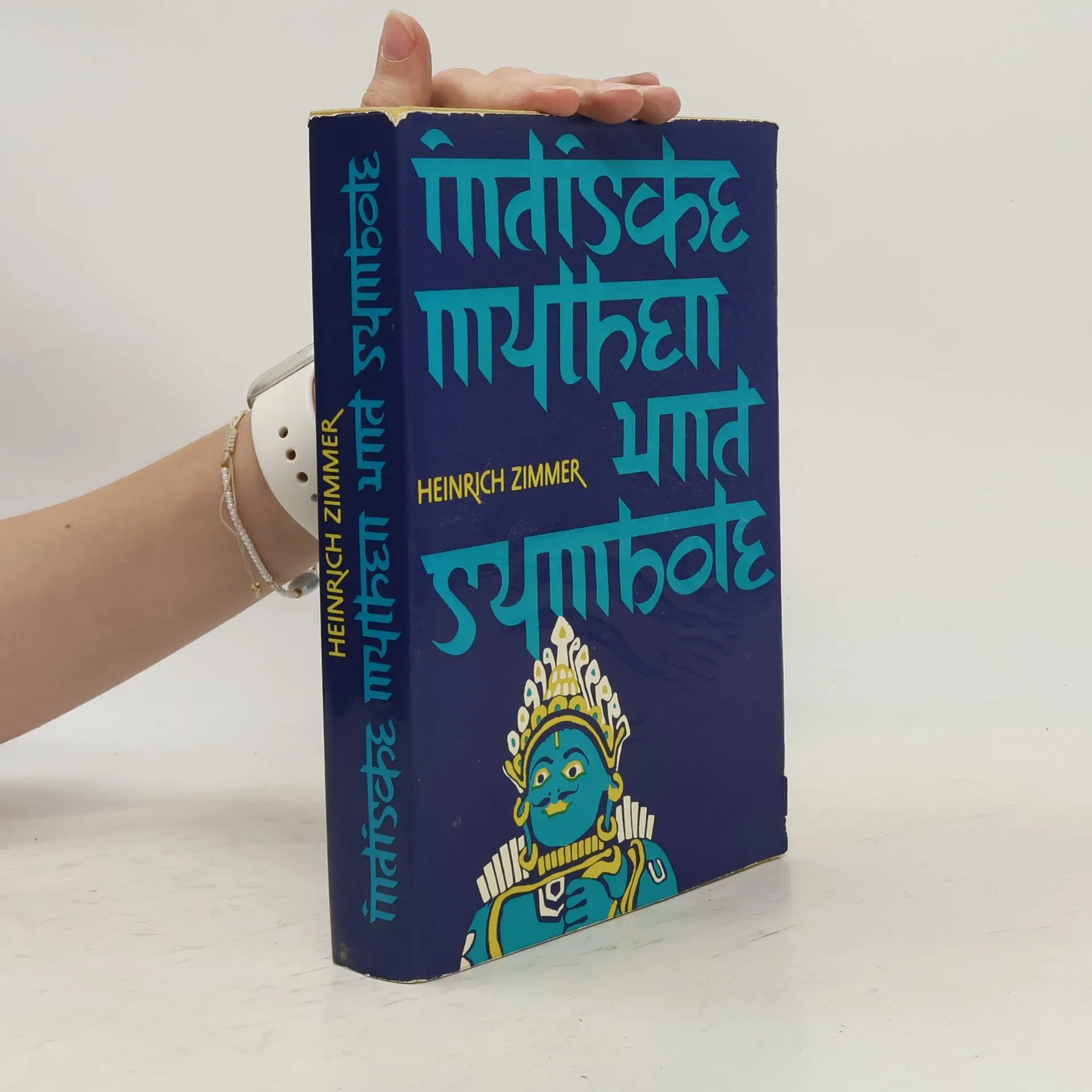
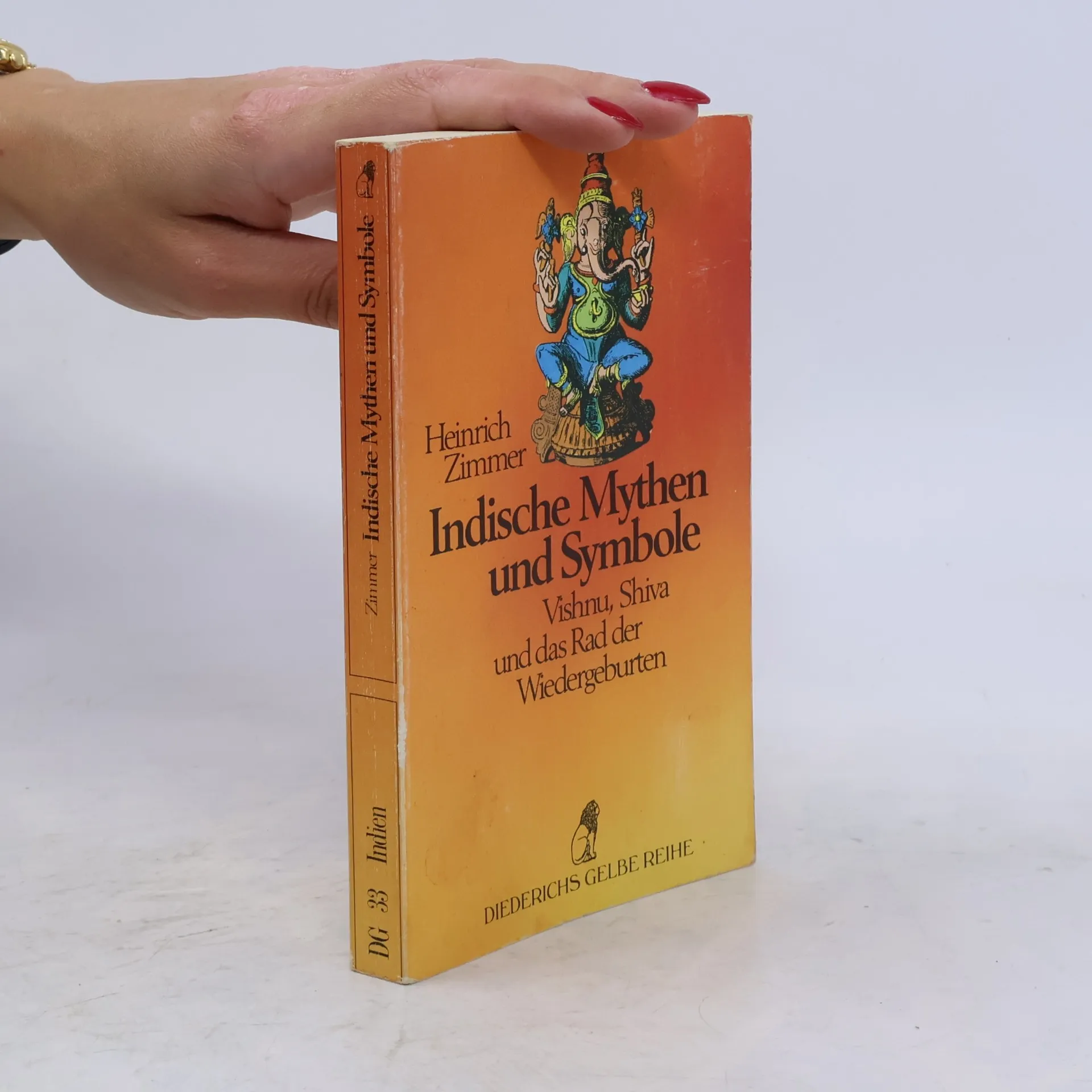
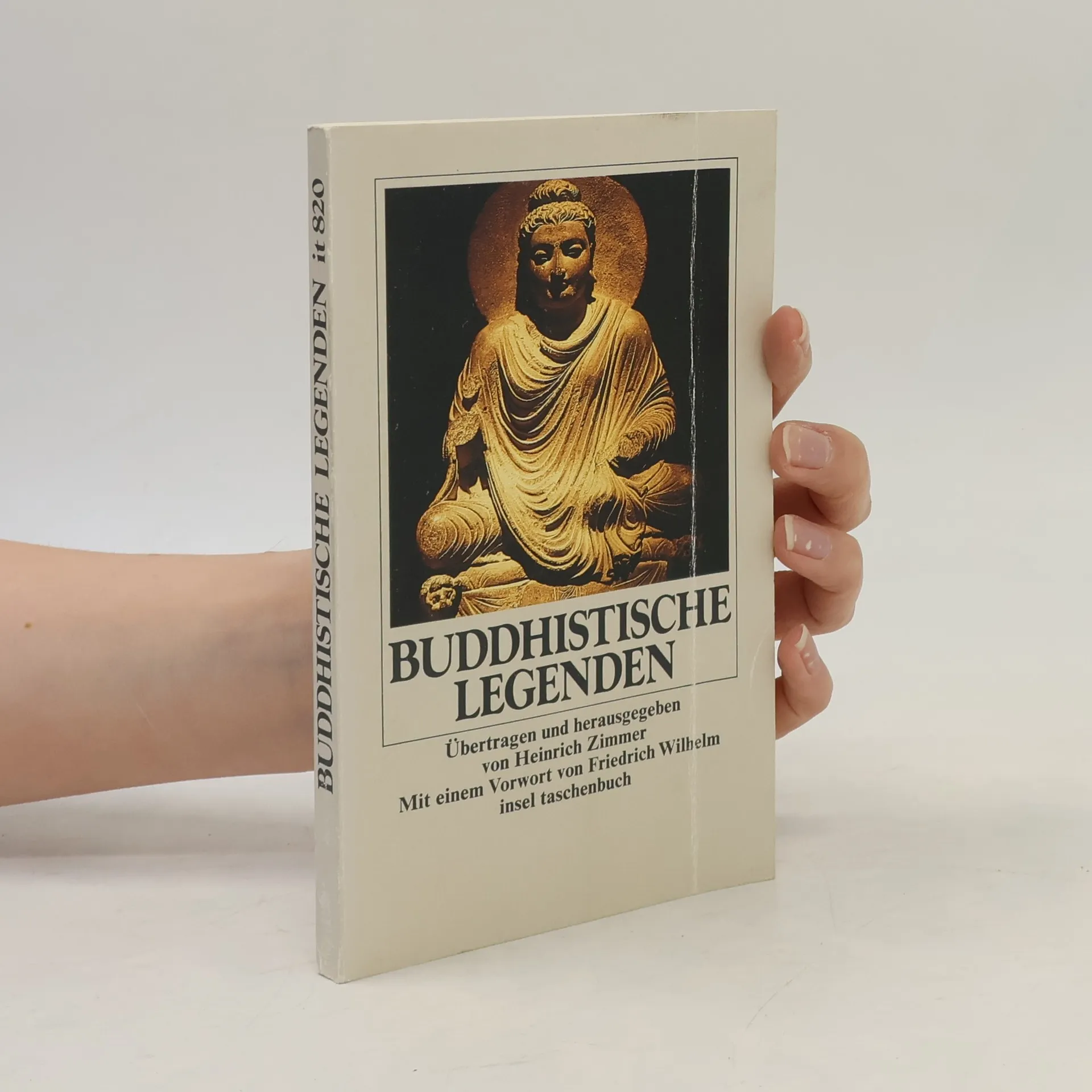
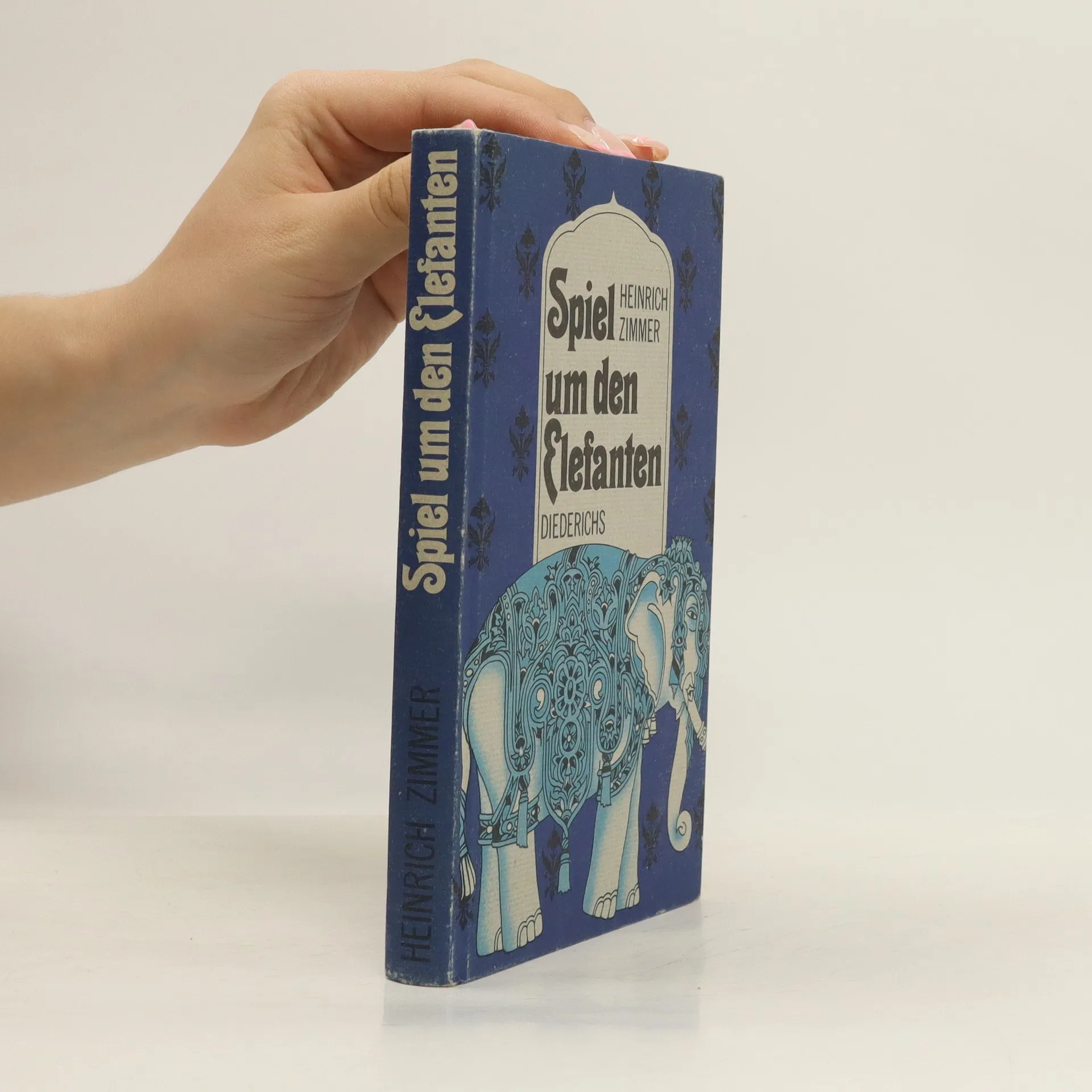
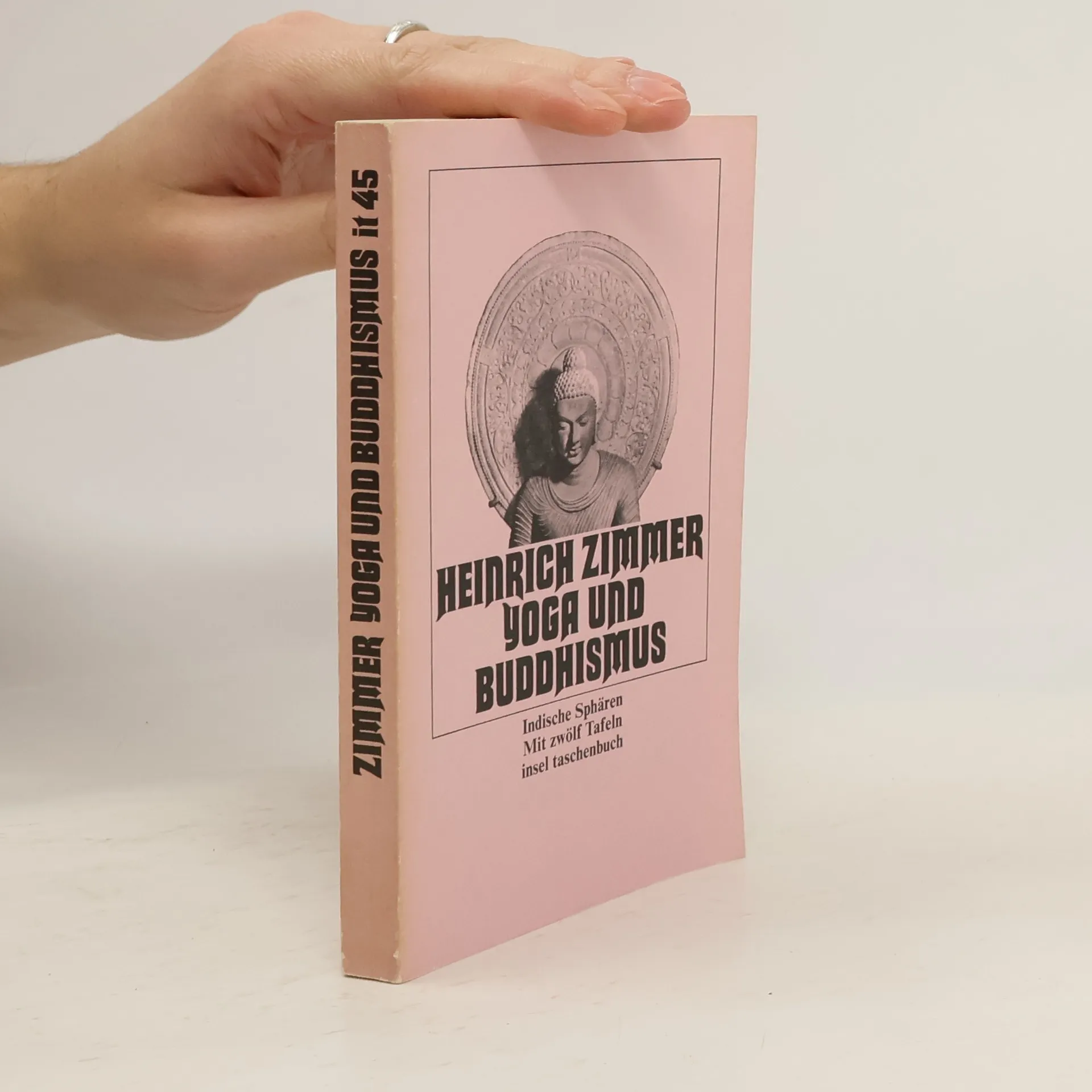
Heinrich Zimmer fue un destacado indólogo e historiador del arte del sur de Asia, reconocido por su enfoque innovador en la interpretación de la imaginería religiosa. En lugar de métodos tradicionales, Zimmer examinó el arte a través de su significado sagrado y su capacidad de transformación psíquica. Su profundo conocimiento de la mitología y filosofía hindú, en particular de las obras puránicas y tántricas, le otorgó una visión única de la esencia del arte. Esta perspectiva distintiva, que vinculó la filosofía y la historia religiosa india con el arte y la psicología, contribuyó significativamente a la popularización del arte del sur de Asia en Occidente.
Zimmer moves among [the myths of India] unhurriedly, with a respect that
amounts to devotion. Gradually his comments bring to light the universal
meanings beneath the archaic exterior.--New York Times
A Princeton Classics edition of an essential work of twentieth-century scholarship on India Since its first publication, Philosophies of India has been considered a monumental exploration of the foundations of Indian philosophy. Based on the copious notes of Indologist, linguist, and art historian Heinrich Zimmer, and edited by Joseph Campbell, this book is organized into three sections. “The Highest Good” looks at Eastern and Western thought and their convergence; “The Philosophies of Time” discusses the philosophies of success, pleasure, and duty; and “The Philosophies of Eternity” presents the fundamental concepts of Buddhism, Brahmanism, Jainism, Sankhya and yoga, and Tantra. This work examines such areas as the Buddhist Tantras, Buddhist Genesis, the Tantric presentation of divinity, the preparation of disciples and the meaning of initiation, and the symbolism of the mandala-palace Tantric ritual and twilight language. It also delves into the Tantric teachings of the inner Zodiac and the fivefold ritual symbolism of passion. Appendices, a bibliography, and general and Sanskrit indexes are included.
The book presents C. G. Jung's 1933 seminar on yoga's symbolism and its relevance to dream analysis, held during a politically charged time in Germany. It features insights from Indologist Heinrich Zimmer and explores Jung's engagement with Hindu traditions, particularly Tantric yoga. Jung examines a patient's dreams, emphasizing mandalas and their connection to various symbolic motifs, including alchemy and labyrinths. With an introduction by Giovanni Sorge, it highlights Jung's evolving understanding of Eastern thought and the individuation process during a pivotal period in his career.
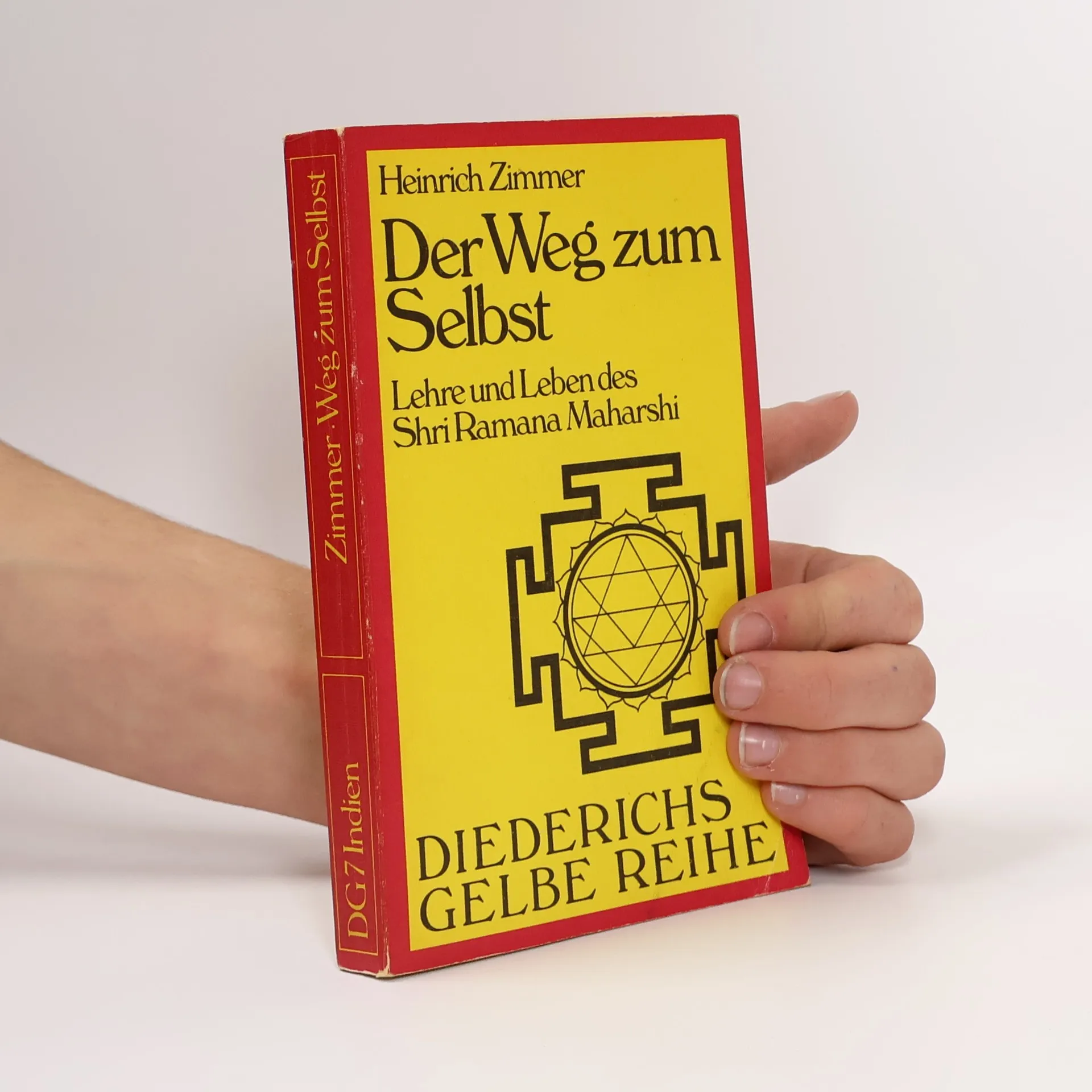
Ramana Maharshi (1879-1950) gilt als einer der größten Advaita-Lehrer aller Zeiten. Er lehrte Selbstergründung (atma-vichara). Bereits im Alter von 17 Jahren verwirklichte er das Selbst und lebte fortan am Berg Arunachala in Südindien, wo ihn Menschen aus allen Kulturen und Erdteilen besuchten. Einige lebten bei ihm und viele sahen in ihm ihren Sat-Guru. Dieses Buch ist die erste Biografie über Ramana Maharshi im deutschen Sprachraum und das letzte Werk des bedeutenden Indologen Heinrich Zimmer. C.G. Jung hat es 1944, ein Jahr nach Zimmers Tod, herausgebracht. Die Neuauflage entspricht der Erstauflage und enthält u.a. einen ausführlichen Artikel von C.G. Jung über den großen Heiligen vom Berg Arunachala.
Bei diesem Werk handelt es sich um eine urheberrechtsfreie Ausgabe. Der Kauf dieser Kindle-Edition beinhaltet die kostenlose, drahtlose Lieferung auf Ihren Kindle oder Ihre Kindle-Apps.