"Roudinesco provides a finely drawn map of the intellectual debates within French psychoanalysis, especially under the influence of the German emigrés during the 1930s and 1940s. She is a good historian, in that she provides not only a narrative history but also extensive passages from Lacan's own oral-history interviews with the various figures, so that we have not only her commentary but some flavor of the original documentation. Many of the quotes are gems."—Sander I. Gilman, Bulletin of the History of Medicine
Exploring the "Blanchot affair," Jeffrey Mehlman reveals the complex past of a key figure in French thought who was linked to fascism in the 1930s. This investigation delves into the ideological implications of literary works, offering fresh insights into the intersection of psychoanalysis and literature. The book serves as a thought-provoking examination of literature, ethics, and the French experience during World War II, challenging readers to reconsider the moral responsibilities of writers and their legacies.
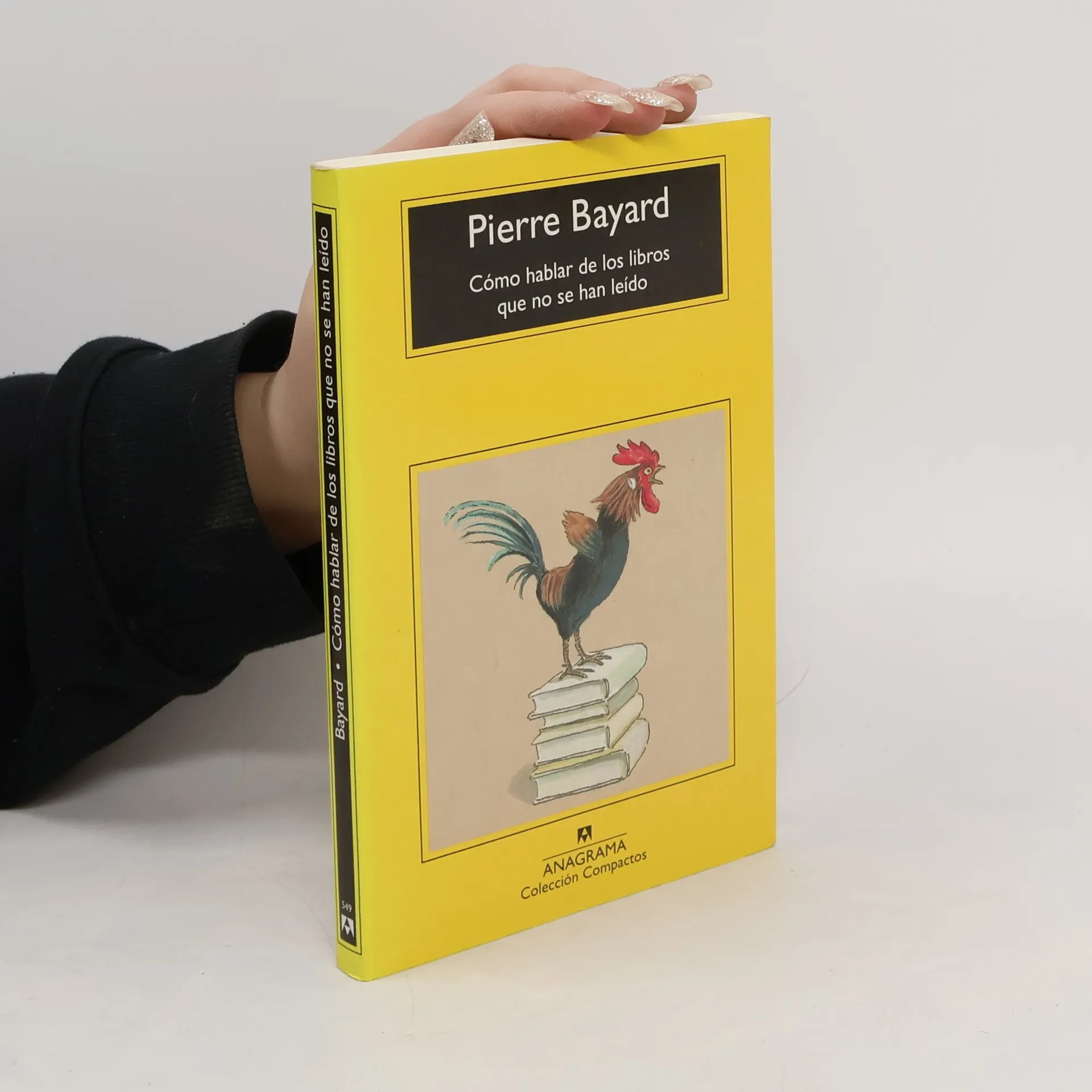
Quienes acudan a este libro con la esperanza de encontrar claves para poder encandilar convincentemente a sus profesores, colegas, amigos o amantes con profusas disquisiciones librescas adquiridas sin apenas esfuerzo o tiempo, habrán cometido un error. Tras un título voluntariamente provocador, que corre el riesgo de ser interpretado como un signo de cinismo o de impostura, el ensayo de Bayard nos brinda en realidad una lúcida y estimulante reflexión a propósito de qué significa la lectura. Ese y no otro es el interrogante primordial alrededor del cual gravita su propuesta. Para resolver ese enigma, Bayard se impone como tarea ineludible desenmascarar con una gran dosis de honestidad, inteligencia y humor uno de los tabúes sociales más extendidos y mejor amordazados: el hecho de que en algún momento de nuestras vidas todos hayamos fingido haber leído un libro que, a pesar de considerarse imprescindible, nunca fue abierto. En Cómo hablar de los libros que no se han leído, Bayard no solo asume con naturalidad nuestra sempiterna condición de no-lectores (por mucho que seamos ávidos devoradores de libros, el número de lecturas pendientes siempre será infinitamente mayor), sino que convierte esa en apariencia vergonzante no-lectura en el núcleo mismo de la lectura.