

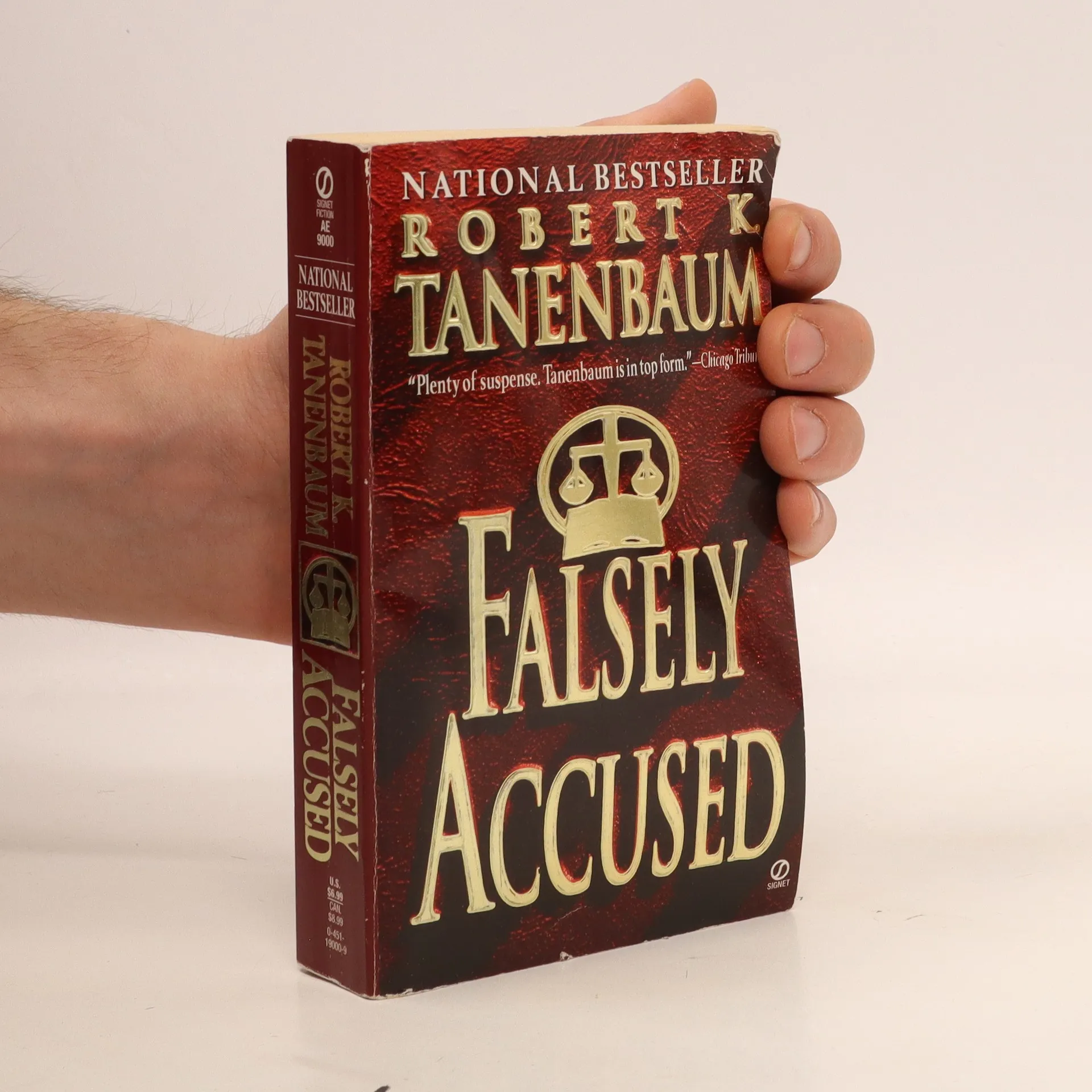
Robert K. Tanenbaum es el autor de veinticinco thrillers legales, bestsellers del New York Times, que dan vida a su extensa carrera jurídica. Al nunca haber perdido un caso de delito grave, la escritura de Tanenbaum está impregnada de un auténtico drama de sala de juicios e intrigas procesales. A través de sus cautivadoras historias, en particular la serie protagonizada por el fiscal Roger “Butch” Karp, ofrece a los lectores un viaje emocionante y perspicaz en la búsqueda de la justicia. Su obra se distingue por su realismo, basándose directamente en su profunda experiencia en el mundo legal.
A Culture, A Union, and the Murders That Changed It All
336 páginas
12 horas de lectura
The narrative centers on Richard A. Sprague, a celebrated jury trial expert and prosecutor, as he leads a groundbreaking manhunt investigation in police history. This true story showcases his relentless pursuit of justice, highlighting the challenges and triumphs faced throughout the intense legal battle. The book captures the determination and resilience required to navigate the complexities of the judicial system, ultimately offering an inspiring tale of justice served.
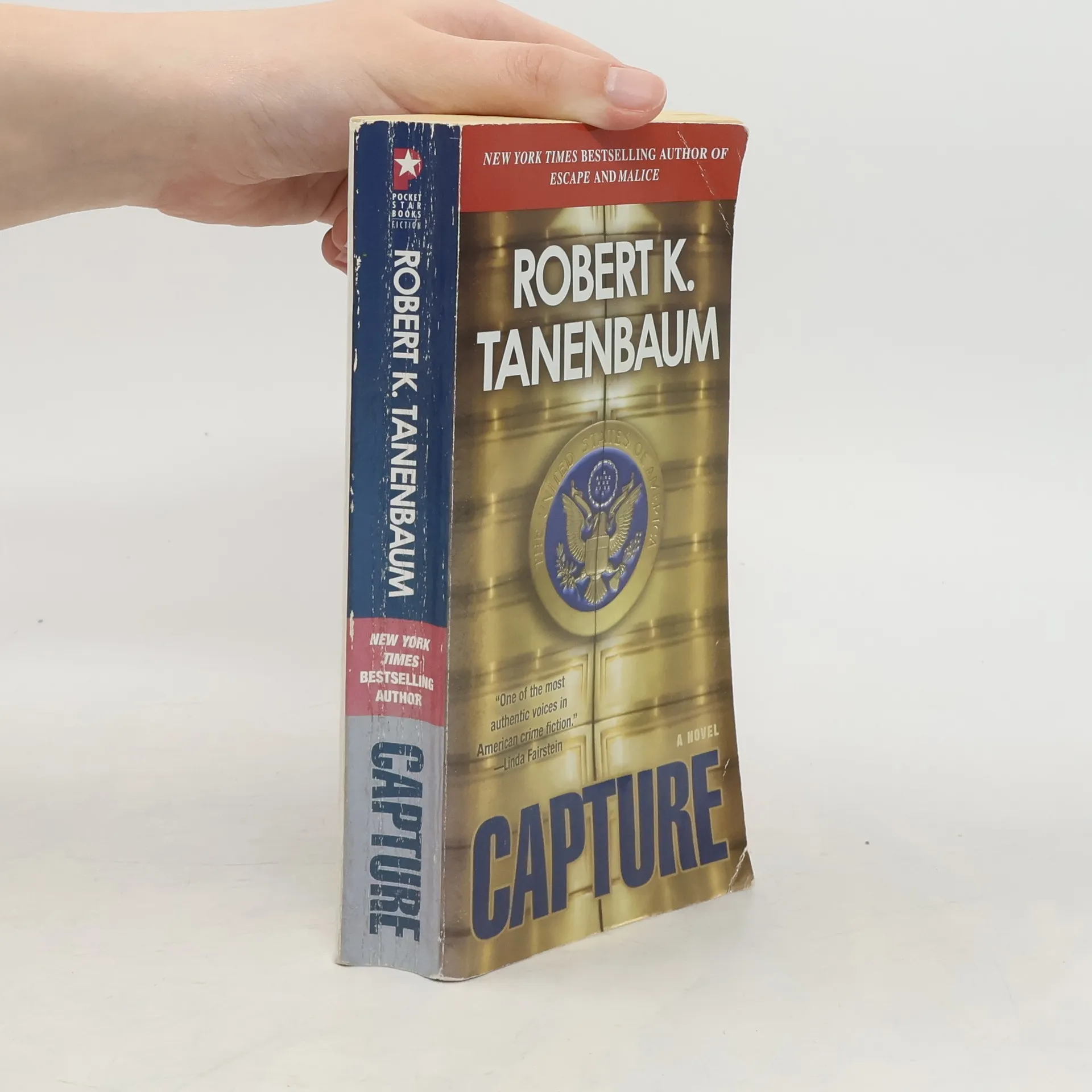
When a rising starlet dies from a gunshot wound in the fashionable downtown penthouse of an eccentric Broadway producer, New York District Attorney Roger “Butch” Karp and his hard-charging wife, Marlene Ciampi, smell drama. With the help of a fearful witness, Karp wages a relentless battle for justice against a notorious defendant, a legion of experts, and a barrage of hostile threats. Meanwhile, a shadowy international power group kidnaps Karp’s daughter, Lucy. As Karp races to decode a baffling series of riddles, a beautiful but deadly Russian assassin hunts him. He must infiltrate the kidnappers before their scheme for world dominion succeeds. Little does he know, the clock is ticking down on New York City as an invisible force prepares to unleash Armageddon.
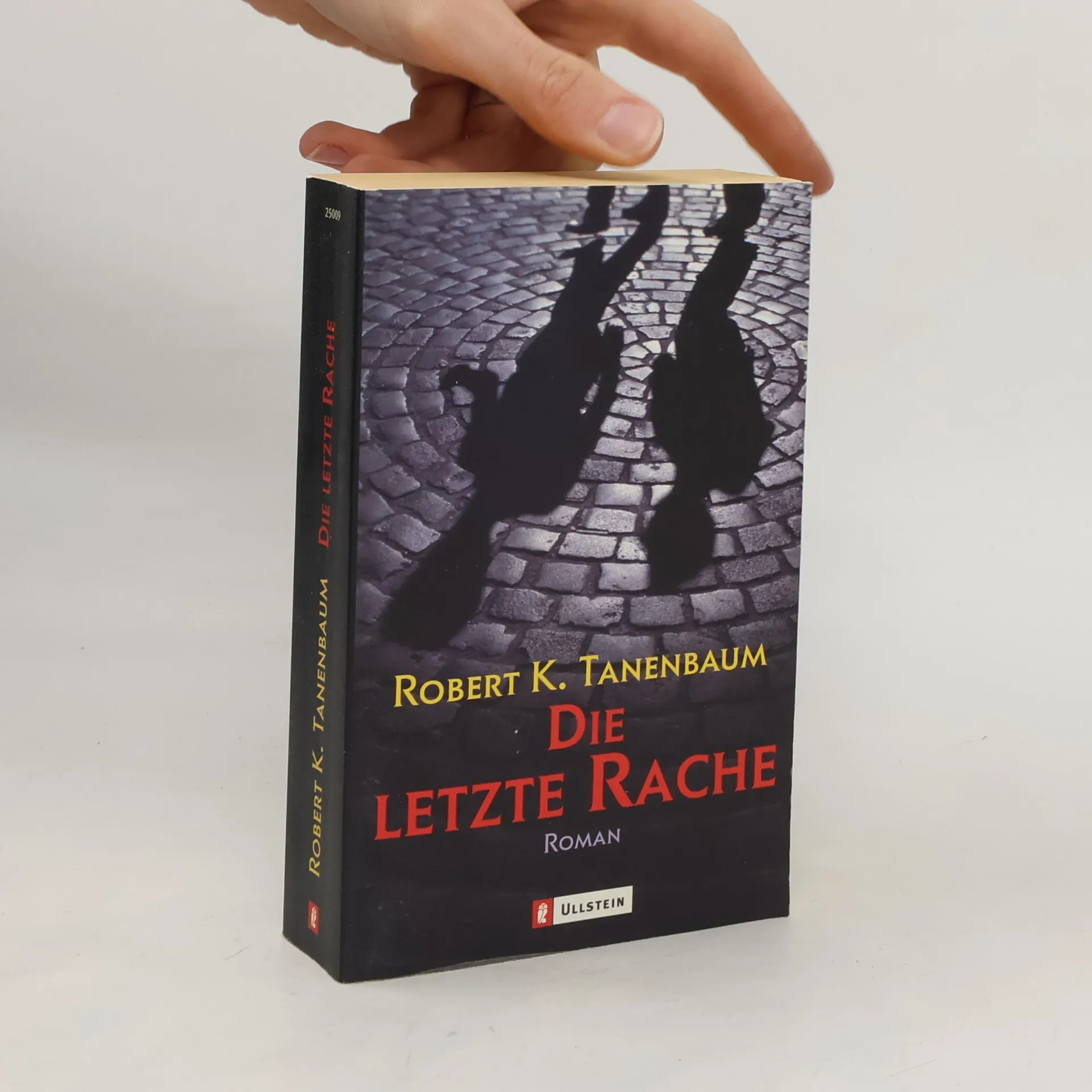
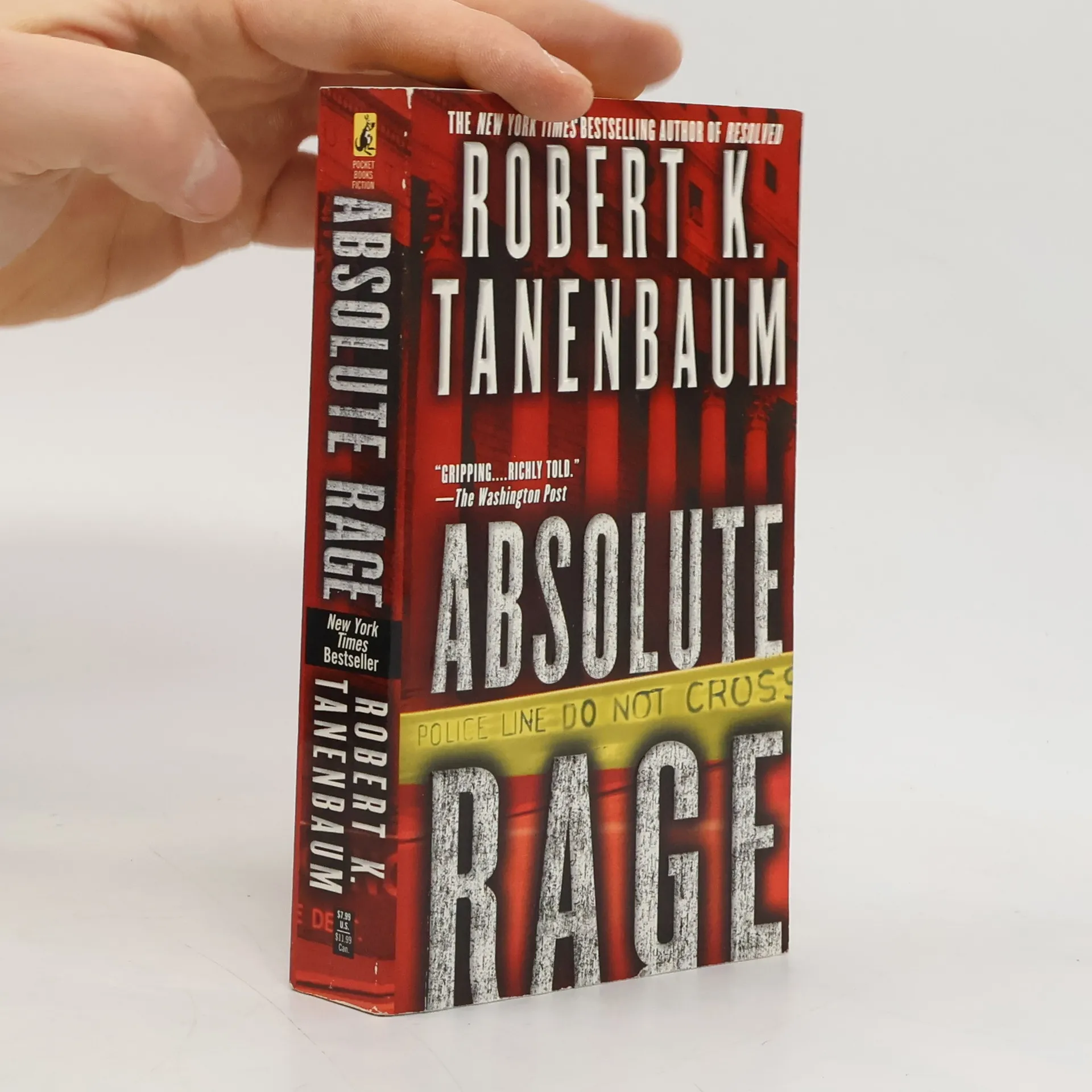
The shooting death of a rap mogul is the first link in a sinister chain ensnaring New York District Attorney Butch Karp. With his wife and daughter on a New Mexico retreat, Karp is left to fend for his teenaged sons and himself. Descending into the hip-hop underworld to prosecute a killer, Karp comes head-to-head wih Andrew Kane, a powerful would-be mayor whose corrupt web of influence leads Karp to unveil a shocking church sex-abuse scandal. In a world where secrets can be buried for an often-deadly price, Karp discovers there is no safe haven.
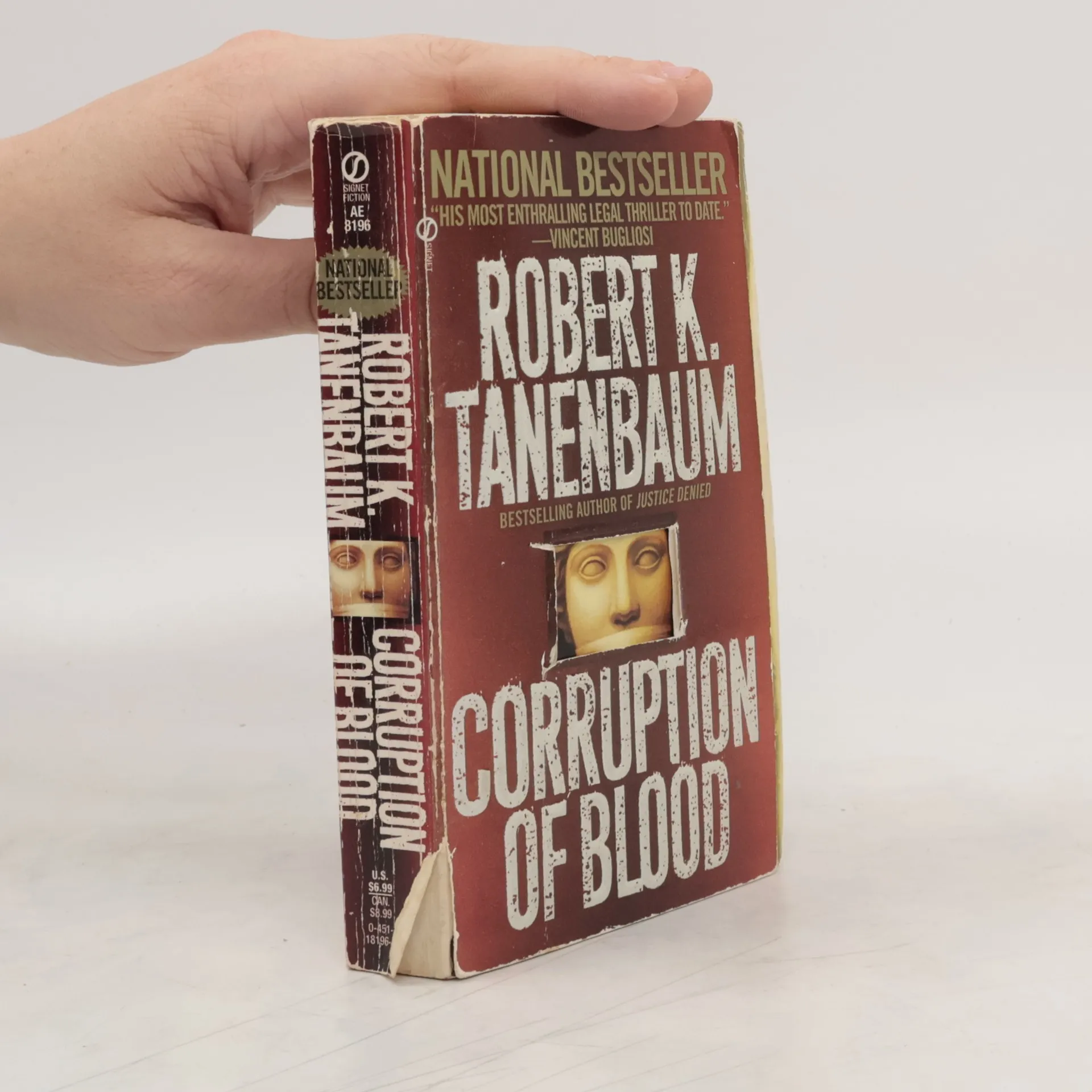
This "New York Times" bestseller brings back New York ADA Butch Karp and his wife, Marlene Ciampi. While prosecuting the case of a murdered coal mine union leader in West Virginia, Karp masterminds a scheme to trap the killers.
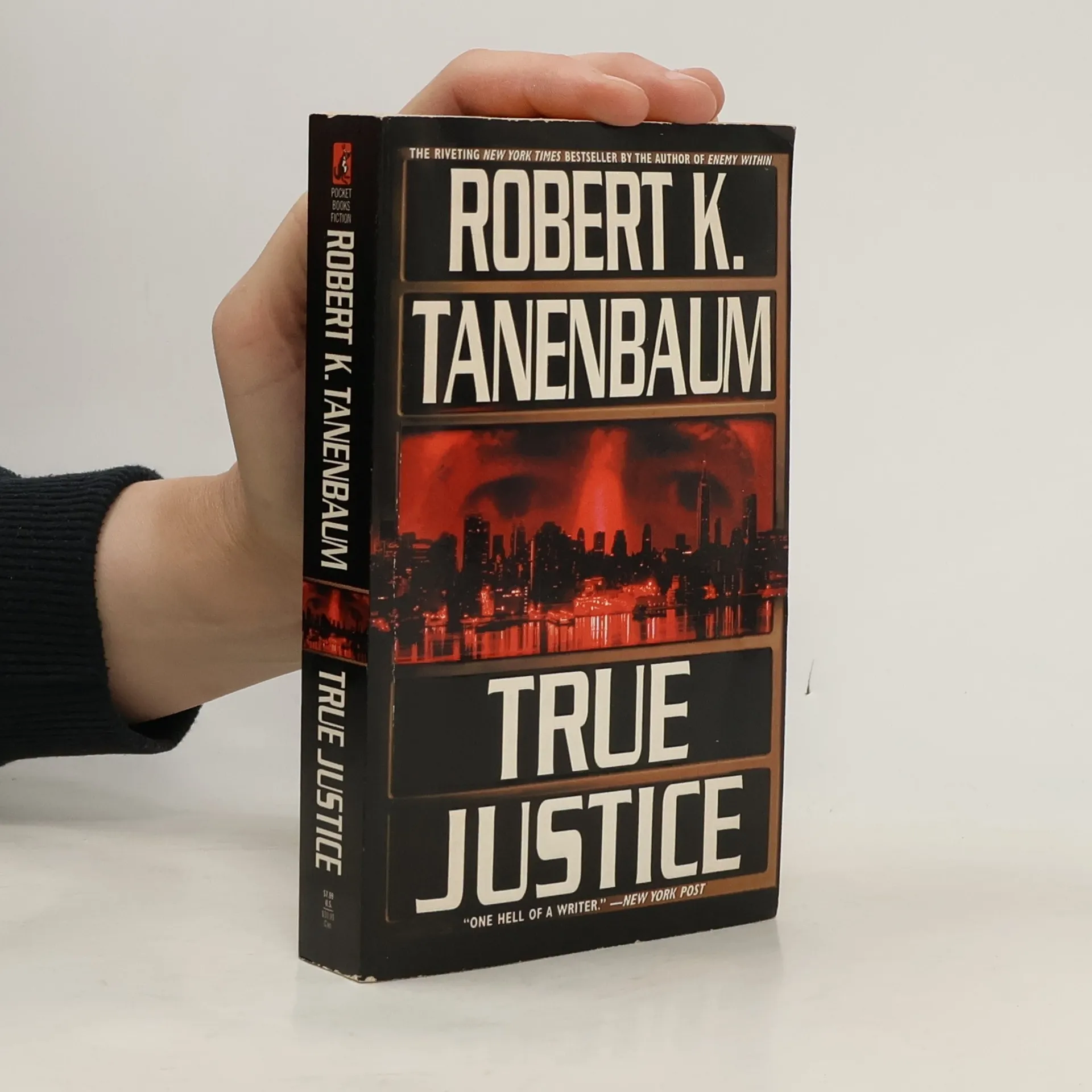
District Attorney Butch Karp and his pistol-packing wife Marlene Ciampi, the liveliest crime-fighting couple in New York, are back in True Justice. The first set of infanticides happen on Butch's a wave of gruesome incidents in which newborns are killed or abandoned by their indigent teenage mothers. The second, Marlene's case, is straight out of the a middle-class college girl and her boyfriend are indicted for first-degree murder in the death of their baby after a concealed pregnancy. The most interesting story belongs to Lucy, Butch and Marlene's teenage daughter, an incisively brilliant and complex young woman who deserves her own novel. Lucy's best friend's parents seem to have been murdered by an African furniture restorer of whose guilt Lucy is unconvinced. The real solution to the mystery of who killed the Maxwells is telegraphed well in advance, but all the crimes give Butch, Marlene, their colleagues in criminal justice, and even Lucy a chance to weigh in on the law's fault lines and the ironies implicit in what passes for justice in America. But it's Lucy's spiritual quest that provokes the book's most unusual and involving drama. Lucy's devout Catholic faith, like her prodigious talent for language (she can speak 14, but give her five days in a foreign country and that'll be 15, thank you), is a mystery to Butch, a lapsed Jew, and Marlene, who has trouble squaring her own faith with the violence that attends her job. When a Jesuit priest tries to explain it in the following passage, Butch is "Lucy takes her spiritual responsibilities very seriously. And of course, in the current age, when people think there's no such thing as spiritual responsibility, she has nothing to compare herself to, and so she may get herself painted into a corner." "I'm not sure I follow," said Karp."Oh, I mean, two or three hundred years ago, a girl with her talents and predilections would have been in an order, with hourly guidance and a rule to follow. Think of Mickey Mantle being born in, say, Romania in 1830. The talent's there, but there's no cultural space for it." This is a keenly intelligent book, many cuts above the usual courtroom procedural. The most interesting things happen outside the courtroom--the moral dilemmas, the political choices, the bonds between parents and daughter. The pacing is as swift as the dialogue, the characters are piercingly illuminated, and the philosophical jousting is worth a room full of Jesuits. This reader is heading straight for Tanenbaum's backlist and eagerly anticipating another novel with Lucy as the star. --Jane Adams
Now with a powerful New York law firm, Butch Karp finds himself battling his former employer, City Hall, in the name of the city's chief medical examiner. Meanwhile, his wife Marlene has opened a private detective agency specializing in protection from domestic violence. But even though their careers seem miles apart, a series of shocking crimes will merge their two situations into one sprawling case of sinister corruption and cold-blooded murder!