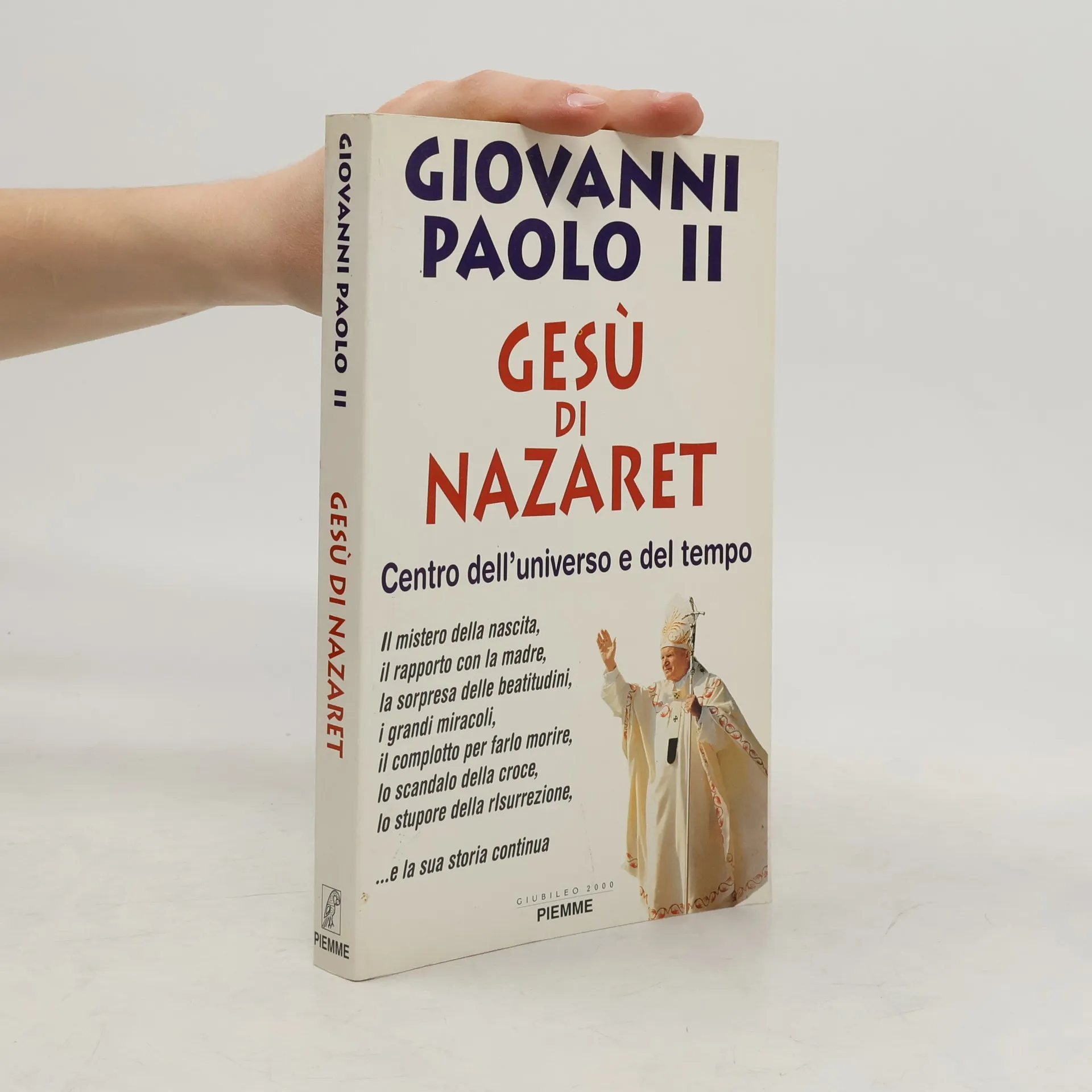
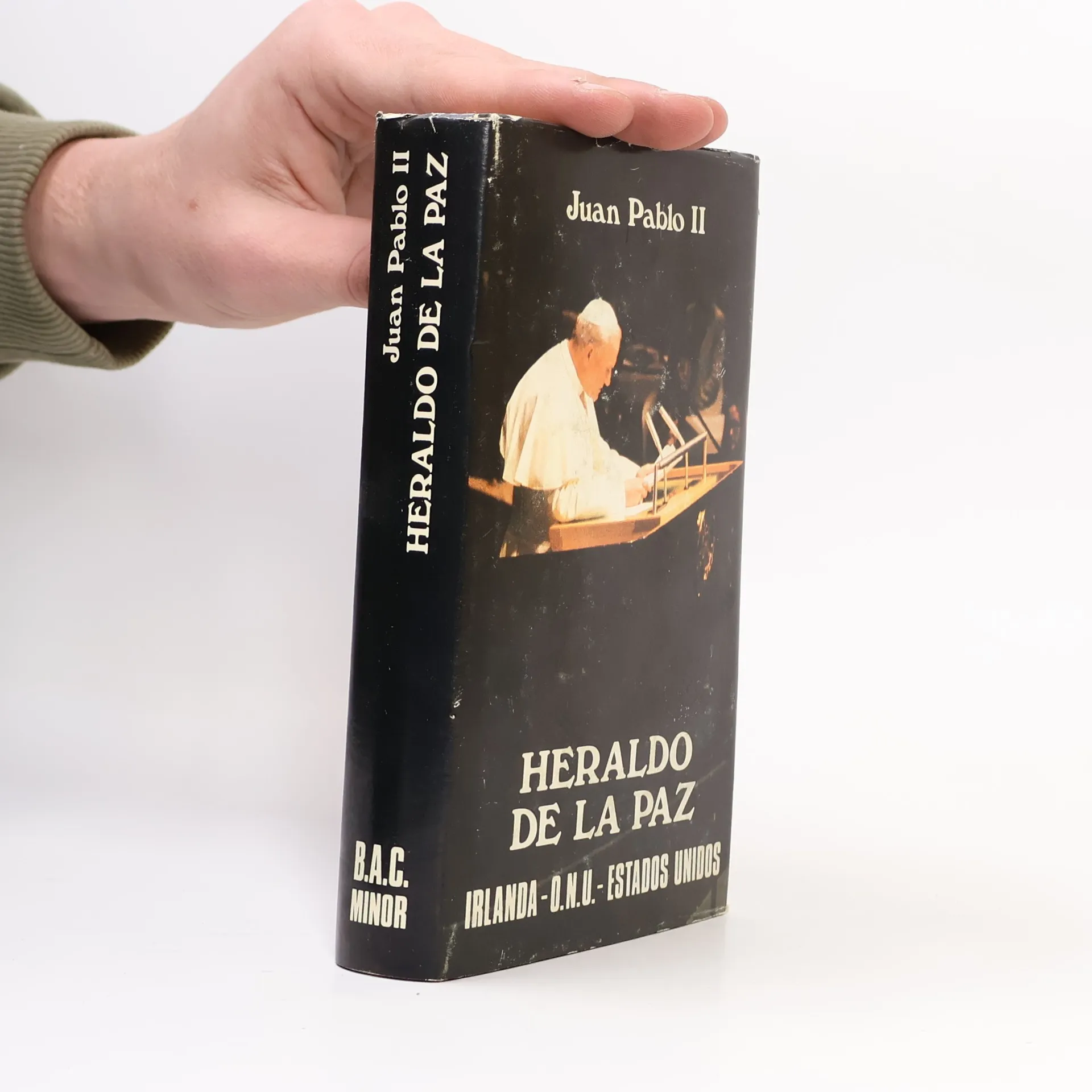
El presente volumen alberga la versión completa oficialmente autorizada de los 75 discursos pronunciados por Juan Pablo II durante su reciente visita pastoral a Irlanda, la ONU y Estados Unidos. En esta tercera peregrinación apostólica, el Papa se ha presentado al mundo como mensajero de paz y reconciliación, haciendo hincapié en la finalidad espiritual y religiosa de su viaje. El mismo lo ha definido como «viaje de fe» y como una «catequesis itinerante» dedicada a subrayar, en todas partes y a todo género de personas, el auténtico e imborrable patrimonio de la doctrina católica. Juan Pablo II ha tomado de nuevo en sus manos el bordón de peregrino únicamente para anunciar el Evangelio, confirmar a los hermanos, consolar a los afligidos, testimoniar el amor a Dios y mostrar a la humanidad su destino trascendente. El conjunto de enseñanzas pontificias que hoy presentamos a los lectores de habla española encierra orientaciones doctrinales, pastorales, disciplinares y sociales de indudable significación para la vida de la Iglesia y su actividad evangelizadora. La lectura, estudio y meditación de estas páginas contribuirán sin duda a una inteligencia más honda y fiel de las grandes líneas del programa pontificio del Papa Wojtyla, centrado en la proclamación del entero misterio de Cristo y en la conducción del Pueblo de Dios por los caminos de una auténtica reforma evangélica.
Pope John Paul II. Libros
El Papa Juan Pablo II dedicó su pontificado al servicio de la Iglesia y de toda la humanidad con un celo misionero inquebrantable. Su mandato de casi 27 años estuvo marcado por extensos viajes pastorales, fomentando el diálogo abierto con diversas naciones y religiones, y un profundo compromiso con la difusión de la fe. Inició eventos globales significativos como la Jornada Mundial de la Juventud y el Encuentro Mundial de las Familias, demostrando su profunda preocupación por las generaciones más jóvenes y la unidad familiar. Bajo su guía, la Iglesia se preparó para el tercer milenio, enfatizando la renovación espiritual y brindando ejemplos inspiradores de santidad para los tiempos contemporáneos.
Catecismo de la Iglesia Católica
- 702 páginas
- 25 horas de lectura
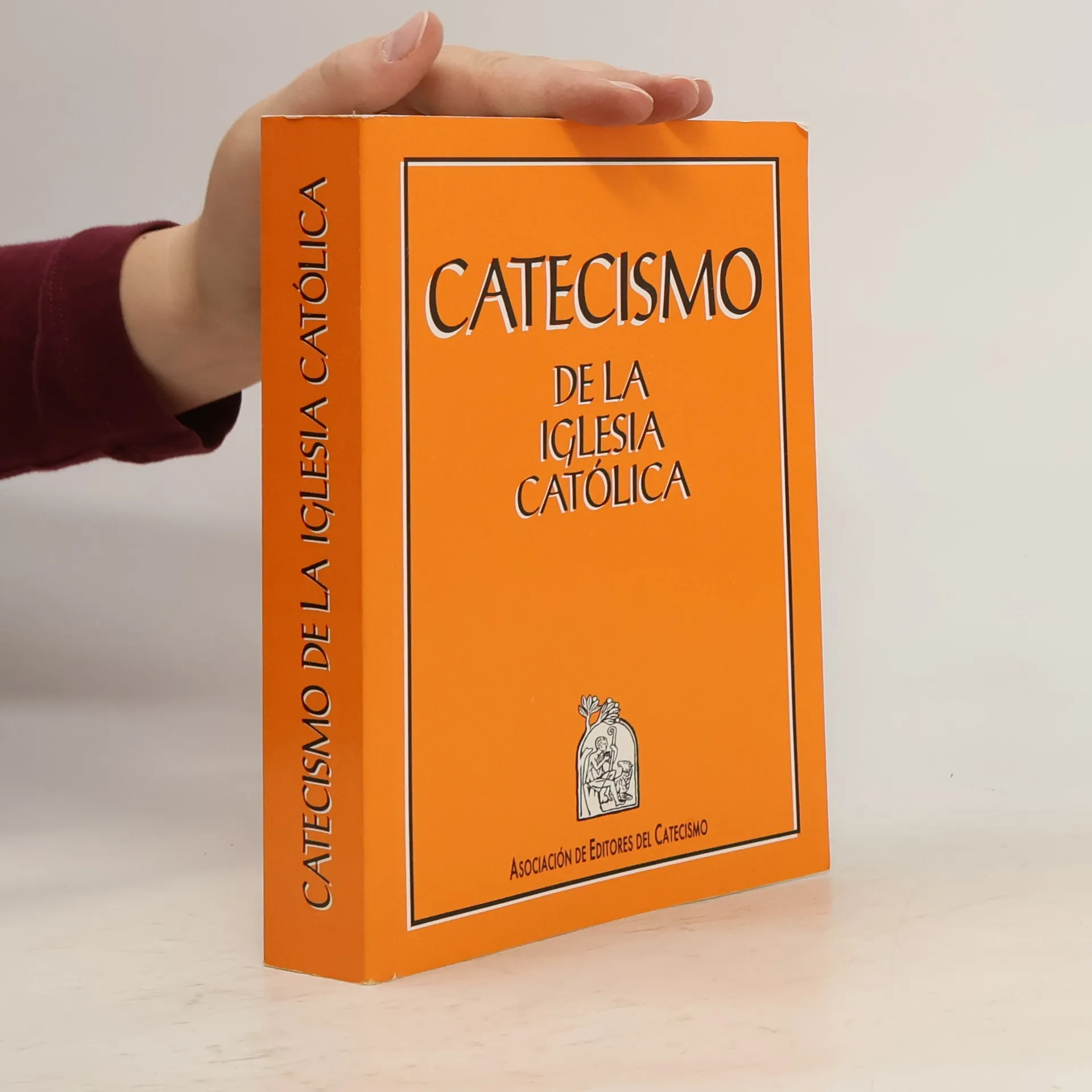
Esta edicion del Catecismo de la Iglesia Catolica es publicada para Estados Unidos por la United States Catholic Conference, Inc., agentes oficiales de la Libreria Editrice Vaticana, en los Estados Unidos.
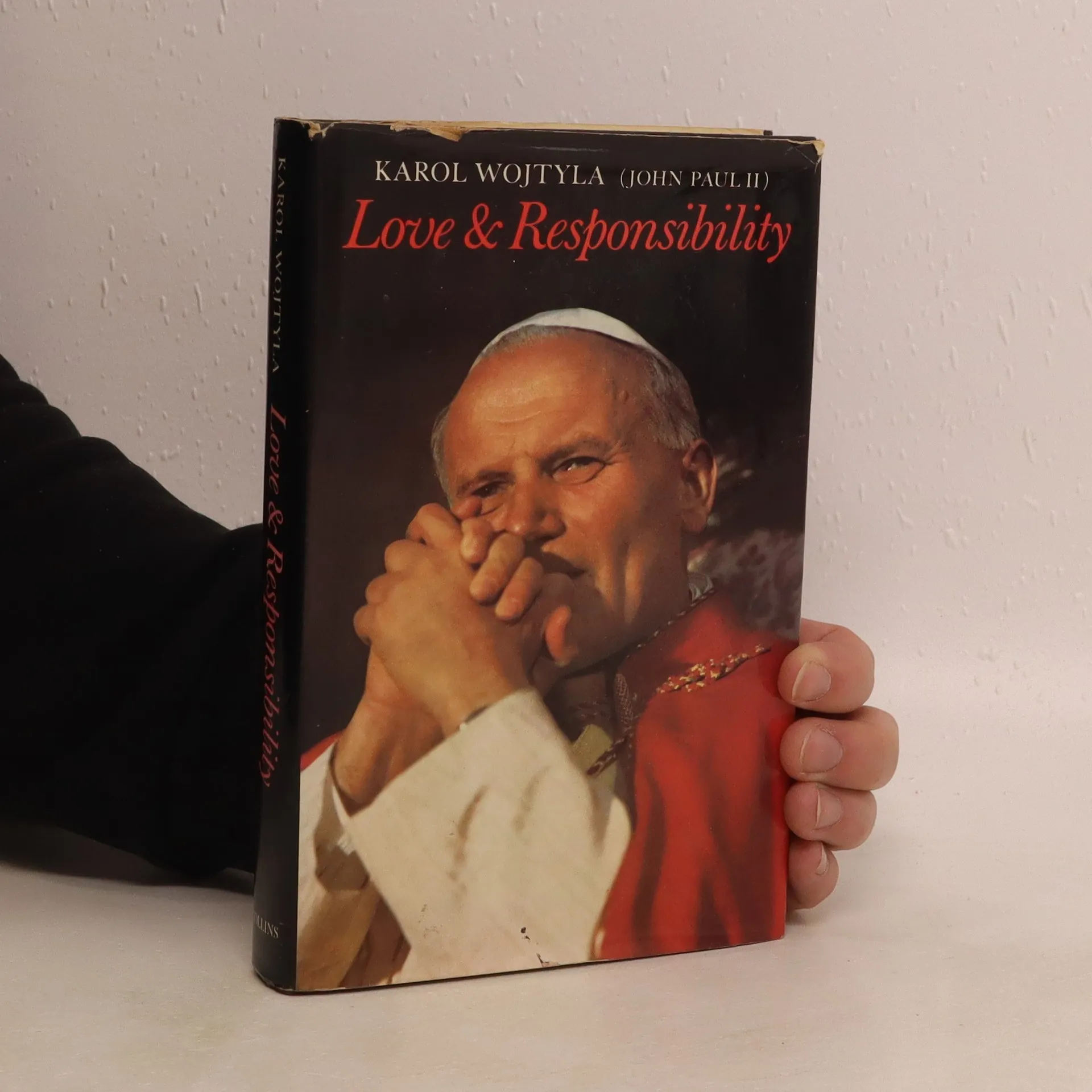
In this classic work, readers are given a window into the authentic meaning of human love as Karol Wojtyla explains relationships between persons, especially concerning sexual ethics. Translator Grzegorz Ignatik, a native Polish speaker, provides helpful notes and defines key terms.
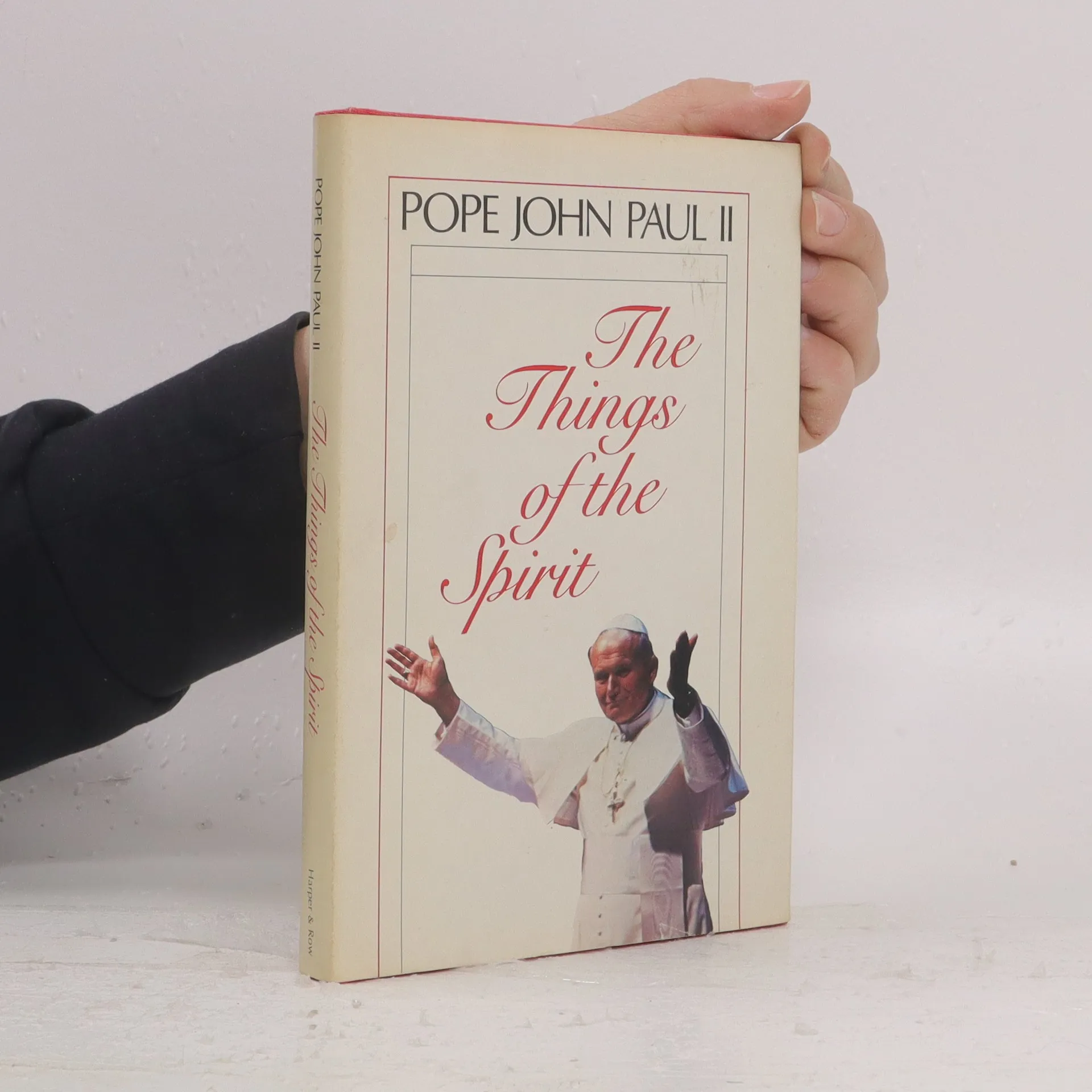
The Things of the Spirit
- 89 páginas
- 4 horas de lectura
With topics including the persistent problems of hunger, economic justice, war, human dignity, and the longing for community, this collection of spiritual essays reflects the Pontiff's witness to the central importance of God and the things of the spirit
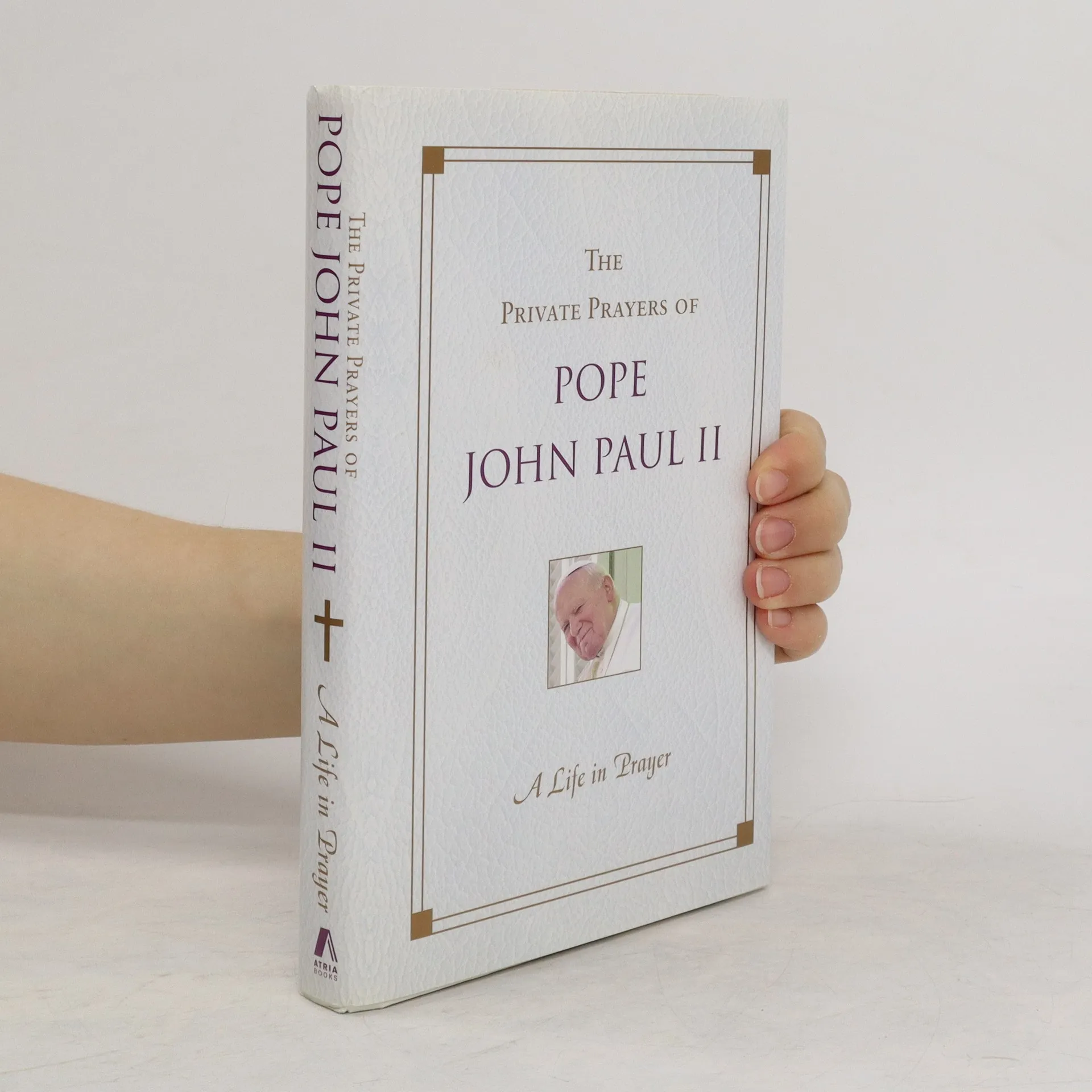
A Life in Prayer
- 272 páginas
- 10 horas de lectura
Prayers and meditations by the pontiff deliver an inspirational message of hope, faith, love, compassion, forgiveness, and comfort, in a volume that includes a brief biographical profile.
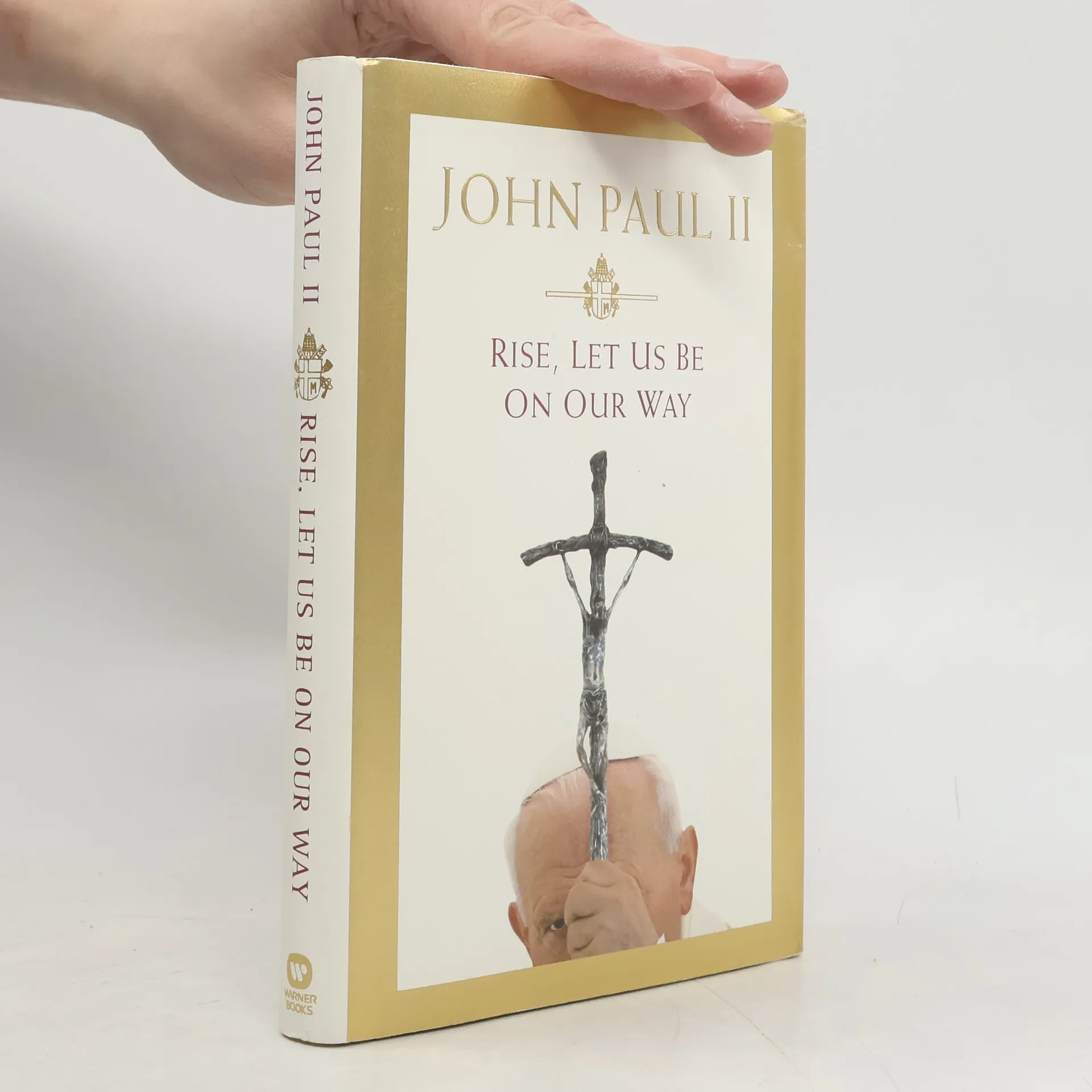
Rise, Let Us Be on Our Way
- 240 páginas
- 9 horas de lectura
An inspirational memoir from the recently canonized Pope Saint John Paul II. Following the success of the international bestseller Crossing the Threshold of Hope, Pope John Paul II provides the world with a glimpse into his past in Rise, Let Us Be On Our Way . Chronicling the years he spent as a bishop and later archbishop in Krakow, Poland through his election as the first Polish Pope in 1978, he recounts everything from communist efforts to suppress the church in Poland to his efforts to adopt a new and more open style of pastoral ministry. With recollections on his life as well as his thoughts on the issues facing the world now, Pope John Paul II offers words of wisdom in this book that will appeal to people of any faith looking to strengthen their spirituality.
En el verano de 1993, el papa Juan Pablo II fue invitado a un entrevista por la estación de radio y televisión italiana RAI, que sería el primer extenso programa televisivo en la historia del papado. Aunque el encuentro no se llevó a cabo, el papa mostró gran interés en las preguntas preparadas por el autor y periodista Vittorio Messori, deseando responderlas por escrito. Messori formuló preguntas que trascienden los temas eclesiásticos y políticos habituales, llevando al papa a reflexionar sobre la esencia de su vida y de la iglesia: la fe. Se abordan cuestiones como la creencia en Dios en la actualidad, el papel de la Iglesia católica en la sociedad moderna, la comparación con otras religiones, la divinidad de Jesús de Nazaret, las perspectivas ecuménicas y la crisis posterior al Concilio Vaticano II. La sinceridad de estas páginas nos ofrece una visión clara del espíritu y el corazón del papa, brindando a creyentes y no creyentes un material interesante para la reflexión.
Fides et Ratio
- 124 páginas
- 5 horas de lectura
Exploring the relationship between faith and reason, this work delves into the philosophical and theological foundations that unite these two aspects of human understanding. It emphasizes the importance of both elements in the pursuit of truth, arguing that they complement rather than contradict each other. The text engages with historical perspectives and contemporary issues, providing insights into how faith and reason can work together to enrich human knowledge and spirituality.
Quoting extensively from a variety of sources, this book provides inspiration from Pope John Paul II. His reflections emphasize the meaning and direction of life through the presence of God.
Fides et Ratio
- 96 páginas
- 4 horas de lectura
Encyclical letter Fides Et Ratio of the Supreme Pontiff John Paul II to the Bishops of the Catholic Church on the relationship between faith and reason.
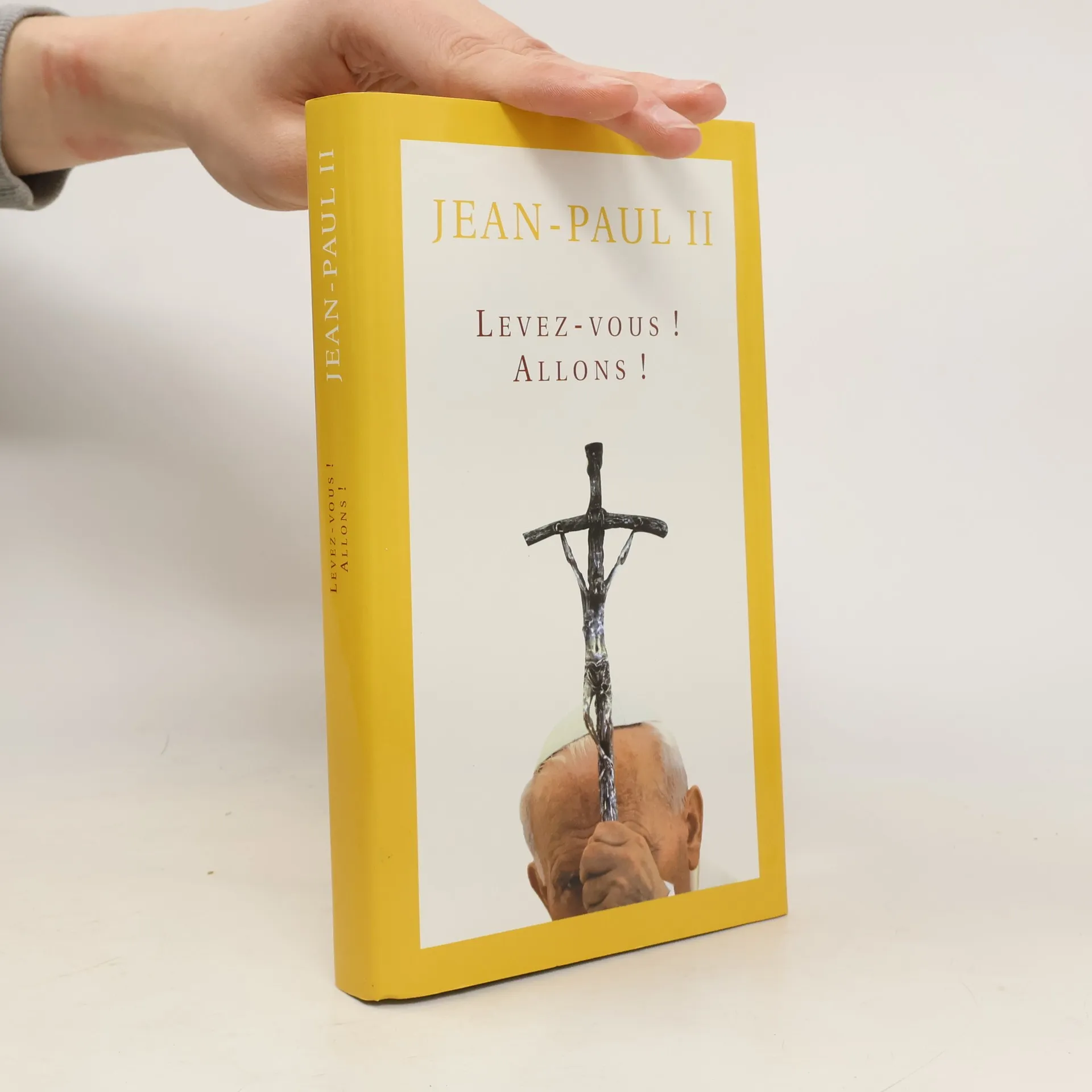
Levez-vous ! Allons !
- 196 páginas
- 7 horas de lectura
Quand arriva " son heure ", Jésus dit à ceux qui étaient avec lui au jardin de Gethsémani, Pierre, Jacques et Jean, les disciples particulièrement aimés: " Levez-vous ! Allons ! " Il n'était pas le seul à devoir " aller " vers l'accomplissement de la volonté du Père: eux aussi devaient y aller avec Lui. Je parle de cela du lieu où l'amour du Christ Sauveur m'a conduit, me demandant de sortir de ma terre pour porter du fruit ailleurs, avec Sa grâce, un fruit appelé à demeurer. Faisant écho aux paroles de notre Maître et Seigneur, je redis donc, moi aussi, à chacun de vous, très chers Frères dans l'Episcopat: " Levez-vous ! Allons ! " Allons en nous fiant au Christ. Lui nous accompagnera sur le chemin, jusqu'au but que Lui seul connaît.
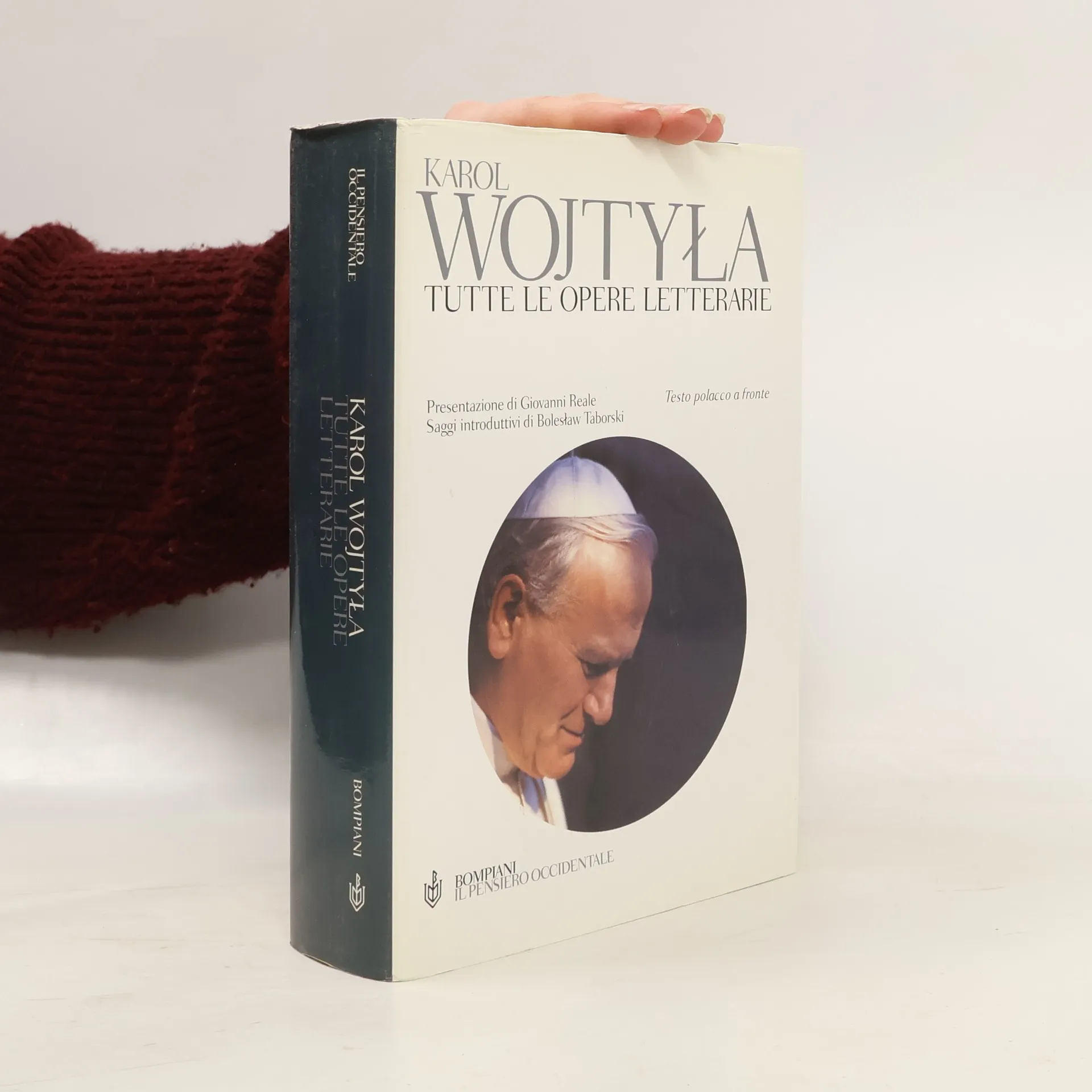
Il Pensiero Occidentale: Tutte le opere letterarie
Poesie, drammi e scritti sul teatro - Testo polacco a fronte
- 1001 páginas
- 36 horas de lectura
Il volume raccoglie le opere poetiche e teatrali di Karol Wojtyla, opere che rivelano un talento capace di esprimere poeticamente i più profondi concetti di carattere teologico e filosofico. La raccolta è preceduta da un'introduzione di Boleslaw Taborski e da un'inedita presentazione di Giovanni Reale.
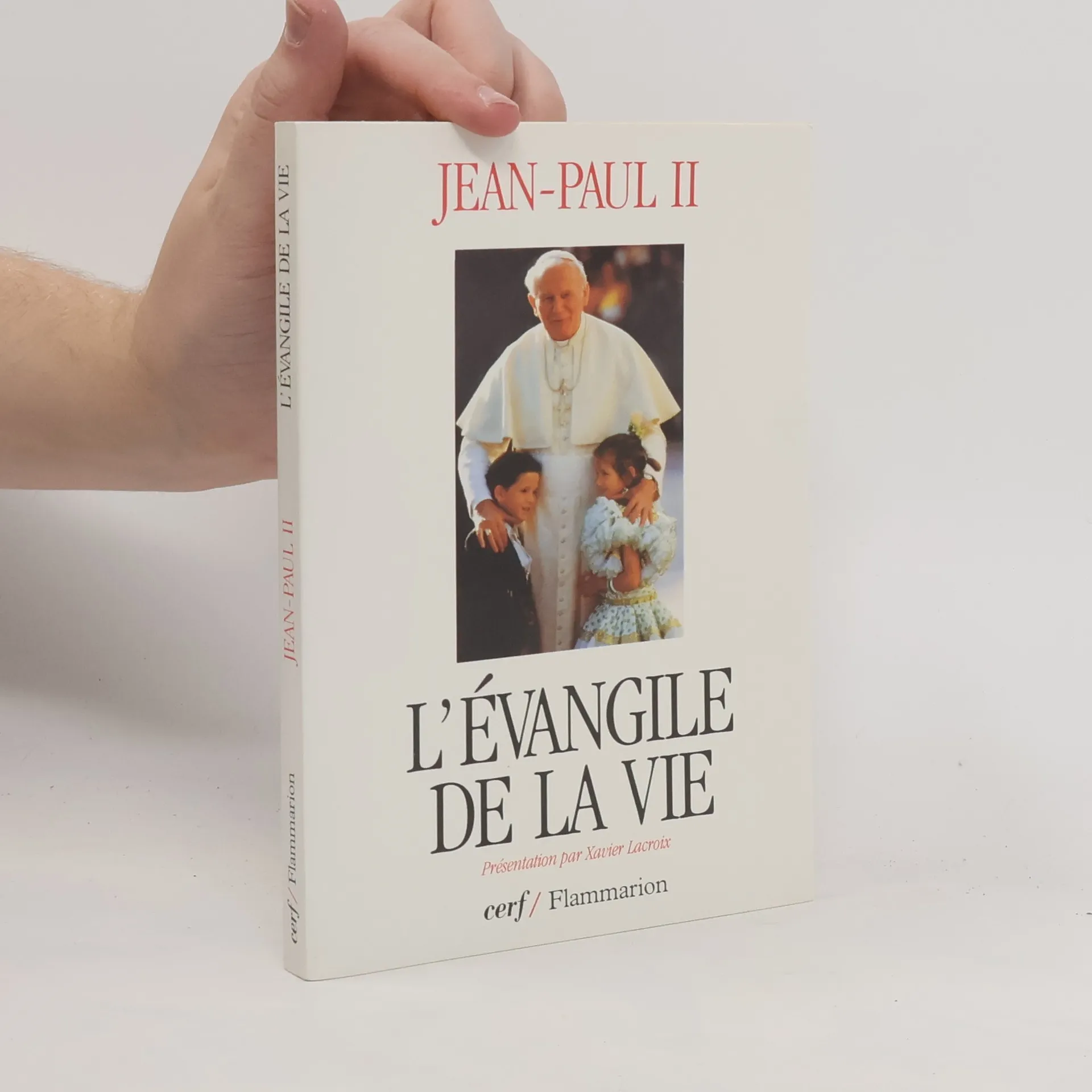
L'Évangile de la Vie
- 176 páginas
- 7 horas de lectura
170pages. 20x14x1cm. Broché.
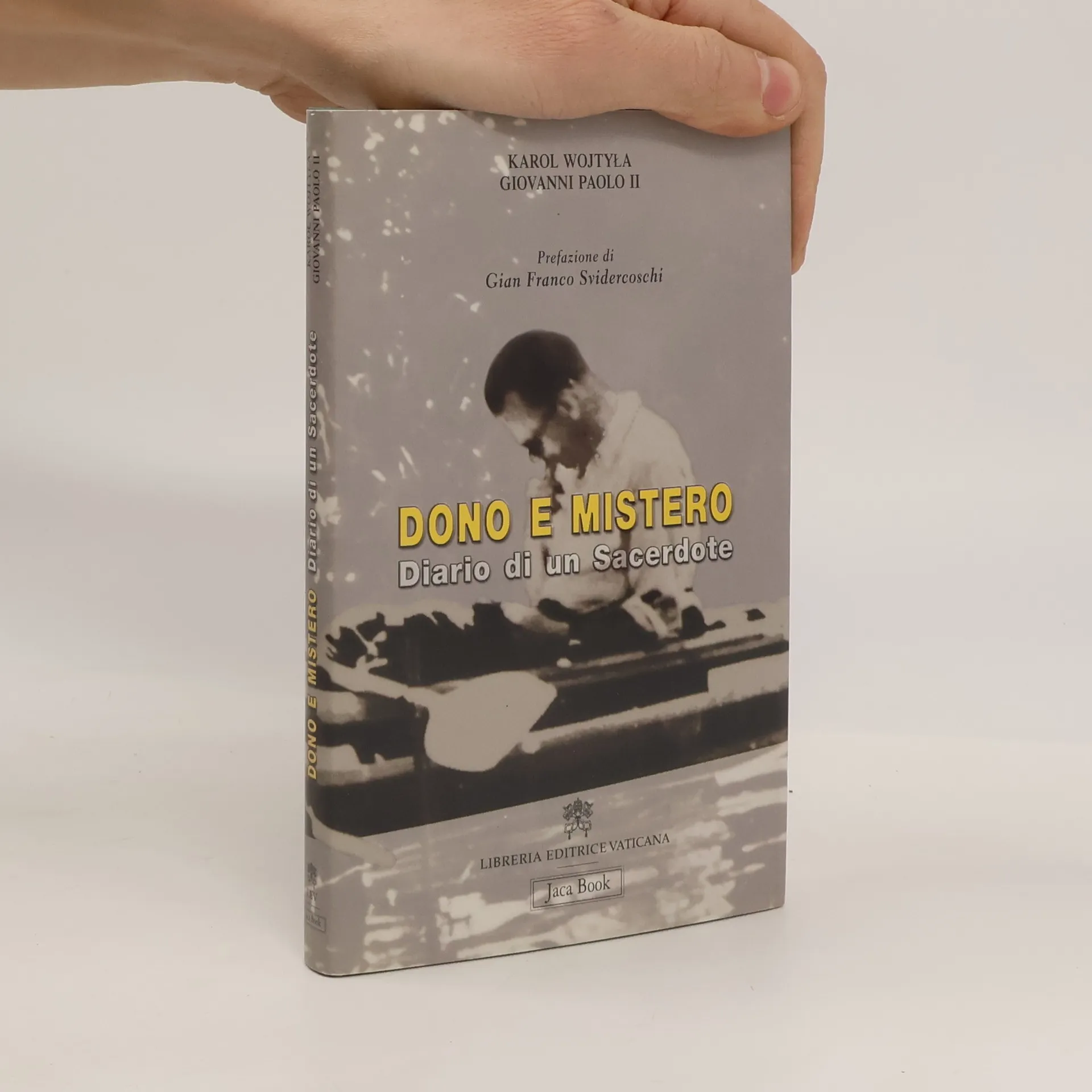
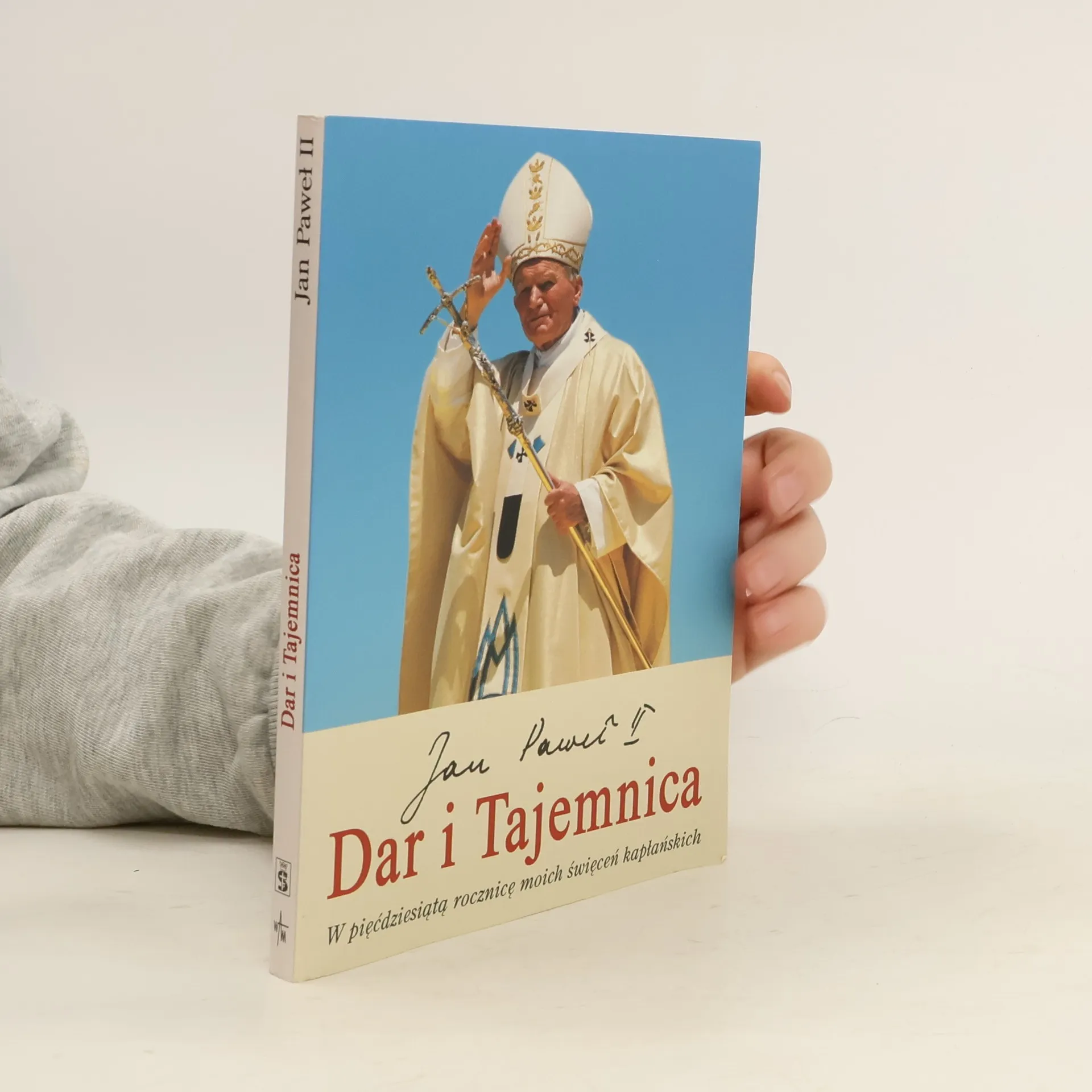
Dono e mistero. Diario di un sacerdote
- 126 páginas
- 5 horas de lectura
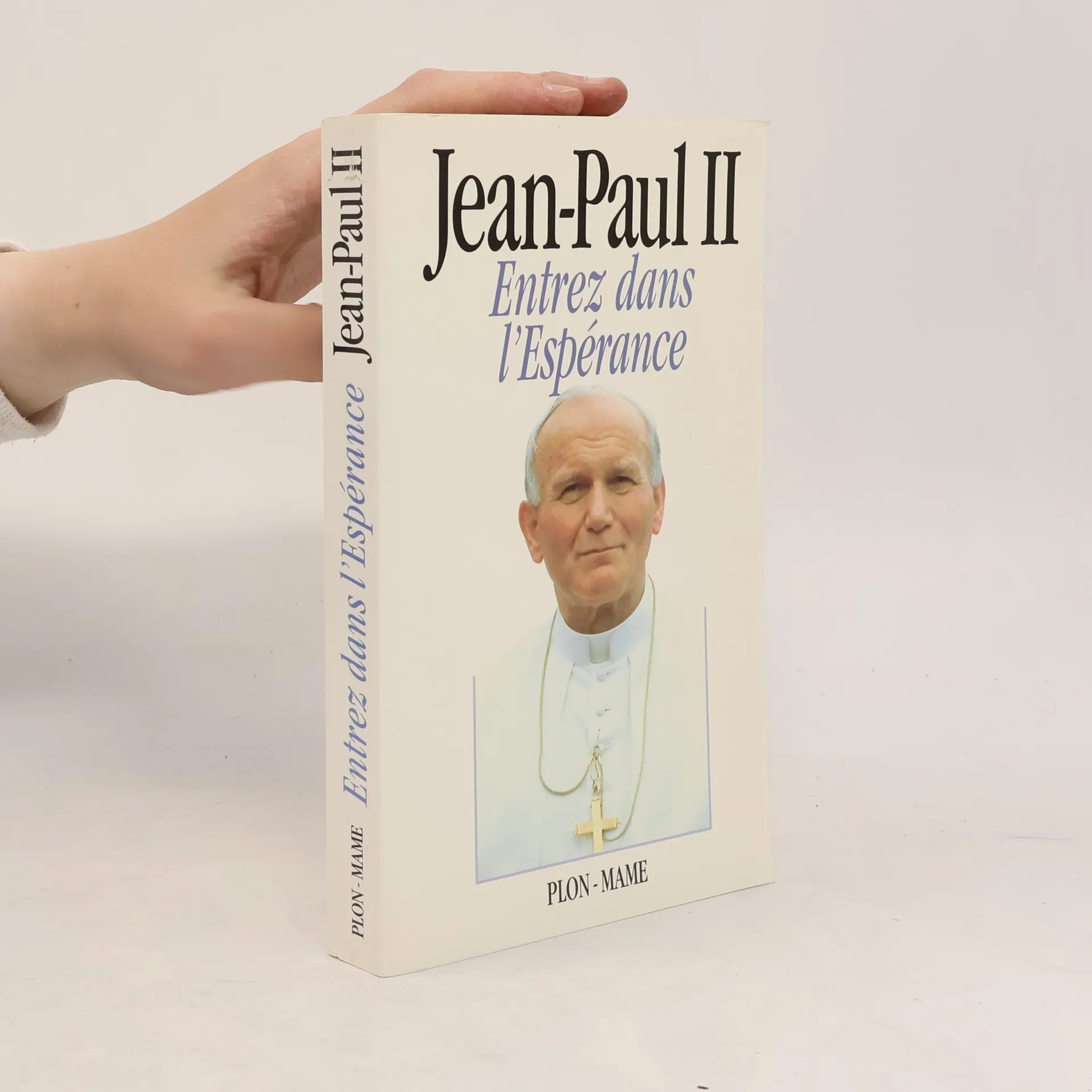
Entrez dans l'espérance
- 335 páginas
- 12 horas de lectura
Jamais un pape, en tant que pape, n'avait écrit un livre aussi personnel.Jamais un pape n'avait répondu, aussi familièrement, à toutes les questions fondamentales que chacun de nous se pose.Ecrit d'une seule traite - avec une vigueur et une spontanéité que certains qualifieront de "généreuse imprudence" - ce texte donne accès au cœur même de la pensée et de la foi du pape Jean-Paul II. Comment Dieu a-t-il pu permettre la guerre, les camps de concentration, l'holocauste ? Un Dieu qui permet de telles choses est-il véritablement Amour ? Est-il juste en regard de Sa Création ? Ne charge-t-il pas trop lourdement les épaules de l'homme ? Ne laisse-t-il pas l'homme seul sous un trop lourd fardeau, le condamnant à une vie sans espérance ? Ce véritable "testament" constitue donc un document exceptionnel pour notre temps et pour l'histoire.Ce livre est un événement unique. La parole qui l'anime fait retentir au plus profond de nous-mêmes un appel pressant, un appel essentiel : "Entrez dans l'Espérance ! Entrez dans la seule Espérance qui ne vous décevra jamais !"Au seuil du troisième millénaire, par la voix chaleureuse de Jean-Paul II, c'est Dieu lui-même qui inlassablement nous déclare son amour.
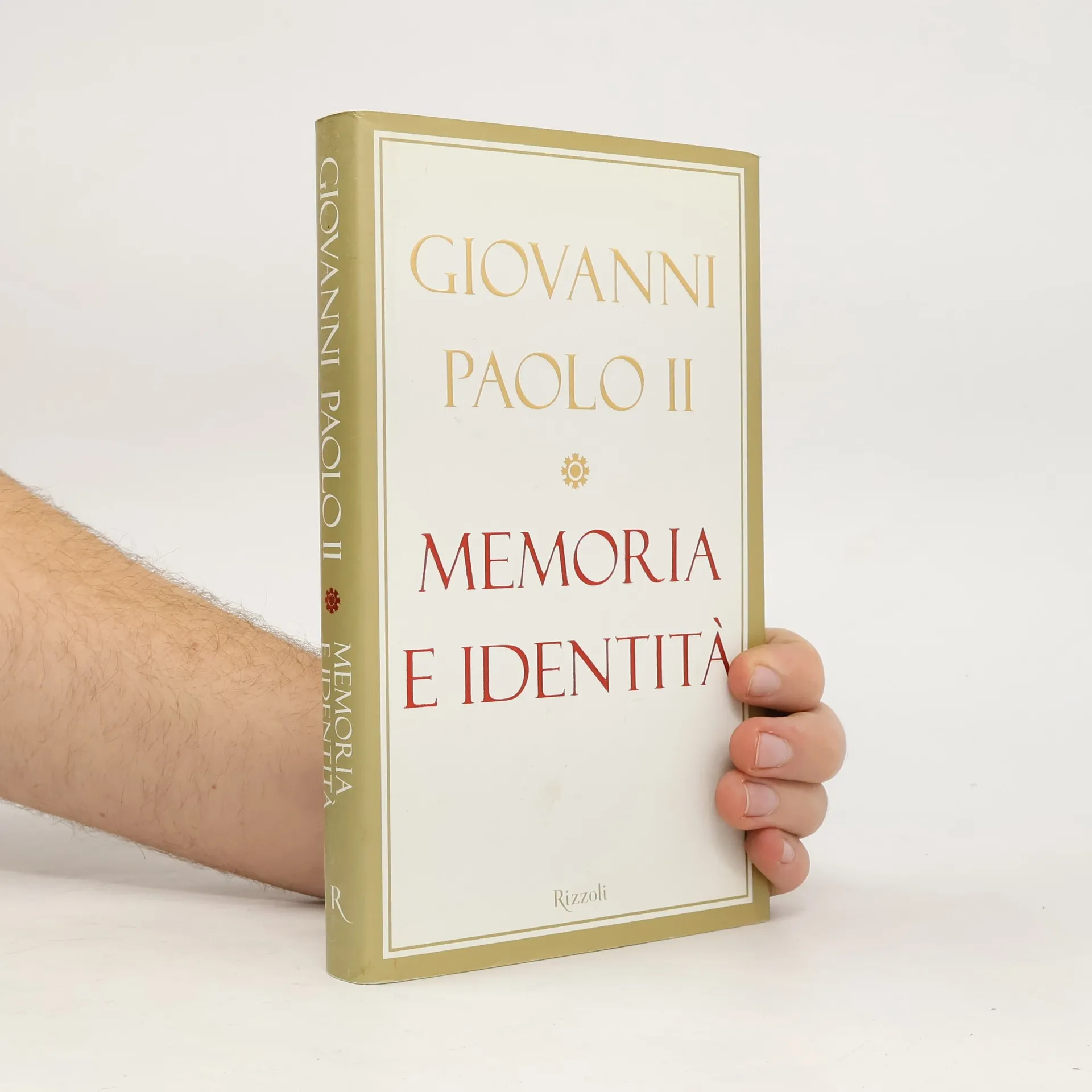
Ho vissuto in prima persona le "ideologie del male", un'esperienza indelebile. Il nazismo, all'epoca, mostrava già il suo orrore, ma molti dei suoi aspetti rimasero nascosti. La vera portata del male in Europa non era percepita nemmeno da coloro che erano nel cuore del conflitto. Eravamo immersi in un'orrenda eruzione di male, e solo gradualmente ci rendemmo conto della sua entità. I responsabili si adoperavano per celare le loro atrocità. Sia i nazisti durante la guerra, sia i comunisti nell'Est Europa, cercavano di nascondere le loro azioni al mondo. Dopo la guerra, riflettendo, pensai che Dio avesse concesso al nazismo dodici anni di esistenza, un limite imposto dalla Provvidenza a tale follia. Il comunismo, sopravvivendo più a lungo, sembrava avere un senso, come se quel male fosse in qualche modo necessario per il mondo e l'umanità. In certe situazioni, il male può apparire utile, creando opportunità per il bene. Johann Wolfgang von Goethe ha descritto il diavolo come "una parte di quella forza, / che vuole sempre il male e opera sempre il bene", suggerendo che anche nel male possa esserci un germe di bene.
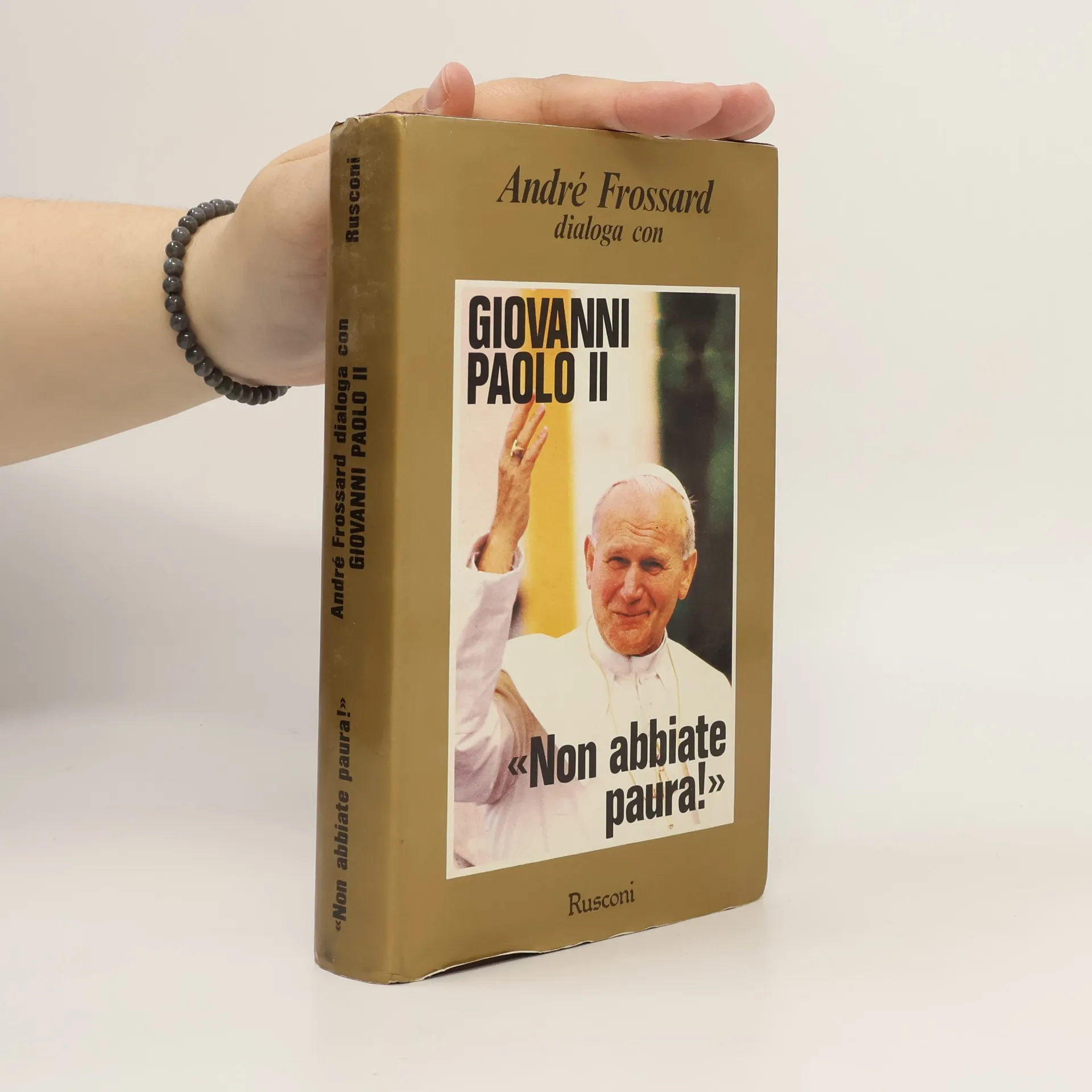
Proveniente dalla Polonia, sembrava piuttosto che avesse lasciato le sue reti sulla riva di un lago e che arrivasse direttamente dalla Galilea. Il giorno del suo avvento, quando apparve sui gradini di San Pietro e le sue prime parole "Non abbiate paura!" risuonarono nella piazza, tutti capirono immediatamente che qualcosa era cambiato nel cielo e che Dio ci inviava un testimone. Pensando all'angoscia degli uomini, alle loro incertezze, alle loro domande spesso rimaste senza risposta dai saggi e dai dotti, Giovanni Paolo II mi disse un giorno: "Fate domande." Gli ho posto domande sulla sua persona, sulla fede, sulle morali, sulla Chiesa, sul mondo e anche sull'attentato del maggio 1981; credo di avergliene poste settanta. Non ne ha evitata nessuna.
Qu'ils soient un
- 108 páginas
- 4 horas de lectura
Qu'ils soient un explore les thèmes de l'unité et de la communion au sein de la foi chrétienne. L'ouvrage invite à réfléchir sur la nécessité de l'harmonie entre les croyants et l'importance de la solidarité dans la communauté religieuse.
Lettre aux familles
- 96 páginas
- 4 horas de lectura
À l'occasion de l'année de la famille, le Pape Jean-Paul II a écrit une longue lettre pour parler de son affection et présenter ses voeux aux familles.
Pielgrzymka do ojczyzny
Przemówienia i homilie Ojca Świętego Jana Pawła II
- 315 páginas
- 12 horas de lectura
Polish
Enzyklika Dives in Misericordia
- 72 páginas
- 3 horas de lectura
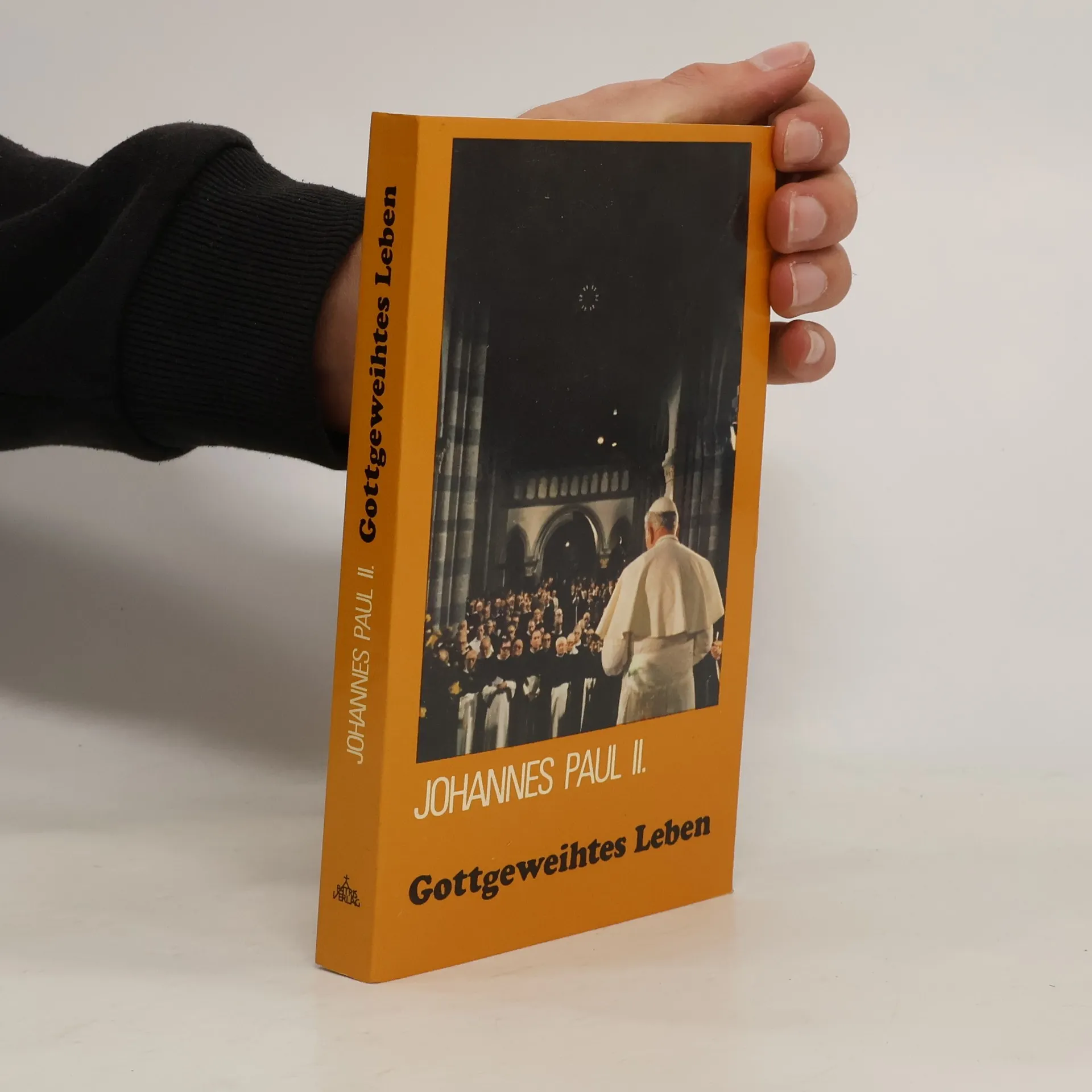
Gottgeweihtes Leben
Predigten, Botschaften, Ansprachen und Schreiben an Mitglieder von geistlichen Gemeinschaften
- 335 páginas
- 12 horas de lectura
German, Polish (translation)
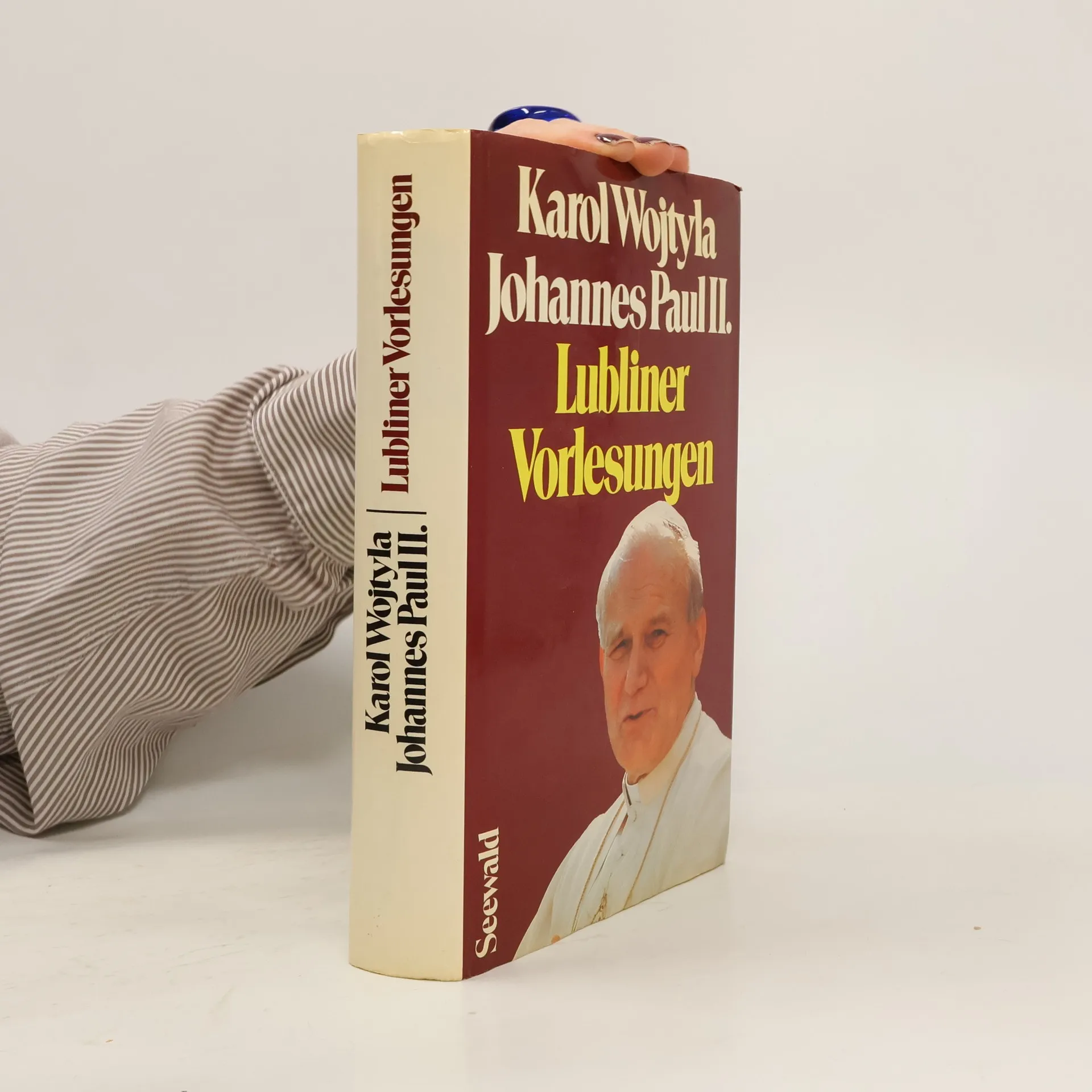
Lubliner Vorlesungen
- 414 páginas
- 15 horas de lectura
German, Polish (translation)
Über die Berufung und Sendung der Laien in Kirche und Welt
nachsynodales apostolisches Schreiben "Christifideles laici" vom 30. Dezember 1988
- 196 páginas
- 7 horas de lectura
Über die Berufung und Sendung der Laien in Kirche und Welt - bk1152; Johannes Verlag; Papst Johannes Paul II.; pocket_book; 1989
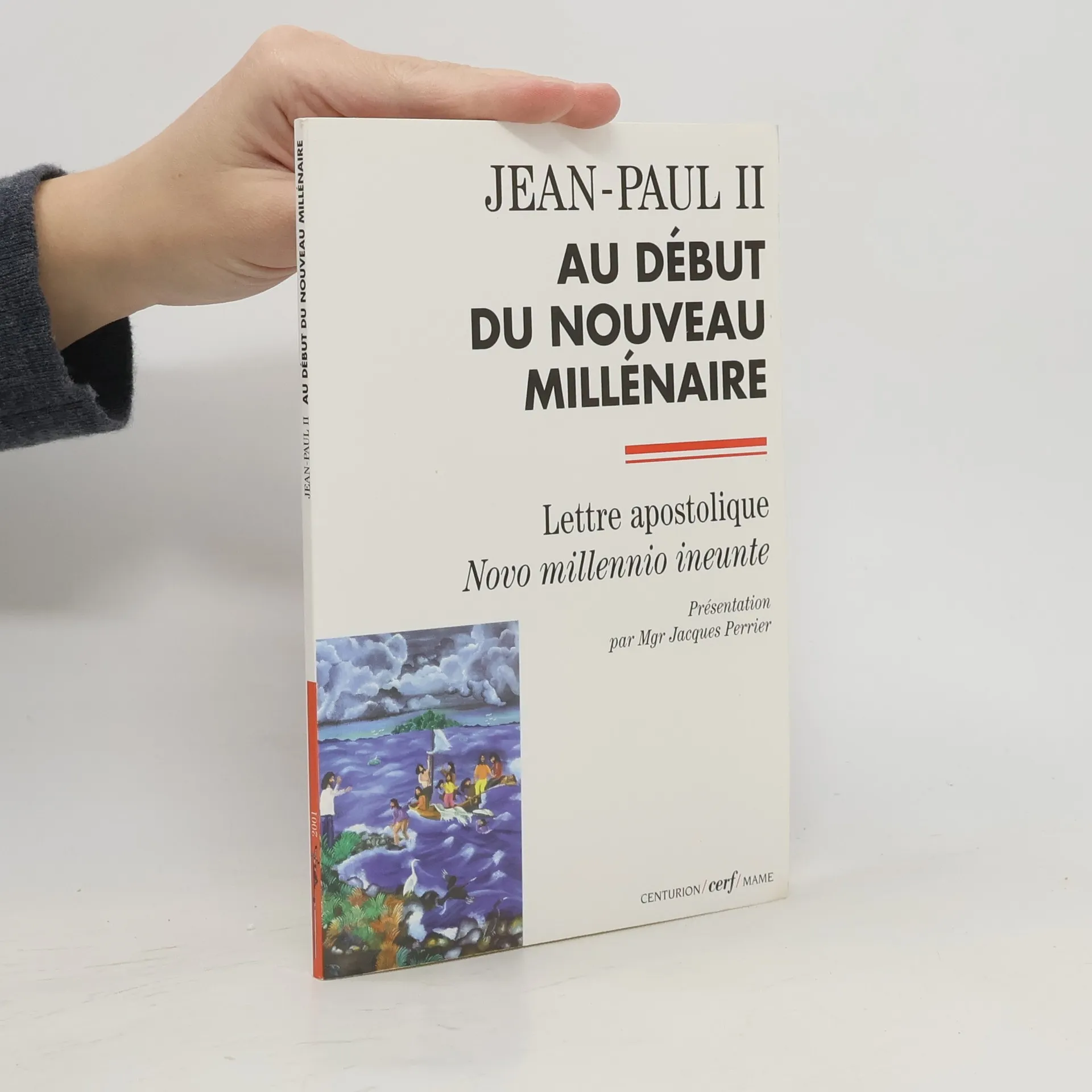
Au début du nouveau millénaire
Lettre apostolique: Novo Millennio Ineunte
- 48 páginas
- 2 horas de lectura
La Lettre apostolique " Novo millennio ineunte " a été signée par le pape, place Saint-Pierre, le 6 janvier 2001, en la solennité de l'Épiphanie, à l'occasion de la fermeture de la porte sainte. C'est le document qui tire les conclusions de l'Année jubilaire. Il fait apparaître la nécessité d'une Église qui, après une année d'intense expérience spirituelle, se sent appelée à " avancer au large " (" duc in altum ! ") selon l'ordre donné par Jésus à Pierre (voir Lc 5, 4), en affrontant les défis de l'avenir. La porte sainte se ferme, mais la " la porte vivante ", le Christ Jésus, qu'elle symbolise, reste plus que jamais ouverte. Ce n'est pas à la grisaille du quotidien que l'Église retourne après l'enthousiasme jubilaire. Au contraire, un nouvel élan apostolique l'attend, animé et soutenu par la confiance en la présence du Christ et dans la force de l'Esprit.
Do końca ich umiłował
Trzecia wizyta duszpasterska w Polsce, 8-14 czerwca 1987 roku
- 263 páginas
- 10 horas de lectura