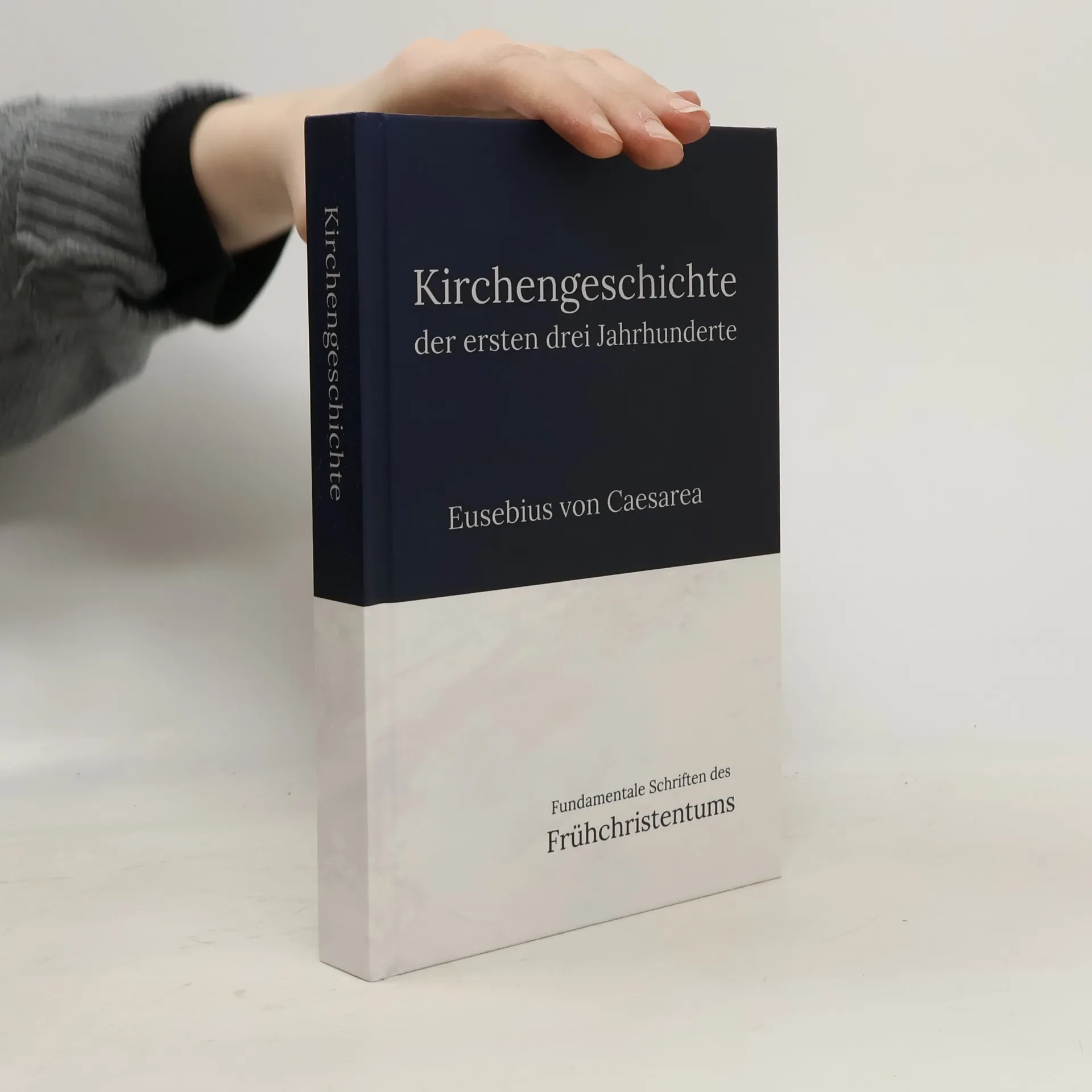
Kirchengeschichte der ersten drei Jahrhunderte
Fundamentale Schriften des Frühchristentums
- 335 páginas
- 12 horas de lectura


Eusebio de Cesarea fue un historiador romano, exegeta bíblico y polémico cristiano que llegó a ser obispo. Reverenciado como el "Padre de la Historia de la Iglesia", sus investigaciones académicas se adentraron profundamente en el examen de los textos bíblicos. Sus contribuciones más significativas residen en sus meticulosos estudios de los Evangelios y su obra monumental que narra la historia de la iglesia primitiva y sus mártires. Eusebio sentó las bases de la historiografía y la exégesis textual cristianas, dejando una marca literaria indeleble.


Fundamentale Schriften des Frühchristentums
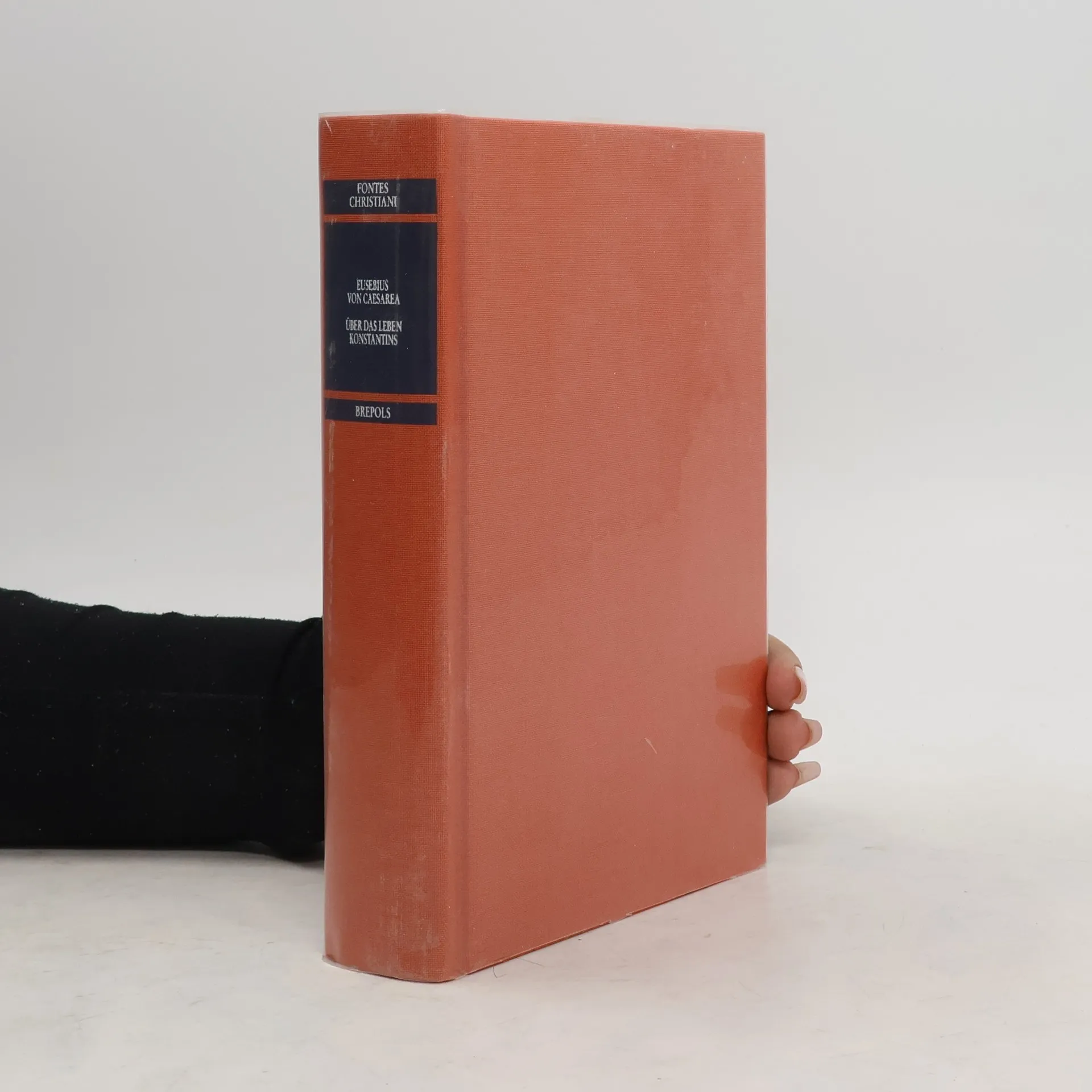
Griechisch - deutsch
Eusebius von Caesarea feiert in seiner Lobrede Konstantin den ersten christlichen Kaiser zu seinem 30-jährigen Regierungsjubiläum. In einer weiteren Rede thematisiert er den Logos Gottes und dessen Bedeutung im göttlichen Heilsplan.
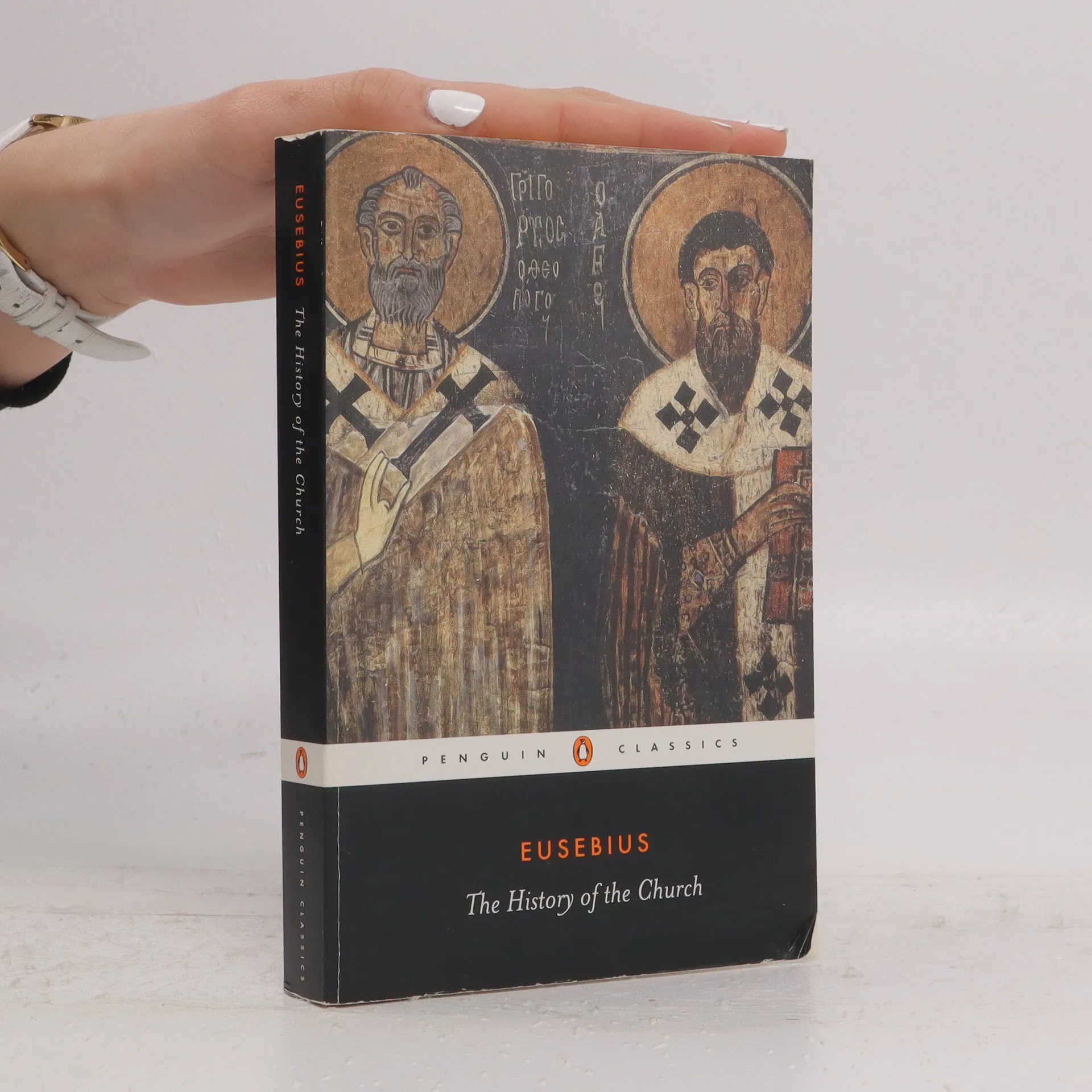
Eusebius's account is the only surviving historical record of the Church during its crucial first 300 years. Bishop Eusebius, a learned scholar who lived most of his life in Caesarea in Palestine, broke new ground in writing the History and provided a model for all later ecclesiastical historians. In tracing the history of the Church from the time of Christ to the Great Persecution at the beginning of the fourth century, and ending with the conversion of the Emperor Constantine, his aim was to show the purity and continuity of the doctrinal tradition of Christianity and its struggle against persecutors and heretics.