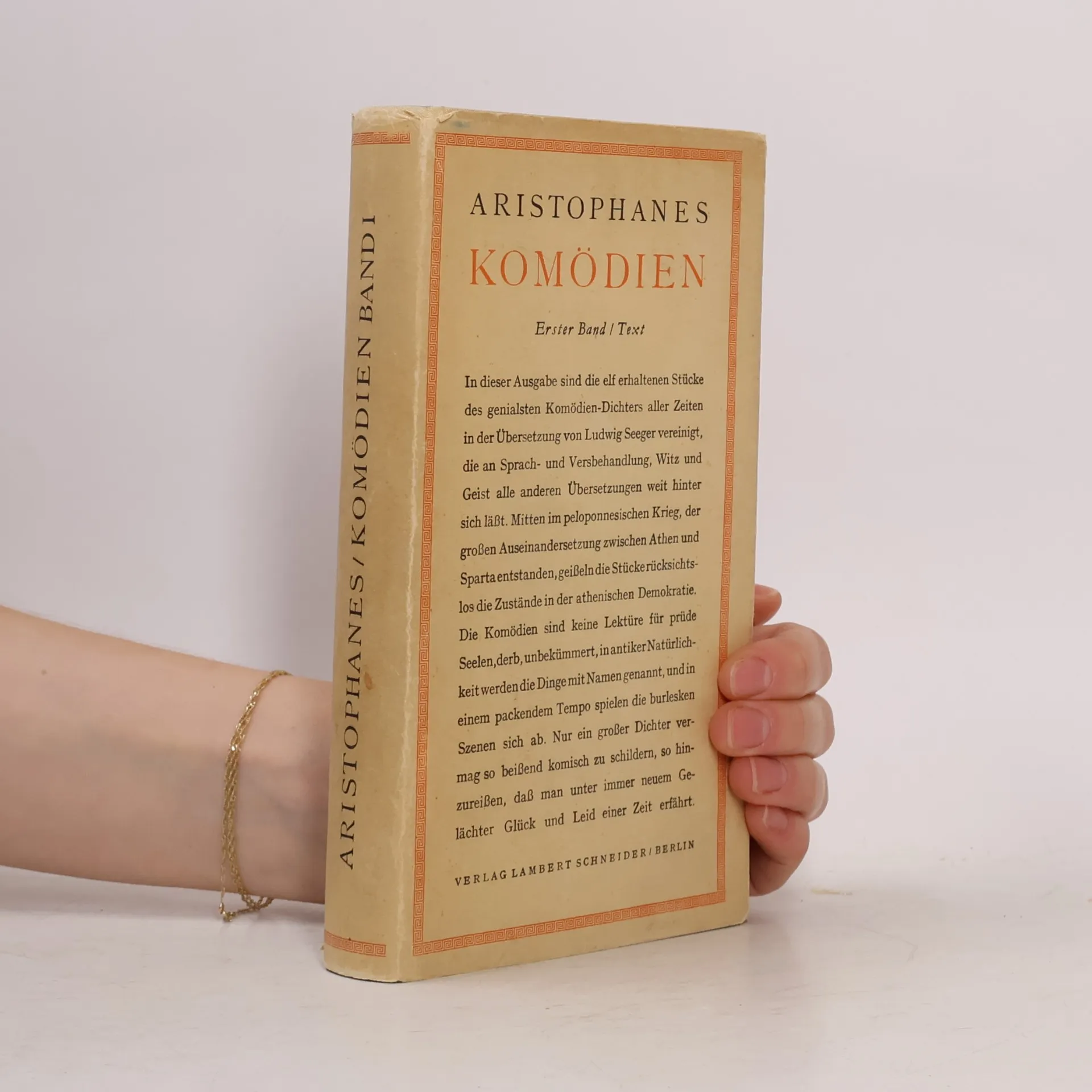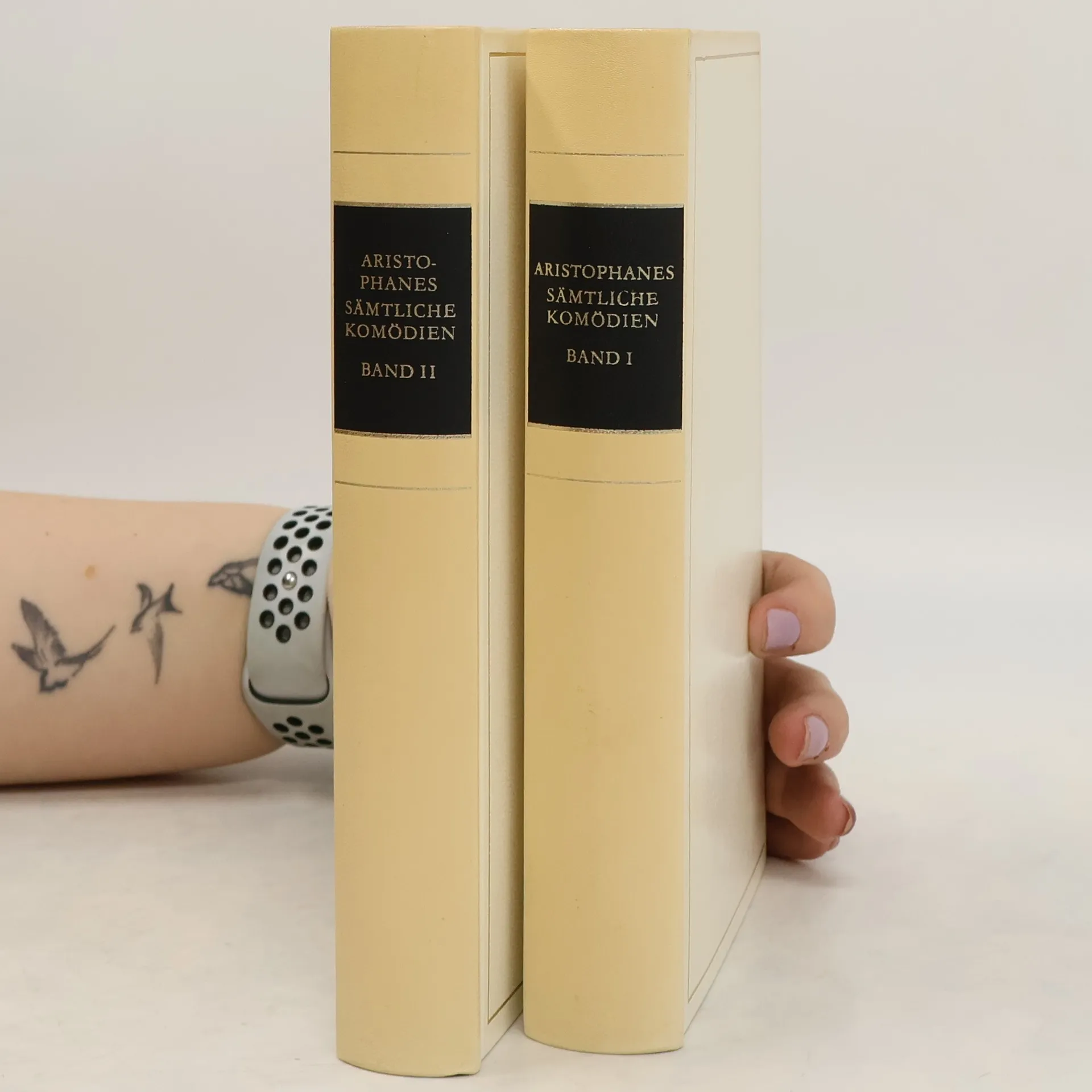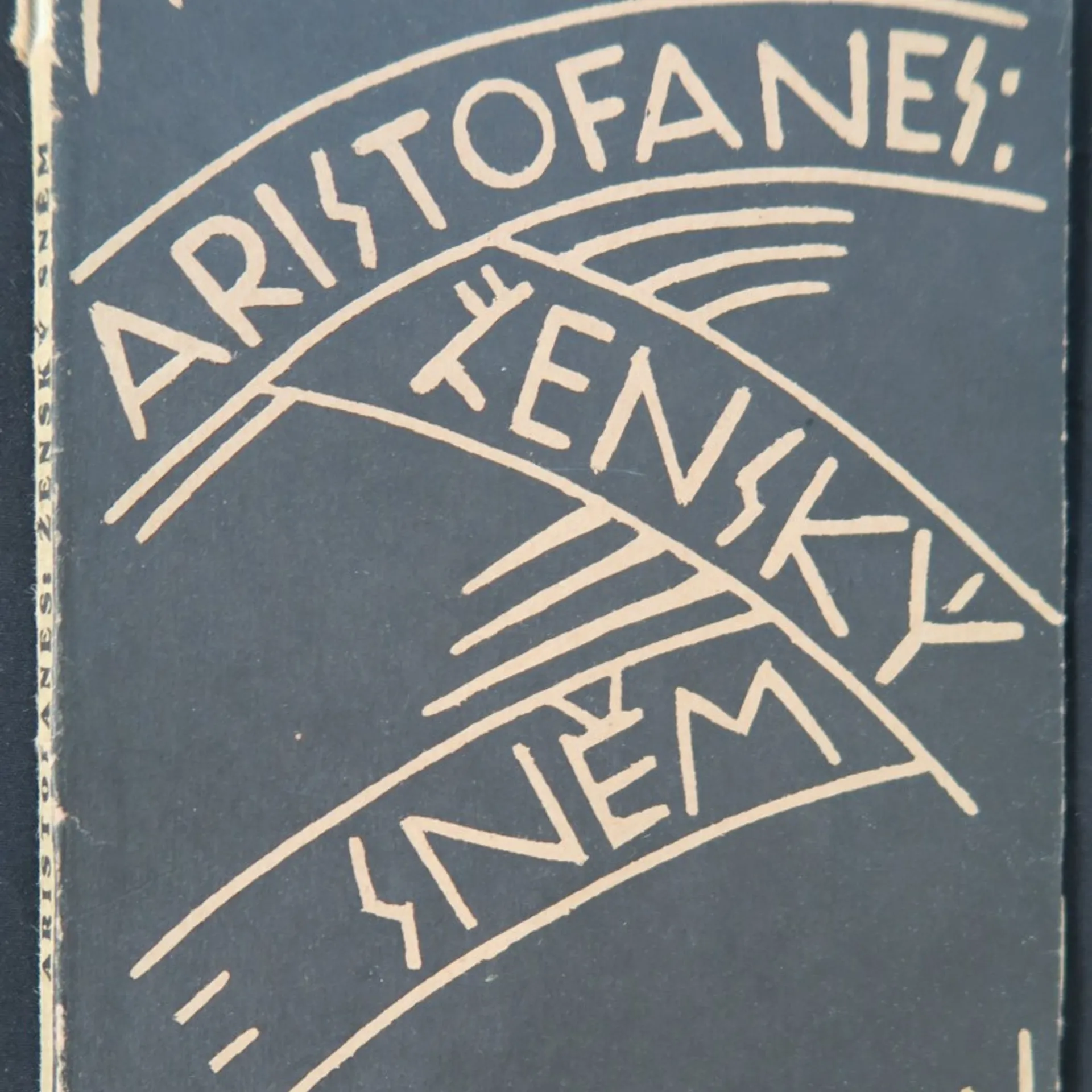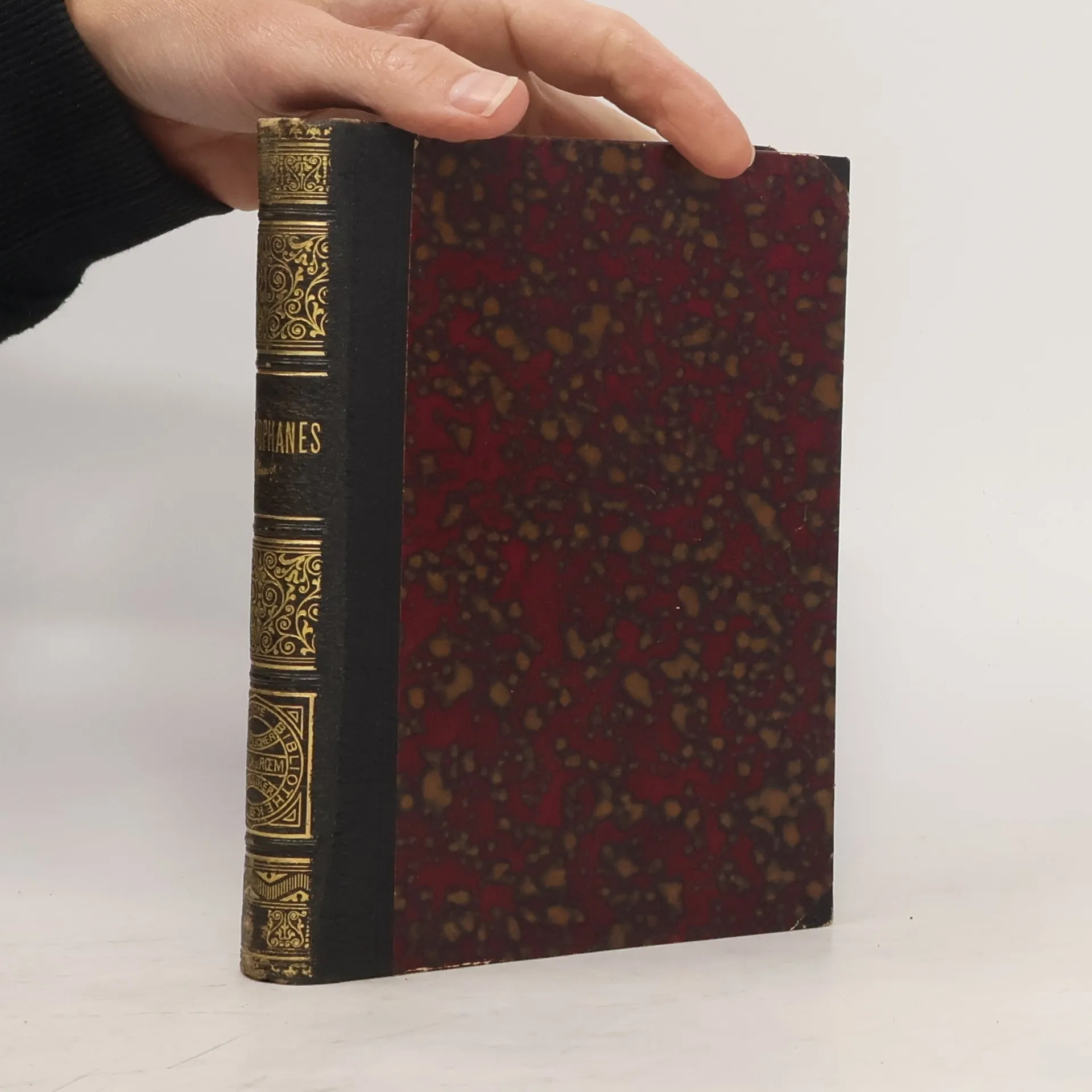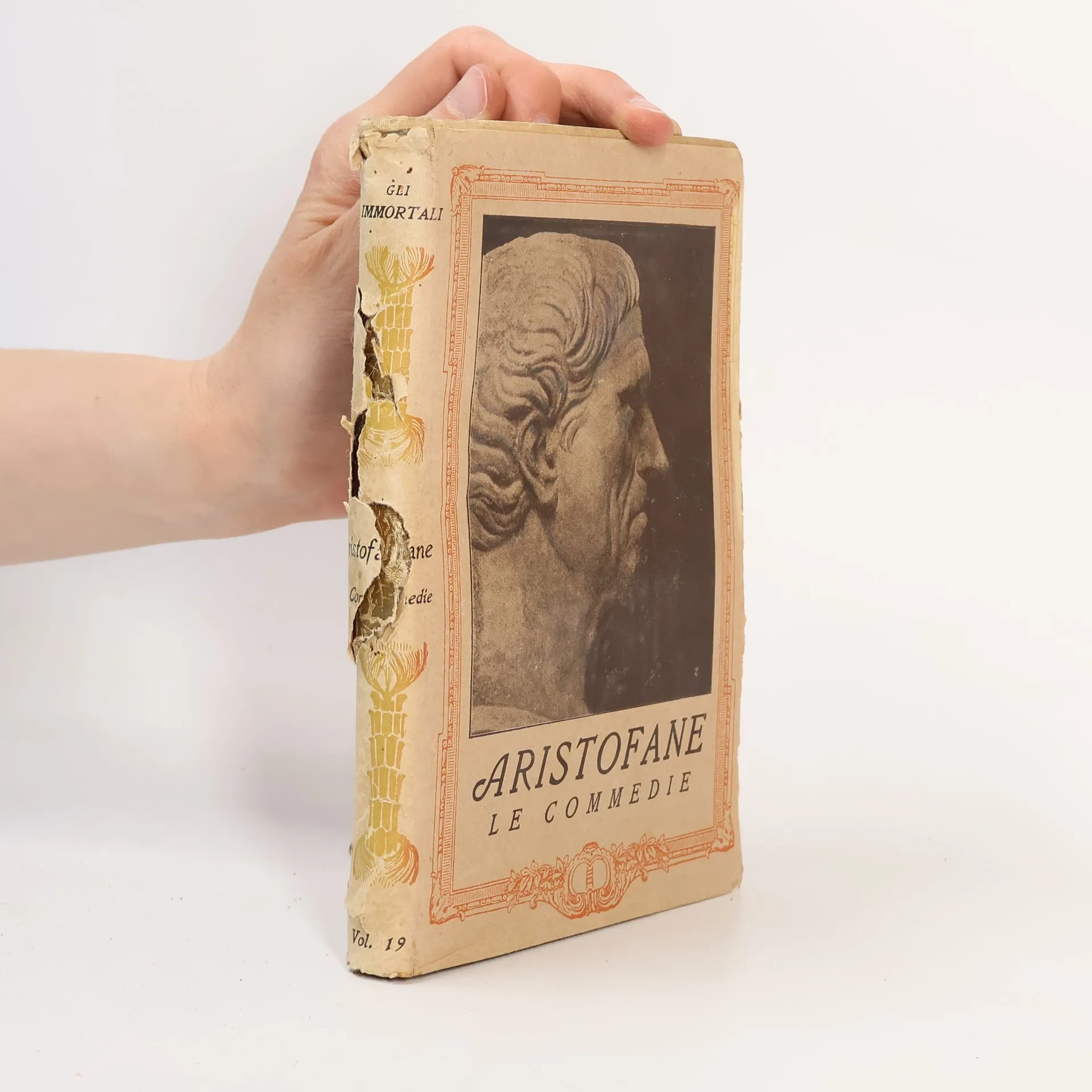

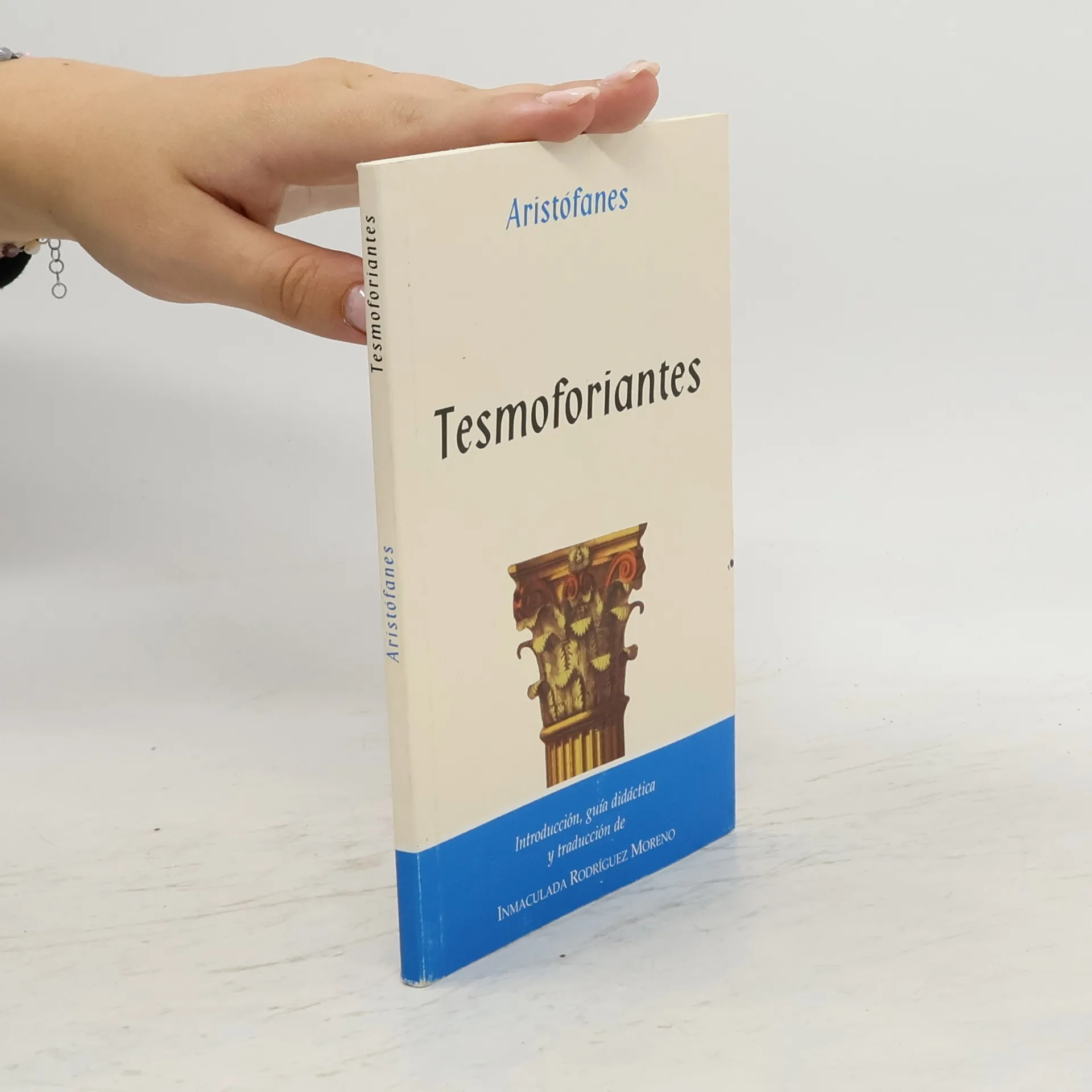
Tesmoforiantes
- 88 páginas
- 4 horas de lectura
Aristófanes fue un dramaturgo de la antigua Atenas, cuyas obras conservadas representan los únicos ejemplos del estilo de la "Comedia Antigua". Sus obras son célebres por su aguda sátira, abordando con ingenio y perspicacia los problemas políticos y sociales de la Atenas del siglo V a.C. Ofreció comentarios sobre asuntos que iban desde la Guerra del Peloponeso y la estructura de la ciudad-estado hasta el papel de la mujer en la vida pública y la influencia de los filósofos en la opinión pública. Estas comedias perdurables han sido traducidas a numerosos idiomas y continúan representándose y adaptándose, testimonio de su impacto duradero en el teatro.


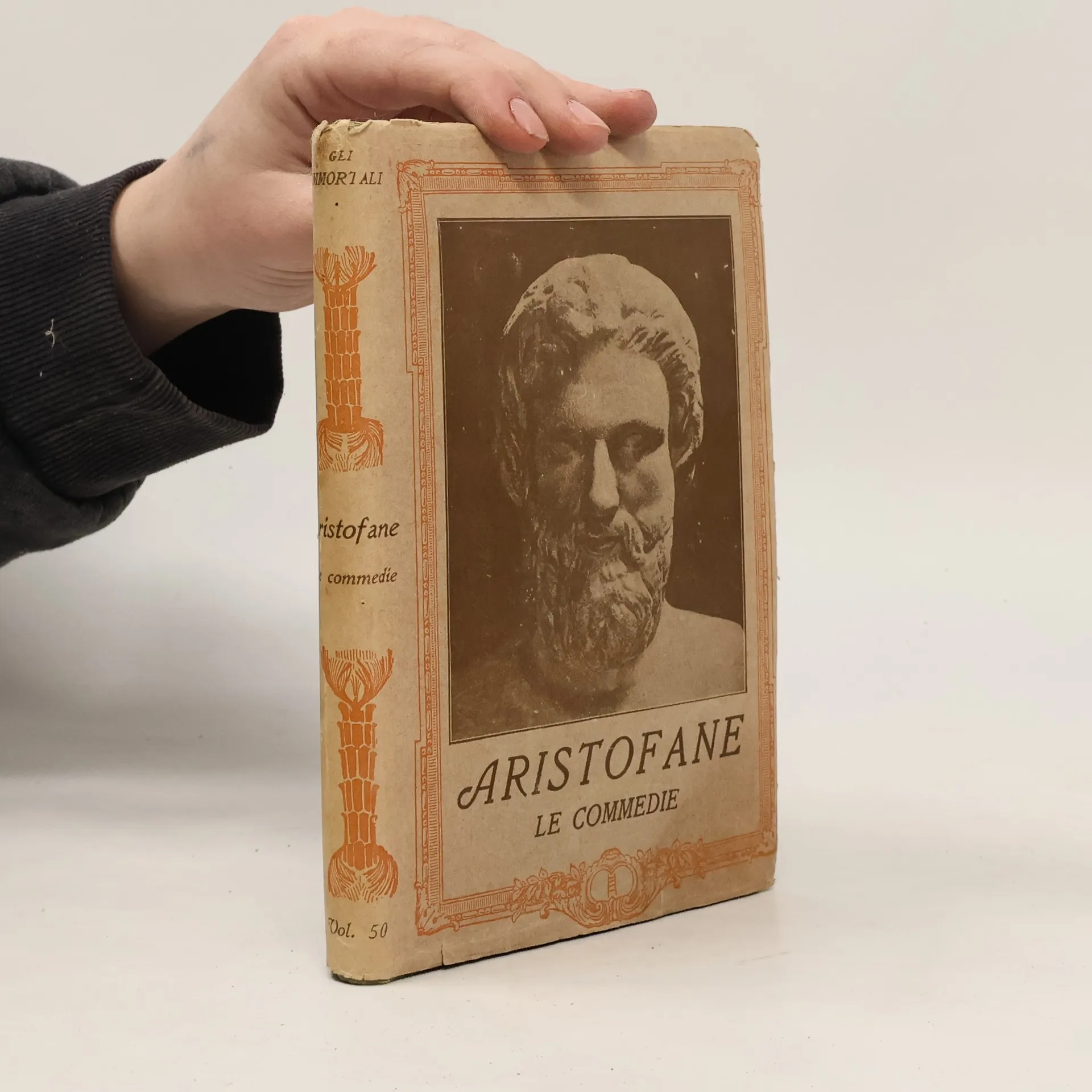
The book serves as a facsimile reprint, preserving the original content while potentially including imperfections like marks, notations, marginalia, and flawed pages. This aspect adds a layer of authenticity, offering readers a glimpse into the historical context and previous ownership of the text.
A “zany [and] inventive†(Emily Wilson) translation that for the first time captures both the antic outrageousness and lyrical brilliance of antiquity’s greatest comedies.
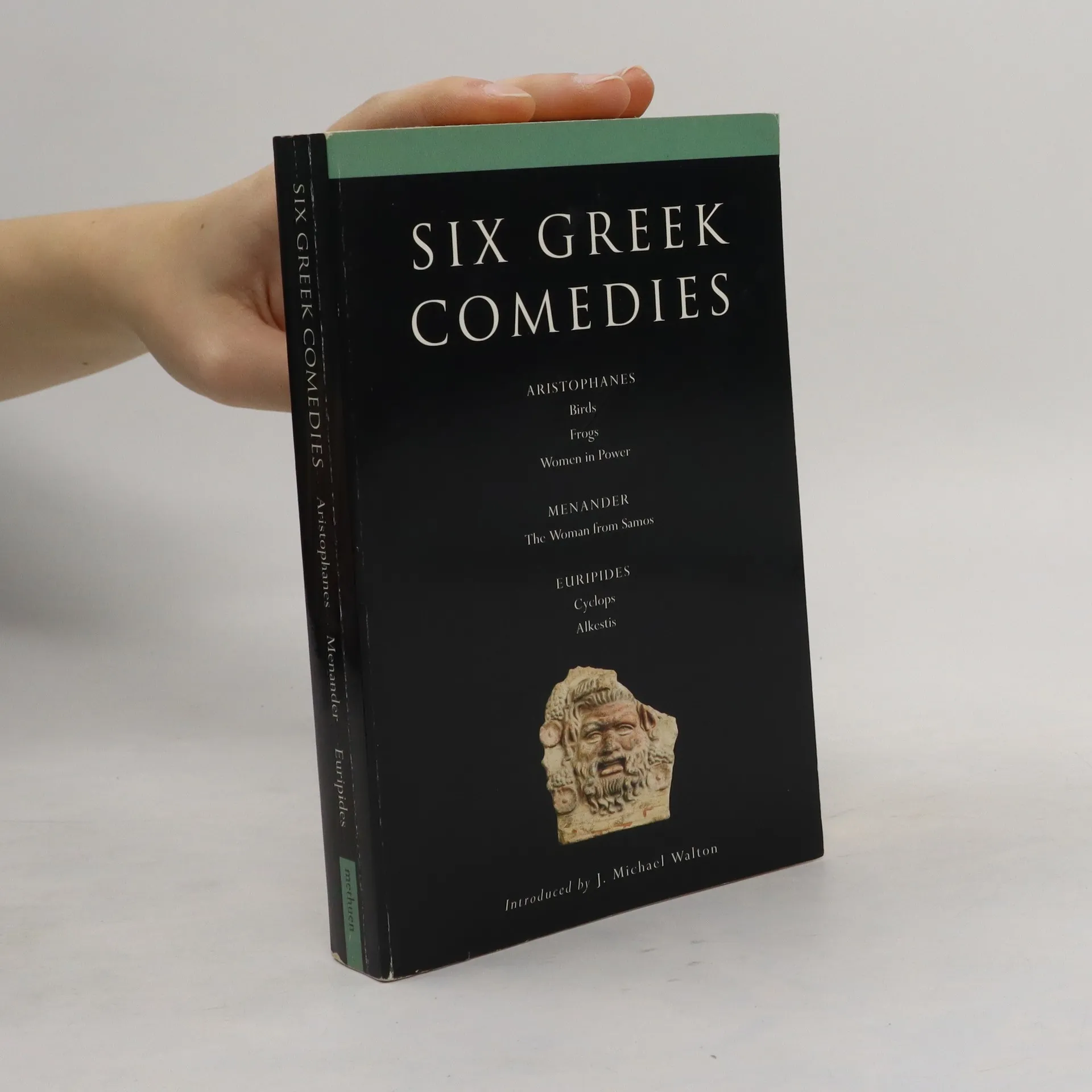
Birds. Frogs. Women in Power. The Woman from Samos. Cyclops. Alkestis
Six wide ranging classic plays with introduction by the editorThe comedies of the Athenian theatre not only lie at the root of Western drama, they also offer a unique insight into everyday life in ancient Greece. This selection of six wide ranging plays includes the comic fantasies of Aristophanes, which combine the ridiculous with serious satirical comment (Birds, Frogs, Women in Power); Menander's The Woman from Samos, a recognisable forebear of today's situation comedy; Euripides ribald satyr play, Cyclops, the only surviving example of the genre, and his Alkestis, a complex romance which gave a new face to comedy.The volume is edited and introduced by J. Michael Walton, Professor of Drama at the University of Hull and founder/director of the Performance Translation Centre there.
Xanthias I am teaching myself how to rest; I have been awake and on watch the whole night.Sosias So you want to earn trouble for your ribs, eh? Don't you know what sort of animal we are guarding here?Xanthias Aye indeed! but I want to put my cares to sleep for a while.[He falls asleep again.]
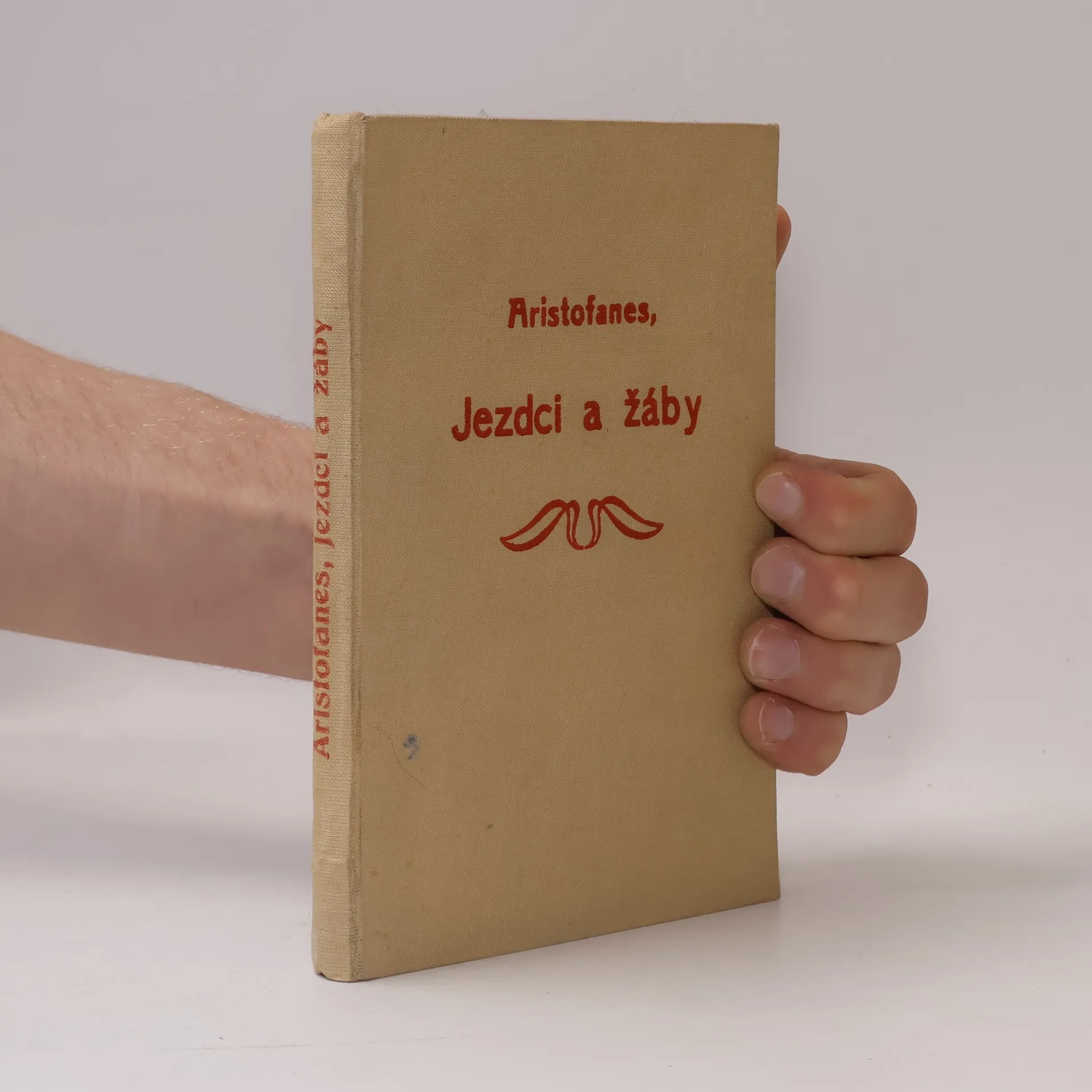
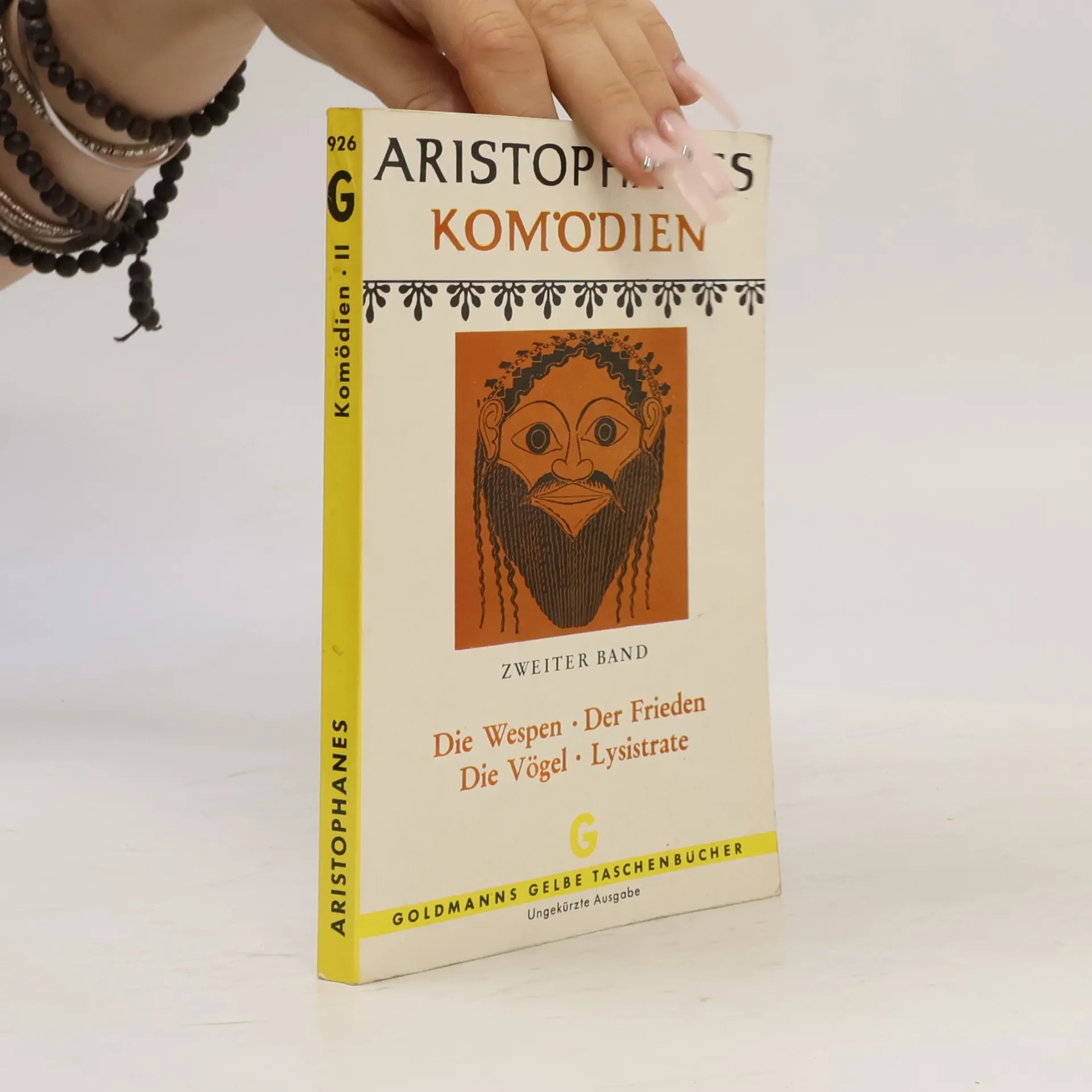
Set in ancient Greece, this comedic play by Aristophanes explores themes of war and peace through the lens of satire. The protagonist, Trygaeus, embarks on a quest to find and bring back Peace, who has been hidden away. The narrative critiques the absurdities of war and highlights the desire for harmony and prosperity among citizens. Rich in humor and social commentary, the work reflects the political climate of its time while advocating for the restoration of peace and the joy it brings to society.
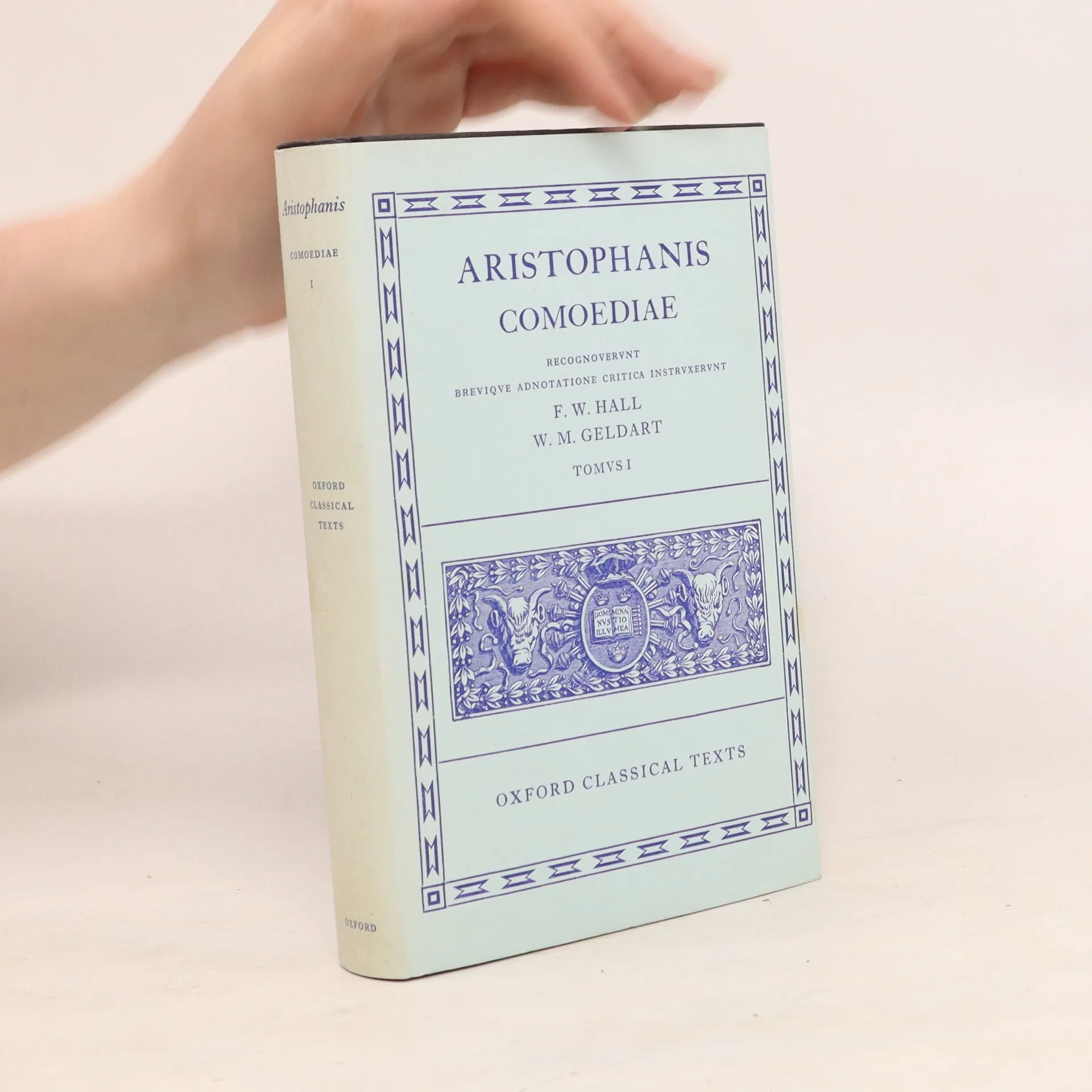
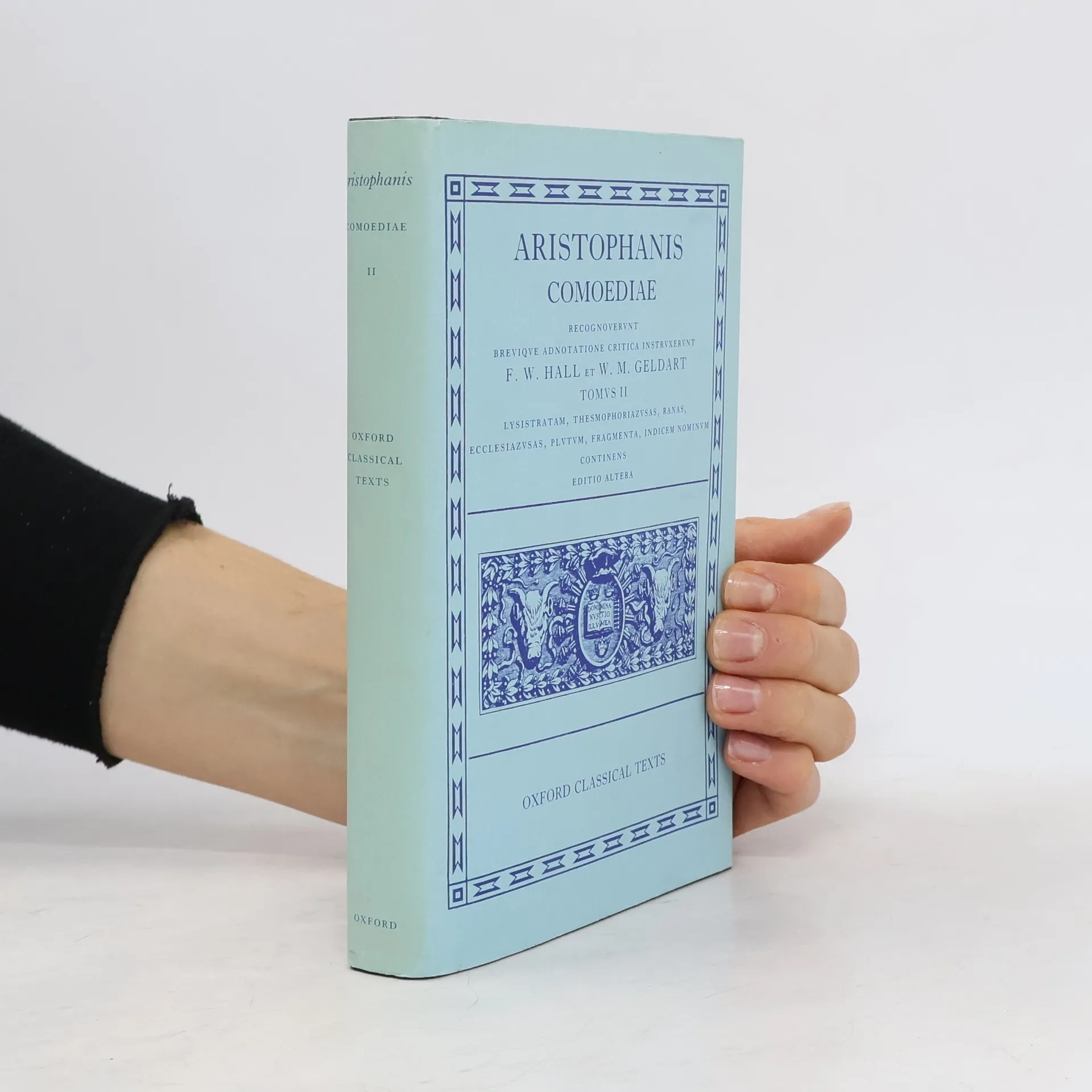
This new edition of Aristophanes is intended to replace the previous Oxford Classical Text published in 1900-1. Since that date it has been possible to construct a far better picture of the transmission of the text from antiquity to the age of printing and to obtain reliable reports of other significant manuscripts. While some of the new information has been taken into account for recent commentaries on individual plays, there is no easily available complete edition. Though the text of the plays is better preserved than that of Greek tragedy, the editor has thought it desirable to record or adopt a fair number of conjectures, some of them little known or unjustly disregarded; in a few passages he has ventured to offer suggestions of his own.