

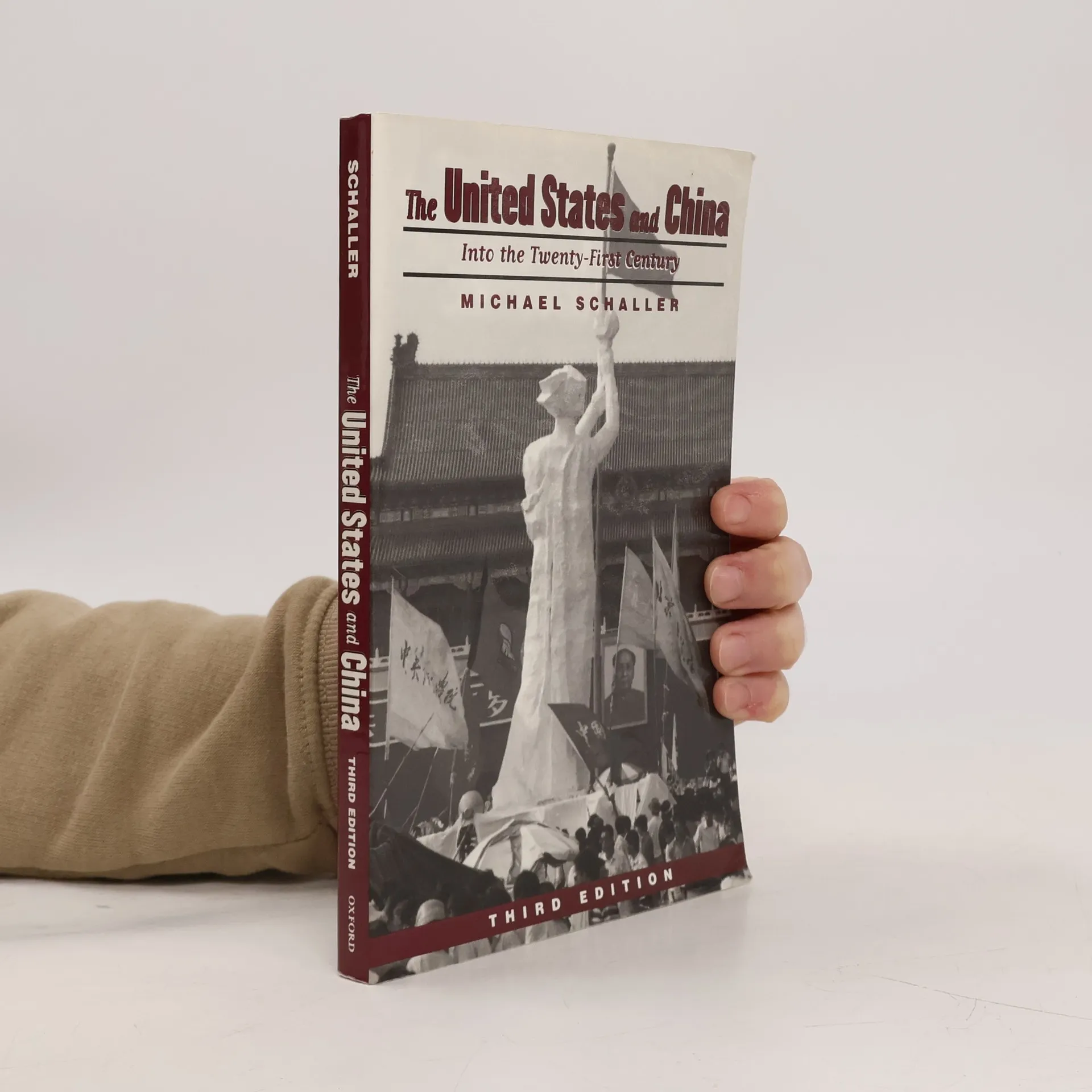
The United States and China
Into the Twenty-First Century - Third Edition
- 256 páginas
- 9 horas de lectura
From the Opium Wars of the 1840s to the Red Scare of the 1940s, and through events like the Tiananmen "massacre" of 1989 and the Wen Ho Lee "espionage case" of 2000, Chinese-American relations have fluctuated significantly. This thoroughly revised and updated third edition examines over a century of turmoil between the two nations from a dual perspective, highlighting the interactions and collisions of their distinct cultures. It draws on extensive research from both American and Chinese scholars to explore the cycles of cooperation and hostility between their governments and peoples. Special emphasis is placed on China's unique role during the Cold War and its significance in the American focus on the Vietnam War. The book also delves into the connections between domestic policies in both countries and their international actions. The post-World War II section has been completely revised, incorporating a wealth of new primary materials and research since 1990. Additionally, two new chapters focus on Chinese-American relations during the Reagan, Bush, and Clinton administrations, analyzing the paradox of increasing cooperation alongside a renewed American fear of China in political discourse.