

On Becoming an American Writer
- 256 páginas
- 9 horas de lectura
The very best nonfiction and essays by James Alan McPherson, selected and introduced by Anthony Walton.
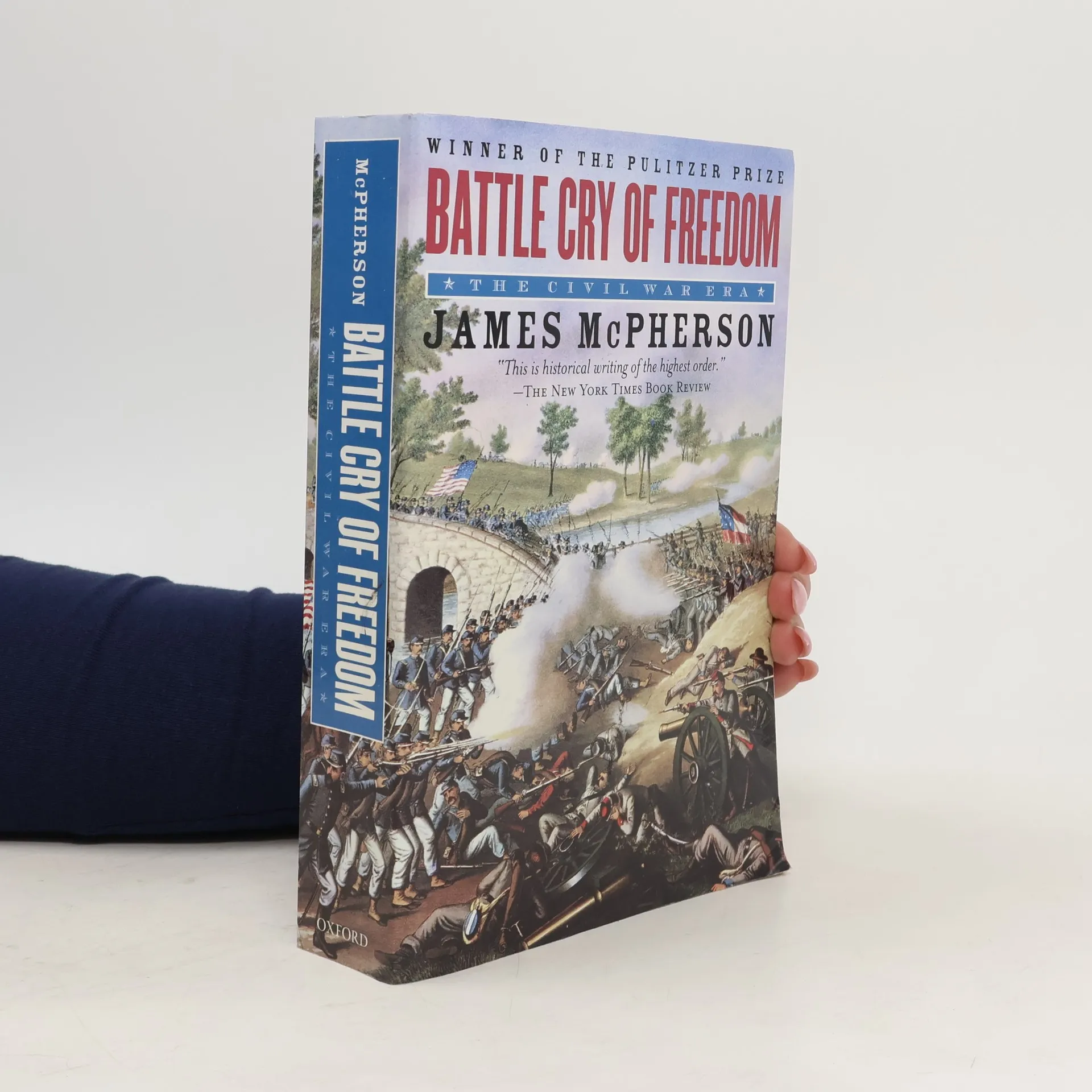
James M. McPherson es un distinguido historiador cuyo trabajo examina de manera crítica la Guerra Civil estadounidense. Posee una profunda habilidad para iluminar las complejas dinámicas sociales, políticas y militares del conflicto, explorando cómo estas fuerzas moldearon las experiencias de los individuos y el destino de la nación. Su escritura es elogiada por su accesibilidad y su capacidad para involucrar a un amplio público lector, ofreciendo no solo relatos fácticos, sino también una profunda comprensión de la mentalidad y las motivaciones de la época.


The very best nonfiction and essays by James Alan McPherson, selected and introduced by Anthony Walton.
From the first shots fired at Fort Sumter in 1861 to the final clashes on the Road to Appomattox in 1864, The Atlas of the Civil War reconstructs the battles of America's bloodiest war with unparalleled clarity and precision. Edited by Pulitzer Prize recipient James M. McPherson and written by America's leading military historians, this peerless reference charts the major campaigns and skirmishes of the Civil War. Each battle is meticulously plotted on one of 200 specially commissioned full-color maps. Timelines provide detailed, play-by-play maneuvers, and the accompanying text highlights the strategic aims and tactical considerations of the men in charge. Each of the battle, communications, and locator maps are cross-referenced to provide a comprehensive overview of the fighting as it swept across the country. With more than two hundred photographs and countless personal accounts that vividly describe the experiences of soldiers in the fields, The Atlas of the Civil War brings to life the human drama that pitted state against state and brother against brother.
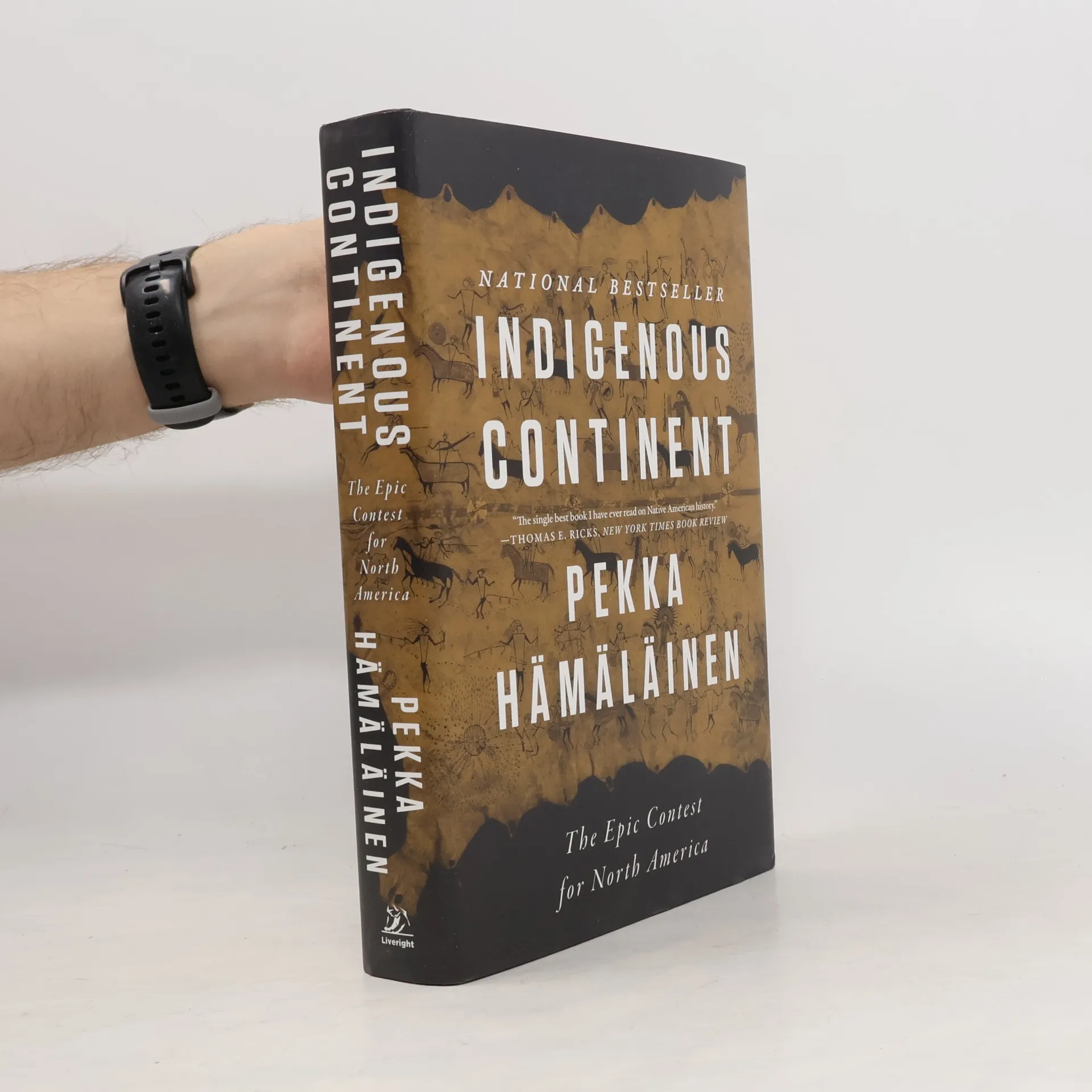
From a prize-winning scholar of Indigenous history, a landmark work that overturns America's dominant origin story
This account of the Lakota Indians traces their rich and often surprising history from the early sixteenth to the early twenty-first century. Pekka Hamalainen explores the Lakotas' roots as marginal hunter-gatherers and reveals how they reinvented themselves twice: first as a river people who dominated the Missouri Valley, America's great commercial artery, and then -- in what was America's first sweeping westward expansion -- as a horse people who ruled supreme on the vast high plains. Red Cloud, Crazy Horse, and Sitting Bull are iconic figures in the American imagination, but in this book they emerge as something different: the architects of Lakota America, an expansive and enduring Indigenous regime that commanded human fates in the North American interior for generations.
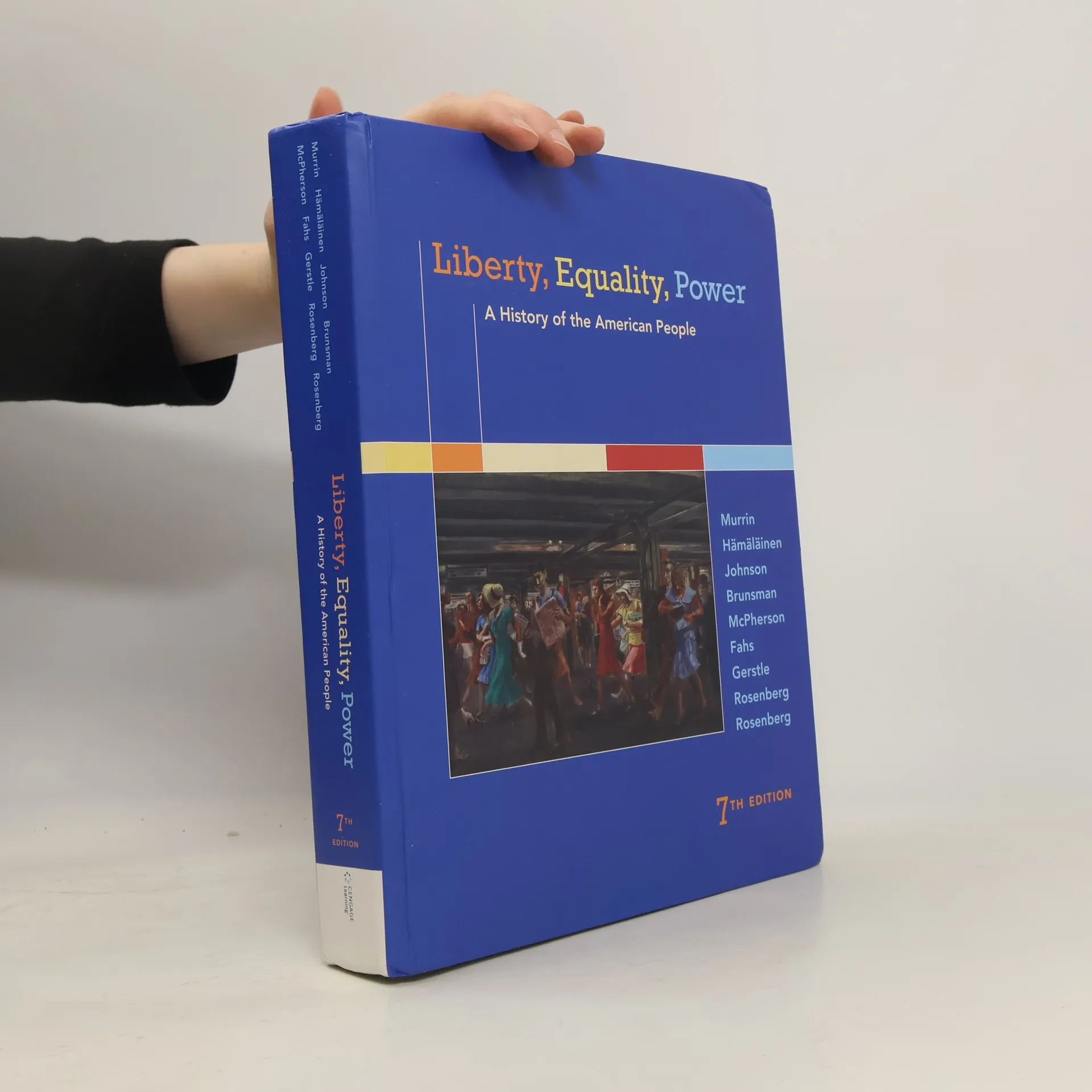
A History of the American People - 7th Edition
Understanding the past helps us navigate the present and future. This book teaches readers about American history and exposes them to movies and other forms of popular culture that tell the stories of the nation's past. A highly respected and thoroughly modern approach to U.S. history, LIBERTY, EQUALITY, POWER, Seventh Edition, shows how the United States was transformed, in a relatively short time, from a land inhabited by hunter-gatherer and agricultural Native American societies into the most powerful industrial nation on Earth. This approach helps readers understand the impact of the notions of liberty and equality, which are often associated with the American story, and recognize how dominant and subordinate groups have affected and been affected by the ever-shifting balance of power.
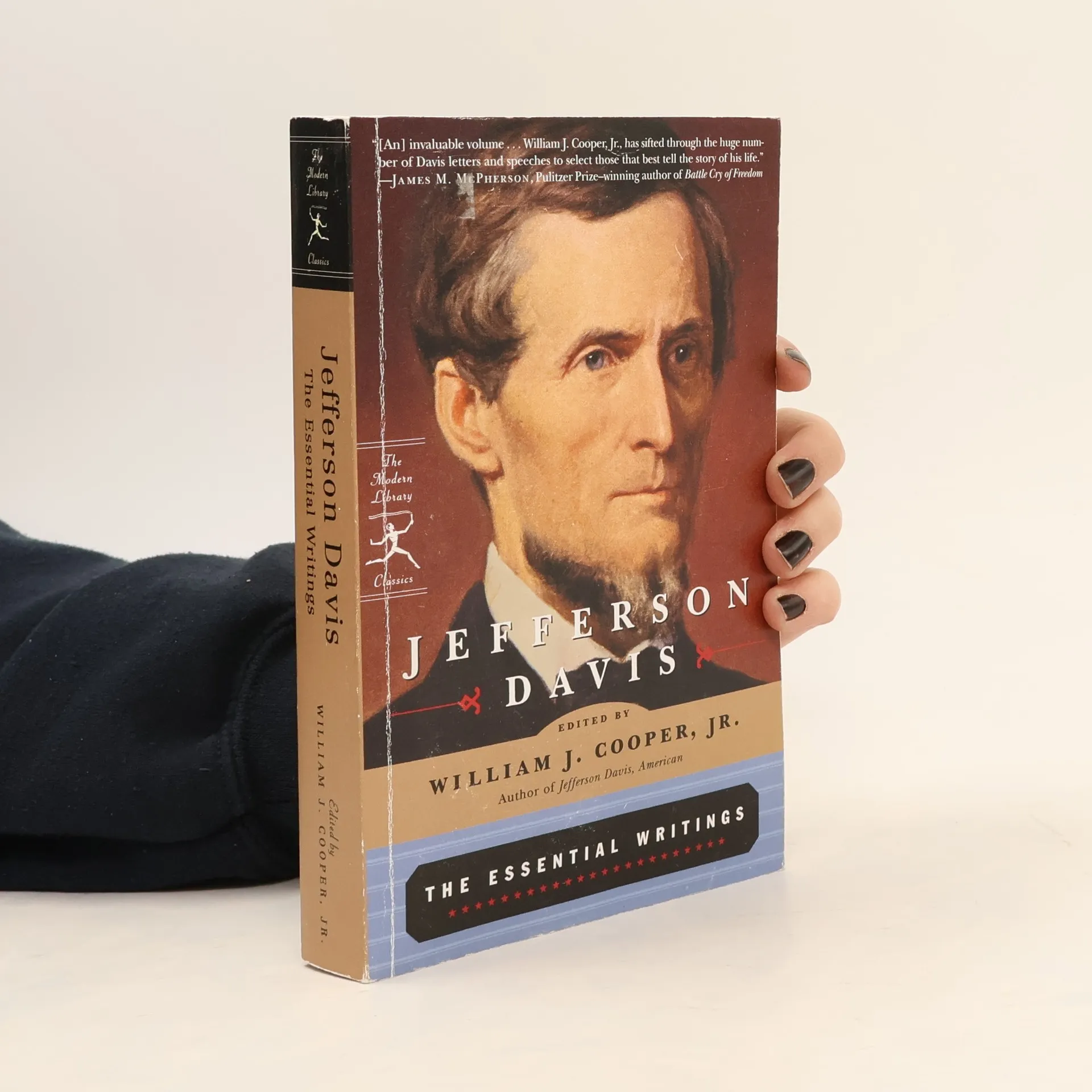
Jefferson Davis is a complex and controversial figure in American political history, having served as the president of the Confederacy and facing accusations related to Abraham Lincoln's assassination. This volume presents a selected collection of his writings, primarily drawn from the authoritative Papers of Jefferson Davis, along with thirteen previously unpublished documents. It encompasses a range of pieces, from letters to his sister during his college years to significant speeches on the Constitution, slavery, and sectional issues, including his farewell address in the U.S. Senate and his inaugural address as Confederate president, as well as correspondence from prison to his wife. These selections reveal the multifaceted nature of Davis. As William J. Cooper, Jr. notes in his Introduction, Davis’s significance extends beyond his Civil War role. Born in early nineteenth-century Kentucky, he witnessed the transformation of the U.S. from a fledgling nation to a continental power. His early life included moving to Mississippi and serving as an army officer tasked with protecting westward settlers. He also fought in the Mexican War as colonel of the First Mississippi Regiment, contributing to the U.S. expansion through the Mexican Cession. In the 1850s, as secretary of war and U.S. senator, he promoted a transcontinental railroad to unite the nation.
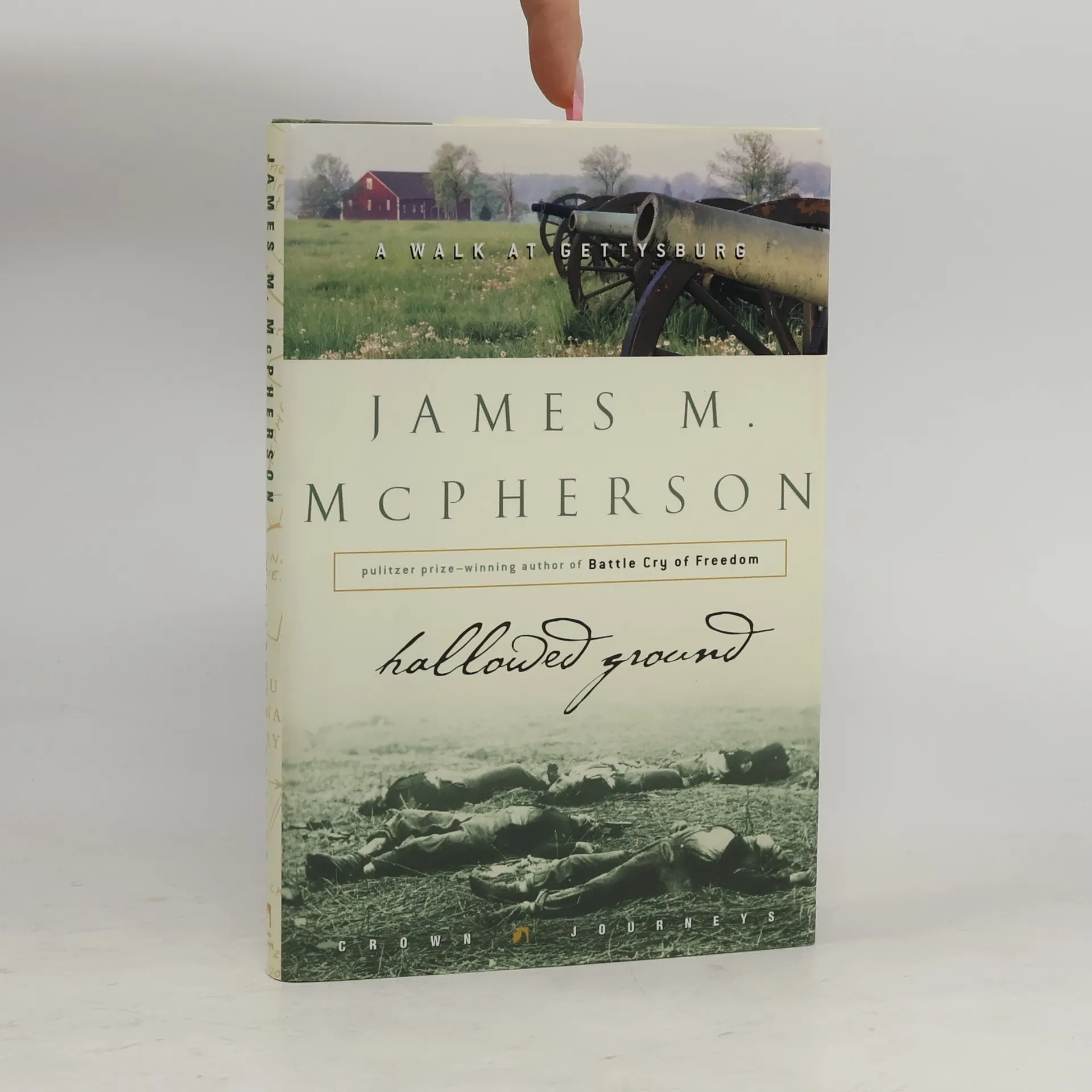
Focusing on the pivotal Battle of Gettysburg, this work by acclaimed historian James M. McPherson provides an in-depth exploration of the conflict's significance and impact on American history. Through detailed analysis and vivid storytelling, McPherson illuminates the strategies, key figures, and the profound consequences of this monumental battle, making it a crucial read for anyone interested in the Civil War and its legacy.
"While it has been a matter of quiet satisfaction that the main outlines of the story require little or no revision in the light of these new studies, I welcome the opportunity to refine or expand my treatment of several subjects that have been the focus of particularly intensive scholarship in the recent years: the changing status of women during this [Civil War] era, and their contributions to the war efforts of both sides ; the impact of economic growth on the antebellum working class ; the ambivalent position of nonslaveholding whites in a slave society at war ; internal political and social issues in the Confederacy ; and the active part the slave population took in their own emancipation"--Pref., 2nd ed.
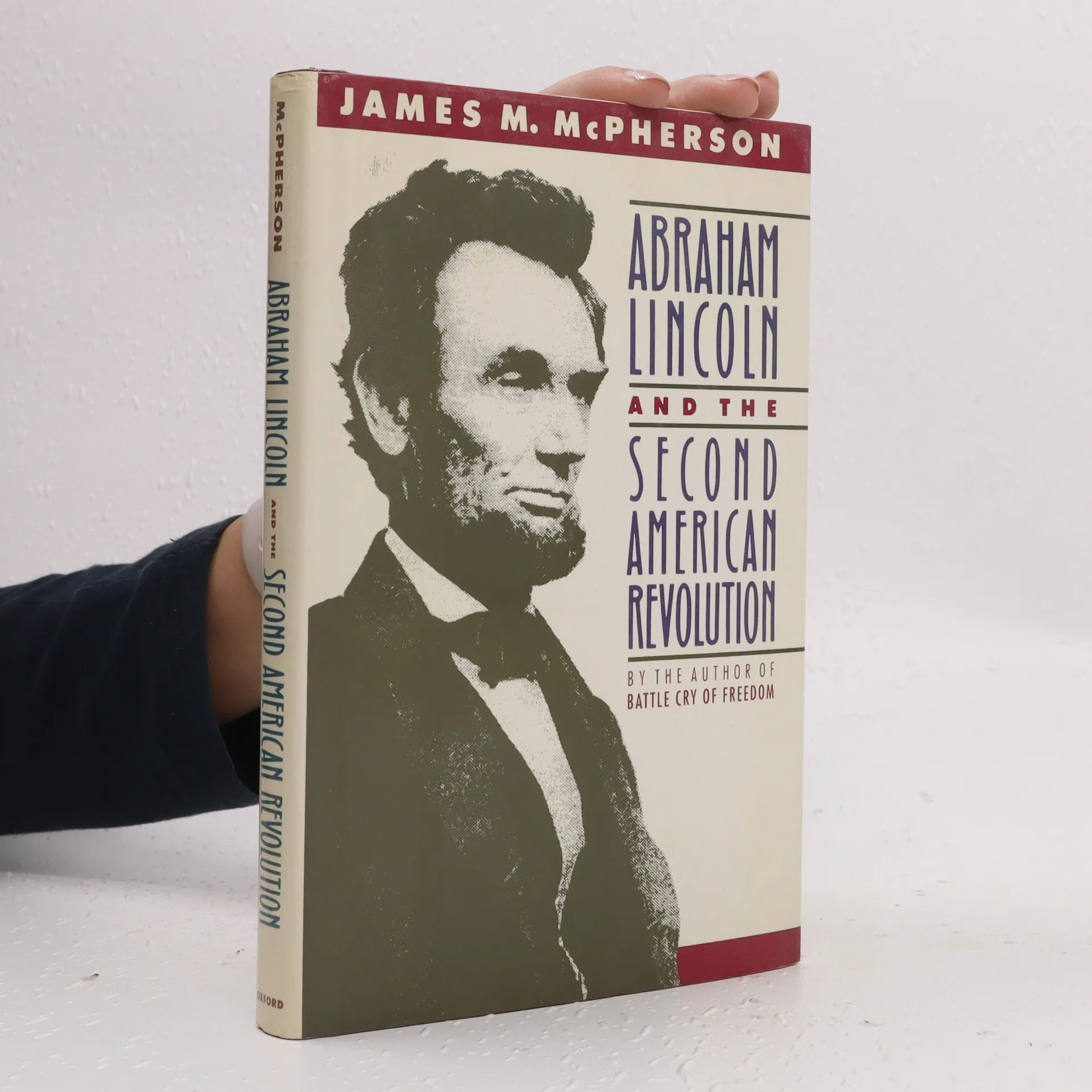
A series of essays on aspects of Lincoln as a military leader, the Civil War, and the changes in the South.