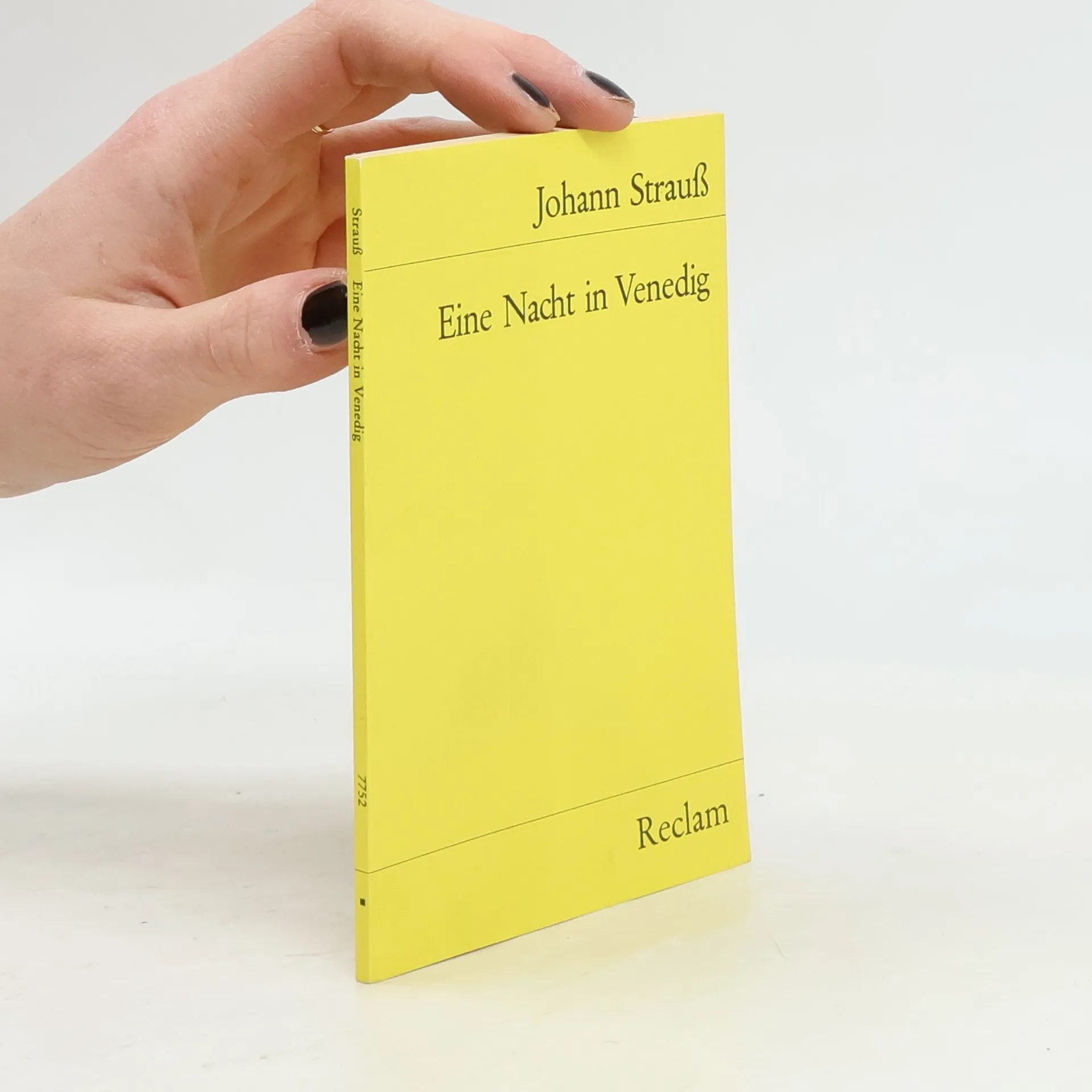
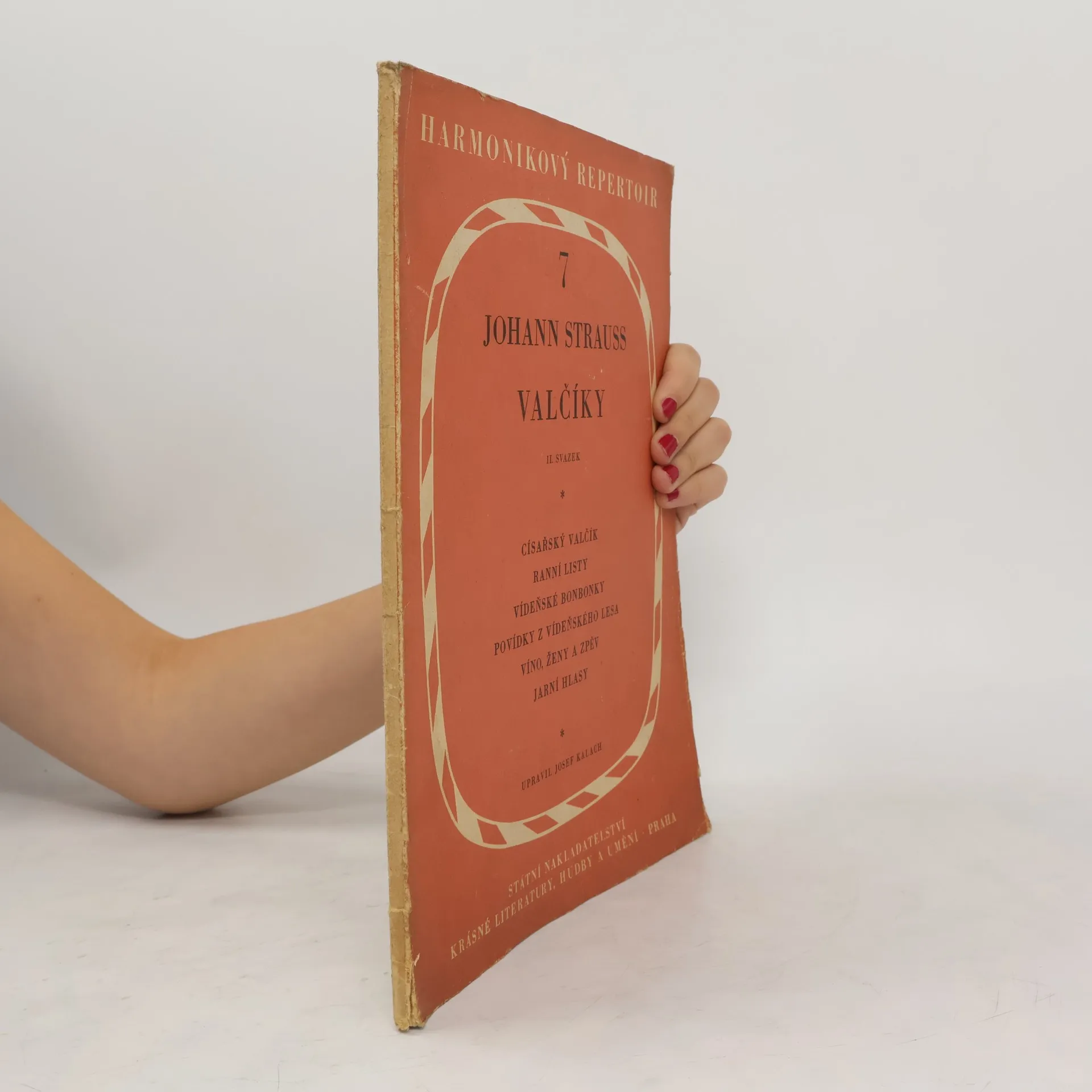
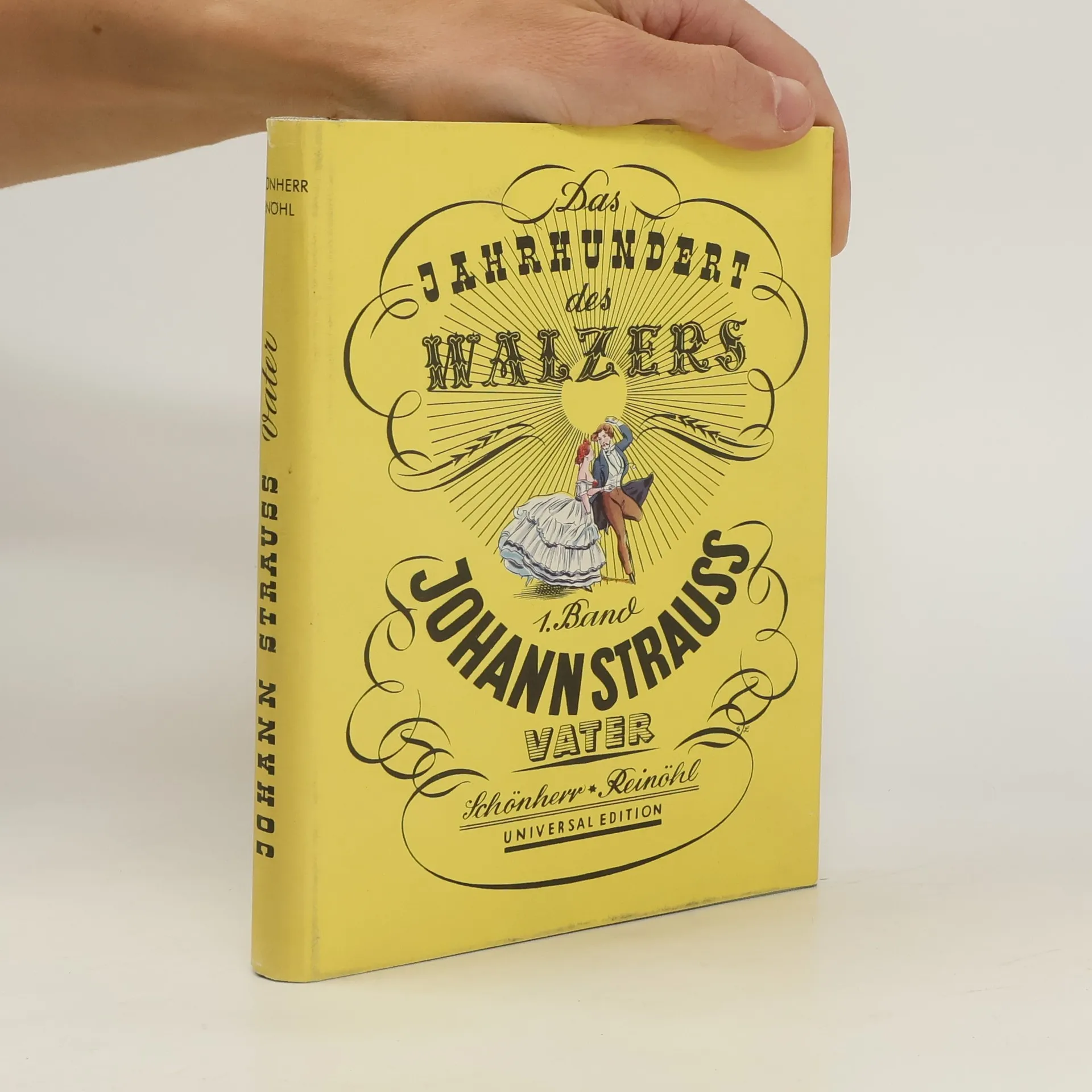
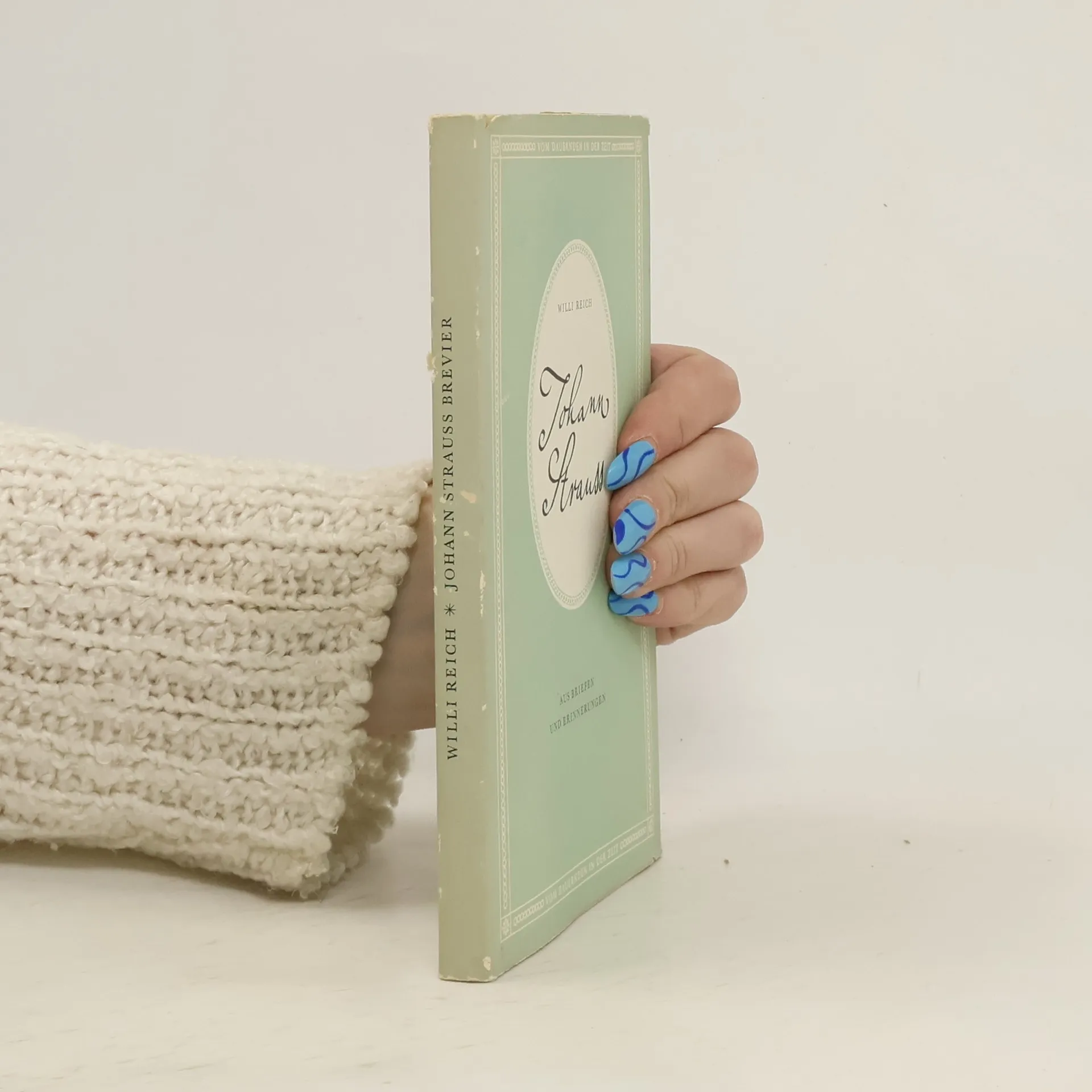
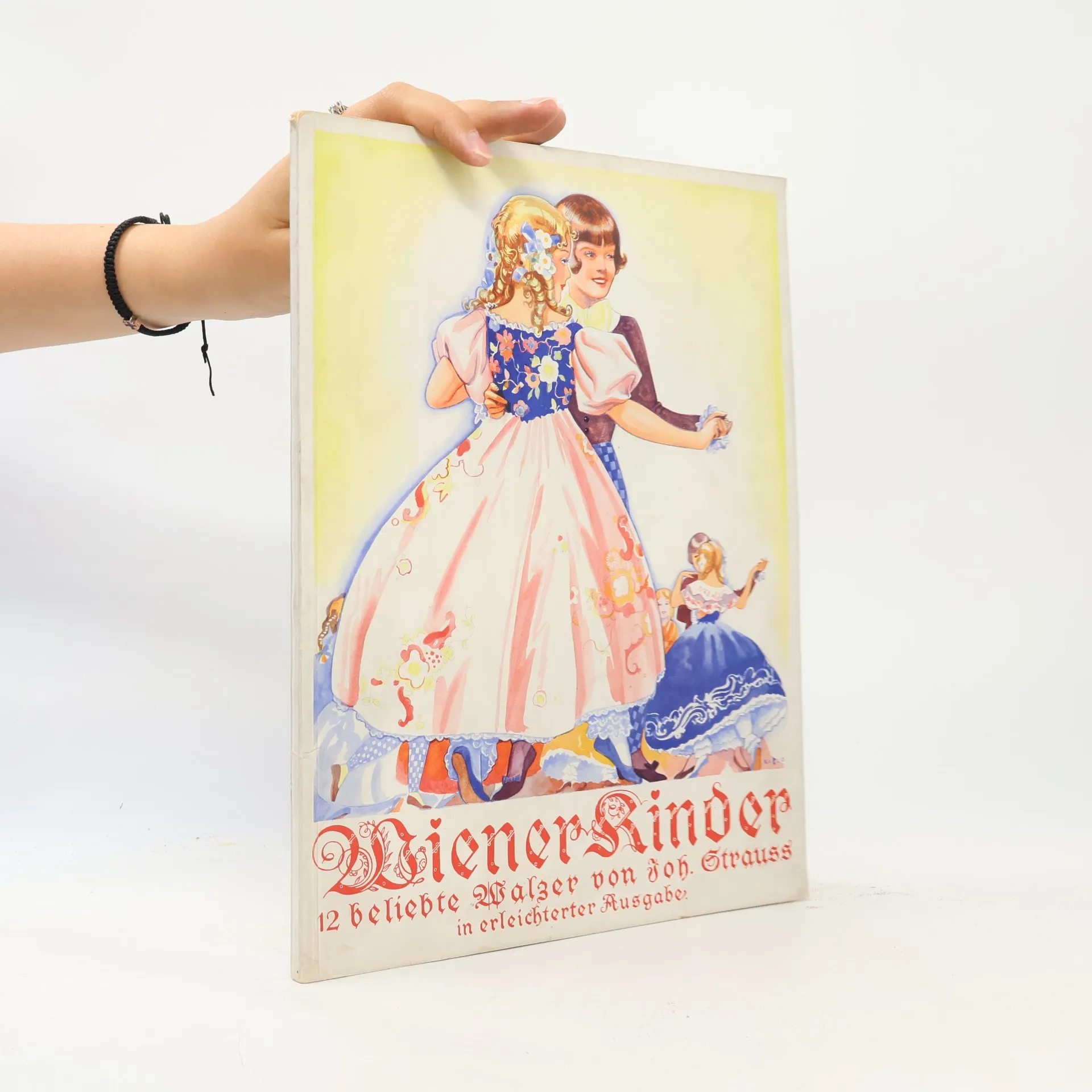
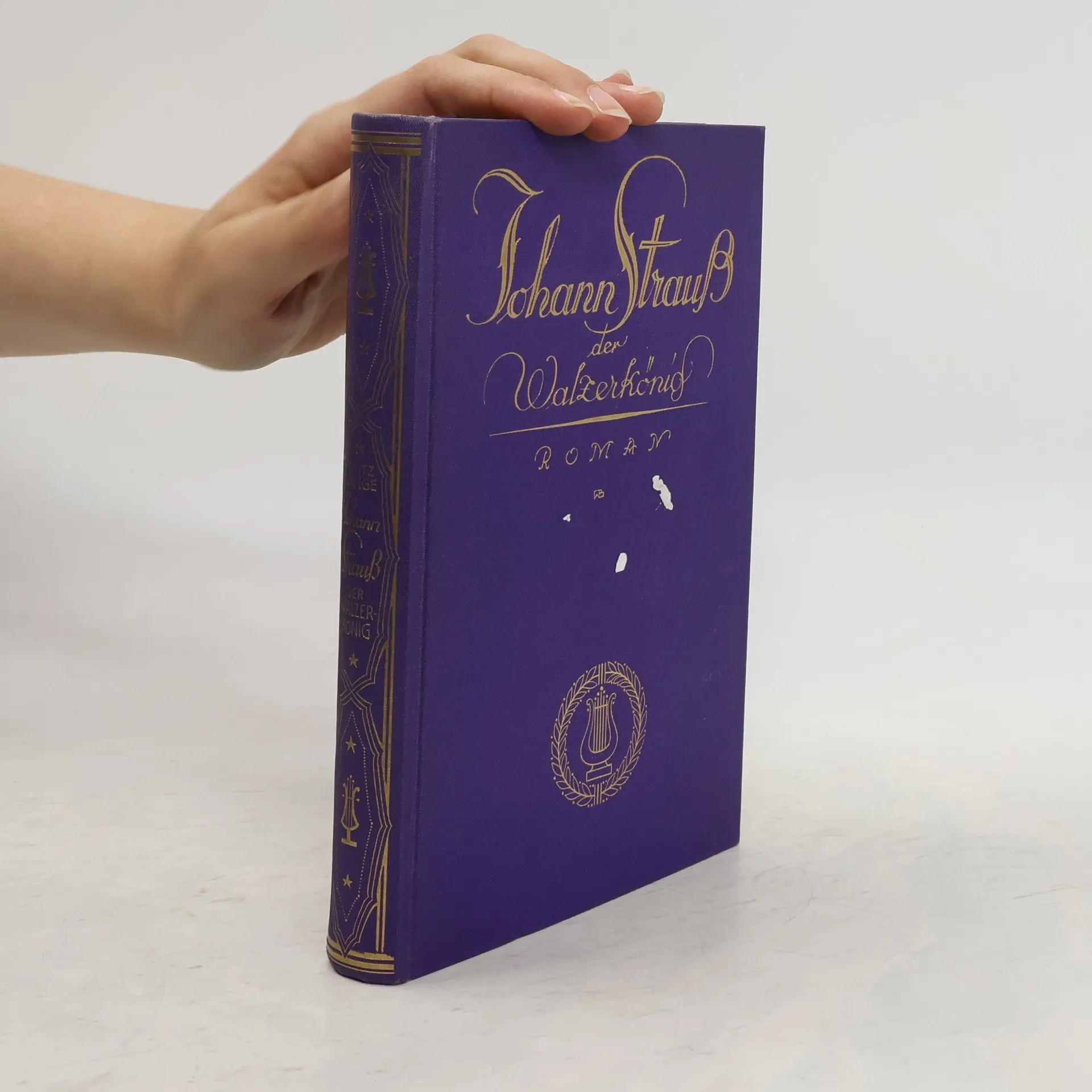
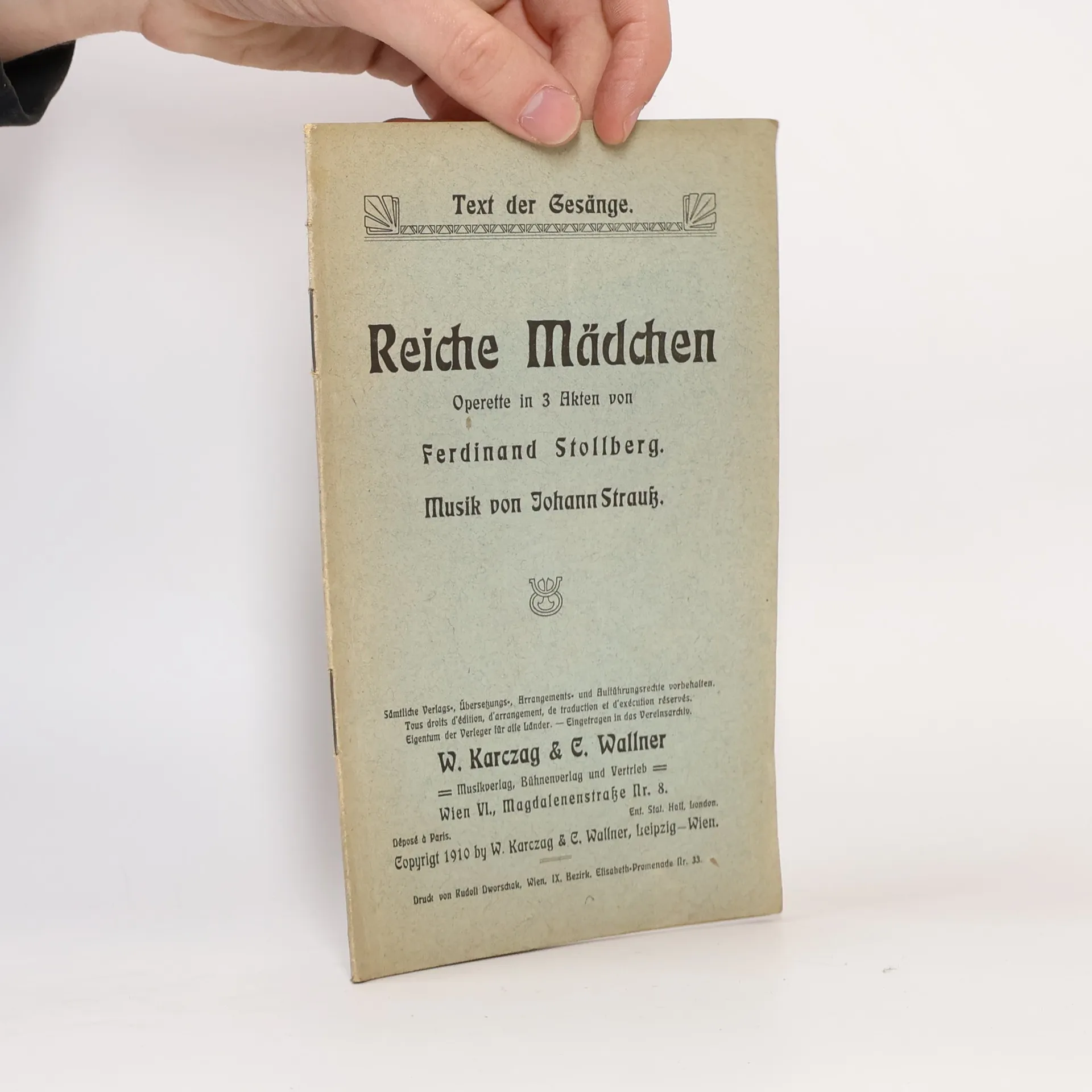
Johann Strauss Orden de los libros (cronológico)
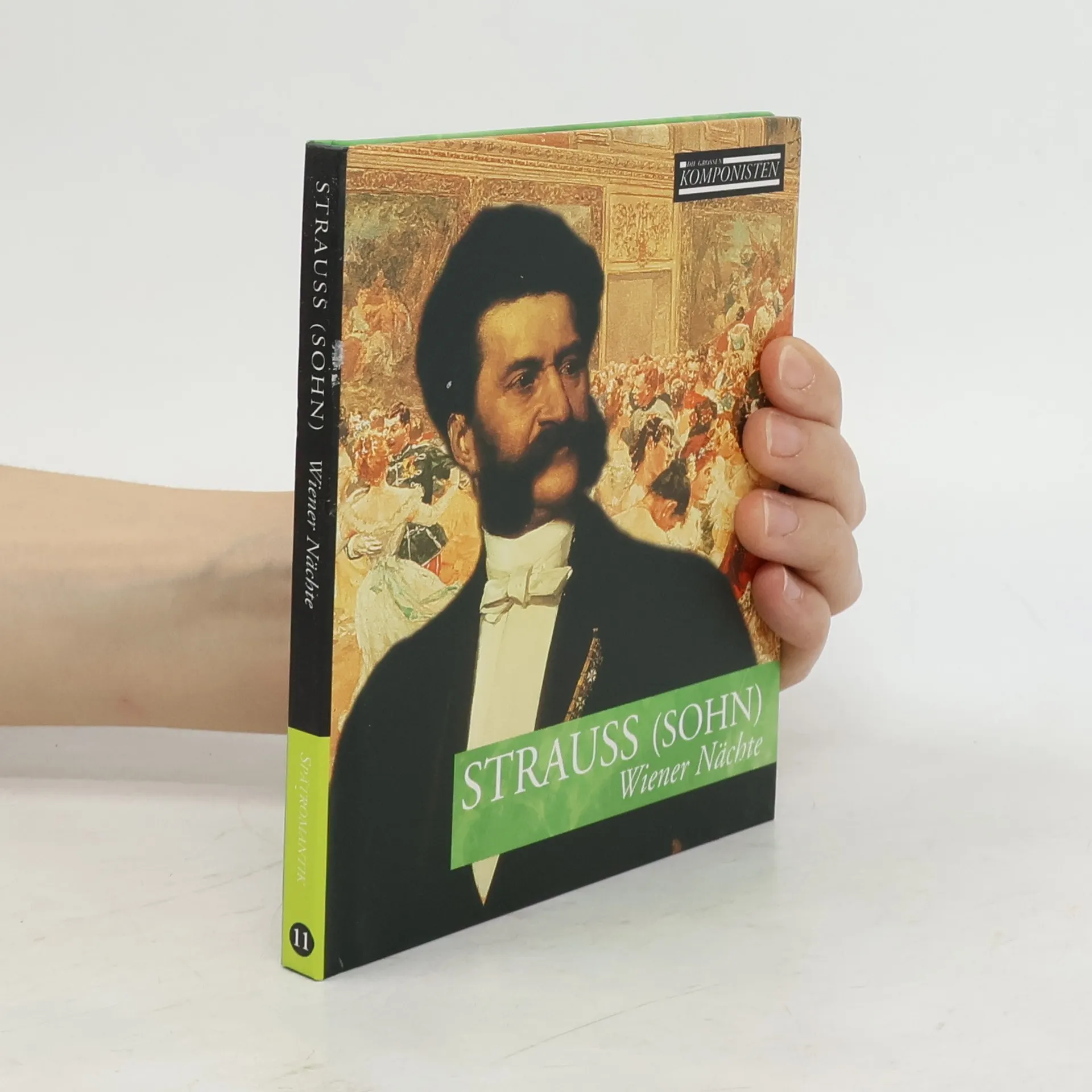
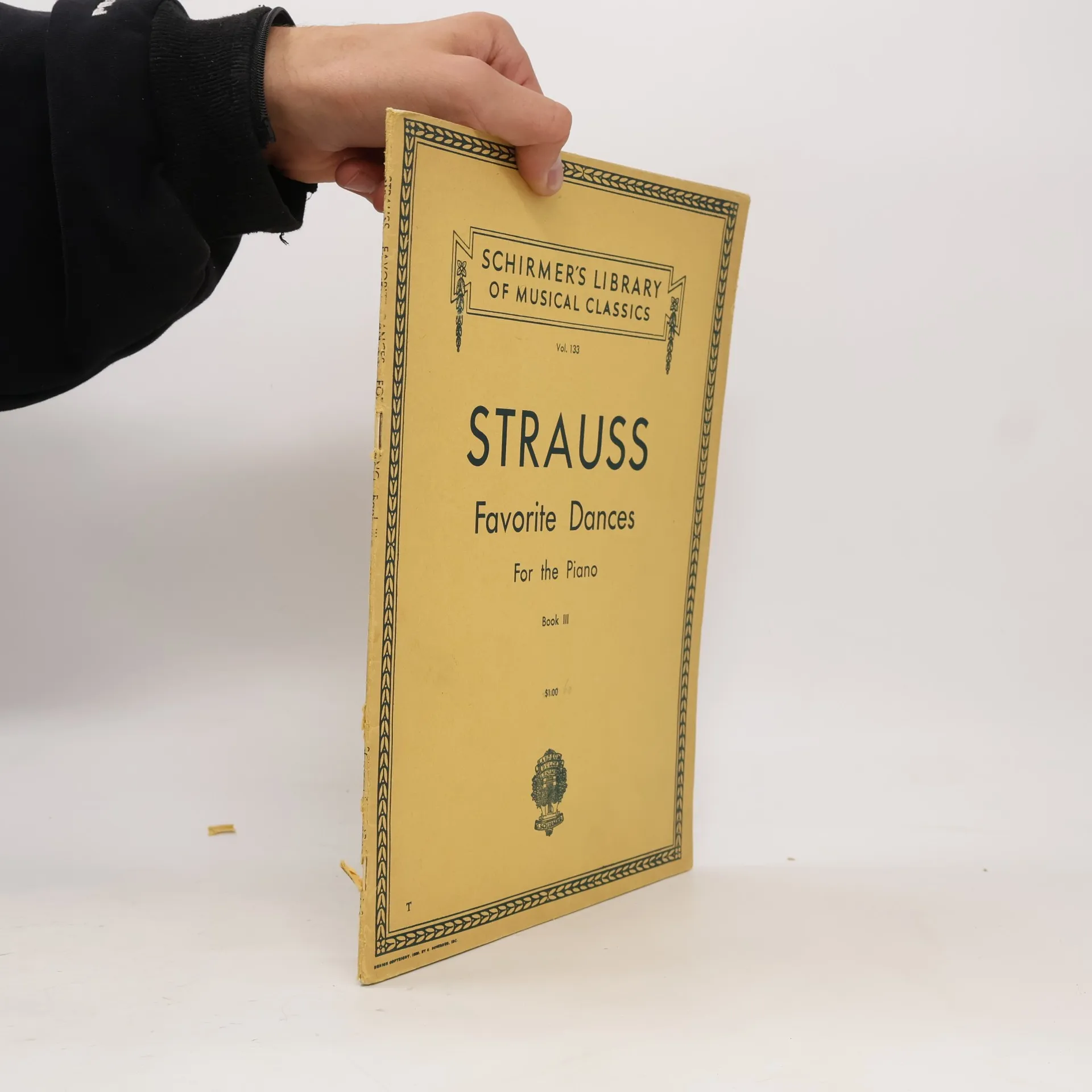
Johann Strauss II fue un compositor austriaco que se convirtió en una figura central de la música vienesa del siglo XIX. Es celebrado principalmente por su habilidad para crear cautivadora música de baile y operetas que encapsulan el espíritu de su época. Sus composiciones se caracterizan por su ingenio melódico y su vitalidad rítmica, lo que le valió el apodo de "El Rey del Vals". Strauss compuso magistralmente música que celebraba la vida y el movimiento, y sus obras continúan resonando con alegría y elegancia.

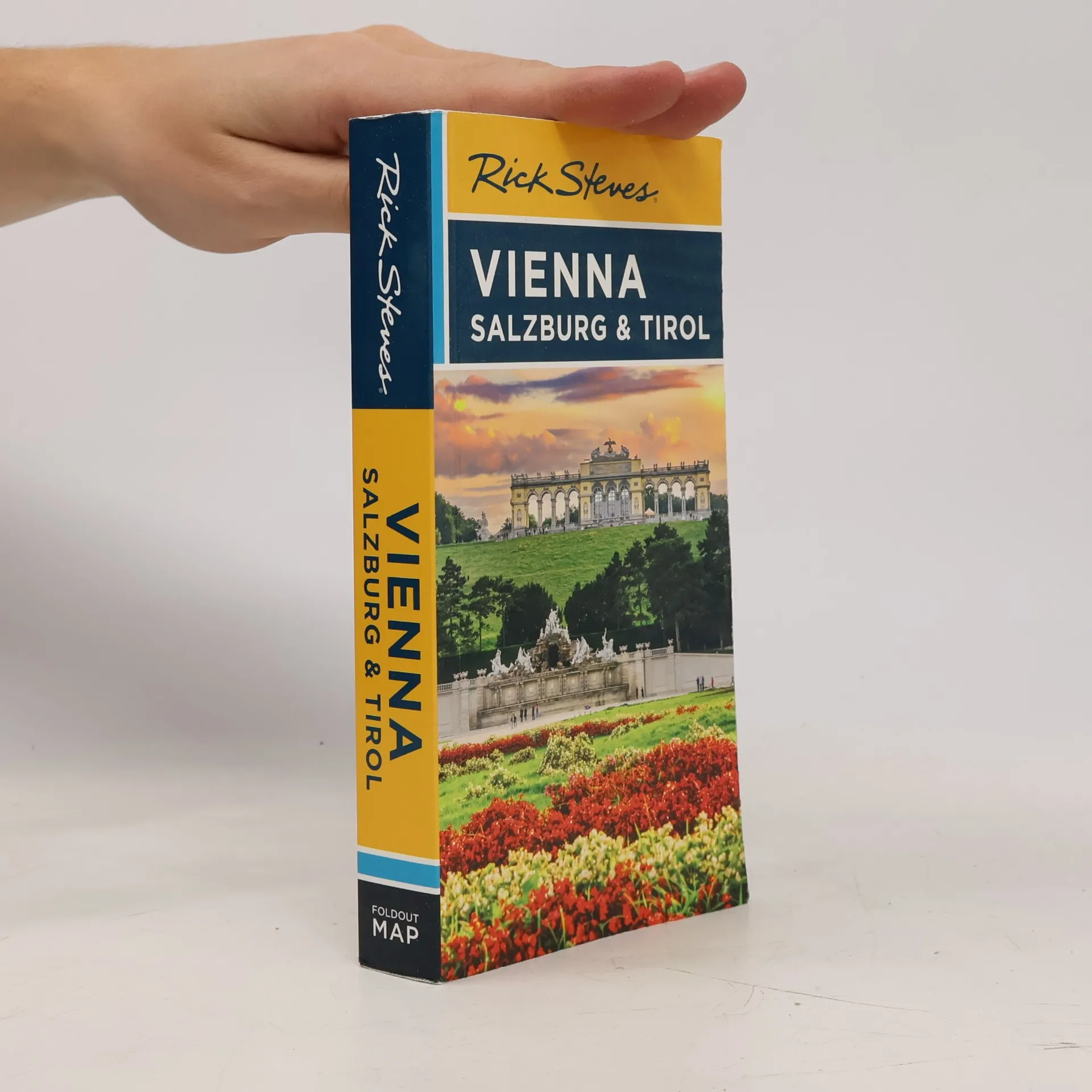
Rick Steves Vienna, Salzburg & Tirol
- 616 páginas
- 22 horas de lectura
This fully revised, strategic guide covers these three popular Austrian destinations in depth, from the gothic spires of St. Stephen's Cathedral to the storybook lakeside village of Hallstatt
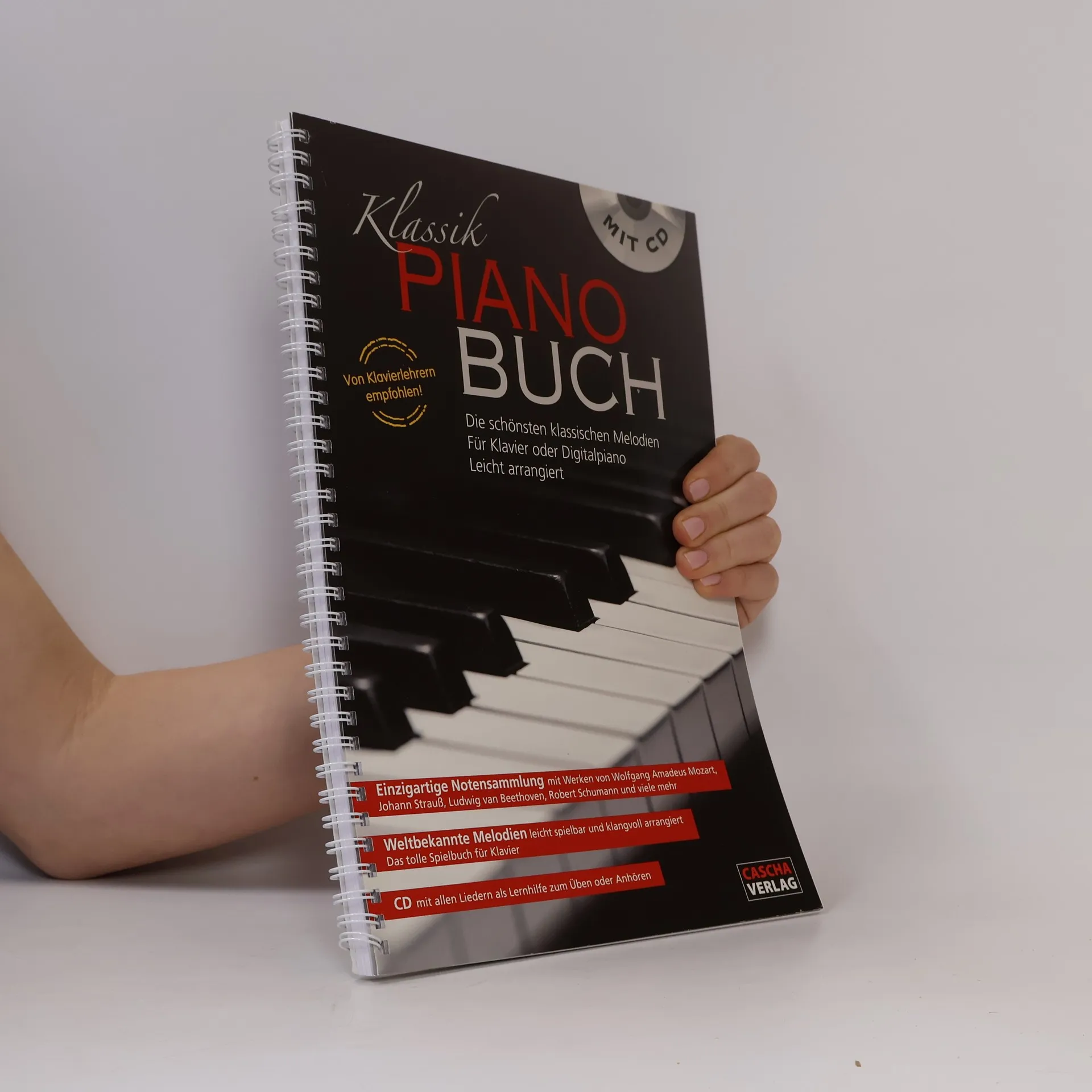
Klassik Piano Buch
Die schönsten klassischen Melodien für Klavier. Mit CD
- 96 páginas
- 4 horas de lectura
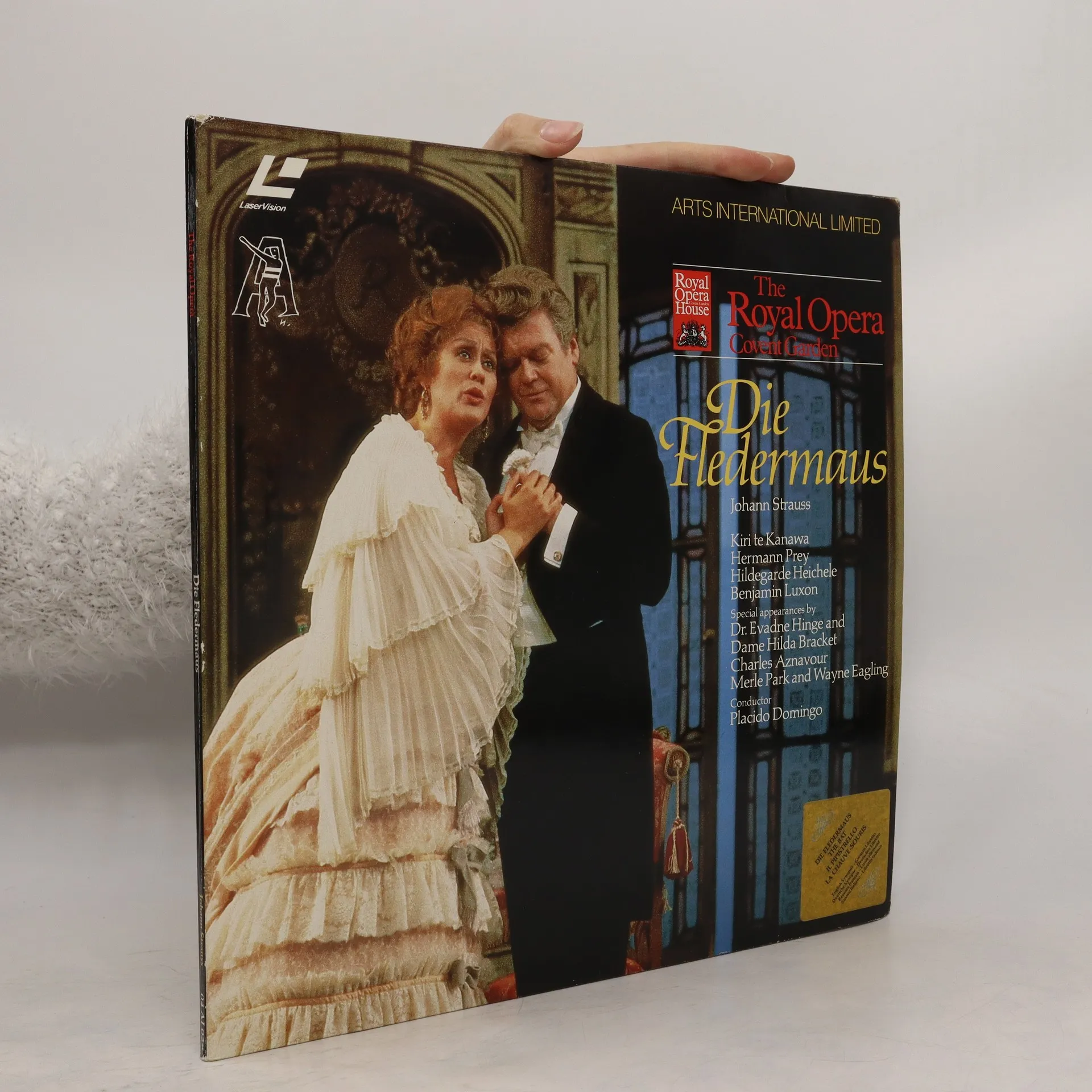
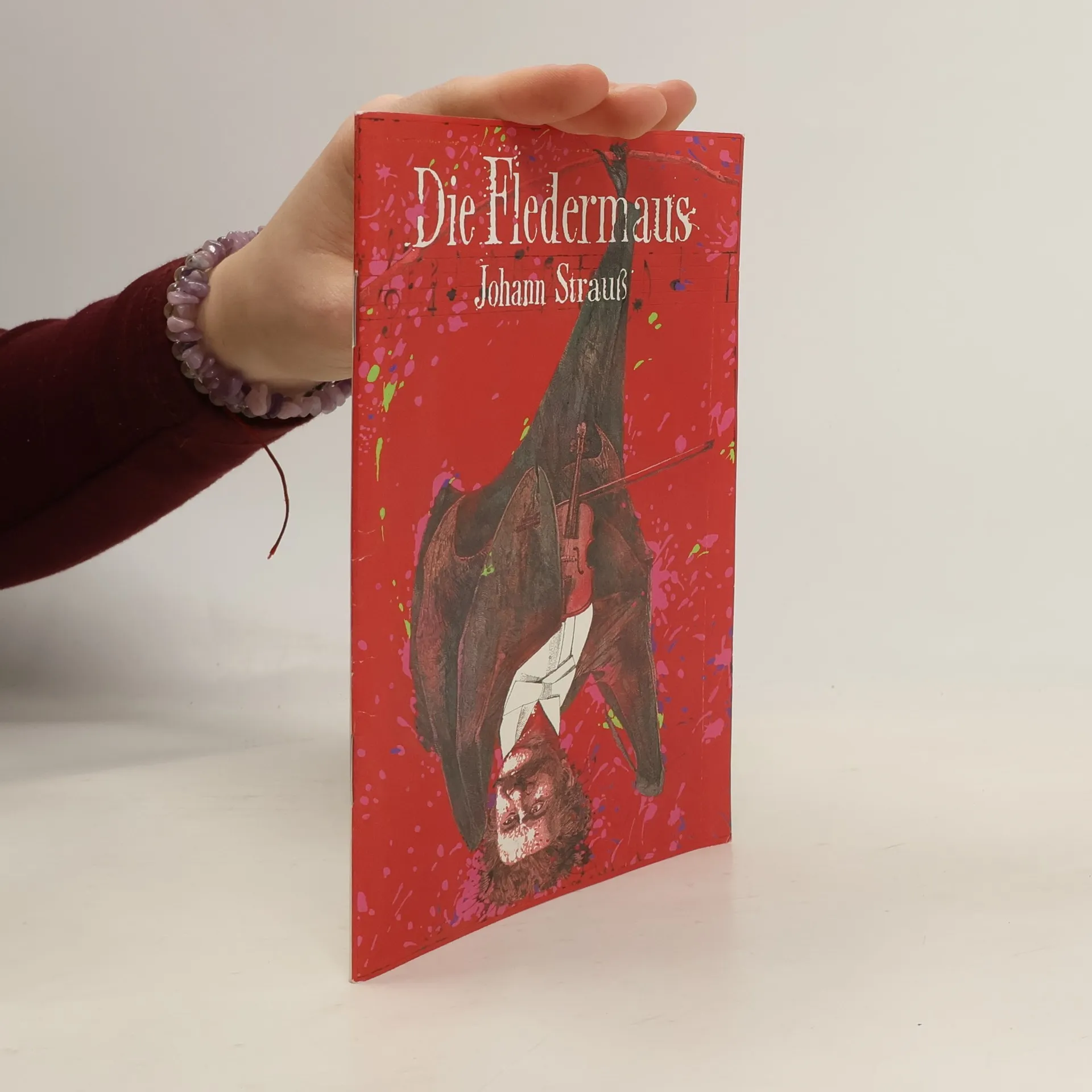
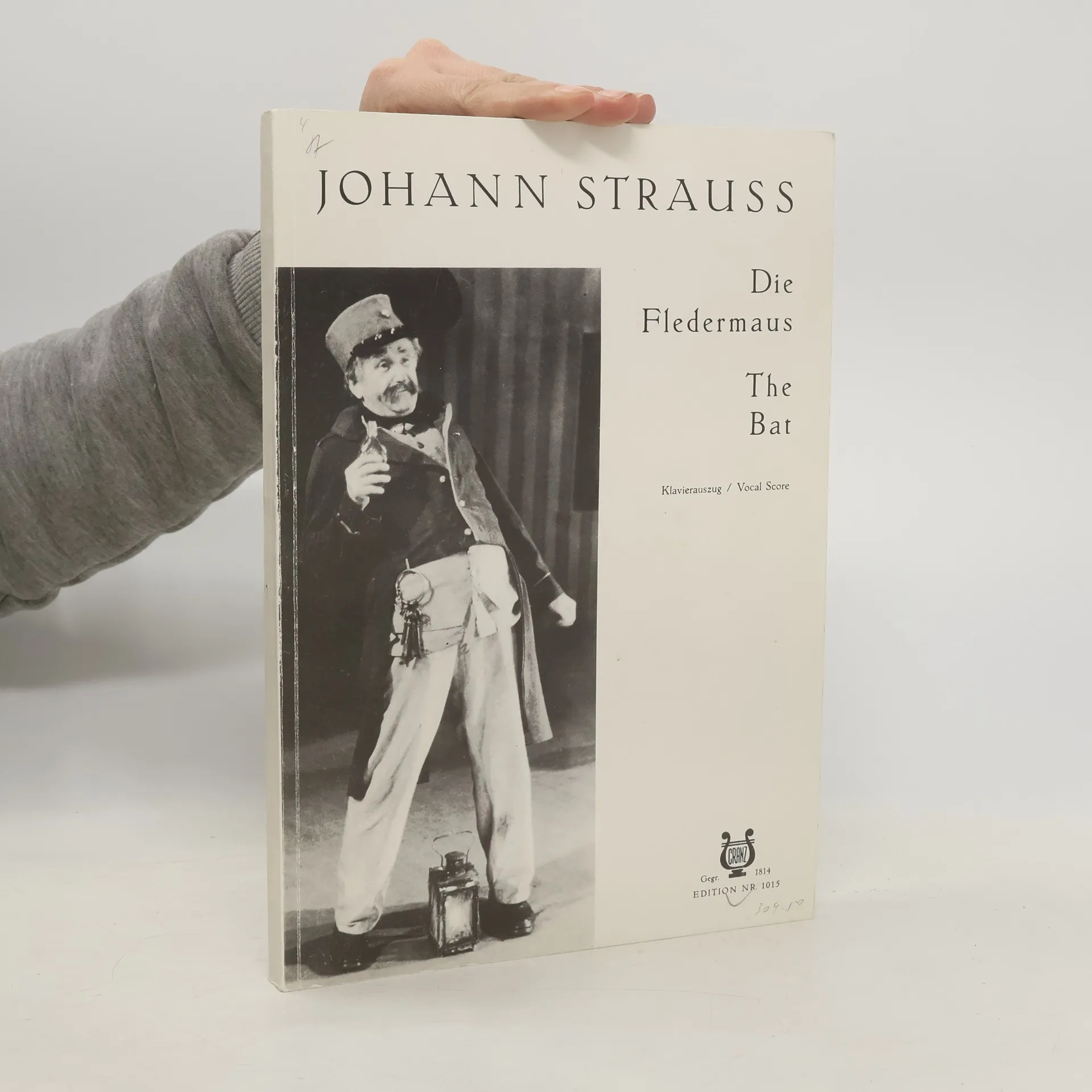
Die Fledermaus
Deutsches Theater Berlin. Spielzeit 2006/07
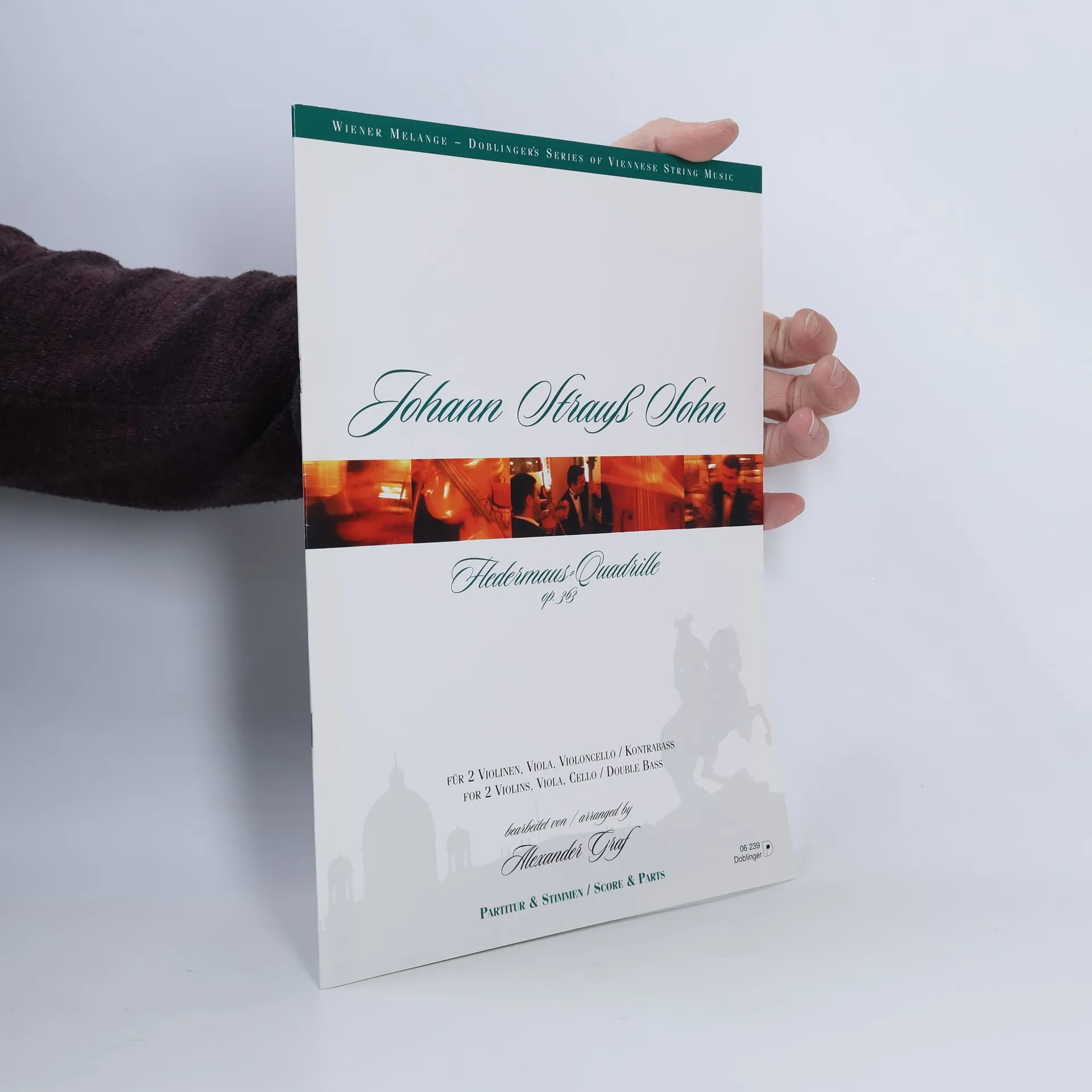
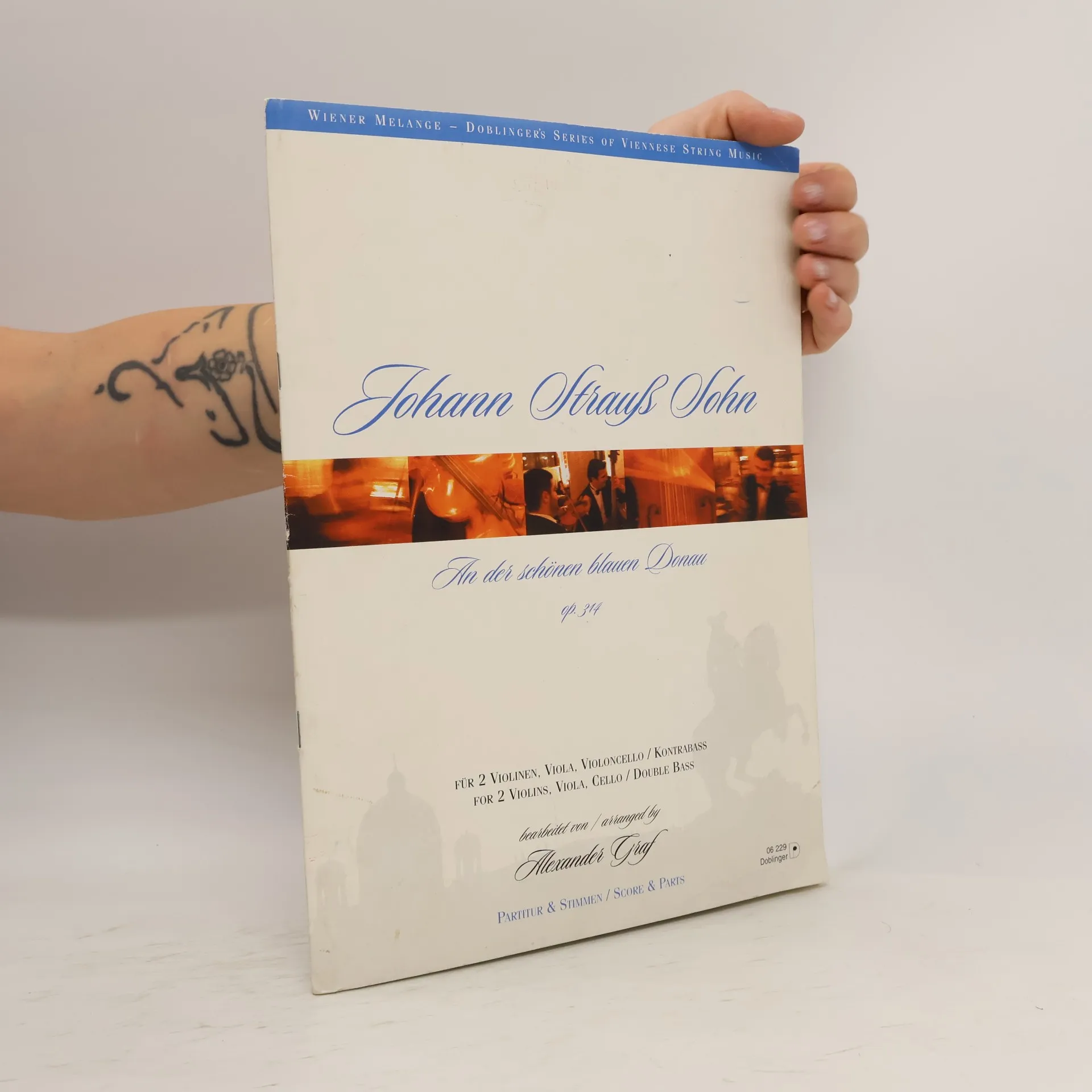
Wiener Melange - Doblinger's Series of Viennese String Music: An der schönen blauen Donau
Op. 314 - Für 2 Violinen, Viola, Violoncello / Kontrabass / For 2 Violins, Viola, Cello / Double Bass - Partitur & Stimmen / Score & Parts
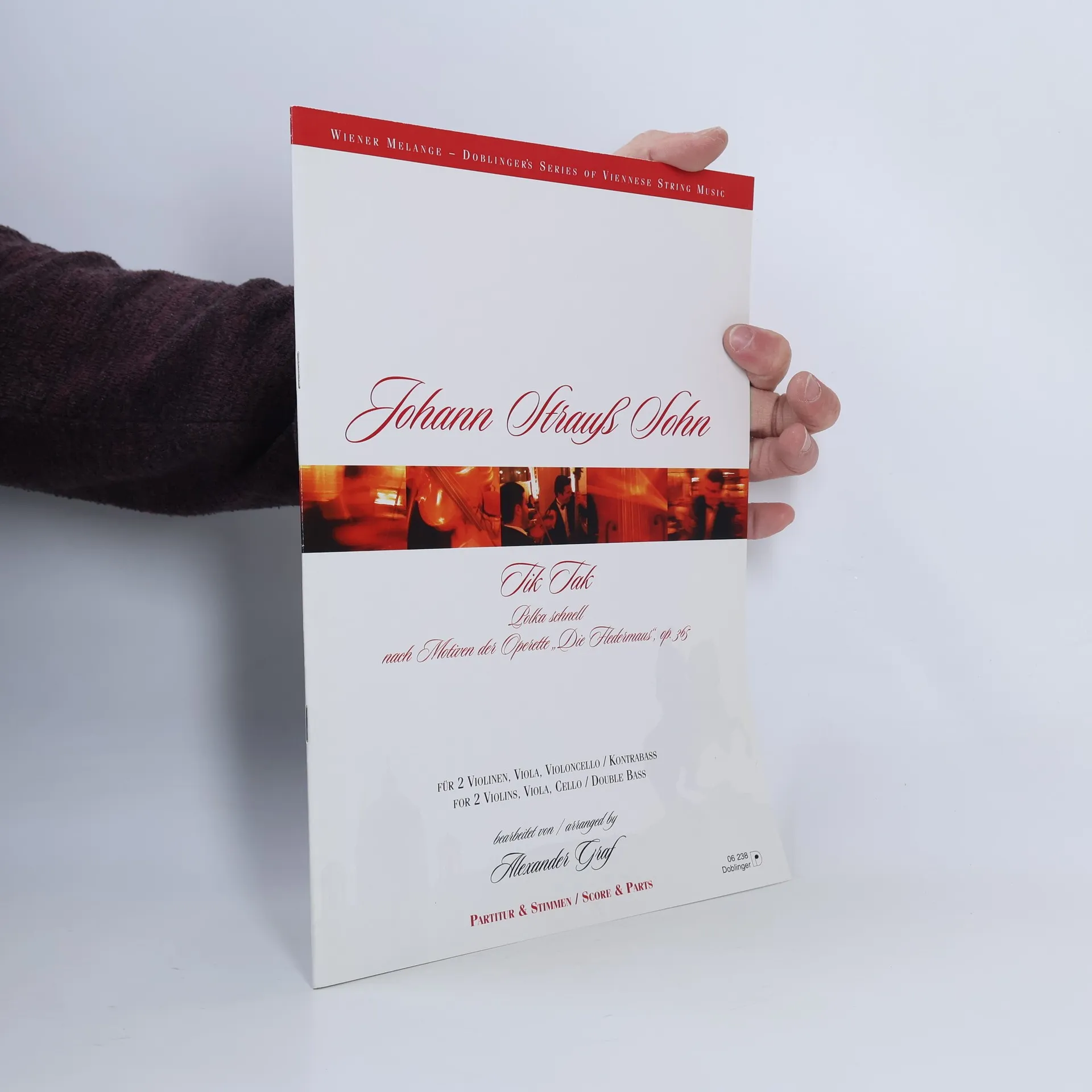
Wiener Melange - Doblinger's Series of Viennese String Music: Tik Tak
Polka schnell nach Motiven der Operette "Die Fledermaus" op. 365 ; für 2 Violinen, Viola, Violoncello/Kontrabass
- 6 páginas
- 1 hora de lectura
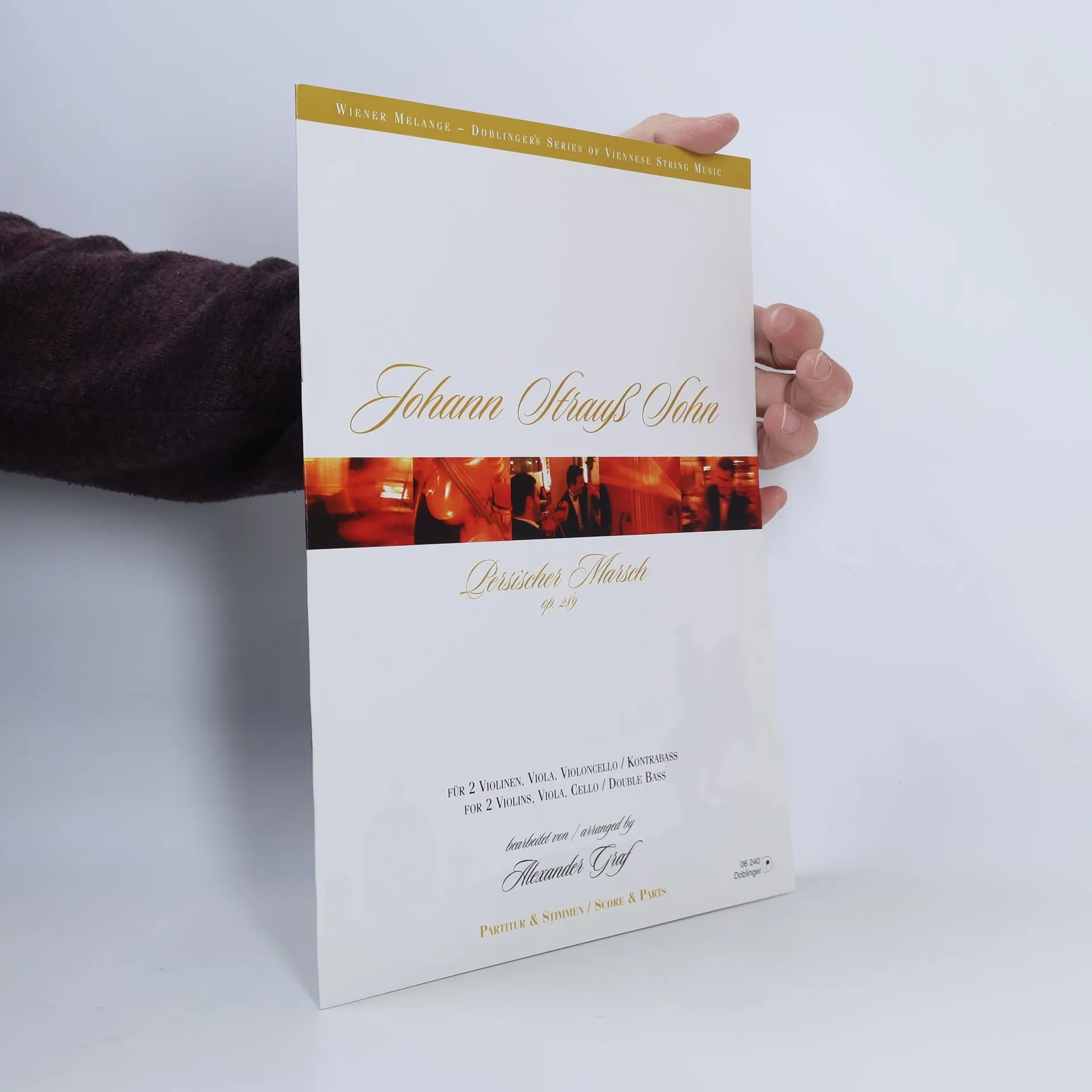
Persischer Marsch
Op. 289; für 2 Violinen, Viola, Violoncello/Kontrabass - Partitur & Stimmen / Score & Parts
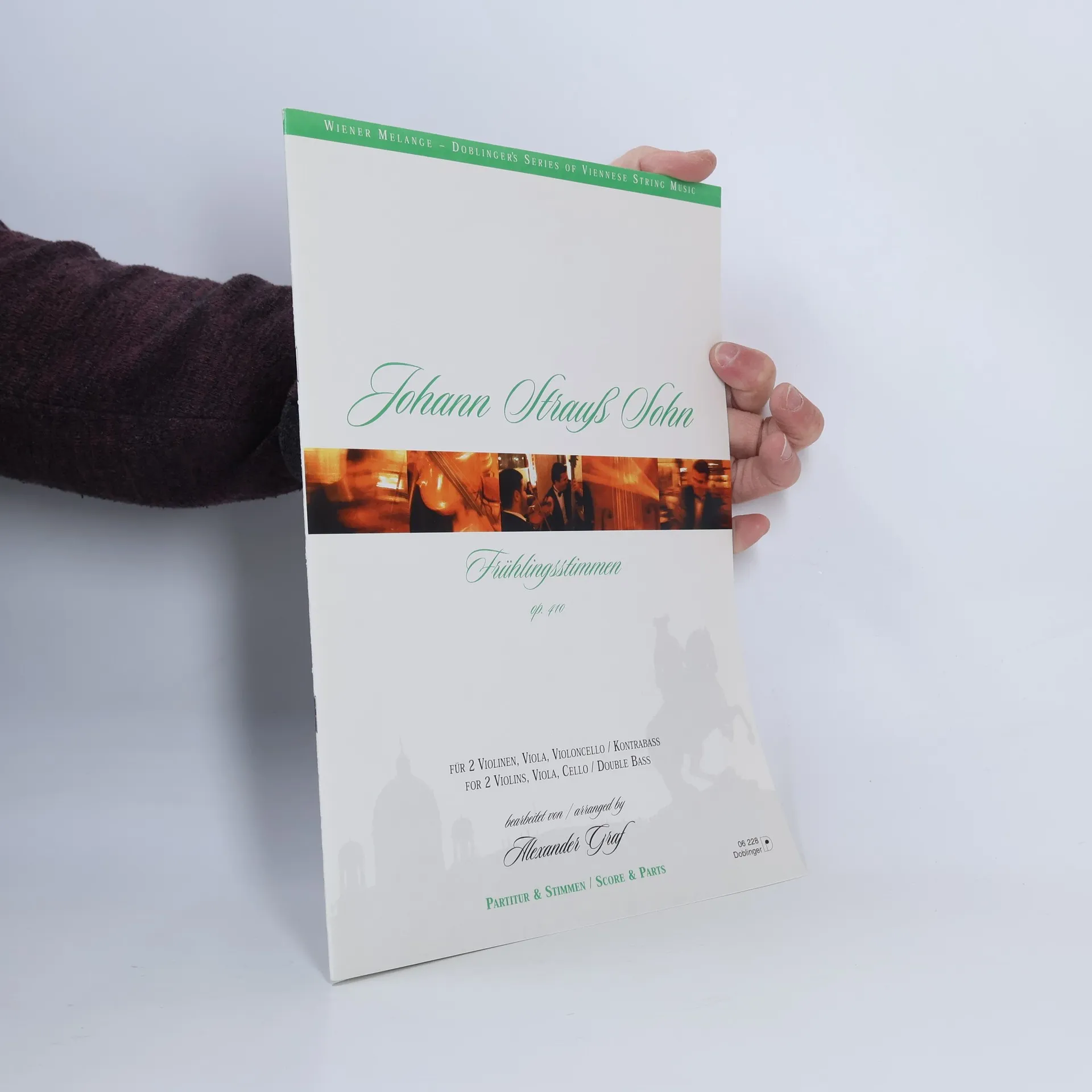
Wiener Melange - Doblingers Series of Viennese String Music: Frühlingsstimmen
Op. 410 - Für 2 Violinen, Viola, Violoncello / Kontrabass / For 2 Violins, Viola, Cello / Double Bass - Partitur & Stimmen / Score & Parts
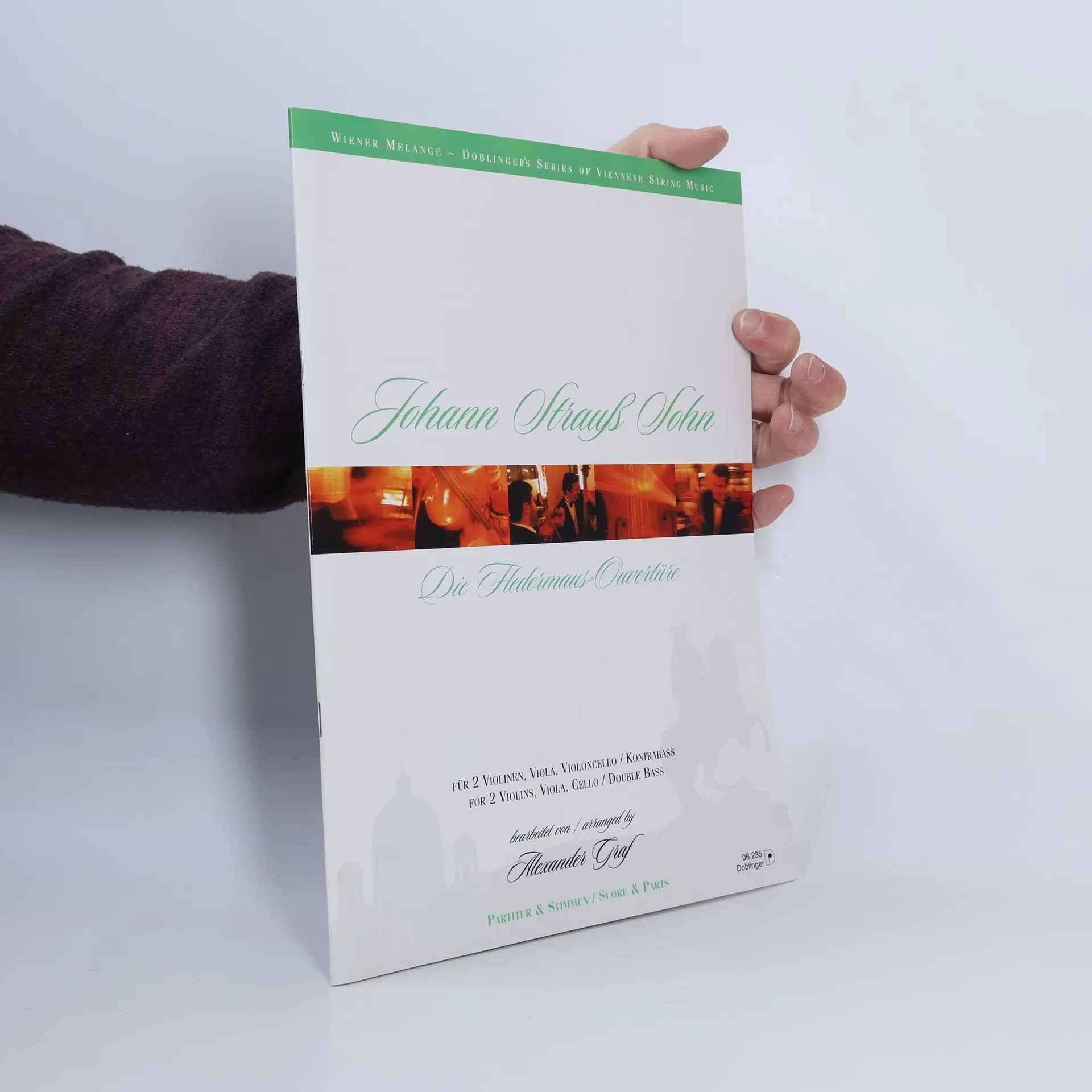
Ouverture zur Operette Die Fledermaus - Partition + Parties Separees
Für 2 Violinen, Viola, Violoncello / Kontrabass - For 2 Violins, Viola, Cello / Double Bass - Bearbeitet von / Arranged by Alexander Graf
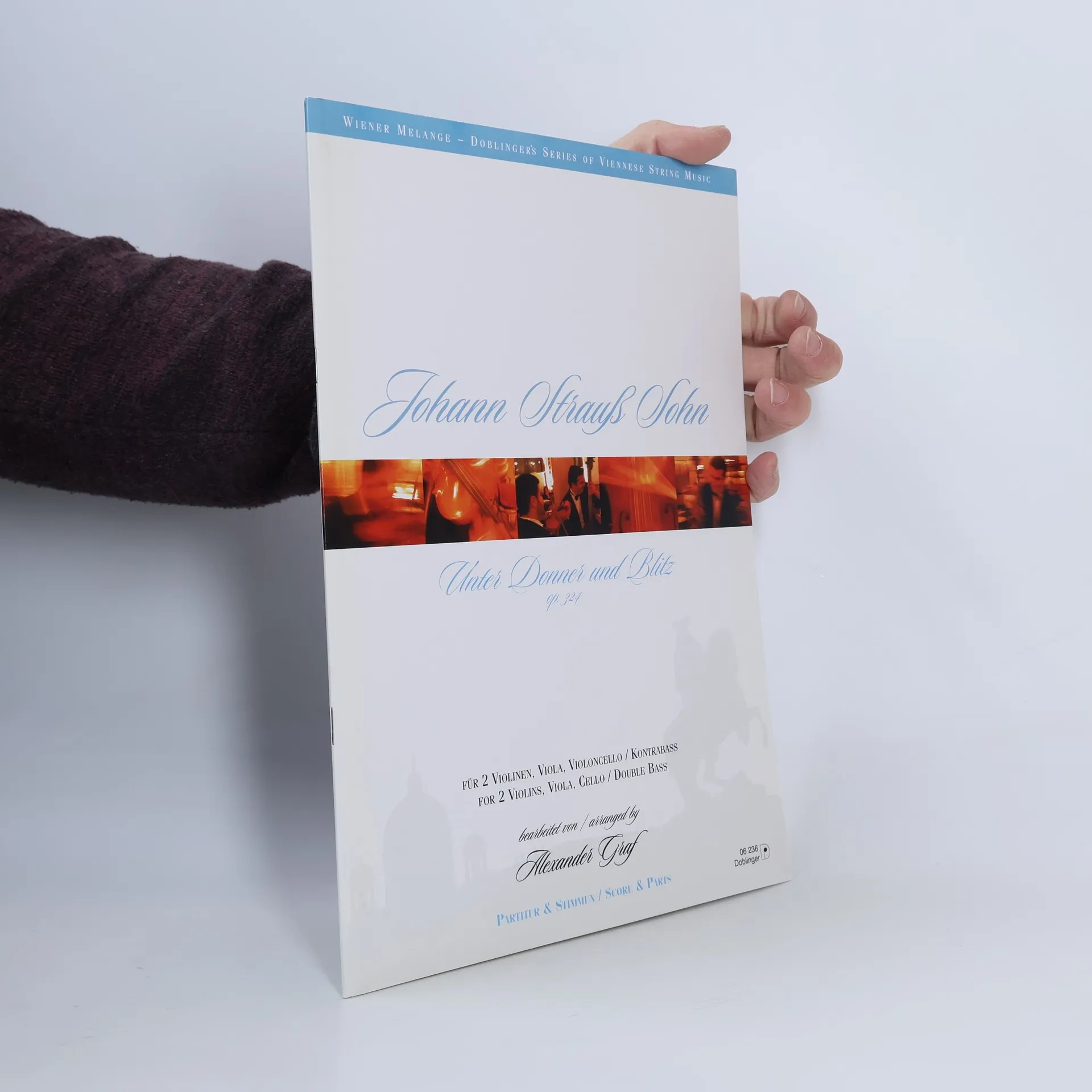
Wiener Melange - Doblinger's Series of Viennese String Music: Unter Donner und Blitz
Op. 324 - Bearbeitet von / Arranged by Alexander Graf - Für 2 Violinen, Viola, Violoncello / Kontrabass - For 2 Violins, Viola, Cello / Double Bass - Partitur & Stimmen / Score & Parts
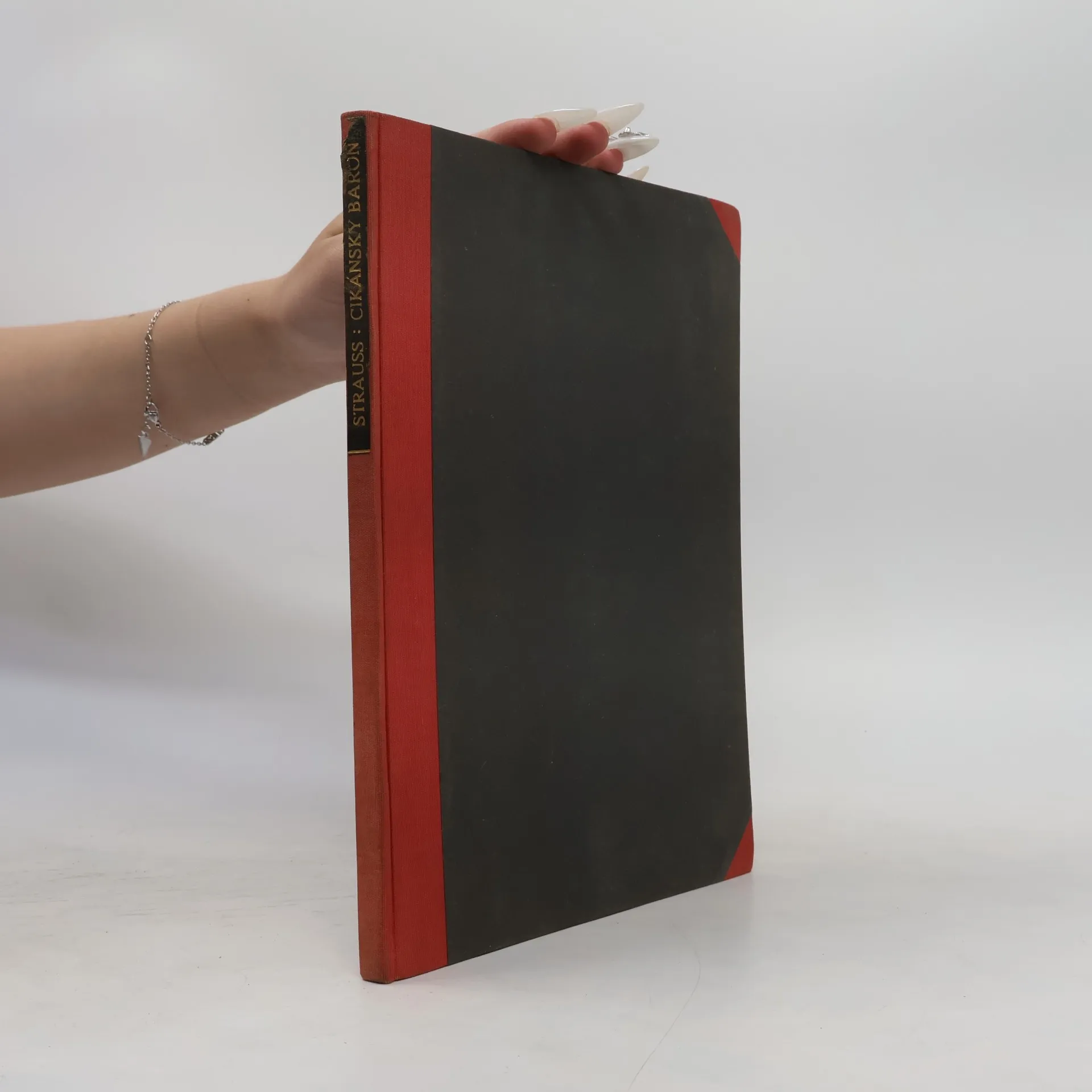
Johann Strauss II., Cikánský baron
opereta o třech jednáních : premiérová uvedení v DK Metropol 18. a 21. dubna 1997
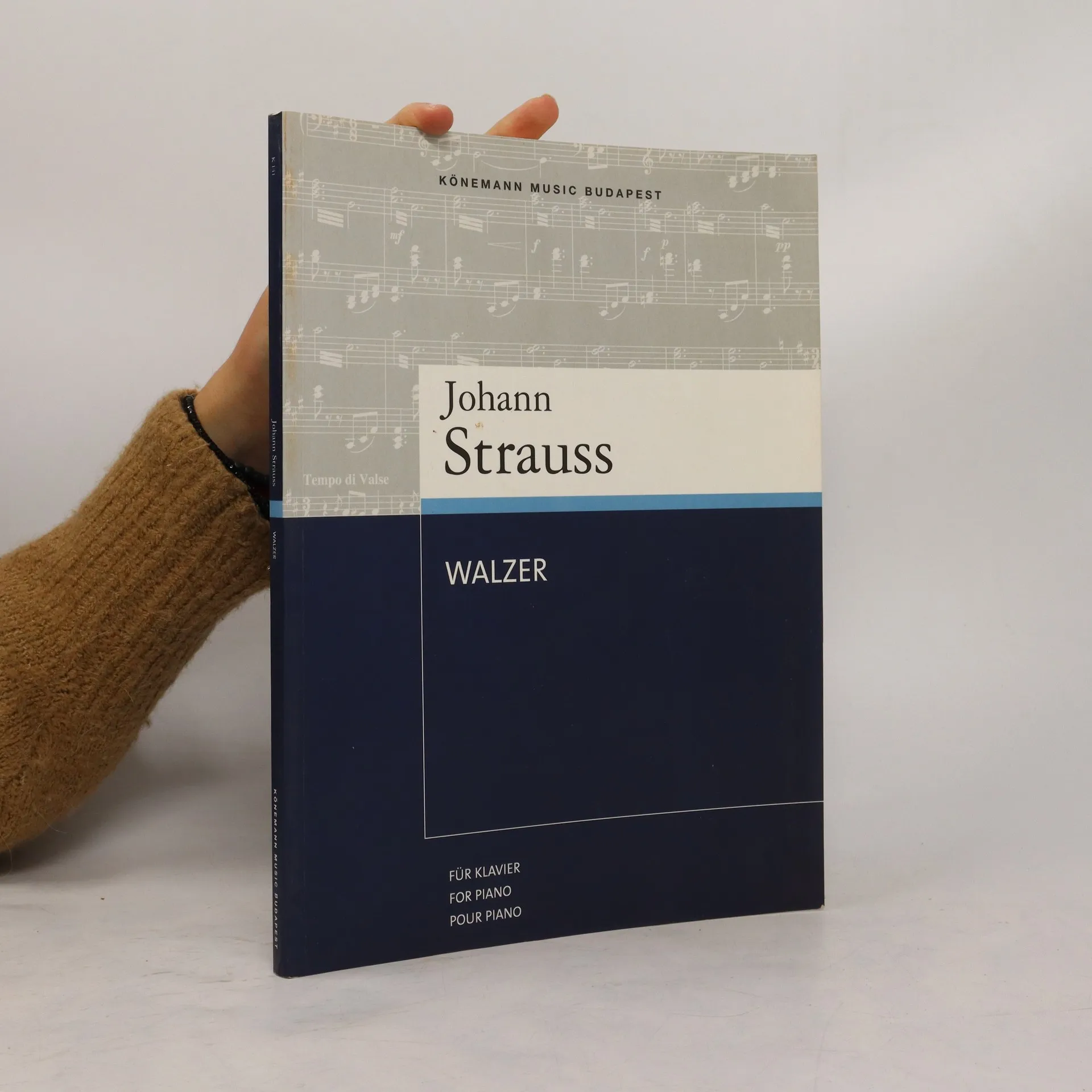
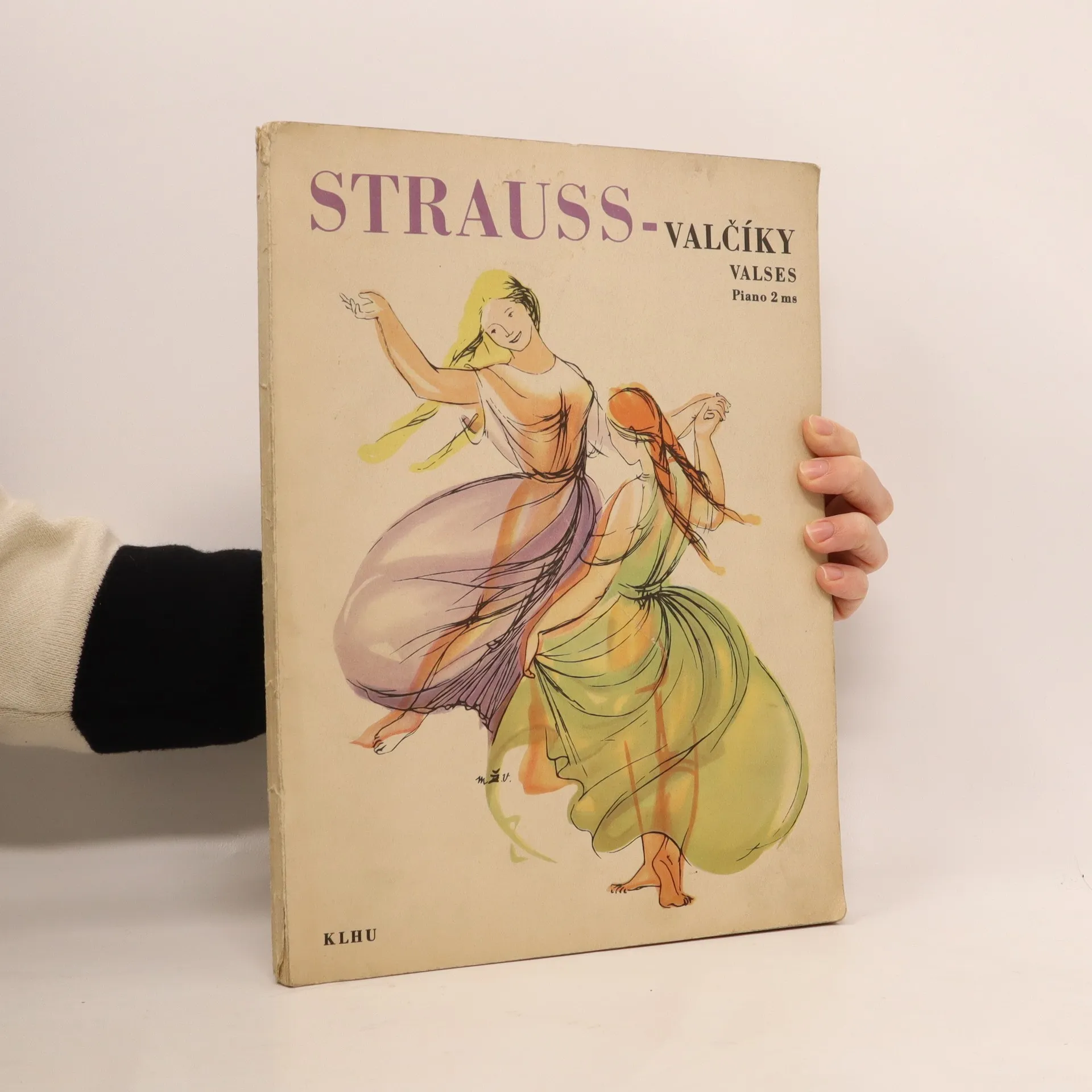
Waltzes
- 140 páginas
- 5 horas de lectura
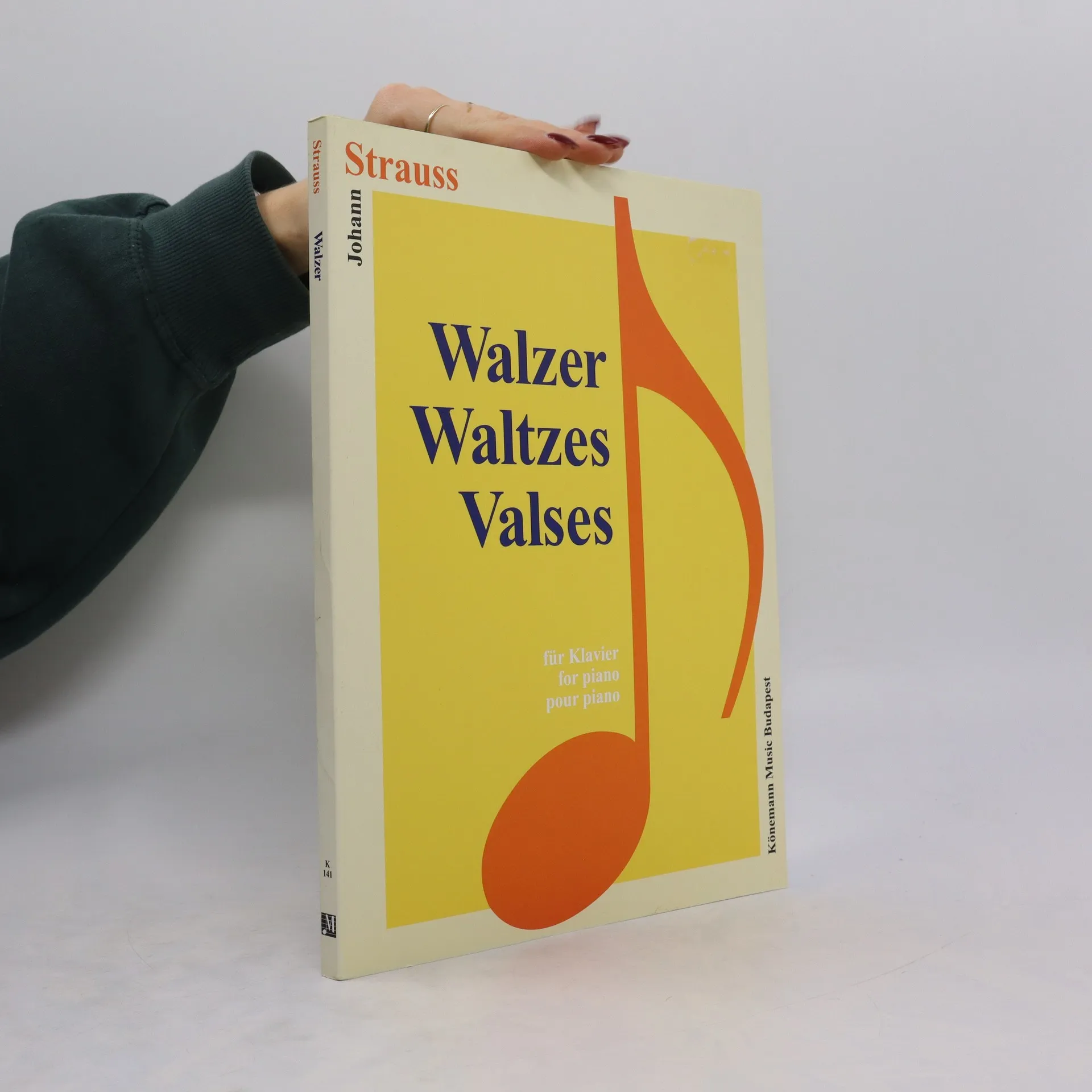
Classical piano solos songbook, compositions by Johann Strauss (1825-1899), includes (titles in English): Morning Leaves Op. 279, The Blue Danube Op. 314, Artist's Life OP. 316, Tales From The Vienna Woods Op.325, Wine, Women & Song Op. 333; Viennese Blood Op. 354, You & You Op.367, Cagliostro Waltz Op. 370, Roses From The South Op. 388, Kiss Waltz Op. 400, Voices Of Spring Op.410, Sweetheart Waltz Op. 418, Emperor Waltz Op.437. Piano solo arrangements by Miklos Szalay-Kiskamoni. Edtn. c. 1995, Konemann Music Budapest.
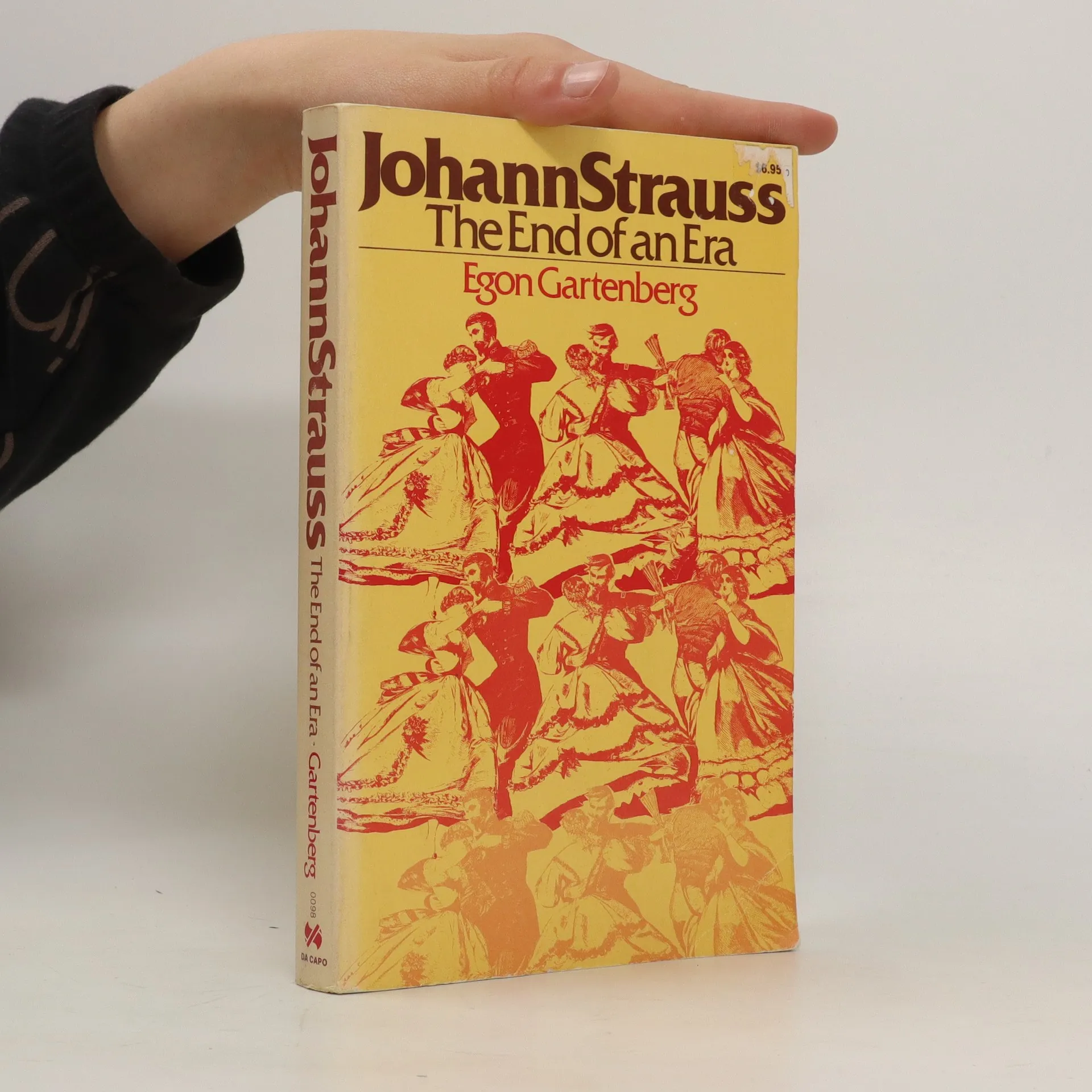
This biographical study explores the times that shaped Strauss and in turn succumbed to his influence. The Straussian presence and contribution to nineteenth-century Europe are significant beyond the lilting melodies and the clichéd image of the "waltz king" because these foreshadow the collision of the old order with the new. Johann Strauss "fiddled" as the Habsburg empire sank into a quagmire, mostly of its own making. It was Strauss, more than Schubert, Mozart, Haydn, Beethoven, Brahms, Mahler, or Schoenberg, who made Vienna and the waltz household words throughout the world. Yet the very spirit of his art, its joyous naivete, gave his era a false face, a mask of lighthearted well-being that was not consonant with the repression, persecution, hunger, inefficiency, martial and diplomatic defeats, and political ineptness which gave the period a more sinister cast. Oblivious of the turmoil that was to bring down one of the greatest ruling houses of Europe, Strauss spread his glorious music like a mantle of gold, prompting historians to aver that with the death of Johann Strauss, Emperor Franz Joseph ceased to reign--although the monarch outlived the musician by seventeen years.
Schott
Grundwissen Mathematik C
- 131 páginas
- 5 horas de lectura