Bookbot

Xianliang Zhang

    8 de diciembre de 1936 – 27 de septiembre de 2014

    Zhang Xianliang fue un autor y poeta chino cuya obra explora profundamente las experiencias del encarcelamiento político y los períodos turbulentos de la historia china. Sus reflexiones, en gran medida autobiográficas e inspiradas por sus vivencias personales de persecución política y la Revolución Cultural, ofrecen una profunda mirada a la resiliencia humana frente a la adversidad. A través de su estilo distintivo, transmite retratos crudos e íntimos de individuos que navegan circunstancias extremas en busca de sentido y esperanza. Su escritura se caracteriza por su franqueza y profundidad, estableciéndolo como una voz significativa en la literatura china.

    Die Hälfte des Mannes ist die Frau
    Zielonodrzew
    Doodgaan went
    Pola muškarca je žena
    Mimosa and other stories
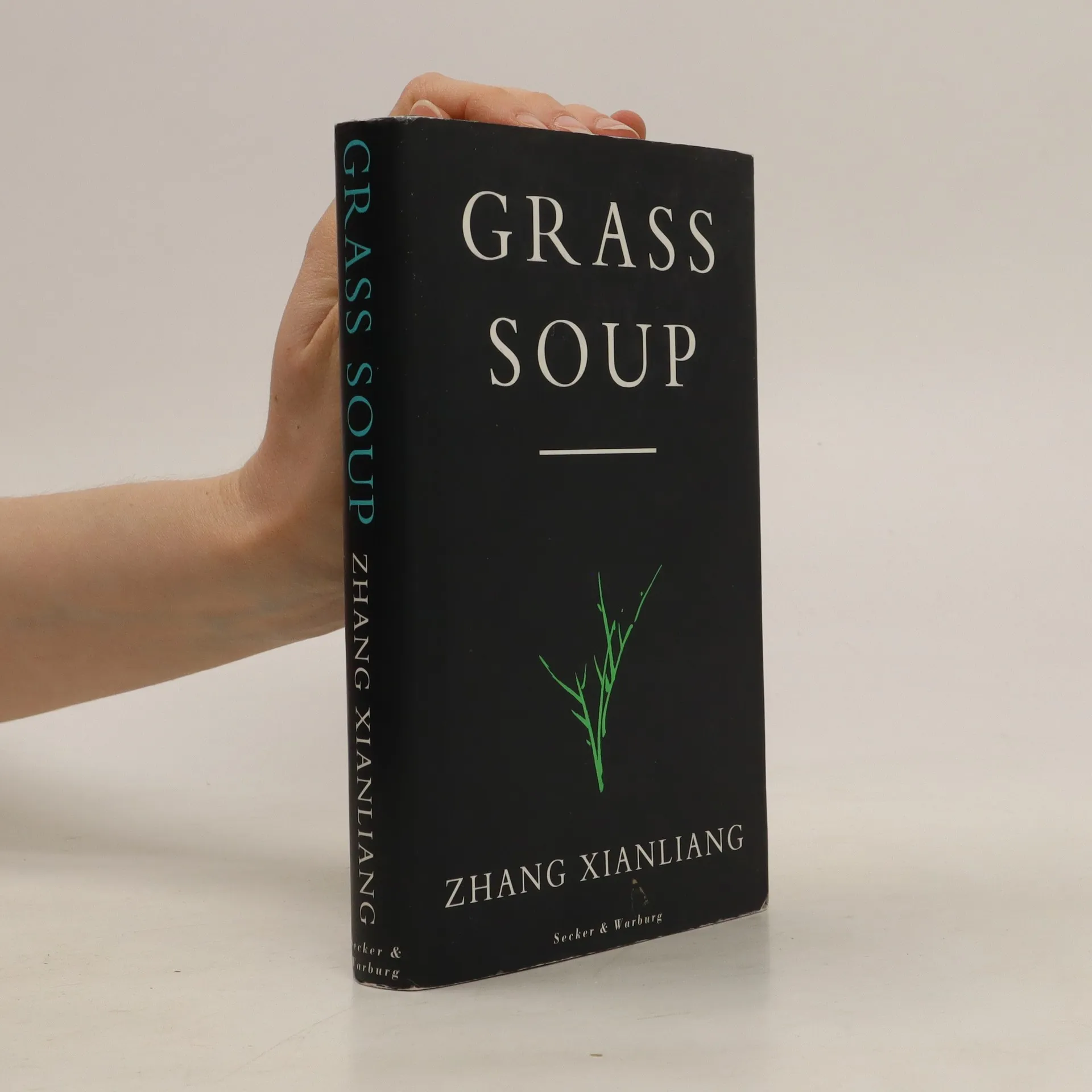
    Grass soup
    • Grass soup

      • 247 páginas
      • 9 horas de lectura

      "Rehabilitated" in 1979, former political prisoner Zhang Xianliang recovered from the authorities a diary he had kept while in a labour camp during the 1960s. This book is a detailed annotation to the necessarily terse entries in that diary.

      Grass soup
      2,0
    • Pola muškarca je žena

      • 308 páginas
      • 11 horas de lectura

      Naslov originala: 男人的一半是女人 Pisac: 张贤亮 Prevodilac sa kineskog: Zorana Jeremić Odgovorni urednik: Jasmina Musabegović

      Pola muškarca je žena
      4,2
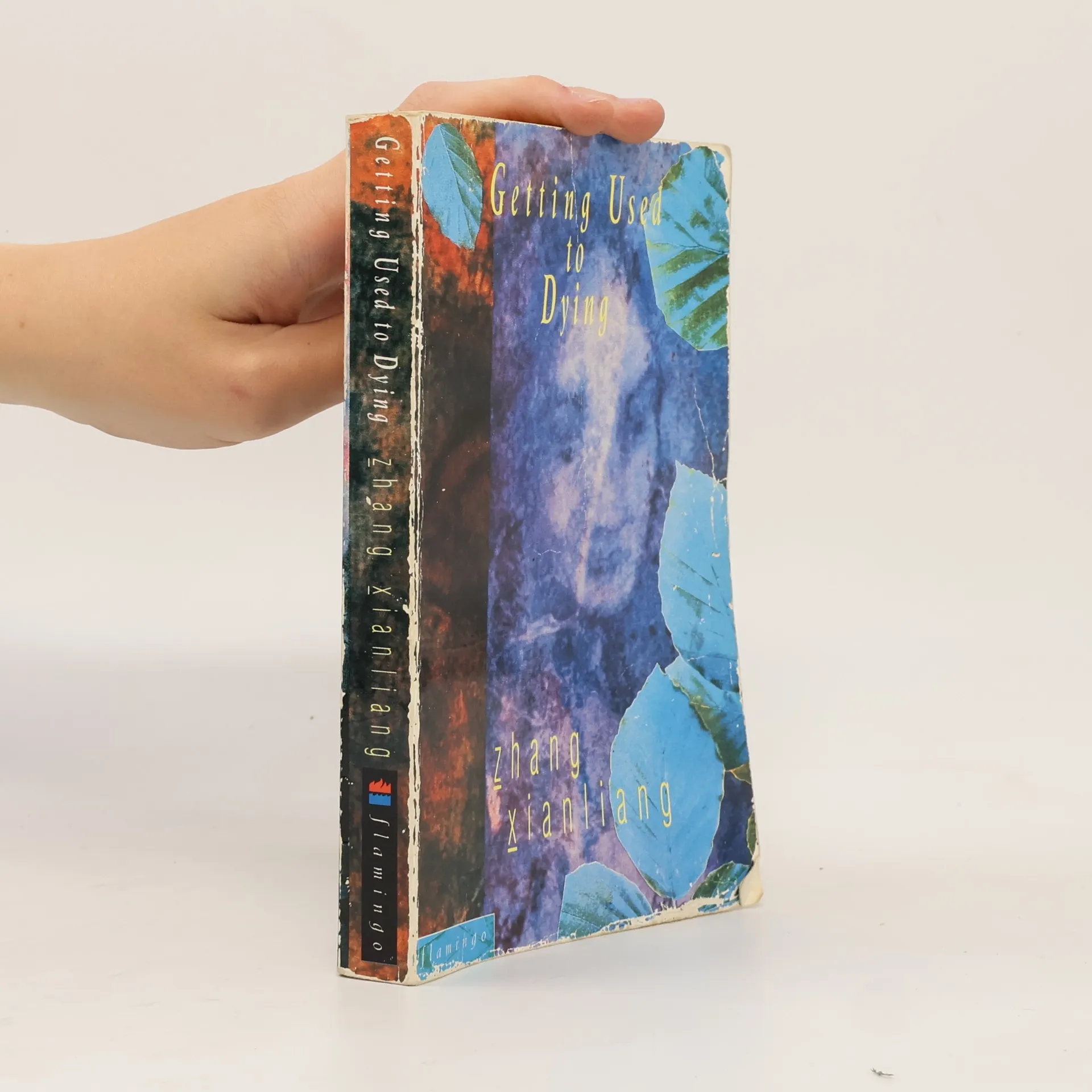
    • Doodgaan went

      • 303 páginas
      • 11 horas de lectura

      Een Chinees op reis door de andere werelden, het Westen en de dood. Autobiografisch getint relaas over het leven van een Chinees dissident in China en in het Westen.

      Doodgaan went
      3,8
    • De vrouw in het riet

      • 229 páginas
      • 9 horas de lectura

      Poet Zhang Yonglin is sentenced to a labor camp he ironically describes as a haven amidst the hysteria of the Chinese Cultural Revolution. After he marries a woman he had seen eight years earlier, the story becomes, on one level, an analogy between his temporary sexual impotence and the postion of intellectuals. A year later he is ready to abandon his wife and escape from the camp. Cameo appearances by philosophic and literary figures (Marx and Meng-tz, Othello and Song Ji) and discussing China and sex allow the incorporation of non-novelistic elements while indulging in gallows humor.

      De vrouw in het riet