


Aún puedes pedir antes de Navidad 3 días y 5 horas
Bookbot

George Long

    George Long fue un erudito clásico inglés cuya obra se centró en hacer accesibles los textos antiguos para los lectores modernos. Su trabajo editorial en la serie Bibliotheca Classica supuso un intento pionero de producir ediciones académicas de textos clásicos con comentarios en inglés. A través de esta iniciativa, enriqueció el mundo literario, facilitando una comprensión más profunda de la literatura y el derecho antiguo para una audiencia más amplia. Sus contribuciones residieron en la presentación e interpretación del pensamiento clásico.

    The thoughts of the Emperor M. Aurelius Antoninus
    Meditations: Philosophical Contemplations of a Roman Emperor
    The Egyptian Antiquities in the British Museum: Monuments, Obelisks, Temples, Sphinxes, Sculpture, Statues, Paintings, Pyramids, Mummies, Papyrus, and
    Parallel Lives Vol. 1
    Manual de Vida
    Discourses, Fragments, Handbook
    • Discourses, Fragments, Handbook

      • 390 páginas
      • 14 horas de lectura

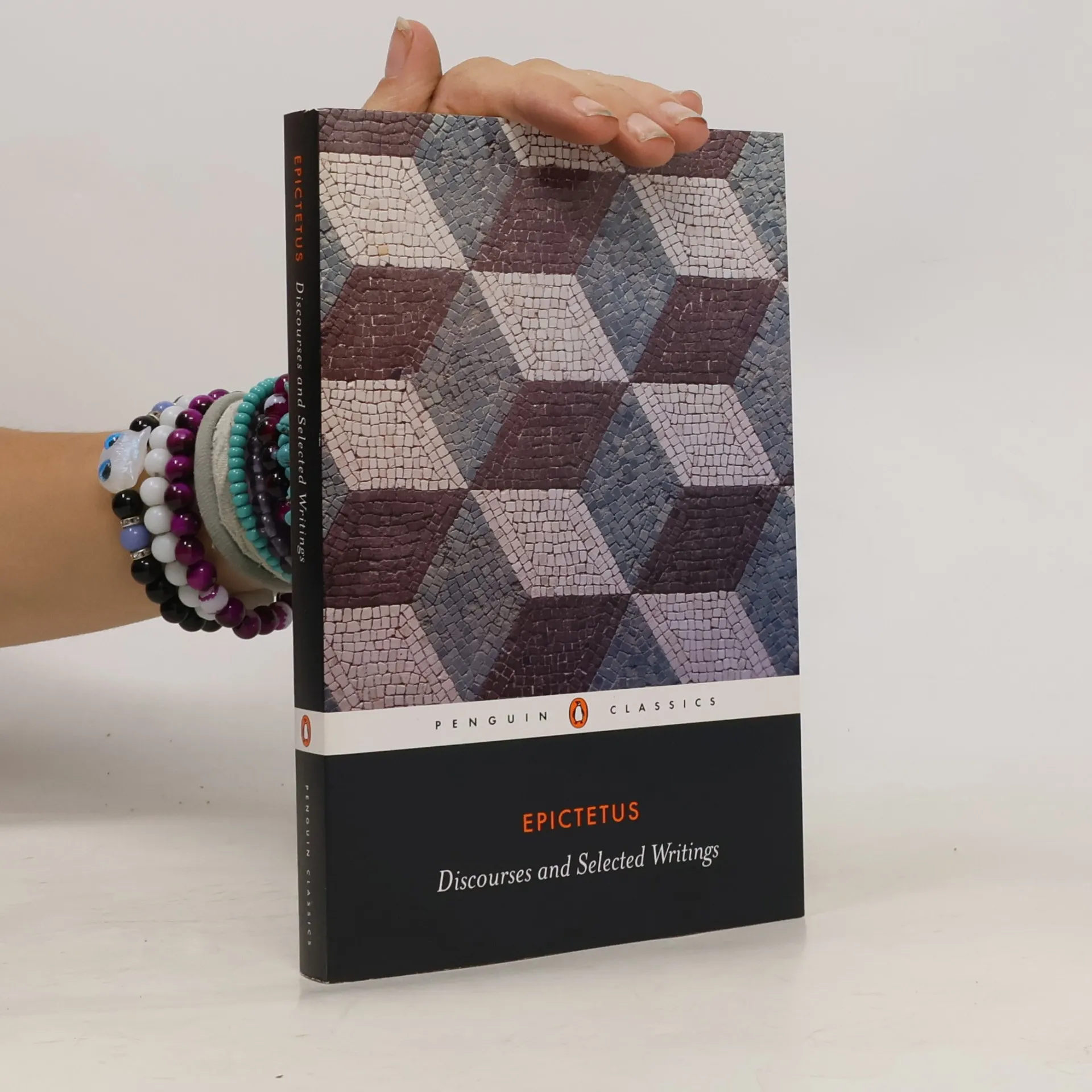
      This is the only complete modern translation of Epictetus' Discourses, together with the Handbook and fragments. A major work of Stoic practical ethics, the Discourses teach that the basis of happiness is up to us. This accessible new translation is accompanied by a full introduction and thorough notes.

      Discourses, Fragments, Handbook
    • Manual de Vida

      • 192 páginas
      • 7 horas de lectura

      Epicteto, un esclavo que tuvo que exiliarse de Roma precisamente por sus ideas filosóficas, nos ha legado sus consejos para hallar la tranquilidad de espíritu conociéndonos a nosotros mismos y a la naturaleza. Aquí se encuentra condensada la regla de oro de la filosofía estoica: el secreto de la felicidad y de nuestra plenitud depende solo de nosotros; se basa en nuestra capacidad para centrarnos en lo que podemos cambiar y aceptar lo que escapa a nuestro control. Una obra esencial de la sabiduría que enseña a vivir hablándonos clara y directamente de la amistad, del amor, de los placeres y de otros aspectos de la vida cotidiana. Epictetus, who was born a slave, took political asylum in Rome due to his philosophical ideologies. He left us his advice and guidance to find the spiritual peace that comes from understanding the natural world and ourselves. Here, you'll immerse yourself in his stoic philosophy, which encompasses the secret to happiness and how our bliss is solely dependent on ourselves. His wisdom is based on the ability to focus on what we can change and accepting the things that our beyond our control. This is a must-read classic that is full of wisdom. It acts as a guide toward friendship, love, and the joys of everyday life.

      Manual de Vida
    • Plutarch's Lives of the Noble Greeks and Romans, commonly called Parallel Lives or Plutarch's Lives, is a series of biographies of famous men, arranged in tandem to illuminate their common moral virtues or failings. The surviving Parallel Lives, contain twenty-three pairs of biographies, each pair consisting of one Greek and one Roman, as well as four unpaired, single lives. It is a work of considerable importance, not only as a source of information about the individuals biographized, but also about the times in which they lived.

      Parallel Lives Vol. 1
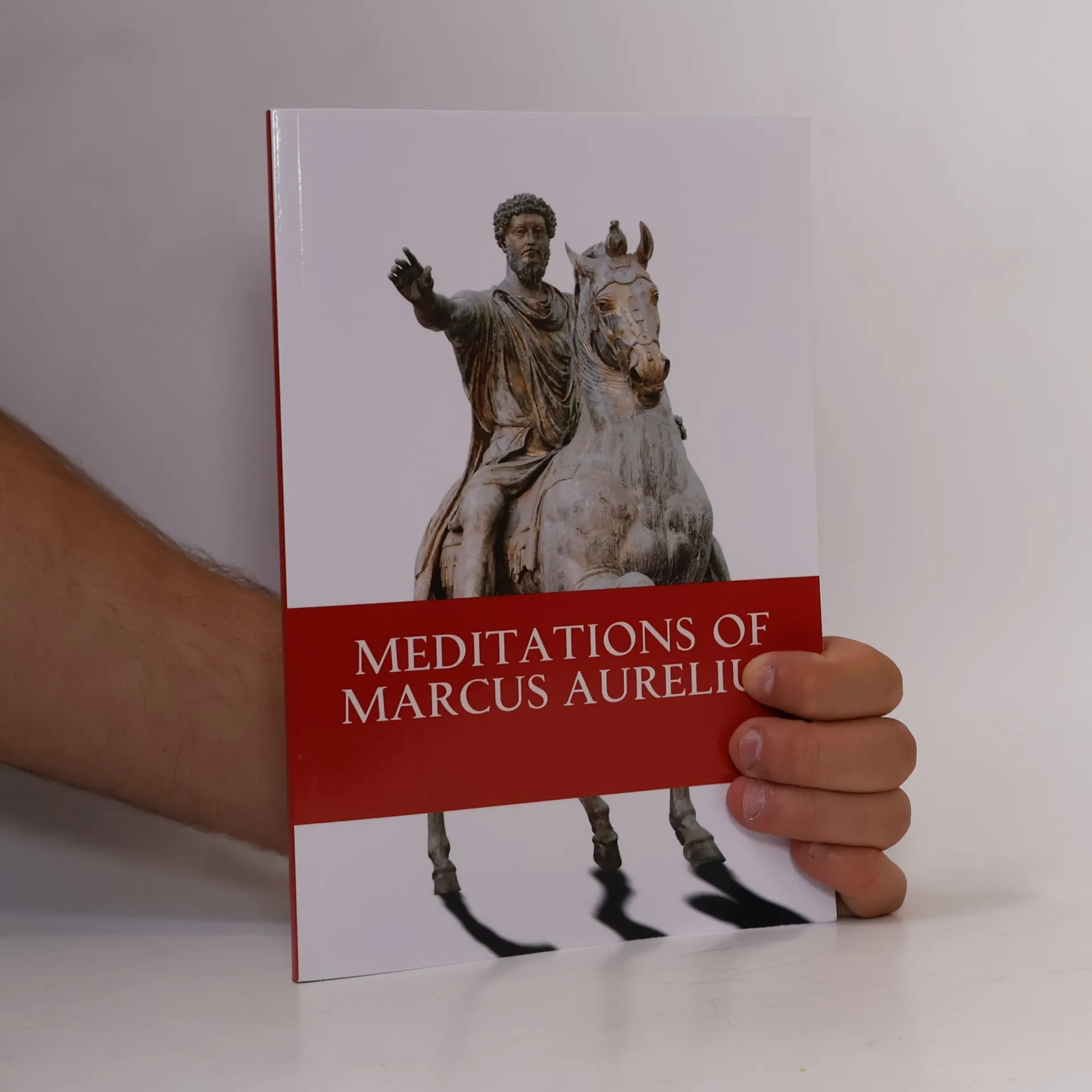
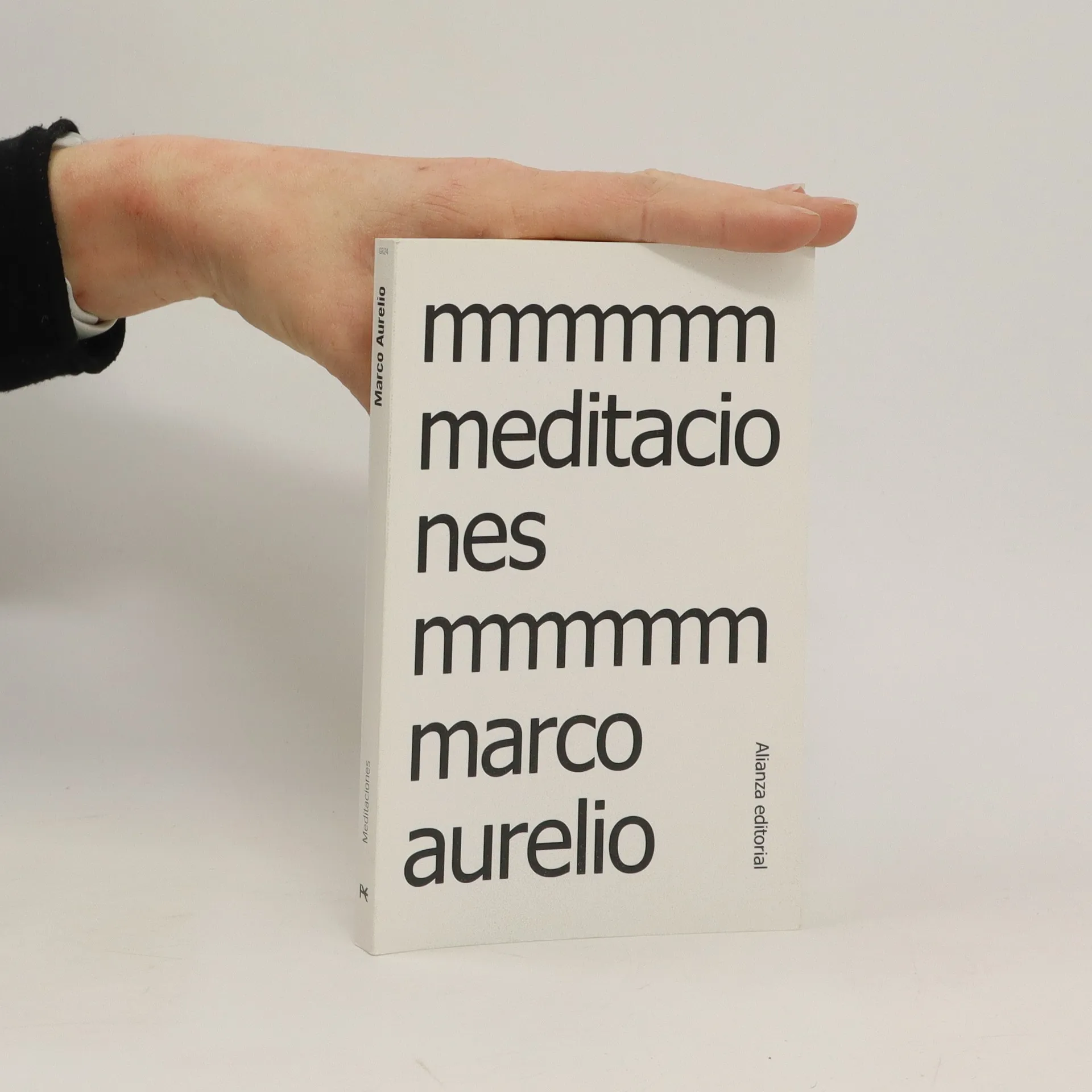
    • "Meditations" is a series of personal writings by Marcus Aurelius, Roman Emperor from second century, recording his private notes to himself and ideas on Stoic philosophy. Marcus Aurelius wrote the Meditations as a source for his own guidance and self-improvement. The Meditations is divided into 12 books that chronicle different periods of Marcus' life. A central theme to Meditations is the importance of analyzing one's judgment of self and others and the development of a cosmic perspective. The style of writing that permeates the text is one that is simplified, straightforward, and perhaps reflecting Marcus' Stoic perspective on the text.

      Meditations: Philosophical Contemplations of a Roman Emperor
    • This edition presents the timeless reflections of Emperor Marcus Aurelius, capturing his philosophical insights and meditations. The text remains faithful to the original 1889 publication, offering readers a glimpse into the mind of one of history's most renowned Stoic philosophers. The work emphasizes themes of resilience, virtue, and the importance of rational thought in facing life's challenges.

      The thoughts of the Emperor M. Aurelius Antoninus
    • The hardcover edition of Meditations presents the profound insights and philosophical spirit of Roman Emperor Marcus Aurelius, skillfully translated by George Long. This work delves into themes of stoicism, self-reflection, and the human condition, offering timeless wisdom that remains relevant today. The translation captures the essence of Aurelius's thoughts, inviting readers to explore his meditative reflections on life, virtue, and resilience.

      The Meditations of Marcius Aurelius (Hardcover)
    • The Meditations of Marcius Aurelius

      • 108 páginas
      • 4 horas de lectura

      The edition of Meditations highlights the profound philosophy and introspective spirit of Marcus Aurelius, offering readers a deep insight into the thoughts of the Roman Emperor. Translated by George Long, this version captures the essence of Aurelius's reflections on life, virtue, and the human experience, making it accessible for contemporary audiences.

      The Meditations of Marcius Aurelius
    • The Thoughts of the Emperor Marcus Aurelius Antoninus

      Volume 2

      • 196 páginas
      • 7 horas de lectura

      This volume presents a faithful reprint of the original 1891 edition of Marcus Aurelius Antoninus's reflections. It offers insights into the Stoic philosophy of the Roman Emperor, emphasizing themes such as self-discipline, virtue, and the nature of the human experience. Readers can explore Aurelius's personal thoughts, which remain relevant and thought-provoking, providing guidance on how to navigate life's challenges with wisdom and resilience.

      The Thoughts of the Emperor Marcus Aurelius Antoninus