Simon vs. the Homo Sapiens agenda
- 320 páginas
- 12 horas de lectura
Sixteen-year-old, not-so-openly-gay Simon Spier is blackmailed into playing wingman for his classmate or else his sexual identity--and that of his pen pal--will be revealed.





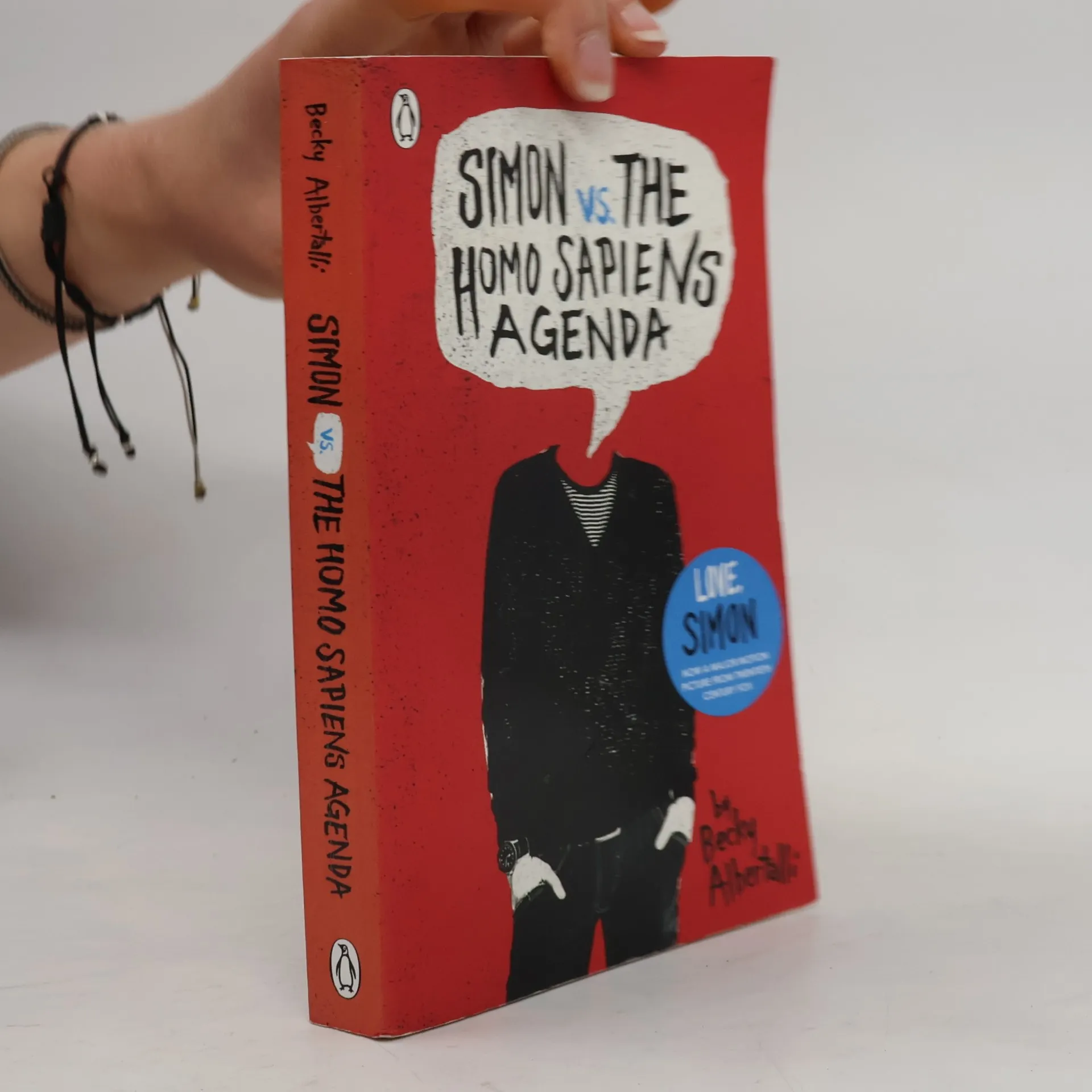
Sixteen-year-old, not-so-openly-gay Simon Spier is blackmailed into playing wingman for his classmate or else his sexual identity--and that of his pen pal--will be revealed.
Fiona Maye is a leading High Court judge, presiding over cases in the family court. She is renowned for her fierce intelligence, exactitude and sensitivity. But her professional success belies private sorrow and domestic strife. There is the lingering regret of her childlessness, and now, her marriage of thirty years is in crisis. At the same time, she is called on to try an urgent case: for religious reasons, a beautiful seventeen-year-old boy, Adam, is refusing the medical treatment that could save his life, and his devout parents share his wishes. Time is running out. Should the secular court overrule sincerely held faith? In the course of reaching a decision Fiona visits Adam in hospital - an encounter which stirs long-buried feelings in her and powerful new emotions in the boy. Her judgment has momentous consequences for them both.
Penguin Readers is an ELT graded reader series for learners of English as a foreign language. With carefully adapted text, new illustrations and language learning exercises, the print edition also includes instructions to access supporting material online. Titles include popular classics, exciting contemporary fiction, and thought-provoking non-fiction, introducing language learners to bestselling authors and compelling content. The eight levels of Penguin Readers follow the Common European Framework of Reference for language learning (CEFR). Exercises at the back of each Reader help language learners to practise grammar, vocabulary, and key exam skills. Before, during and after-reading questions test readers' story comprehension and develop vocabulary. Visit the Penguin Readers website Exclusively with the print edition, readers can unlock online resources including a digital book, audio edition, lesson plans and answer keys. White Teeth is the story of three very different families who live close together in London in the 1980s and 1990s. The Bowdens are part-Jamaican; the Iqbals are from Bangladesh; and the Chalfens are white. The story looks at how people's pasts affect their lives now, and the lives and futures of their children.
Jonathan Pine, antiguo soldado del ejército británico, ejerce de director nocturno de un lujoso hotel en Zurich. Una gélida noche de enero las dependencias del alojamiento reciben la llegada de un huésped especial: Richard Onslow Roper, el peor hombre del mundo, un rico, poderoso y temido traficante. Las circunstancias y el peso del pasado conducirán a Pine a infiltrarse en una trama de los servicios secretos, a sumergirse en un entorno de relaciones aún oscurecidas por la larga sombra de la Guerra Fría
The inspiring stories of 6 people who changed history.