Discovering Statistics Using JASP
- 784 páginas
- 28 horas de lectura
A new textbook from statistics royalty that builds on a world-class brand to present core statistical techniques alongside an up-and-coming software created by the authors - JASP.


Andy Field es una autoridad líder en psicopatología infantil, centrándose en el desarrollo emocional de los niños y los métodos estadísticos. Su obra se distingue por su capacidad para hacer que los complejos conceptos estadísticos sean accesibles y atractivos para los lectores. Reconocido como un educador excepcional, su enfoque innovador ha obtenido un reconocimiento significativo. La escritura de Field ofrece profundas ideas sobre la psicología infantil, presentadas con un estilo único y cautivador.

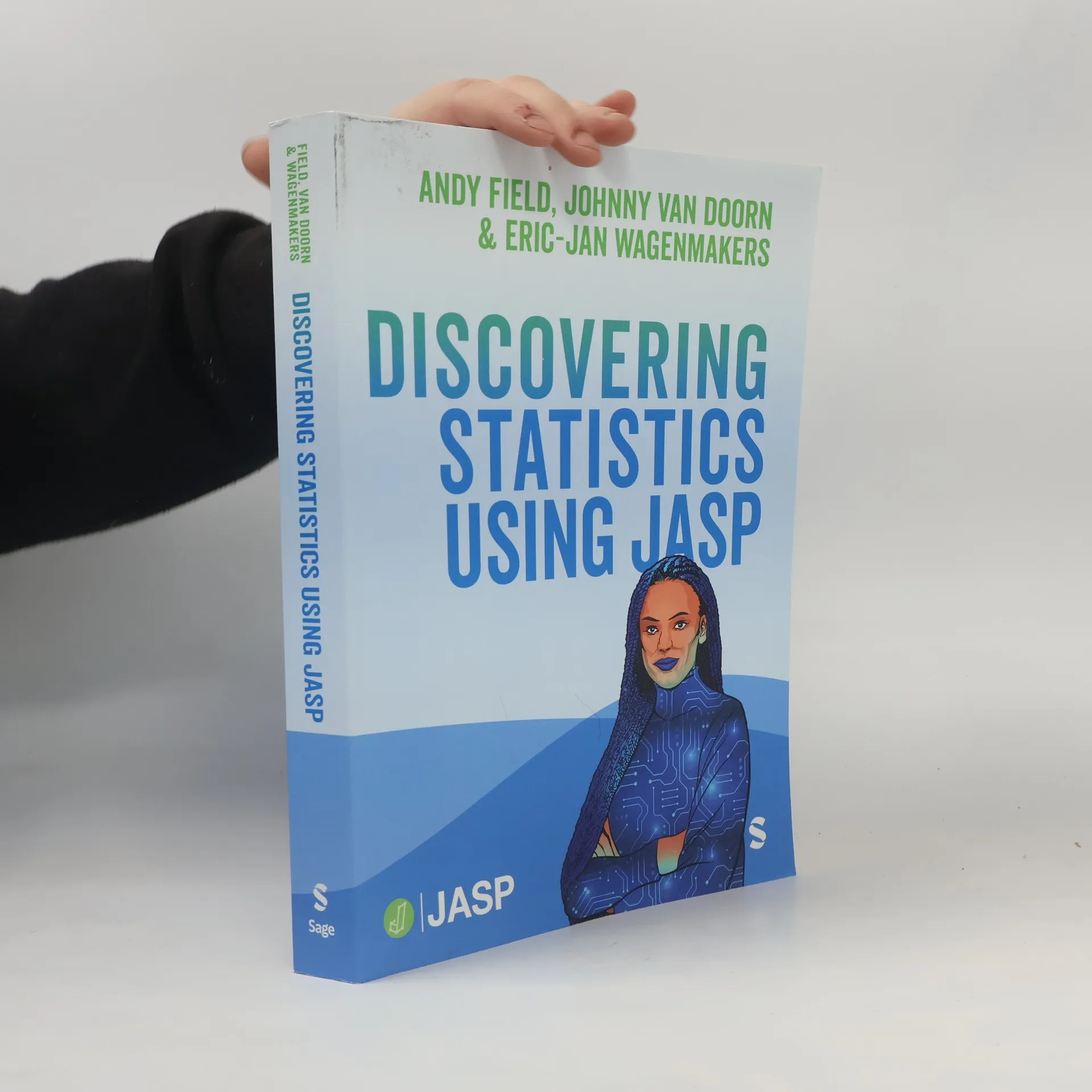
A new textbook from statistics royalty that builds on a world-class brand to present core statistical techniques alongside an up-and-coming software created by the authors - JASP.
This innovative work merges storytelling with statistical education, offering readers an engaging introduction to statistics through a narrative that features a probability bridge, zombies, and a talking cat. By combining fiction with textbook elements, it captures the complexities of statistical concepts in an entertaining manner, making learning both fun and accessible for readers.
Bestselling author and award-winning teacher Andy Field has transformed the traditional textbook with a unique blend of narrative and statistics, featuring a terrifying probability bridge, zombies, and a talking cat. His innovative approach introduces social science students to the significance of statistics in an engaging, visually appealing format. By integrating a compelling storyline, Field alleviates anxiety surrounding the subject, offering a vibrant alternative to conventional textbooks. The combination of engaging medium, clear messaging, and robust statistical content helps even the most math-averse students achieve higher levels of understanding. The text assumes no prior knowledge and does not require data analysis software, covering essential material for an introductory statistics module that his earlier works only partially address. With a contemporary twist, it lays a solid foundation for both classical and Bayesian data analysis, providing an unparalleled starting point for further study and research. This equips students with valuable skills applicable in their degrees and future workplaces, fostering curiosity about the real world and enhancing their academic and professional success.
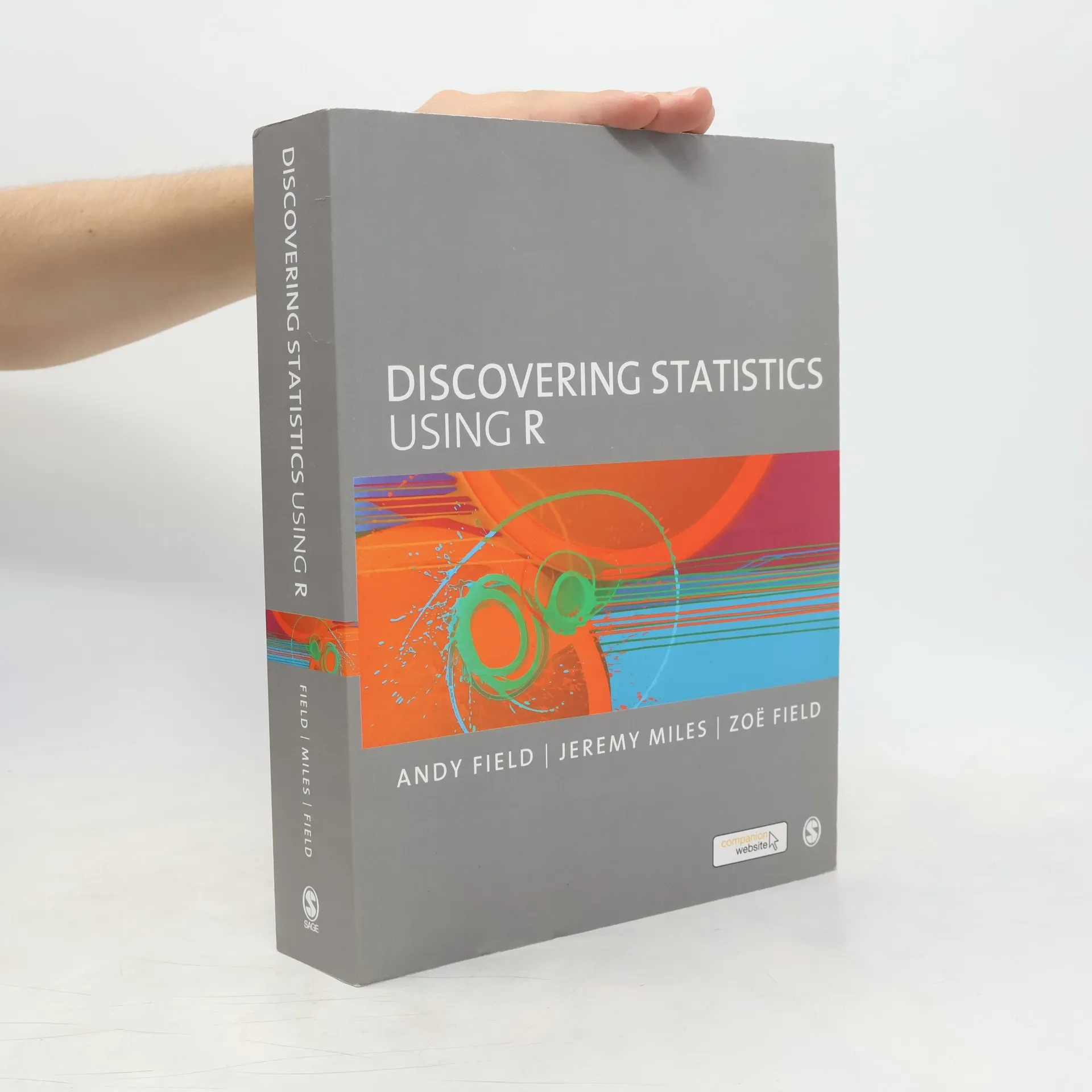
The R version of Andy Field's hugely popular Discovering Statistics Using SPSS takes students on a journey of statistical discovery using the freeware R. Like its sister textbook, Discovering Statistics Using R is written in an irreverent style and follows the same ground-breaking structure and pedagogical approach. The core material is enhanced by a cast of characters to help the reader on their way, hundreds of examples, self-assessment tests to consolidate knowledge, and additional website material for those wanting to learn more.
The second edition features comprehensive updates, including new sections dedicated to research methods, statistics, and career opportunities. This revision provides readers with the latest insights and tools essential for understanding and applying key concepts in the field.
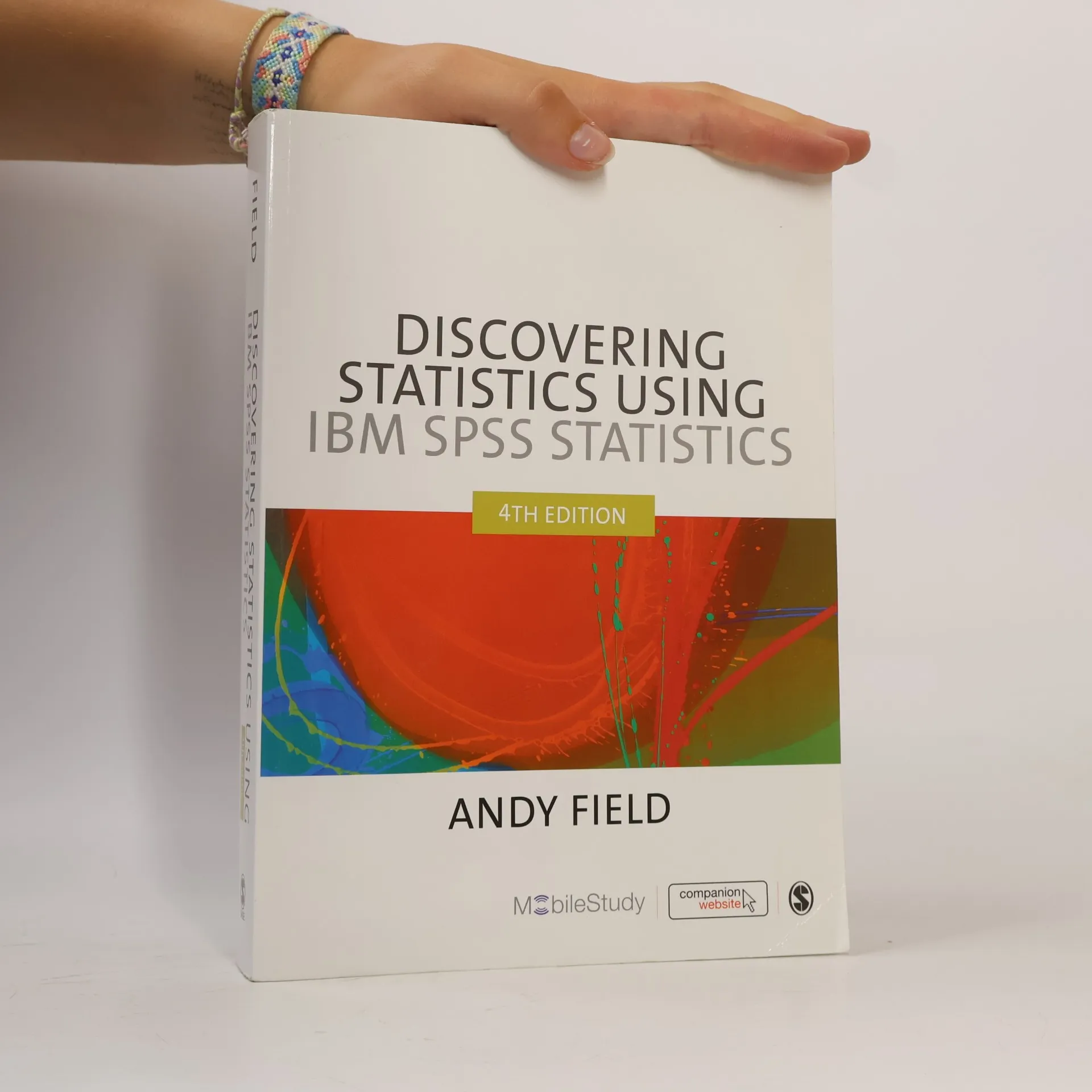
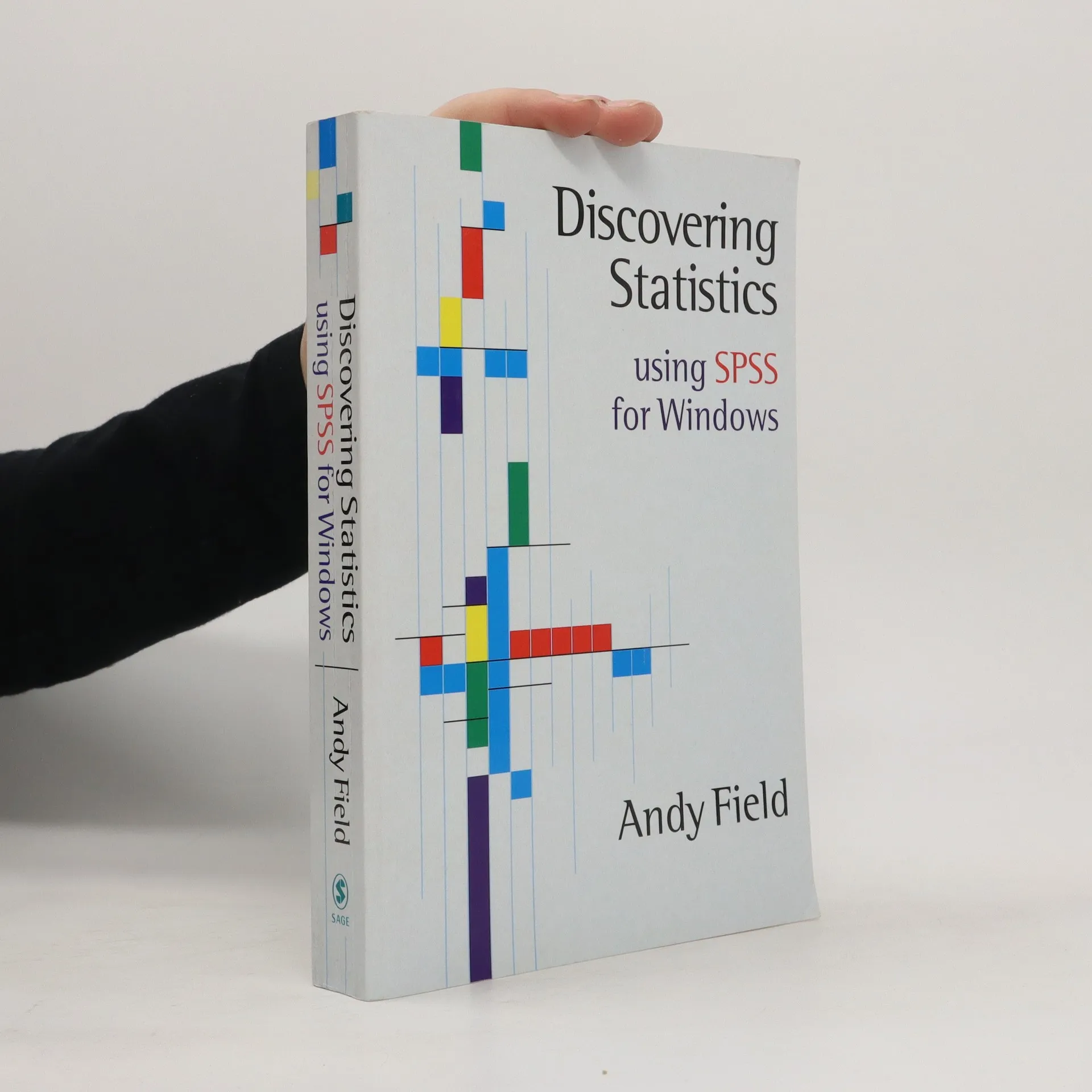
Unrivaled in the way it makes the teaching of statistics compelling and accessible to even the most anxious of students, the only statistics textbook you and your students will ever need just got better! Andy Field's comprehensive and bestselling Discovering Statistics Using SPSS 4th Edition takes students from introductory statistical concepts through very advanced concepts, incorporating SPSS throughout. The Fourth Edition focuses on providing essential content updates, better accessibility to key features, more instructor resources, and more content specific to select disciplines. It also incorporates powerful new digital developments on the textbook's companion website.
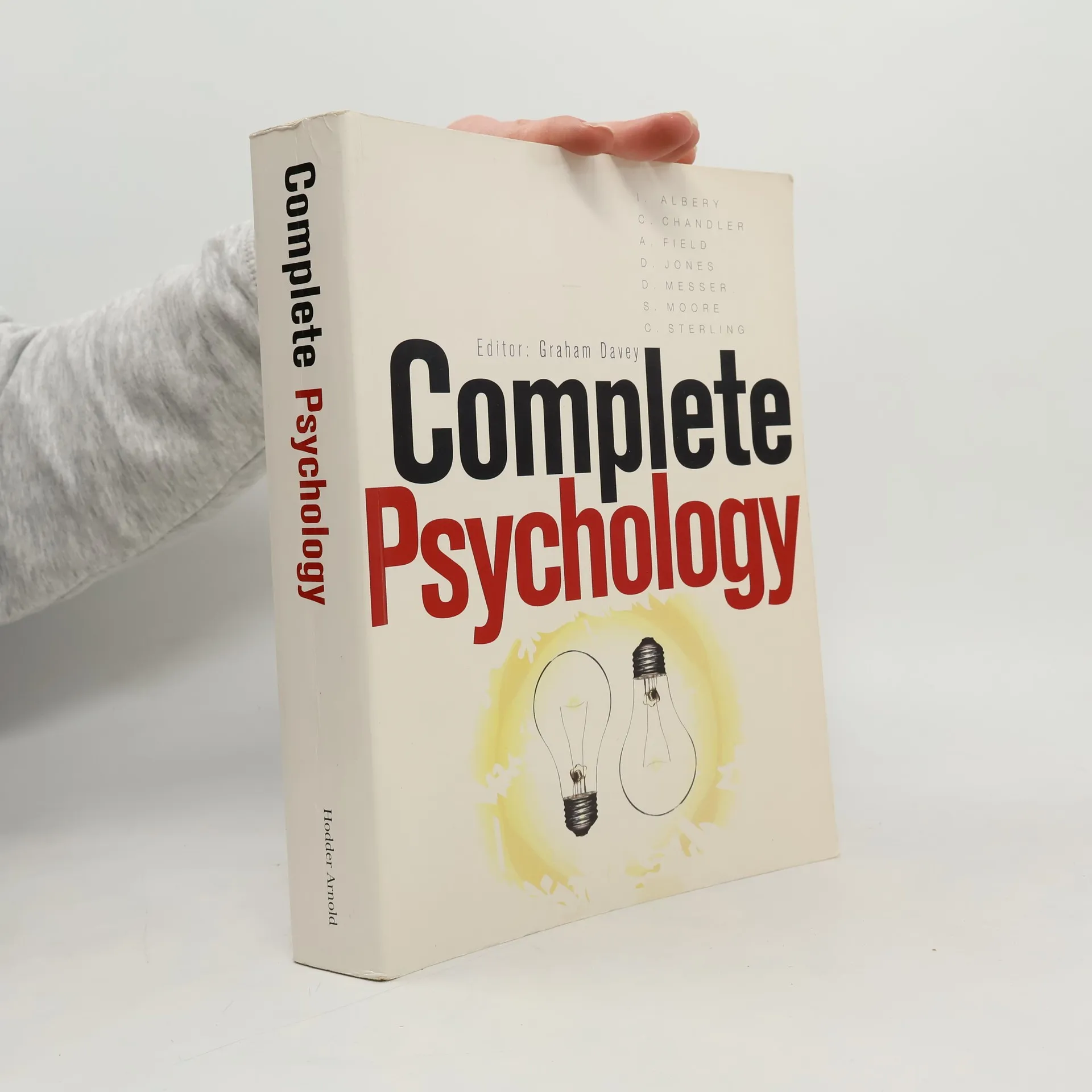
Complete Psychology is the textbook undergraduates have been waiting for. Unlike the other texts out there, it fits exactly with the very latest BPS curriculum.This ground-breaking text is tailored to the UK first-year undergraduate market and provides excellent coverage of the major areas of study - Social, Cognitive, Developmental and Clinical Psychology, Research Methods, and many more - as well as giving advice on careers in psychology and psychology study skills.Written by an experienced and respected team of authors, this highly accessible, definitive text is illustrated in full colour, and quite simply covers everything students need for their first-year studies as well as being an invaluable reference and revision tool for second and third years.
Andy Field draws on his experience of teaching advanced statistics to extend existing SPSS windows texts to a higher level. He covers ANOVA, MANOVA, logistic regression, comparing means tests and factor analysis.
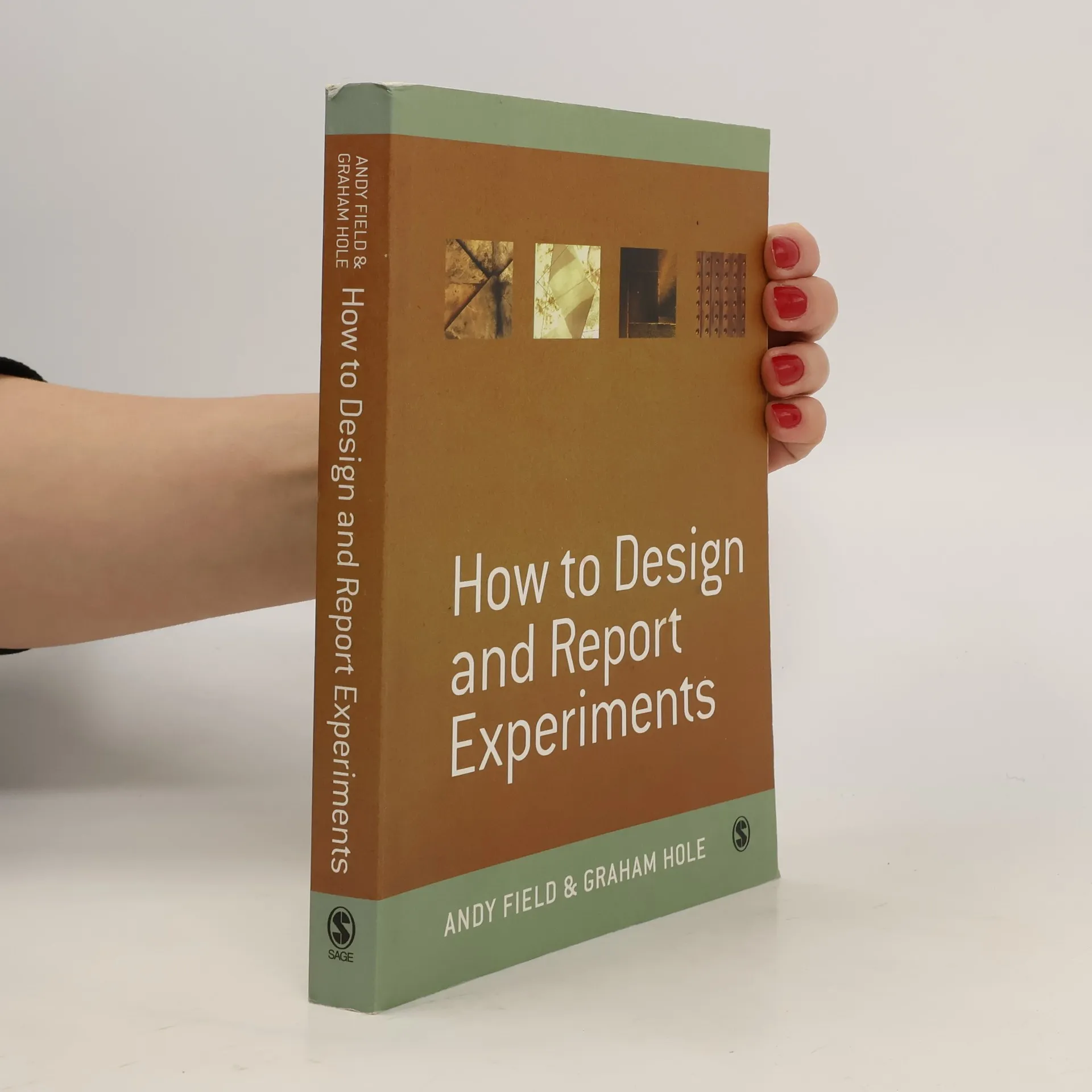
How to Design and Report Experiments is the perfect textbook and guide to the often bewildering world of experimental design and statistics. It provides a complete map of the entire process beginning with how to get ideas about research, how to refine your research question and the actual design of the experiment, leading on to statistical procedure and assistance with writing up of results. While many books look at the fundamentals of doing successful experiments and include good coverage of statistical techniques, this book very importantly considers the process in chronological order with specific attention given to effective design in the context of likely methods needed and expected results. Without full assessment of these aspects, the experience and results may not end up being as positive as one might have hoped. Ample coverage is then also provided of statistical data analysis, a hazardous journey in itself, and the reporting of findings, with numerous examples and helpful tips of common downfalls throughout. Combining light humour, empathy with solid practical guidance to ensure a positive experience overall, Designing and Reporting Experiments will be essential reading for students in psychology and those in cognate disciplines with an experimental focus or content in research methods courses.