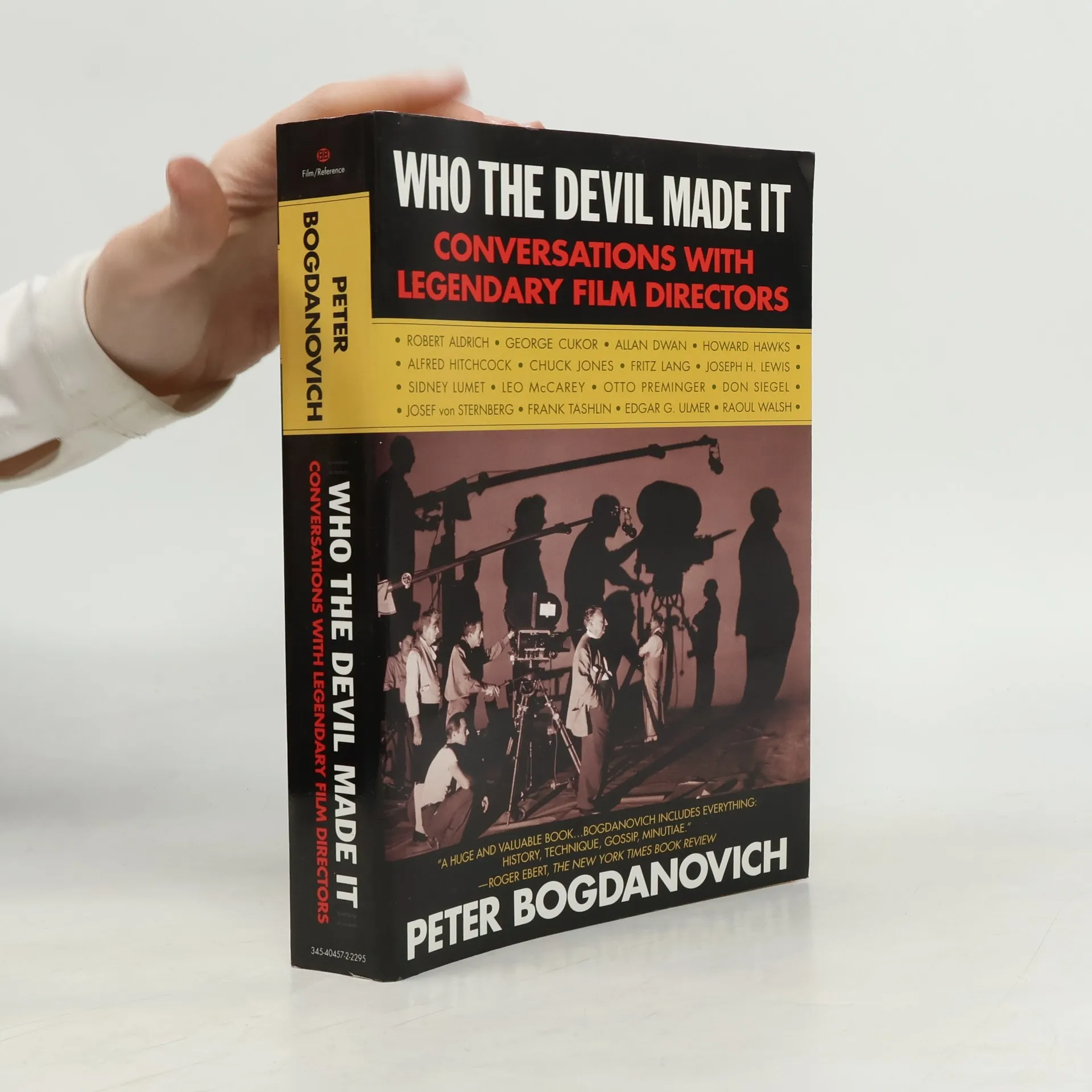
Peter Bogdanovich, director, screenwriter, actor and critic, interviews sixteen legendary directors of the first hundred years of film - from Allan Dwan and Raoul Walsh to Leo McCarey, Alfred Hitchcock and Sidney Lumet. The conversations brought together in this book give us a history of the movies. They are the stories of pioneers who came to the picture business from many worlds. Some were adventurers (running away to sea; joining Pancho Villa) before finding their place in the movies. Some were football stars, some electrical engineers, lawyers, auto mechanics, airplane designers. Some were trained in silent movies (Dwan, Walsh, Lang, von Sternberg, Hitchcock). Many of them were men who lived to the hilt and brought to their work the residue of their earlier experiences.
Roger Ebert Libros
Roger Ebert fue un aclamado crítico de cine y guionista, galardonado con un Premio Pulitzer. Se hizo famoso por sus reseñas cinematográficas habituales, publicadas tanto en periódicos como en línea, así como por su extensa trayectoria en programas de televisión dedicados al cine. Su trabajo se distinguió por una profunda comprensión de la cinematografía y una habilidad para conectar con un público amplio. También curó una serie de 'Grandes Películas', ofreciendo análisis en profundidad de los filmes más significativos de la historia. Su influencia en la crítica cinematográfica fue considerable, y sus ideas fueron valoradas tanto por lectores como por cineastas.


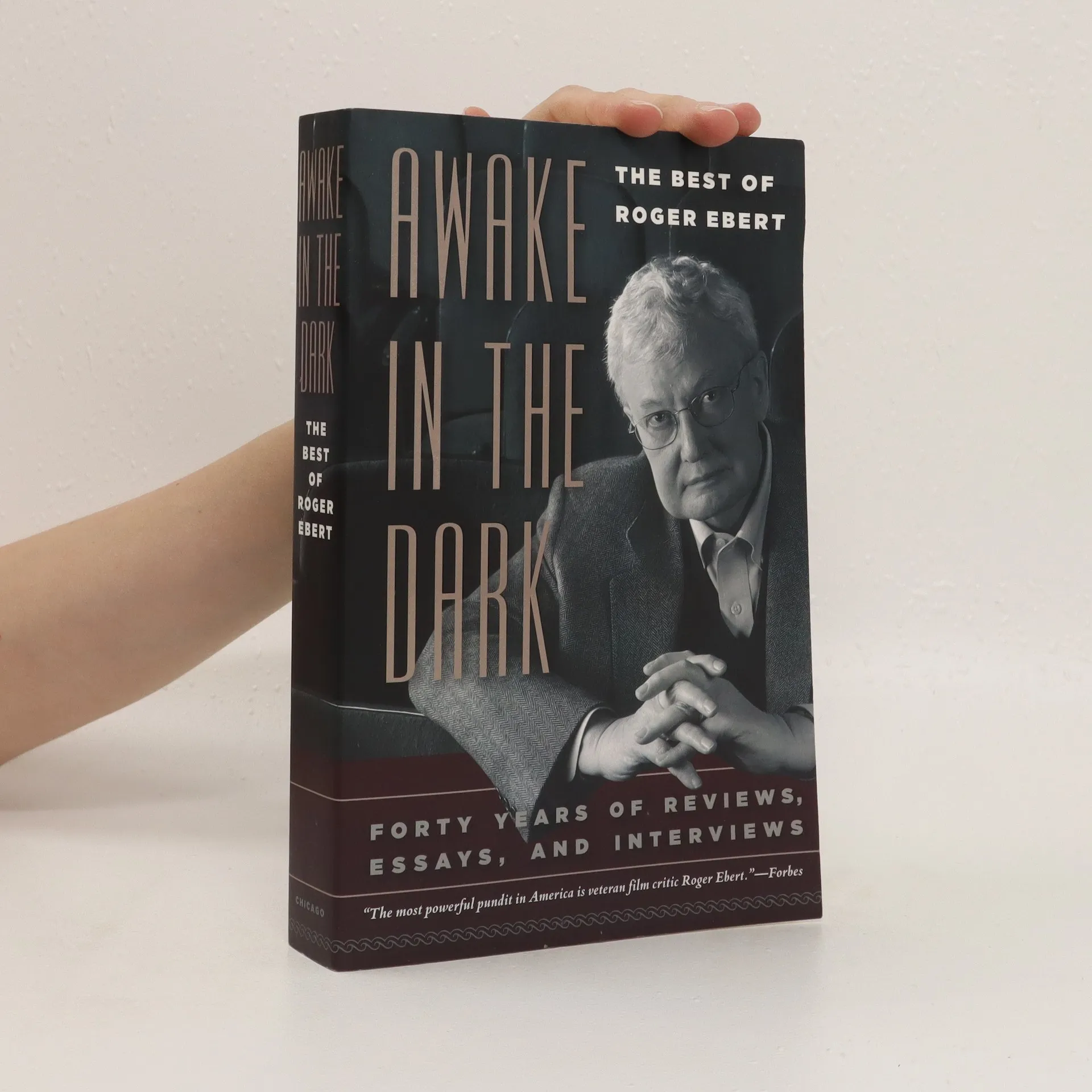
"Arriving fifty years after Ebert published his first film review in 1967, this second edition of Awake in the Dark collects Ebert's essential writings. Featuring new Top Ten Lists and reviews of the years' finest films through 2012, this edition allows both fans and film buffs to bask in the best of an extraordinary lifetime's work."--Provided by publisher.
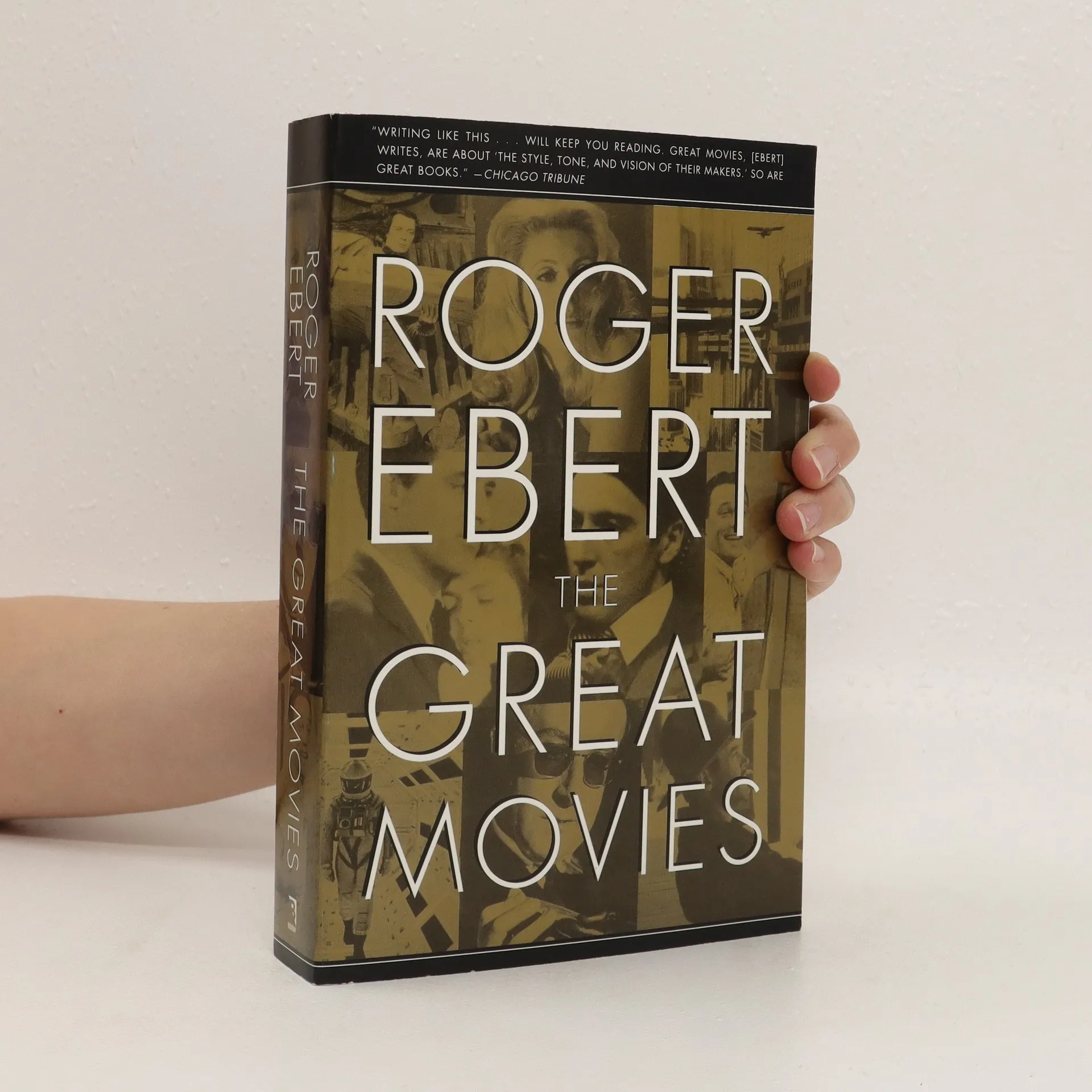
The Great Movies
- 511 páginas
- 18 horas de lectura
Presents a collection of essays that combine history, analysis, and love for movies covering such films as "All About Eve," "Casablanca," "Lawrence of Arabia," and "Schindler's List."
Memo from David O. Selznick
- 640 páginas
- 23 horas de lectura
David O. Selznick was a unique figure in the golden Hollywood studio era. He produced some of the greatest and most memorable American films ever made--notably, Rebecca, A Star Is Born, Anna Karenina, A Farewell to Arms, and, above all, Gone With the Wind. Selznick's absolute power and artistic control are evidenced in his impassioned, eloquent, witty, and sometimes rageful memos to directors, writers, stars and studio executives, writings that have become almost as famous as his films. Newsweek wrote, I can't imagine how a book on the American movie business could be more illuminating, more riveting or more fun to read than this collection of David Selznick's memos.
The book has garnered significant acclaim, becoming a bestseller on The New York Times list. It features compelling characters and a gripping plot that explores intricate themes, drawing readers into a captivating narrative. The author skillfully weaves together elements that resonate with a wide audience, ensuring an engaging reading experience. With its rich storytelling and thought-provoking content, this book stands out as a must-read in contemporary literature.
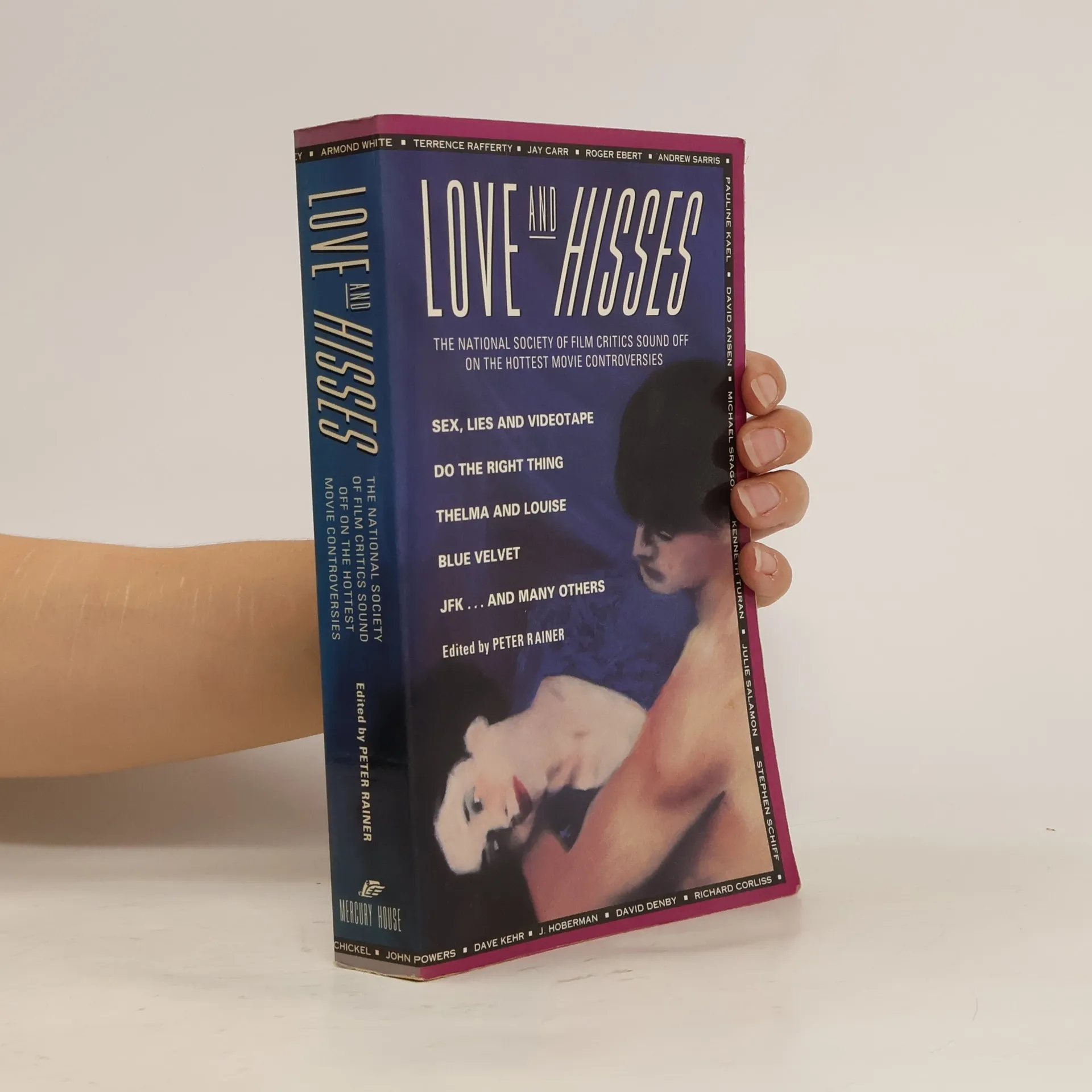
Love and Hisses
The National Society of Film Critics Sound Off on the Hottest Movie Controversies
- 560 páginas
- 20 horas de lectura
A collection of essays on the most hotly debated films features discussions on Spike Lee, Oliver Stone, the ratings war, and the war of the sexes by such critics as Pauline Kael, Roger Ebert, and Terrence Rafferty. Original.
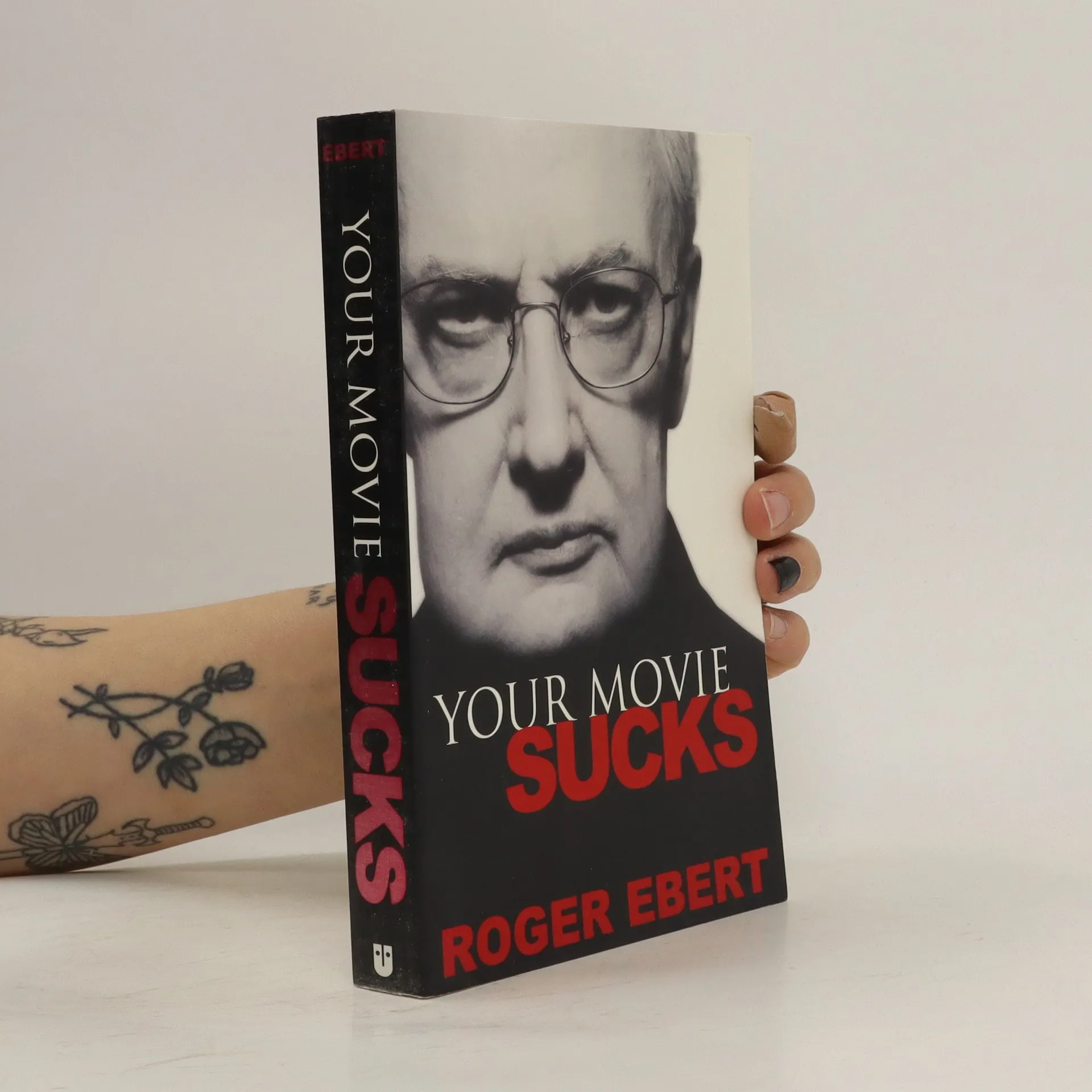
Your Movie Sucks
- 338 páginas
- 12 horas de lectura
Roger Ebert's latest collection continues his tradition of scathing movie reviews, focusing on films that are not just bad, but truly abysmal. Among the highlights is his take on Deuce Bigalow: European Gigolo (0 stars), which sparked controversy in February 2005. Rob Schneider, the film's star, took offense when a Los Angeles Times critic suggested that the film was among those overlooked for awards while studios funded countless sequels. Schneider retaliated with full-page ads attacking the critic, claiming he had never won any journalistic awards and implying that the critic lacked the credibility to judge his work. Schneider, who was nominated for a Razzie for Worst Supporting Actor, argued that the critic's lack of accolades disqualified him from criticizing the film's financing over more acclaimed projects. Ebert, a Pulitzer Prize winner himself, interjects his authority into the debate, firmly stating that, in his qualified opinion, Schneider's movie is indeed terrible. This exchange exemplifies the sharp wit and critical insight that Ebert brings to his reviews, making this collection a must-read for fans of film and critique alike.
Herzog by Ebert
- 187 páginas
- 7 horas de lectura
"Roger Ebert was an influential film critic in the United States, and the first to win a Pulitzer Prize. For almost fifty years, he wrote with plainspoken eloquence about films for the Chicago Sun-Times. Ebert had particular admiration for the work of director Werner Herzog, whom he first encountered at the New York Film Festival in 1968, the start of a long and productive relationship between the filmmaker and the film critic. Herzog by Ebert is a comprehensive collection of Ebert's writings about the legendary director, featuring all of his reviews of individual films, as well as longer essays he wrote for his Great Movies series. The book also brings together other essays, letters, and interviews, including a letter Ebert wrote Herzog upon learning of the dedication to him of 'Encounters at the End of the World,' a multifaceted profile written at the 1982 Cannes Film Festival; and an interview with Herzog at Facet's Multimedia in 1979. Herzog himself contributes a foreword in which he discusses his relationship with Ebert." -- Provided by the publisher.