German Gliders in World War II
- 47 páginas
- 2 horas de lectura
This rarely presented topic is shown in its uses as personnel, assault and equipment transport.


Heinz Joachim Nowarra trabajó en la industria de la aviación durante la Segunda Guerra Mundial. En el período de posguerra, escribió extensamente sobre la historia de la aviación, con la mayor parte de su obra originalmente en alemán y una proporción significativa también en inglés. Muchas de sus publicaciones en inglés fueron publicadas por una editorial estadounidense.
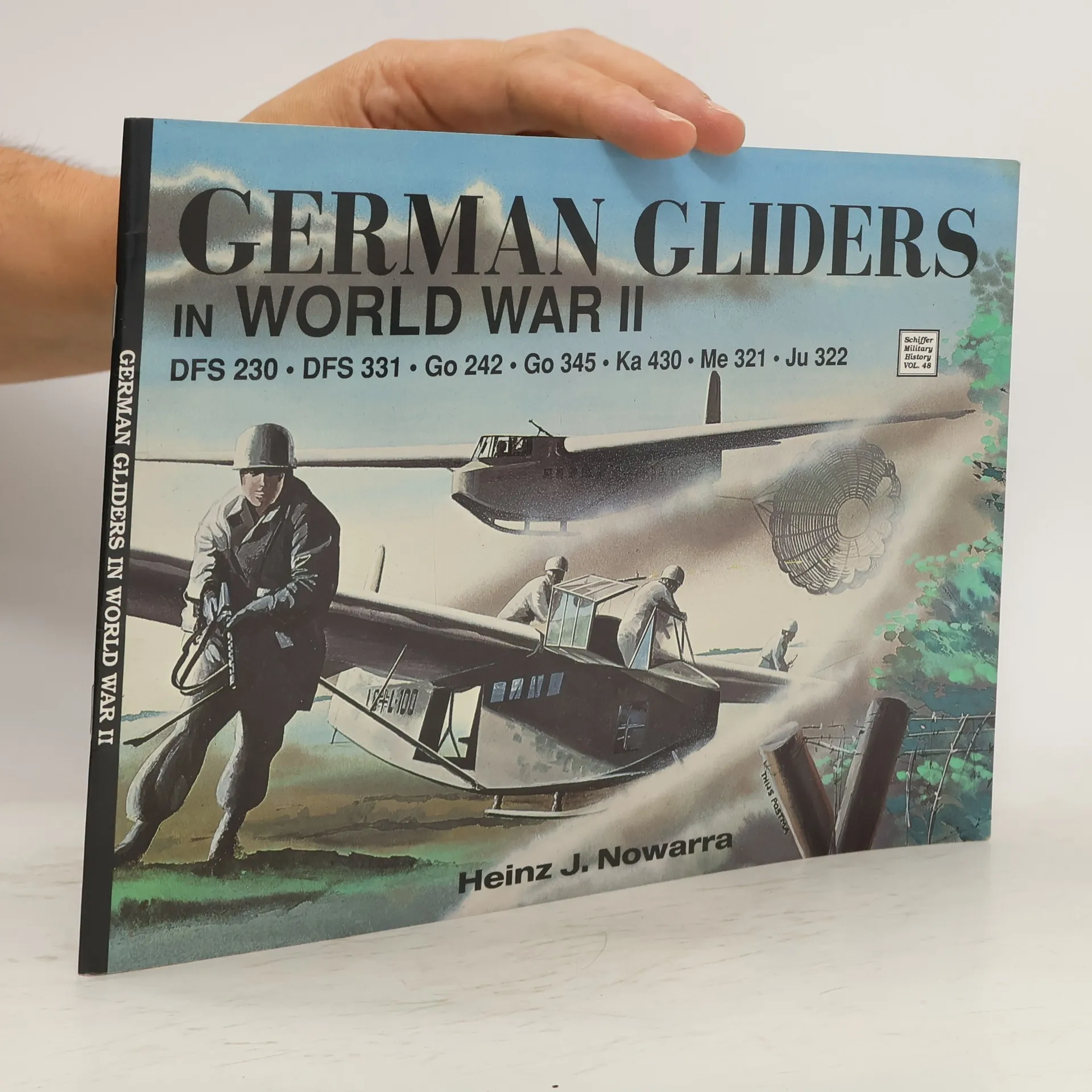
This rarely presented topic is shown in its uses as personnel, assault and equipment transport.
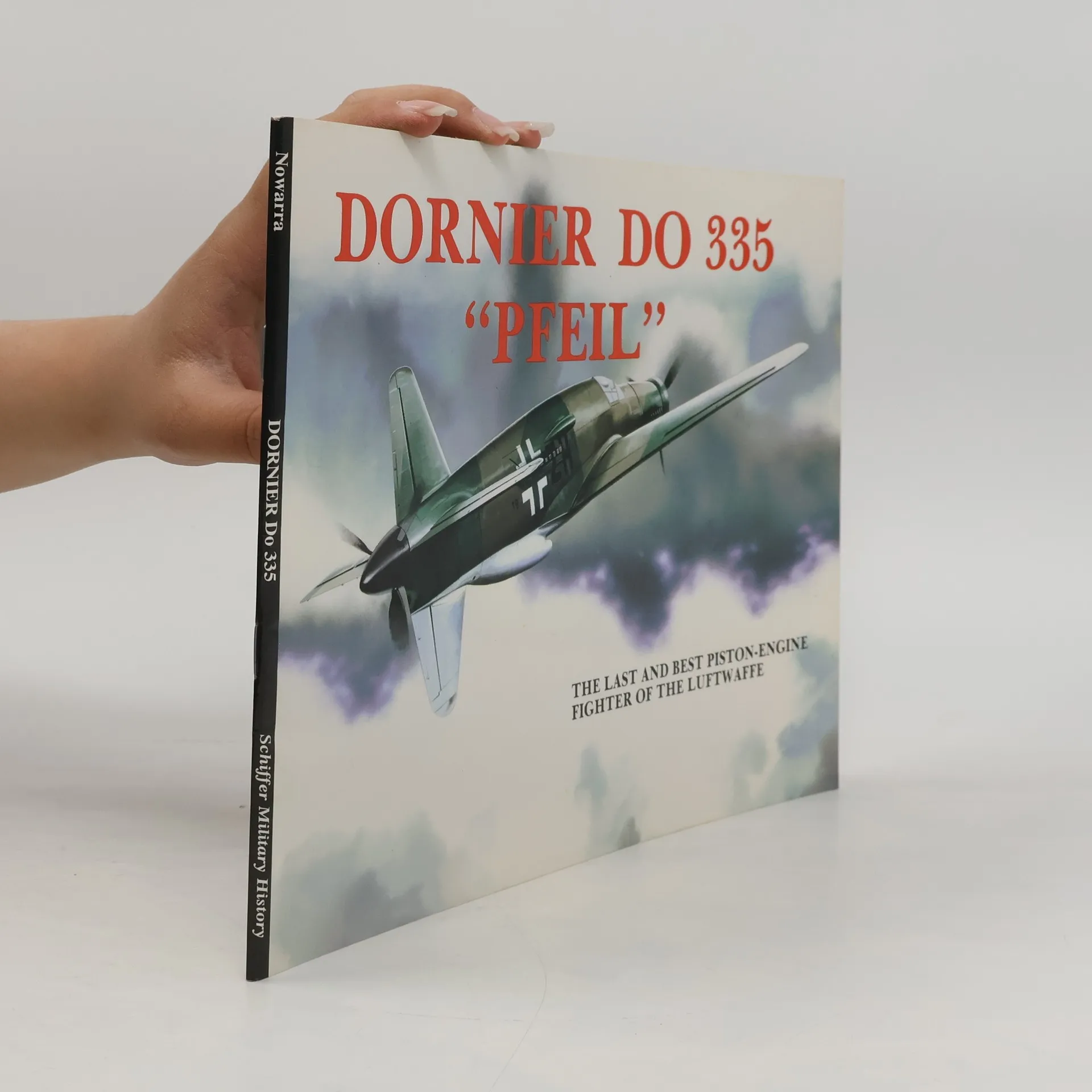
The Last and Best Piston-Engine Fighter of the Luftwaffe
This late WWII aircraft was the fastest piston engine fighter of the war.
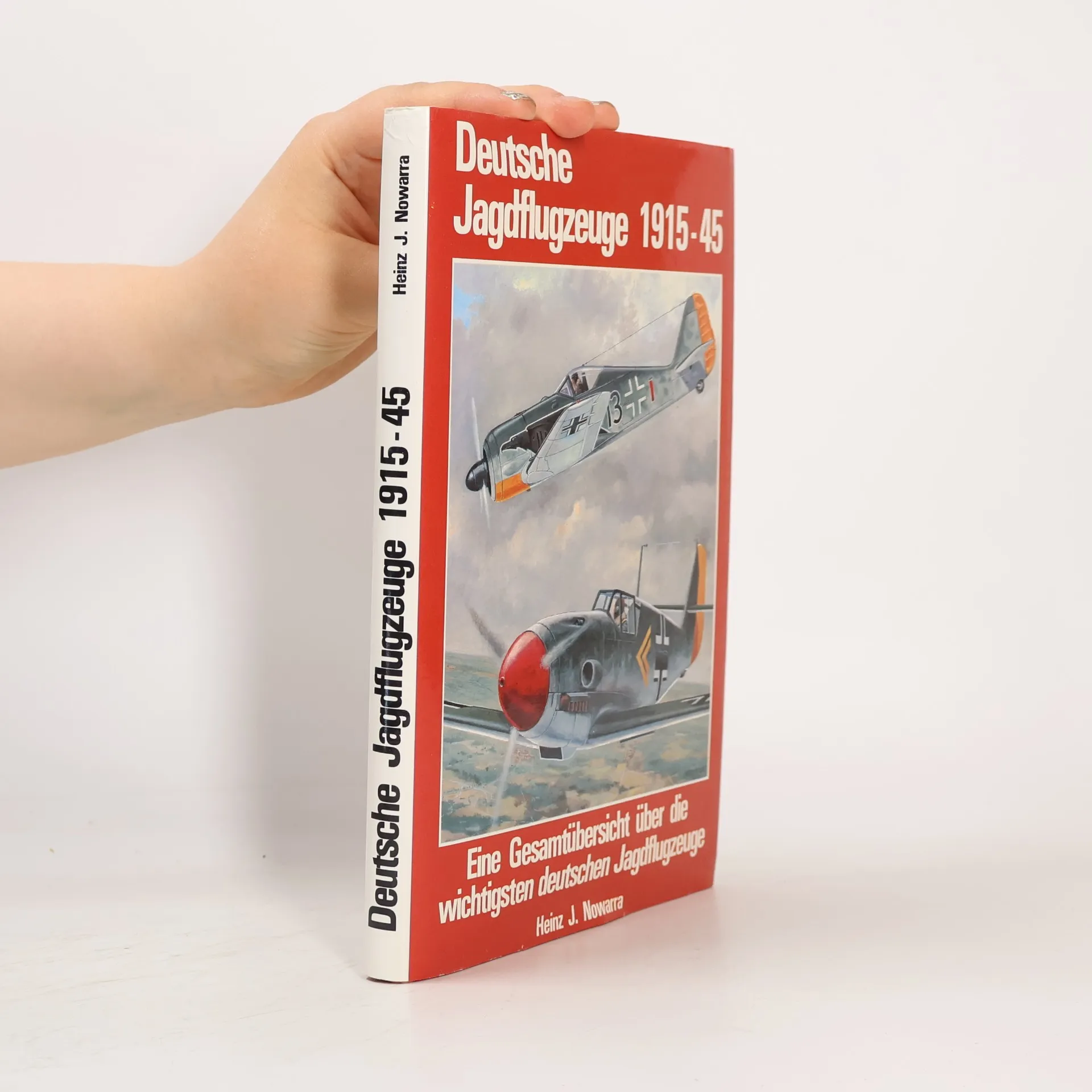
Eine Gesamtübersicht über die wichtigsten deutschen Jagdflugzeuge
Flugzeugtypen Henschel - Messerschmitt
Flugzeugtypen AEG - Dornier
Ein uralter Menschheitstraum wurde mit der Konstruktion des ersten Flugzeuges wahr
Flugzueugtypen MIAG to Zeppelin
Dieses Buch behandelt alle verschiedenen Jagdflugzeuge, die von den russischen Streitkräften in den Jahren 1920-1941 entworfen und eingesetzt wurden.
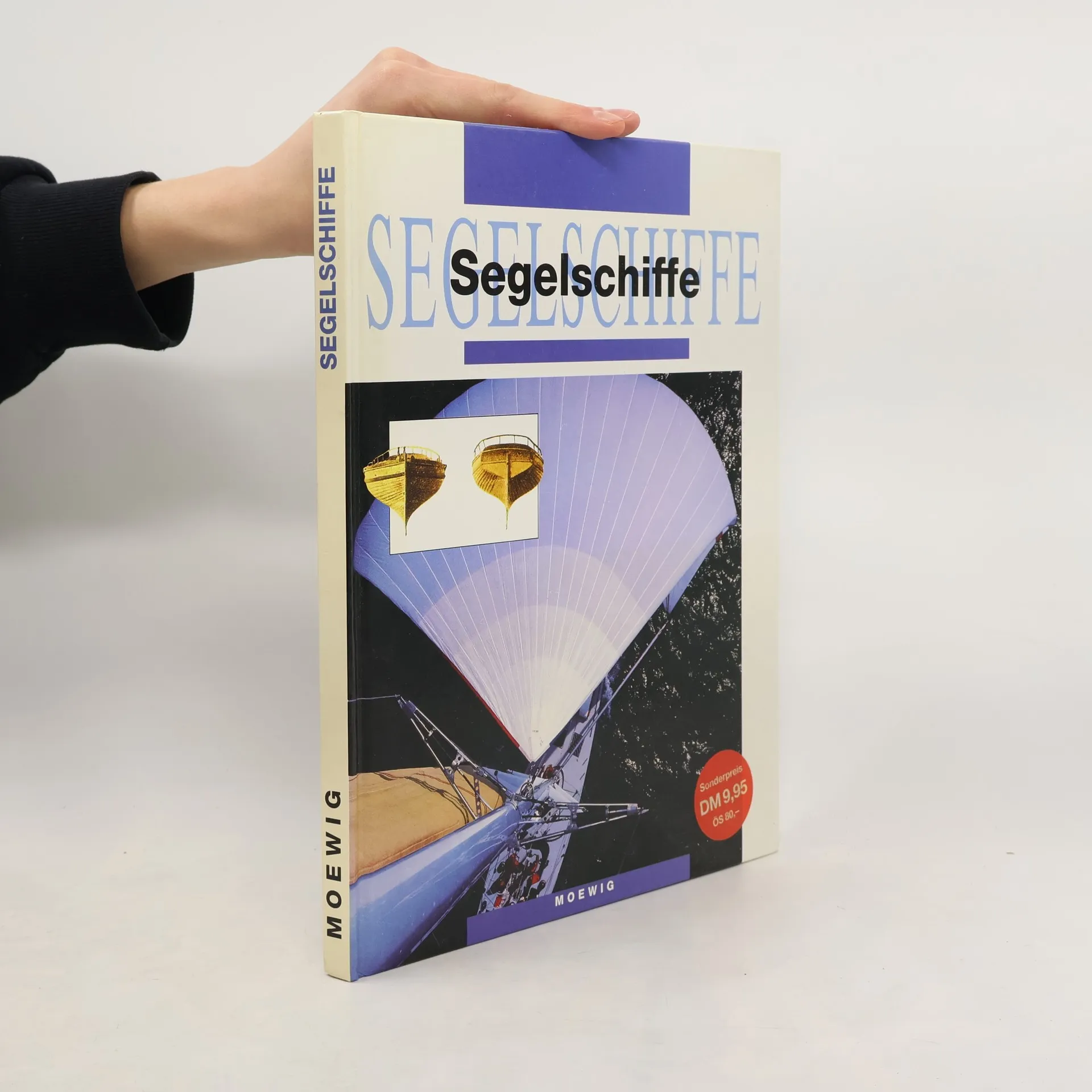
Die Geschichte der Segelschiffe ist gleichbedeutend mit der spannende Geschichte menschlicher Entdeckungen und Pioniergeistes. Mit technischen Details und vielen Abbildungen
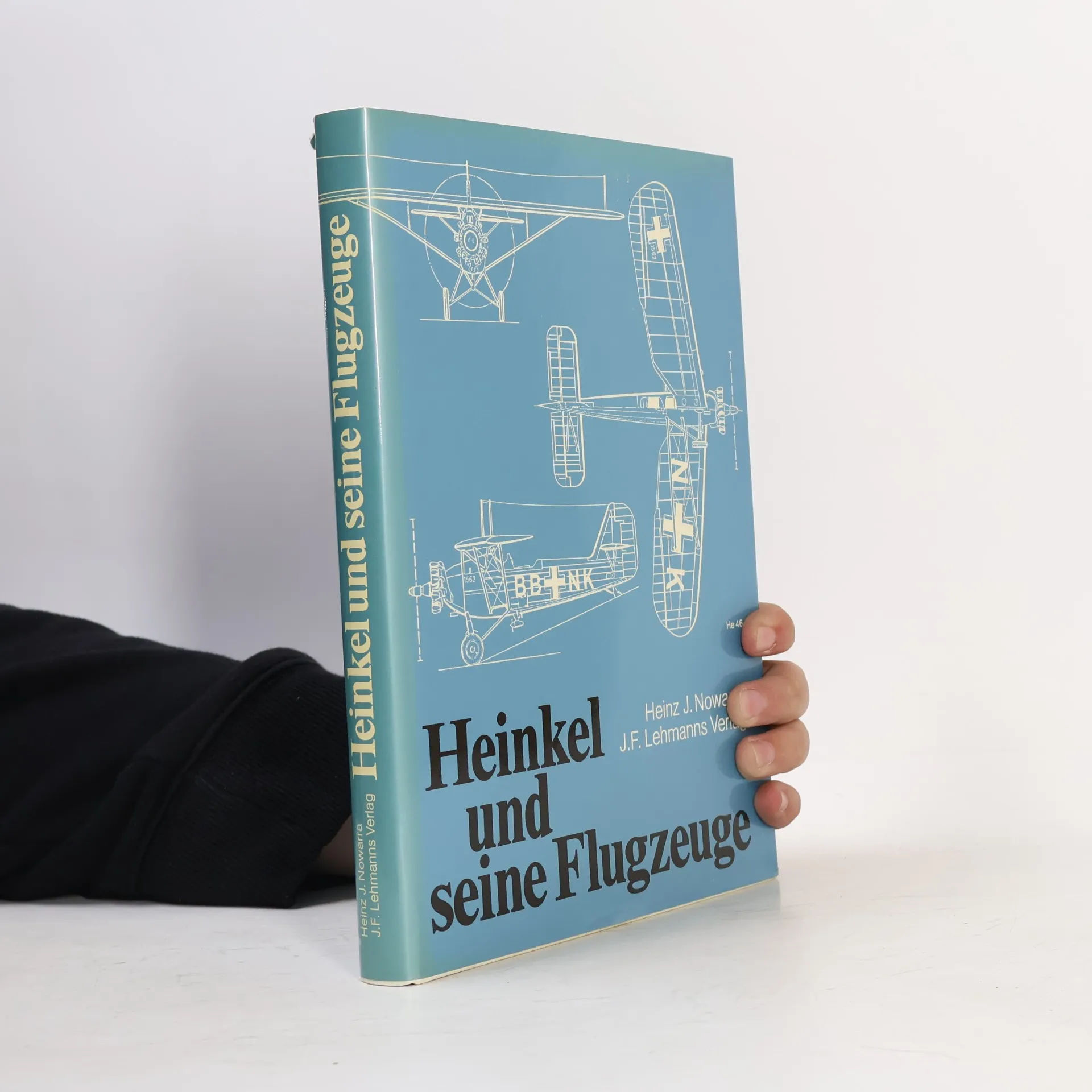
Flugzeugtypen Erla - Heinkel
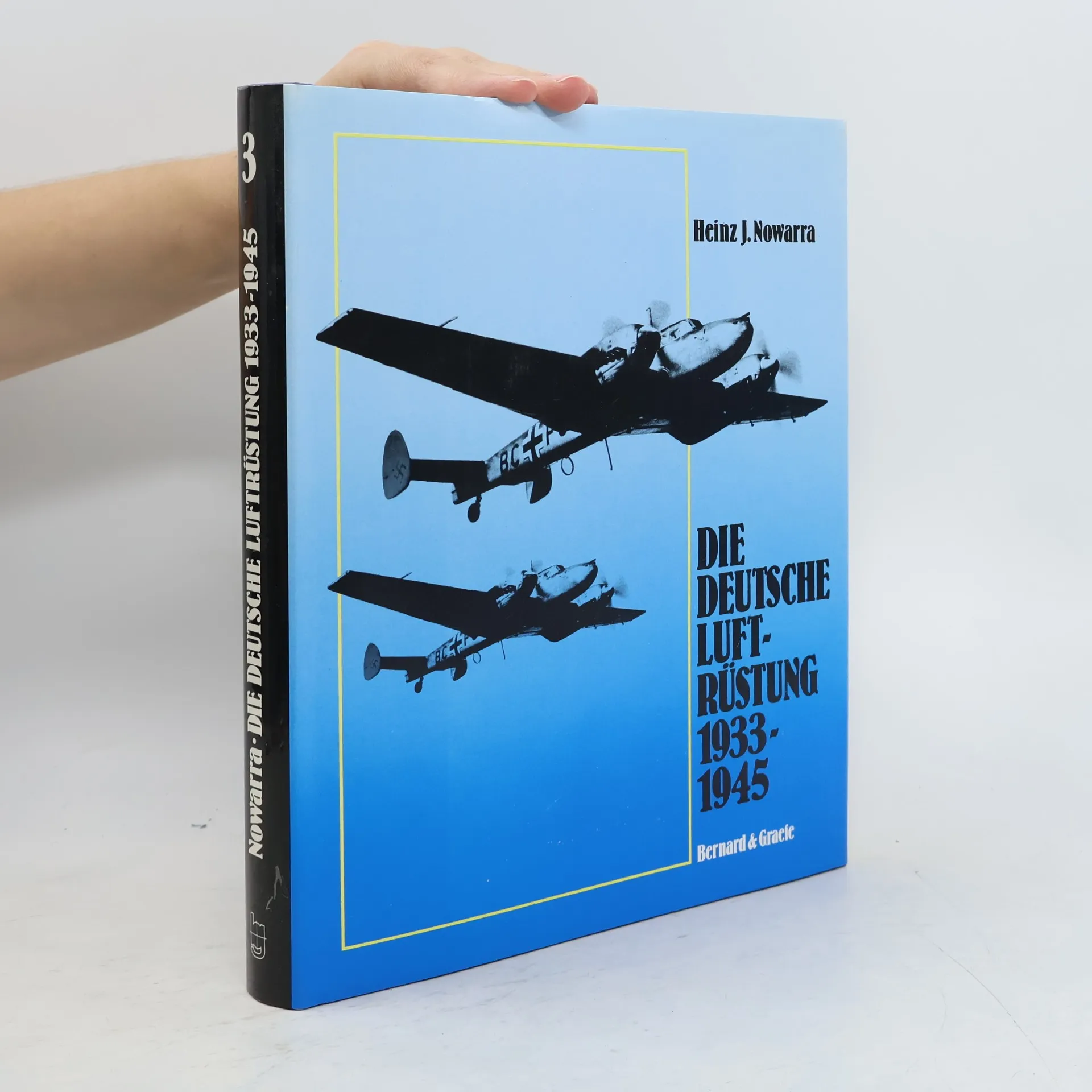
Das Flugzeug, das Jäger, Bomber und Schlachtflugzeug war (Waffen-Arsenal)
German
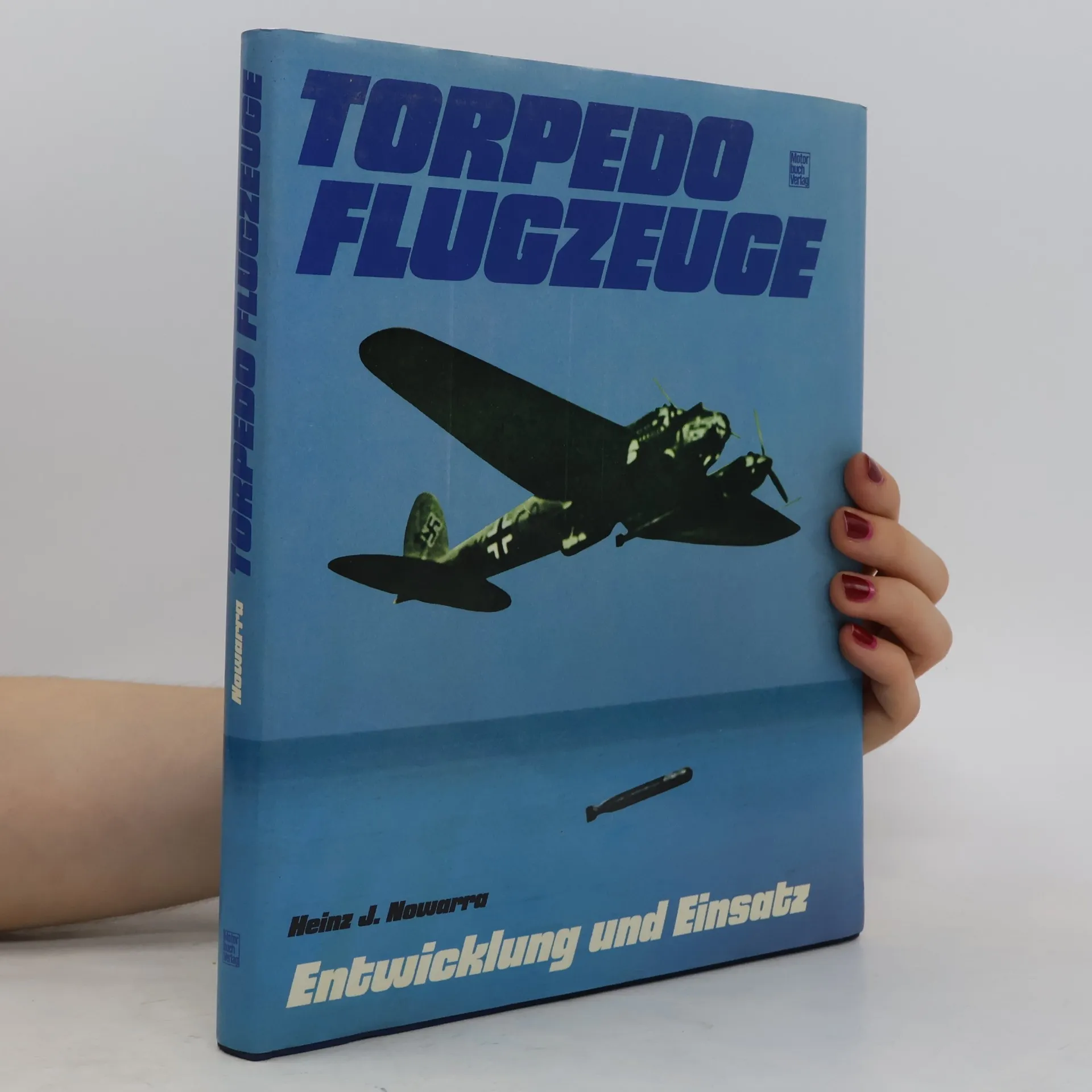
Beskriver udviklingen og anvendelsen af torpedobærende fly.
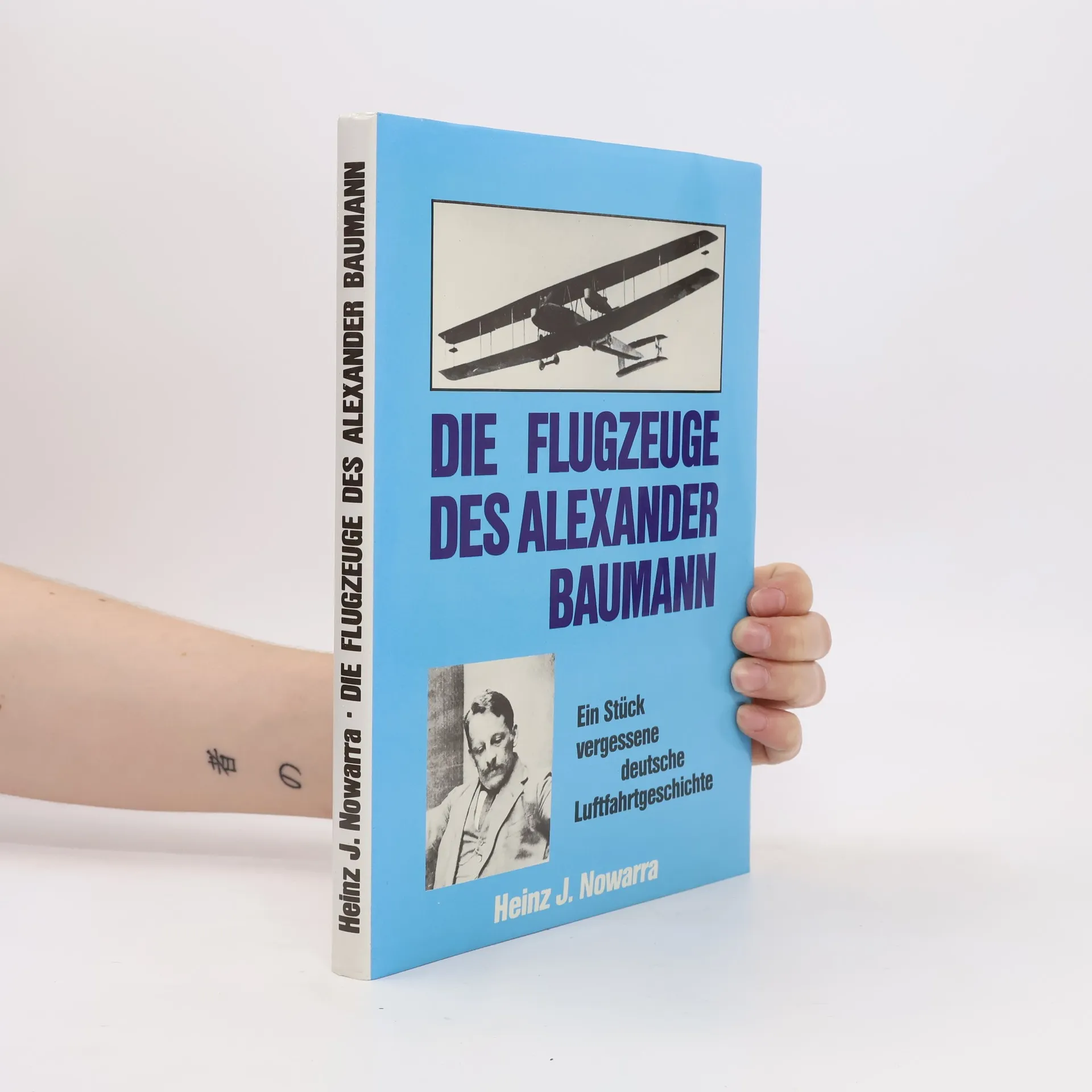
Ein Stück vergessene deutsche Luftfahrtgeschichte, Geïllustreerd / Illustrated / Illustré / Illustriert / / Aviation / Duits / German / Allemand / Deutsch / hard cover / dust jacket / 17 x 24 cm / 160 .pp /
First edition bound in yellow cloth, illustrated, oblong 4to. A Near Fine copy in like DJ. A few dust spots else Fine. German text.
German
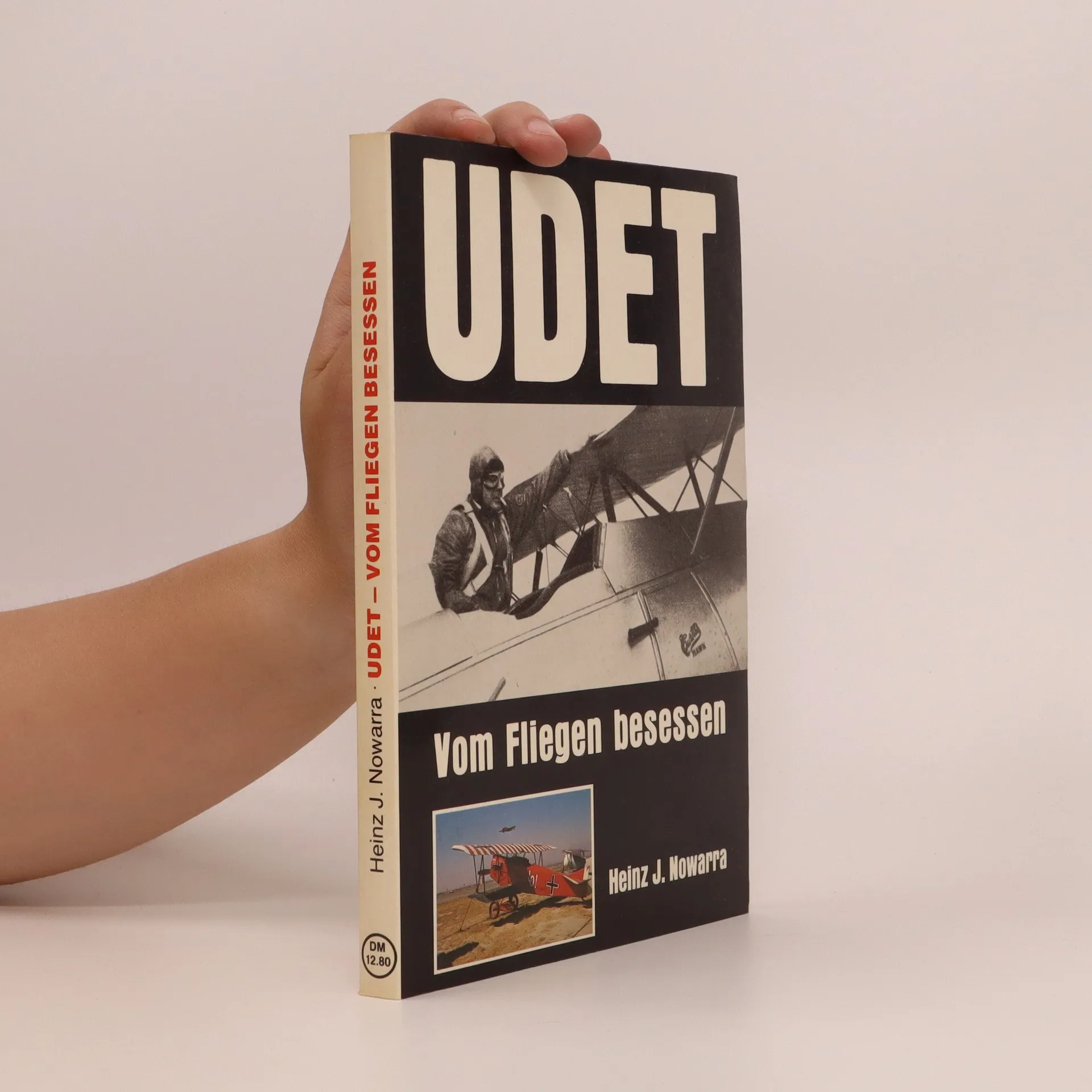
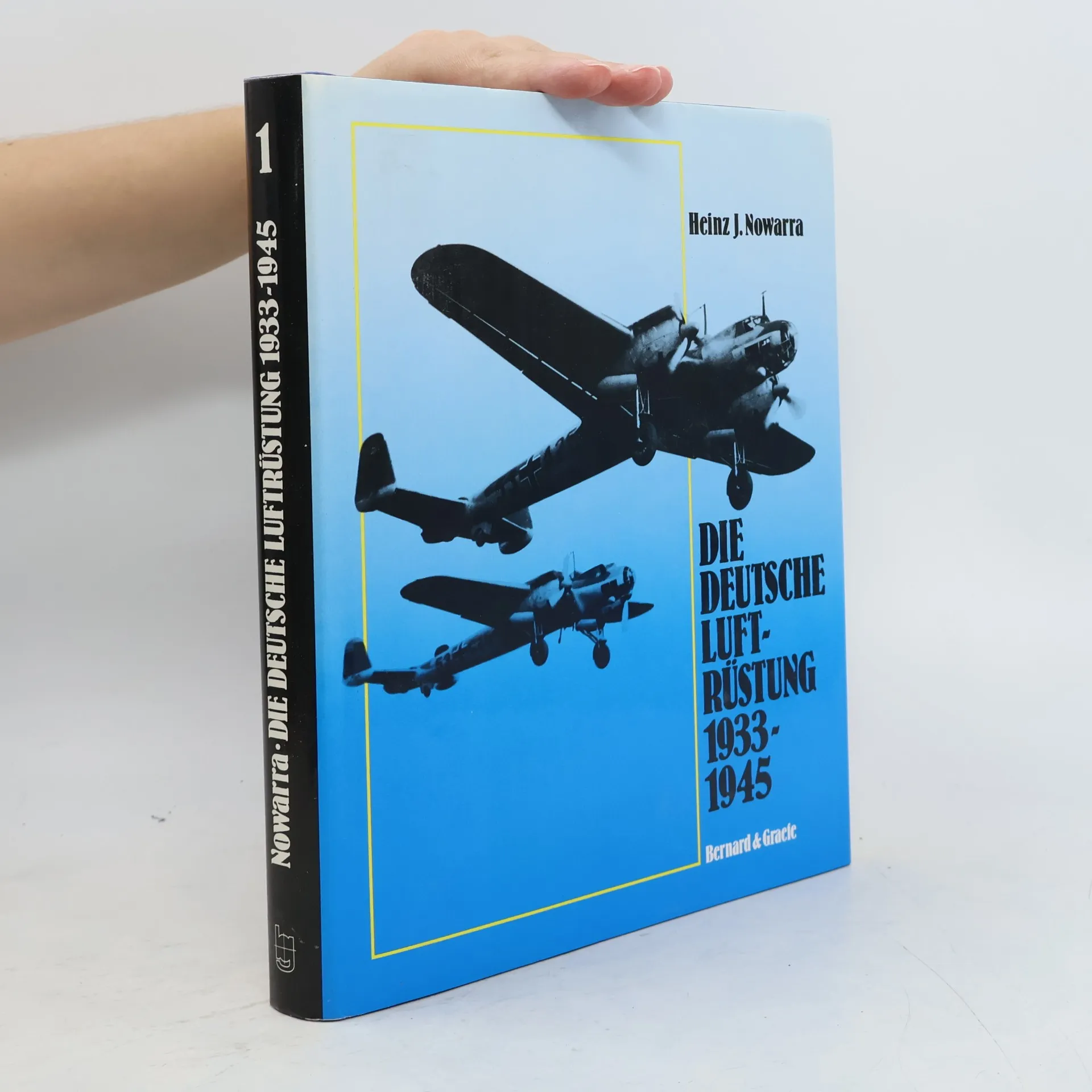
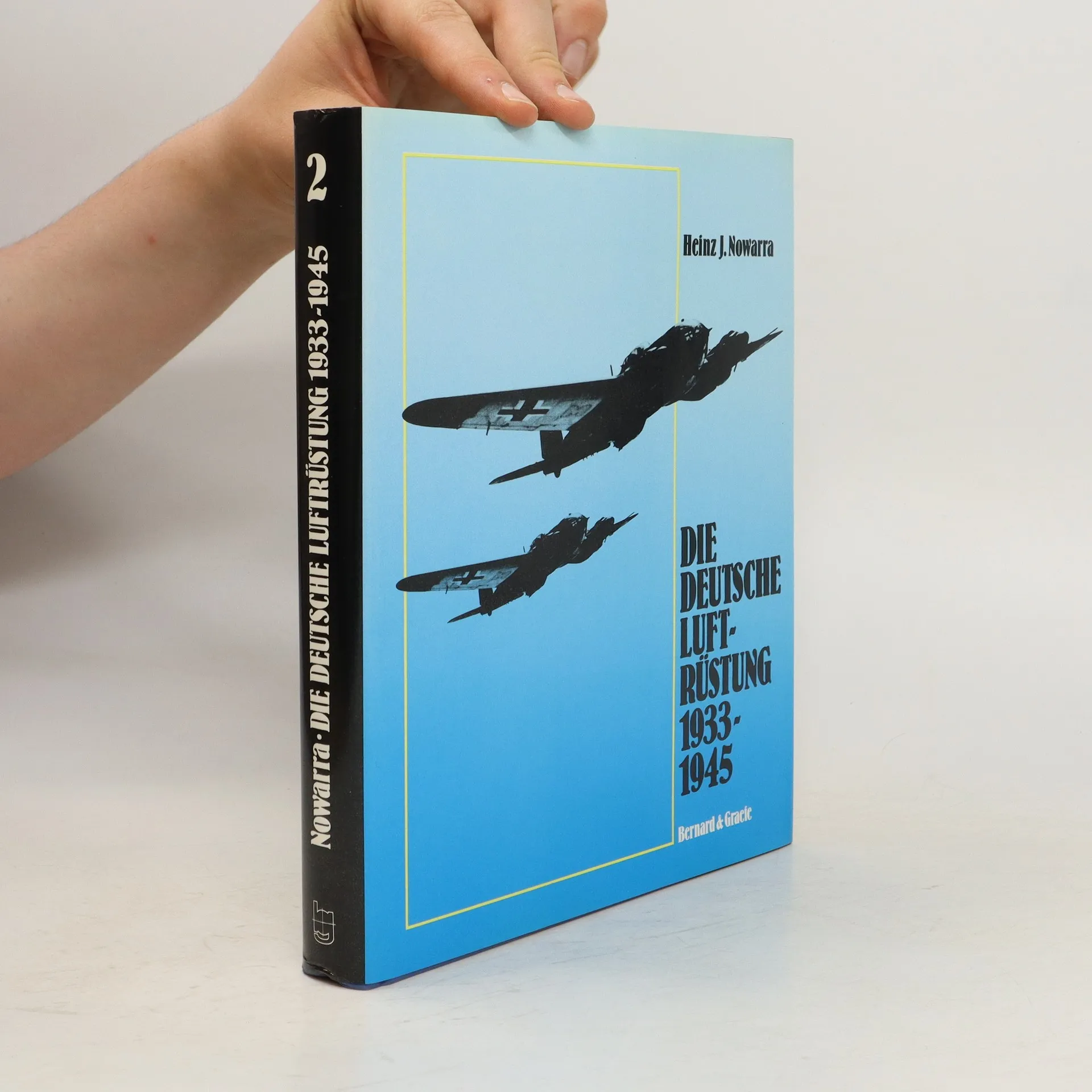

![Die JU 52[zweiundfünfzig]](https://rezised-images.knhbt.cz/1920x1920/90991469.webp)
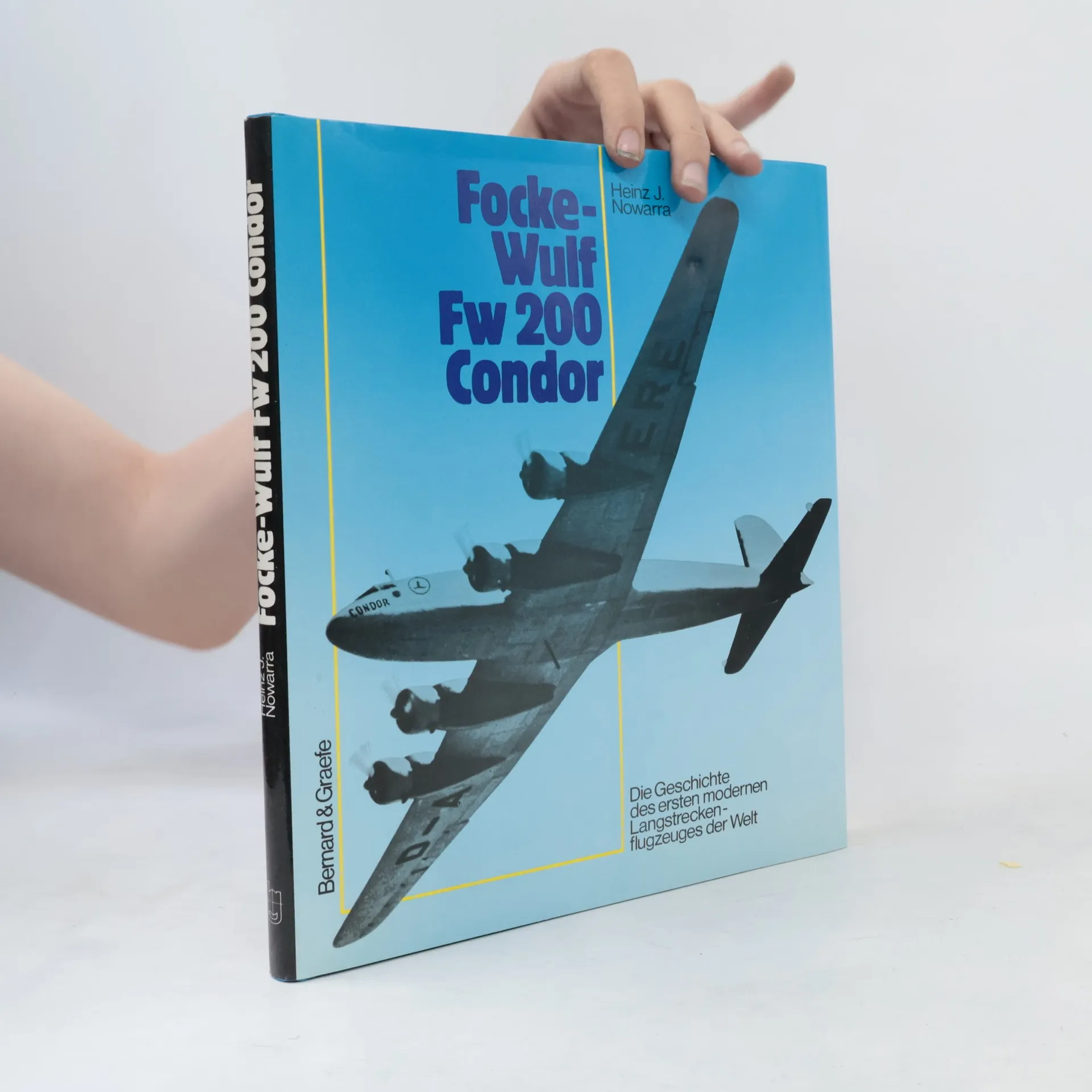
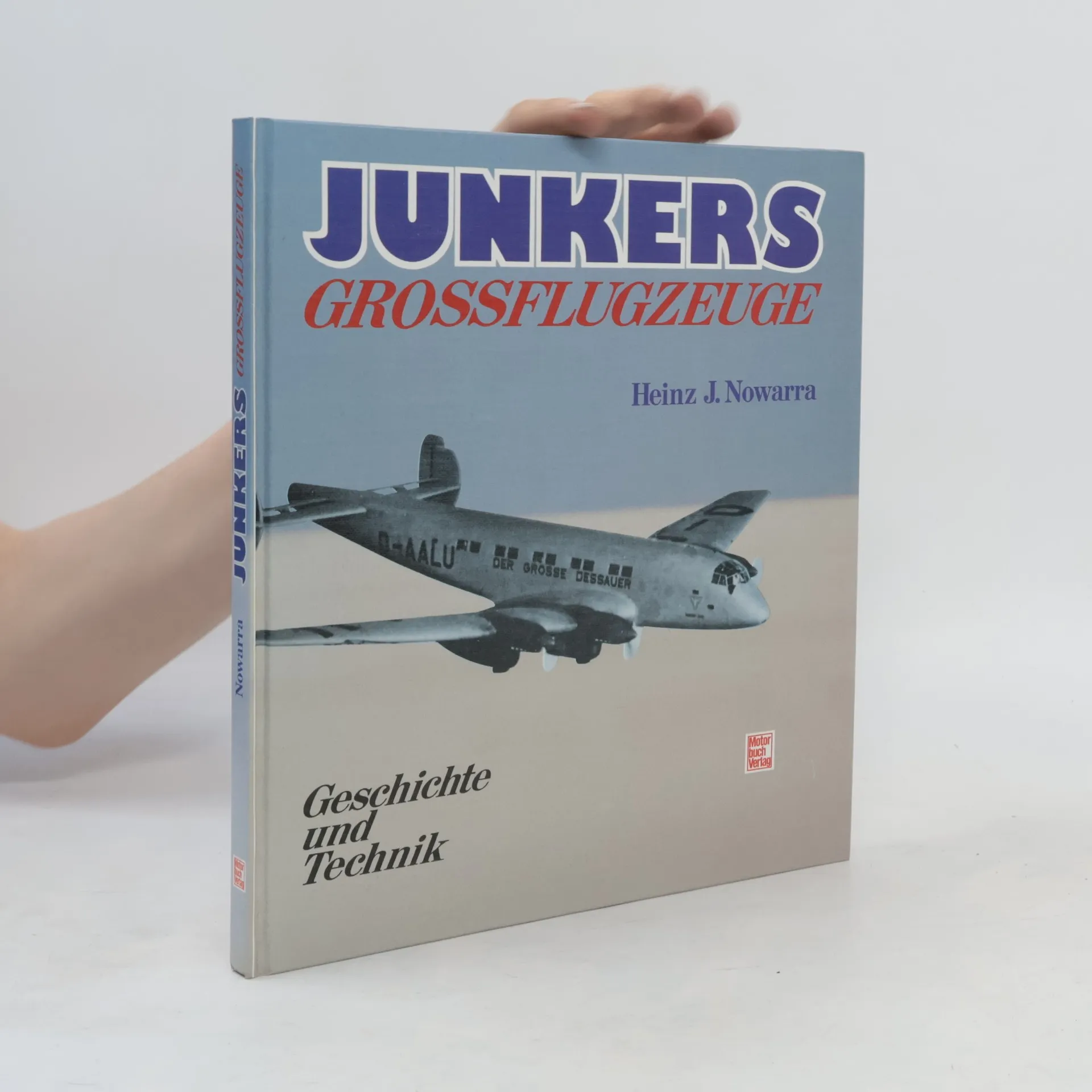
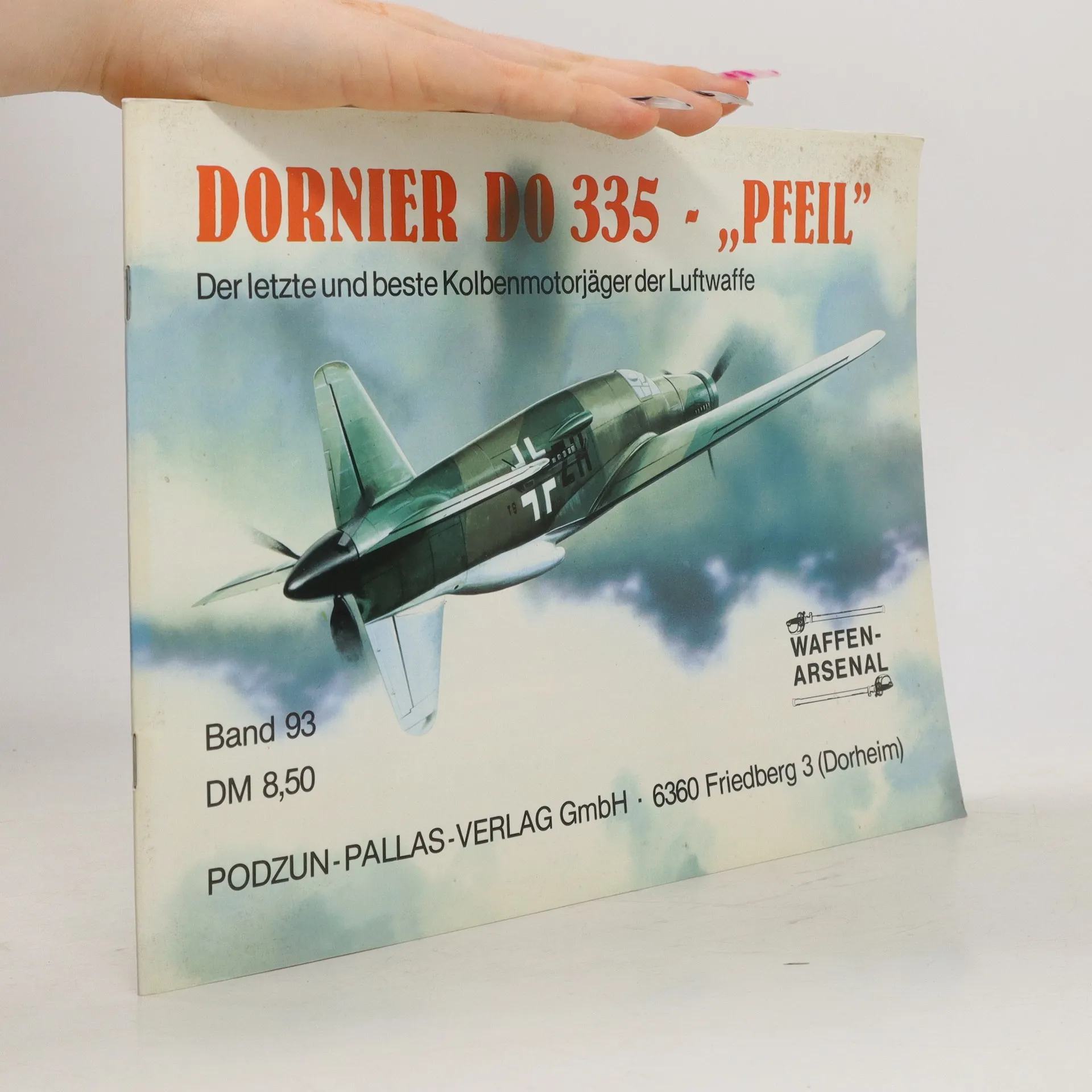
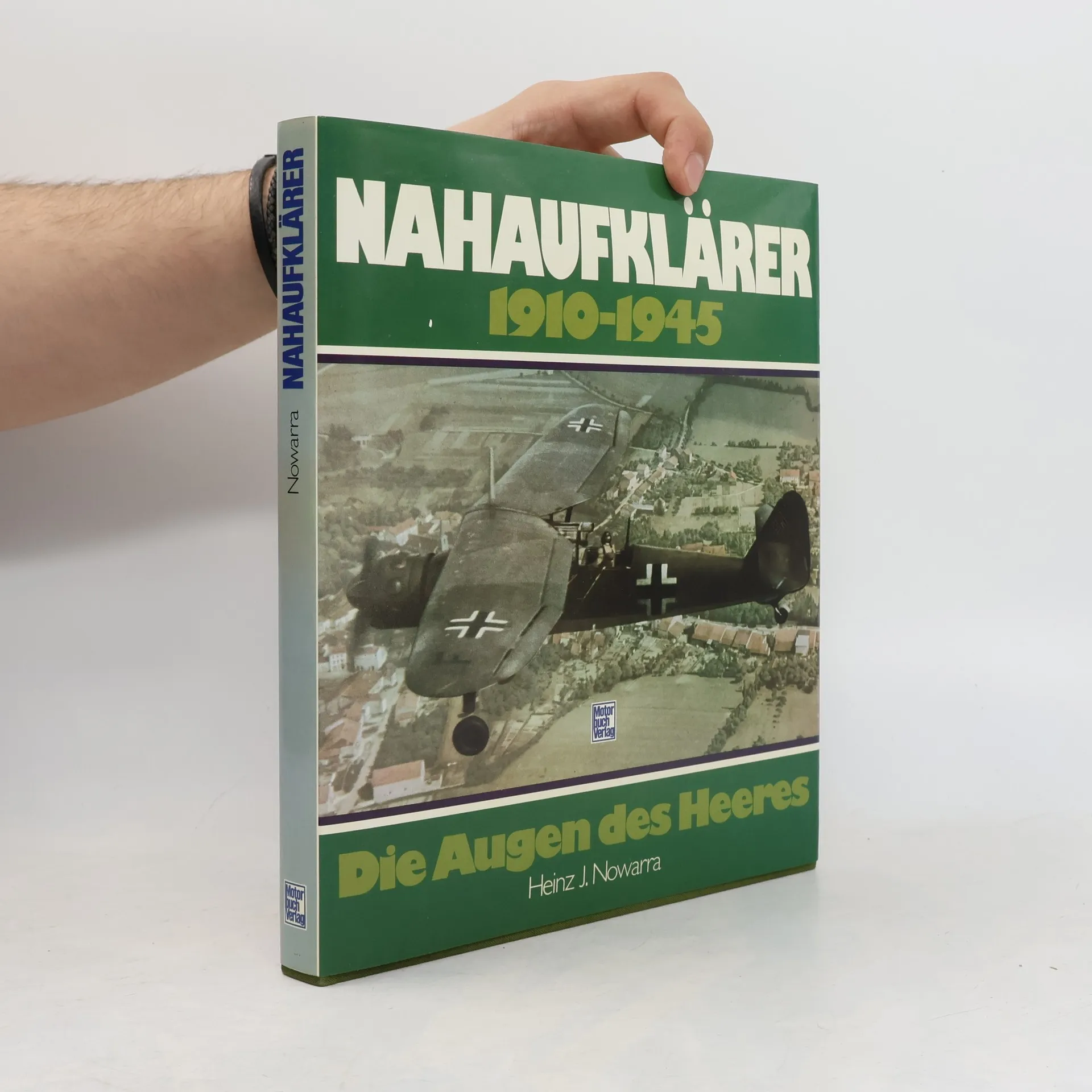
![Die 109 [Hundertneun]](https://rezised-images.knhbt.cz/1920x1920/88502531.webp)
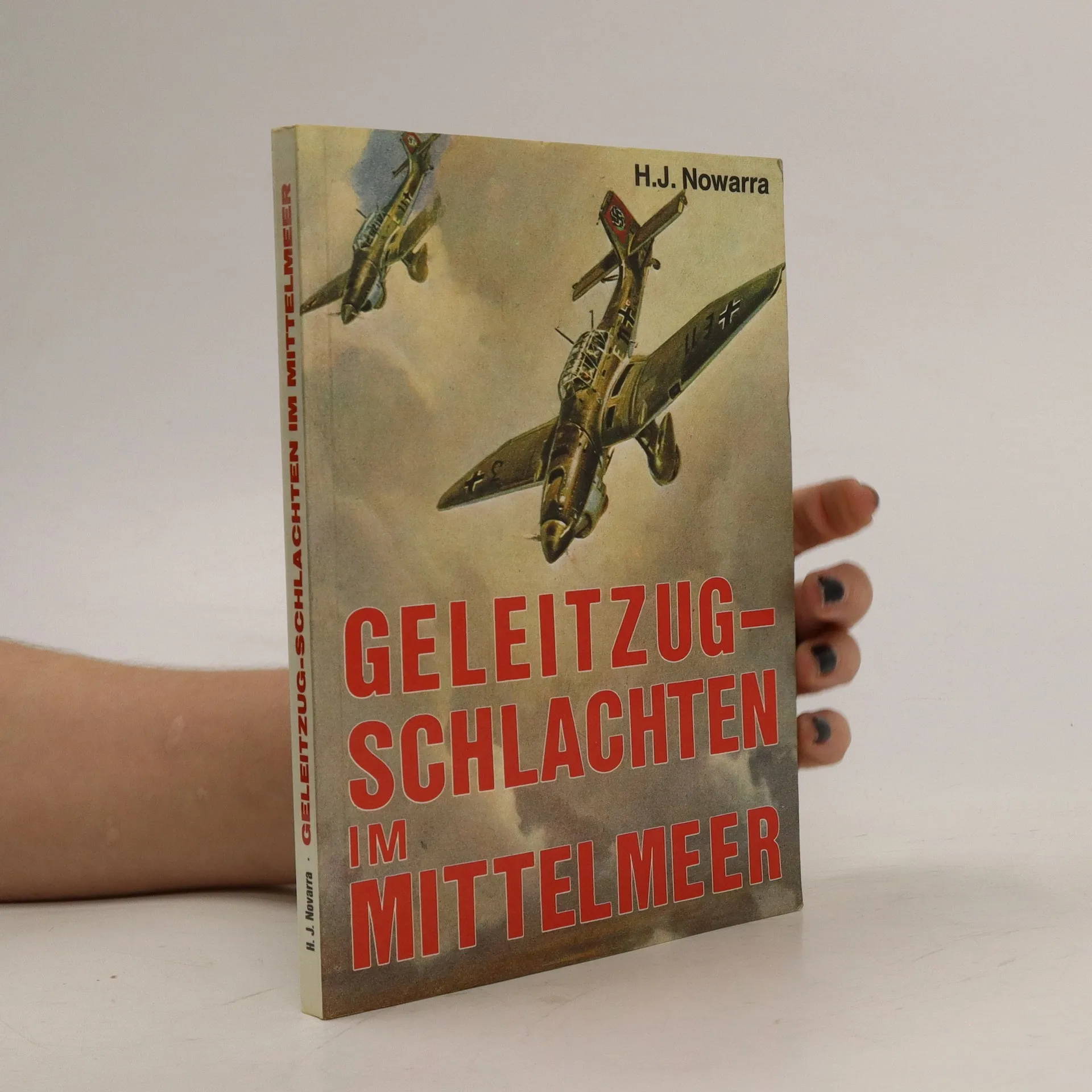

![Die Ju 88 [achtundachtzig] und ihre Folgemuster](https://rezised-images.knhbt.cz/1920x1920/83657416.webp)
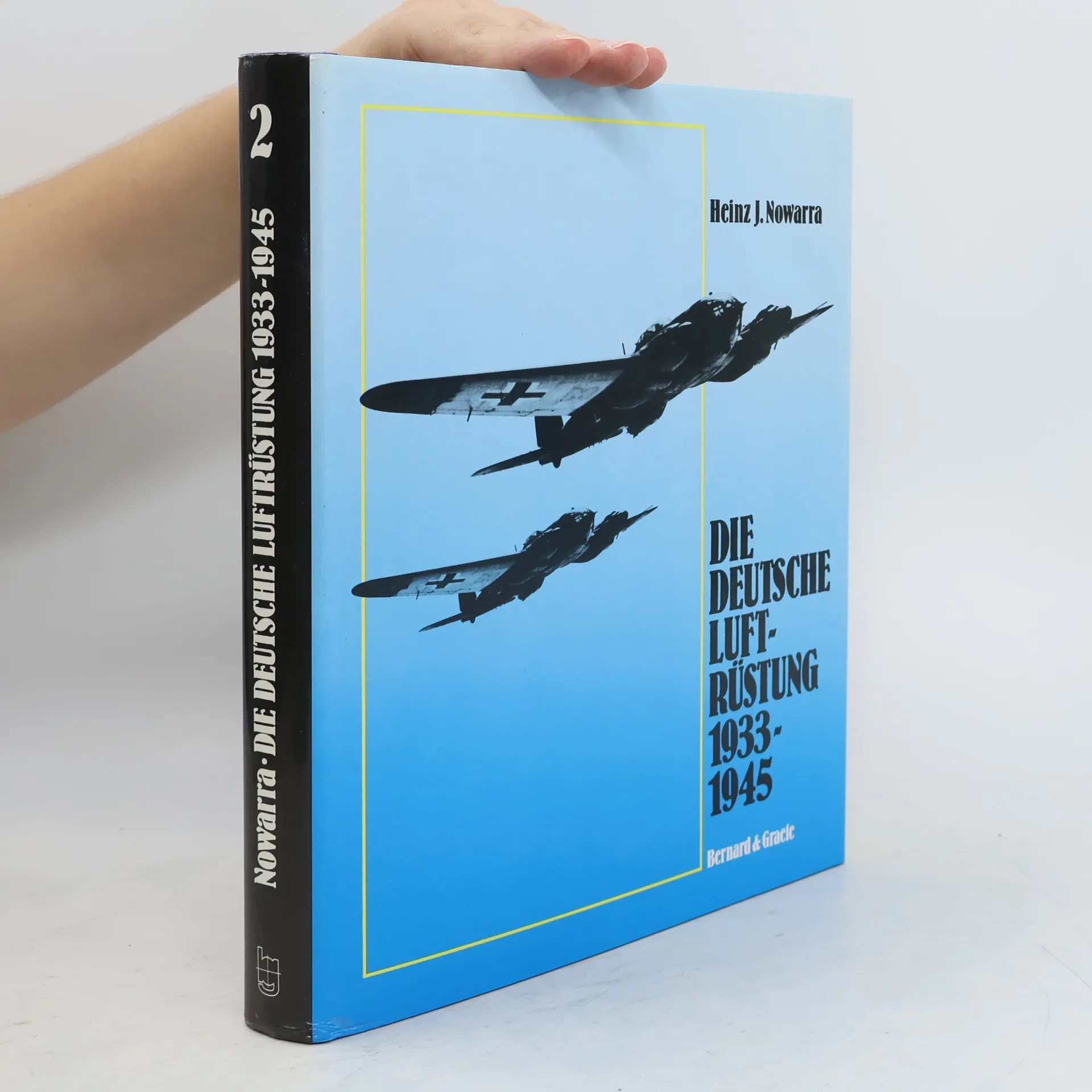
![Die He 111 [Hundertelf]](https://rezised-images.knhbt.cz/1920x1920/83657614.webp)