

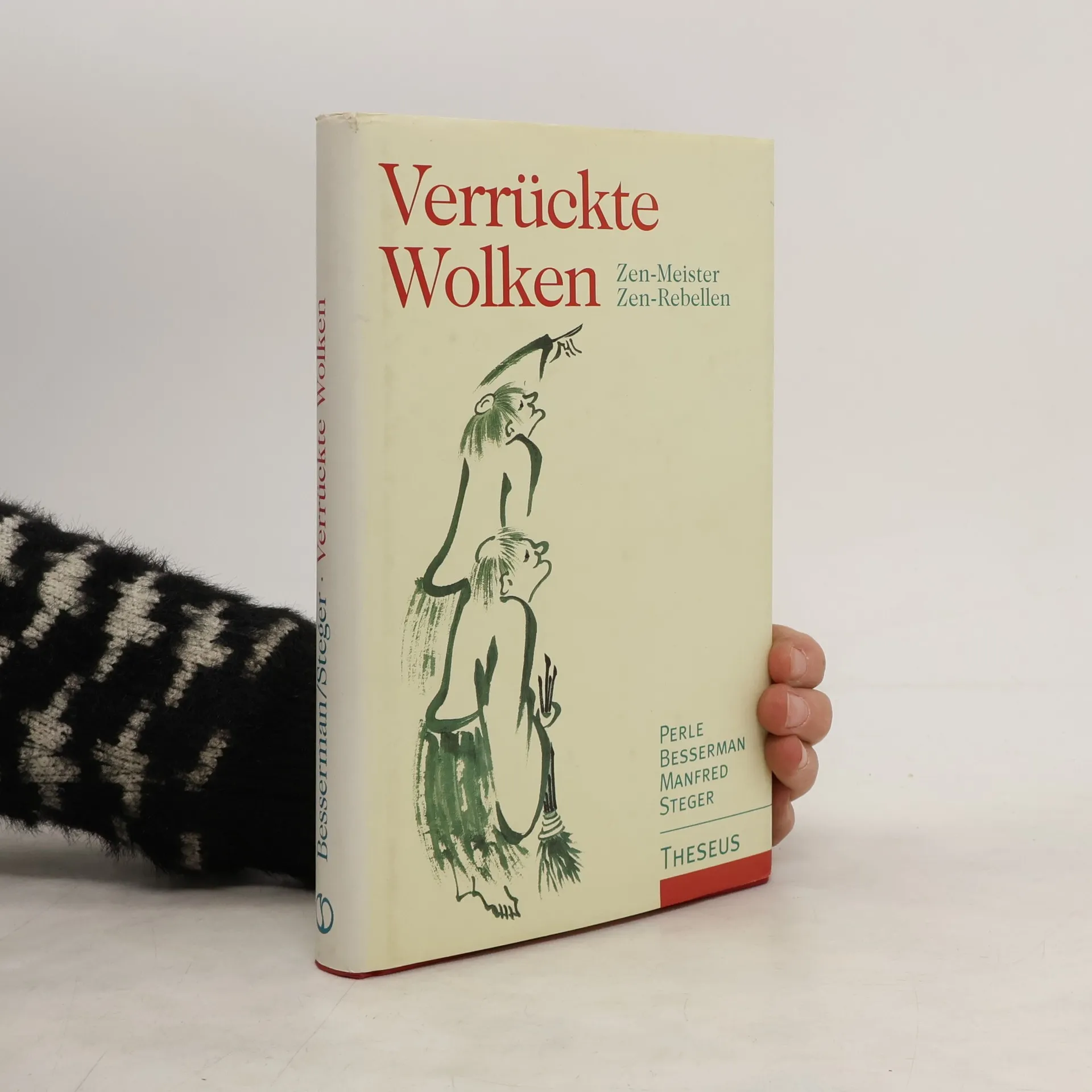
P’Chang attained the level of an enlightened Zen master in the 8th century, yet remained a layperson with a wife, daughter, and son. He inherited wealth from his father, which he lost in the Shao River. Together with his daughter, he traveled and sold bamboo instruments, while his wife and son worked as tenant farmers. P’Chang expressed his thoughts on the complexity and simplicity of existence, while his wife emphasized the ease of learning. He told his daughter Ling-čao that his reflections were neither easy nor difficult, and that he followed his basic needs. In his final years, he lived with his daughter in a cave, preparing for death. He asked her to tell him when the sun was at its zenith, and upon that moment, he discovered his daughter had died in his place. After seven days of mourning, he passed away in the presence of his friend Ju Ti, who recorded the stories of P’Chang and his family. Following the deaths of his daughter and son, Mrs. P’Chang retreated to the mountains as a hermit. P’Chang lived outside Confucian traditions, preferring to write poetry over preaching, leaving behind many koans and dialogues with Zen masters.
Manfred B. Steger Libros
La obra de Manfred B. Steger profundiza en la naturaleza de la globalización, la ideología y la no violencia. Su escritura se caracteriza por un análisis exhaustivo de los procesos globales y sus fundamentos ideológicos. Steger examina cómo se difunde la ideología de mercado y cómo influye en los acontecimientos mundiales, con el objetivo de comprender las fuerzas más profundas que dan forma a nuestra sociedad moderna. Su enfoque es riguroso pero accesible, invitando a los lectores a reflexionar sobre fenómenos sociales complejos.

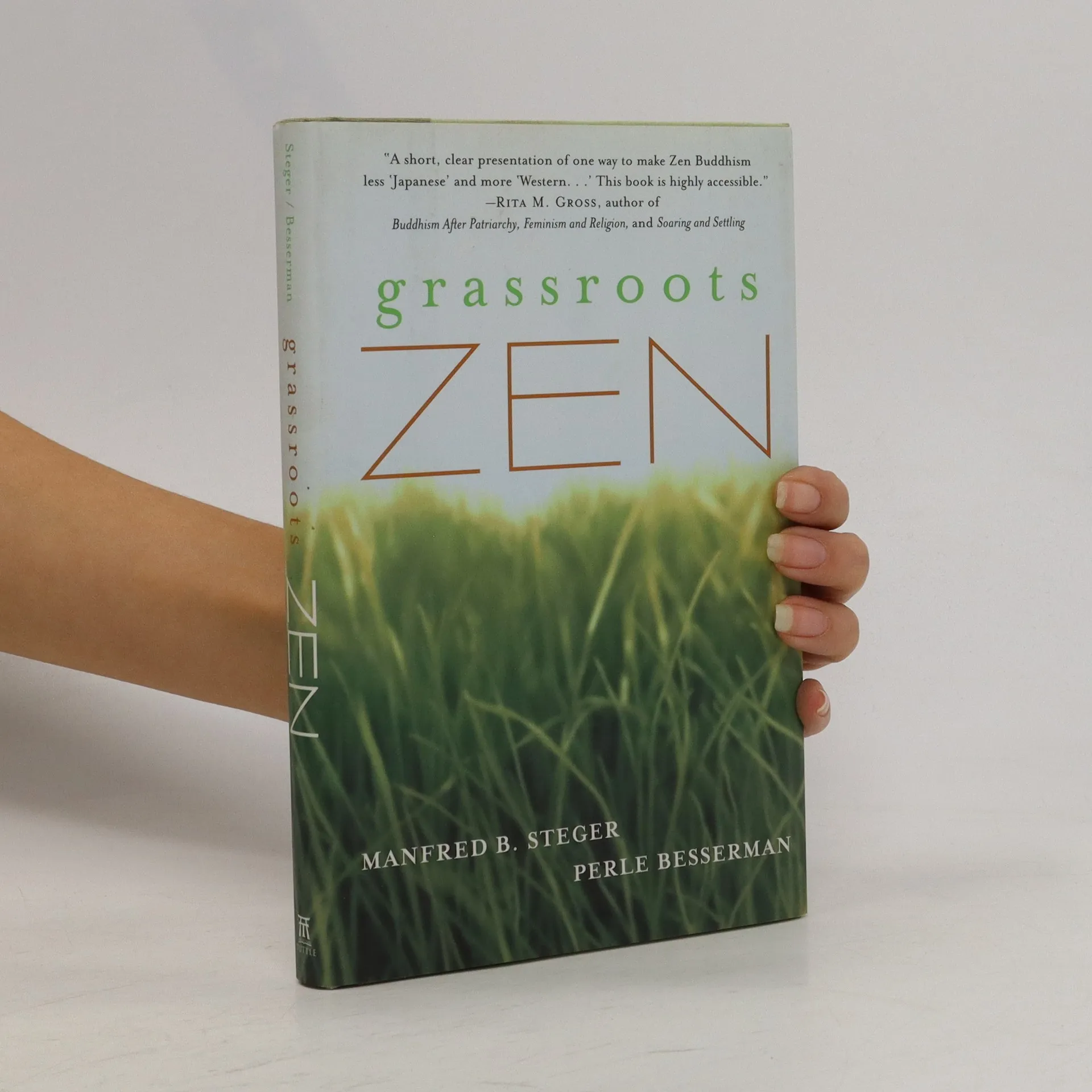
Grassroots Zen
- 176 páginas
- 7 horas de lectura
Many Zen Buddhist practitioners have come to question some of Japanese Zen's less democratic aspects -- from the strict, male-dominated hierarchies to the racial overtones. At the same time, modern American Buddhists often find it difficult to integrate zazen (seated Zen meditation) with lives of family, work, and social engagement. This book offers a fascinating guide to overcoming both these dilemmas. A study of how one Zen group returned to an ancient Chinese tradition of community meditation practice without a leader or hierarchy, this book also outlines an authentic, grassroots approach, urging people from all walks of life to come together in meditation and the study of dharma. Grassroots Zen focuses on the challenge of truly becoming one with the moment in our frantically paced society; of finding a space for the passing self; and of achieving balance between Zen practice and daily life, as well as individuality in community. A thoughtful and absorbing work, Grassroots Zen is an important book for those seeking a practice that is truly of the people, by the people, and for the people.
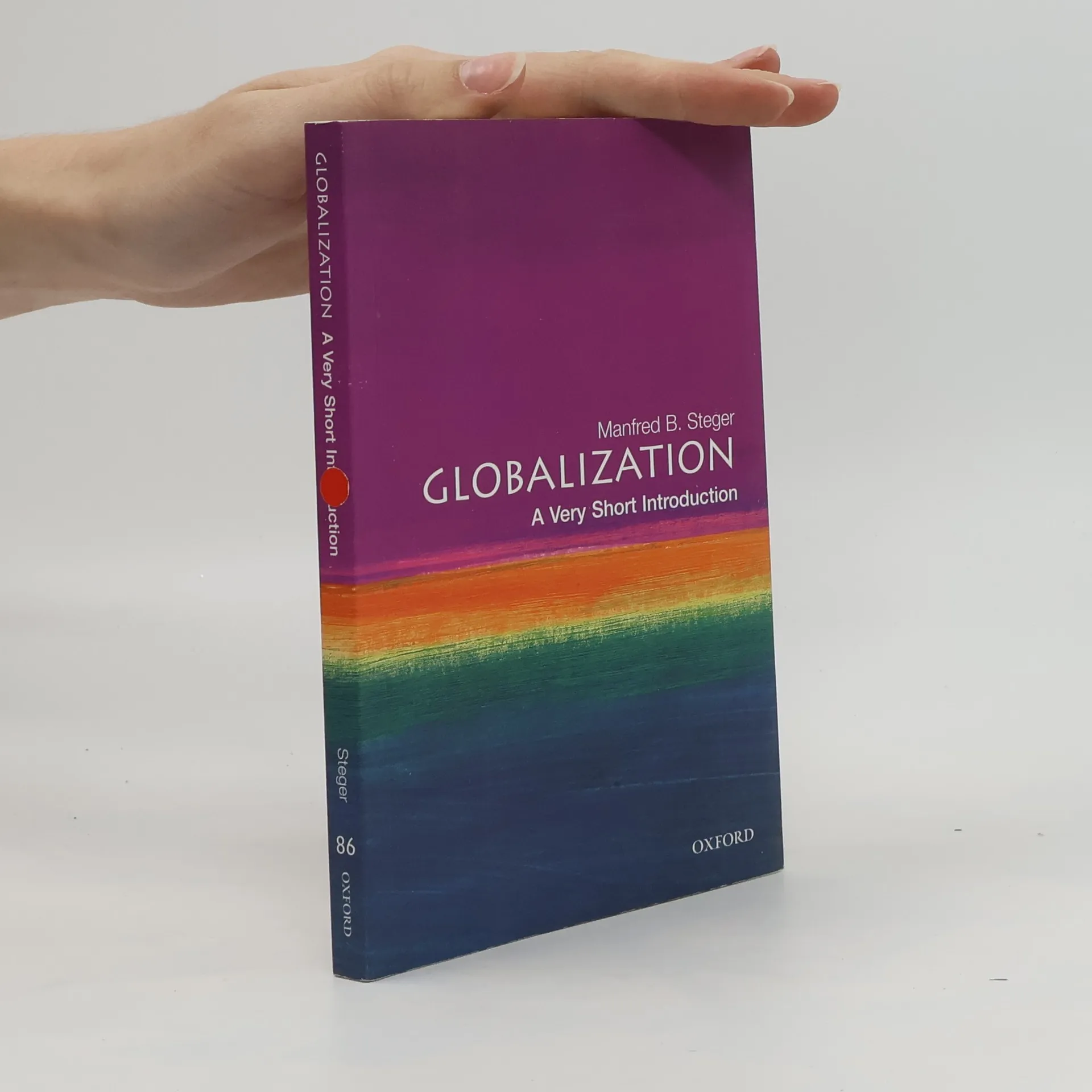
"Globalization" has become the buzz-word of our time. A growing number of scholars and political activists have invoked the term to describe a variety of changing economic, political, cultural, ideological, and environmental processes that are alleged to have accelerated in the last fewdecades. Rather than forcing such a complex social phenomenon into a single conceptual framework, Manfred Steger presents globalization in plain, readable English as a multifaceted process encompassing global, regional, and local aspects of social life. In addition to explaining the variousdimensions of globalization, the author explores whether globalization should be considered a "good" or "bad" thing--a question that has been hotly debated in classrooms, boardrooms, and on the streets.
Verrückte Wolken. Zen-Meister, Zen-Rebellen
- 255 páginas
- 9 horas de lectura