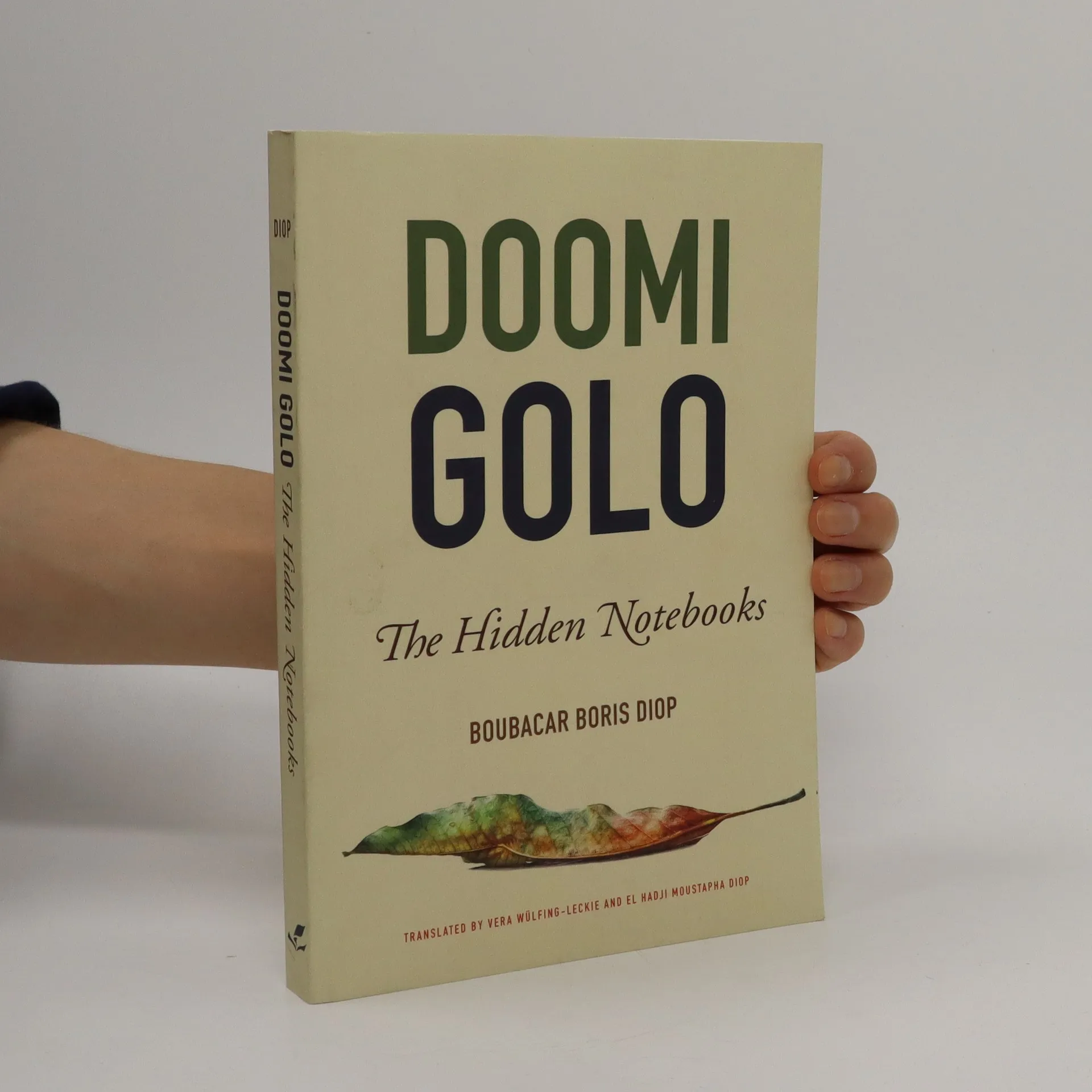
The first novel to be translated from Wolof to English, Doomi Golo is a masterful work that conveys the story of Nguirane Faye and his attempts to communicate with his grandson before he dies.
Der Roman von Boubacar Boris Diop versucht, Antworten auf den Genozid in Ruanda 1994 zu finden. In klarer, nüchterner Sprache werden zahlreiche Fragen durch verschiedene Perspektiven und Schicksale aufgeworfen. Der Text schildert den mörderischen Wahnsinn des Menschen und das Grauen des Geschehens. Die Erzählung entfaltet sich durch die Lebensgeschichten von Cornelius, der nach Jahren im Exil in seine Heimat Murambi zurückkehrt und mit dem Ausmaß des Verbrechens, auch dem seines Vaters, konfrontiert wird, und Jessica, die in Ruanda geblieben ist und den Völkermord erlebt hat. Um einen esoterischen Dualismus zu vermeiden, lässt Diop viele andere Stimmen zu Wort kommen: einfache Bürger, grausame Mörder, entsetzte Zeugen und Ausgelieferte. Durch dieses Kompositions- und Erzählverfahren verdeutlicht der Autor, dass die Wahrheit nicht einfach zu finden ist; sie muss mühsam im Chaos des verunstalteten Lebens aufgesammelt werden. Das Werk richtet sich direkt an unser Bewusstsein und regt zum Nachdenken an, insbesondere über die Vergänglichkeit der Existenz, die mit einem Rosenkranz aus Blasen verglichen wird, die in uns platzen. Letztlich bleibt uns nichts außer dem Leben selbst.