
All the Little Live Things
- 345 páginas
- 13 horas de lectura
Scarred by the senseless death of their son and baffled by the engulfing chaos of the 1960s, Allston and his wife, Ruth, have left the coast for a California retreat.
Wallace Stegner fue un historiador y novelista estadounidense, a menudo aclamado como "El Decano de los Escritores del Oeste". Su obra explora profundamente el paisaje y la cultura del Oeste estadounidense, centrándose en la intrincada relación entre la humanidad y el mundo natural. La prosa de Stegner es reconocida por su meticuloso detalle y sus líricas representaciones de la naturaleza salvaje, abogando por la preservación del medio ambiente. Sus escritos ofrecen profundas perspectivas sobre los desafíos y la belleza del entorno occidental.


Scarred by the senseless death of their son and baffled by the engulfing chaos of the 1960s, Allston and his wife, Ruth, have left the coast for a California retreat.
Bo Mason, his wife, Elsa, and their two boys live a transient life of poverty and despair. Drifing from town to town and from state to state, the violent, ruthless Bo seeks outhis fortune--in the hotel business, on new farmland, and, eventually, in illegal rum-running through the threacherous back roads of the American Northwest. Bo chases after the promise of the American dream through Minnesota, the Dakotas, Saskatchewan, Montana, Utah and Nevada, but ultimately there is no escaping the devastating reach of the Depression and his own ruinous fate. In this affecting narrative, a defining masterpiece by the "dean of Western writers" (The New York Times), Wallace Stegner portrays more than three decades in the life of the Mason family as they struggle to survivle during the lean years of the early twentieth century. With an introduction by Robert Stone.
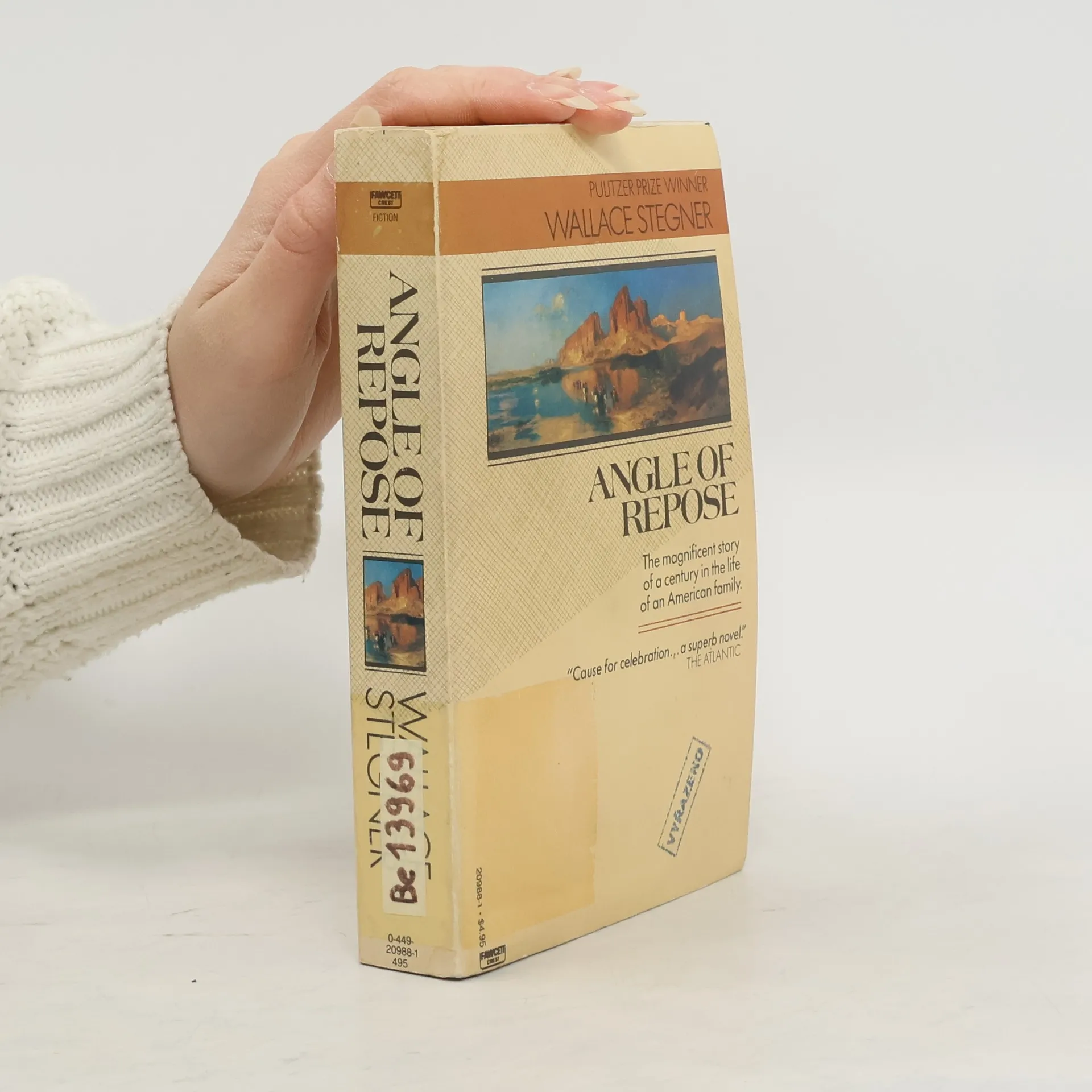
Wallace Stegner's Pultizer Prize-winning novel is a story of discovery—personal, historical, and geographical. Confined to a wheelchair, retired historian Lyman Ward sets out to write his grandparents' remarkable story, chronicling their days spent carving civilization into the surface of America's western frontier. But his research reveals even more about his own life than he's willing to admit. What emerges is an enthralling portrait of four generations in the life of an American family.
This tour-de-force of American literature and a winner of the National Book Award is a profound, intimate, affecting novel from one of the most esteemed literary minds of the last century and a beloved chronicler of the West. Joe Allston is a cantankerous, retired literary agent who is, in his own words, "just killing time until time gets around to killing me". His parents and his only son are long dead, leaving him with neither ancestors nor descendants, tradition nor ties. His job, trafficking the talent of others, has not been his choice. He has passed through life as a spectator, before retreating to the woods of California in the 1970s with only his wife, Ruth, by his side. When an unexpected postcard from a long-lost friend arrives, Allston returns to the journals of a trip he has taken years before, a journey to his mother's birthplace where he once sought a link with his past. Uncovering this history floods Allston with memories, both grotesque and poignant, and finally vindicates him of his past and lays bare that Joe Allston has never been quite spectator enough.
When two young couples meet for the first time during the Great Depression, they quickly find they have much in common: Charity Lang and Sally Morgan are both pregnant, while their husbands Sid and Larry both have jobs in the English department at the University of Wisconsin.
Focusing on the craft of fiction, this collection features eight essays by Wallace Stegner, including four previously unpublished works. He explores diverse topics such as the writer's vision, audience engagement, symbolism, and the creative process. With insights aimed at both aspiring writers and those interested in the cultural significance of fiction, the essays reflect Stegner's expertise from his tenure at the Stanford Writing Program, influencing notable literary figures.
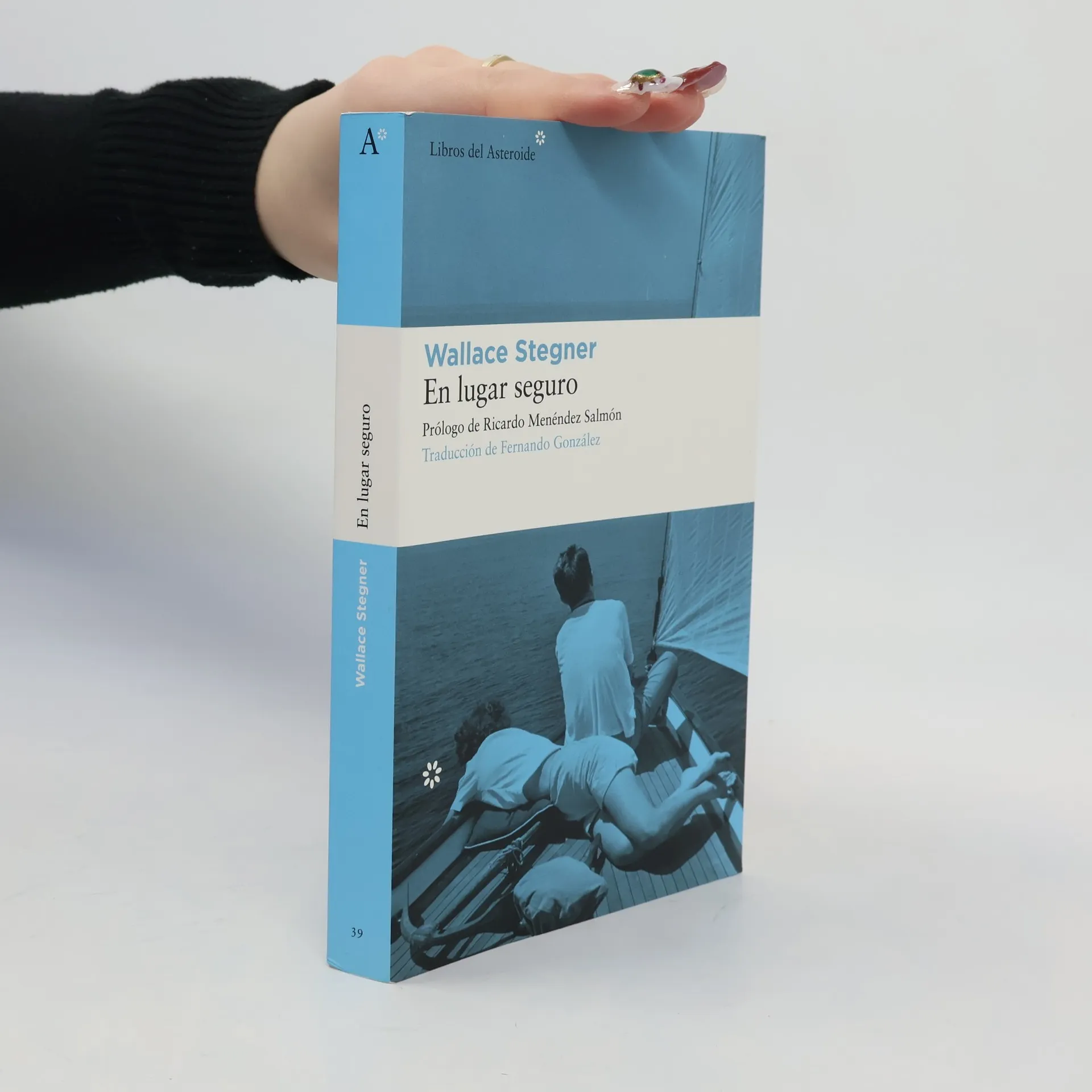
Crossing to Safety has, since its publication in 1987, established itself as one of the greatest and most cherished American novels of the twentieth century. Tracing the lives, loves, and aspirations of two couples who move between Vermont and Wisconsin, it is a work of quiet majesty, deep compassion, and powerful insight into the alchemy of friendship and marriage.
Wallace Stegner weaves together fiction and nonfiction, history and impressions, childhood remembrance and adult reflections in this unusual portrait of his boyhood. Set in Cypress Hills in southern Saskatchewan, where Stegner's family homesteaded from 1914 to 1920, Wolf Willow: A History, a Story & a Memory of the Last Plains Frontier brings to life both the pioneer community and the magnificent landscape that surrounds it. This Twentieth-Century Classics edition includes a new introductory essay by Page Stegner.
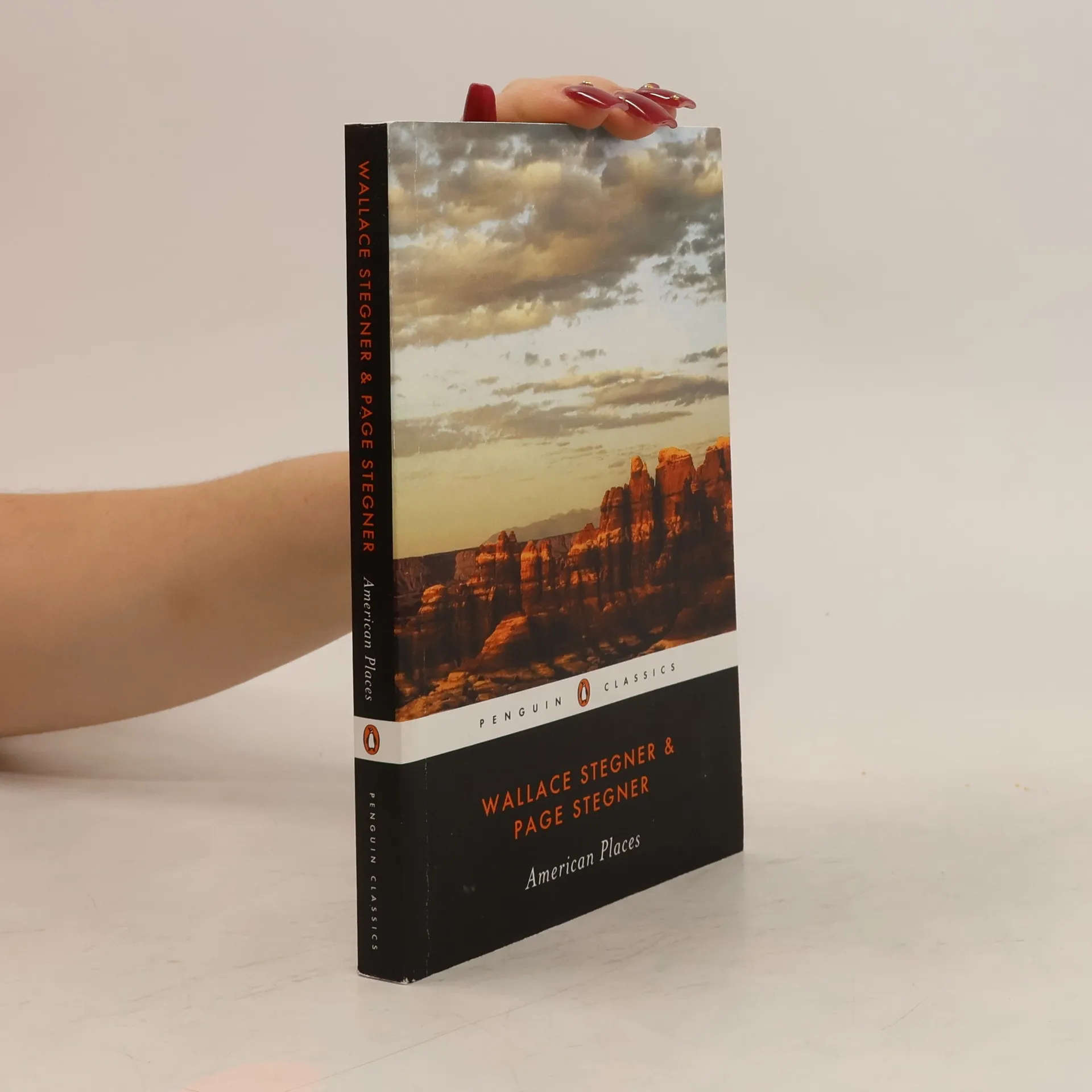
A book about America by one of the greatest writers of the American West"This book is an attempt, by sampling, to say something about how the American people and the American land have interacted, how they have shaped one another; what patterns of life, with what chances of continuity, have arisen out of the confrontations between an unformed society and a virgin continent. Perhaps it is less a book about the American land than some ruminationsabout the making of America. . . . We are the unfinished product of a long becoming."—from American PlacesFor more than seventy years, Penguin has been the leading publisher of classic literature in the English-speaking world. With more than 1,700 titles, Penguin Classics represents a global bookshelf of the best works throughout history and across genres and disciplines. Readers trust the series to provide authoritative texts enhanced by introductions and notes by distinguished scholars and contemporary authors, as well as up-to-date translations by award-winning translators.