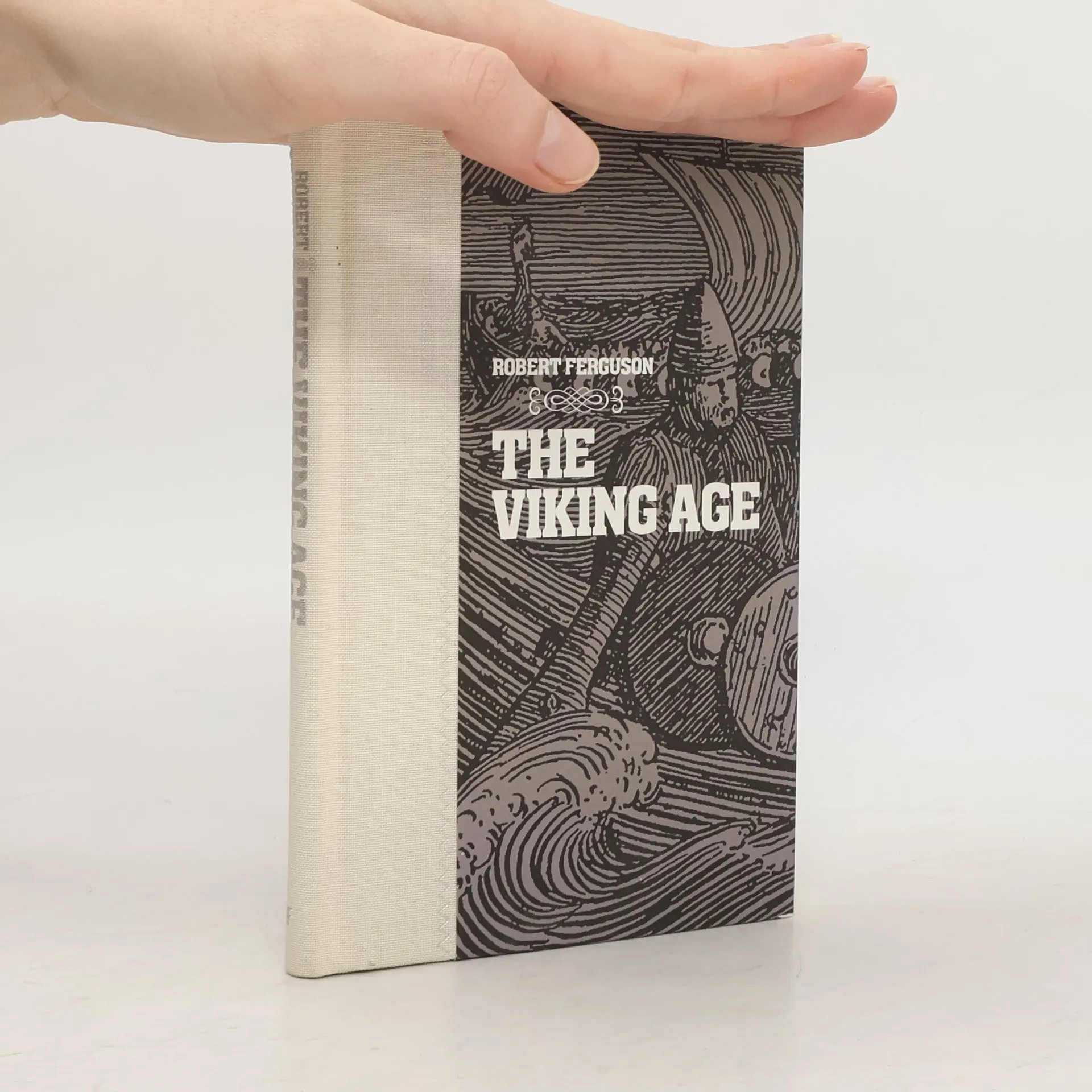
The Viking Age
- 90 páginas
- 4 horas de lectura



**From the global crime sensation comes a NEW gritty standalone thriller** Nesbo deserves to be crowned the king of all crime thriller writers' Sunday Express This killer has a story. When a small-time crook is shot down in the streets of Minneapolis, all signs point to a lone wolf, a sniper who has vanished into thin air. To tell it, he needs to get caught. When the shooter strikes again, it's maverick detective Bob Oz they call in to crack the case. They don't think this victim will be the last. And this wolf wants the world to know... As the body count rises, Oz suspects something even more sinister is at play. And the closer he gets to the truth, the more disturbed he becomes. Because this serial killer reminds him of someone dangerous: himself. He's only just getting started. Wolf Hour is a gritty standalone thriller packed with unexpected twists, dark secrets and bubbling personal and political tension, from the king of the cliffhanger.
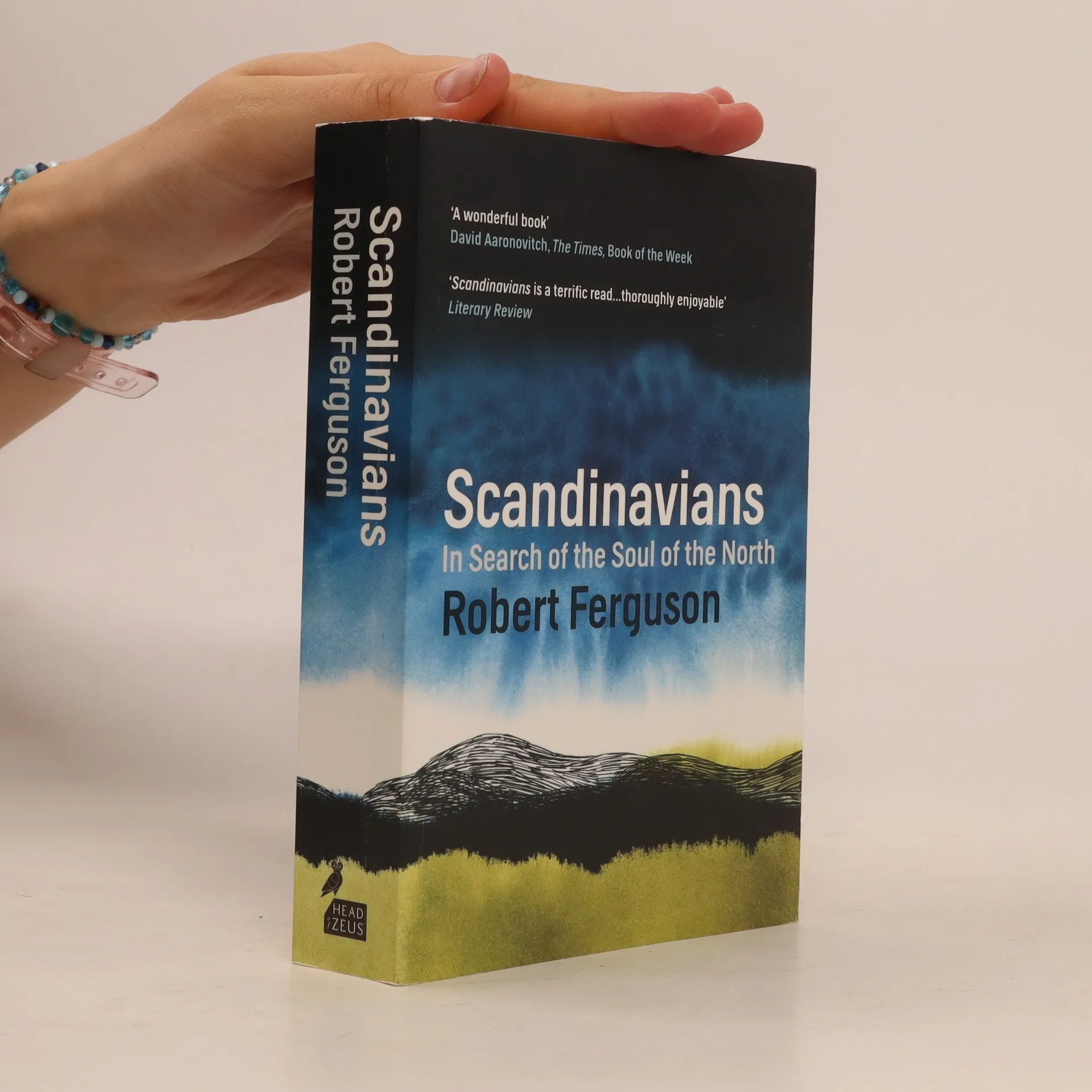
The Scandinavians are regarded as Europe's most tolerant and peace-loving people. So how was it that one of the worst acts of political terror ever witnessed on this continent was committed by a Norwegian - against his fellow countrymen? Scandinavia is the epitome of cool: we fill our homes with cheap but stylish Nordic furniture; we envy their health-giving outdoor lifestyle; we glut ourselves on their crime fiction; even their strangely attractive melancholia seems to express a stoic, common-sensical acceptance of life's many vicissitudes. But how valid is this outsider's view of Scandinavia, and how accurate our picture of life in Scandinavia today? Robert Ferguson digs down through two millennia of history to tell stories of extraordinary events, people and objects - from Norwegian Death Metal to Vidkun Quisling, from Agnetha F�ltskog to Greta Garbo, from Lurpak butter to the Old Norse rune stones - that richly illuminate our understanding of modern Scandinavia, its society, politics, culture and temperament.
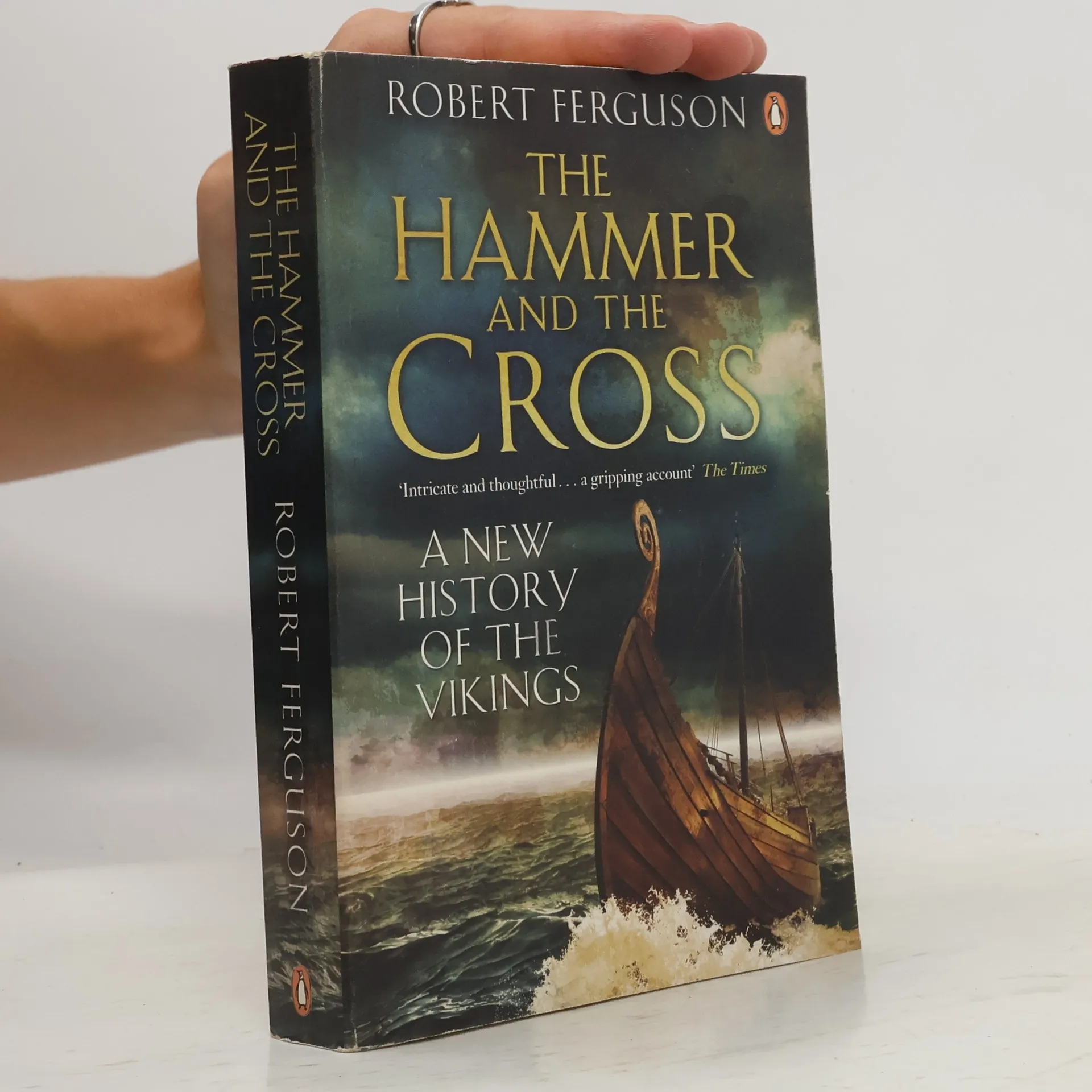
For those living outside Scandinavia, the Viking Age effectively began in 793 with an attack on the monastery at Lindisfarne. The attack on Lindisfarne was a characteristically violent harbinger of what was in store for Britain and much of Europe from the Vikings for the next 300 years, until the final destruction of the heathen temple to the Norse gods at Uppsala around 1090. Robert Ferguson is a sure guide across what he calls �the treacherous marches which divide legend from fact in Viking Age history�. His long familiarity with the literary culture of Scandinavia � the eddas, the poetry of the skalds and the sagas � is combined with the latest archaeological discoveries and the evidence of picture-stones, runes, ships and objects scattered all over northern Europe, to make the most convincing modern portrait of the Viking Age in any language. The Hammer and the Cross ranges from Scandinavia itself to Kievan Rus and Byzantium in the east, to Iceland, Greenland and the north American settlements in the west. Beyond its geographical boundaries the book takes us on a journey to a misty region inhabited by Hallfred the Troublesome Poet, Harald Bluetooth, Ragnar Hairy-Breeches, Ivar the Boneless and Eyvind the Plagiarist, in which literature, history and myth dissolve into one another.
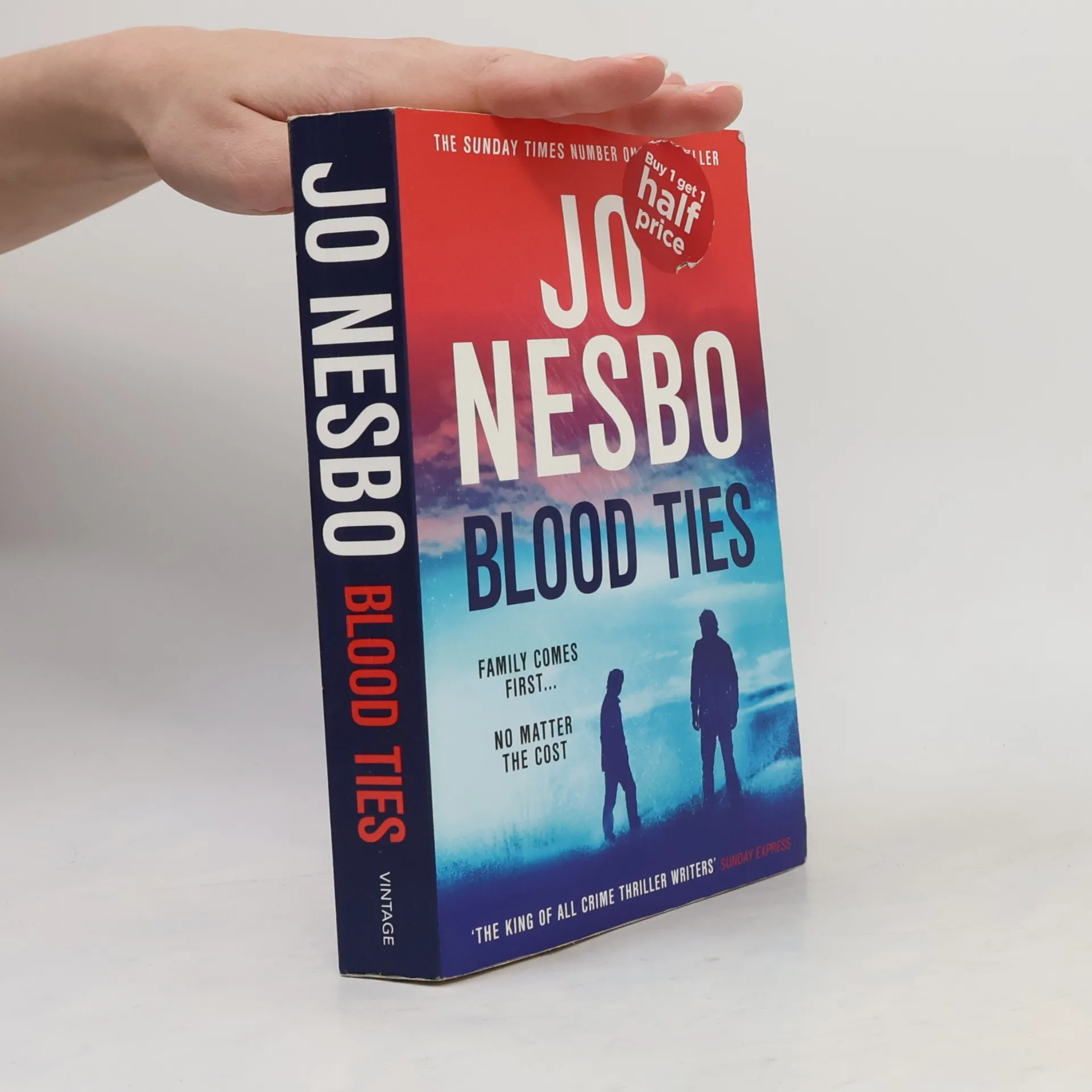
FAMILY COMES FIRST. NO MATTER THE COST. 'A 100% buy-today-read-tonight delight' LEE CHILD Nesbo deserves to be crowned the king of all crime thriller writers' Sunday Express 'Nesbo deploys all the key ingredients of a cracking good thriller... effortless' Guardian 'Bracingly and bleakly funny' Telegraph Brothers Carl and Roy Opgard have succeeded in life. Or at least they've had as much success as is possible in a small town like Os, where they've killed their way to the top. Carl manages the swanky spa hotel, while Roy has made ambitious plans for an amusement park. Life's good at the top. But the local sheriff is looking to bring them down. Sheriff Kurt Olsen believes he has new evidence that will prove the brothers' involvement in several past murders - but Carl and Roy are used to covering their tracks, and they're not afraid to get their hands dirty. The body count in Os is about to get even higher. Blood Ties is an explosive suspense novel about family, loyalty, and the lengths someone is willing to go to for both, from crime writing's king of the cliffhanger. [Jo Nesbo, Number 1 Sunday Times bestseller, January 2024]
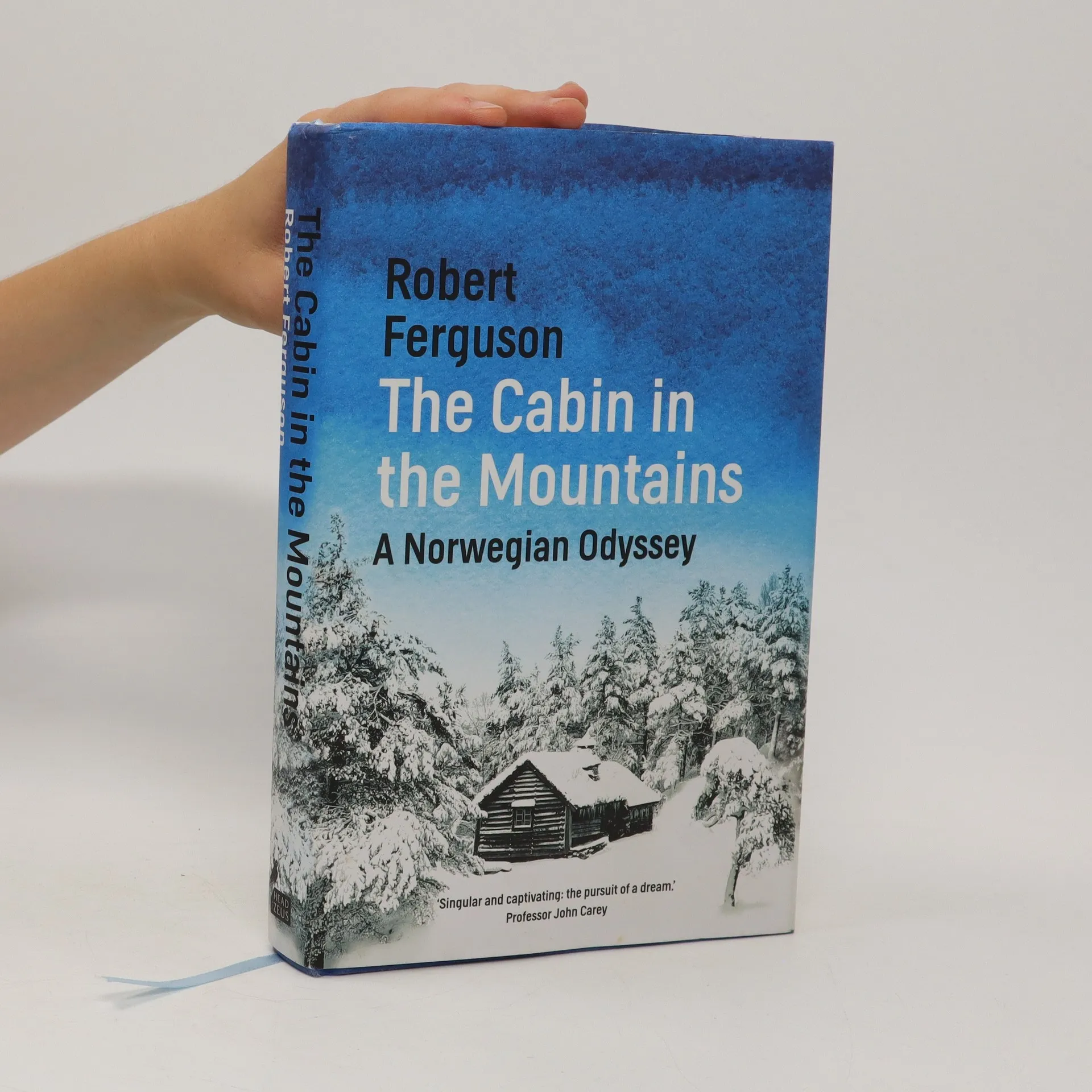
The wooden holiday cabin, or hytte, is a vital aspect of Norwegian life. Robert Ferguson explores its history and significance as a national icon. Characterized by turf roofs and wooden structures, these cabins offer fresh air, tranquility, and the allure of outdoor activities like wood-chopping and hiking in stunning landscapes. In 2016, Ferguson and his wife purchased land in Hardangervidda, where they built their own hytte, fulfilling a dream that had drawn him to Norway from England over thirty years ago. As the cabin takes shape, Ferguson engages in conversations with friends and builders, uncovering the cultural history of modern Norway. He observes the evolving traditions associated with these cabins as Norwegians balance newfound urban wealth with their past as a close-knit, rural community. Additionally, he highlights the enriching relationship between colonial Norwegians and their affluent British neighbors in the 19th and 20th centuries. The British 'salmon-lords' influenced Norwegians' perspectives on their rivers, while English climbers introduced new ideas about their mountains, shaping a unique cultural exchange.
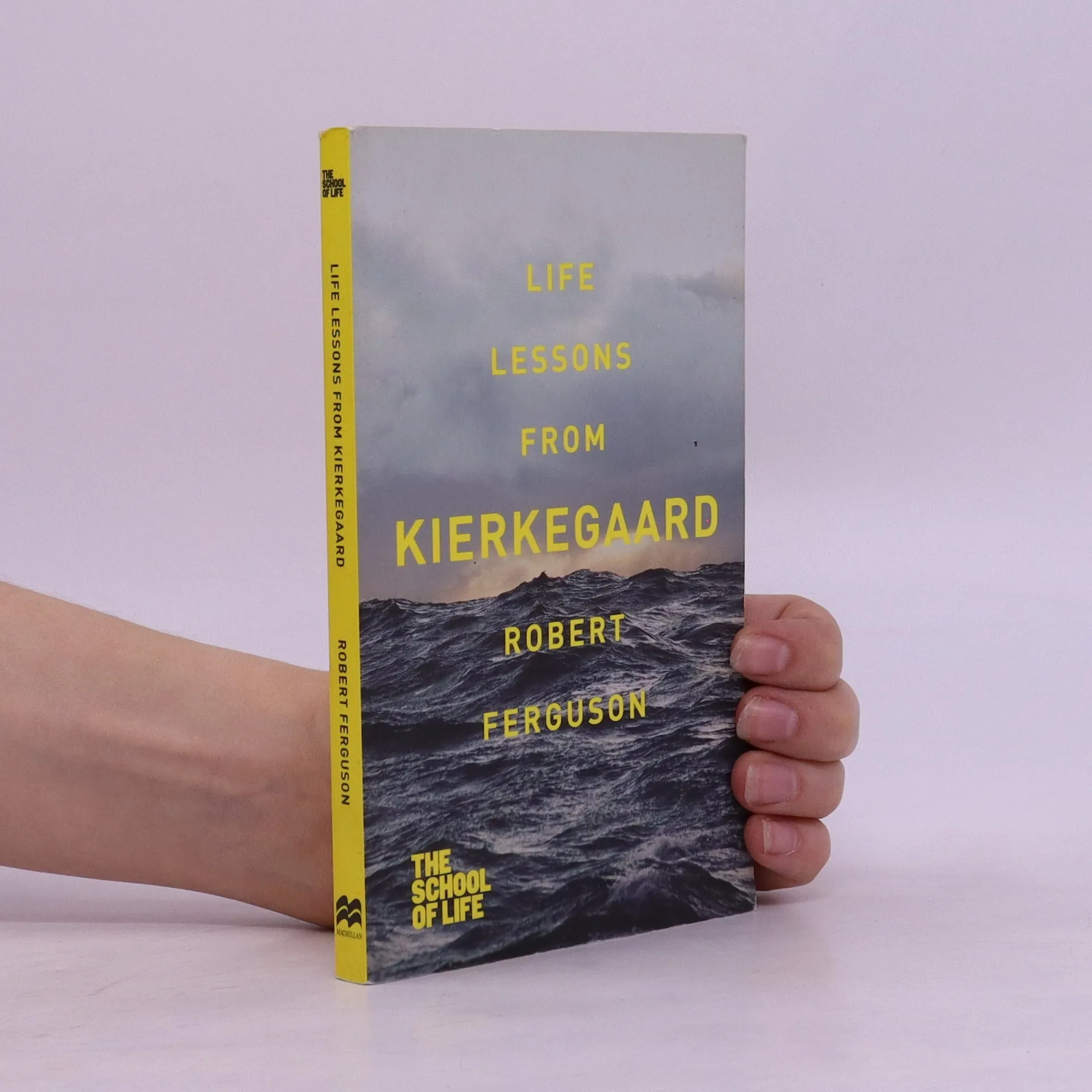
Soren Kierkegaard was a Danish philosopher, theologian, literary stylist and social critic. Born in 1813 in Copenhagen, his philosophical work addressed living as a single individual and the importance of personal choice. A famously fierce critic of the idealist thinkers of his time, he is regarded as the first existentialist philosopher. Here you will find insights from his greatest works. The Life Lessons series from The School of Life takes a great thinker and highlights those ideas most relevant to ordinary, everyday dilemmas. These books emphasize ways in which wise voices from the past have urgently important and inspiring things to tell us
Bohemian, egoist and prophet of sensualism, Henry Miller remains to many writers and readers a literary lion. Born in Brooklyn in 1891, son of a tailor of German extraction, Miller would embrace a freewheeling existence that carried him through umpteen jobs and sexual encounters, providing rich source material for the novels he would write. Greenwich Village and Paris in the 1920s offered rich pickings, as did Miller's ten-year affair with Anais Nin. But he was 69 before Tropic of Cancer was legally published in the US and made him famous, almost 30 years from its composition and long after his peers had devoured it in contraband French editions. Robert Ferguson reveals Miller as a amalgam of vulnerability and insouciance, who endured thirty years of official opprobrium but won the respect of Orwell, T.S. Eliot and Lawrence Durrell, and readers by the thousand. 'This impressive biography [is] good, dirty fun.' Observer 'Engaging and perceptive.' Economist 'Lively and entertaining.' J.G. Ballard
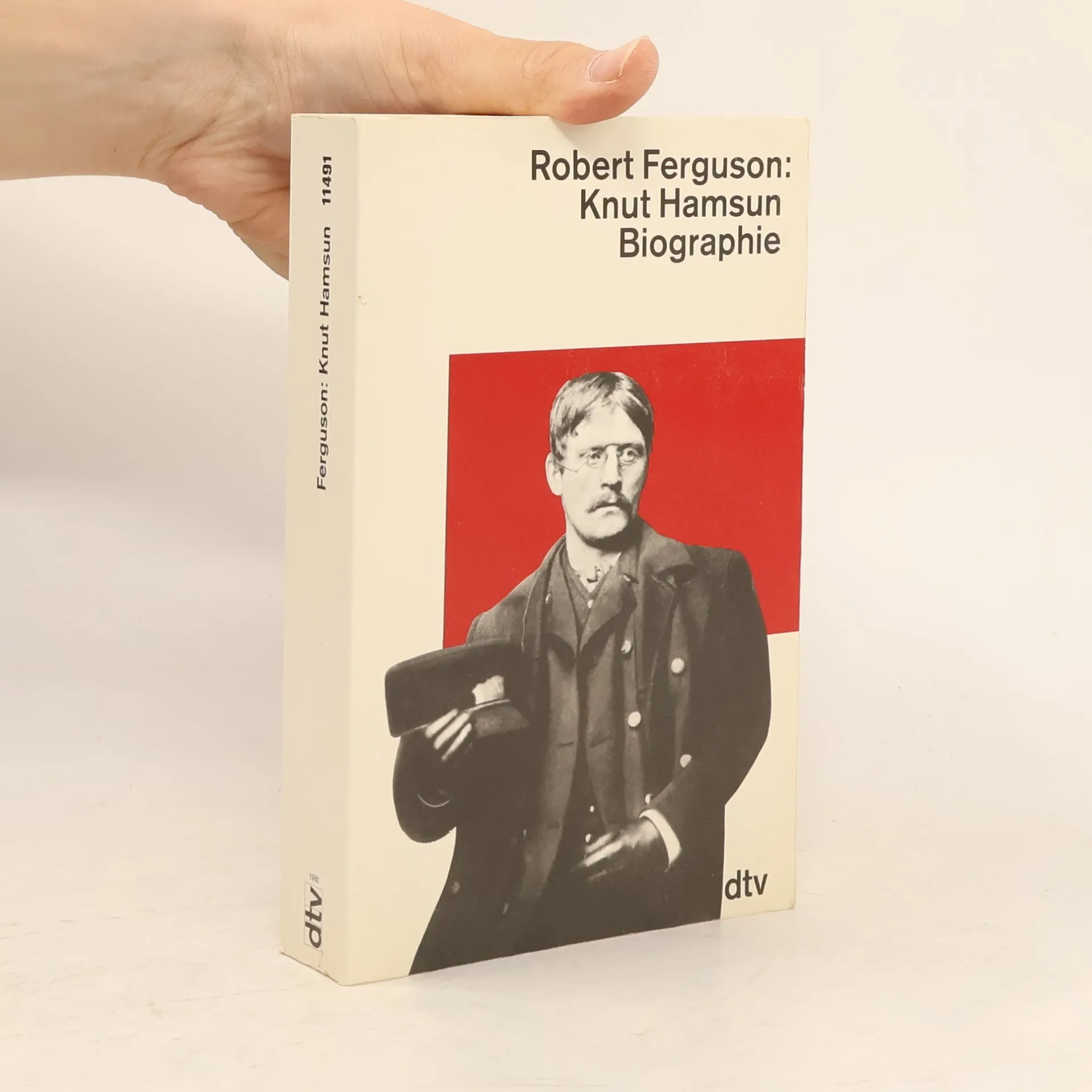
Ernest Hemingway versuchte so zu schreiben wie er. Henry Miller nannte ihn den "Dickens meiner Generation". Thomas Mann sagte, der Nobelpreis sei nie an einen würdigeren Empfänger gegangen. André Gide hielt ihn für wesentlich besser als Dostojewski, Isaac Bashevis Singer verkündete, die ganze moderne Erzählweise gehe auf ihn zurück. Und doch weiß man über Knut Hamsun meist nur, daß er die Romane "Hunger" und "Segen der Erde" geschrieben hat und daß er mit dem NS-Regime sympathisierte.