
Presents an understanding of the role of fascia in healthy movement and postural distortion which is of vital importance to bodyworkers and movement therapists worldwide. This book presents a 'whole systems' view of myofascial/locomotor anatomy in which the body-wide connections among the muscles within the fascial net are described in detail.
Thomas W. Myers Libros
La obra de este autor está arraigada en un profundo sentido de la ética y la convicción, moldeado por una crianza rural y el servicio militar. Su viaje se caracteriza por una búsqueda incesante de conocimiento, moviéndose del entorno estructurado de la Fuerza Aérea a la atmósfera intelectual de una universidad. Esta experiencia solidificó un sistema de creencias fundamental: comprender las propias convicciones, las razones detrás de ellas y la capacidad de articularlas y defenderlas. La enseñanza ha sido una inclinación natural a lo largo de su diversa carrera, inspirándolo finalmente a un camino literario enfocado en efectuar cambios en el mundo y en los individuos.




An accessible and comprehensive approach to the anatomy and function of the fascial system in the body combined with a holitsic overview of myofascial therapy. Many different therapists now use myofascial techniques to influence postural change and pain relief. This book demonstrates exactly how the muscles connect within the connect tissue to affect posture, compensatory strain and pain patterns. The aim is to present scientifically sound and often complicated material in a way which can be easily learned, understood, and applied by those who do not necessarily have a scientific background.Anatomy Trains is written and presented in a style that allows this new information on the myofascial system to be easily absorbed by a wide range of from the student, athlete, or client to the most experienced therapist.
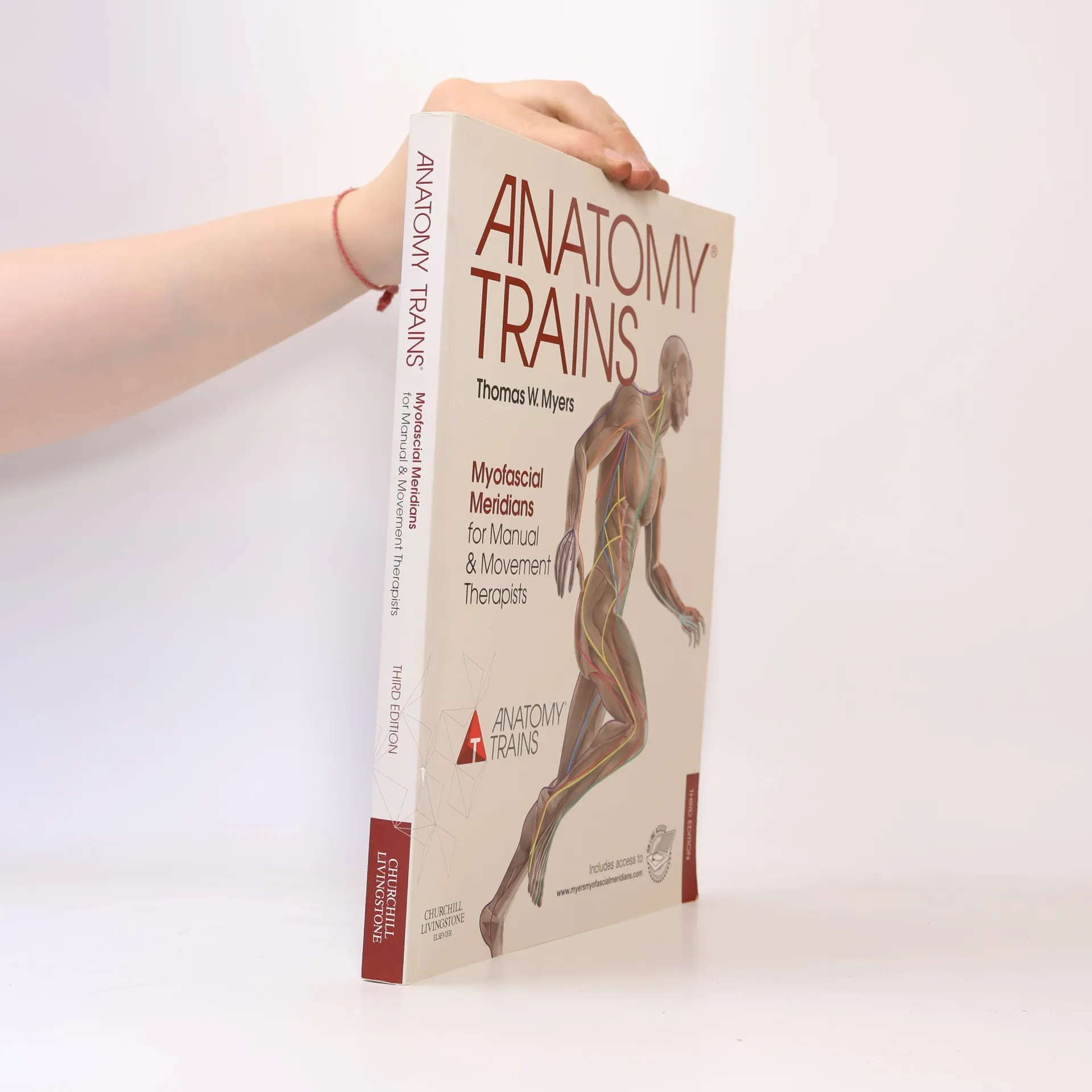
Anatomy Trains
Myofascial Meridians for Manual Therapists and Movement Professionals
- 378 páginas
- 14 horas de lectura
Focusing on the interconnectedness of musculoskeletal anatomy, this comprehensive guide reveals how pain in one body area can relate to distant "silent" regions, fostering innovative treatment strategies. The fourth edition integrates the latest research, highlighting anatomy trains in motion through Pilates, and extending insights to equine and canine anatomy. Enhanced with new visuals and an updated fascial compendium, it serves as an essential resource for various movement and therapy professionals, emphasizing the significance of fascia in movement and postural alignment.
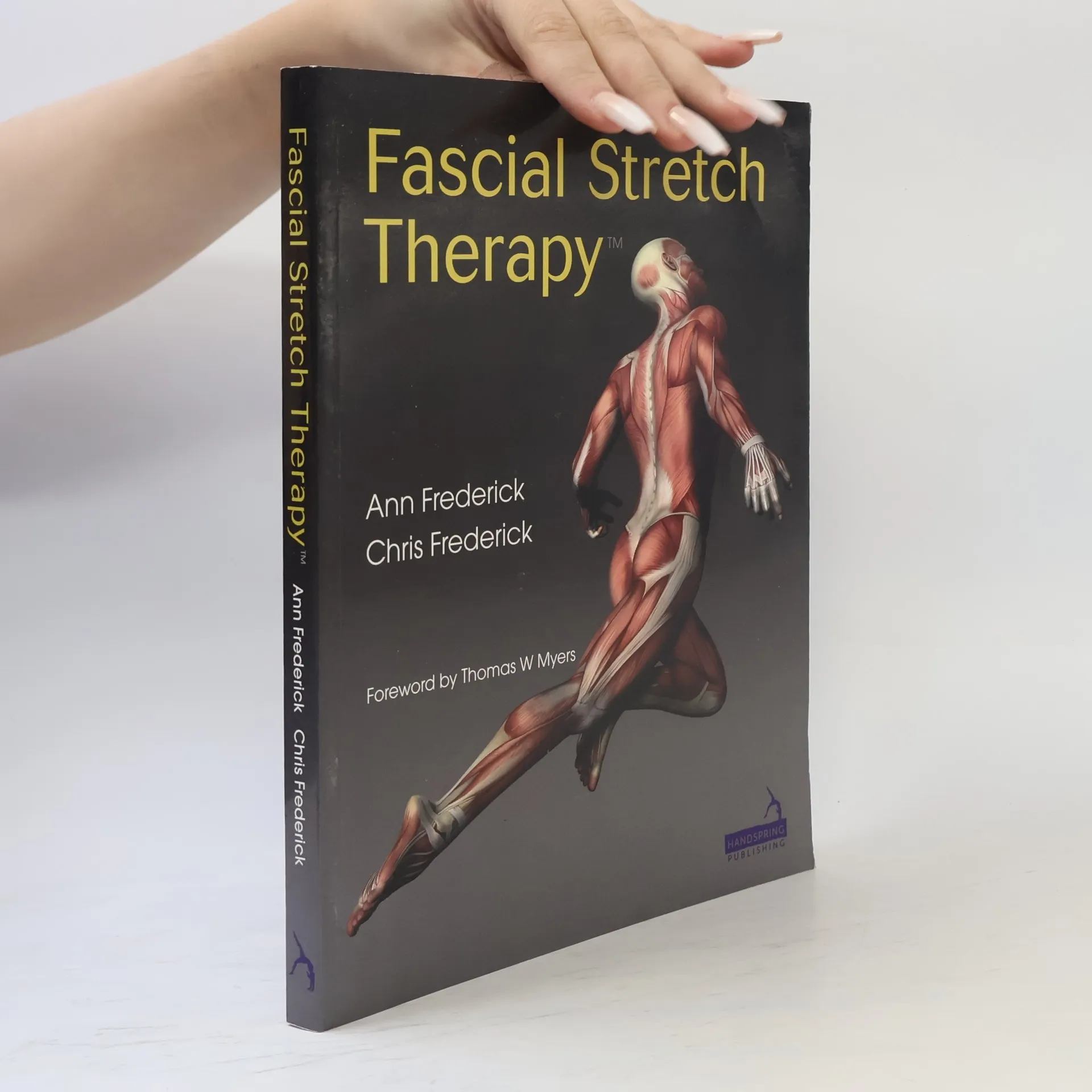
Fascial stretch therapy
- 200 páginas
- 7 horas de lectura
This book shows how Fascial Stretch Therapy assessment, treatment and training are used in a variety of common circumstances encountered in manual therapy and athletic training.
"Fascial release for structural balance is a fully illustrated introductory guide to structural anatomy and fascial release therapy"--Provided by publisher.
Focusing on the interconnectedness of musculoskeletal anatomy, this book explores how issues in one area can affect distant regions, leading to innovative treatment strategies. The updated edition includes the latest research, insights on anatomy trains in motion, and applications in animals. It features a comprehensive fascial compendium and an expanded library of videos, enhancing the learning experience. This resource is essential for professionals in various movement-related fields, offering a deep understanding of fascial roles in movement and posture.
Faszien-Release zur Verbesserung der Körperhaltung
Für Beweglichkeit, Stabilität und Schmerzfreiheit
James Earls und Thomas Myers kombinieren in diesem Buch Techniken der manuellen Behandlung mit der Methode der Strukturellen Integration, die auf neuesten Erkenntnissen zu den Eigenschaften des menschlichen Bindegewebes gründet. Dieses Gewebe, die Faszien, spielen eine bedeutende Rolle für Halt, Stabilität und Beweglichkeit des Körpers. Durch fachkundige Diagnose und gezielte Manipulation des myofaszialen Gewebes können Therapeuten bei ihren Patienten viele chronische Verspannungen lösen und Bewegungseinschränkungen und Schmerzen dauerhaft beheben. Das Buch wendet sich an alle, die in der Körperarbeit tätig sind und die manuelle Behandlungsformen anbieten. Es zeigt Physiotherapeuten, Osteopathen, Chiropraktikern und Massagetherapeuten, wie sie die Körperhaltung ihrer Klienten professionell analysieren und einen gezielten Therapieplan entwerfen können. Es bietet eine Einführung in die Anatomie des myofaszialen Gewebes und dessen Rolle für Körperhaltung und Motorik sowie einfach anzuwendende Release-Techniken für alle Körperregionen.
Faszien – weit mehr als Muskelhüllen Das Buch geht auf die funktionellen Zusammenhänge der Muskel-Faszien-Ketten ein. Zum leichten Verständnis benutzt der Autor dazu die Metapher von Schienen bzw. Eisenbahnlinien, die miteinander korrespondieren müssen. Außerdem: Informationen und Hinweise zur Begutachtung von Haltungs- und Bewegungsmustern und praxisbezogene Anwendungstipps für die Behandlung der myofaszialen Meridiane. Neu in der 3. Auflage: Neues Kapitel zur Ganganalyse Komplett korrigiert und überarbeitet mit aktuellen Erkenntnissen aus Forschung und Anatomie Online-Zugang zu umfangreichem Zusatzmaterial: Englische Videoclips mit Anwendungen in der klinischen Praxis und anatomischen Belegen, Computergrafiken der Anatomy Trains, Podcasts Das Material wird regelmäßig ergänzt.
Meridiani miofasciali. Percorsi anatomici per i terapisti del corpo e del movimento. Con DVD - Seconda edizione
- 300 páginas
- 11 horas de lectura

