Bookbot

Hesiodus

    Hesíodo, padre de la poesía didáctica griega, ofrece en sus obras una profunda conexión entre la vida cotidiana y el cosmos mitológico. En sus poemas, entrelaza la experiencia personal del trabajo agrario con fábulas y reflexiones, creando un vívido retrato de la existencia pastoral. Además, se embarcó en la ambiciosa tarea de sistematizar las leyendas divinas y las genealogías de los dioses. Su enfoque, que fusiona lo personal con lo mítico y lo sistemático, ha sido fundamental para la tradición literaria occidental.

    Hesiodus
    Hesiod - Theogeny; Works & Days
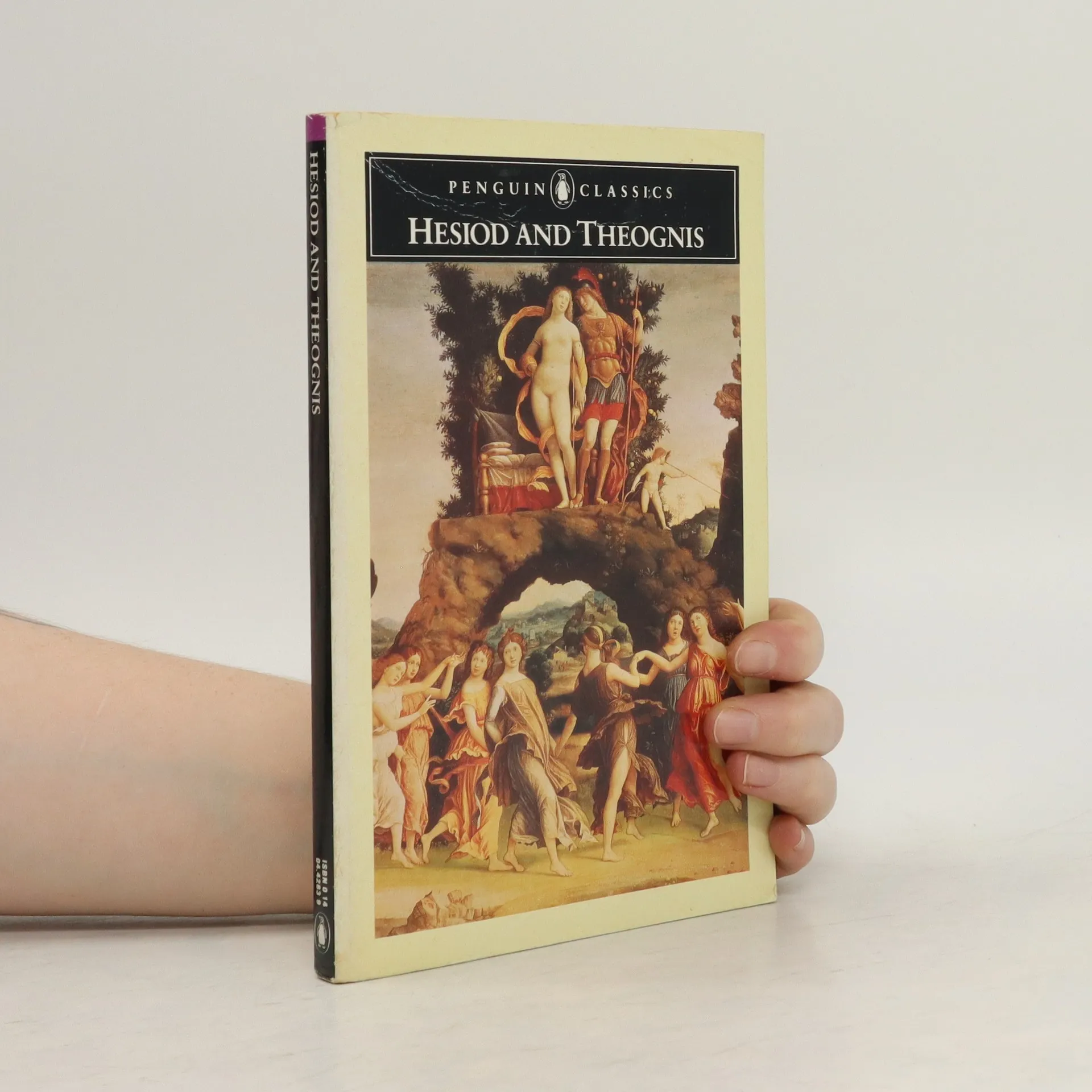
    Hesiod and Theognis
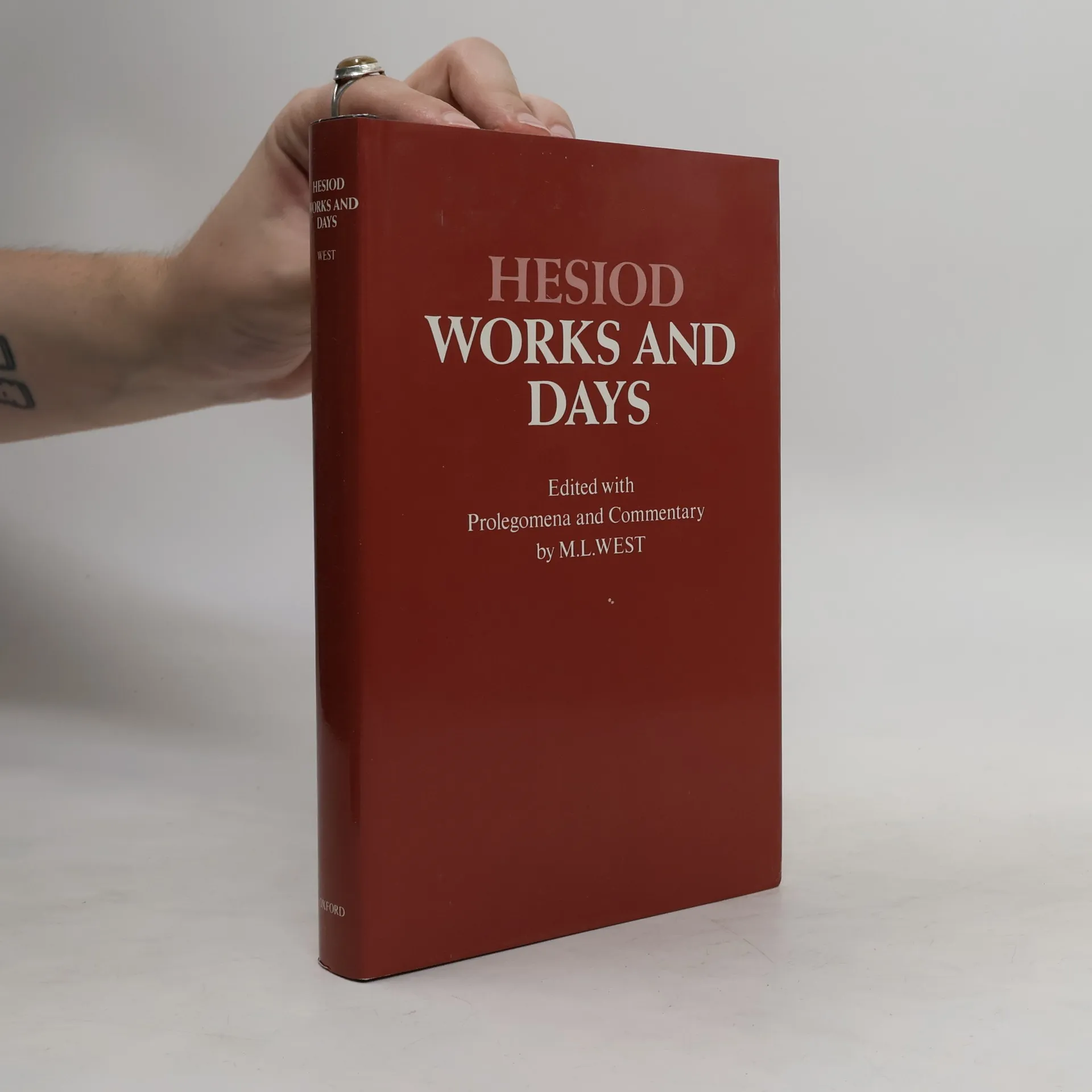
    Works and Days
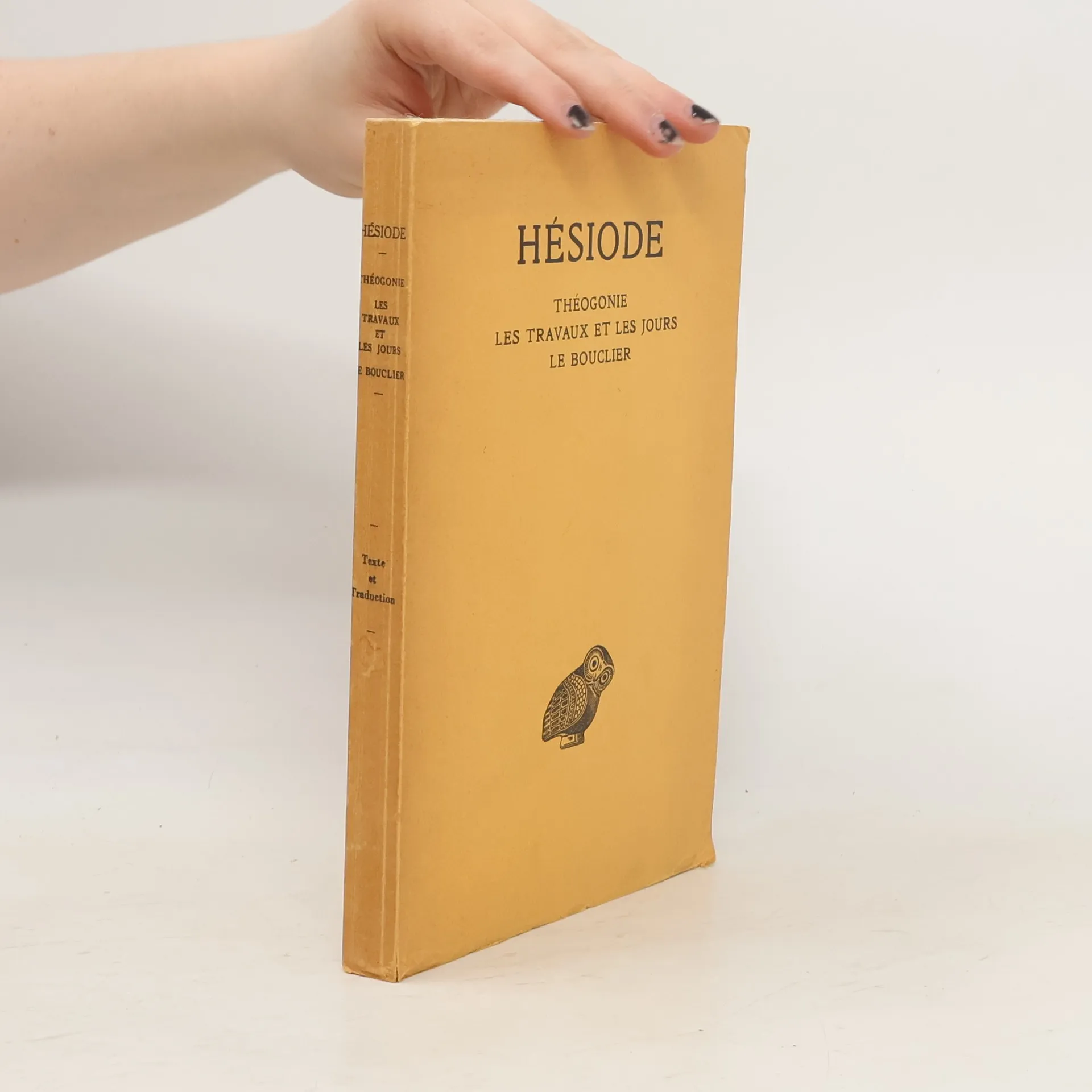
    The Works and Days; Theogony; The Shield of Herakles
    Theogony/Works and Days
    La Teogonía
    • La Teogonía es una obra poética de Hesíodo que presenta una de las versiones más antiguas sobre el origen del cosmos y la genealogía de los dioses en la mitología griega. Se debate su datación en el siglo VII o VIII a.C. La información biográfica sobre Hesíodo proviene principalmente de sus escritos. Nació en Ascra, cerca de Tebas, en la segunda mitad del siglo VIII o la primera del VII a.C. Era campesino e hijo de un comerciante, y se le considera contemporáneo y rival de Homero. Aunque hubo dudas sobre su existencia en el siglo XIX, hoy se acepta como un hecho. Su familia se trasladó a Beocia desde Cime de Eolia, y se destaca su conflicto con su hermano Perses por la herencia, tema que aborda en Trabajos y días. Tras la muerte de su padre, se estableció en Naupacto, llevando una vida sencilla. A diferencia de Homero, su poesía tiene un enfoque más instructivo que épico. Participó en un concurso de aedos en Calcis, donde ganó. Falleció en Ascra, y sus cenizas fueron honradas en Orcómeno. Se le atribuyen varias obras, aunque muchas no son suyas. Se le reconoce como autor de Trabajos y días y de la Teogonía, que sistematiza mitos griegos y los interpreta moralmente, contribuyendo así al corpus fundacional de la cultura griega.

      La Teogonía
      3,8
    • Theogony/Works and Days

      • 144 páginas
      • 6 horas de lectura

      This adaptation explores the foundational themes and narratives of Hesiod's two major poems, which significantly influenced the development of Greek philosophy, particularly the works of Plato. By reinterpreting these ancient texts, the book highlights their enduring relevance and the philosophical concepts that emerged from them, showcasing their impact on Western thought.

      Theogony/Works and Days
      4,0
    • subtitle: The English experience, its record in early printed books published in facsimile

      Works and Days
      3,5
    • Hesiod and Theognis

      • 176 páginas
      • 7 horas de lectura

      Offers an introduction to the life and thought of ancient Greece.

      Hesiod and Theognis
      3,7
    • Hesiod - Theogeny; Works & Days

      Illustrated, with an Introduction by H.G. Evelyn-White

      • 86 páginas
      • 4 horas de lectura

      Set in 700 BC Greece, the narrative follows Hesiod, a humble shepherd from Boetia, who experiences a transformative encounter with the Muses. They grant him a laurel staff and the divine gift of Poetry, enabling him to articulate the wonders of the past and future. Through his newfound voice, Hesiod embarks on a journey to celebrate and immortalize the stories and truths of his time.

      Hesiod - Theogeny; Works & Days
      3,1
    • Hesiod's interpretation of the world's origins unfolds through a focus on genealogy, starting with primordial entities like Chaos, Gaia, Tartarus, and Eros. The text explores the creation of gods and the universe, revealing a tapestry of variant tales that reflect the diverse myths of ancient times. This work not only serves as a foundational mythological narrative but also highlights the complexity and richness of early Greek cosmology.

      Theogony and Works and Days (Royal Collector's Edition) (Annotated) (Case Laminate Hardcover with Jacket)