Bonobo
- 200 páginas
- 7 horas de lectura
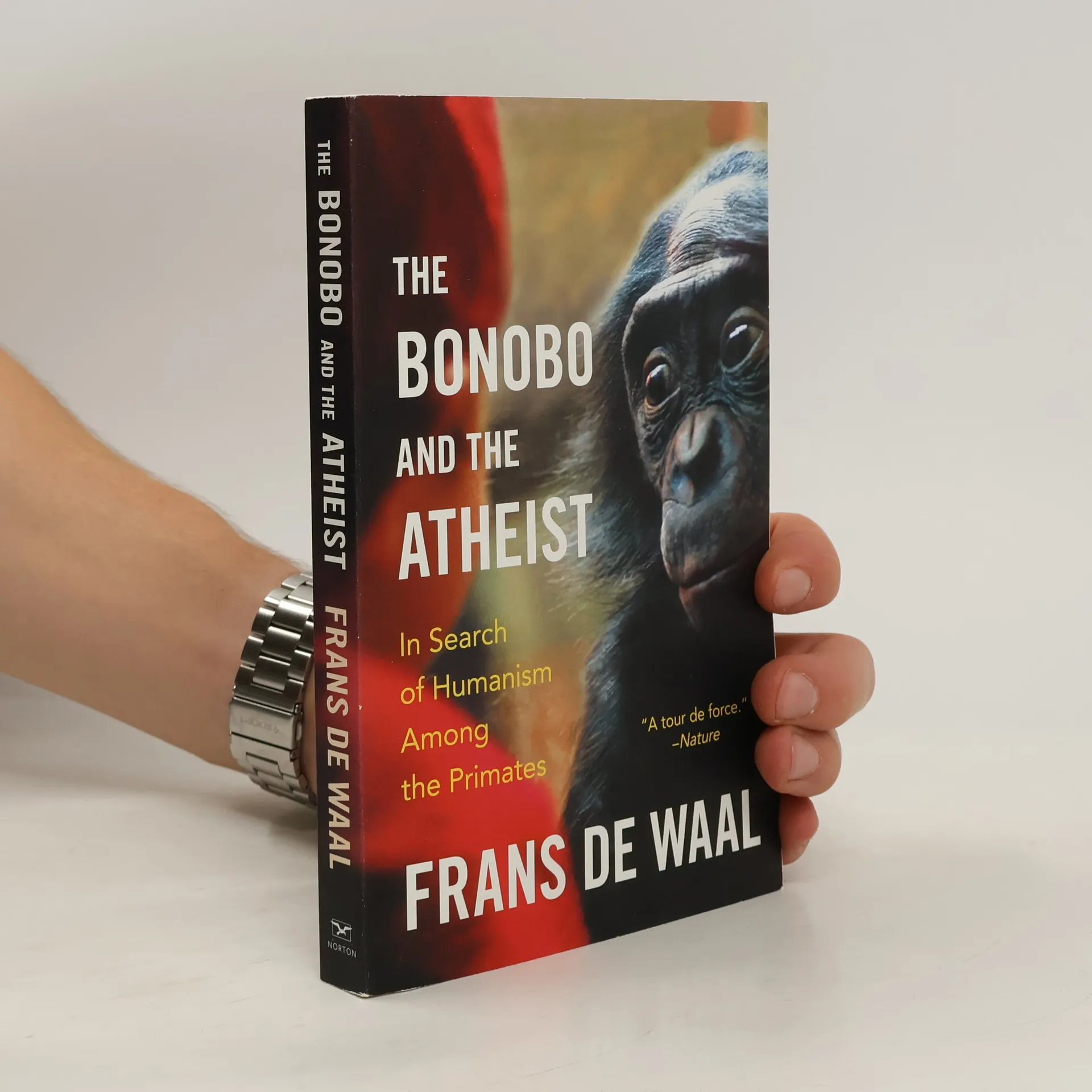
Primatologist Frans de Waal and wildlife photographer Frans Lanting present the most up-to-date perspective available on the bonobo, the least known of the great apes. 75 color plates.


Frans de Waal es un influyente autor y primatólogo cuyo trabajo profundiza en el complejo mundo de la inteligencia y el comportamiento animal. A través de una investigación meticulosa y una escritura accesible, revela las profundas capacidades cognitivas y las estructuras sociales de nuestros parientes animales. Sus escritos desafían las nociones convencionales de la singularidad humana, instando a los lectores a reconsiderar su relación con el reino animal. De Waal ofrece una perspectiva convincente sobre lo que significa ser inteligente y consciente en un sentido más amplio, destacando la continuidad entre las especies.



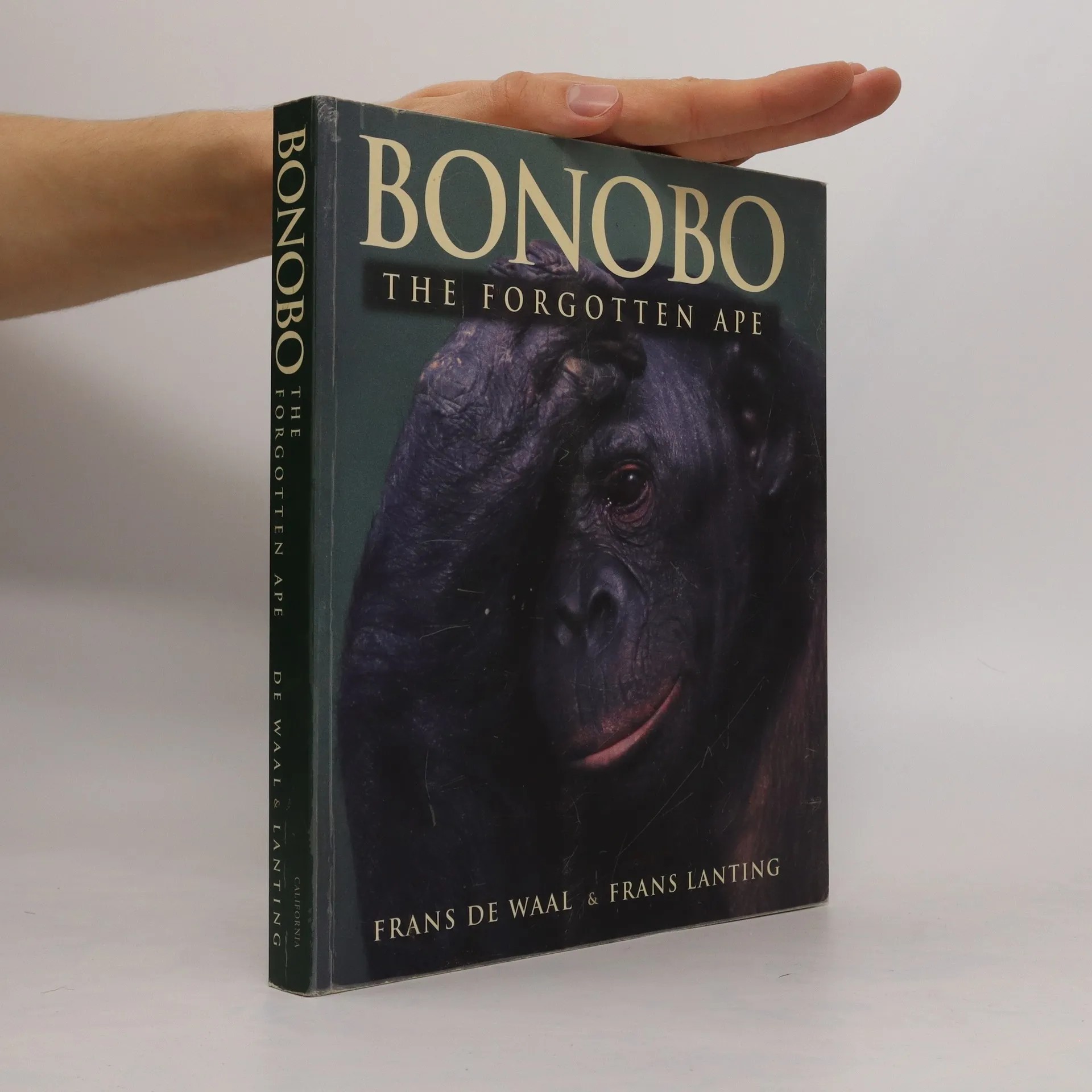
Primatologist Frans de Waal and wildlife photographer Frans Lanting present the most up-to-date perspective available on the bonobo, the least known of the great apes. 75 color plates.
Built to Connect with Other Minds
Prominent neuroscientists, psychologists, ethologists, and primatologists from around the world take a bottom-up approach to primate social behavior by investigating how the primate mind connects with other minds and exploring the shared neurological basis for imitation, joint action, and empathy as well as their evolutionary foundations.
"Can virtuous behavior be explained by nature, and not by human rational choice? In Primates and philosophers, renowned primatologist Frans de Waal explores the biological foundations of one of humanity's most cherished traits: morality. Drawing on Darwin, recent scientific advances, and his extensive research of primate behavior, de Waal argues that modern-day evolutionary biology incorrectly reinforces our habit of labeling ethical behavior as humane and the less civilized as animalistic. His compelling account of how human morality evolved out of mammalian society will fascinate anyone who has ever wondered about the origins and reach of human goodness."--Page 4 of cover
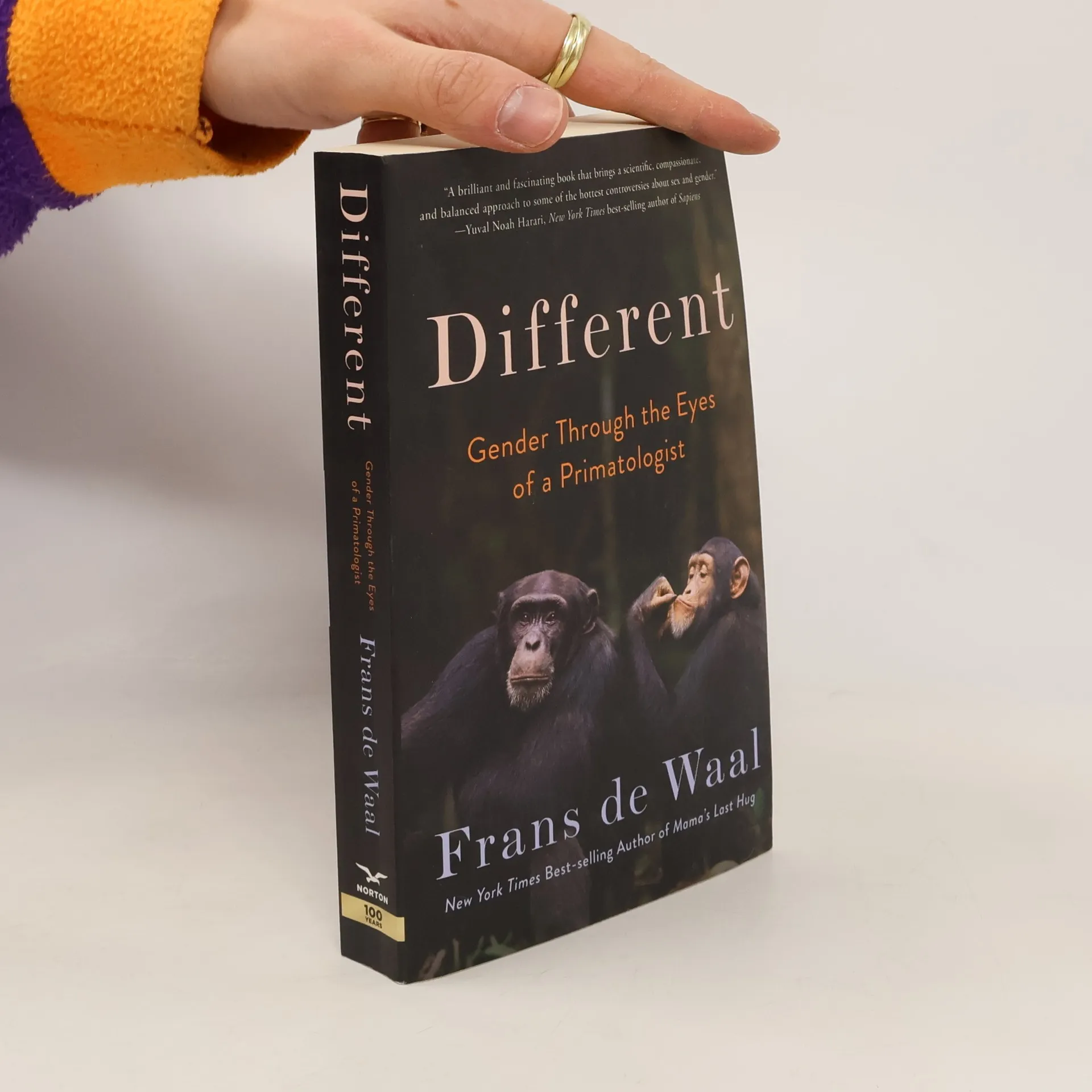
Though many scholars now argue that gender differences are purely a product of socialization, primatologist Frans de Waal illustrates in Different the scientific, evolutionary basis for gender differences in humans, drawing on his decades of experience working with our closest ape relatives: chimpanzees and bonobos. De Waal illuminates their behavioral and biological differences, and compares and contrasts them with human behavior: male domination and territoriality in chimpanzees and the female-led pacific society of bonobos.In his classic conversational style and a narrative rich in anecdotes and wry observations, de Waal tackles topics including gender identity, sexuality, gender-based violence, same-sex rivalry, homosexuality, friendship, and nurturance. He reveals how evolutionary biology can inform a more nuanced—and equitable—cultural understanding of gender. Ultimately, he argues, our two nearest primate relatives are equally close to us, and equally relevant. Considering all available evidence, we can learn much about ourselves and embrace our similarities as well as our differences.
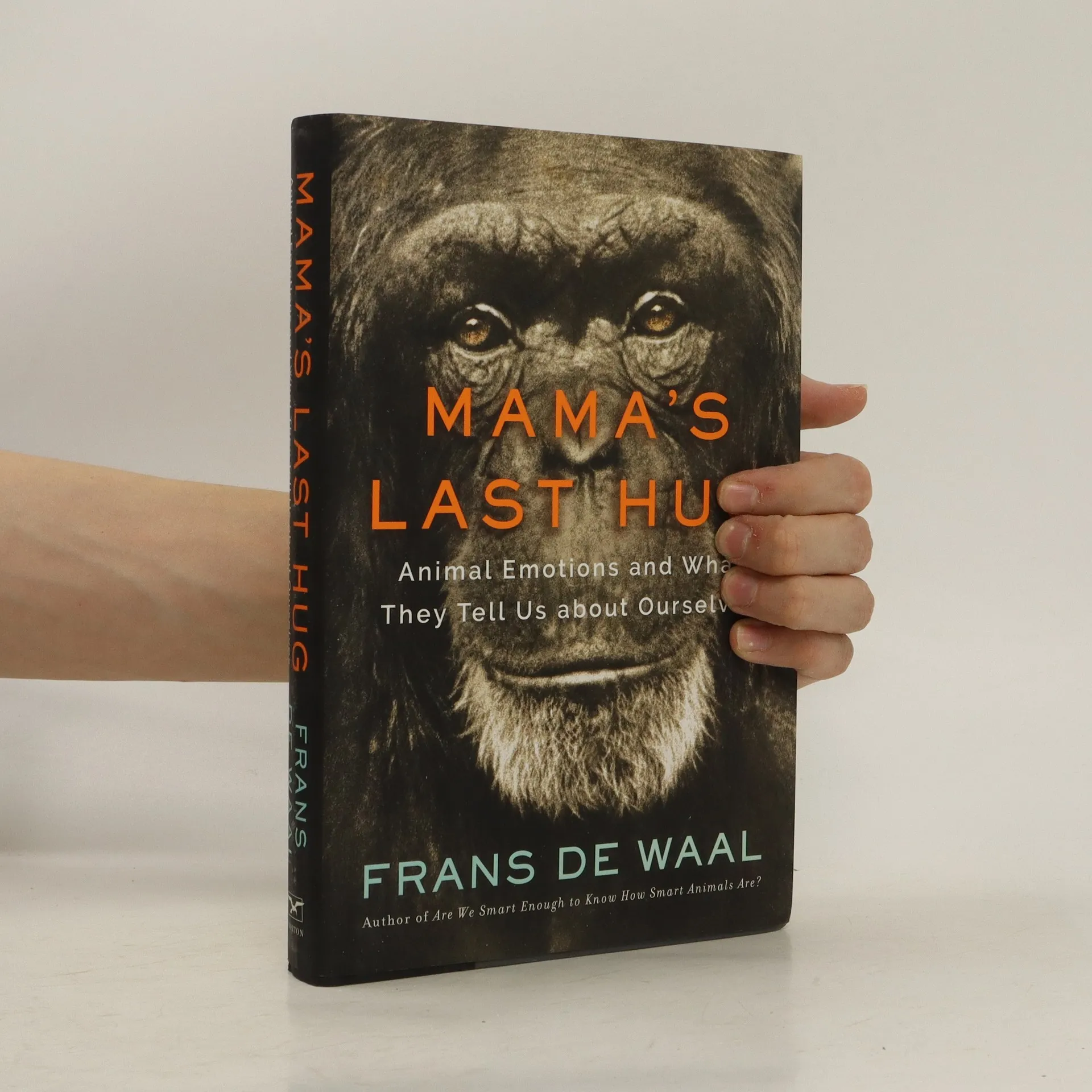
A whirlwind tour of new ideas and findings about animal emotions, based on de Waal's studies of the social and emotional lives of chimpanzees, bonobos, and other primates. De Waal discusses facial expressions, animal sentience and consciousness, Mama's life and death, the emotional side of human politics, and the illusion of free will. He distinguishes between emotions and feelings, all the while emphasizing the continuity between our species and other species. And he makes the radical proposal that emotions are like organs: we don't have a single organ that other animals don't have, and the same is true for our emotions -- Adapted from publisher's description
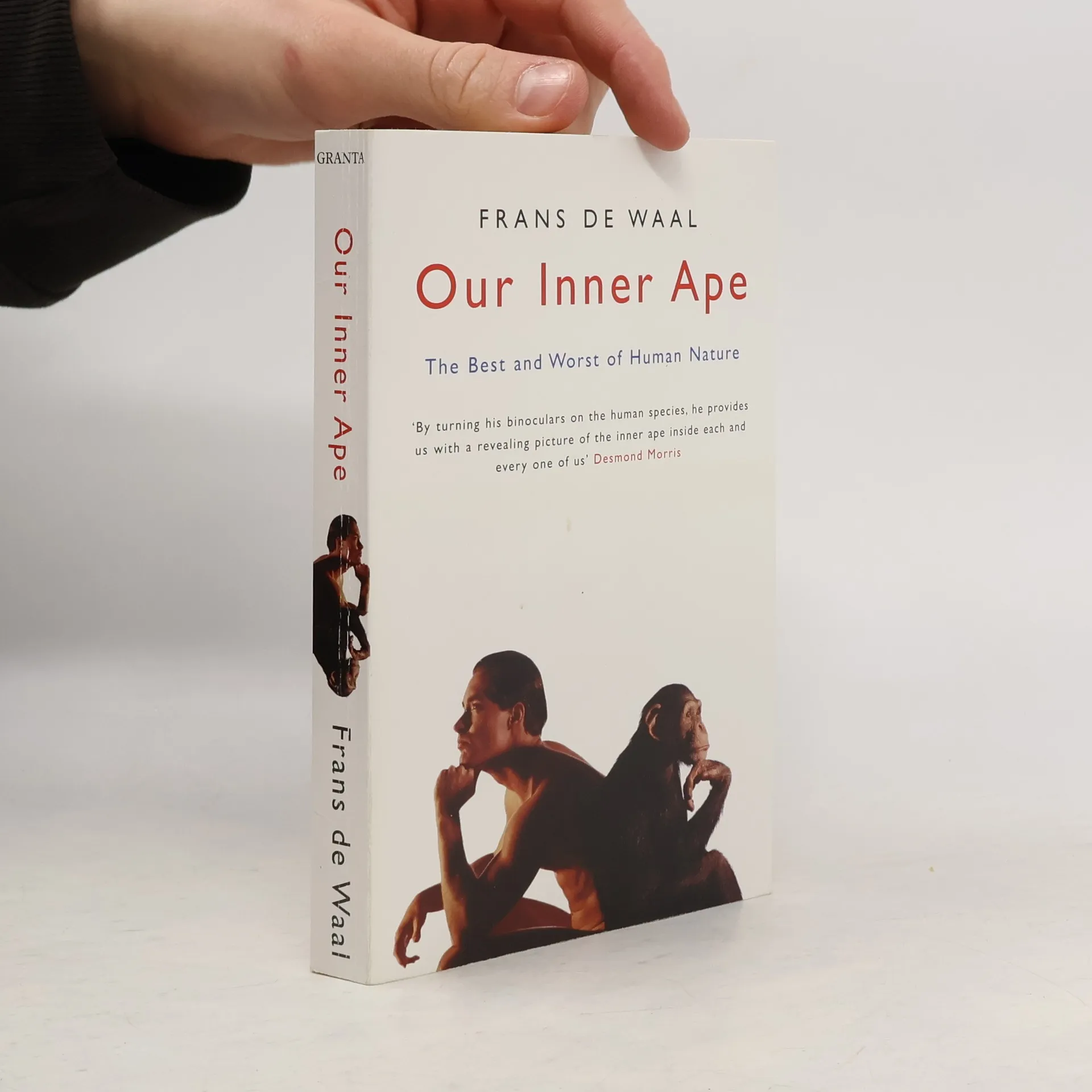
We have long attributed man's violent, aggressive, competitive nature to his animal ancestry. But what if we are just as given to cooperation, empathy, and morality by virtue of our genes? From a scientist and writer whom E.O. Wilson has called 'the world authority on primate social behavior' comes a lively look at the most provocative aspects of human nature - power, sex, violence, kindness, and morality - through our two closest cousins in the ape family. For nearly 20 years, Frans de Waal has worked with both the famously aggressive chimpanzee and the lesser-known egalitarian, erotic, matriarchal bonobo, two species whose DNA is nearly identical to that of humans. He brings these apes to life on every page, revealing their personalities, relationships, and power struggles, creating an engrossing narrative that explores what their behaviour can teach us about ourselves and each other.
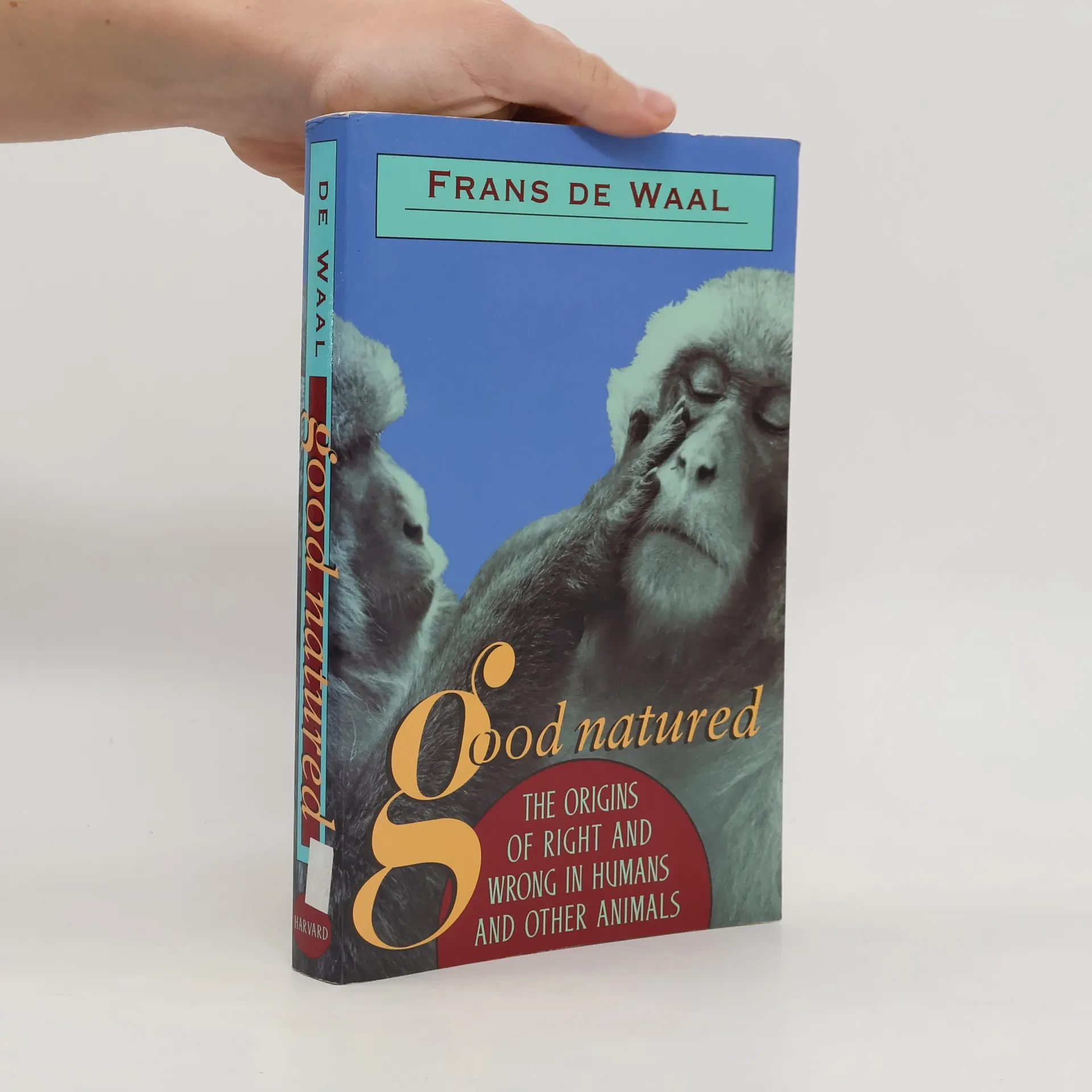
In this lively and illuminating discussion of his landmark research, esteemed primatologist Frans de Waal argues that human morality is not imposed from above but instead comes from within. Moral behavior does not begin and end with religion but is in fact a product of evolution.
The Origins of Right and Wrong in Humans and Other Animals
The author challenges those who have declared ethics uniquely human. Making a case for a morality grounded in biology, he shows that ethical behaviour, in humans and animals alike, is as much a matter of evolution as any other trait. Anecdotes, theories and data are used throughout.
Primatologist Frans de Waal explores human and primate culture in order to arrive at a better understanding of the roots of human behaviour. He examines whether animals learn from one another and have what he defines as culture.
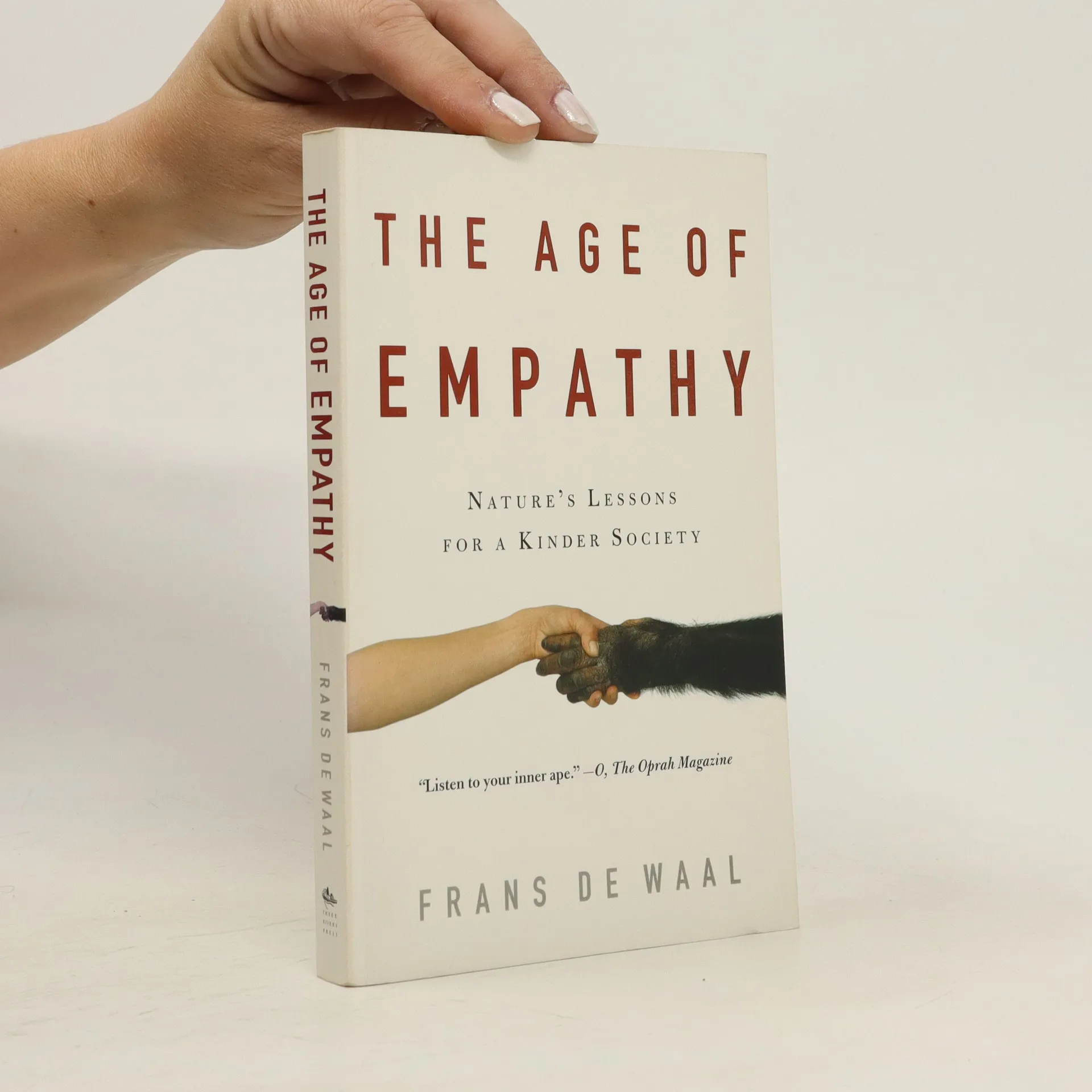
'Kindness and co-operation have played a crucial role in raising humans to the top of the evolutionary tree ... We have thrived on the milk of human kindness.' ObserverBY THE AUTHOR OF ARE WE SMART ENOUGH TO KNOW HOW SMART ANIMALS ARE?'There is a widely-held assumption that humans are hard-wired for relentless and ruthless competition ... Frans de Waal sees nature differently - as a biological legacy in which empathy, not mere self-interest, is shared by humans, bonobos and animals.' Ben Macintyre, The TimesEmpathy holds us together. That we are hardwired to be altruistic is the result of thousands of years of evolutionary biology which has kept society from slipping into anarchy. But we are not alone: primates, elephants, even rodents are empathetic creatures too.Social behaviours such as the herding instinct, bonding rituals, expressions of consolation and even conflict resolution demonstrate that animals are designed to feel for each other. From chimpanzees caring for mates that have been wounded by leopards, elephants reassuring youngsters in distress and dolphins preventing sick companions from drowning, with a wealth of anecdotes, scientific observations, wry humour and incisive intelligence, The Age of Empathy is essential reading for all who believe in the power of our connections to each other.
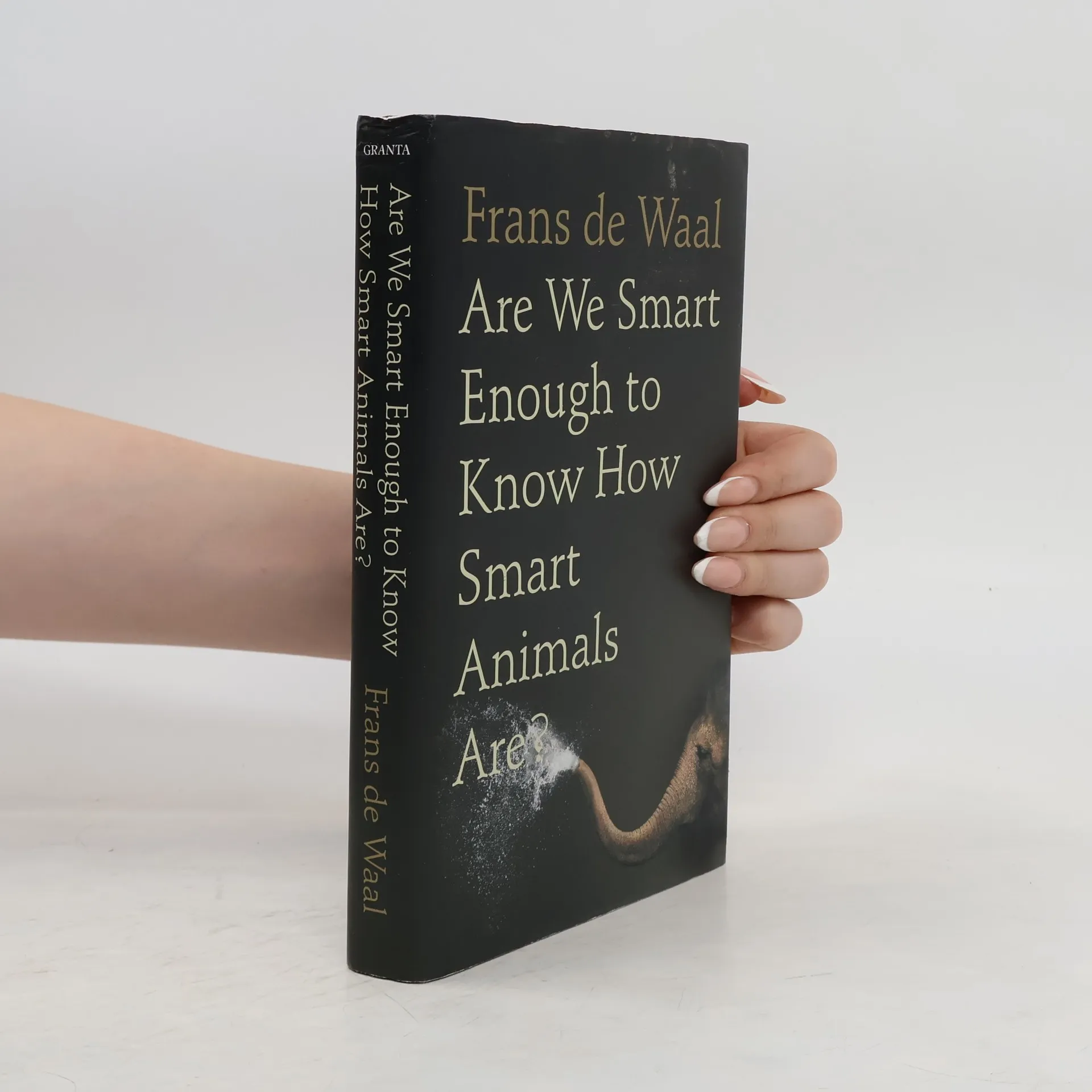
What separates your mind from that of an animal? Is it the ability to design tools; a sense of self; or the grasp of past and future? In recent decades these claims have eroded, or even been disproven outright, by a revolution in the study of animal cognition. Waal explores both the scope and the depth of animal intelligence, offering a firsthand account of how science has stood traditional behaviorism on its head by revealing how smart animals really are, and how we've underestimated their abilities for too long.
Kniha Dobráci od přírody se zabývá evolucí morálky a hledá její kořeny mezi našimi nejbližšími příbuznými – vyššími primáty. Mezi příbuznými, s nimiž máme společného víc, než jsme si mnohdy ochotni přiznat...
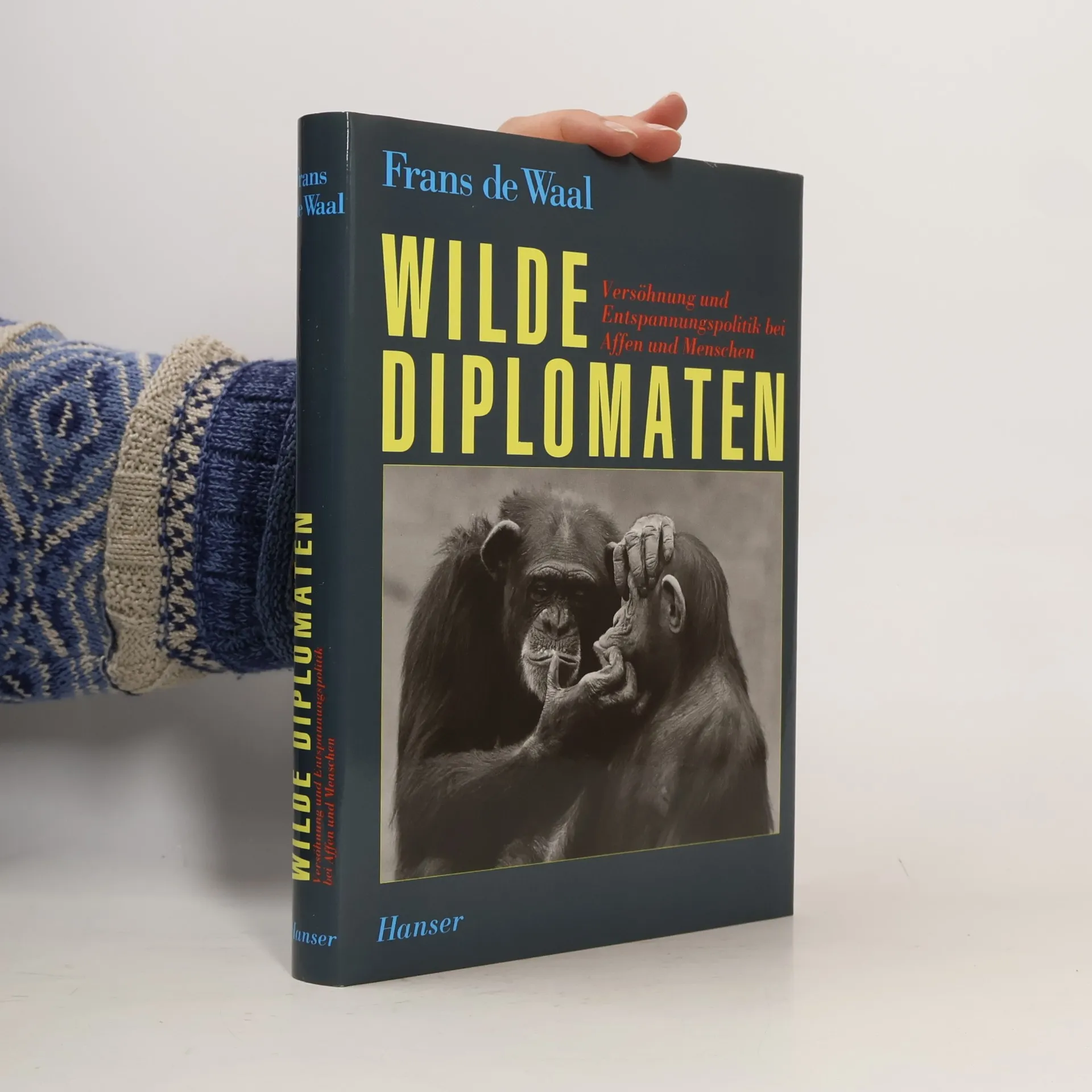
Die Botschaft von Frans de Waals Buch ist einfach, aber grundlegend: Schon bei den Primaten haben sich, Hand in Hand mit Konkurrenz und aggressiven Tendenzen, starke und wirkungsvolle Mechanismen der Versöhnung und des Friedensstiftens entwickelt. Er demonstriert überzeugend, daß wir, die Menschen, diese Fähigkeit zur Konfliktlösung geerbt haben, und er widerlegt die Ansicht, daß biologisch verwurzelte Aggressivität die sozialen Beziehungen unveränderbar beherrschen müssen. Wir dürfen uns nicht der Illusion hingeben, daß aggressive Neigungen uns jemals verlassen werden, doch sollten wir ebensowenig unser Erbe an Versöhnungsbereitschaft vernachlässigen. (Süddeutsche Zeitung). Zu dieser neuen Betrachtungsweise trägt das kenntnisreich und zugleich unterhaltsam geschriebene Buch ein gut Teil bei.
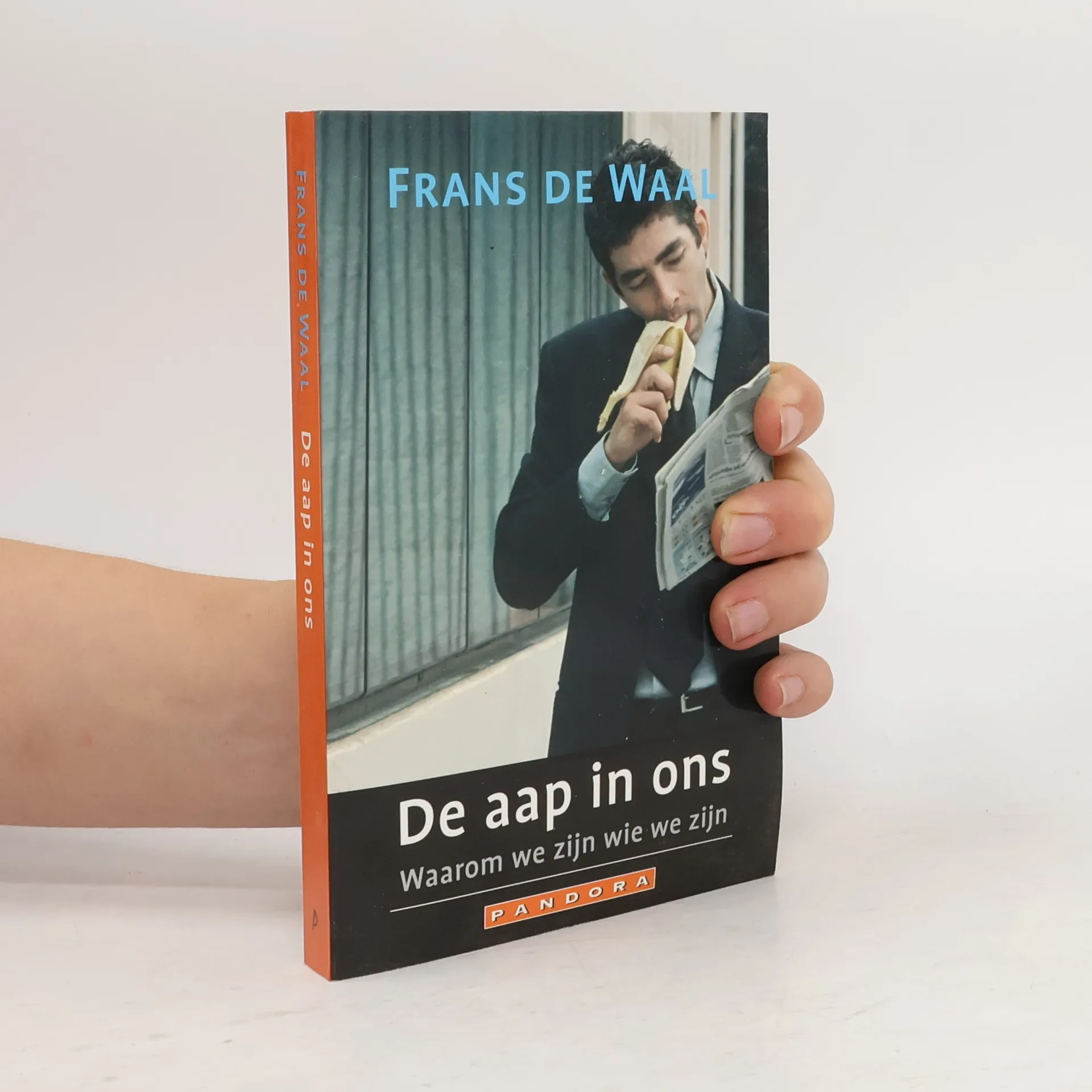
Onderzoek naar overeenkomsten en verschillen in sociaal gedrag van chimpansees, bonobo's en mensen.
Ein amüsanter und intelligenter Bildband über erstaunliche Ähnlichkeiten§§Ungewöhnliche Fotos und Texte zeigen, wie komplex und intensiv die sozialen Beziehungen von Primaten sind und dass Primaten genauso vielfältige Ausdrucks- und Verhaltensweisen besitzen wie wir Menschen.§§Seit mehr als dreißig Jahren untersucht Frans de Waal, einer der herausragendsten Primatologen der Welt und Autor von Bestsellern wie "Der gute Affe" und "Bonobos. Die zärtlichen Menschenaffen", das Leben von Primaten in Zoos, Forschungsparks und in freier Natur. Über die Jahre hat er eine unglaubliche Menge an Fotomaterial von unseren nächsten Verwandten angesammelt. Die Auswahl an Fotografien für dieses Buch fängt die soziale Interaktion von Bonobos, Schimpansen, Kapuzineräffchen, Pavianen und Makaken ein und zeigt die feinen Gesten, Ausdrucksweisen und Bewegungen, die die meisten Naturfotografen oder gelegentlichen Beobachter so faszinieren. De Waal bietet zu jedem Foto einen Begleittext, der seine Beobachtungen und Eindrücke sowie seine professionellen Interpretationen schildert. Das Ergebnis ist ein besonders berührender und zugleich persönlicher Einblick in die Gesellschaftsstruktur der Primaten.
In 1976 brak in de chimpanseekolonie in Burgers Zoo in Arnhem een langdurige machtsstrijd uit tussen de drie sterkste mannen: Luit, Yeroen en Nikki. Frans de Waals onderzoek van dit conflict was uniek in zijn nauwkeurigheid en uitvoerigheid, en de discussie die hij met Chimpanseepolitiek heeft losgemaakt is nog altijd niet verstomd. Newt Gingrich, voormalig voorzitter van het Amerikaanse huis van Afgevaardigden, raadde dit boek aan als verplichte kost voor politici. De Waal observeerde niet alleen, hij interpreteerde ook het gedrag van de chimpansees in termen van 'menselijke' emoties en drijfveren. Mede daardoor krijgt de machtsstrijd tussen deze mensapen de dramatische allure van een shakespeareaanse tragedie. Het bleek dat ook onder chimpansees de zucht naar macht en seks kan leiden tot verraad, geweld en zelfs een gruwelijke moord. Chimpanseepolitiek is wetenschap op zijn allerspannendst.