Manifesto for Islamic reform
- 132 páginas
- 5 horas de lectura
Yuksel reintroduces the actual message of the Quran. He removes the accumulated layers of man-made dogmas and traditions that have attached themselves to the text.


Edip Yuksel es un autor y activista estadounidense-turco-kurdo cuya obra profundiza en una profunda reforma del Islam. Sus escritos a menudo exploran una interpretación racional y monoteísta del Corán, desafiando las doctrinas tradicionales y buscando un camino hacia la comprensión pacífica. El trabajo de Yuksel se caracteriza por su enfoque intelectual y su esfuerzo por purificar el pensamiento islámico de dogmas y extremismo. Los lectores se encuentran con él como un pensador que no teme hacer preguntas fundamentales y buscar la verdad a través del pensamiento crítico y la lógica.
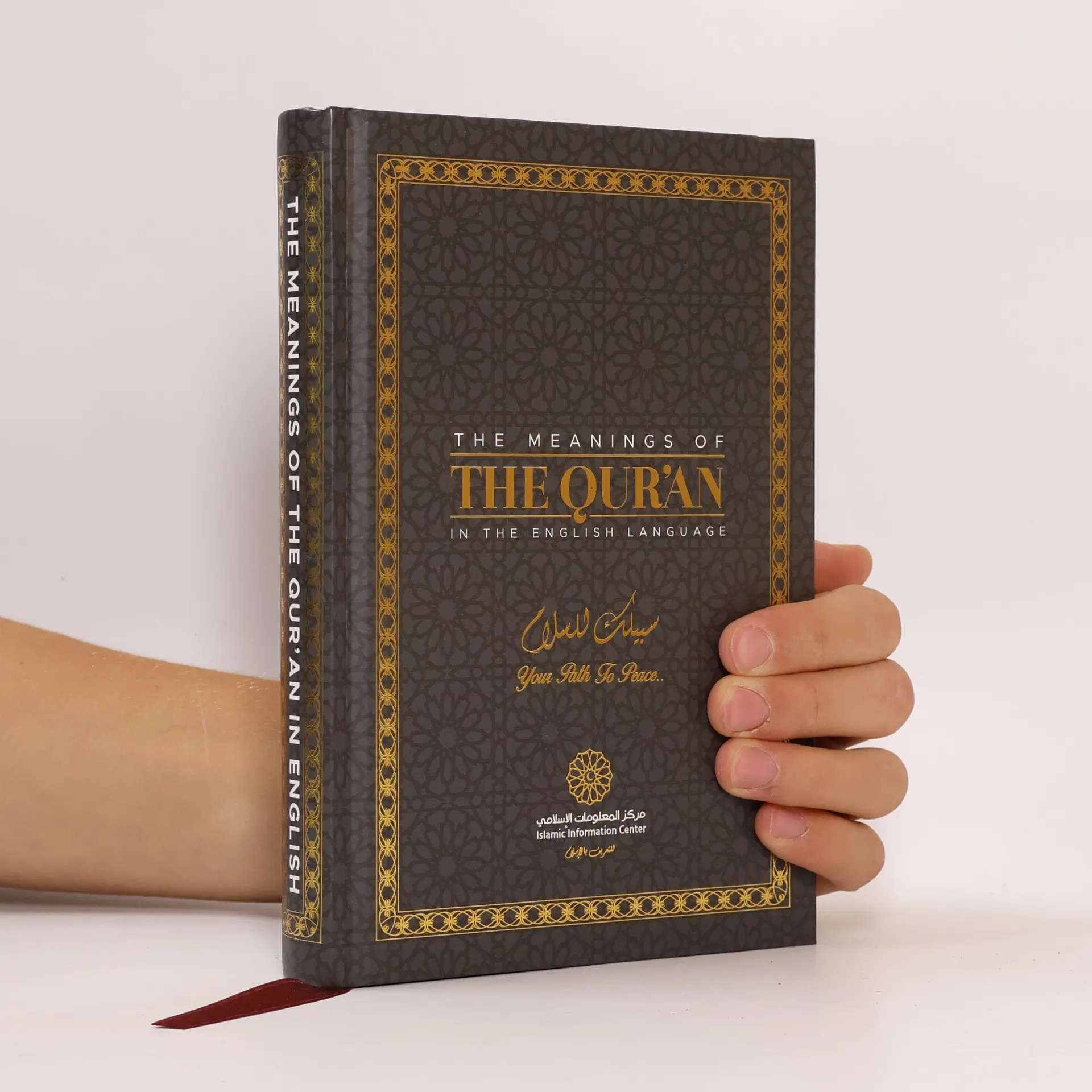
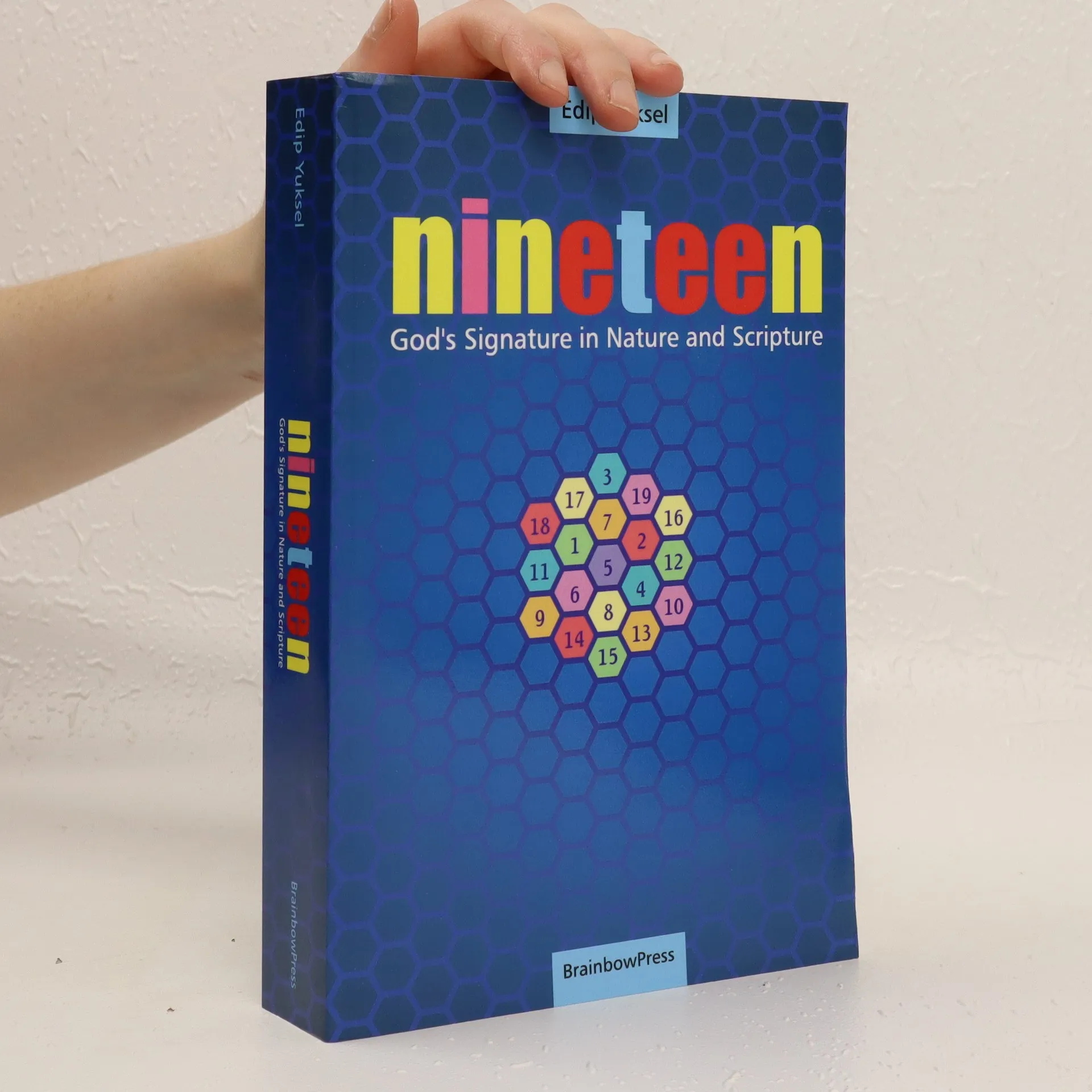
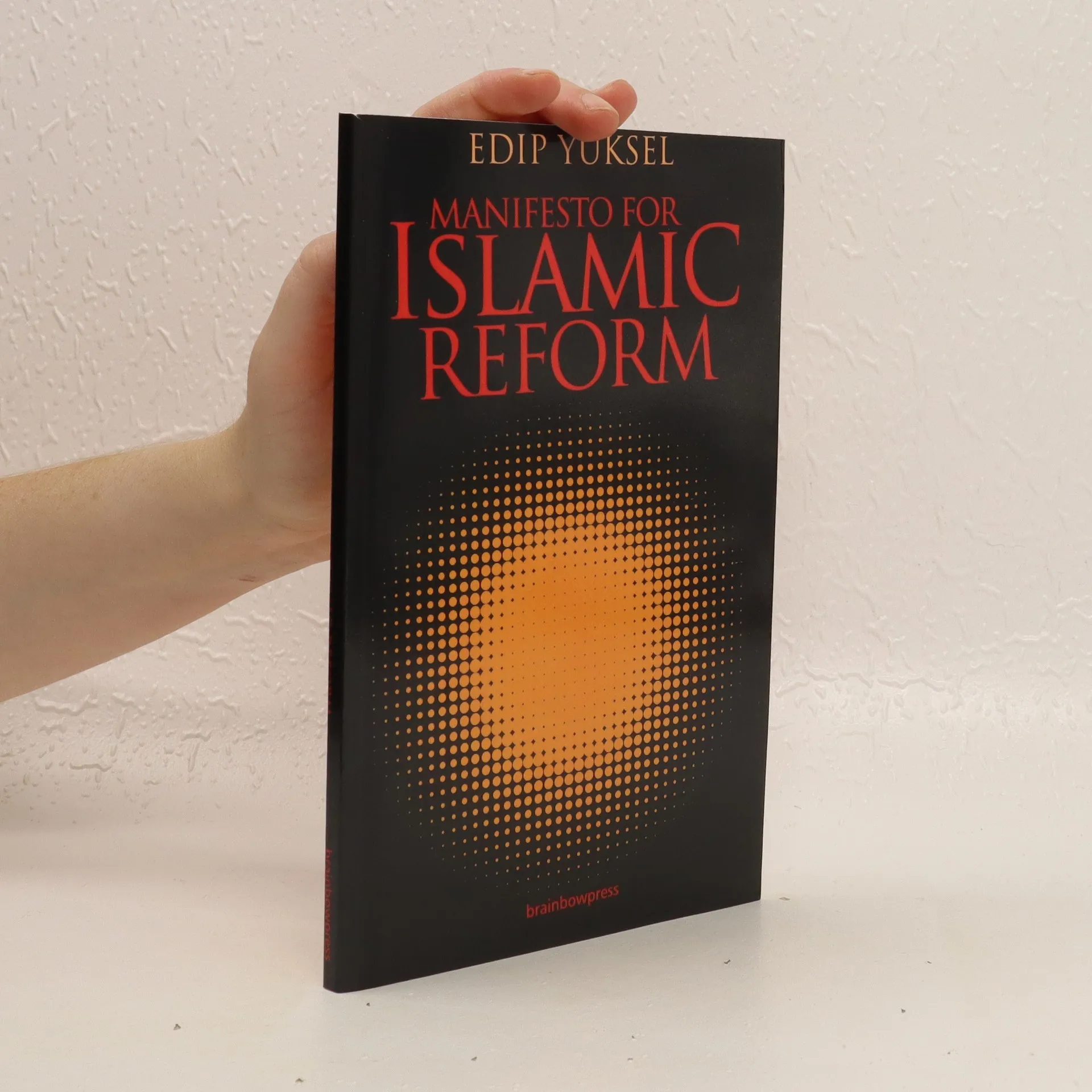
Yuksel reintroduces the actual message of the Quran. He removes the accumulated layers of man-made dogmas and traditions that have attached themselves to the text.
Code 19 was hidden in the 74th chapter of the Quran and discovered by the author's colleague, Dr. Rashad Khalifa, an Egyptian-American biochemist, in 1974. The code suggests a "Copernican revolution" in theology of religions. Instead of Krishna-centered, Jesus-centered, or Muhammad-centered religions, people must turn to the original center, to the God-centered model.
Your Path To Peace
The Holy Qur'an is the Word of God whose truth was revealed to Muhammad by the Angel Gabriel. It is divided into 14 Suras or chapters, and was traditionally transmitted by word of mouth.