Dorothy Emily Stevenson fue una prolífica autora escocesa cuyas novelas románticas gozaron de una inmensa popularidad entre los lectores. Sus obras se caracterizan por su humor, legibilidad y cualidad cautivadora que atrapa constantemente a las audiencias. A lo largo de una carrera que abarcó más de cuatro décadas y produjo más de cuarenta novelas, Stevenson exploró temas universales de amor, familia y cambio social. Su fluido estilo narrativo y sus personajes realistas ofrecen a los lectores consuelo y materia para la reflexión.
The book explores the unexpected encounter between a young woman and a stranger, delving into themes of social interaction and the discomfort of silence. As they share a moment in a public space, the narrative unfolds to reveal their contrasting personalities and perspectives on connection. The story invites readers to reflect on the nature of communication and the boundaries of personal space, highlighting how brief encounters can lead to significant insights.
Set in the isolated community of Boscath, the narrative explores themes of solitude and connection. The unique setting, reminiscent of an island, serves as a backdrop for the characters' introspections and interactions. The story delves into the dynamics of living in a close-knit yet secluded environment, highlighting the emotional complexities that arise from such isolation. Through its vivid portrayal of Boscath, the book invites readers to reflect on the nature of community and the human experience.
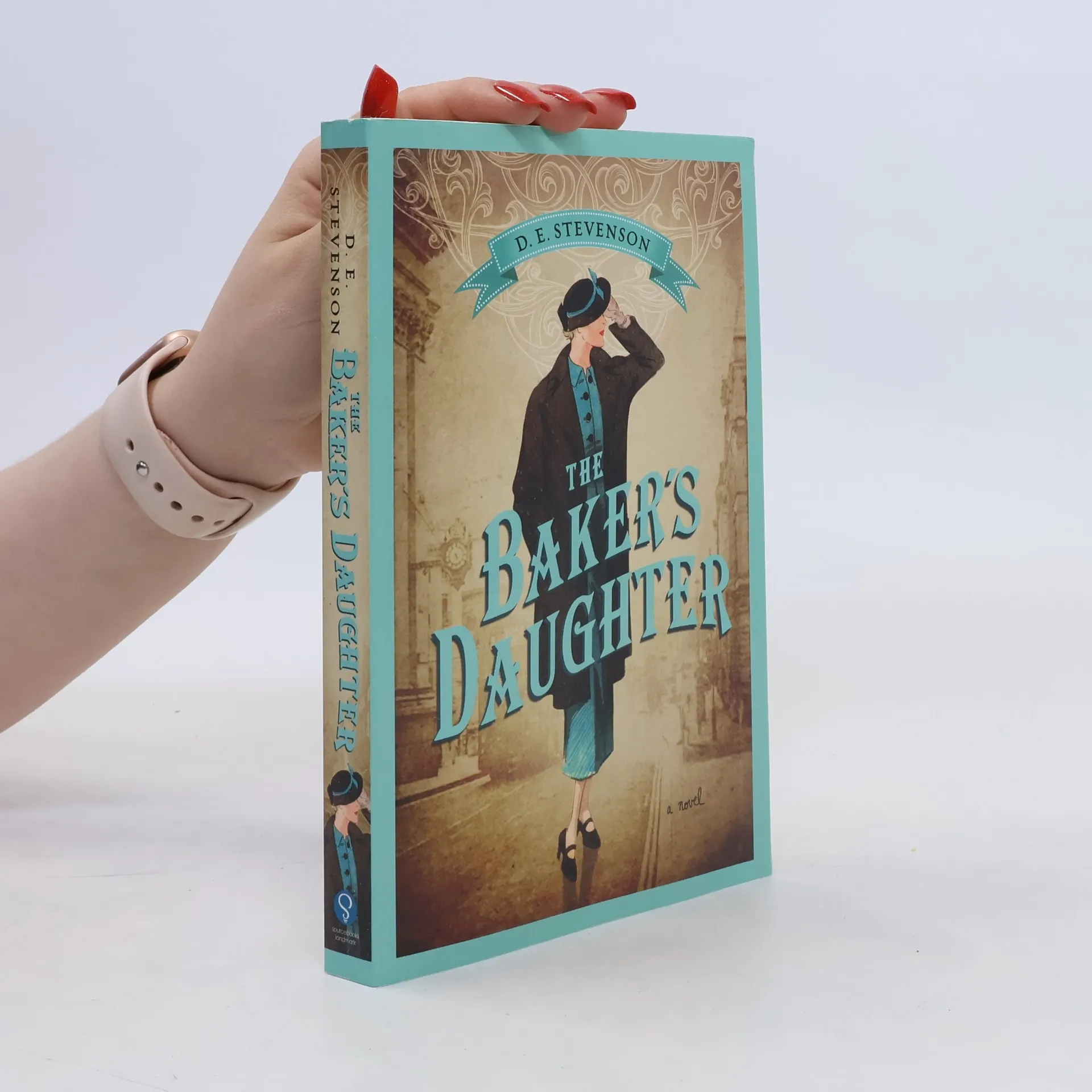
A stranger came to town and stole her heart Sue Pringle has never met anyone like John Darnay before. A painter who roams the countryside with brush in hand, Darnay is so absorbed in his art that he can barely remember to feed himself--a stark contrast to the practical shopkeepers and shepherds of her tiny village. Working as his housekeeper allows Sue to observe the eccentric Darnay unnoticed as he goes about his work translating the beautiful Scottish countryside onto canvas... and Sue soon realizes that not only has she been transfixed by his arresting artwork, she has fallen in love with Darnay himself. But will he ever look up from his paints long enough to love her back? One of celebrated author D.E. Stevenson's earliest and most beloved novels, The Baker's Daughter is a heartwarming story of finding love in unexpected places.
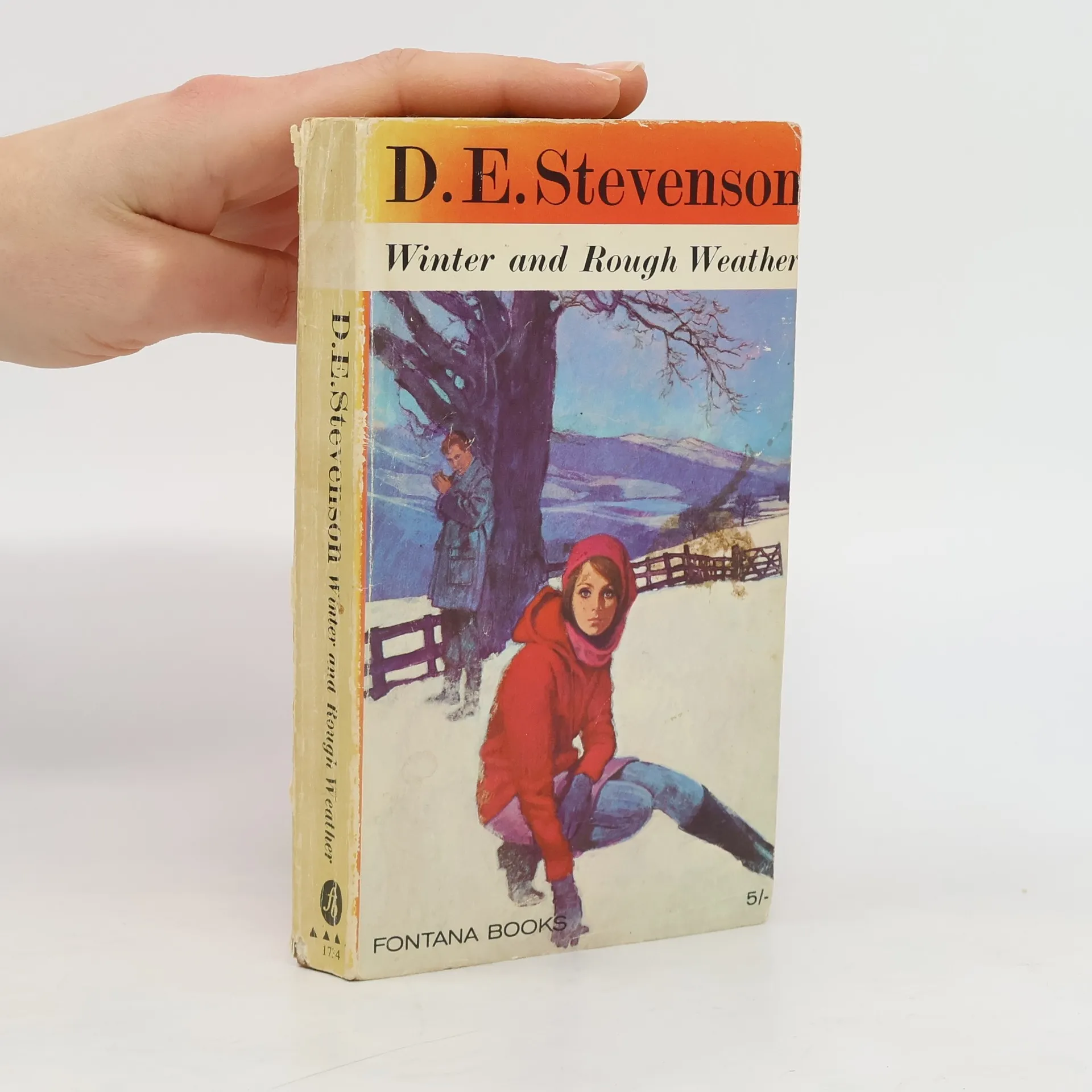
"Originally published in 1946. This edition is based on the second impression paperback edition published in 1974 in Great Britain by Fontana, an imprint of HarperCollins Publishers."--Title page verso.
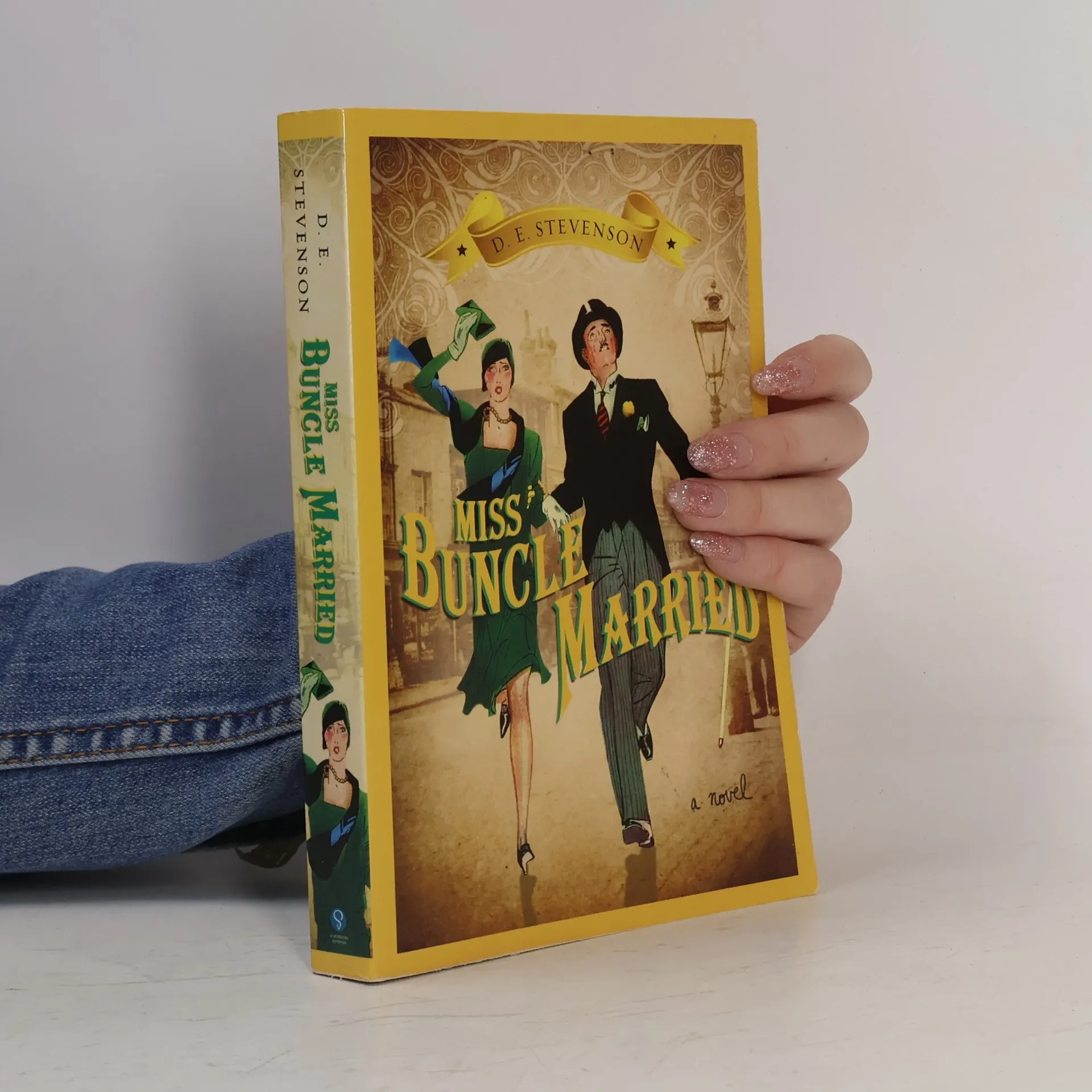
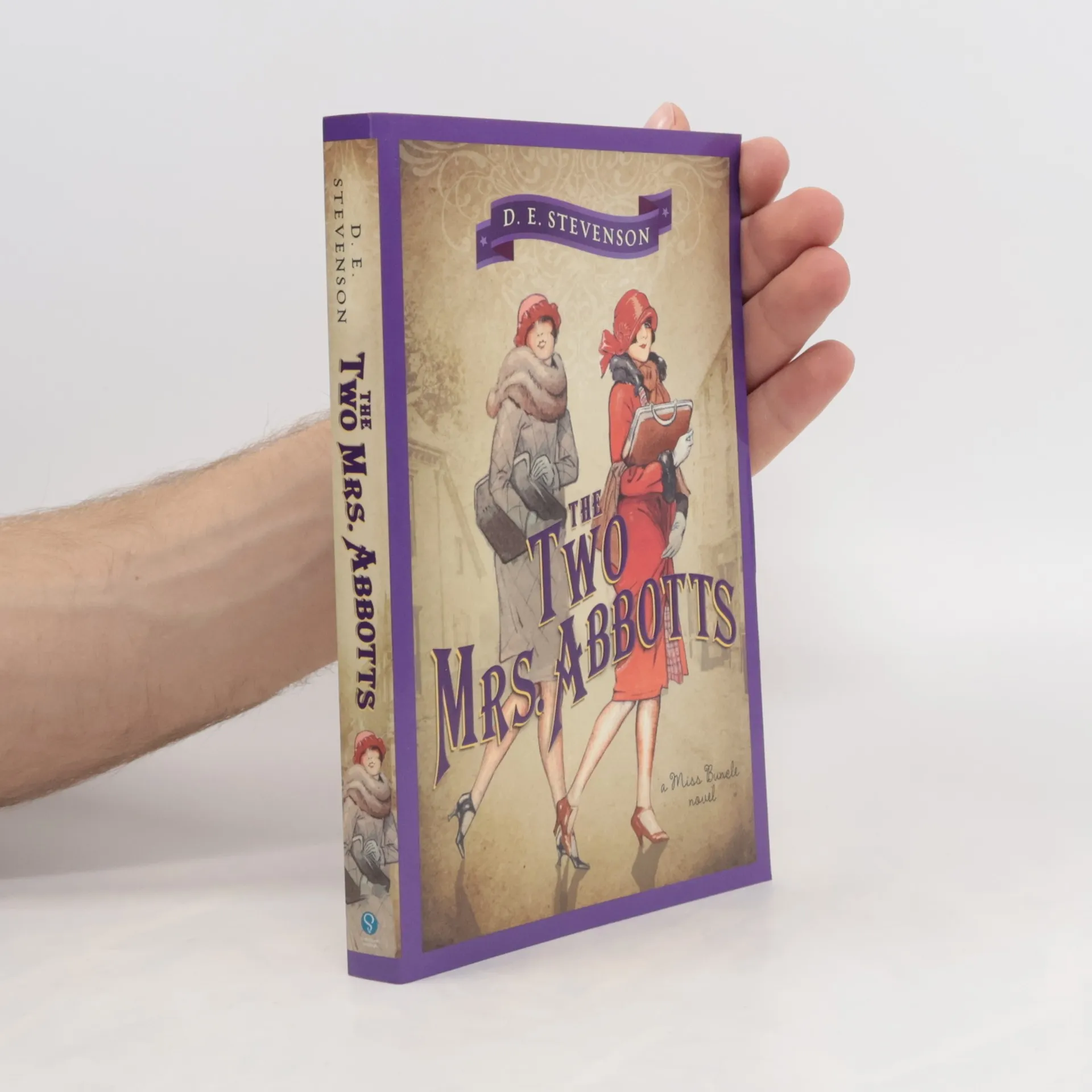
Much as changed in Wandlebury since Barbara Buncle (now Barbara Abbott) first moved to the charming English village. But as the mistress of her own home with two small children to look after, Barbara finds that she has distressingly little time to keep up with the goings-on of her friends and neighbors. Luckily, Barbara's niece, Jerry Abbott, is more than willing to keep tabs on the news in Wandlebury. And with juicy tidbits of gossip about everything from inconvenient romantic entanglements to German spies hiding in the woods, there is plenty to keep the two Mrs. Abbotts busy in this humorous account of life in World War II England. D.E. Stevenson delivers another well-crafted gem with The Two Mrs. Abbotts, the third and final book of the beloved Miss Buncle series.
Ever observant, always witty and more than a little mischievous, the Mrs Tim
diaries reveal a timeless tale of a young woman often out of her depth, but,
always with an eye for the amusing side of life
El señor Abbott, editor londinense, recibe un manuscrito firmado por un tal ±John Smith» que cuenta la vida de un pueblecito inglés inesperadamente trastornado por la aparición de un ±niño prodigioso» que toca el caramillo. No sabe si es ±una sátira exquisita, solo comparable al primer capítulo deLa abadía de Northanger, o una sencilla crónica de acontecimientos vistos con la mirada inocente de un simple», pero cree que será un éxito y decide publicarla. La novela se titulará, El perturbador de la paz, y causará en el pueblecito donde transcurre el mismo revuelo que el niño del caramillo. Todos se ven delatados: en sus secretos, en su pasado, en sus manías y melancolías; es más: algunos empiezan a imitar, como si fuera un vaticinio, las reacciones de los personajes del libro. Y todos quieren, por encima de todo, descubrir quién lo ha escrito. Quien lo ha escrito no es ±John Smith» sino Barbara Buncle, una ±cuarentona flacucha y sin estilo» que, acuciada por problemas económicos, ha decidido, después de descartar la cría de gallinas, dedicarse a la literatura. El libro de la señorita Buncle (1934) de D. E. Stevenson es como un Cranford de los años treinta: una deliciosa y divertidísima descripción de una pequeña comunidad sometida a ±un juego deespejos como los de los sastres» y que se siente traicionada al ver en entredicho la buena opinión que tiene de sí misma