Ma Jian es reconocido por su exploración inquebrantable de la China moderna. Sus obras a menudo profundizan en temas de opresión política y redención personal, capturando la tensión entre tradición y modernización. El estilo de Jian se caracteriza por su honestidad cruda y su aguda observación de la psique humana bajo coacción. Su escritura sirve como un poderoso comentario sobre los cambios sociales y políticos en la China contemporánea.
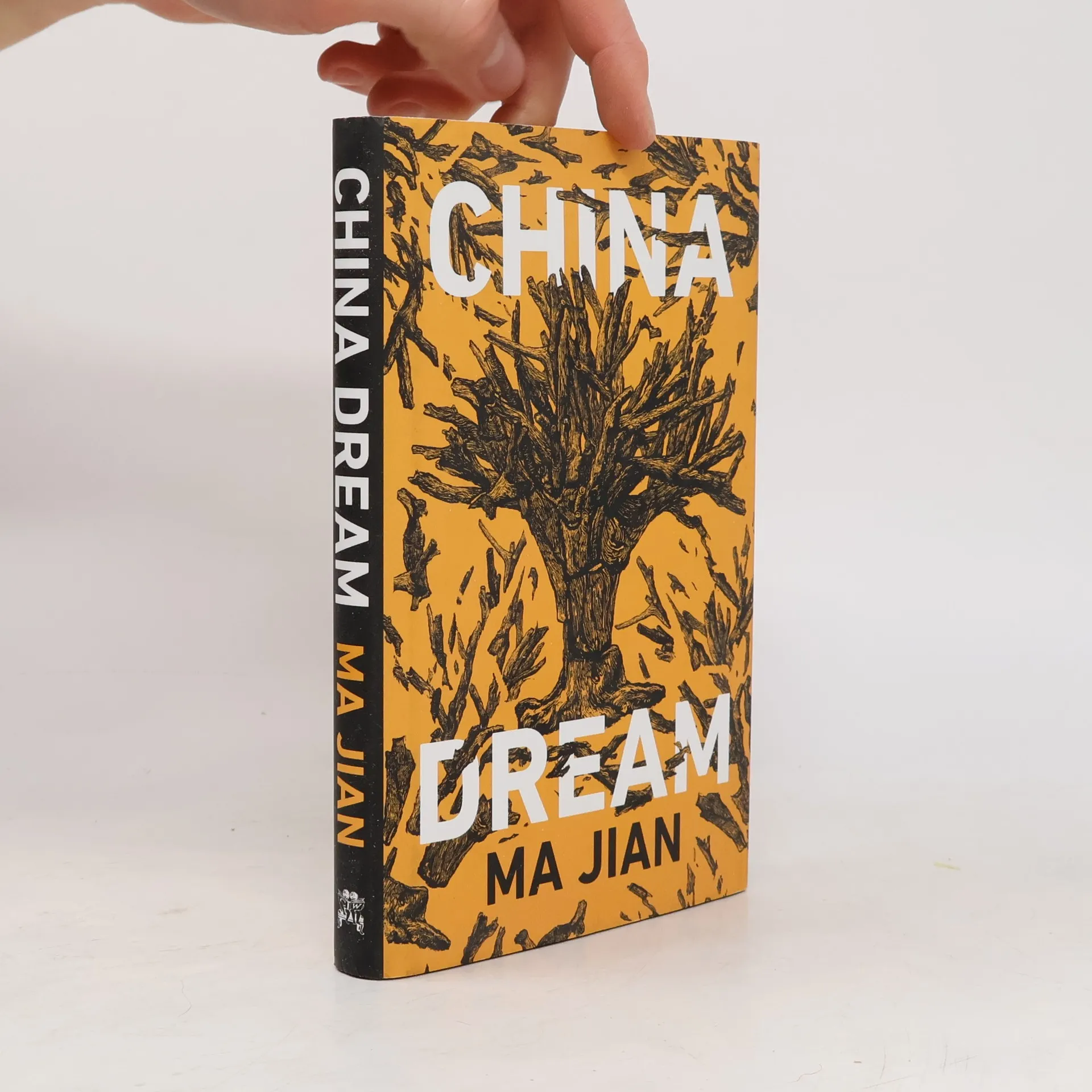
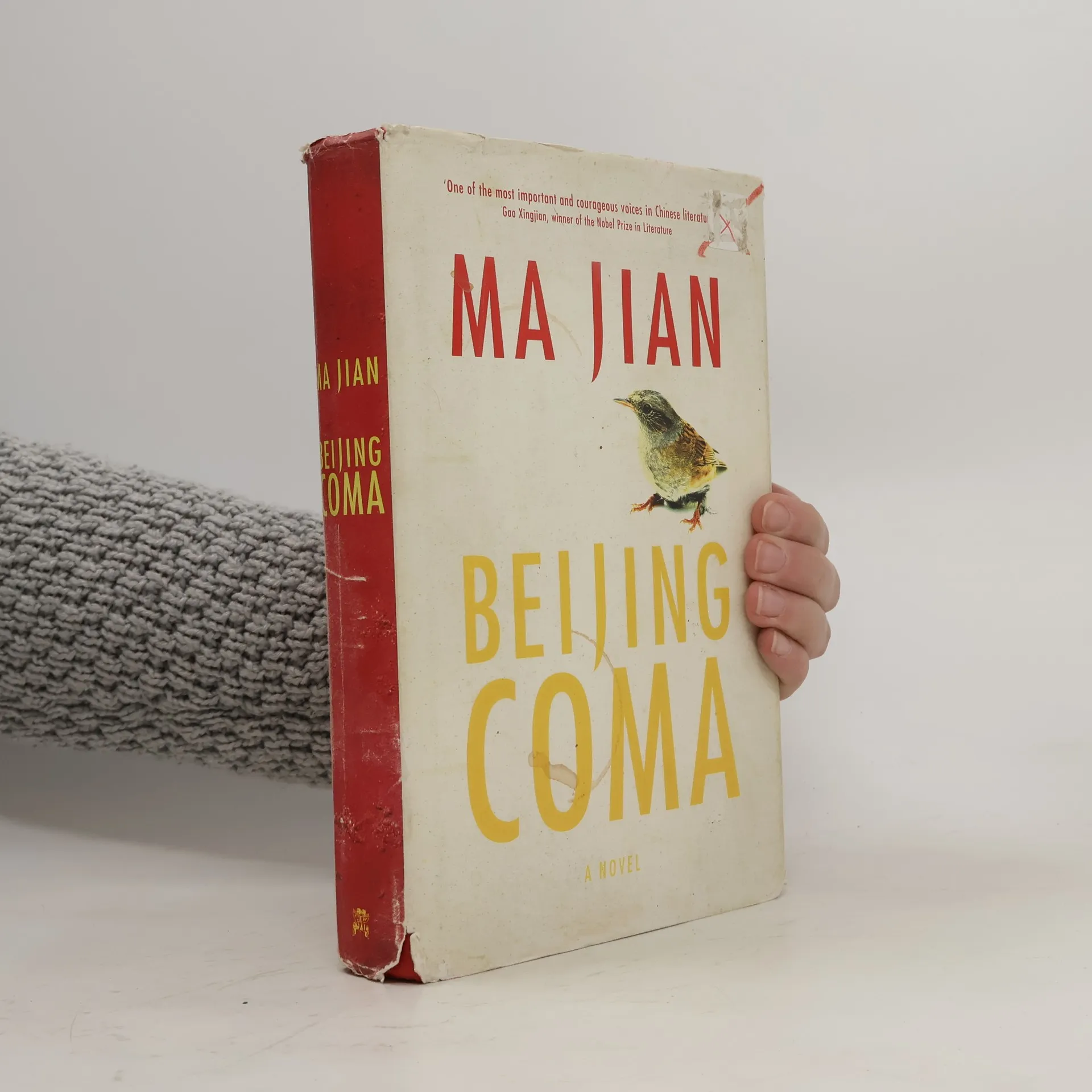
Awakening after a decade of unconsciousness, former Tiananmen Square protester Dai Wei learns that his mother had sold one of his kidneys to finance his care, and that the China he knew has undergone radical change.
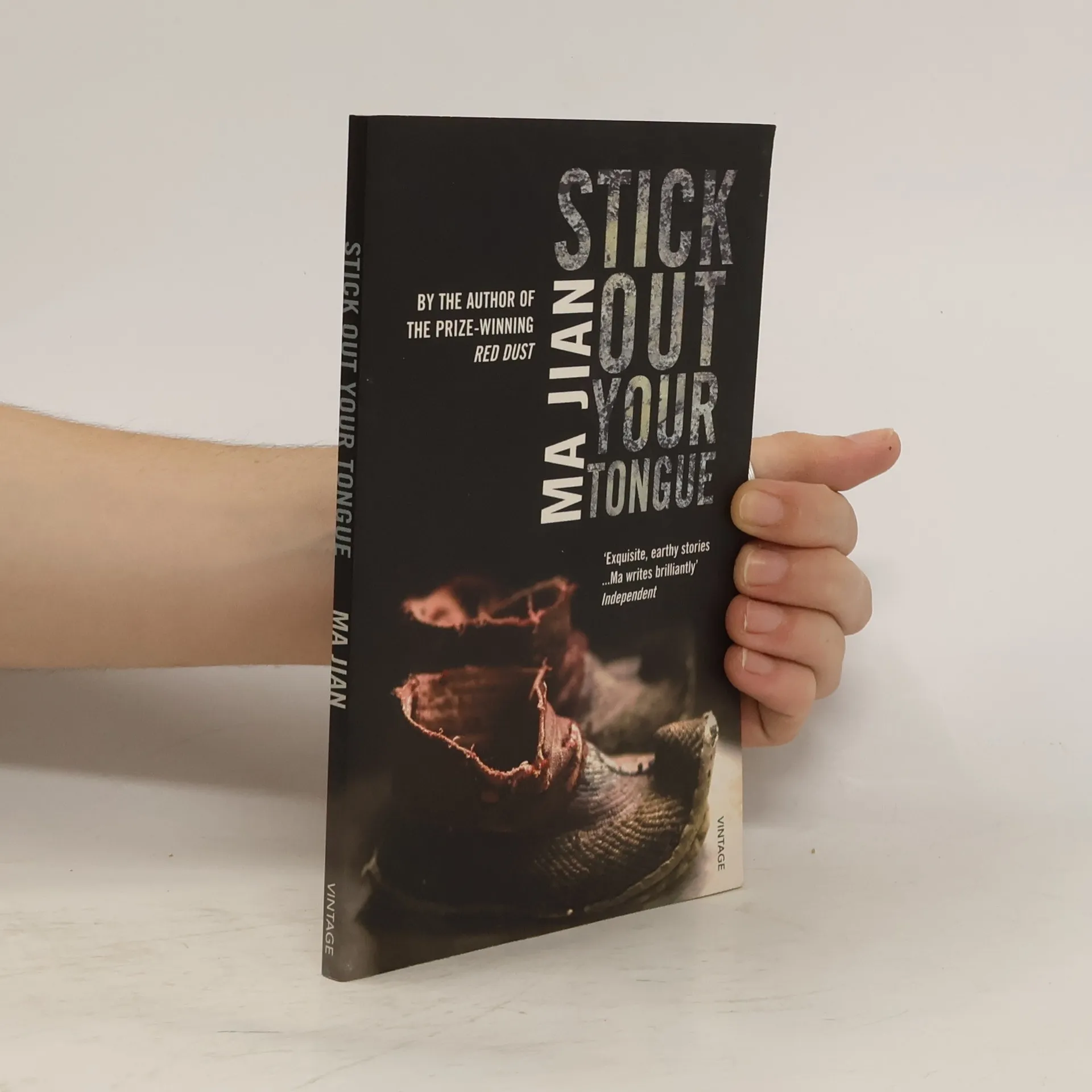
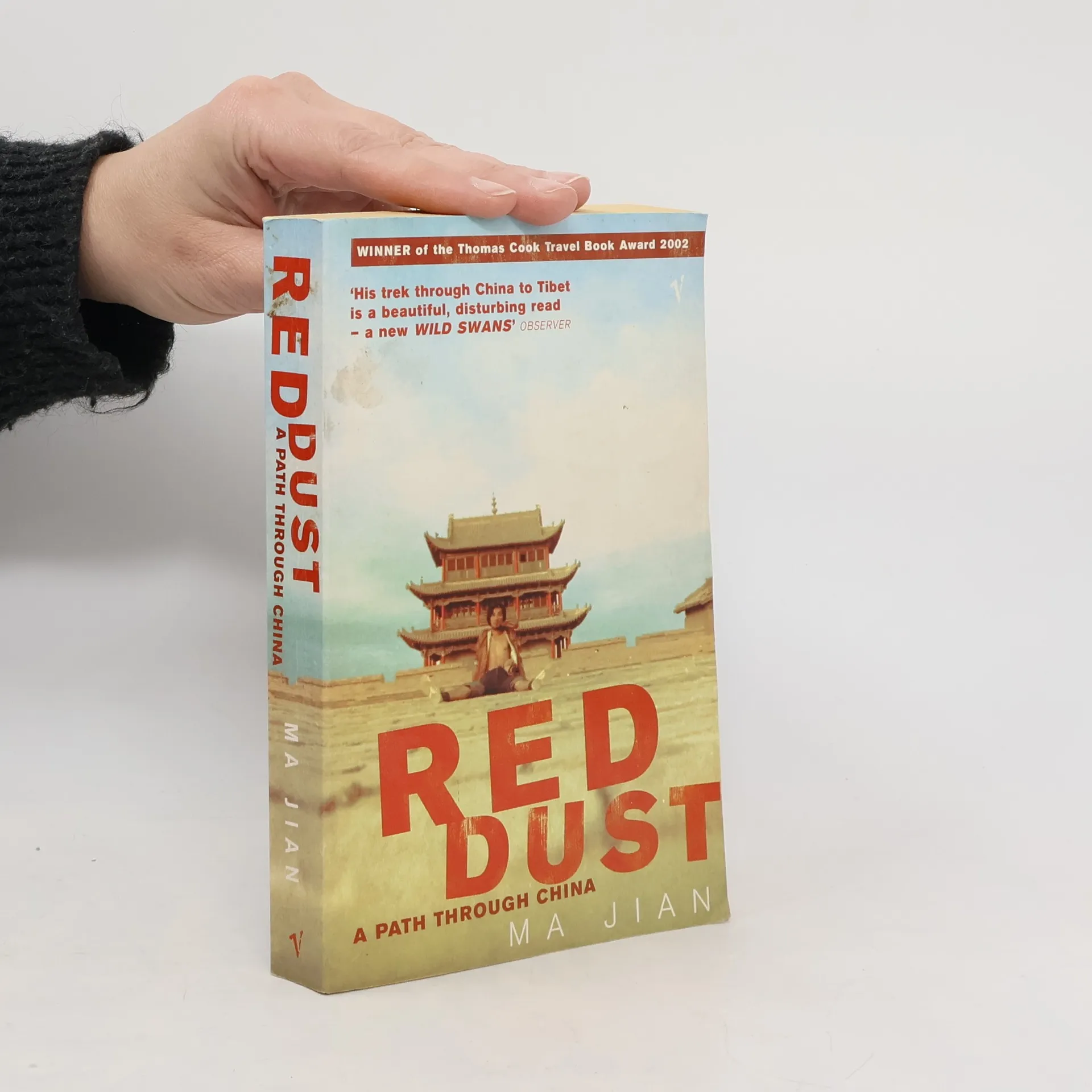
Part memoir, part travelogue, this volume shows Ma Jian's skills as novelist, poet and painter. It brings the people and places alive on the page, while his personal story offers an insight into Chinese society since the death of Mao.
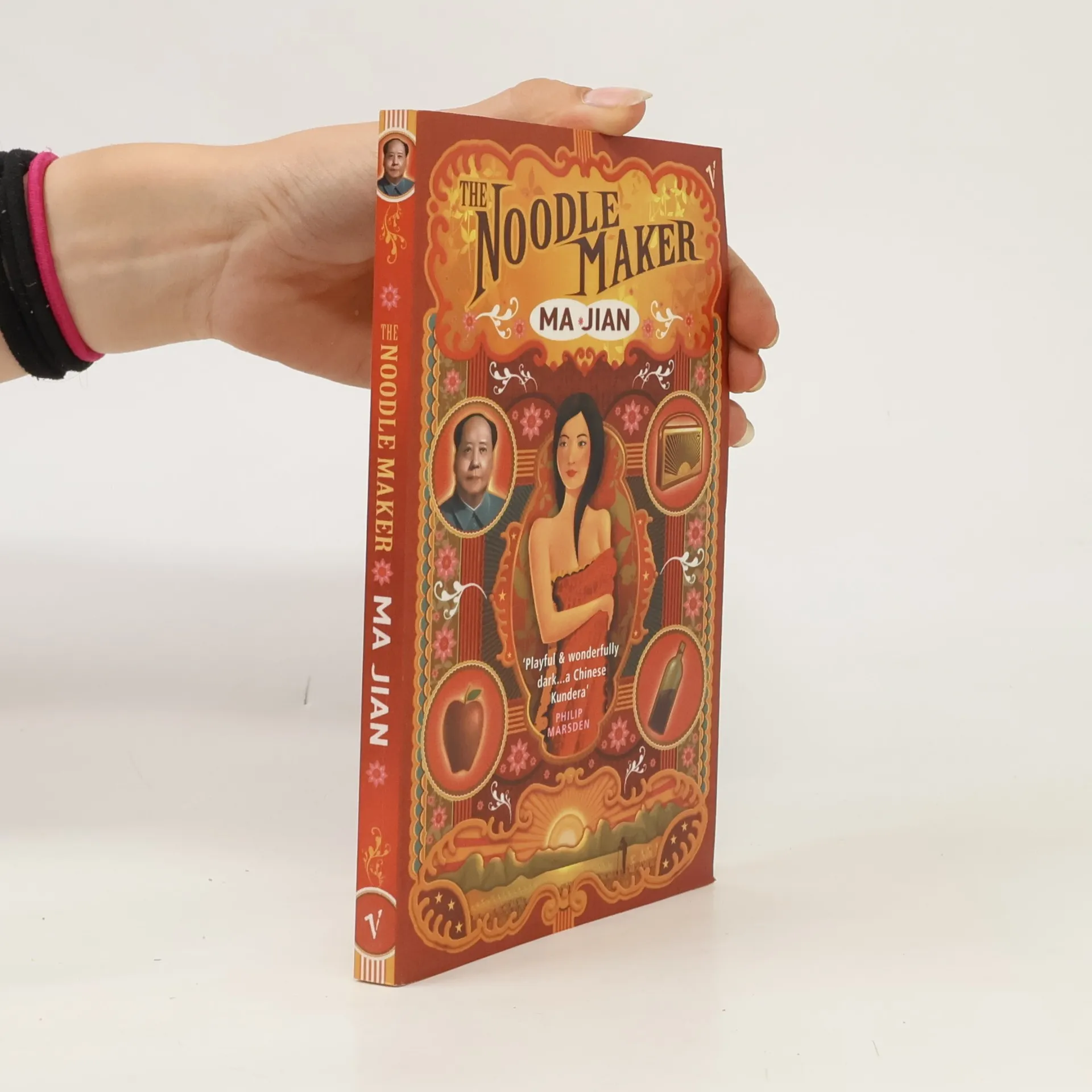
Written in the aftermath of the Tiananmen massacre, 'The Noodle Maker' is a virtuoso piece of red humour - a darkly funny novel about the absurdities and cruelties of life in modern China.
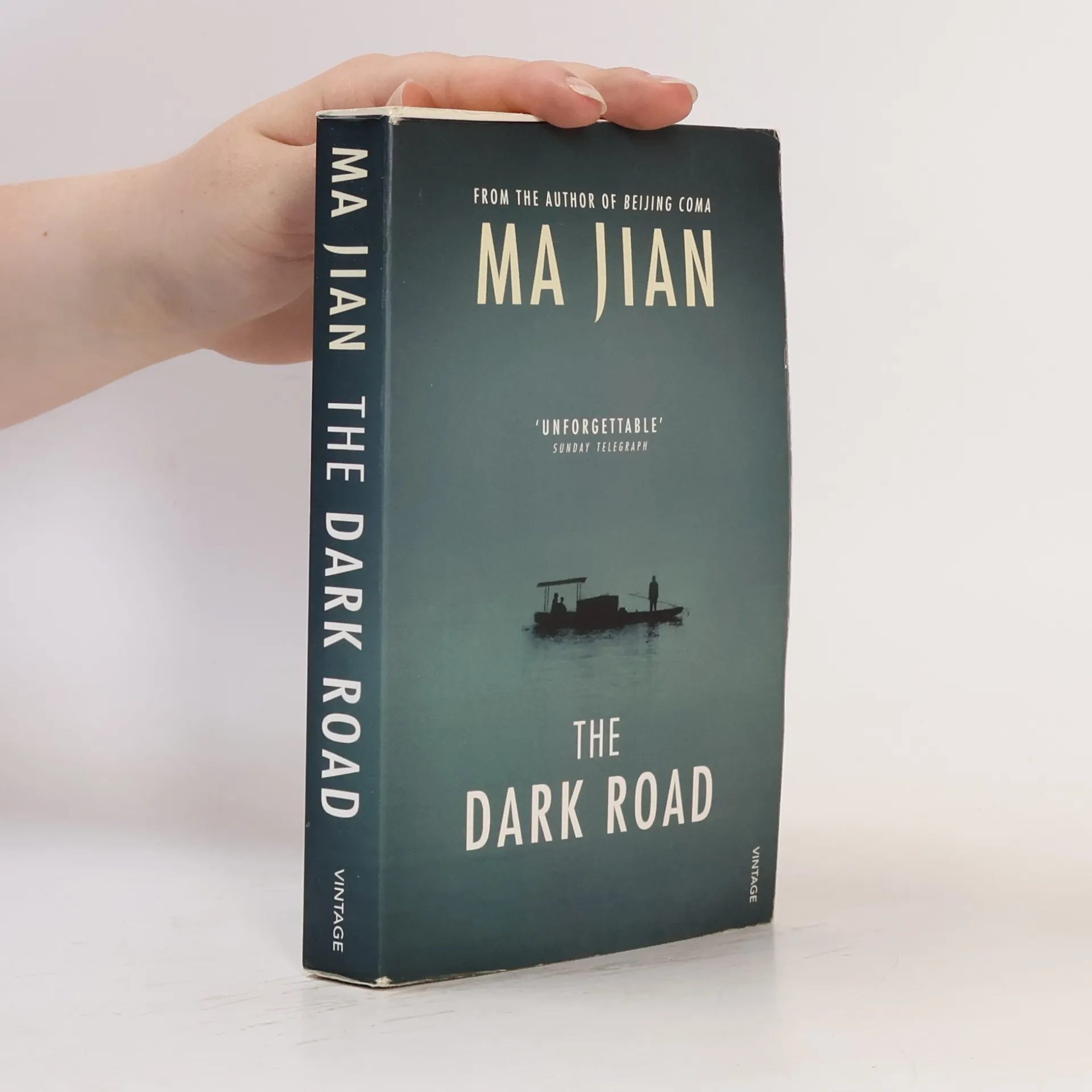
Meili, a young peasant woman born in the remote heart of China, is married to Kongzi, a village school teacher, and a distant descendant of Confucius. They have a daughter, but desperate for a son to carry on his illustrious family line, Kongzi gets Meili pregnant again without waiting for official permission. When family planning officers storm the village to arrest violators of the population control policy, mother, father and daughter escape to the Yangtze River and begin a fugitive life. For years they drift south through the poisoned waterways and ruined landscapes of China, picking up work as they go along, scavenging for necessities and flying from police detection. As Meili’s body continues to be invaded by her husband and assaulted by the state, she fights to regain control of her fate and that of her unborn child.
A Chinese writer whose marriage has fallen apart travels to Tibet. As he wanders through the countryside, the divide between fact and fiction becomes confused and the man is drawn deep into an alien culture that haunts his dreams.