Sigmund Freud se erige como una de las mentes más influyentes del siglo XX, el fundador del psicoanálisis que remodeló profundamente la comprensión de la psique humana. Su obra profundiza en el inconsciente, explorando los conflictos perpetuos entre los impulsos primarios y las defensas de la mente. A través de su análisis de los sueños y el desarrollo de un modelo tripartito de la mente que comprende el ello, el yo y el superyó, Freud iluminó las complejidades de la personalidad humana. Sus teorías revolucionarias, aunque a menudo controvertidas, continúan dando forma a nuestra comprensión del comportamiento humano, la cultura y la sociedad.
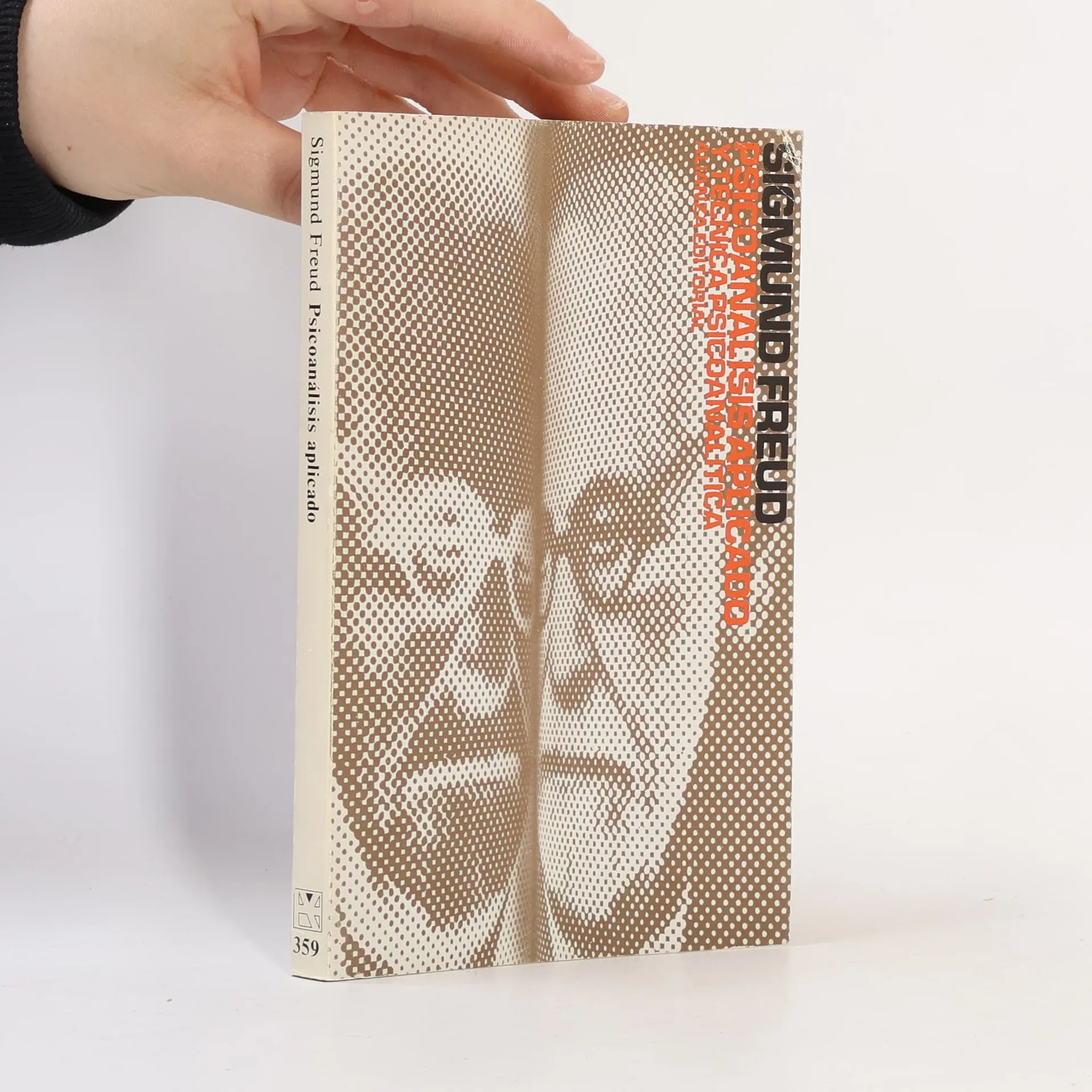
Si la primera parte de este volumen ofrece distintos ejemplos prácticos de psicoanálisis aplicado expuestos por Sigmund Freud, la segunda recoge once trabajos que explican a especialistas y profanos las reglas básicas a las que ha de ajustarse la tarea clínica, los obstáculos que han de orillarse para lograr una adecuada eficacia terapéutica y los procedimientos que constituyen el bagaje de la técnica psicoanalítica.
Madrid. 18 cm. 391 p. Encuadernación en tapa blanda de editorial. Colección 'El Libro de Bolsillo. Secció Humanidades', numero coleccion(582). Índice. Freud, Sigmund 1856-1939. Aus den Anfängen der Psychoanalyse. Traductor del alemán Ramón Rey Ardid. Psicoanálisis. Los orígenes del psicoanálisis. Traductor, Ramón Rey Ardid .. Este libro es de segunda mano y tiene o puede tener marcas y señales de su anterior propietario. 842061582X
Los descubrimientos de Sigmund Freud, controvertidos desde su mismísimo origen, han ejercido una influencia fundamental en el mundo que nos rodea. Conceptos como el psicoanálisis, la represión, el inconsciente o incluso el complejo de Edipo han entrado a formar parte de la cultura general de nuestro tiempo. Sin embargo, bajo su aparente familiaridad se esconde un entramado de relaciones que pone al descubierto una concepción sofocante de lo que significa ser humano.El estallido de la Gran Guerra en 1914 dejó patente que el ser humano no había evolucionado tanto durante los últimos siglos. No era ni tan civilizado, ni tan racional, ni tan dueño de sus emociones como le habría gustado imaginar. Enfrentarnos a esa criatura desconocida que nos mira con extraña familiaridad desde el espejo sigue siendo uno de los mayores retos de nuestros días. Tal vez sea demasiado aterrador preguntarnos qué se esconde bajo la fachada de nuestra cotidianidad.«Los procesos psíquicos son en sí mismo inconscientes, y los procesos conscientes no son sino actos aislados o fracciones de la vida anímica total.»
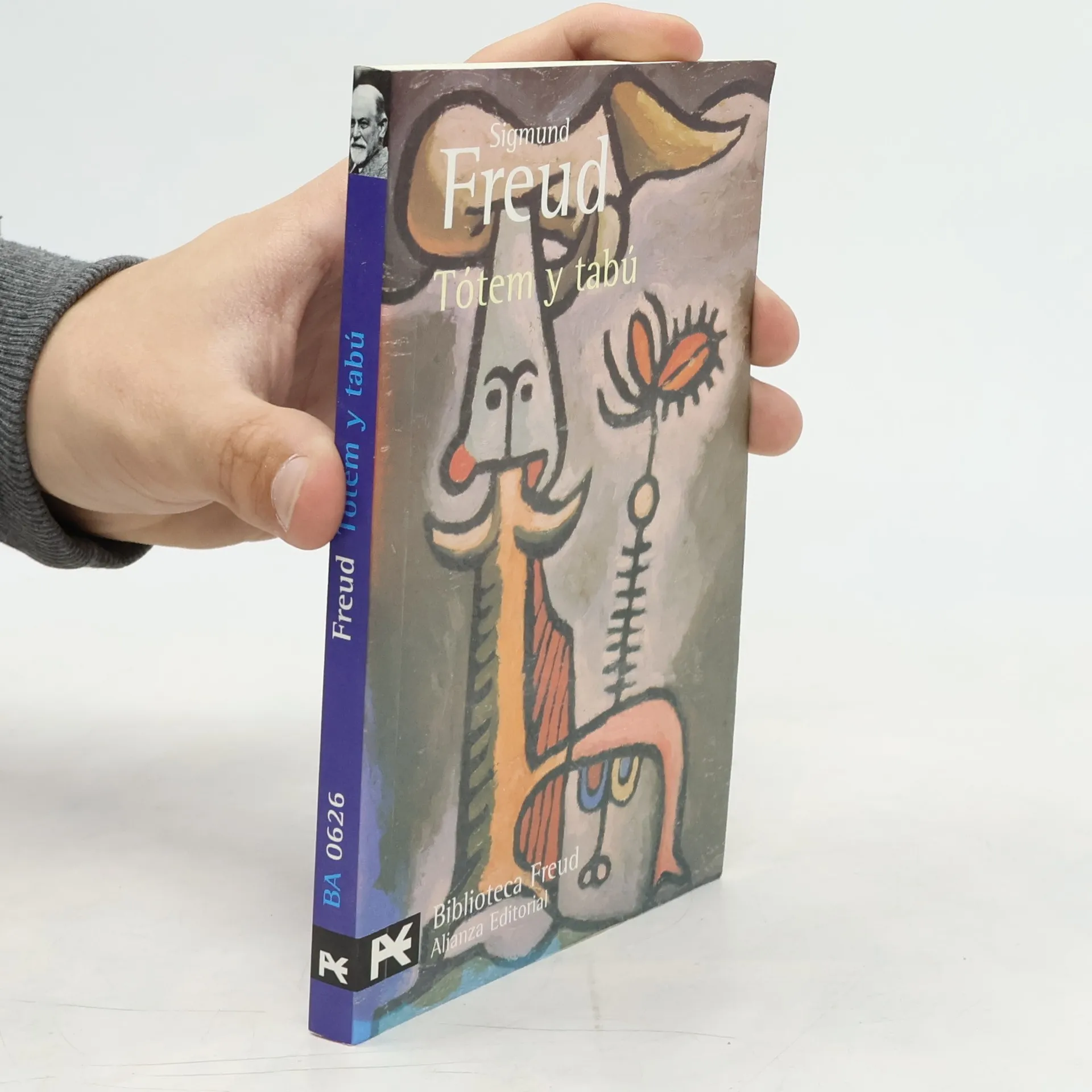
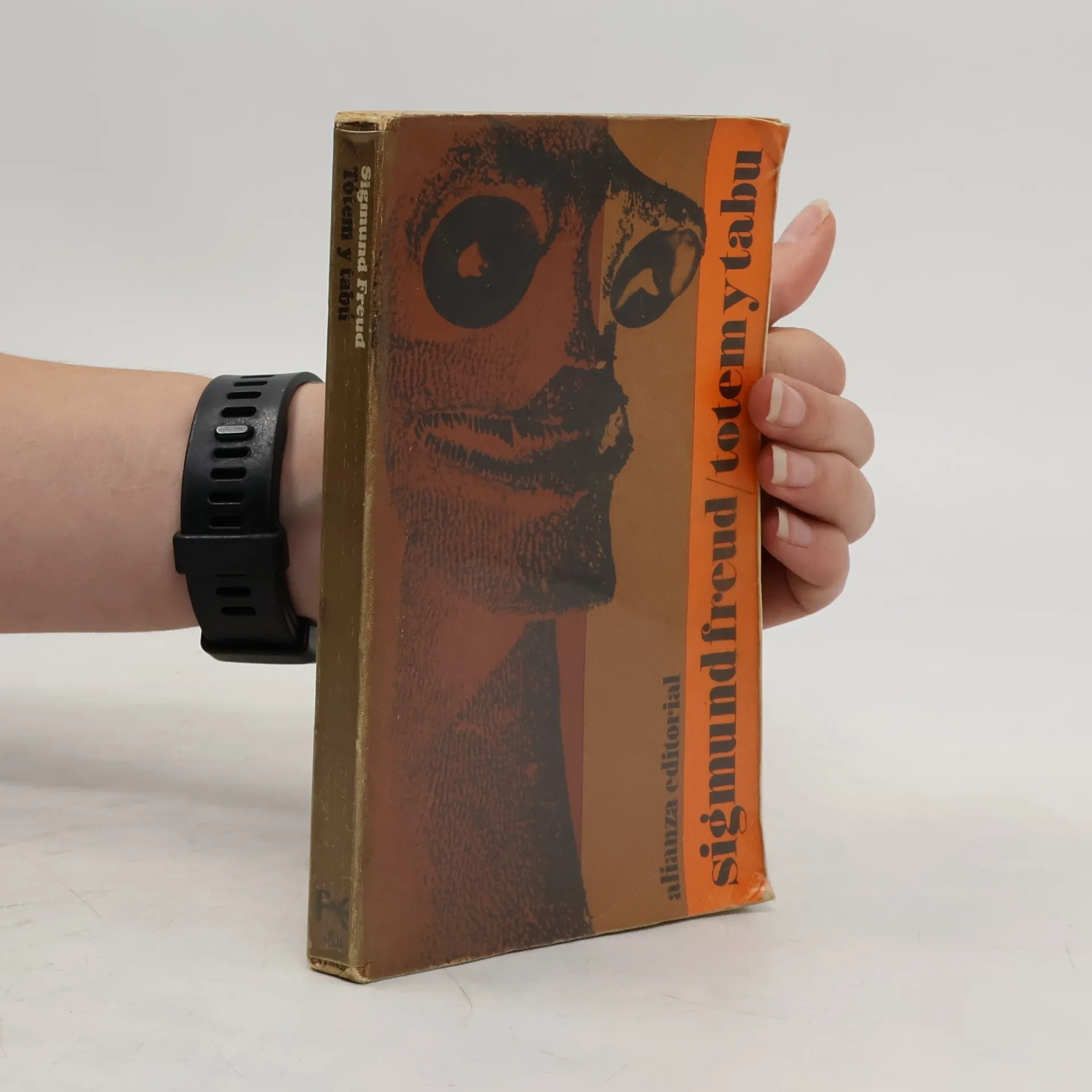
En Tótem y tabú (escrito en 1913) Freud se propuso explicar los orígenes de nuestra especie mediante interpretaciones psicoanalíticas proyectadas sobre la antropología. El horror al incesto, la ambivalencia de los sentimientos respecto al tabú, las funciones desempeñadas por el animismo y la magia, el totemismo y sus estrechas relaciones con la exogamia, son otras tantas consecuencias del drama edípico primigenio, esto es, del parricidio en la horda primitiva, base de la religión, la moralidad y las instituciones de la vida civilizada.
This work serves as a brilliant summary of psychoanalytic views on culture that Freud had been developing since the early 1900s. It reflects the late theory of mind, particularly the structural theory, emphasizing aggression and the death drive as adversaries to eros. Written in the decade before his death and first published in German in 1929, it explores man's place in the world, defined by the conflict between the individual's quest for freedom and society's demand for conformity. Freud argues that what benefits civilization does not necessarily benefit man, who is inherently aggressive and egotistical, seeking self-satisfaction. However, culture suppresses these instinctual drives, leading to pervasive guilt. Among the English translations of Freud's major works during his lifetime, only one was authorized by him: The Standard Edition of the Complete Psychological Works of Sigmund Freud, edited by James Strachey. Freud approved the editorial plan, specific translations of key terms, and the inclusion of valuable notes. Many translations were done by Strachey, ensuring the Standard Edition’s supremacy over other versions.
Freud, en su estudio sobre la psicología de las masas, investiga por qué las personas actúan de manera diferente en grupo que como individuos. Analiza los cambios mentales que se producen bajo la influencia del grupo, señalando que en la masa se pierde el sentido de responsabilidad, lo que permite que aflore la verdadera personalidad. Propone que la psicología de masas se asemeja a la hipnosis, donde el comportamiento del individuo es similar al de alguien hipnotizado.
Explora también el nivel moral de las masas, donde desaparecen las inhibiciones individuales y surgen instintos agresivos. No obstante, la masa, influenciada por la sugestión, puede lograr grandes hazañas y devoción hacia ideales. El individuo, que es intelectualmente superior al grupo, debe evaluar al líder de la masa, cuya calidad impacta en la moral colectiva.
Freud menciona la iglesia y el ejército como ejemplos de masas organizadas, donde los individuos enfrentan dificultades para separarse. Ambas entidades cuentan con un líder que los ama. En capítulos posteriores, examina las relaciones familiares y el desarrollo del niño hacia el padre, así como la teoría del prahordy, que ha dejado huella en la historia humana. El ancestro se convierte en un ideal para la masa, y cada individuo construye su Yo-Ideal a partir de diversos modelos. Los conceptos de Freud, incluida su teoría política, son aún relevantes, ya que los políticos utilizan la sugestión masiva y
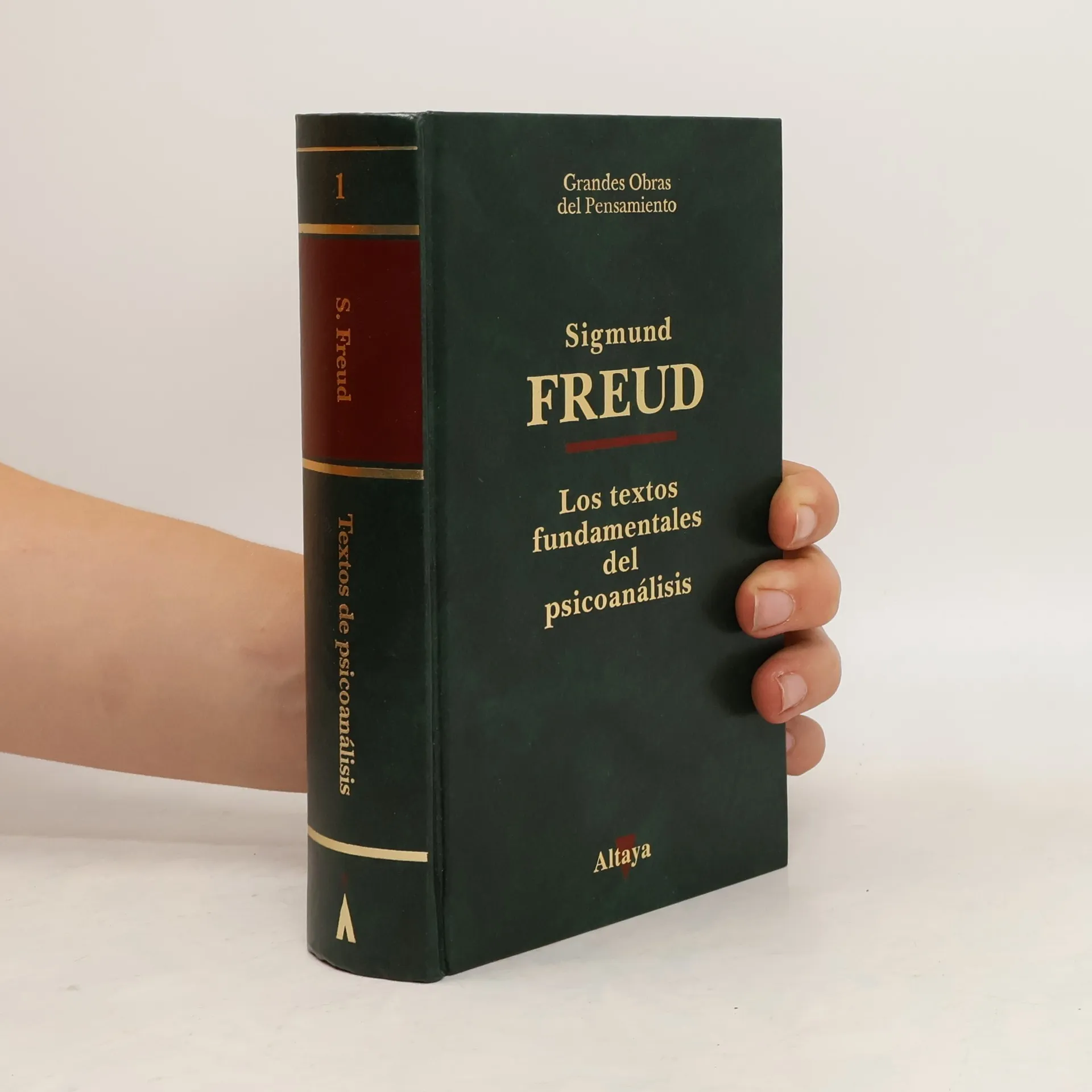
Sigmund Freud es autor de una de las obras más fascinantes sobre el funcionamiento de la mente humana. Su método, el psicoanálisis ha influido de manera notable en el curso de las ideas en el siglo XX. La selección que realiza su hija, Anna Freud, ofrece lo esencial del pensamiento freudiano, y abarca sus escritos fundamentales, desde "El significado de los sueños" (1900) hasta "El concepto de lo inconsciente" (1938).
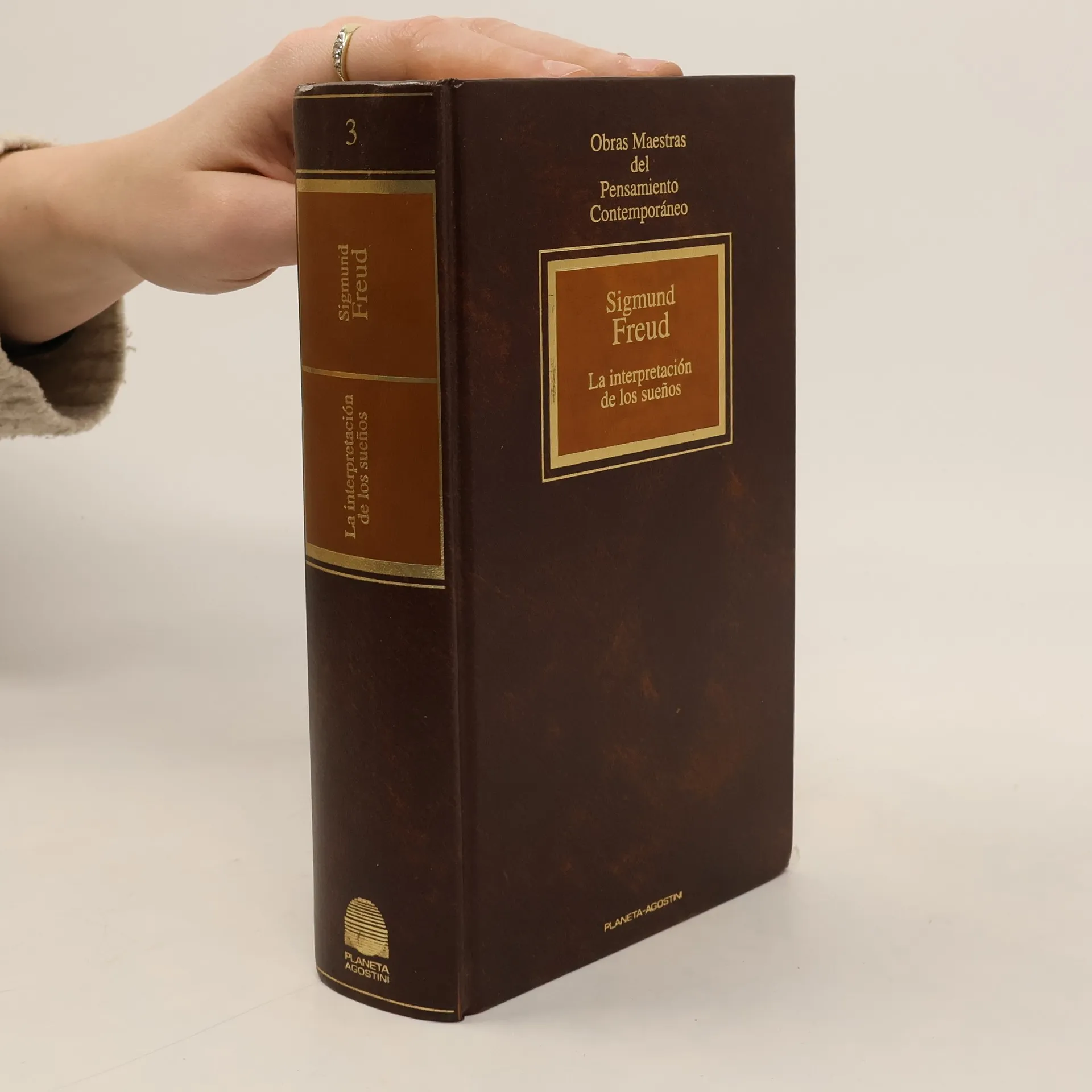
La obra de Sigmund Freud inaugura la teoría del análisis de los sueños, describiendo esta actividad como la vía regia hacia el conocimiento del inconsciente en la vida anímica. Freud sostiene que los sueños son una realización alucinatoria de deseos, convirtiéndose en un acceso privilegiado al inconsciente mediante un método interpretativo basado en la asociación libre de símbolos. En el texto, Freud expone sistemáticamente su primera teoría sobre el aparato psíquico, señalando que existe una técnica psicológica para interpretar sueños. Al aplicar este procedimiento, cada sueño se revela como un producto psíquico con sentido, que puede ser ubicado dentro del ajetreo anímico de la vigilia. Además, busca aclarar por qué los sueños aparecen como ajenos e irreconocibles, remontándose a las fuerzas psíquicas que los generan. Desde la perspectiva freudiana, los sueños son formas de "cumplimiento de deseo", intentos del inconsciente para resolver conflictos, ya sean recientes o antiguos. Sin embargo, la información inconsciente suele presentarse de manera perturbadora, y un "censor" en el preconsciente impide que pase sin alteraciones a la conciencia. Aunque durante el sueño este censor es más laxo, el inconsciente debe deformar su contenido para evadir la censura, lo que hace que las imágenes oníricas a menudo requieran una profunda interpretación para revelar las estructuras del inconsciente.
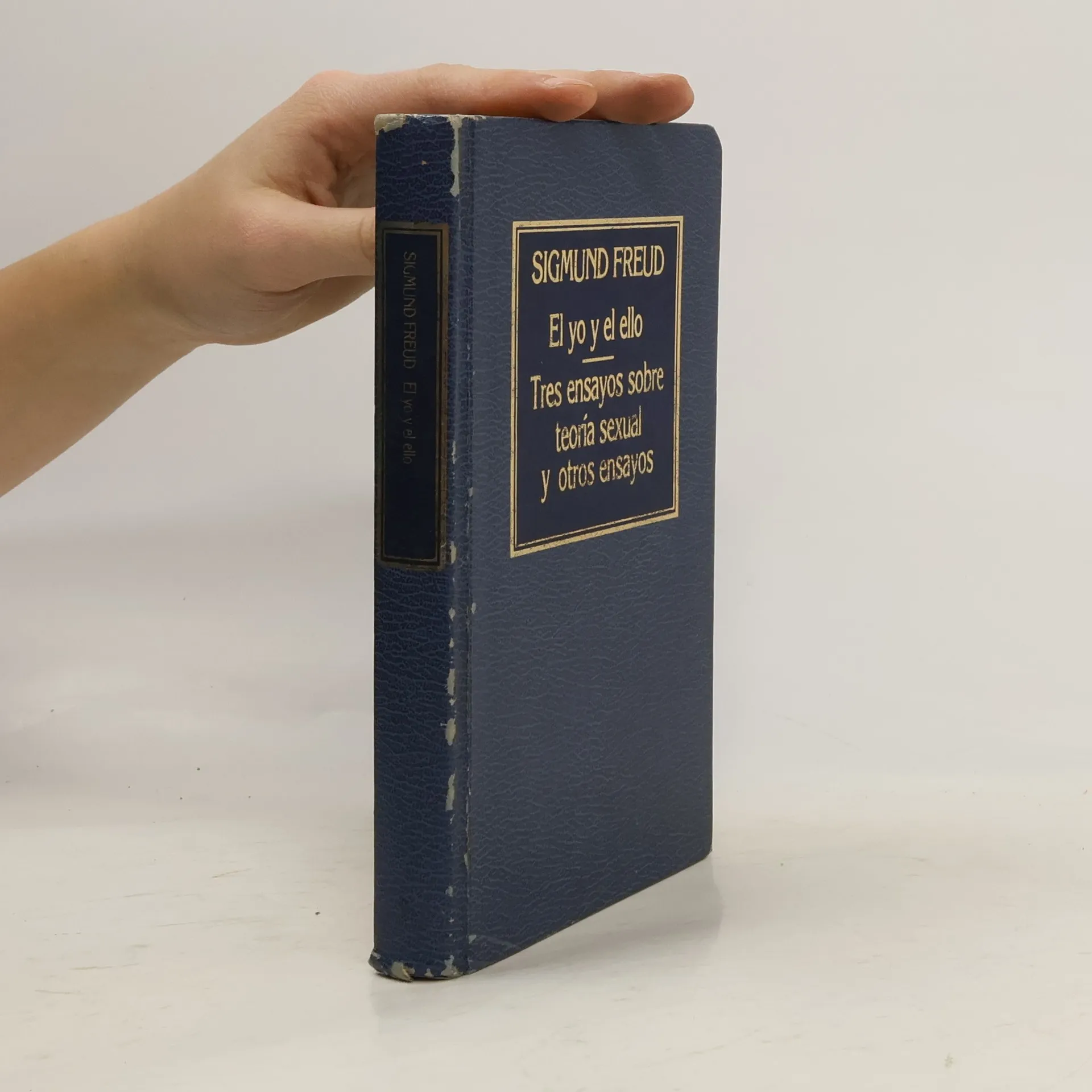
EL YO Y EL ELLO (1923) -pensado como una continuación de <> (LB 193)- es uno de los grandes trabajos de SIGMUND FREUD y uno de los pilares de la teoría psicoanalítica de la fase de madurez. Las implicaciones de algunas de las ideas gestadas durante los años de la Gran Guerra acerca del conflicto entre el instinto de la muerte y el eros, de la agresividad como exteriorización de tendencias autodestructivas, son formuladas ahora con toda nitidez y audacia. Se trata, en verdad, de un auténtico viraje en el pensamiento freudiano; la antigua y estricta identificación del inconsciente con los procesos mentales reprimidos deja paso a una visión más refinada, compleja y articulada de la vida psíquica en la que el ego, el super-ego y el id juegan papeles dialécticamente interrelacionados. INHIBICIÓN, SÍNTOMA Y ANGUSTIA (1920) -también incluído en el presente volumen- es, en opinión de Jones, <>; trabajo rico en sugerencias, contiene varias novedades teóricas importantes, así como serias modificaciones de la hipótesis anterior que identificaba la angustia con la transformación de la libido y atribuía la causación de tales estados a la represión de las pulsiones. Completan este volumen OTROS ESCRITOS DE METAPSICOLOGÍA, de los que merecen especial atención los trabajos publicados en 1924 -<> y <>- que desarrollan y amplifican ideas ya contenidas en <>.
El malestar en la cultura, trabajo en el que Sigmund Freud (1856-1939) sentó que nuestra especie ha pagado por el progreso el elevado precio de sacrificar la vida instintiva y reprimir la espontaneidad, es, como señala Carlos Gómez en su introducción al mismo, uno de los ensayos con más amplias repercusiones en el pensamiento del siglo xx. Completan este volumen otros textos freudianos fundamentales, como son «Sobre la conquista del fuego», «Consideraciones de actualidad sobre la guerra y la muerte» y los seis ensayos destinados a ser publicados bajo el rótulo genérico de «Metapsicología», entre los que se halla el célebre «La aflicción y la melancolía».
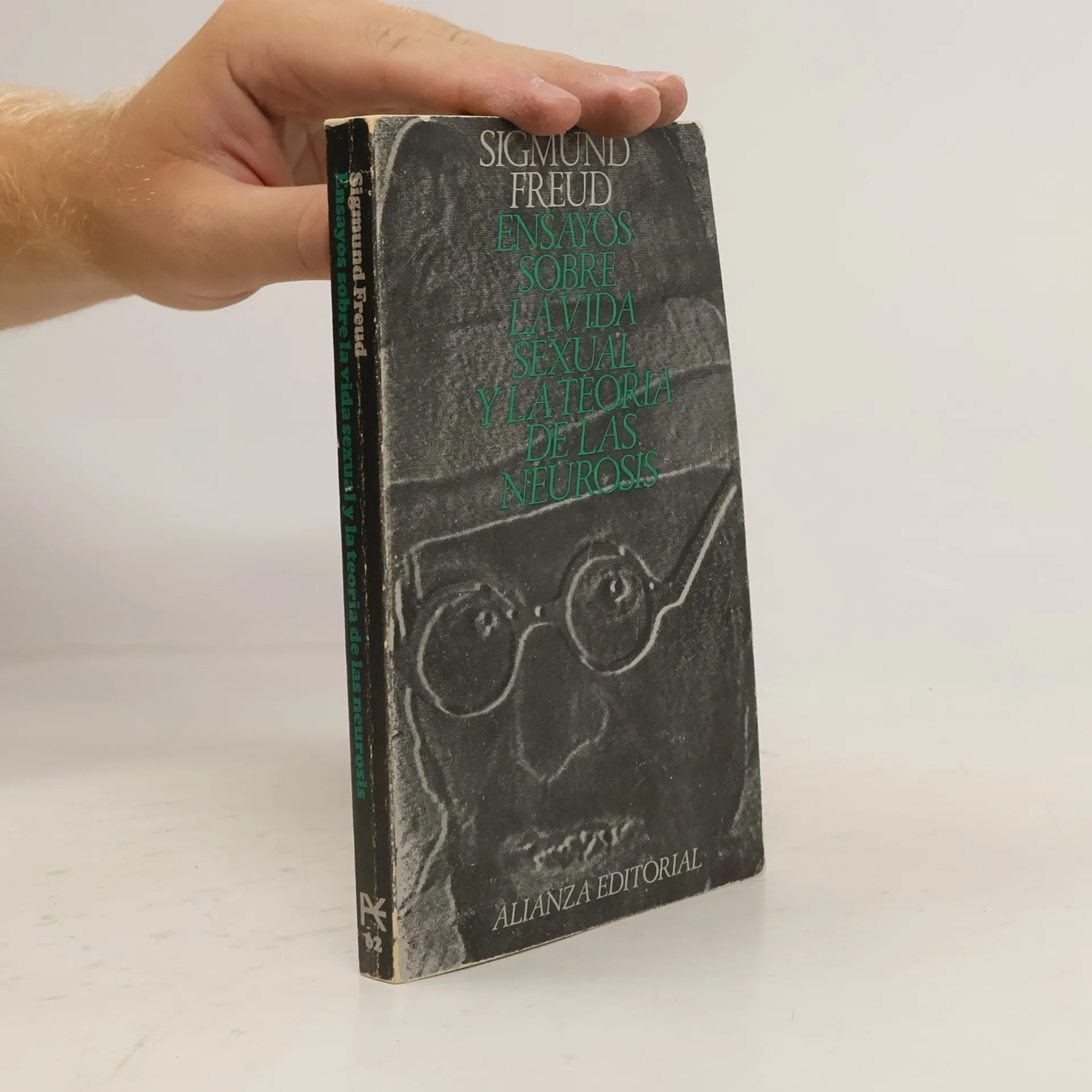
Esplugas de Llobregat, Barcelona. 20 cm. 258 p. Encuadernación en tapa dura de editorial. Colección 'Historia del pensamiento', numero coleccion(9). Tres ensayos sobre teoría sexual y otros ensayos / Sigmund Freud ; traducción del alemán, Rey Ardid y Luis López Ballesteros y de Torres. Freud, Sigmund 1856-1939. Ich und das Es. Traducción del alemán, Ramón Rey Ardid, Luis López Ballesteros y de Torres. Psicoanálisis. Psicología sexual. Ego (Psicología). Ello. López-Ballesteros y de Torres, Luis. 1896-1938 .. Este libro es de segunda mano y tiene o puede tener marcas y señales de su anterior propietario. ISBN: 84-7530-456-7
The Standard Edition of the complete works of the father of psychoanalysis - the only definitive paperback edition on the market. Translated from the German under the General Editorship of James Strachey; in collaboration with Anna Freud; assisted by Alix Strachey and Alan Tyson.
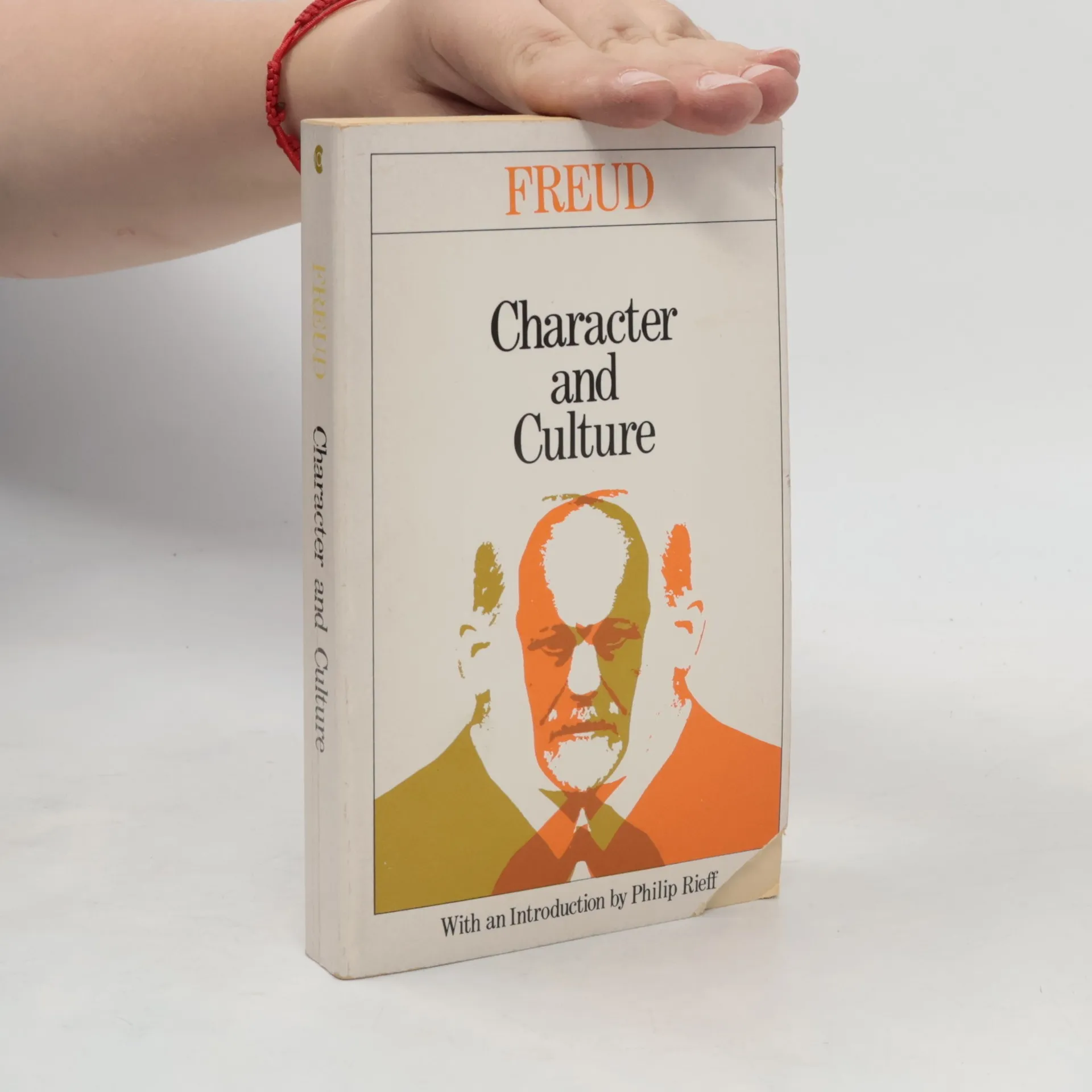
s/t: Psychoanalysis Applied to Anthropology, Mythology, Folklore, Literature & Culture in General Essays written from 1907 through 1937. Being Collected Papers of Sigmund Freud, v. 9.
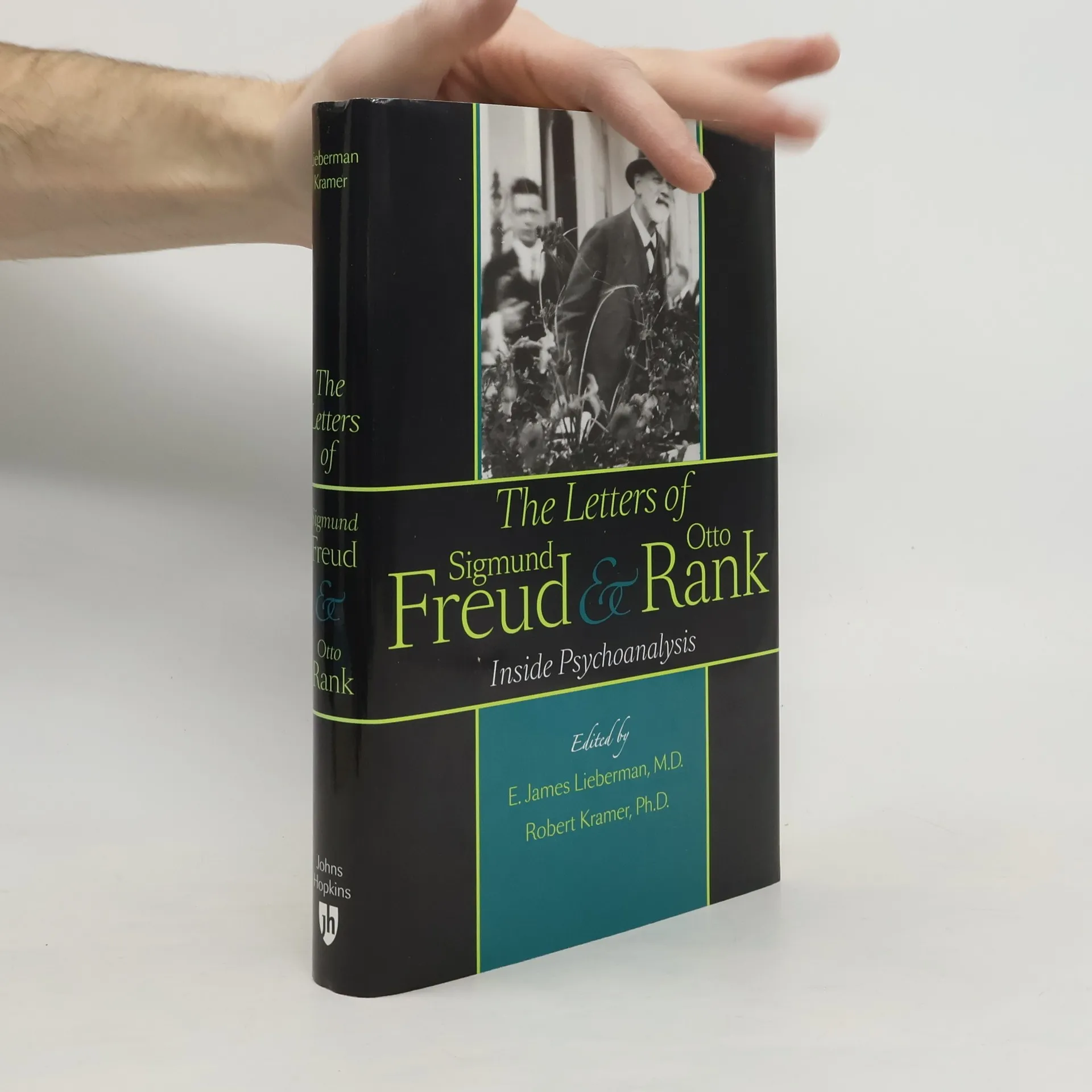
Sigmund Freud’s relationship with Otto Rank was the most significant of his professional life, with Freud regarding Rank as his most brilliant disciple. Their collaboration spanned psychoanalytic writing, practice, and politics; Rank served as the managing director of Freud’s publishing house and contributed two chapters to Freud's seminal work, The Interpretation of Dreams, marking the only instance of another name on its title page. This collection of 250 letters, compiled by E. James Lieberman and Robert Kramer, illuminates their twenty-year partnership and the eventual painful split. The correspondence, spanning from 1906 to 1925, reveals not only their professional insights but also their personal lives, including friendships, rivals, families, and travels. Notably, the letters document Rank’s growing independence, the father-son schism over his "anti-Oedipal" views, and their surprising reconciliation before their final separation. This candid correspondence offers a glimpse into how the pioneers of modern psychotherapy interacted with patients, colleagues, and each other, illustrating the development of psychoanalysis alongside early twentieth-century science, art, philosophy, and politics. This rich primary source serves as a powerful narrative of early psychoanalysis and its two most influential figures.
A new 2023 illustrated translation into modern American English from the original German manuscript of Freud's influential 1923 The Ego and the Id, where he describes his basic theories of consciousness. For broader context, a manuscript fragment titled "The Ego Split in the Defense Process" is includedThis edition includes an introduction by the translator on the philosophic differences between Carl Jung and Sigmund Freud, a glossary of Freudian Psychological terminology and a timeline of Freud’s life & works.
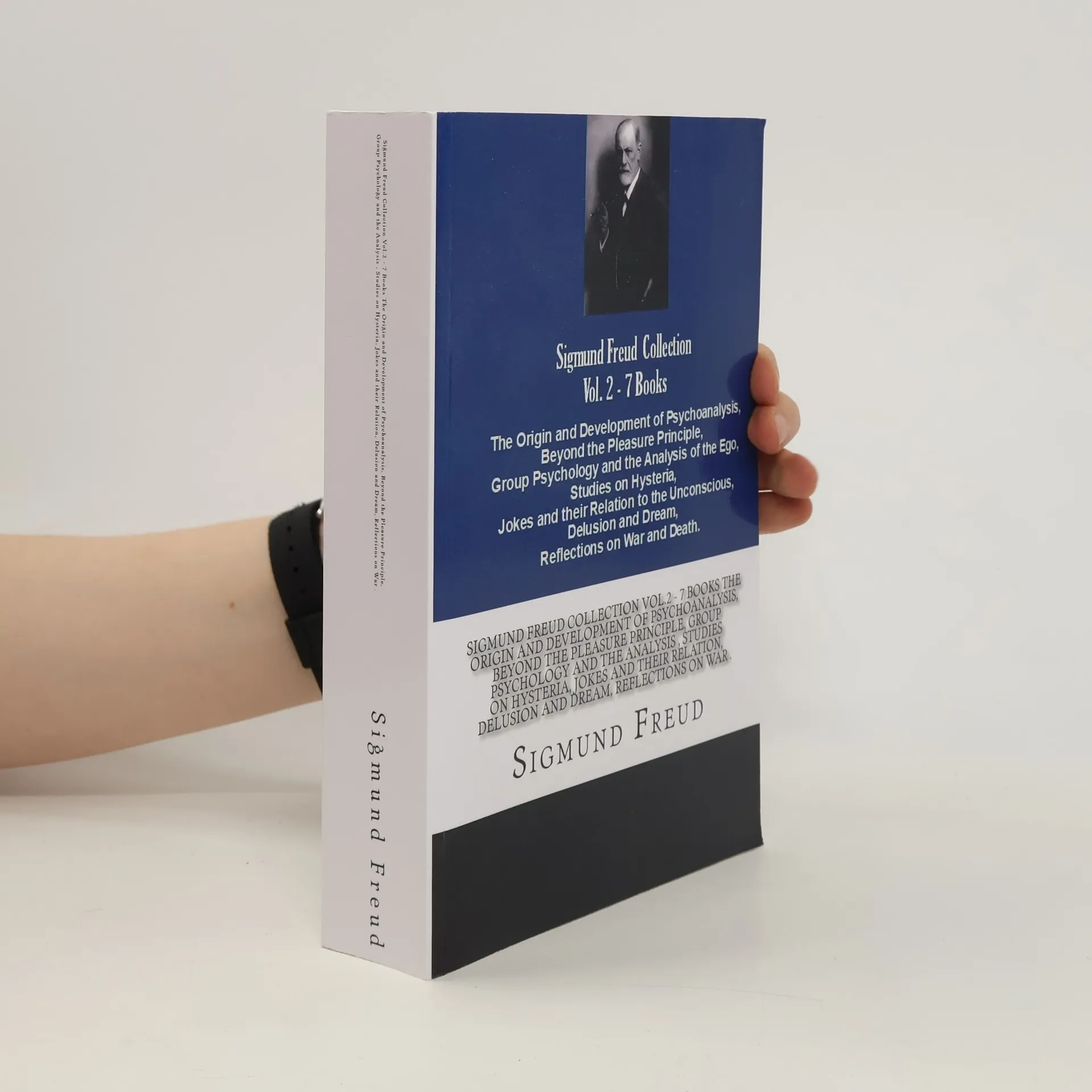
SIGMUND FREUDCOLLECTIONVOL. 2 - 7 BOOKS THE ORIGIN AND DEVELOPMENT OF PSYCHOANALYSIS BEYOND THE PLEASURE PRINCIPLE GROUP PSYCHOLOGY AND THE ANALYSIS OF THE EGO STUDIES ON HYSTERIA JOKES AND THEIR RELATION TO THE UNCONSCIOUS DELUSION AND DREAM REFLECTIONS ON WAR AND DEATHThis SECOND volume of the Freud Collection contains SEVEN classics of psychology and psychoanalysis by its father, Sigmund Freud. The books are among the first written by Freud, together for the first time in one comprehensive volume. These are the original authorized translations approved by the author, and are a wonderful study tool.The books included are:THE ORIGIN AND DEVELOPMENT OF PSYCHOANALYSIS BEYOND THE PLEASURE PRINCIPLE GROUP PSYCHOLOGY AND THE ANALYSIS OF THE EGO STUDIES ON HYSTERIA JOKES AND THEIR RELATION TO THE UNCONSCIOUS DELUSION AND DREAM REFLECTIONS ON WAR AND DEATH
Exploring the psychological dimensions of war and mortality, Freud delves into the human psyche's response to conflict and loss. He examines how these experiences shape individual and collective identities, reflecting on the interplay between instinctual drives and societal pressures. Freud's insights reveal the complexities of human emotions in the face of violence and death, offering a profound analysis of the impact of war on mental health and civilization. This work blends philosophy, psychology, and cultural criticism, making it a significant contribution to understanding human behavior in times of crisis.
SIGMUND FREUDCOLLECTIONVOL. 1 - SIX BOOKS 1. A General Introduction To Psychoanalysis (1920)2. Three Contributions To The Theory Of Sex (1905)3. Totem And Taboo (1913)4. Dream Psychology (1901)5. Leonardo Da Vinci (1910)6. Psychopathology Of Everyday Life (1904) (TRANSLATOR: G. Stanley Hall)This first volume of the Freud Collection contains Six amazing classics of psychology and psychoanalysis by its father, Sigmund Freud. The books are the main works of Freud, together for the first time in one comprehensive volume. These are the original authorized translations approved by the author, and are a wonderful study tool.The books included are:1. A General Introduction To Psychoanalysis2. Three Contributions To The Theory Of Sex3. Totem And Taboo4. Dream Psychology5. Leonardo Da Vinci6. Psychopathology Of Everyday Life
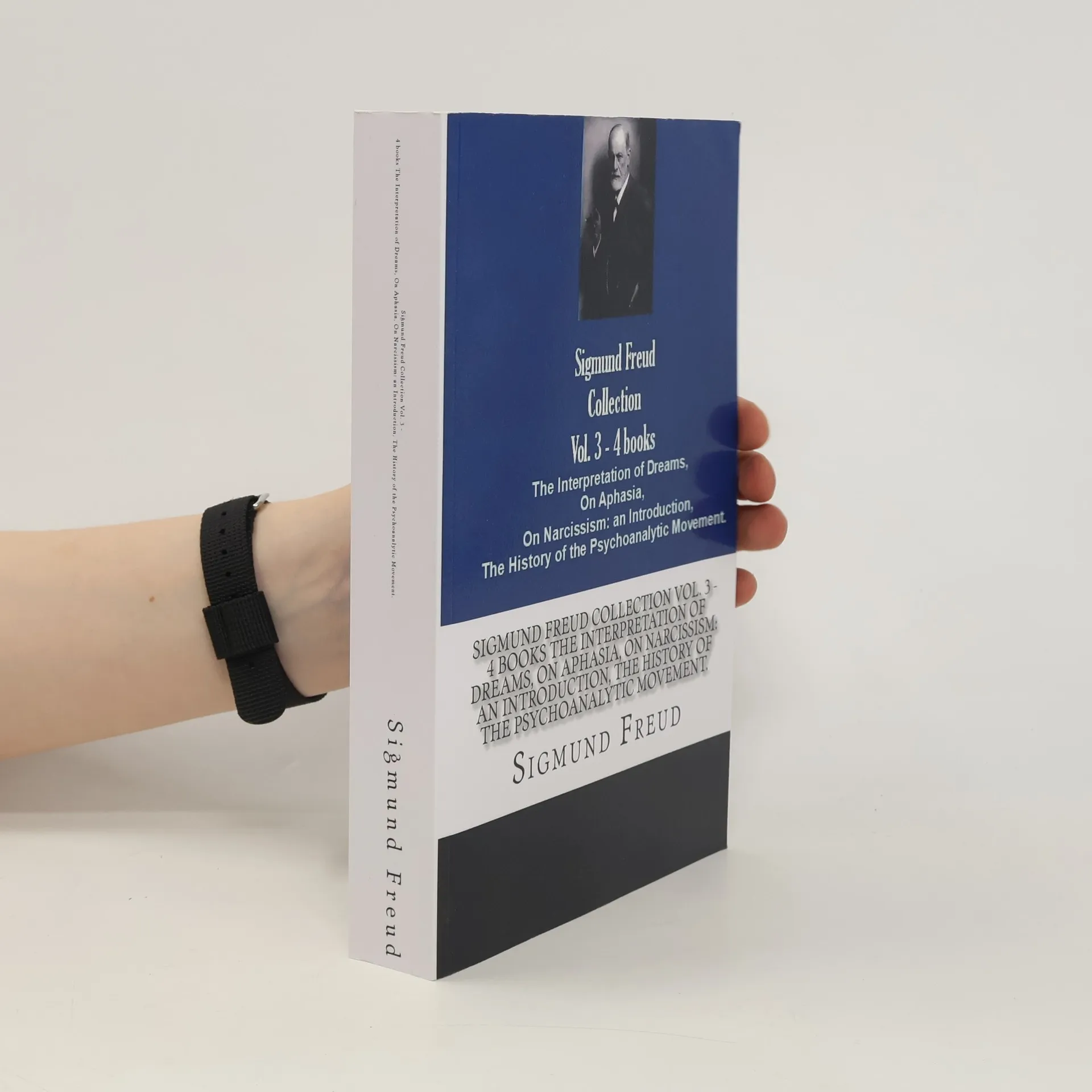
VOL. 3 - 4 BOOKS THE INTERPRETATION OF DREAMS ON APHASIA ON AN INTRODUCTION THE HISTORY OF THE PSYCHOANALYTIC MOVEMENT This THIRD volume of the Freud Collection contains FOUR classics of psychology and psychoanalysis by its father, Sigmund Freud, including one of his most important works, the Interpretation of Dreams, and his first published work, ON APHASIA. These are the original authorized translations approved by the author, and are a wonderful study tool. The books included THE INTERPRETATION OF DREAMS ON APHASIA ON AN INTRODUCTION THE HISTORY OF THE PSYCHOANALYTIC MOVEMENT
The diary entries of a young girl named Anna, penned between the ages of 11 and 14, offer a unique glimpse into her thoughts and experiences. Collected by Sigmund Freud in 1915, this work was presented to him by Anna's father, a patient of Freud's. The diary reflects the complexities of adolescence, revealing insights into the emotional and psychological development of a young girl during this transformative period.
Including 133 documents never before made public and 138 previously published only in part, this volume collects the complete correspondence of Freud to his closest friend during the period that saw the birth of psychoanalysis
Pre-Psycho-Analytic Publications andUnpublished Drafts (1886 - 1899)This collection of twenty-four volumes is the first full paperback publication of the standard edition of The Complete Psychological Works of Sigmund Freud in English'Hysteria' (1888)Papers on Hypnotism and Suggestion (1888-1892)Extracts from the Fliess Papers (1892-1899)Project for a Scientific Psychology (1895)
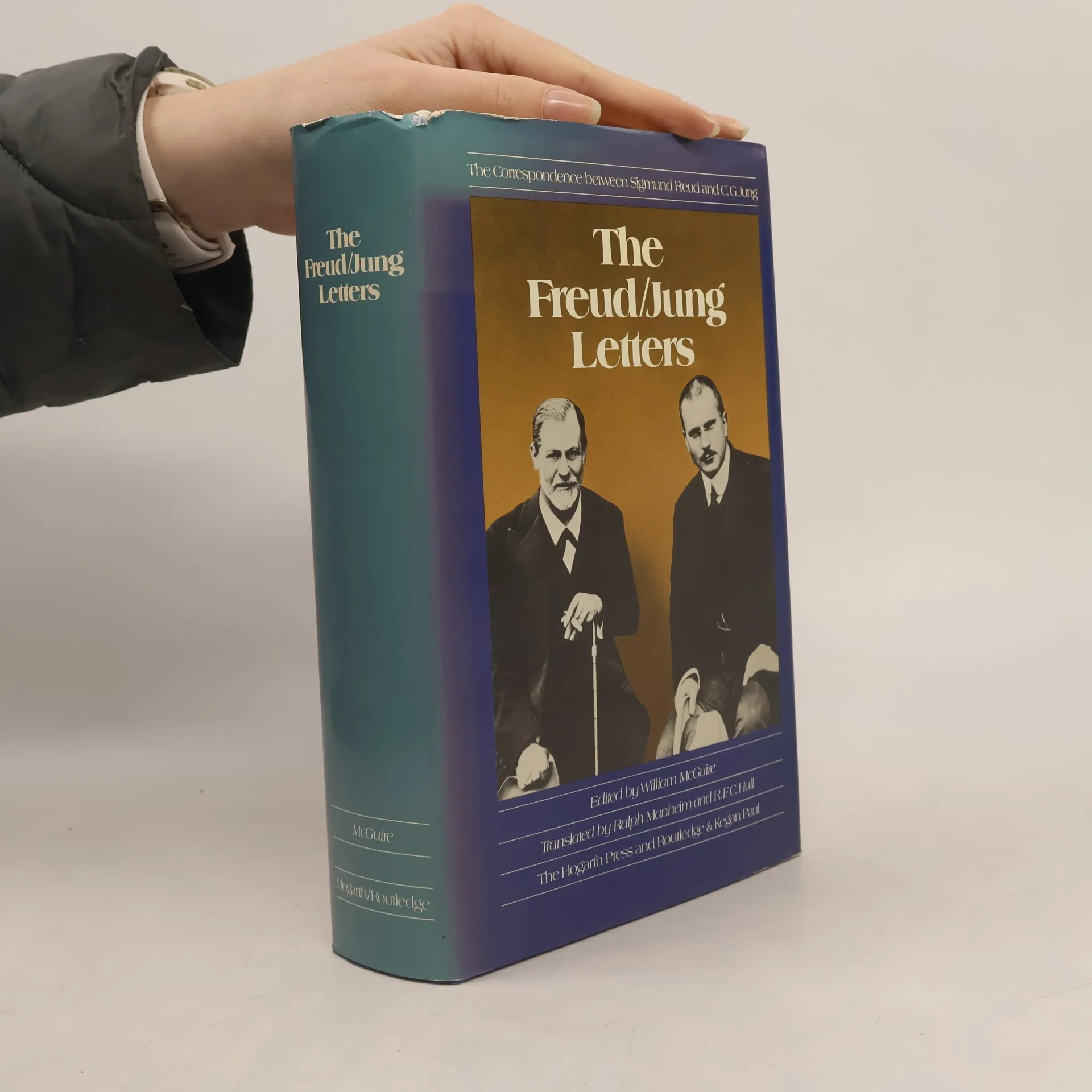
Collection of letters beginning in 1906, which shows the seven-year correspondence between Greud and Jung and documents the establishment of psychoanalysis in Vienna and Zurich and the spread of its ideas throughout the world
Swiss psychiatrist Ludwig Binswanger first met Freud when he accompanied Jung on a trip to Vienna. Through their subsequent correspondence, they became friends and great admirers of each others work. This definitive collection of their lively exchanges will be an invaluable resource to both clinicians and those interested in the history of psychoanalysis.
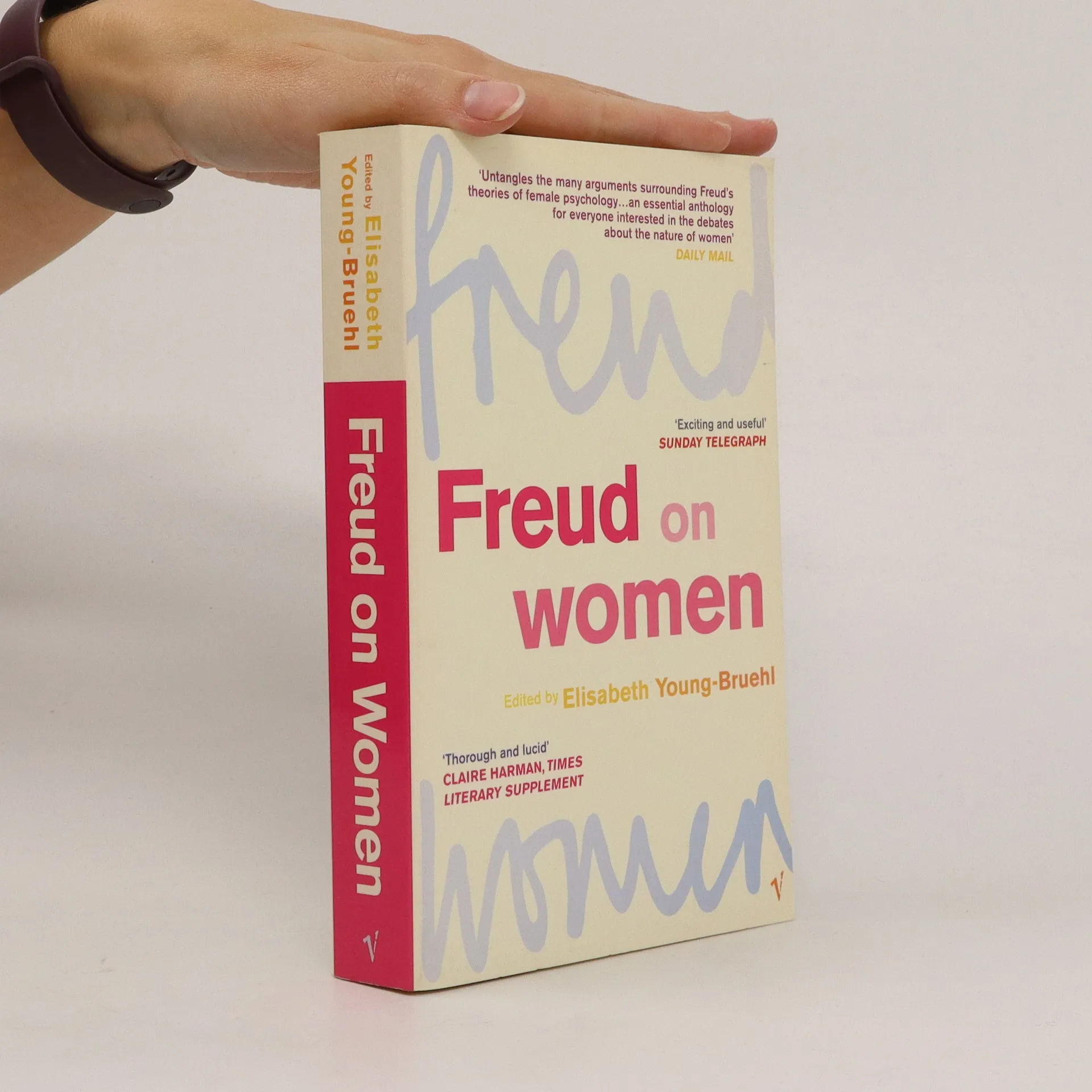
"This collection contains Freud's most significant statements on women, taken form letters as well as published work, presenting a clear, accessible view of the progress of his though and his own struggle for understanding and coherence. Elisabeth Young Bruehl untangles the arguments, relating Freud's ideas on women, and on bi-sexuality to his clinical practice and broader theory, while the annotated bibliography traces the later disputes. REUD ON GIRLS- They go through an early age in which they envy their brothers their signs of masculinity and feel at a disadvantage and humiliated because of the lack of it... REUD ON WOMEN- At one time (in a matriarchal society) the woman may have been the dominant partner. In this way, like the defeated deities, she acquires demonic properties.. ND ON HIMSELF- My mother was nowhere to be found I was crying in despair. My brother Philip unlocked a wardrobe for me, and when I did not find my mother within it either, I cried even more until, slender and beautiful she came through the door. What can this mean?"
Exploring fundamental questions about human society, this work by Sigmund Freud delves into the tensions between individual desires and societal expectations. First published in 1929, it examines the discontent arising from cultural constraints and the struggle for personal fulfillment within civilization. Freud's insights into the psychological underpinnings of social structures offer a profound critique of modern life and its inherent conflicts.
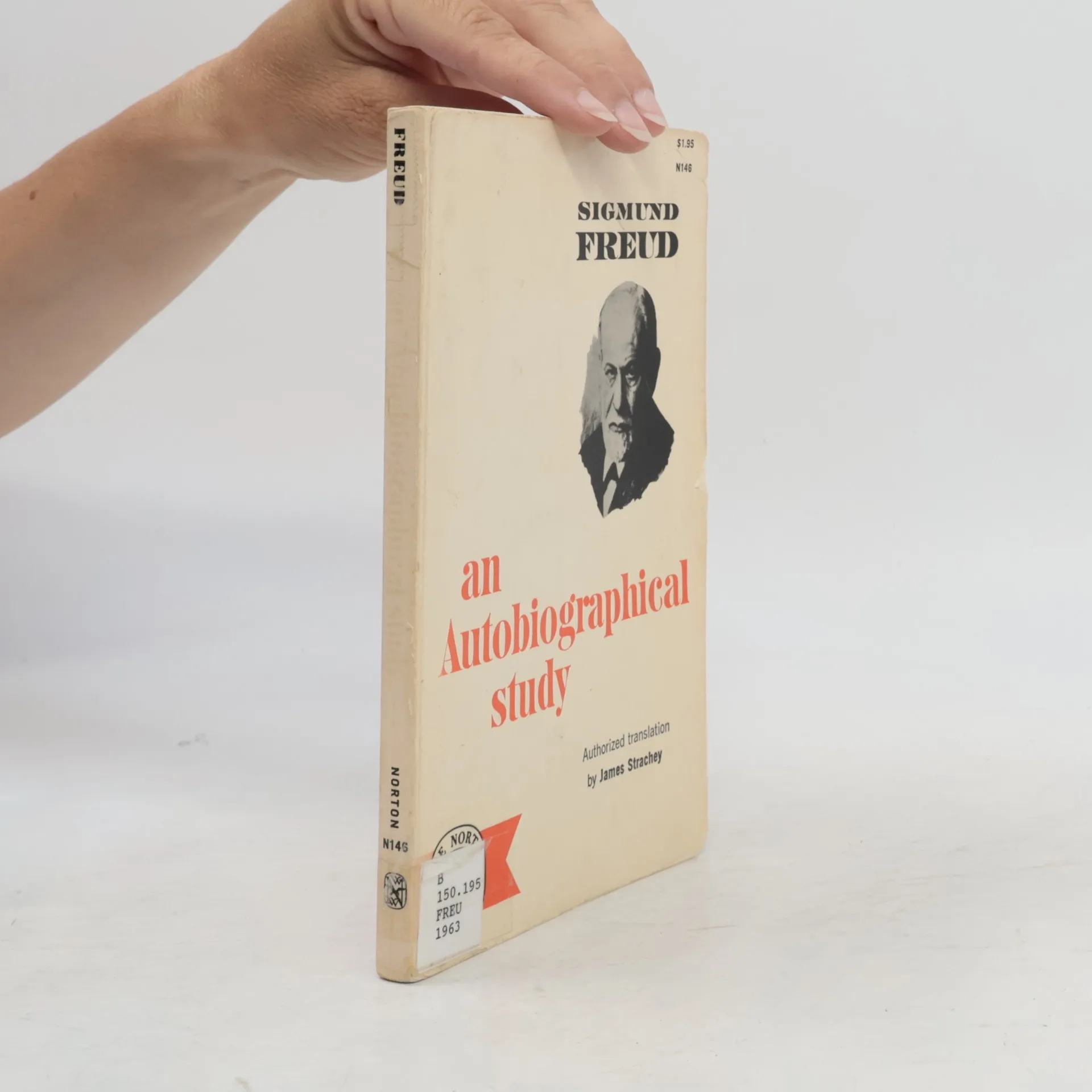
Freud approved the overall editorial plan, specific renderings of key words and phrases, and the addition of valuable notes, from bibliographical and explanatory. Many of the translations were done by Strachey himself; the rest were prepared under his supervision. The result was to place the Standard Edition in a position of unquestioned supremacy over all other existing versions.Newly designed in a uniform format, each new paperback in the Standard Edition opens with a biographical essay on Freud's life and work--along with a note on the individual volume--by Peter Gay, Sterling Professor of History at Yale.
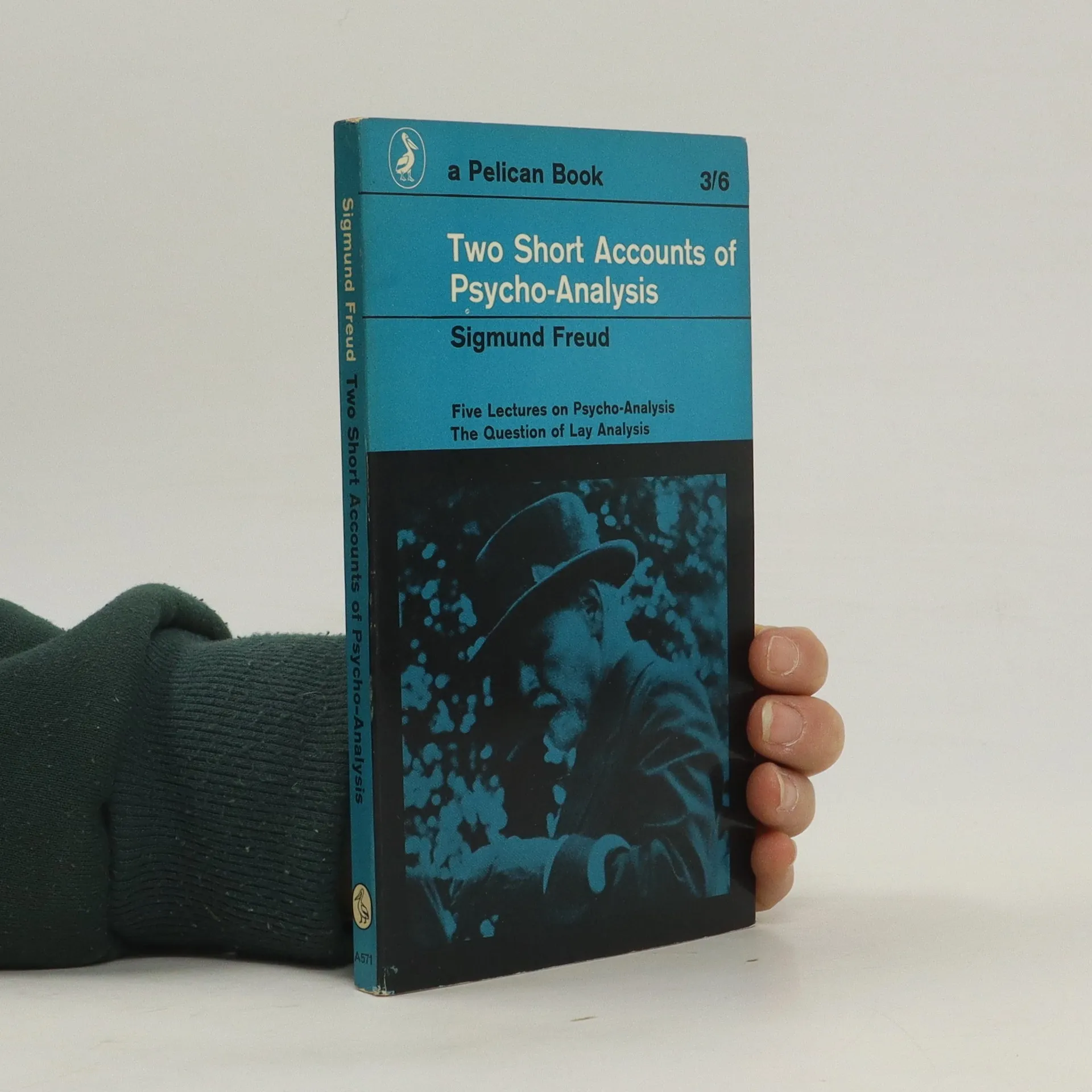
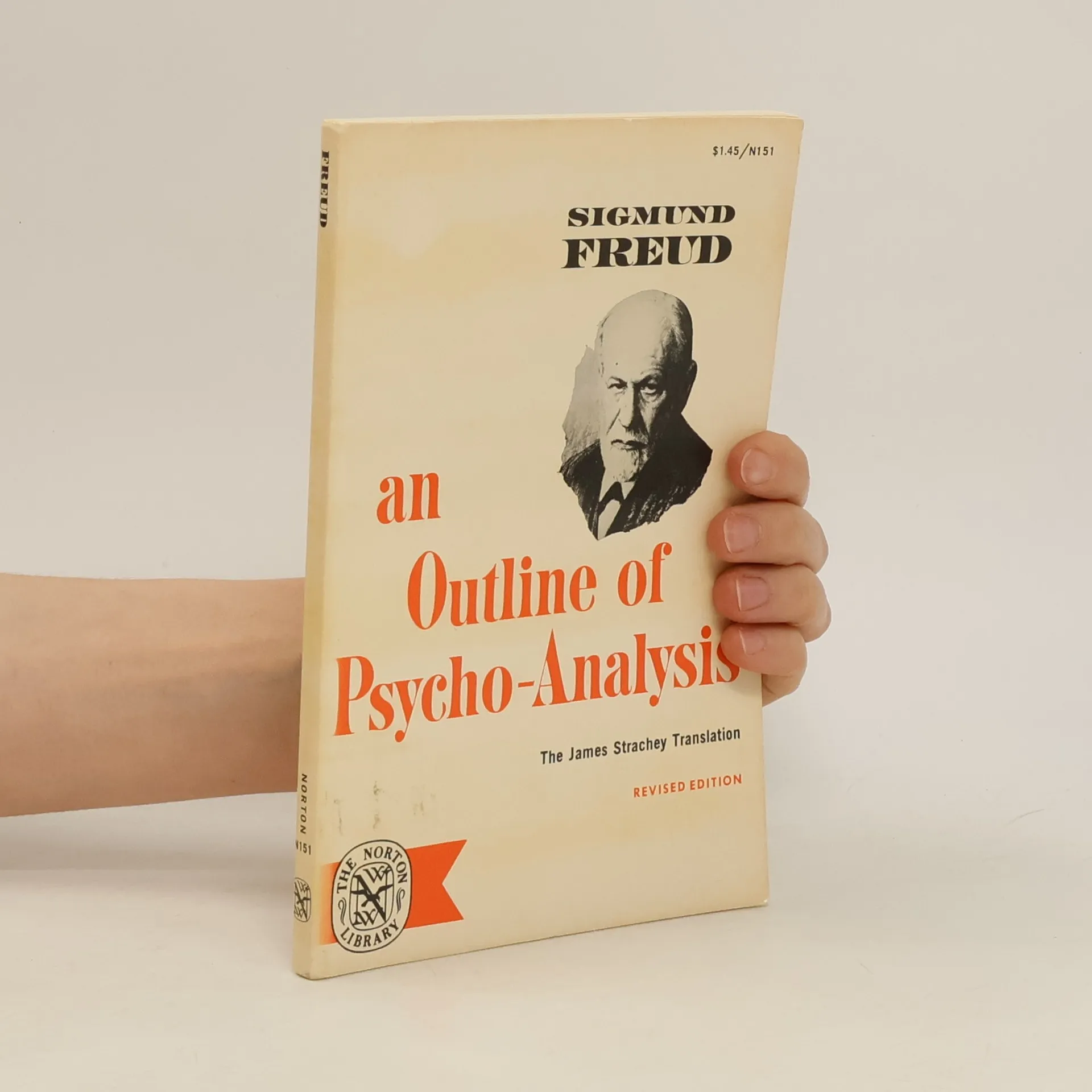
These two short accounts, written respectively in 1909 and 1926, are a good introduction to psychoanalysis for the general reader, for whom they were originally prepared.
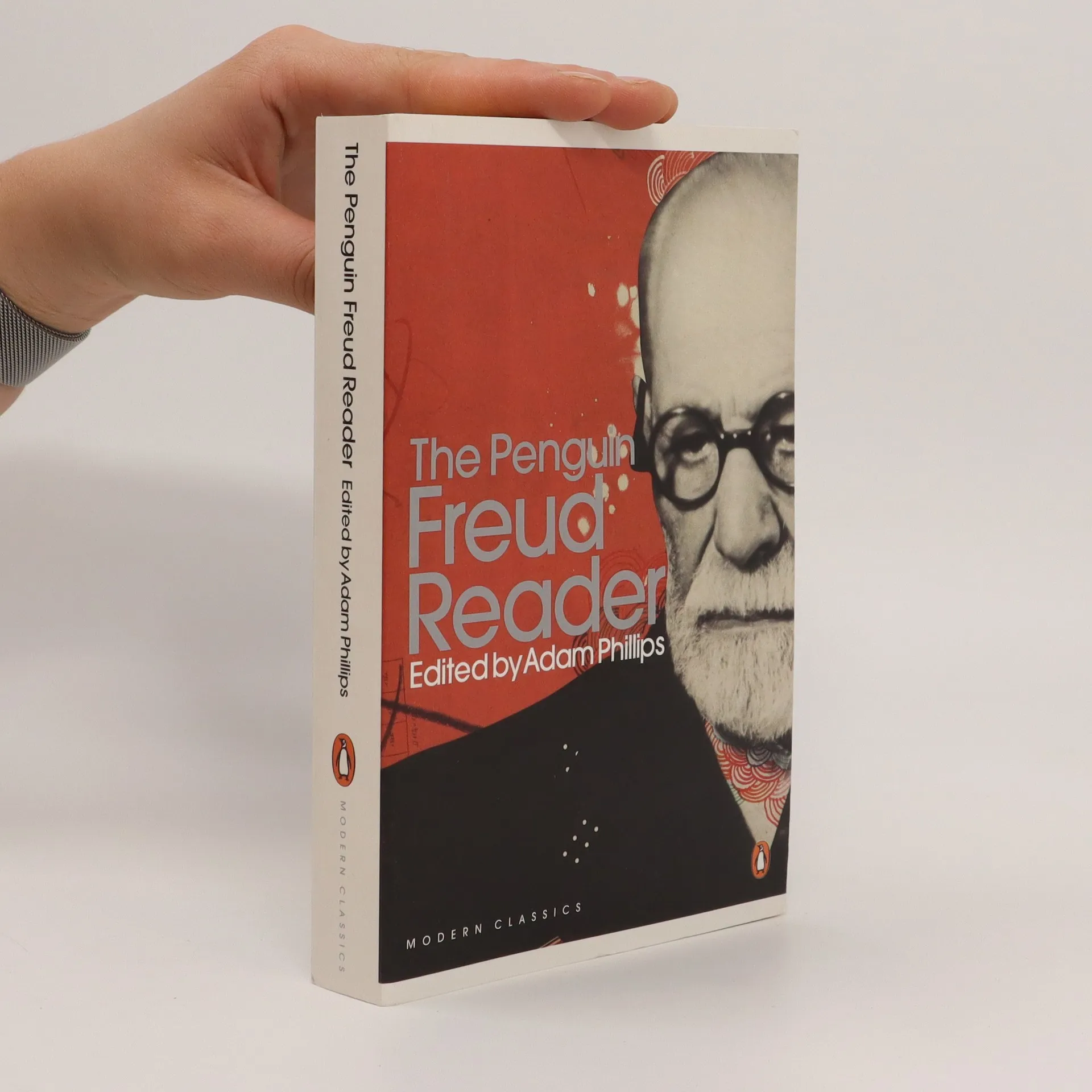
Here are the essential ideas of psychoanalytic theory, including Freud's explanations of such concepts as the Id, Ego and Super-Ego, the Death Instinct and Pleasure Principle, along with classic case studies like that of the Wolf Man.Adam Phillips's marvellous selection provides an ideal overview of Freud's thought in all its extraordinary ambition and variety. Psychoanalysis may be known as the 'talking cure', yet it is also and profoundly, a way of reading. Here we can see Freud's writings as readings and listenings, deciphering the secrets of the mind, finding words for desires that have never found expression. Much more than this, however, The Penguin Freud Reader presents a compelling reading of life as we experience it today, and a way in to the work of one of the most haunting writers of the modern age.
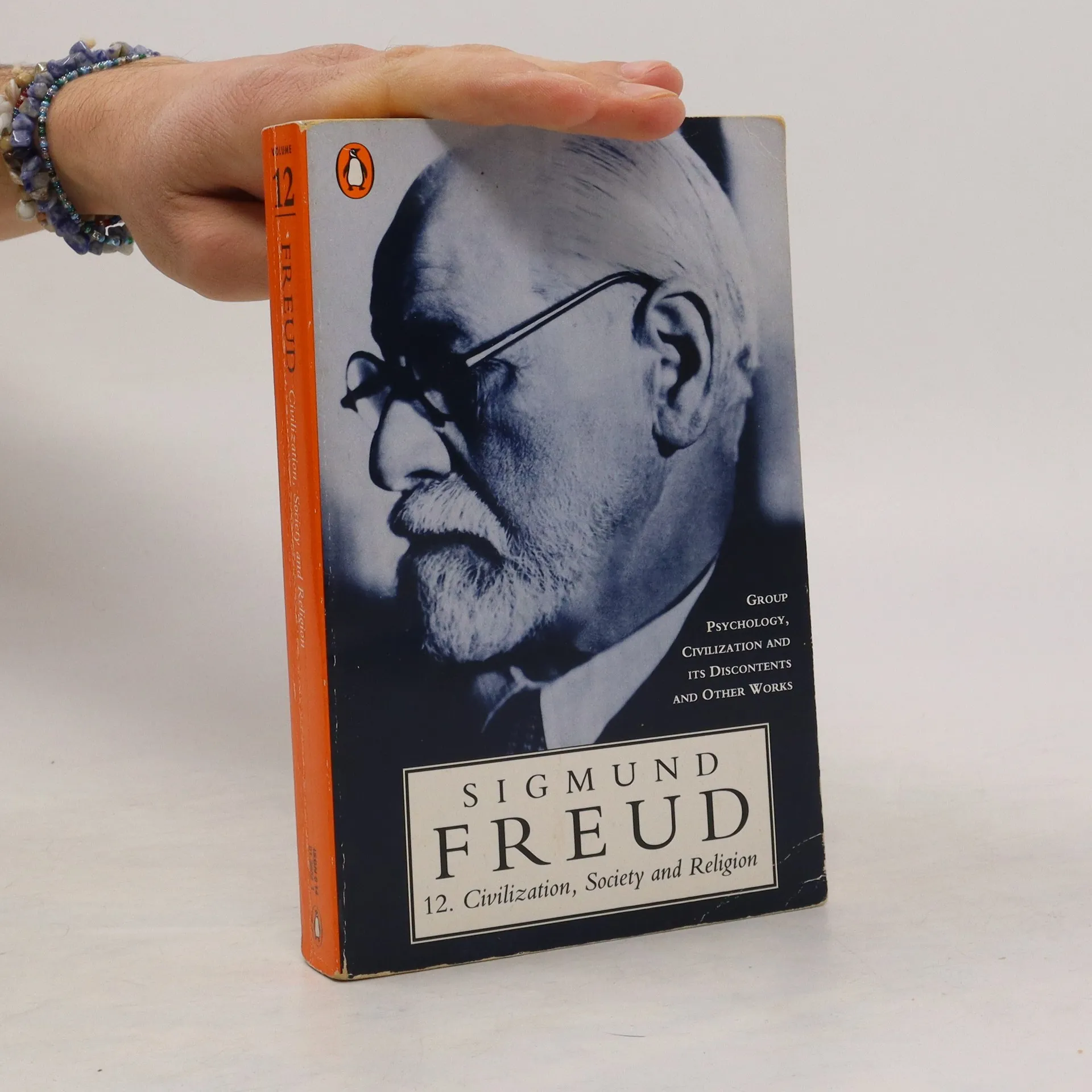
"Civilized" Sexual Morality and Modern Nervous Illness, Vol. IX (1959); Thoughts for the Times on War and Death, Vol. XIV (1957); Group Psychology and the Analysis of the Ego, Vol.XVIII (1955); The Future of an Illusion, Civilization and its Discontents, Vol. XXI (1961); Why War?, Vol. XXII (1964).
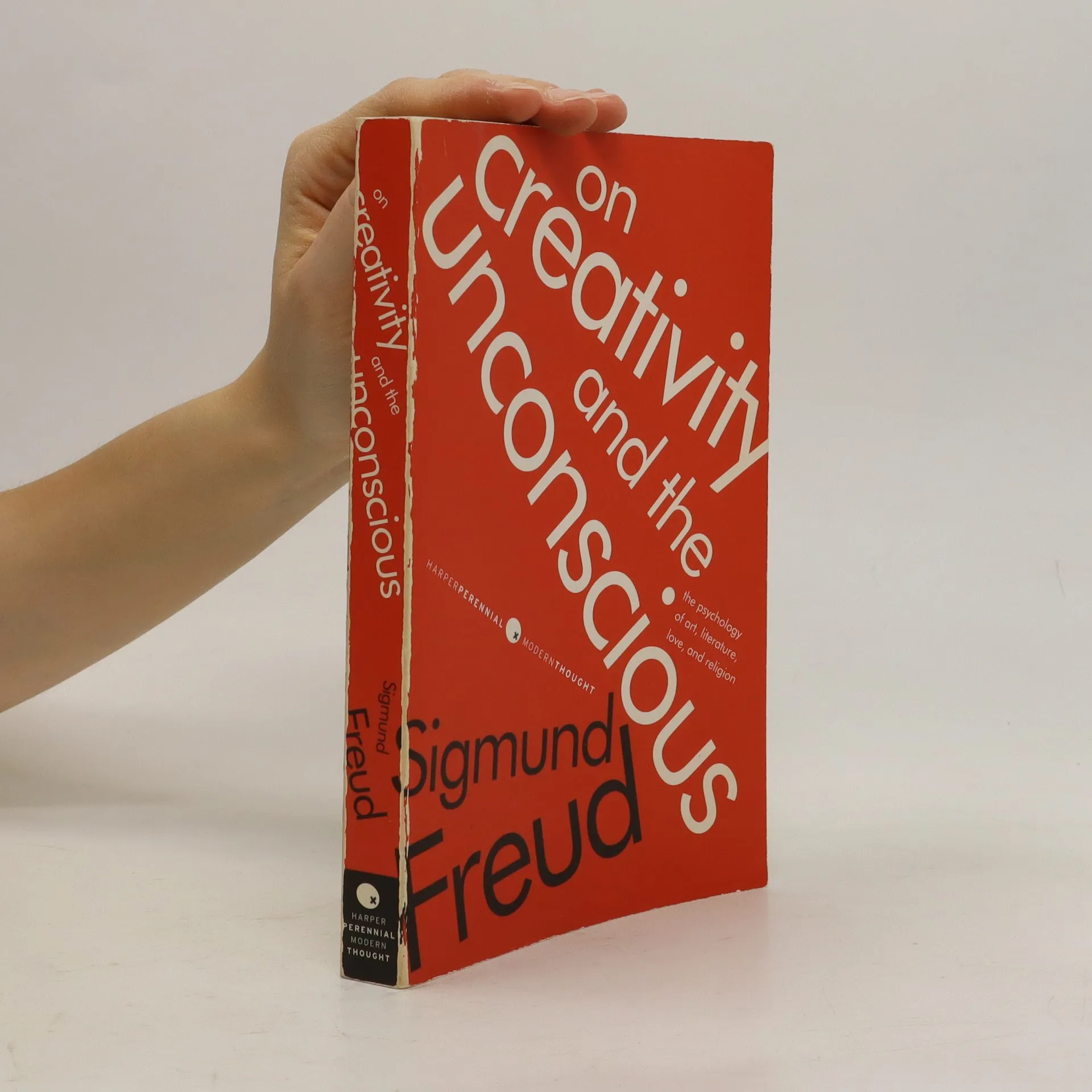
On Creativity and the Unconscious brings together Freud's important essays on the many expressions of creativity—including art, literature, love, dreams, and spirituality. This diverse collection includes "The 'Uncanny,'" "The Moses of Michelangelo," "The Psychology of Love," "The Relation of the Poet to Day-Dreaming," "On War and Death," and "Dreams and Telepathy."
Freud was fascinated by the mysteries of creativity and the imagination. The groundbreaking works that comprise The Uncanny present some of his most influential explorations of the mind. In these pieces Freud investigates the vivid but seemingly trivial childhood memories that often "screen" deeply uncomfortable desires; the links between literature and daydreaming; and our intensely mixed feelings about things we experience as "uncanny." Also included is Freud's celebrated study of Leonardo Da Vinci-his first exercise in psychobiography. For more than seventy years, Penguin has been the leading publisher of classic literature in the English-speaking world. With more than 1,700 titles, Penguin Classics represents a global bookshelf of the best works throughout history and across genres and disciplines. Readers trust the series to provide authoritative texts enhanced by introductions and notes by distinguished scholars and contemporary authors, as well as up-to-date translations by award-winning translators.
These works were written against a background of war and racism. Freud sought the sources of conflict in the deepest memories of humankind, finding clear continuities between our 'primitive' past and 'civilized' modernity. In Totem and Taboo he explores institutions of tribal life, tracing analogies between the rites of hunter-gatherers and the obsessions of urban-dwellers, while Mourning and Melancholia sees a similarly self-destructive savagery underlying individual life in the modern age, which issues at times in self-harm and suicide. And Freud's extraordinary letter to Einstein, Why War? - rejecting what he saw as the physicist's naïve pacifism - sums up his unsparing view of history in a few profoundly pessimistic, yet grimly persuasive pages.
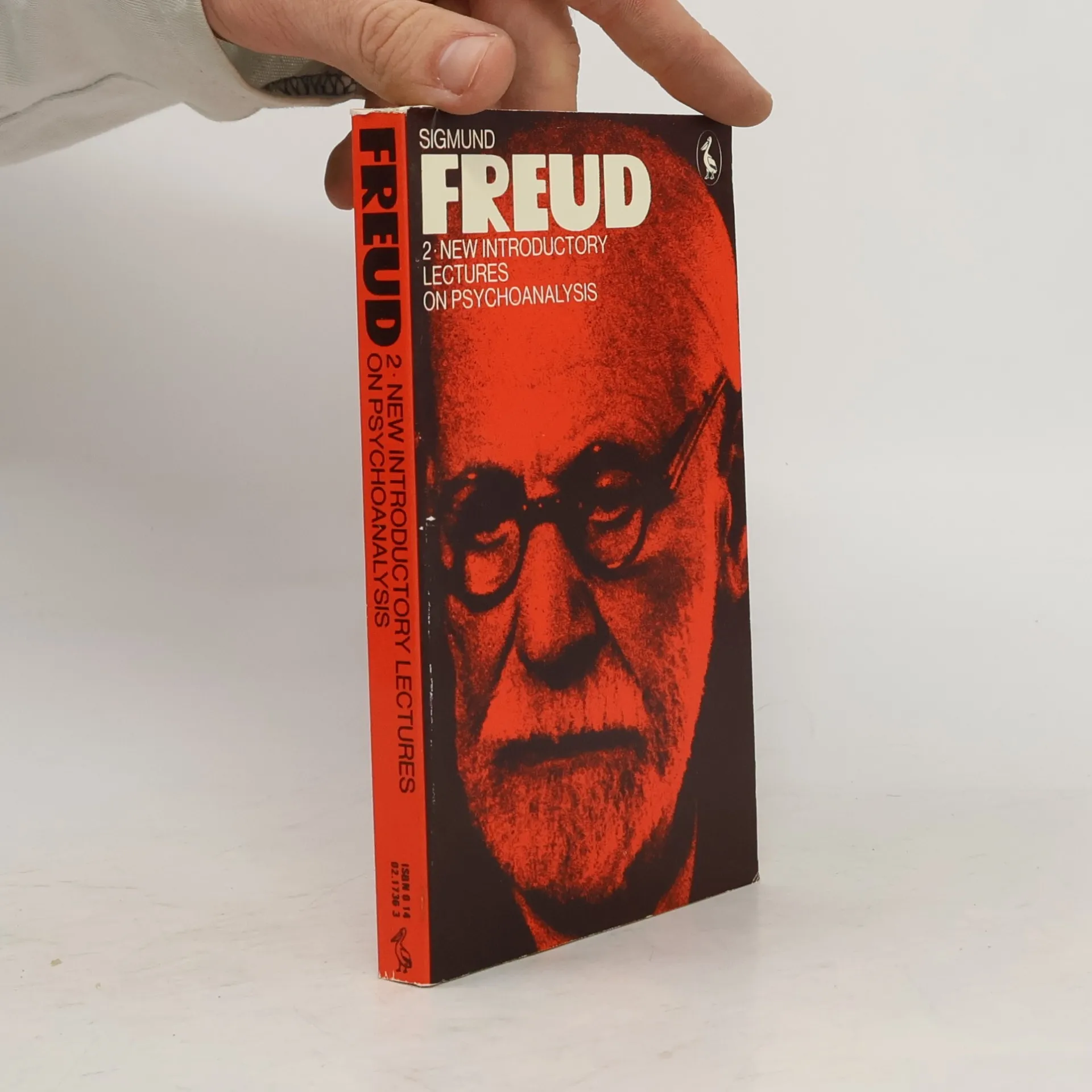
"Patterned on his eminently successful Introductory Lectures on Psycho-Analysis, Freud's New Introductory Lectures on Psycho-Analysis takes full account of his elaborations in, and changes of mind about, psychoanalytic theory, and discusses a variety of central and controversial themes, including anxiety, the drives, occultism, female sexuality, and the question of a Weltanschauung. It serves as an indispensable companion to the Introductory Lectures." -- Back cover.
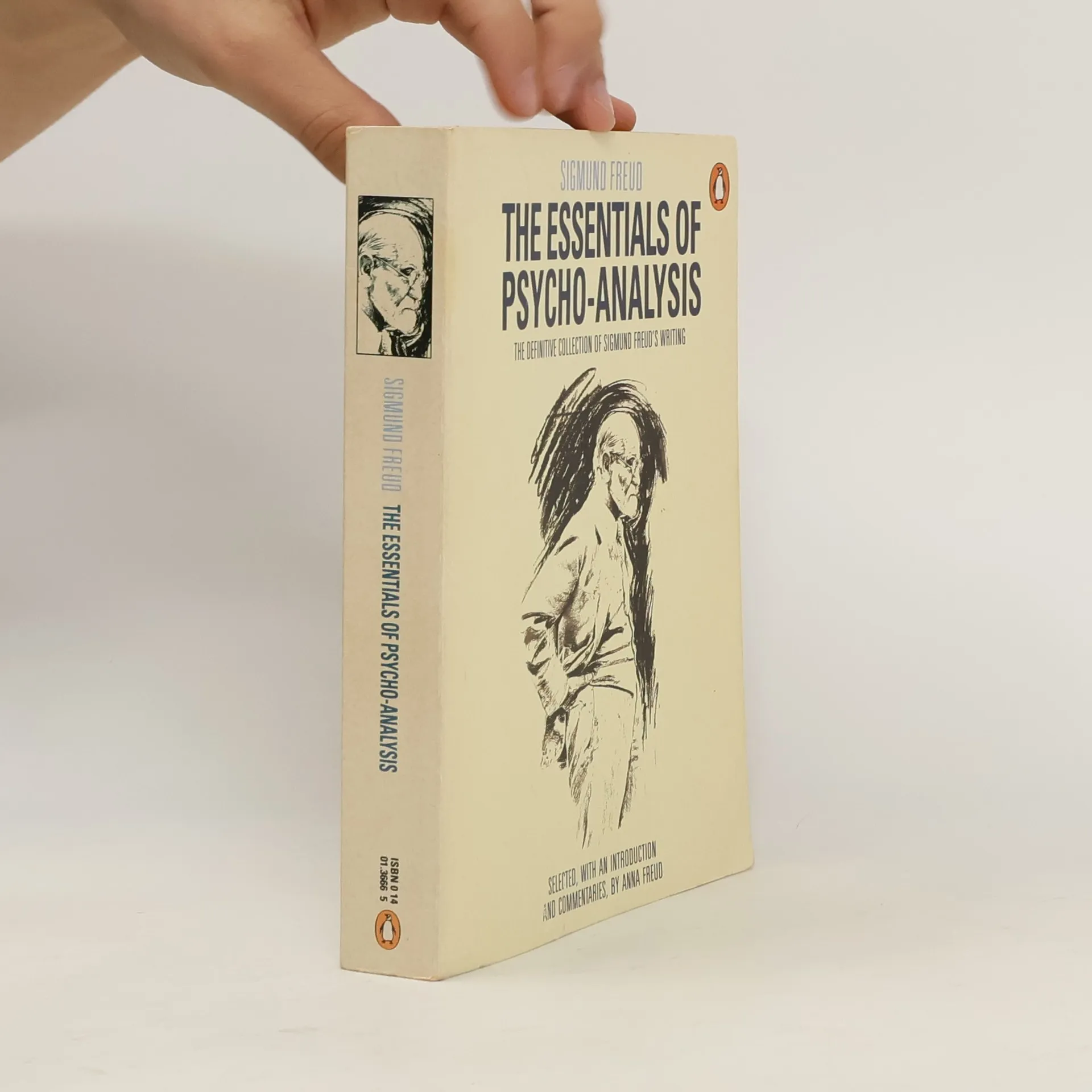
Distilled into one volume by his daughter Anna, this volume of Freud's writings constitutes a key to the understanding of his work. It includes The Question of Lay Analysis, Three Essays on the Theory of Sexuality, On Dreams, The Ego and the Id, Beyond the Pleasure Principle and 15 shorter pieces. Together, they provide a comprehensive picture of all the central Freudian concepts, and how they connect up to make one of the most challenging bodies of thought of the 20th century.
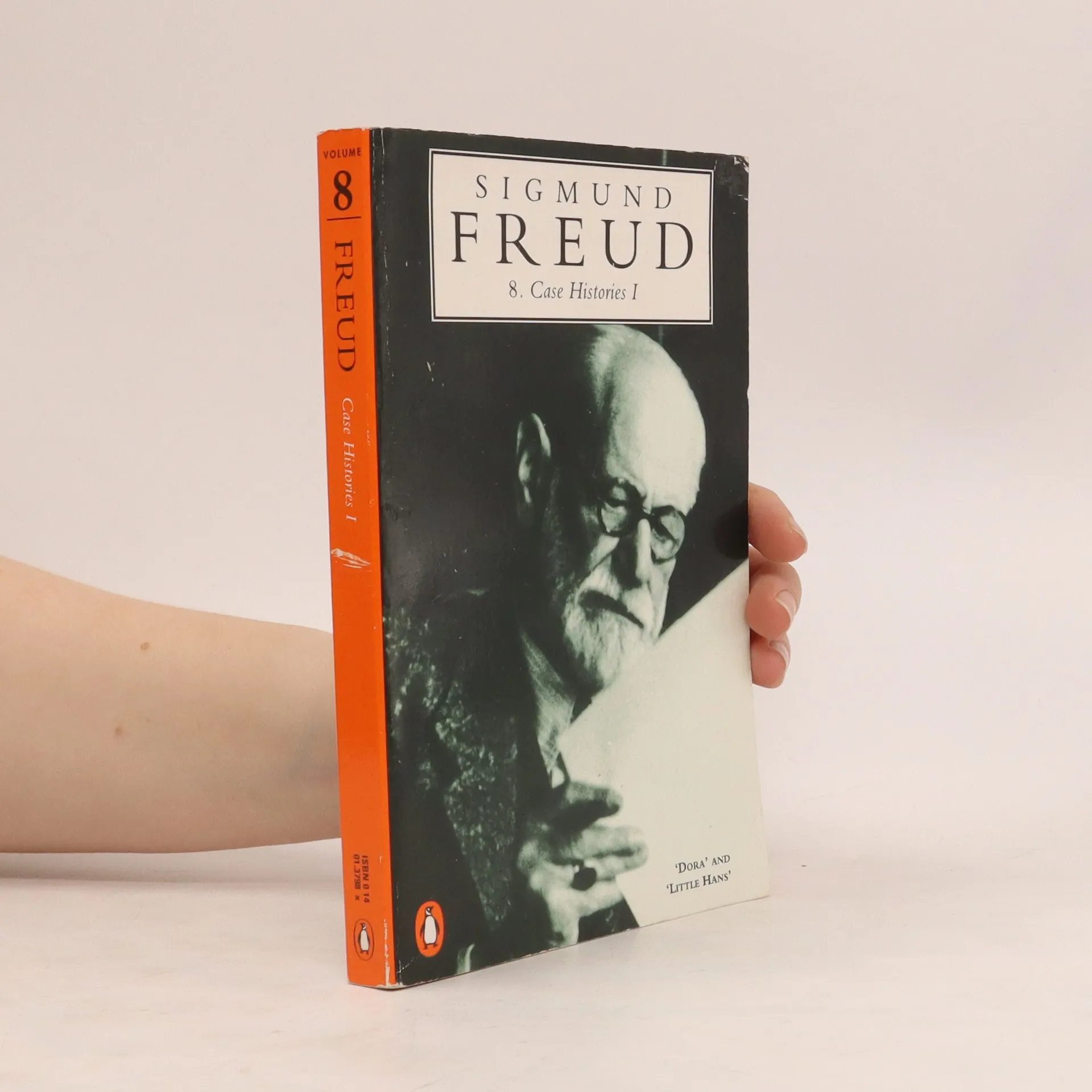
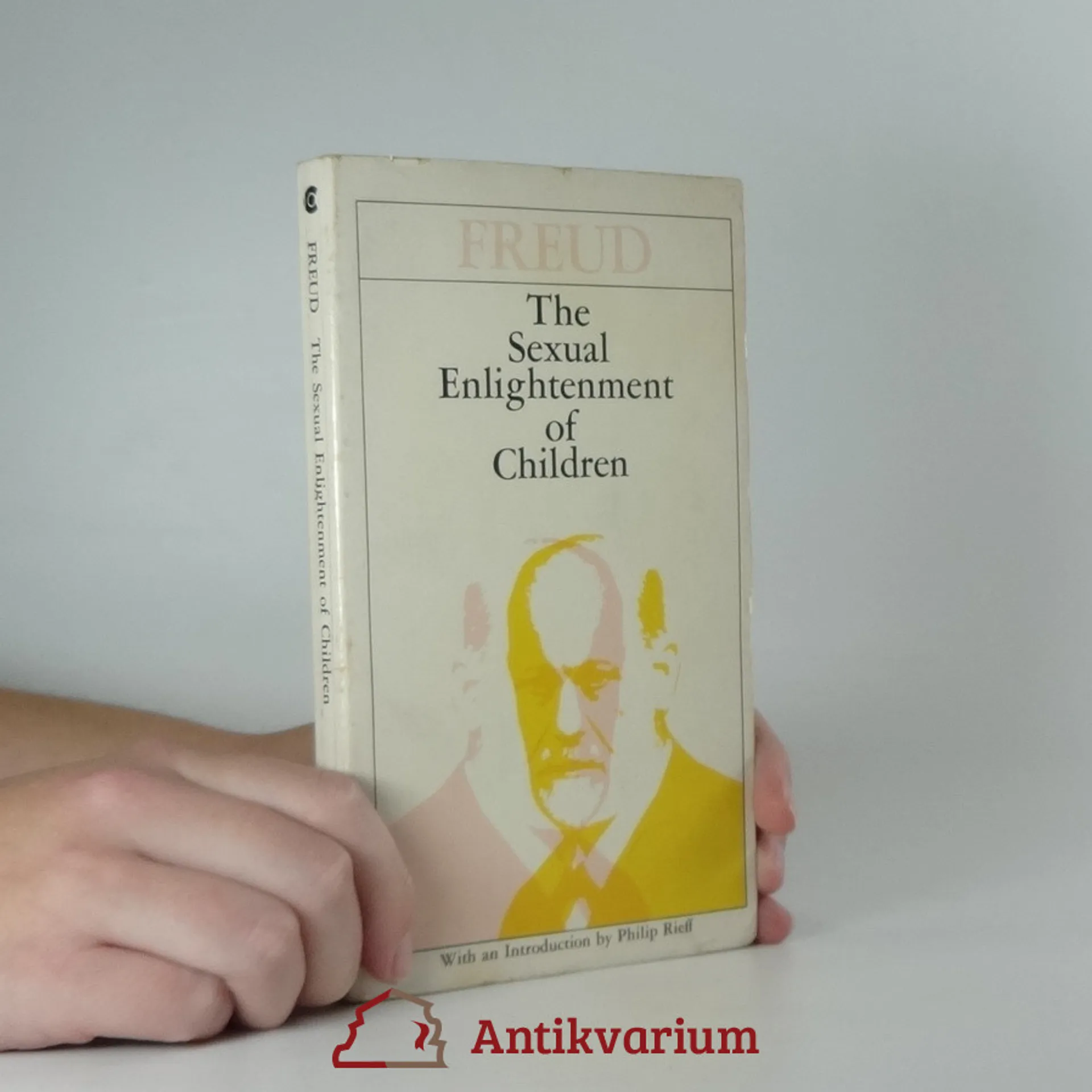
"The new-born infant brings sexuality with it into the world."One of the many idea with which Freud startles the world was that even very young children are aware of sexual impulses and occupied with sexual problems. Furthermore, he said, neuroses in adults stem from the sexual fears and frustrations experienced at an early age. The essays collected here show how Freud developed that theory by exploring the mental life of children, their sexual fantasies and phobias. A famous and frequently amusing case history, that of "Little Hans," reveals how Freud cured a small boy of his fear that a horse—a symbol for his father—would castrate him. Other papers describe the sexual awareness of children, the fantasies they make up to account for their birth, their erotic daydreams about their parents, and the love-motives behind the lies they tell. In all these writings Freud is witty, incisive, and refreshingly frank as he explains the dangers of ignoring or abusing a child's sexual curiosity.
Controversial 1920 publication expands Freud's theoretical approach to include the death drive. The philosopher's concept of the ongoing struggle between harmony (Eros) and destruction (Thanatos) influenced his subsequent work.
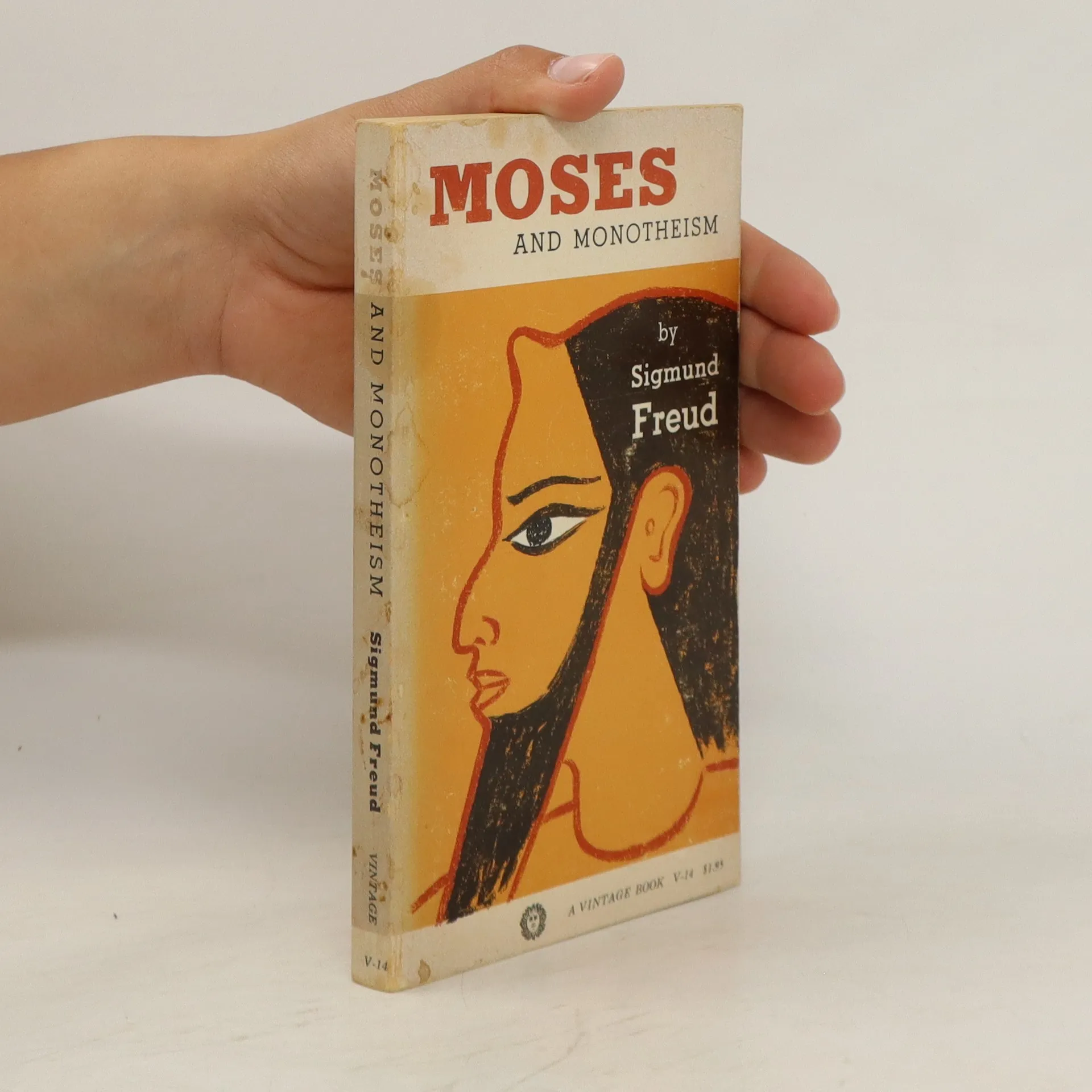
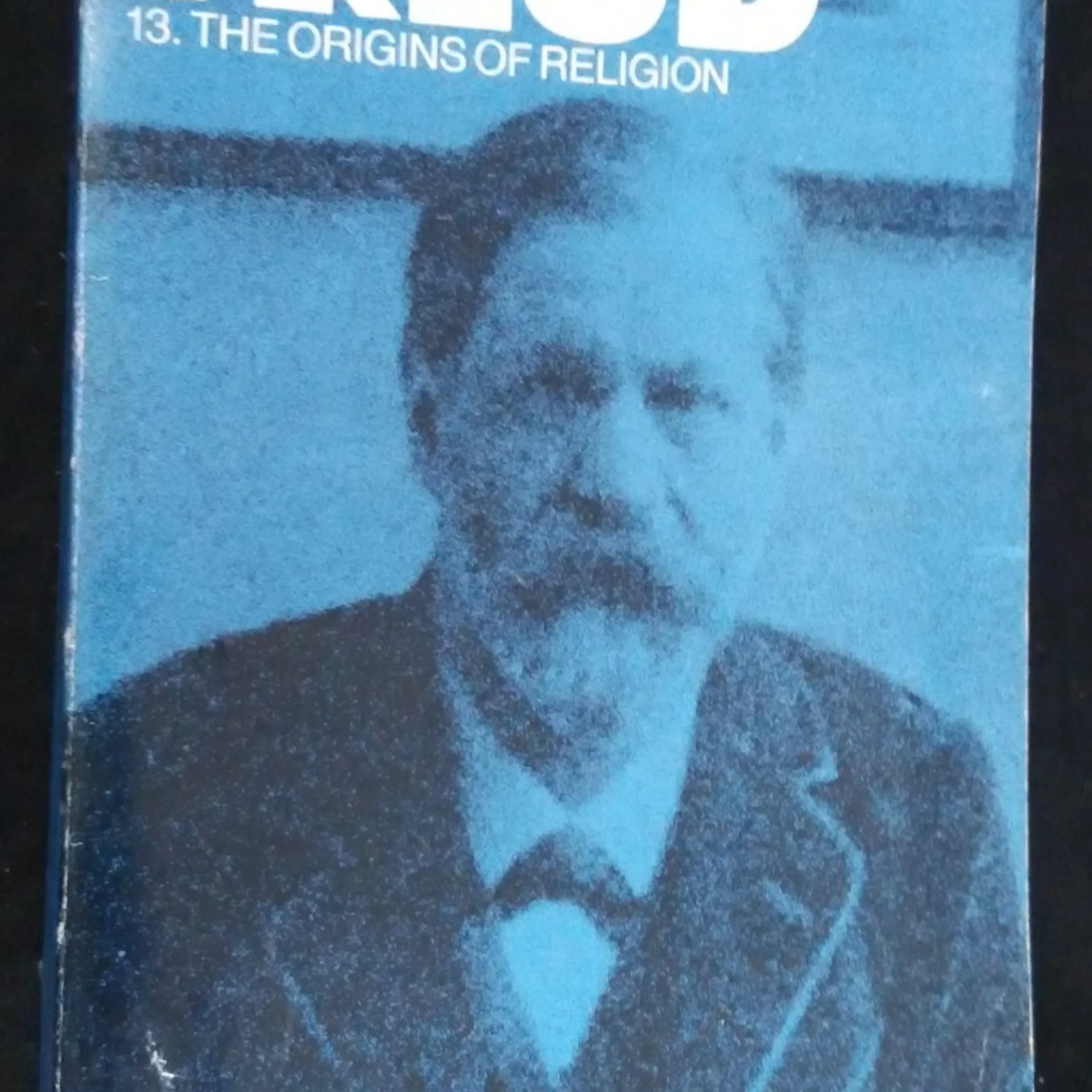
Freud explores the intersection of religion and psychology, particularly focusing on the origins of Judaism and its relationship with Christianity. He presents a controversial thesis that Moses was actually an Egyptian who introduced his native religion to the Jews. Freud suggests that Moses was murdered in the wilderness, yet his teachings persisted and flourished among the people. This work delves into his broader theory of monotheism, offering insights into the evolution of these faiths and their impact on Jewish identity.
In the manner of the eighteenth-century philosopher, Freud argued that religion and science were mortal enemies. Early in the century, he began to think about religion psychoanalytically and to discuss it in his writings. The Future of an Illusion (1927), Freud's best known and most emphatic psychoanalytic exploration of religion, is the culmination of a lifelong pattern of thinking.
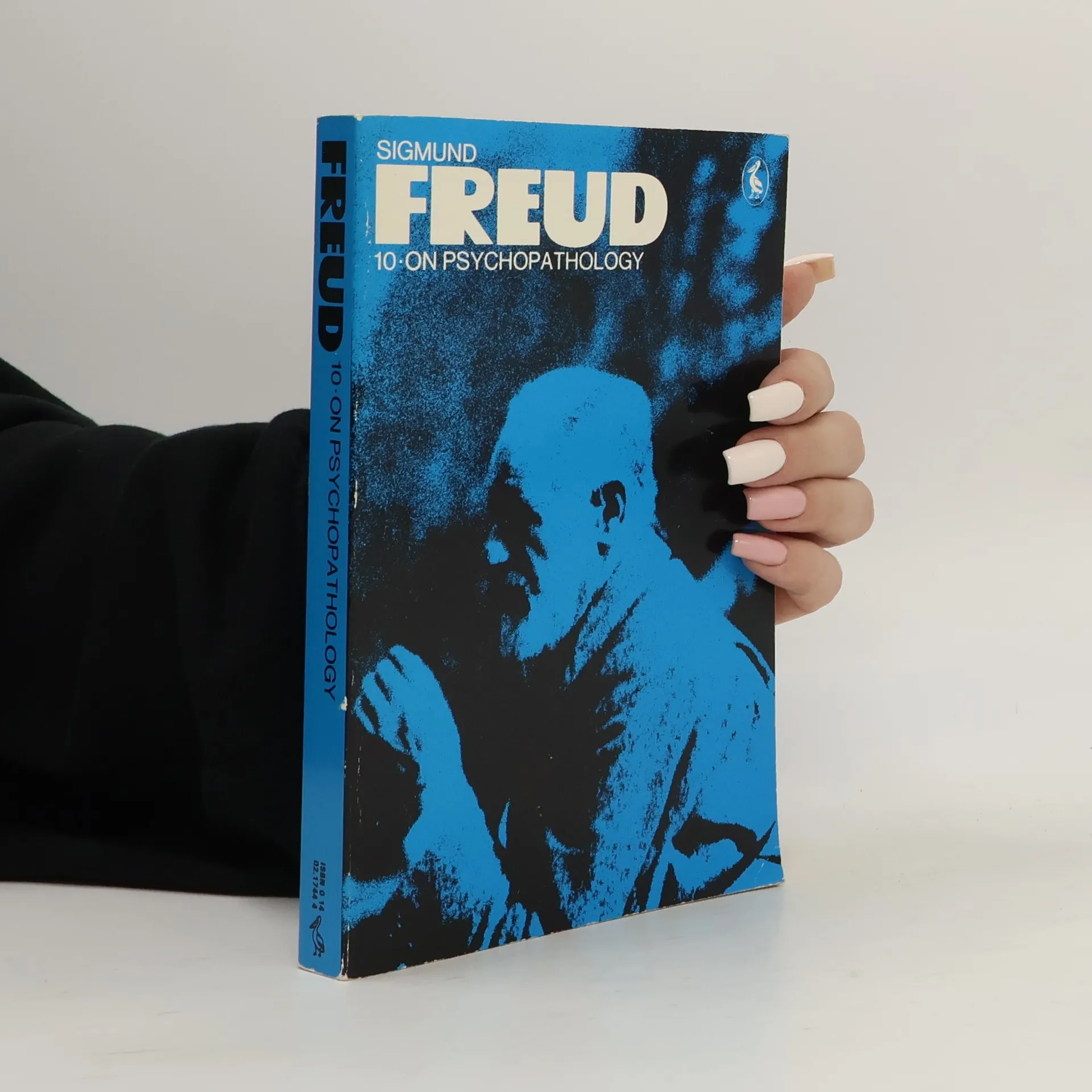
Setting forth in rich detail Freud's new theory of anxiety, Inhibitions, Symptoms and Anxiety (1926) is evidence for one of them. In rethinking his earlier work on the subject, Freud saw several types of anxiety at work in the mind and here argues that anxiety causes repression, rather than the other way around.
Of the various English translations of Freud's major works to appear in his lifetime, only one was authorized by Freud himself: The Standard Edition of the Complete Psychological Works of Sigmund Freud under the general editorship of James Strachey.
The standard edition of Freud's seminal theory of the psychology of sexuality These three essays -- "The Sexual Aberrations," "Infantile Sexuality," and "The Transformations of Puberty" -- are among Sigmund Freud's most important works. Here, Freud outlines the core features of libido theory, his grand view of the psychology of sexuality: sexual perversion is a matter of human nature and "normal" sexual behavior only appears later in life, sexual urges begin in infancy, and these urges turn their attention outward as we mature through puberty. Freud first wrote Three Essays on the Theory of Sexuality in 1905 and spent the next two decades making major revisions to the text. This edition offers Freud's complete vision of the sexual self, in the definitive James Strachey translation.
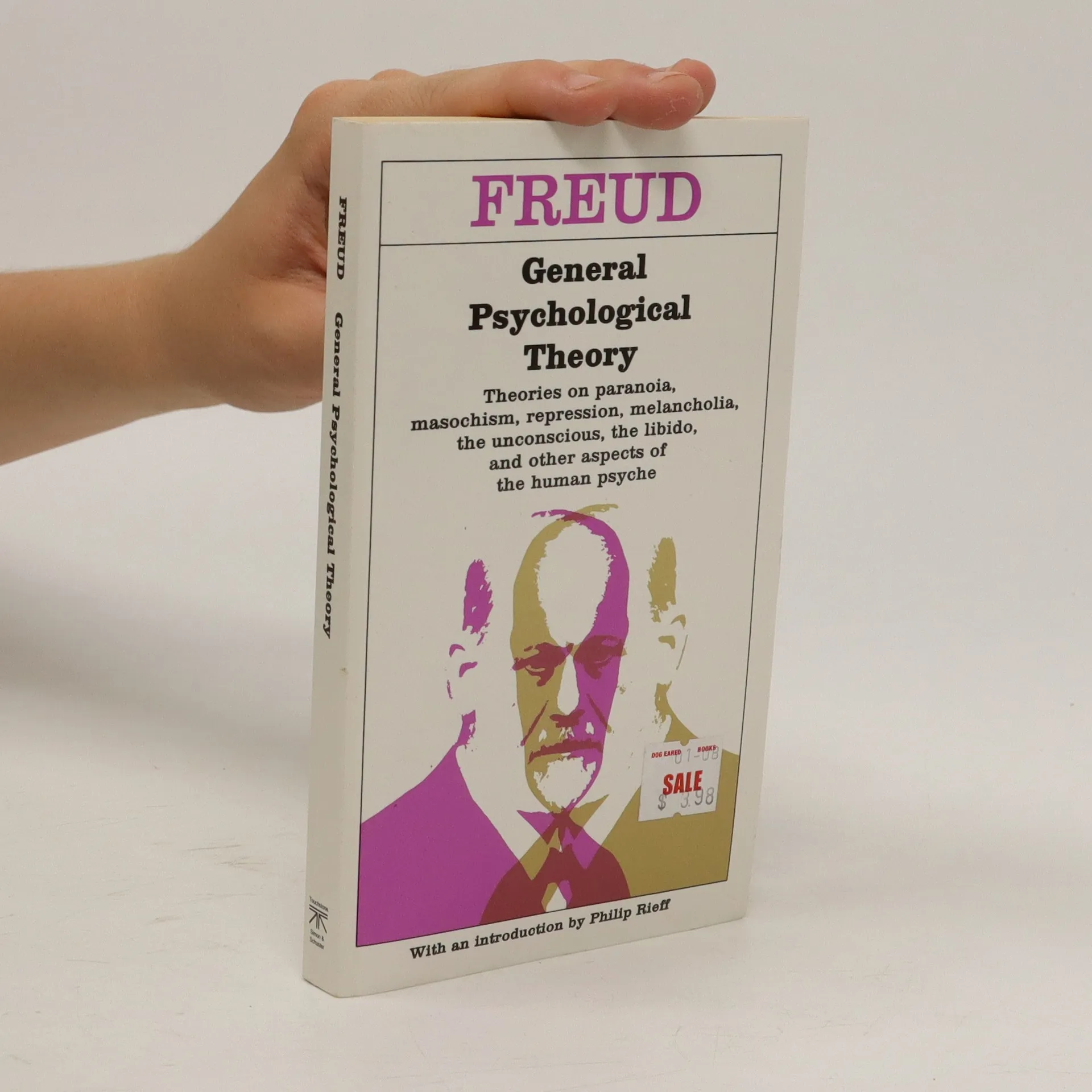
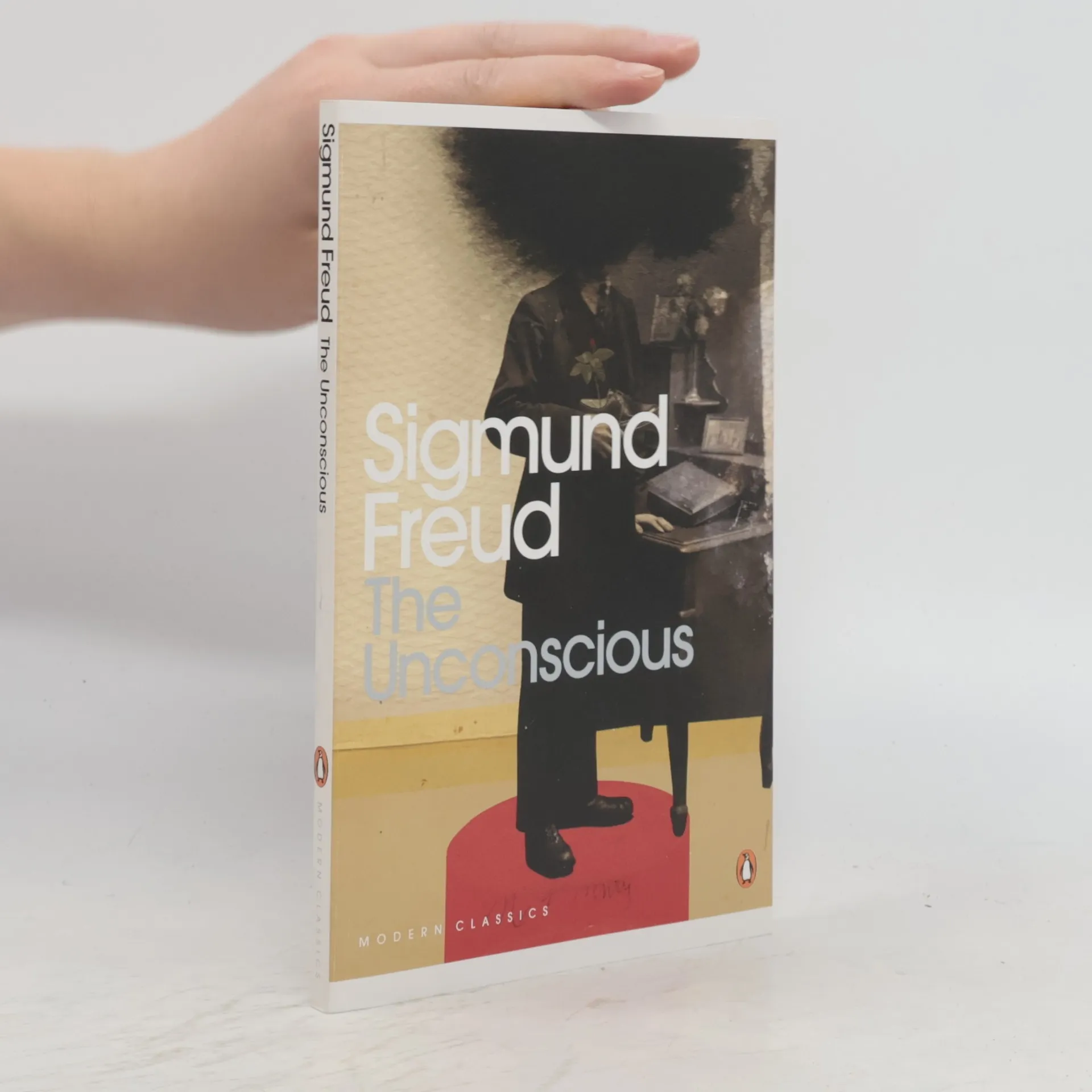
One of Freud's central achievements was to demonstrate how unacceptable thoughts and feelings are repressed into the unconscious, from where they continue to exert a decisive influence over our lives.This volume contains a key statement about evidence for the unconscious, and how it works, and major essays on the fundamentals of mental functioning. Freud explores how we are torn between the pleasure principle and the reality principle, how we often find ways both to express and to deny what we most fear, and why people so often need fetishes for their sexual satisfaction. These studies brilliantly illuminate our most basic drives and how they are transformed.
This remarkable book takes as its subject one of the most outstanding men that ever lived. The ultimate prodigy, Leonardo da Vinci was an artist of great originality and power, a scientist, and a powerful thinker. According to Sigmund Freud, he was also a flawed, repressed homosexual. The first psychosexual history to be published, Leonardo da Vinci was the only biography the great psychoanalyst wrote. When Jung first saw it, he told Freud it was 'wonderful', and it remained Freud's favourite composition. The text includes the first full emergence of the concept of narcissism and develops Freud's theories of homosexuality. While based upon controversial research, the book offers a fascinating insight into two men - the subject and the author. If you've ever wondered just what lies behind the Mona Lisa's enigmatic smile, read Freud on Leonardo. It's genius on genius.
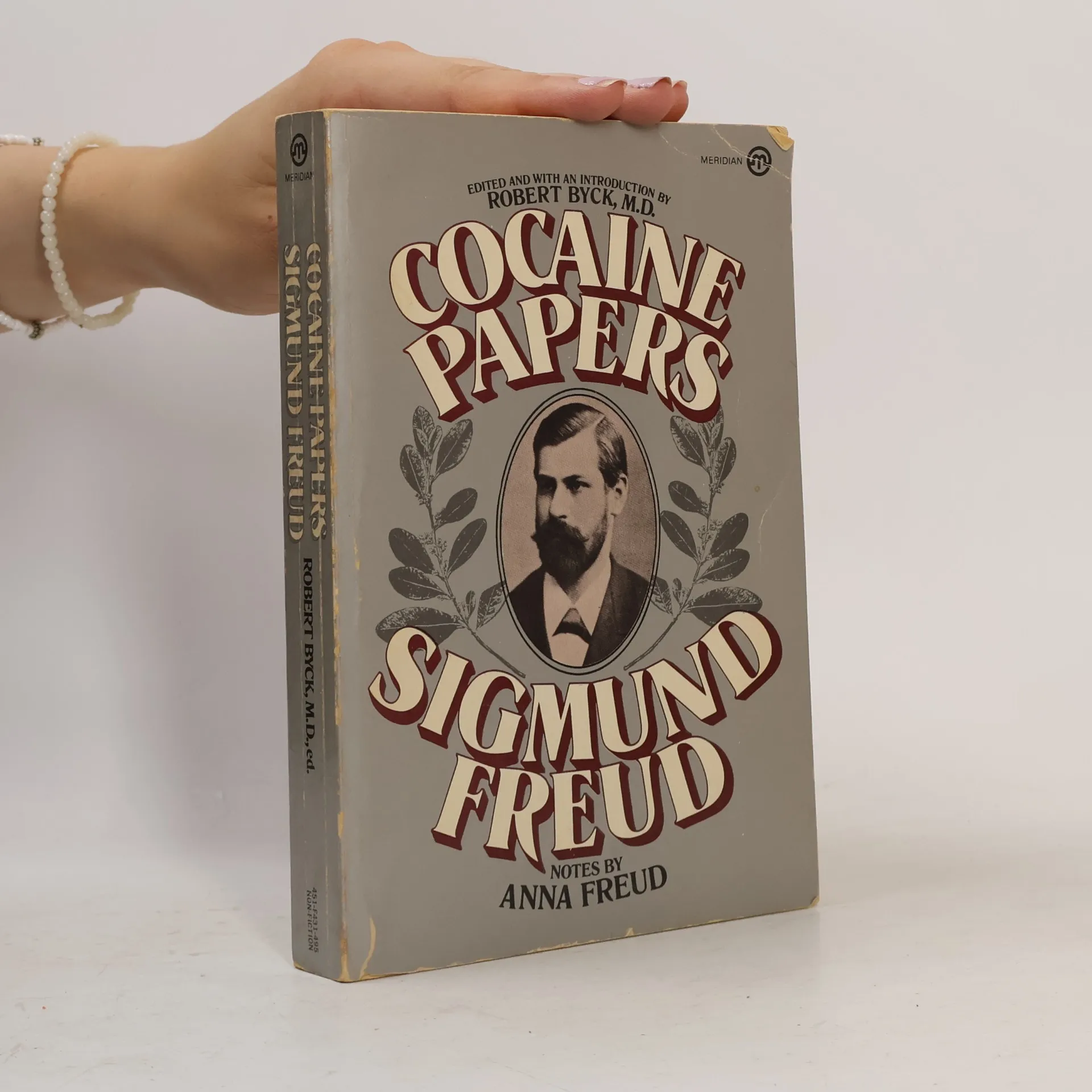
Die zwischen 1884 und 1887 veröffentlichten Kokain-Schriften Freuds zählen zu seinen Frühwerken und entstanden in einer krisenhaften Lebensphase. Der junge Arzt, dessen berufliche Existenz noch unsicher war, suchte nach einer Möglichkeit, sich schnell einen Namen zu machen, um sich niederzulassen und zu heiraten. Er begann, mit dem damals wenig bekannten Alkaloid Kokain Experimente an sich selbst und anderen durchzuführen und setzte es bei Patienten zur Bekämpfung von Schwäche- und Verstimmungszuständen sowie zur Morphiumentziehung ein. Zunächst schien dies erfolgreich, doch bald wurde ihm vorgeworfen, die süchtig machenden Eigenschaften des Kokains nicht erkannt zu haben. Freud betrachtete seine Kokain-Veröffentlichungen später kritisch und bezeichnete sie als „Jugendsünden“. In der Sekundärliteratur werden sie als umstritten diskutiert. Einige Autoren sehen in Freuds Selbstversuchen Vorstudien zur späteren Selbstanalyse, während andere ihn als einen der Begründer der modernen Psychopharmakologie betrachten. In jüngster Zeit gab es jedoch vehemente Kritiken an seiner wissenschaftlichen Solidität und klinischen Vorgehensweise. Der Medizinhistoriker Albrecht Hirschmüller hat die verstreuten und teils unveröffentlichten Kokain-Schriften kritisch ediert und den historischen Kontext sorgfältig rekonstruiert, um dem Leser zu ermöglichen, ein ausgewogenes Urteil zu fällen.
Freud rarely treated psychotic patients or, indeed psychoanalyzed people from their writings, but he had a powerful and imaginative understanding of their condition - revealed, most notably, in this analysis of a remarkable memoir. In 1903, Judge Daniel Paul Schreber, a highly intelligent and cultured man, produced a vivid account of a nervous illness dominated by the desire to become a woman, terrifying delusions about his doctor and a belief in his own special relationship with God. Eight years later, Freud's penetrating insight uncovered the unacceptable impulses and feelings Schreber had about his father, which underlay his extravagant symptoms. Yet he also demonstrated the link with more normal patterns of psychosexual development - and the human tendency to transform love into hate.
The founder of modern psychiatry, Sigmund Freud powerfully believed that conscious decisions are underpinned by a guiding subconscious that can be understood only by analysis. Taken from one of his most important works, The Psychopathology of Everyday Life, published in a new translation by Penguin Modern Classics, this volume explores why we forget, how we remember and why our memories can sometimes prove deceptive.
The collection features essays originally authored by Wilhelm Jensen, exploring the intricate relationship between dreams and delusions. Sigmund Freud, the renowned neurologist and psychoanalysis pioneer, provides insightful analysis and interpretation of Jensen's work, delving into the psychological implications of dreams. This compilation offers a unique perspective on the human psyche, blending literary analysis with psychoanalytic theory.
A collection of Freud's major texts on love, human relations and loss, including - 'On Female Sexuality', 'A Child is Being Beaten', 'Three Essays on the Sexual Theory' and the case history 'Dora'
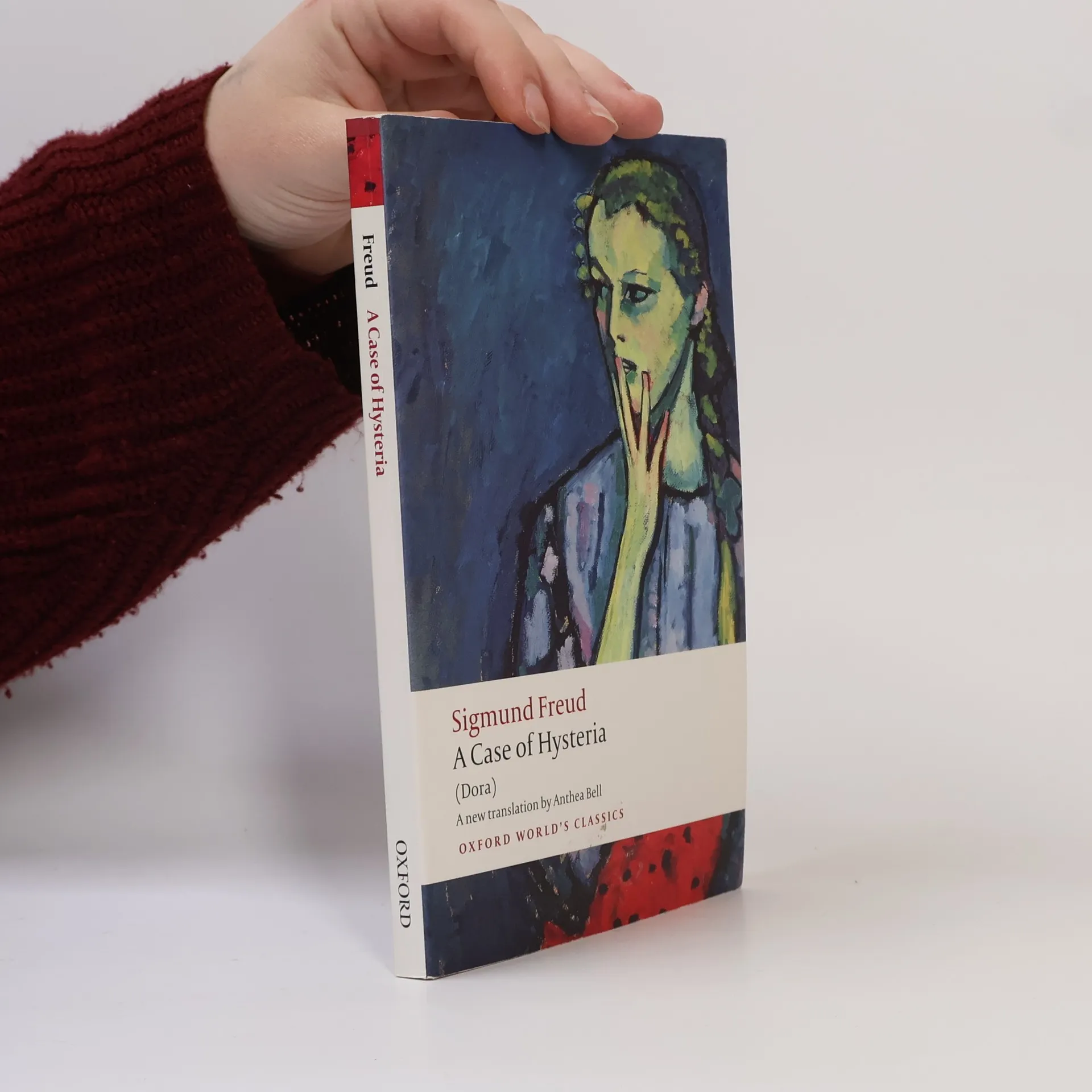
A Case of Hysteria reveals how Freud dealt with patients and interpreted their statements. A crucial text in the development of his theories, it is famous for its literary qualities, and the story of 'Dora' and her unhappy family is as dramatic as a modern novel. This new translation includes a fascinating introduction to the work.
The book is a reproduction of a historical work, published by Megali, which specializes in creating large print editions. This initiative aims to enhance accessibility for readers with impaired vision, ensuring that important texts are available to a wider audience.
Exploring the thin line between normalcy and neurosis, the author reveals that many psychopathological mechanisms present in severe cases can also be found in everyday behavior. This insightful examination led to the creation of a significant work, which has undergone multiple editions in Germany. Through keen analysis, the book sheds light on the complexities of human behavior, challenging the notion of a strict divide between normal and abnormal mental states, suggesting that the distinction is more superficial than previously thought.
Authorized English Translation By Dr. A. A. Brill And Alfred B. Kuttner
30 páginas
2 horas de lectura
This edition features professional typesetting, ensuring a clear and visually appealing reading experience, unlike other versions that rely on scanned prints. The high-quality print enhances readability and preserves the integrity of the text, making it a superior choice for readers seeking a polished presentation.
Offering a comprehensive guide to the fundamentals of psychoanalysis, this work by Sigmund Freud is structured into five distinct parts, each exploring various aspects of the field. First published in 1910, it serves as an essential resource for those seeking to understand the foundational concepts and theories of psychoanalysis, reflecting Freud's innovative approach to the human psyche.
The book is a reproduction of a historical work, presented in large print to enhance accessibility for individuals with impaired vision. Published by Megali, a company dedicated to making historical texts more readable, this edition aims to preserve the original content while ensuring it is accessible to a wider audience.
Exploring the nature and significance of dreams, this seminal work by Sigmund Freud delves into dream functions, interpretations, and their connections to mental illness. It highlights how childhood experiences, sexual desires, and repressed emotions influence dreams. Although Freud's writing style can be challenging, the book remains a pivotal contribution to psychology, shaping modern theories of dream analysis and psychotherapy. It offers valuable insights into the unconscious mind, making it essential for those interested in psychology and dream interpretation.
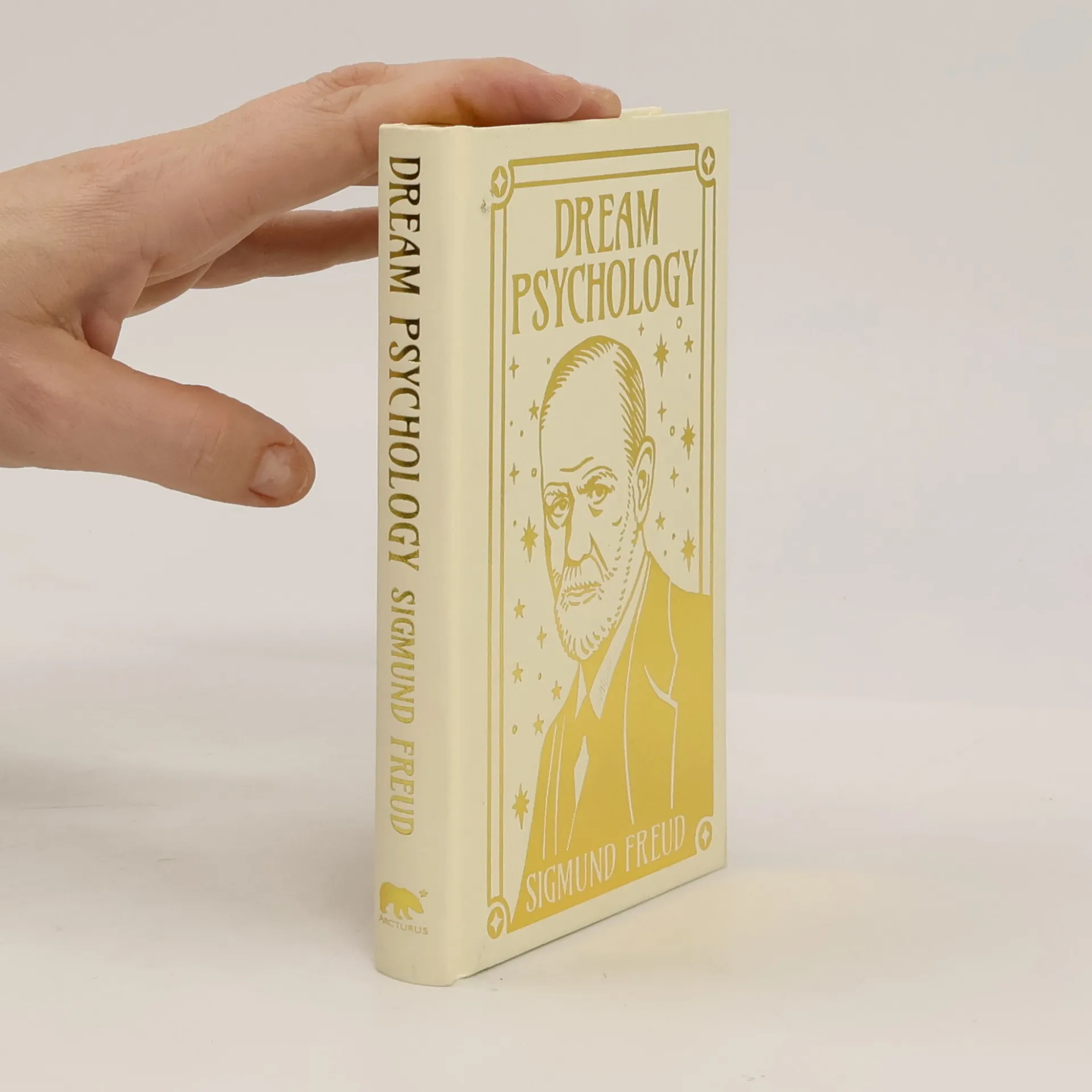
Freud's exploration of dream analysis reveals the intricacies of the unconscious mind and its symbolism, offering insights into human desires. This influential work includes diverse case studies, making complex theories accessible to general readers. The gift edition features a luxurious design with a gold-embossed cover, gilded edges, and patterned endpapers, enhancing its appeal as a collectible. Accompanied by a classic translation and an introduction, it is part of the Arcturus Ornate Classics series, ideal for lovers of literary heritage.
New, compact, abridged edition of The Interpretation of Dreams, one of Freud's
most important contributions to modern thought and a seminal work of
psychological theory. The introduction by Freud expert Dr Richard Stevens,
discusses its initial impact and subsequent influence.
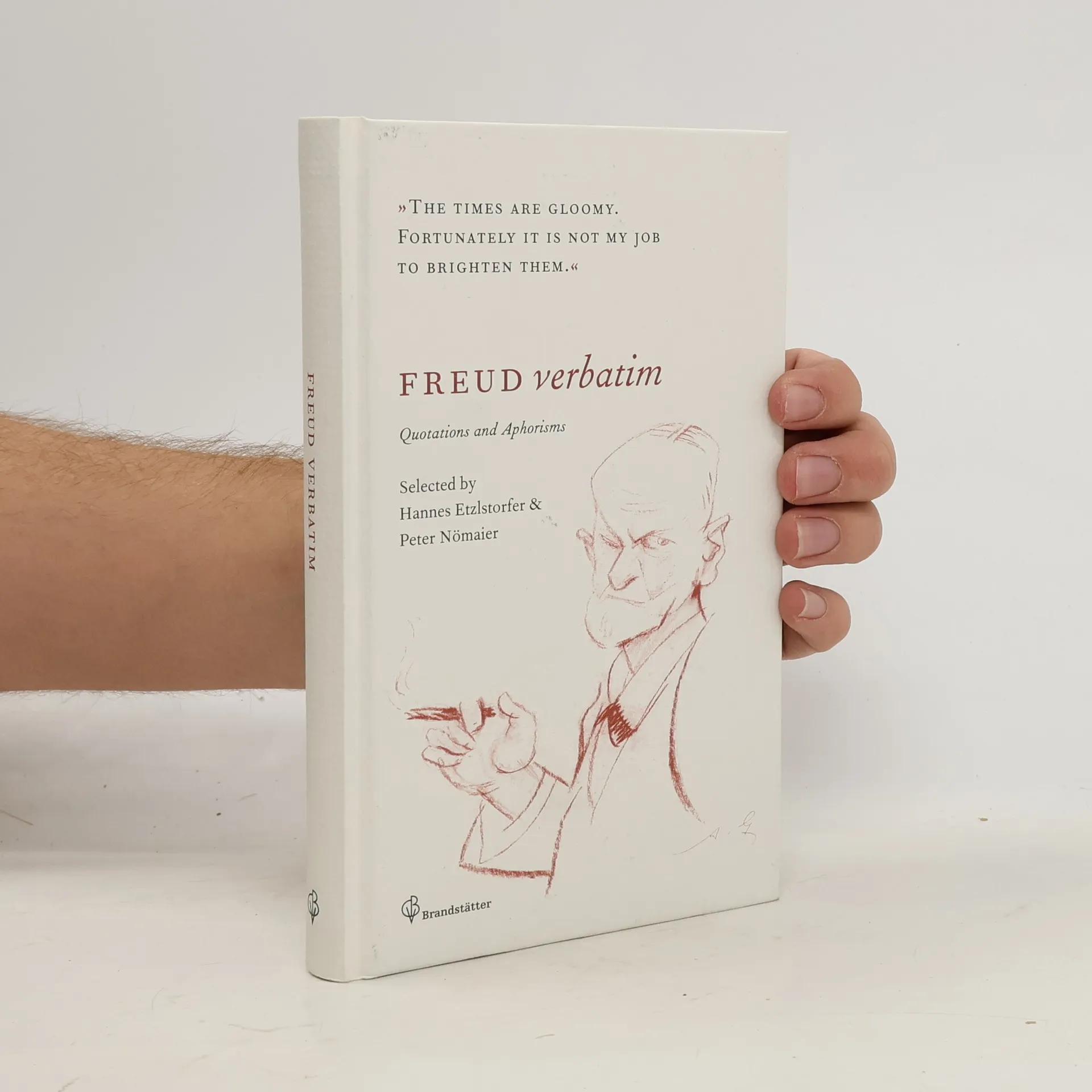
The biography of Sigmund Freud reveals a diverse blend of traditions, mentalities, worldviews, and scientific methods central to Viennese intellectual life around 1900. Despite facing significant opposition, Freud's writings as the first "explorer of the unconscious" have profoundly influenced contemporary thought. As the founder of psychoanalysis and creator of terms like ego, superego, and id, his impact is global. This collection presents a range of quotes, maxims, and observations that sketch a multifaceted personality with wide-ranging interests, including politics, religion, interpersonal relationships, and humor, drawn from his extensive writings. Readers will find a fascinating array of opinions that illuminate his character and the cultural issues of his time, many of which retain their timeless brilliance. Alongside excerpts from Freud's major works, the collection also includes personal letters that offer rich insights and amusing remarks. Edited correspondences from various scholars have contributed significantly to this compilation. Organized into ten thematic chapters, this collection provides a representative glimpse into Freud's work, allowing readers to engage with his ideas through concise quotations that, while partial, reflect a broader understanding of his contributions.
The Correspondence Between Sigmund Freud and C.G. Jung
692 páginas
25 horas de lectura
s/t: The Correspondence Between Sigmund Freud & C.G. Jung 'The substance of intellectual history at a turning point is in these letters. The impression is of two immensely ambitious, self-willed, often inspired men, who had set themselves apart as innovators, roped together in a long climb into a new world.' -The Observer