Attacking the Elites
- 247 páginas
- 9 horas de lectura
A former Harvard president reflects on how elite universities are responding to critiques from the left and the right, and how they can do better


Derek Bok es un distinguido abogado y educador, reconocido por su extensa trayectoria al frente de la Universidad de Harvard. Su trabajo se centra en la política educativa y la gobernanza universitaria, enfatizando la importancia de la innovación y la visión a largo plazo para las instituciones académicas. El análisis de Bok sobre el sistema educativo y sus perspicaces críticas a sus desafíos ofrecen valiosas perspectivas para los líderes actuales y futuros en el ámbito académico. Su experiencia y observaciones prácticas lo convierten en una figura influyente en la educación superior.



A former Harvard president reflects on how elite universities are responding to critiques from the left and the right, and how they can do better
In recent decades, cognitive psychologists have illuminated human development, offering colleges new opportunities to help students acquire essential skills and qualities that enhance their lives and societal contributions. This landmark work explores how institutions can leverage these discoveries to create a more robust undergraduate curriculum for the twenty-first century. Traditionally, many psychologists believed that traits like creativity, empathy, resilience, and conscientiousness were largely fixed by early childhood. However, recent research indicates that these qualities can continue to evolve through early adulthood and beyond. This suggests that educators may have greater potential to teach students to develop these important characteristics, ultimately enabling them to thrive in life. The text raises critical questions about educators' preparedness to cultivate these traits, the knowledge they need to maximize these possibilities, and whether college faculties will embrace the necessary curricular and pedagogical changes. It also addresses how to accelerate innovation and application within educational institutions. By answering these questions, the author identifies barriers to institutional change, proposes practical reforms, and illustrates how colleges can empower students to lead successful, productive, and meaningful lives.
Offering a comprehensive analysis of American higher education, the book balances praise for its strengths with a candid examination of its challenges. The author poses significant "big questions" that resonate with a diverse audience, showcasing a keen understanding of the complexities within the system. Through a blend of insightful commentary and practical wisdom, it stands out for its ambitious scope and common sense approach, making it a valuable resource for anyone interested in the future of educational institutions.
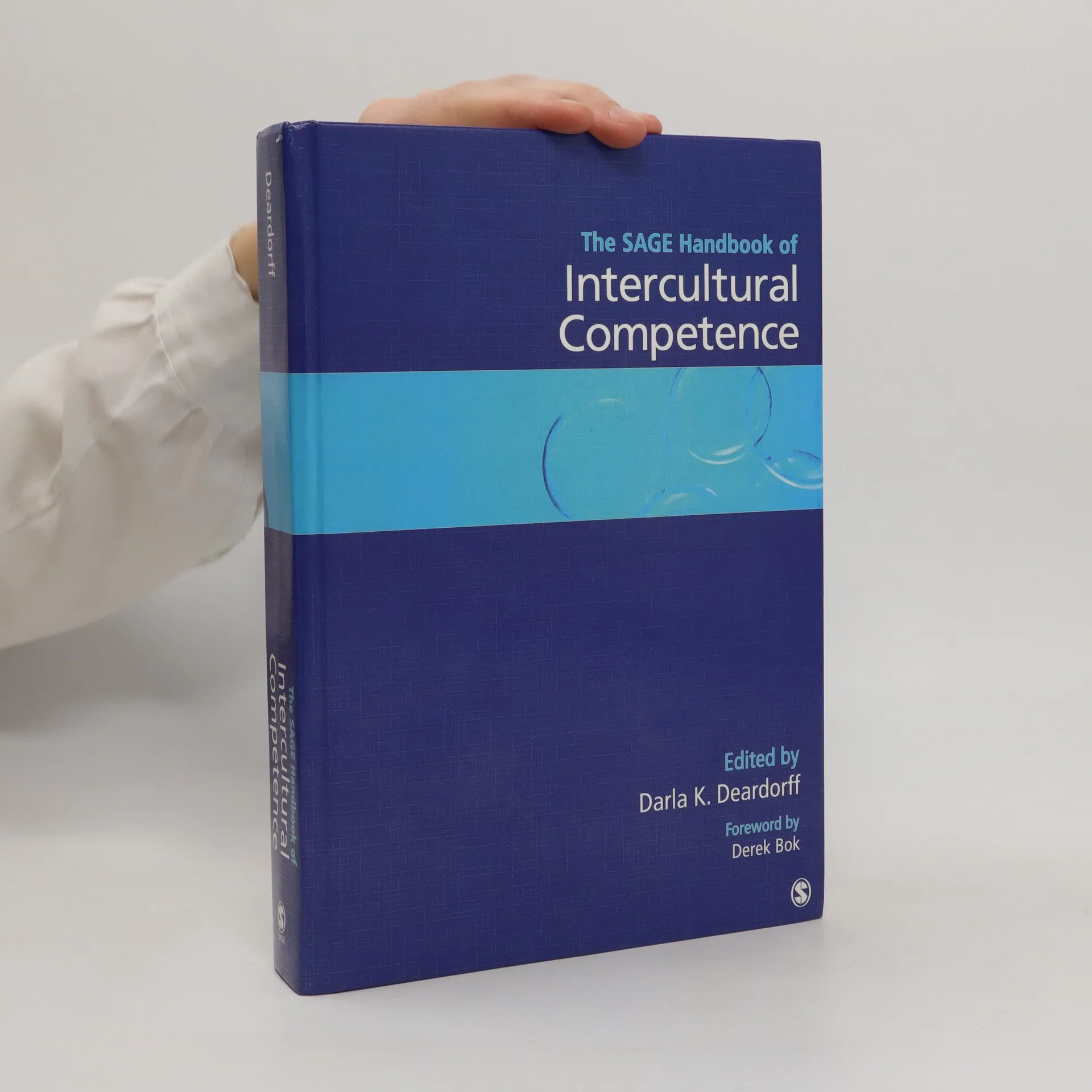
Bringing together leading experts and scholars from around the world, this Handbook provides a comprehensive overview of the latest theories and research on intercultural competence. It will be a useful and invaluable resource to administrators, faculty, researchers, and students.
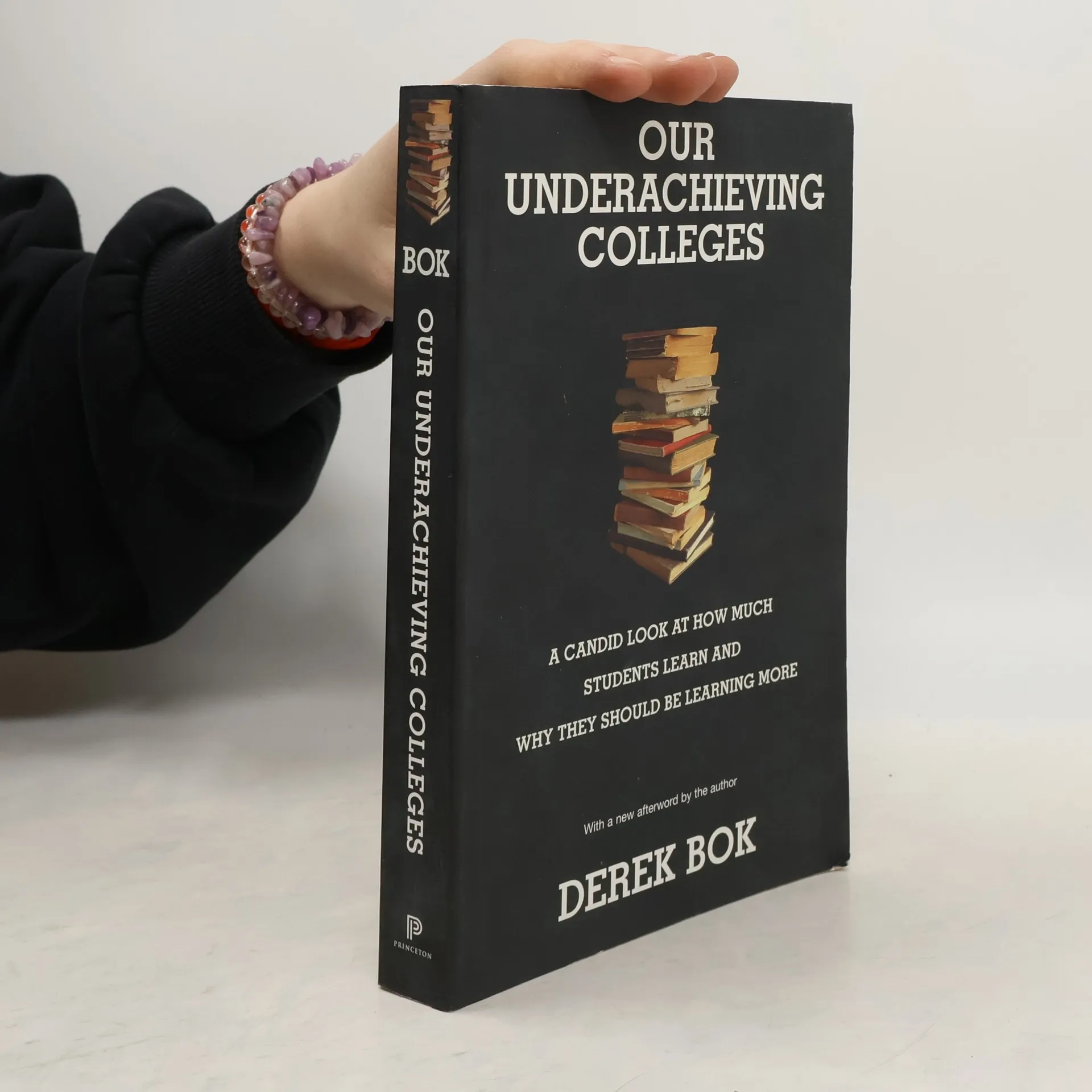
A Candid Look at How Much Students Learn and Why They Should Be Learning More - New Edition
Drawing on extensive empirical evidence, former Harvard President Derek Bok evaluates the actual progress college students make toward key undergraduate education goals. His findings are concerning. While many students show some improvement, they fall short in critical areas such as writing, critical thinking, quantitative skills, and moral reasoning. A significant number of college seniors feel they have not made meaningful progress in foreign language proficiency, cultural interests, or becoming informed citizens. Despite increased resources, advanced technology, and numerous new courses, colleges cannot be assured that students are learning more effectively than they did fifty years ago. Bok also highlights that many essential courses are taught by less experienced instructors, and most professors stick to teaching methods that are less effective than alternatives. Faculty discussions often focus on course requirements rather than the teaching methods that significantly influence student outcomes. In his concluding chapter, Bok outlines potential changes that faculty and academic leaders can implement to enhance student achievement. While acknowledging the contributions of American colleges, Bok presents a compelling critique that educators must heed.
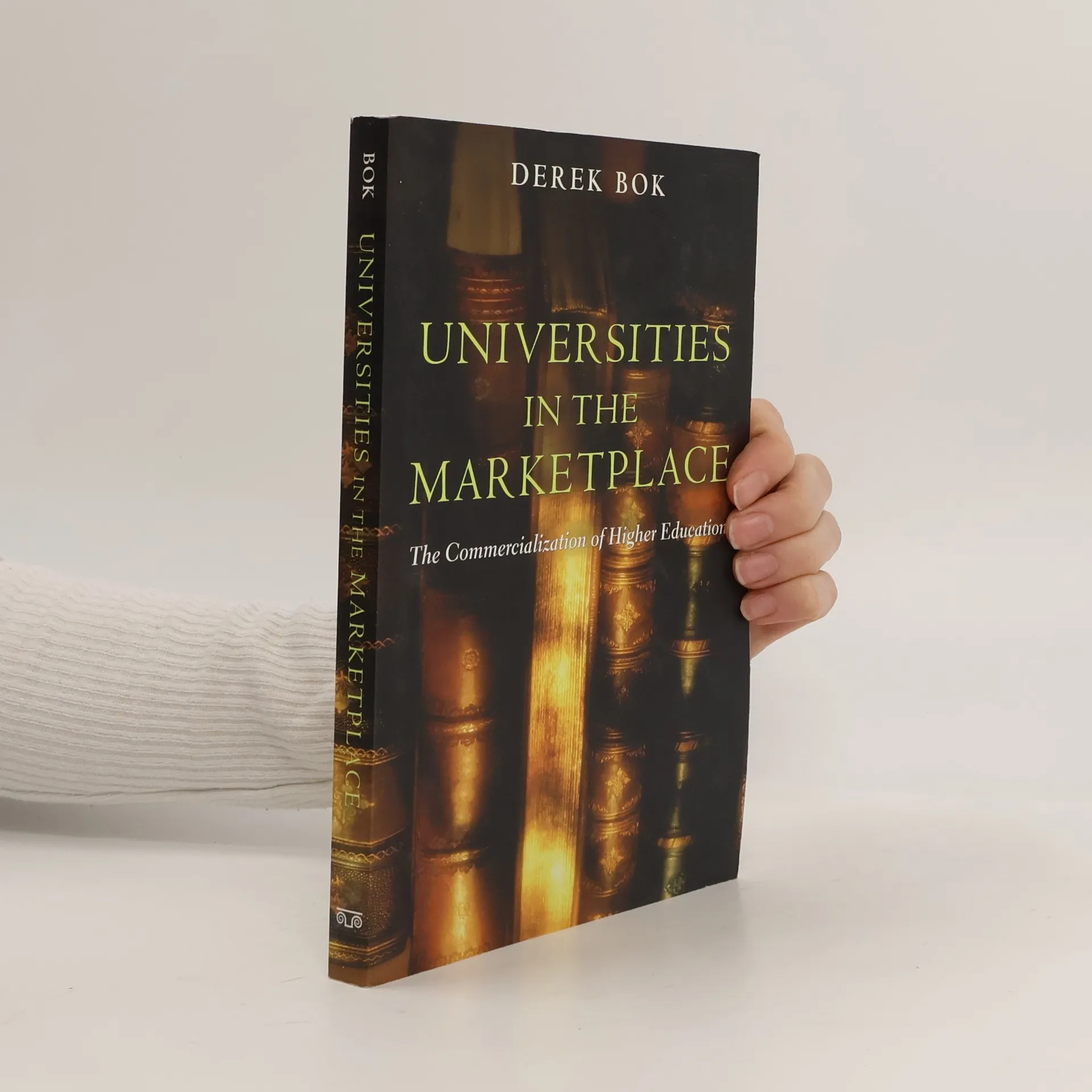
The Commercialization of Higher Education
The book examines the troubling trend of commercialization in academic institutions, revealing how universities are increasingly prioritizing profit over core educational values. Derek Bok highlights the financial motivations behind not only athletic programs but also educational and research initiatives. He discusses the implications of these practices on academic integrity and offers insights on how universities can mitigate the negative effects of this commercialization.
In the past thirty years, Americans have increasingly lost faith in their government and its leaders, blaming Washington for issues like poor education, expensive healthcare, and rising crime rates. Derek Bok investigates these grievances and finds many justified. He dismisses three common explanations—deteriorating leadership, media influence, and interest group power—and identifies four key weaknesses in government: Congress's tendency to poorly design programs, the imposition of costly regulations with limited impact, inadequate protection for workers against life’s hazards, and significant poverty among children. Bok explores the roots of these weaknesses and examines popular remedies such as term limits, devolution, and campaign finance reform. While some proposals show promise, he uncovers a troubling paradox: Americans desire more control over their government but are participating less in the political process. This growing dissatisfaction, coupled with declining engagement, exacerbates democratic challenges. Bok emphasizes that there are tangible steps citizens can take to become politically active and improve government performance. He concludes that democracy thrives or falters based on the collective efforts of its citizens.
How Executives And Professionals Are Paid And How It Affects America
How executives and professionals are paid and how it affects America.