

"Novela de ajedrez tal vez sea la obra más conocida de Stefan Zweig (Viena, 1881-Petrópolis, 1942). Escrita entre 1938 y 1941, durante su exilio en Brasil, es el único texto suyo que aborda indirectamente el ascenso de Hitler y la represión ejercida por los nacionalsocialistas. Un viaje en transatlántico ofrece el marco de un encuentro ajedrecístico donde compiten lo abstracto versus lo concreto, la idea contra la materia, el hombre atemporal contra el hombre histórico. El original alemán no se publicó en Europa hasta 1943; su primera edición en español se hizo en Buenos Aires, en 1942." --Contratapa.
Gérard Rudent Orden de los libros (cronológico)

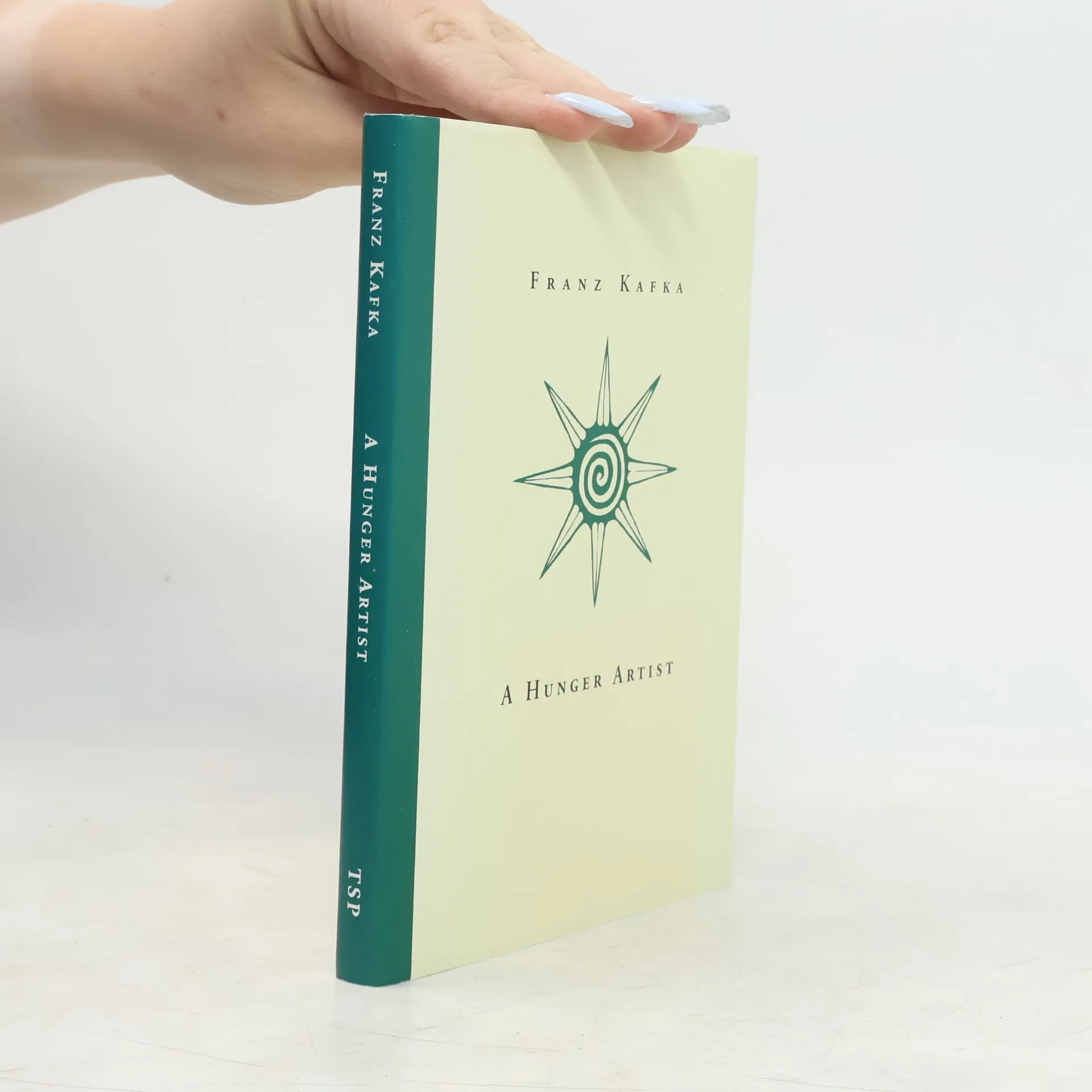

A Hunger Artist
- 88 páginas
- 4 horas de lectura
The last book published during Kafka's lifetime, A Hunger Artist (1924) explores many of the themes that were close to him: spiritual poverty, asceticism, futility, and the alienation of the modern artist. He edited the manuscript just before his death, and these four stories are some of his best known and most powerful work, marking his maturity as a writer. In addition to "First Sorrow," "A Little Woman," and "Josephine the Singer, or the Mouse People" is the title story, "A Hunger Artist," which has been called by the critic Heinz Politzer "a perfection, a fatal fulfillment that expresses Kafka's desire for permanence." The three volumes Twisted Spoon Press has published: Contemplation, A Country Doctor, and A Hunger Artist are the collections of stories that Kafka had published during his lifetime. Though each volume has its own distinctive character, they have most often appeared in English in collected editions. They are presented here as separate editions, in new translations by Kevin Blahut, each with its own illustrator from the Prague community.
La Metamorfosis
- 112 páginas
- 4 horas de lectura
La historia del joven Gregorio Samsa, convertido de la noche a la mañana en un insecto, tiene elementos de la peor pesadilla (la naturalidad con la que asume la transformación irreversible, la inminencia del inevitable desenlace), pero puede ser leída como una parábola sobre la vida familiar. No es extraño entonces que La metamorfosis sea hoy un texto de culto entre los jóvenes.