

Compra 10 libros por 10 € aquí!
Bookbot

Colin S. Gray

    29 de diciembre de 1943 – 27 de febrero de 2020

    Colin S. Gray fue un pensador estratégico británico-estadounidense y profesor de Relaciones Internacionales y Estudios Estratégicos. Su trabajo profundizó en la historia militar y el pensamiento estratégico, explorando la naturaleza de la guerra y la estrategia en los conflictos internacionales. Gray era conocido por su énfasis en conceptos como la cultura estratégica y su habilidad para analizar tendencias a largo plazo y dinámicas de poder. Sus extensas publicaciones ofrecen profundas perspectivas sobre la comprensión de la guerra y la estrategia en el mundo moderno.

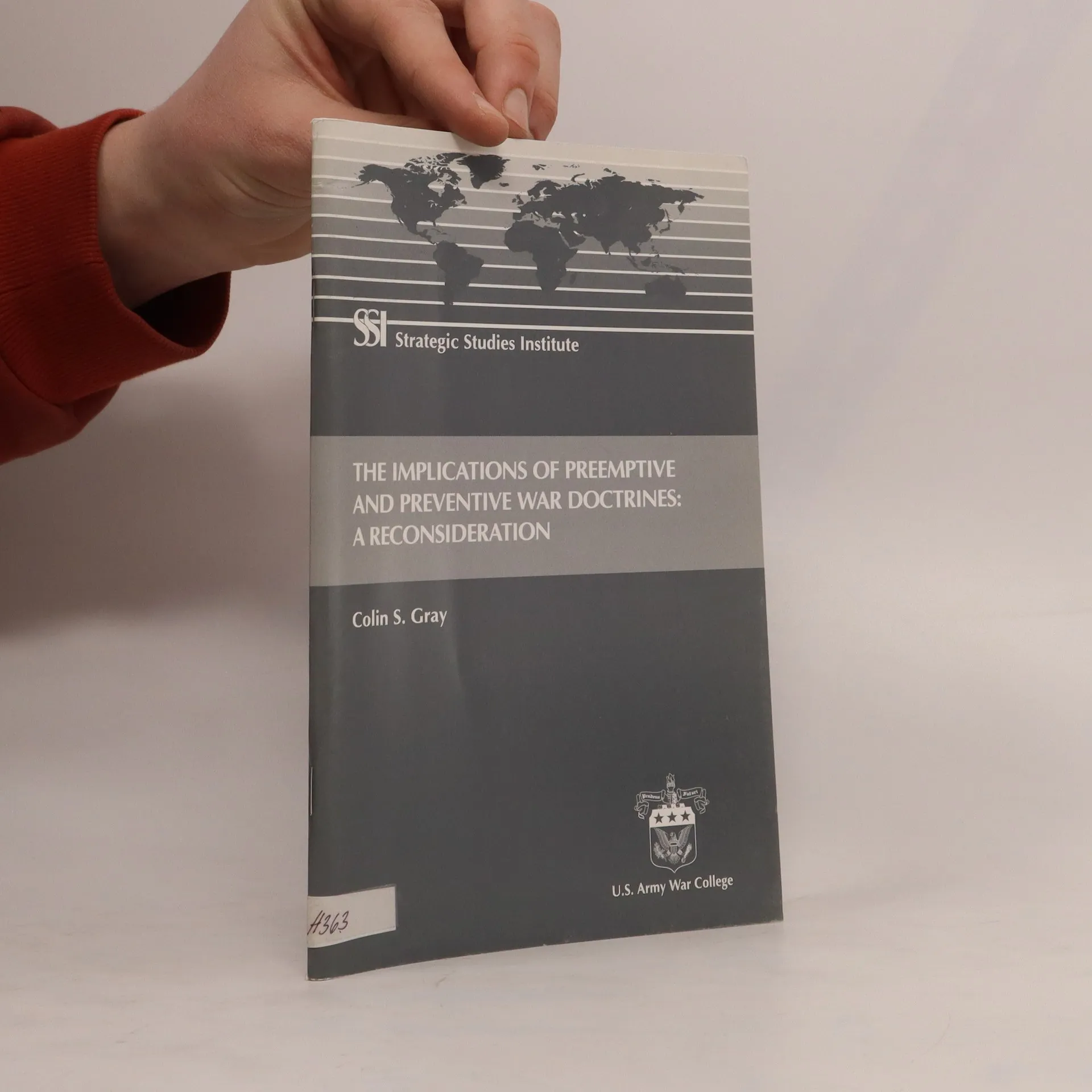
    The Implications of Preemptive and Preventive War Doctrines
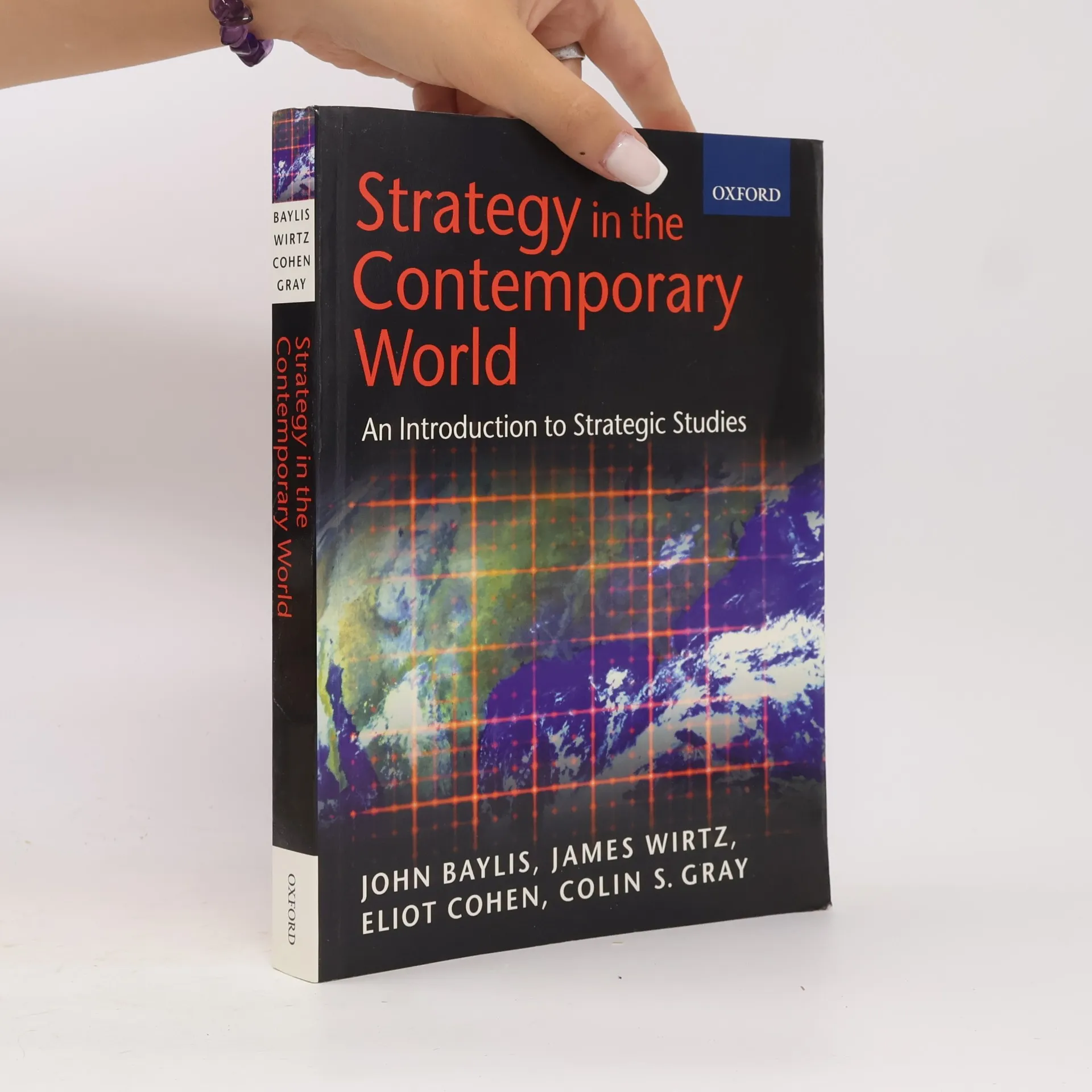
    Strategy in the Contemporary World
    The Future of Strategy
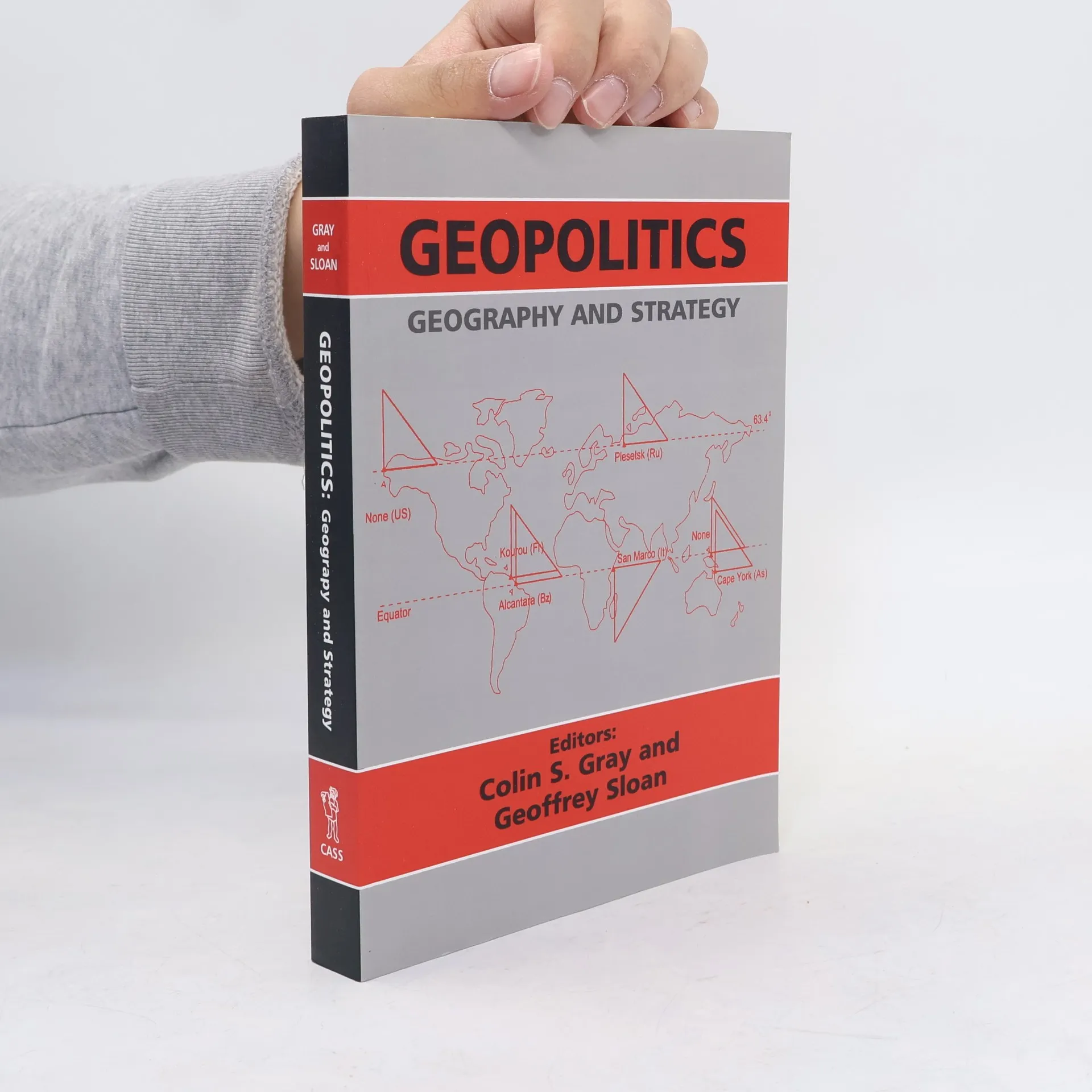
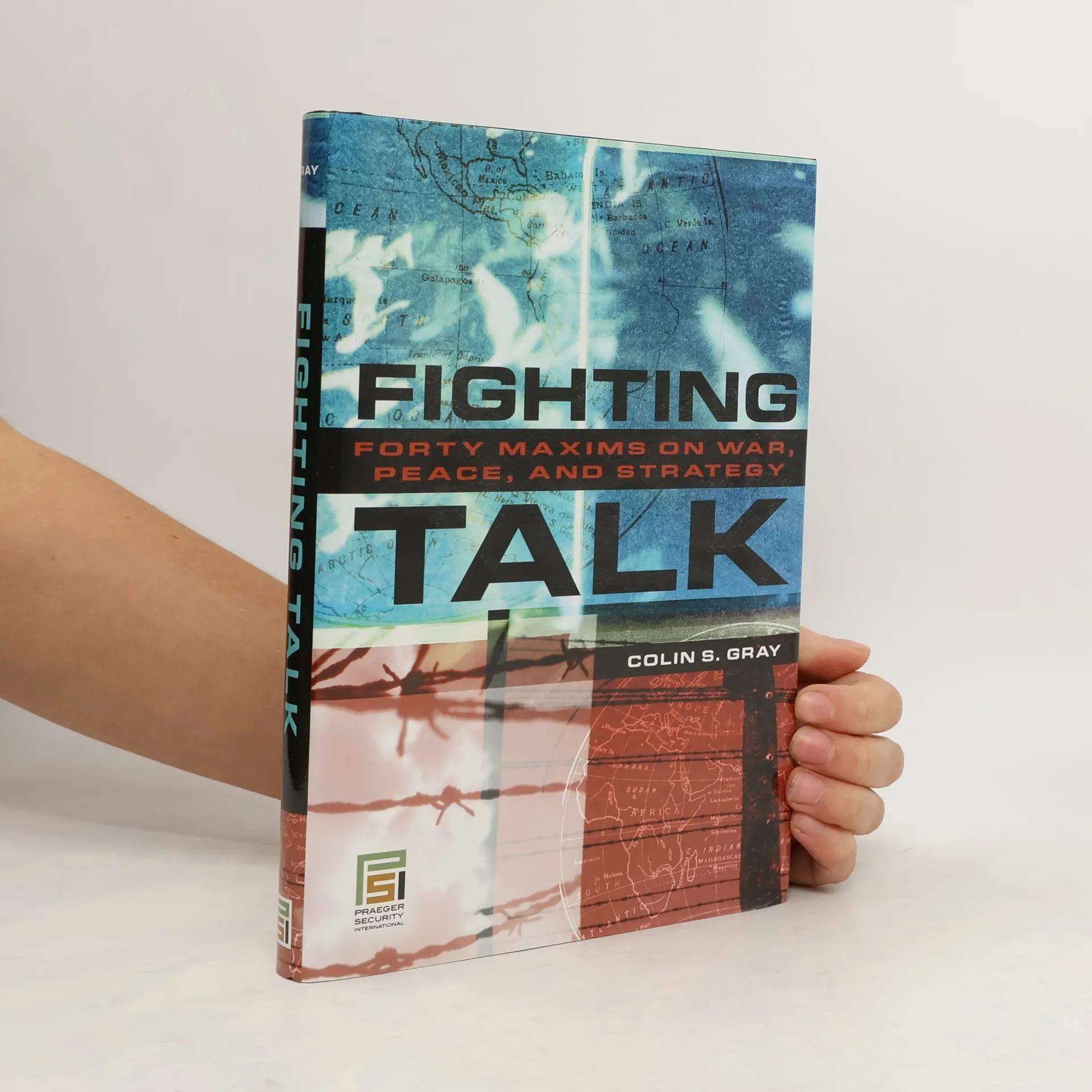
    Fighting Talk
    • Fighting Talk

      Forty Maxims on War, Peace, and Strategy

      Gray presents an inventive treatise on the nature of strategy, war, and peace, organized around forty maxims. This collection of mini-essays will forearm politicians, soldiers, and the attentive general public against many―probably most―fallacies that abound in contemporary debates about war, peace, and security. While one can never guarantee strategic success, which depends on policy, military prowess, and the quality of the dialogue between the two, a strategic education led by the judgments in these maxims increases the chances that one's errors will be small rather than catastrophic.The maxims are grouped according to five clusters. War and Peace tackles the larger issues of strategic history that drive the demand for the services of strategic thought and practice. Strategy presses further, into the realm of strategic behavior, and serves as a bridge between the political focus of part one and the military concerns that follow. In Military Power and Warfare turns to the pragmatic business of military operations, tactics, and logistics. Part four, Security and Insecurity examines why strategy is important, including a discussion of the nature, dynamic character, and functioning of world politics. Finally, History and the Future is meant to help strategists better understand the processes of historical change.

      Fighting Talk
    • The Future of Strategy

      • 188 páginas
      • 7 horas de lectura

      Strategy is not a modern invention. It is an essential and enduring feature of human history that is here to stay. In this original essay, Colin S.

      The Future of Strategy
    • Strategy in the Contemporary World

      • 456 páginas
      • 16 horas de lectura

      A complete introduction to strategy in the contemporary world, which explores the enduring, present and emerging issues dominating strategic debate.

      Strategy in the Contemporary World
    • Preemption and prevention are different concepts. To preempt is to attempt to strike first against an enemy who is in the process of preparing, or is actually launching, an attack against you. Preemption is not controversial. The decision for war has been taken out of your hands. Prevention, however, is a decision to wage war, or conduct a strike, so as to prevent a far more dangerous context maturing in the future. To decide on preventive war is to elect to prevent a particular, very threatening strategic future from coming to pass. Despite much legal argument, there is no legal difficulty with either concept. The UN Charter, with its recognition of the inherent right of sovereign states to self-defense, as generally interpreted around the world does not require a victim or target state to suffer the first blow. To strike preventively in self-defense is legal, though it will usually be controversial. Preventive war is simply war, distinguishable only by its timing, and possibly its motivation.

      The Implications of Preemptive and Preventive War Doctrines