

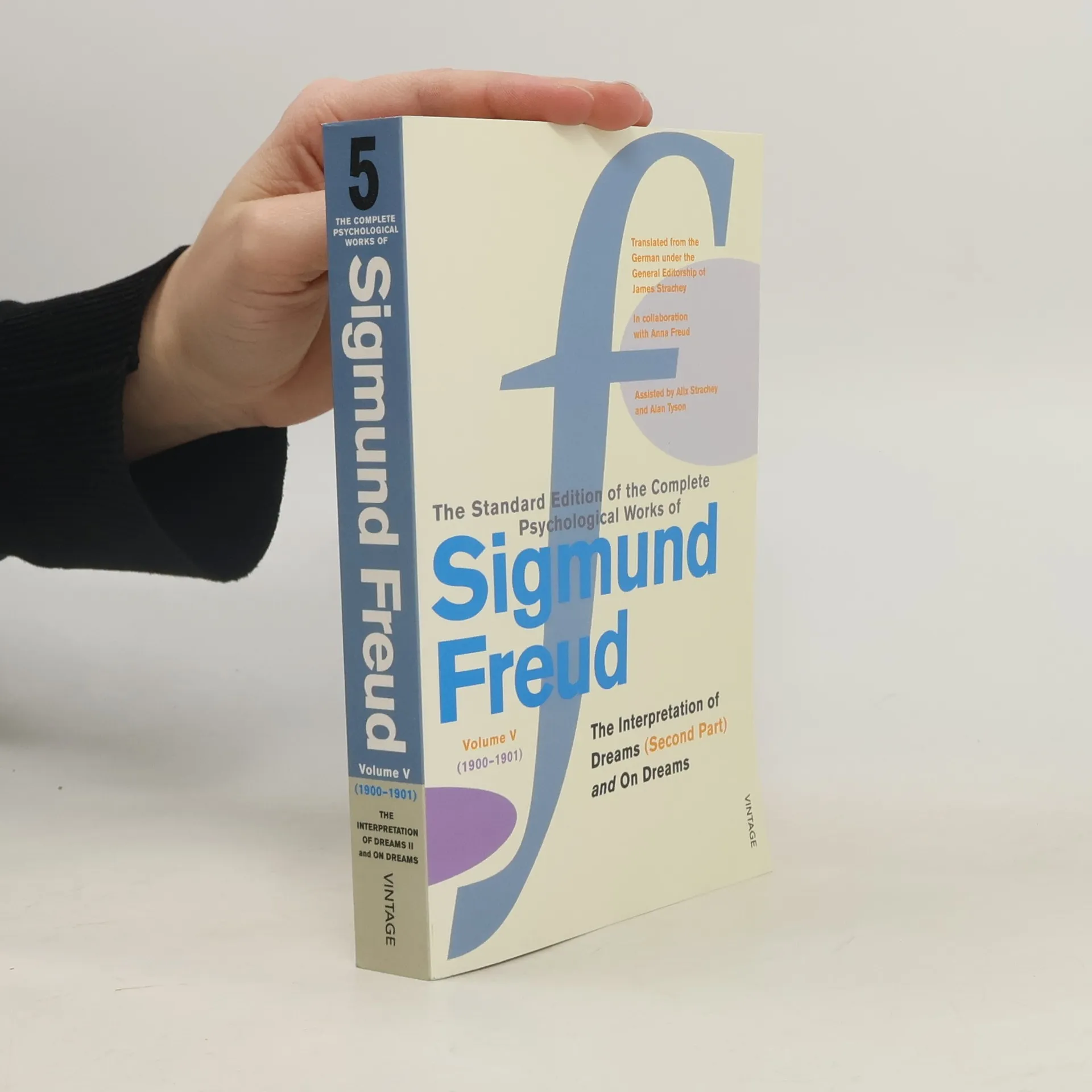
The Standard Edition of the complete works of the father of psychoanalysis - the only definitive paperback edition on the market. Translated from the German under the General Editorship of James Strachey; in collaboration with Anna Freud; assisted by Alix Strachey and Alan Tyson.
James Strachey Orden de los libros (cronológico)

EL YO Y EL ELLO (1923) -pensado como una continuación de <> (LB 193)- es uno de los grandes trabajos de SIGMUND FREUD y uno de los pilares de la teoría psicoanalítica de la fase de madurez. Las implicaciones de algunas de las ideas gestadas durante los años de la Gran Guerra acerca del conflicto entre el instinto de la muerte y el eros, de la agresividad como exteriorización de tendencias autodestructivas, son formuladas ahora con toda nitidez y audacia. Se trata, en verdad, de un auténtico viraje en el pensamiento freudiano; la antigua y estricta identificación del inconsciente con los procesos mentales reprimidos deja paso a una visión más refinada, compleja y articulada de la vida psíquica en la que el ego, el super-ego y el id juegan papeles dialécticamente interrelacionados. INHIBICIÓN, SÍNTOMA Y ANGUSTIA (1920) -también incluído en el presente volumen- es, en opinión de Jones, <>; trabajo rico en sugerencias, contiene varias novedades teóricas importantes, así como serias modificaciones de la hipótesis anterior que identificaba la angustia con la transformación de la libido y atribuía la causación de tales estados a la represión de las pulsiones. Completan este volumen OTROS ESCRITOS DE METAPSICOLOGÍA, de los que merecen especial atención los trabajos publicados en 1924 -<> y <>- que desarrollan y amplifican ideas ya contenidas en <>.
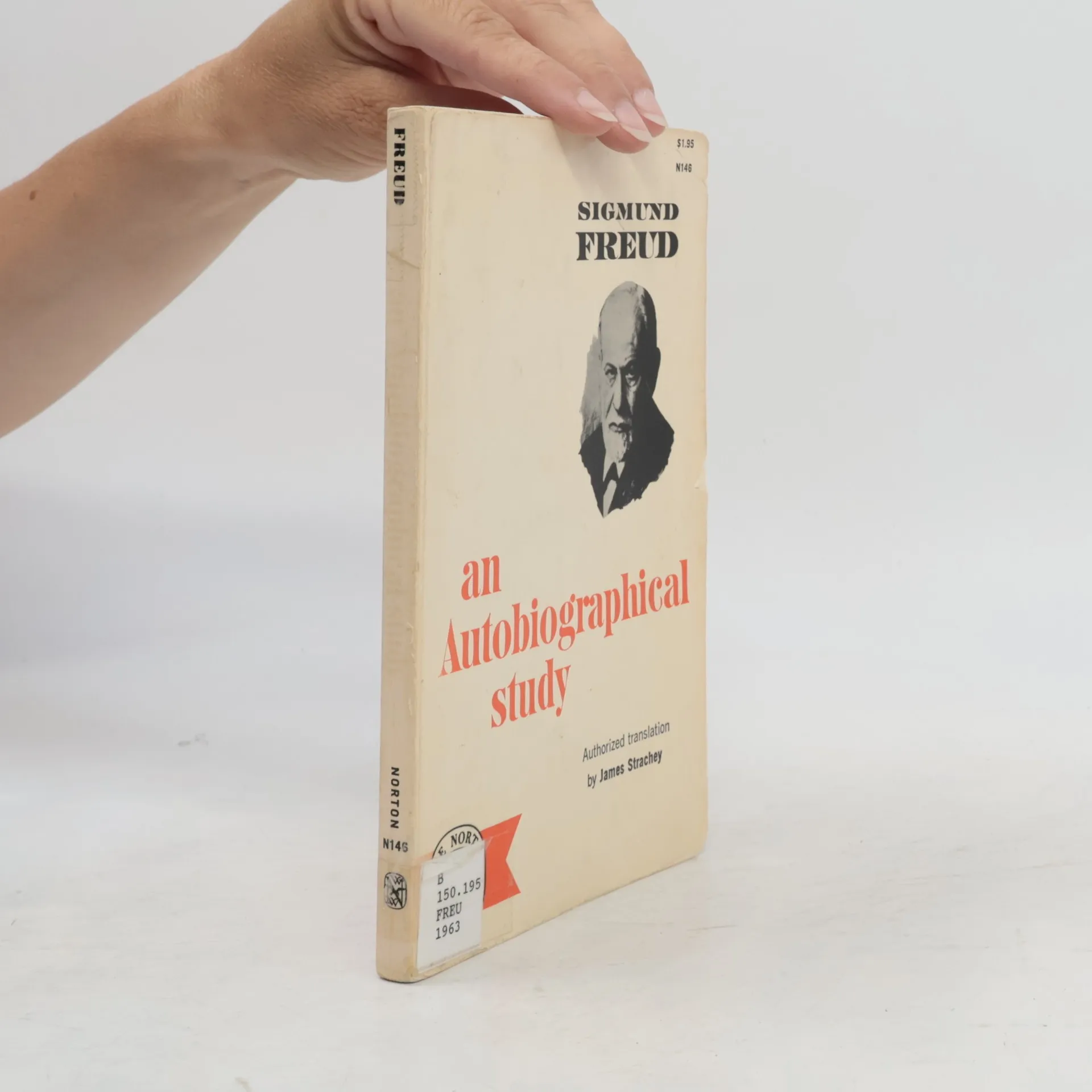
Complete Psychological Works of Sigmund Freud: An Autobiographical Study
- 120 páginas
- 5 horas de lectura
Freud approved the overall editorial plan, specific renderings of key words and phrases, and the addition of valuable notes, from bibliographical and explanatory. Many of the translations were done by Strachey himself; the rest were prepared under his supervision. The result was to place the Standard Edition in a position of unquestioned supremacy over all other existing versions.Newly designed in a uniform format, each new paperback in the Standard Edition opens with a biographical essay on Freud's life and work--along with a note on the individual volume--by Peter Gay, Sterling Professor of History at Yale.
El malestar en la cultura y otros ensayos
- 259 páginas
- 10 horas de lectura
This work serves as a brilliant summary of psychoanalytic views on culture that Freud had been developing since the early 1900s. It reflects the late theory of mind, particularly the structural theory, emphasizing aggression and the death drive as adversaries to eros. Written in the decade before his death and first published in German in 1929, it explores man's place in the world, defined by the conflict between the individual's quest for freedom and society's demand for conformity. Freud argues that what benefits civilization does not necessarily benefit man, who is inherently aggressive and egotistical, seeking self-satisfaction. However, culture suppresses these instinctual drives, leading to pervasive guilt. Among the English translations of Freud's major works during his lifetime, only one was authorized by him: The Standard Edition of the Complete Psychological Works of Sigmund Freud, edited by James Strachey. Freud approved the editorial plan, specific translations of key terms, and the inclusion of valuable notes. Many translations were done by Strachey, ensuring the Standard Edition’s supremacy over other versions.
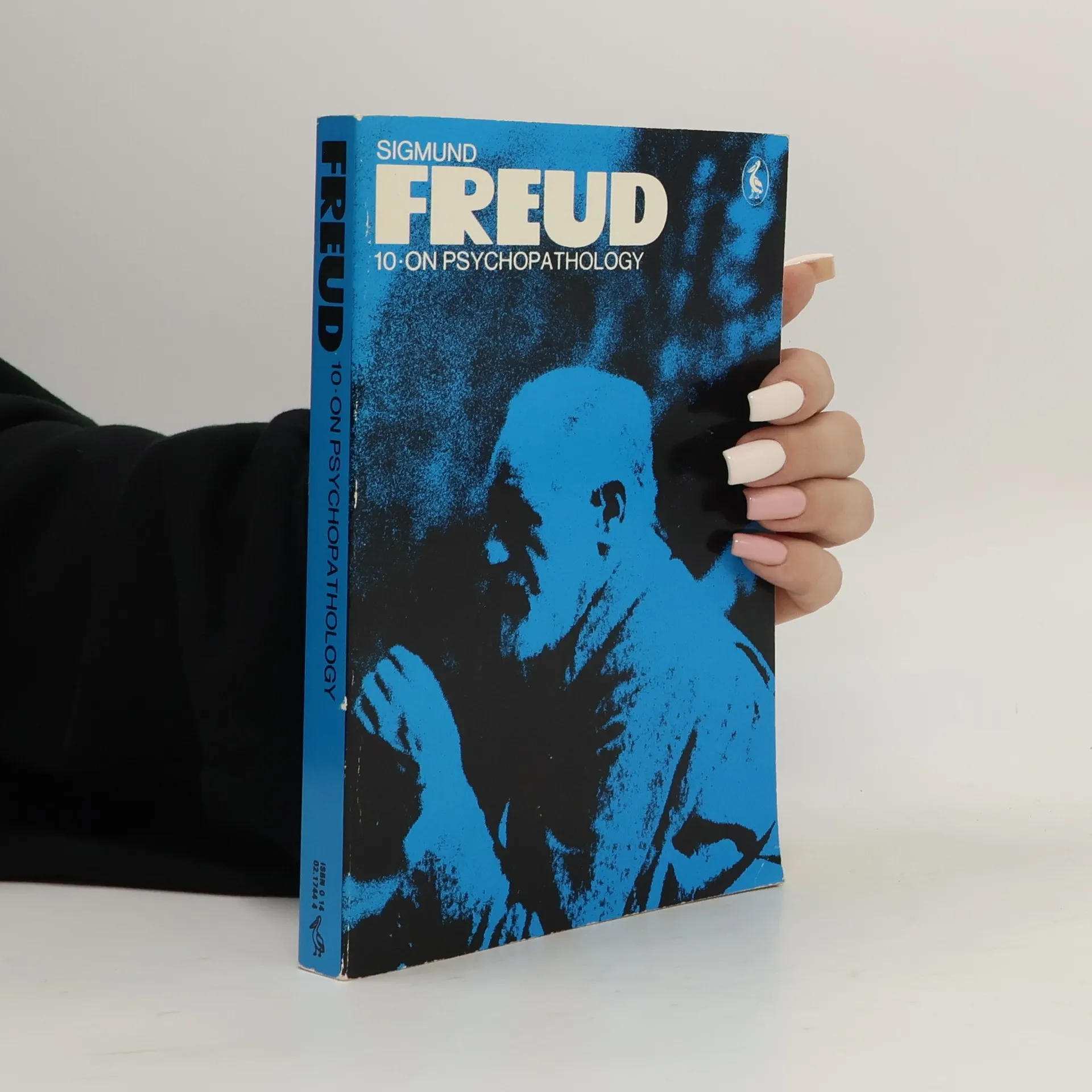
The Pelican Freud Library - 10: On Psychopathology
- 368 páginas
- 13 horas de lectura
Setting forth in rich detail Freud's new theory of anxiety, Inhibitions, Symptoms and Anxiety (1926) is evidence for one of them. In rethinking his earlier work on the subject, Freud saw several types of anxiety at work in the mind and here argues that anxiety causes repression, rather than the other way around.
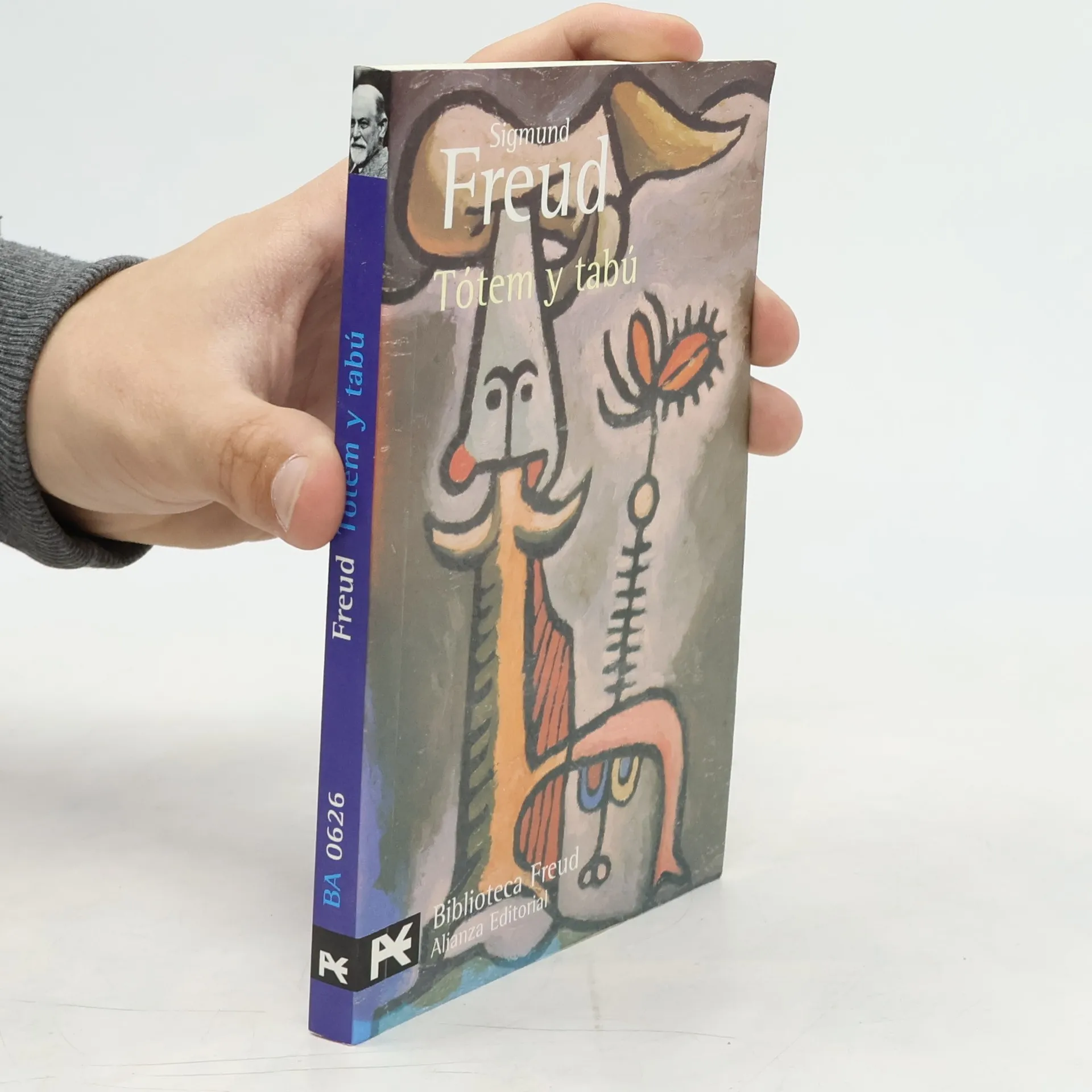
Tótem y tabú
- 206 páginas
- 8 horas de lectura
En Tótem y tabú (escrito en 1913) Freud se propuso explicar los orígenes de nuestra especie mediante interpretaciones psicoanalíticas proyectadas sobre la antropología. El horror al incesto, la ambivalencia de los sentimientos respecto al tabú, las funciones desempeñadas por el animismo y la magia, el totemismo y sus estrechas relaciones con la exogamia, son otras tantas consecuencias del drama edípico primigenio, esto es, del parricidio en la horda primitiva, base de la religión, la moralidad y las instituciones de la vida civilizada.
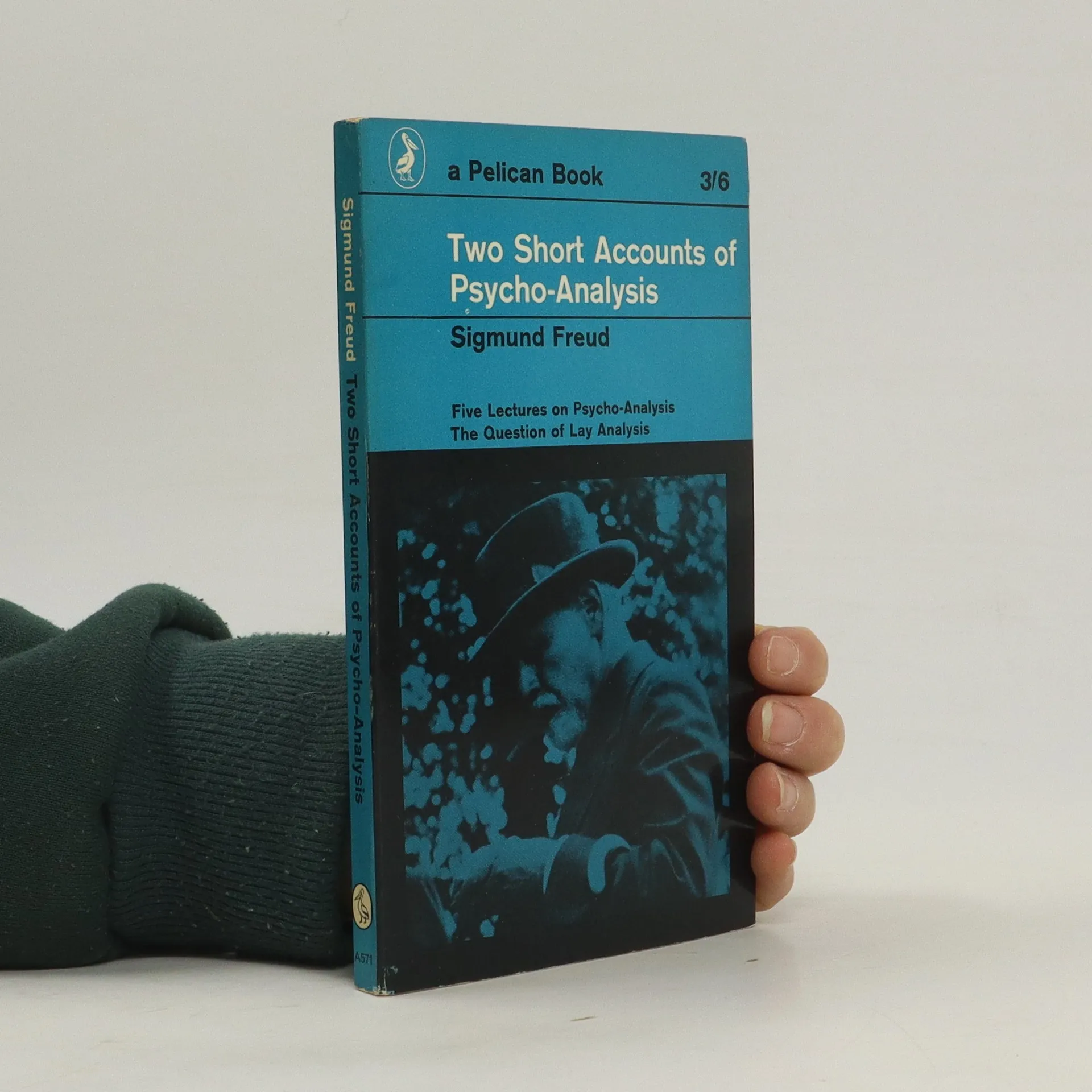
These two short accounts, written respectively in 1909 and 1926, are a good introduction to psychoanalysis for the general reader, for whom they were originally prepared.