Bookbot

Michael Mandelbaum

    23 de septiembre de 1946
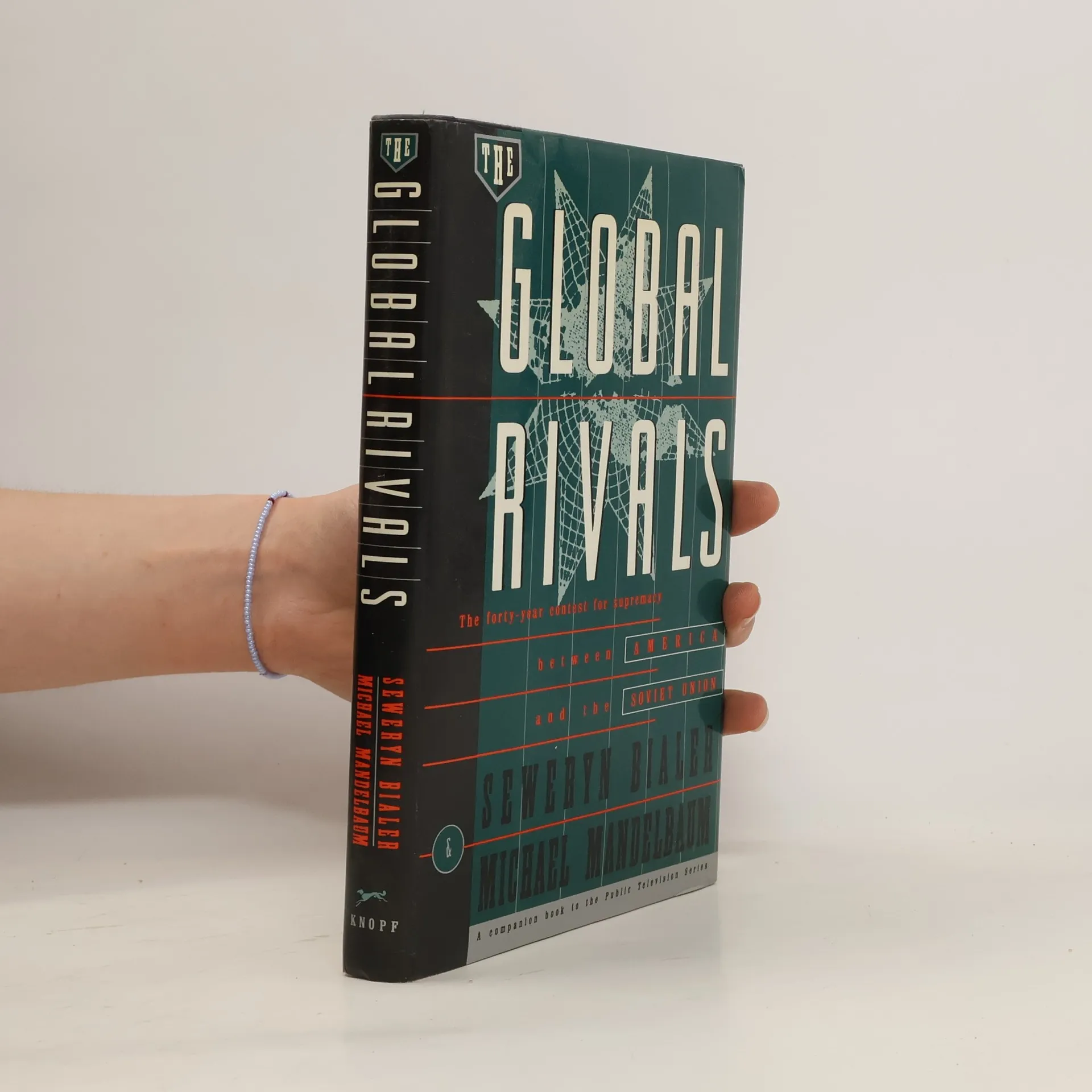
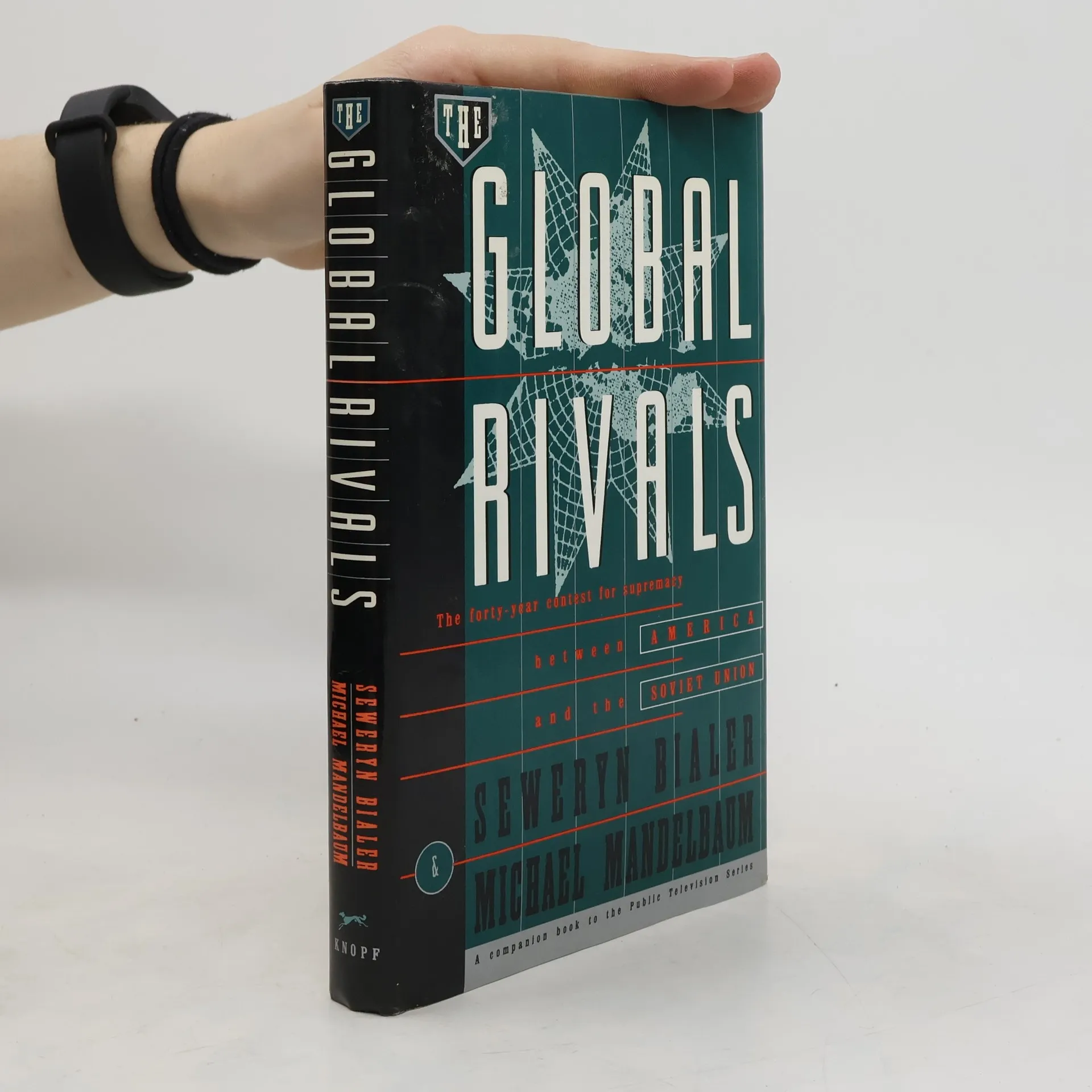
    The Global Rivals
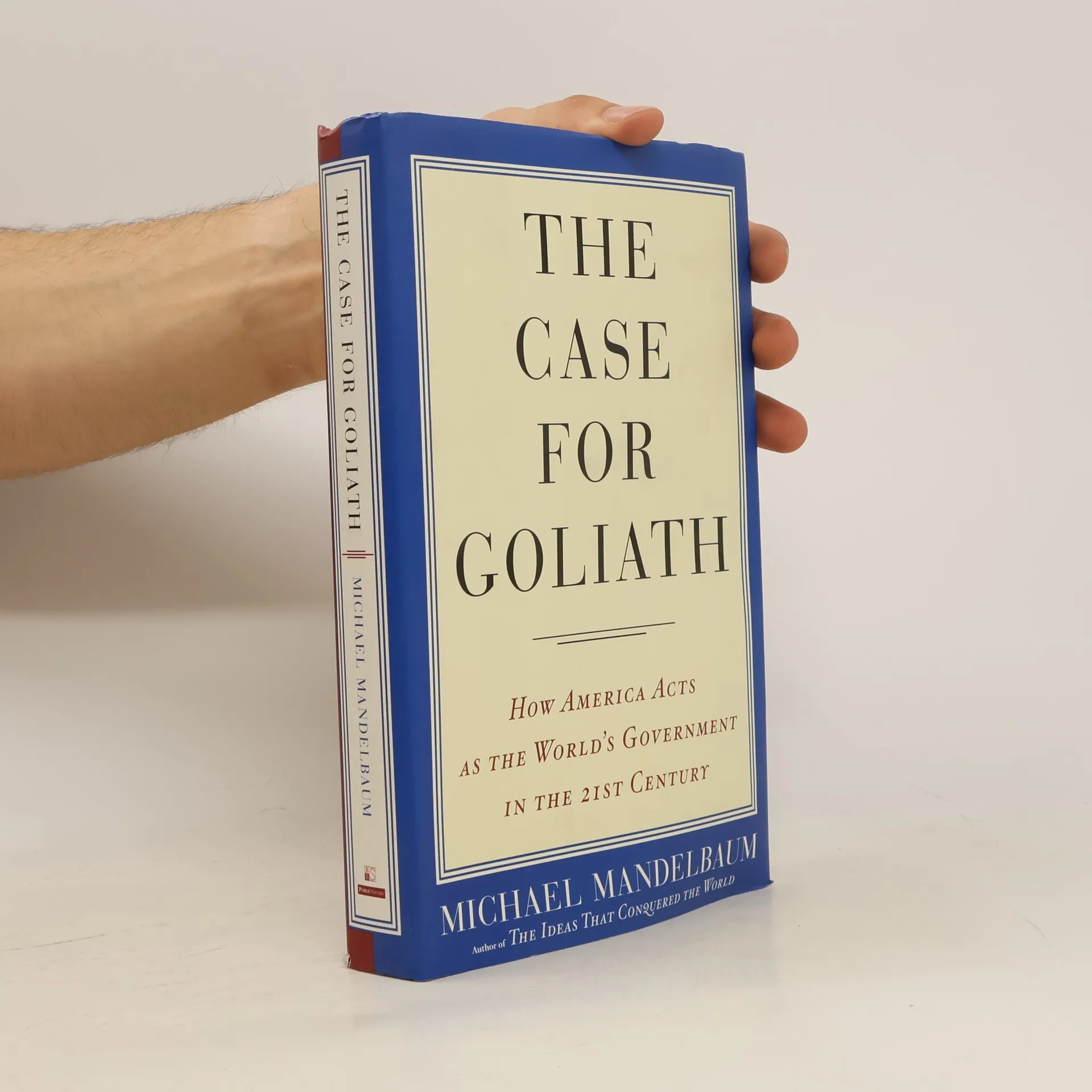
    The Case for Goliath
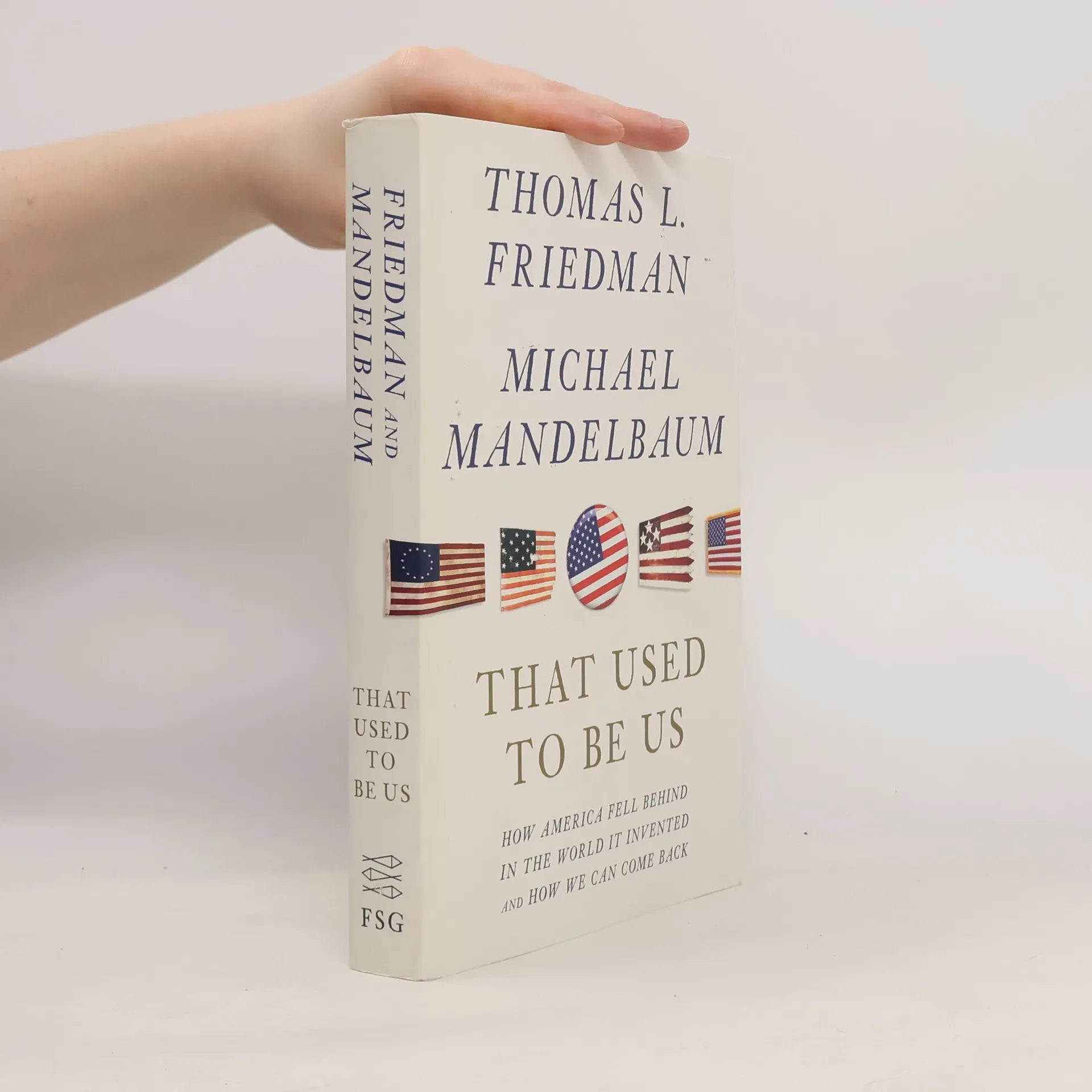
    That Used to Be Us
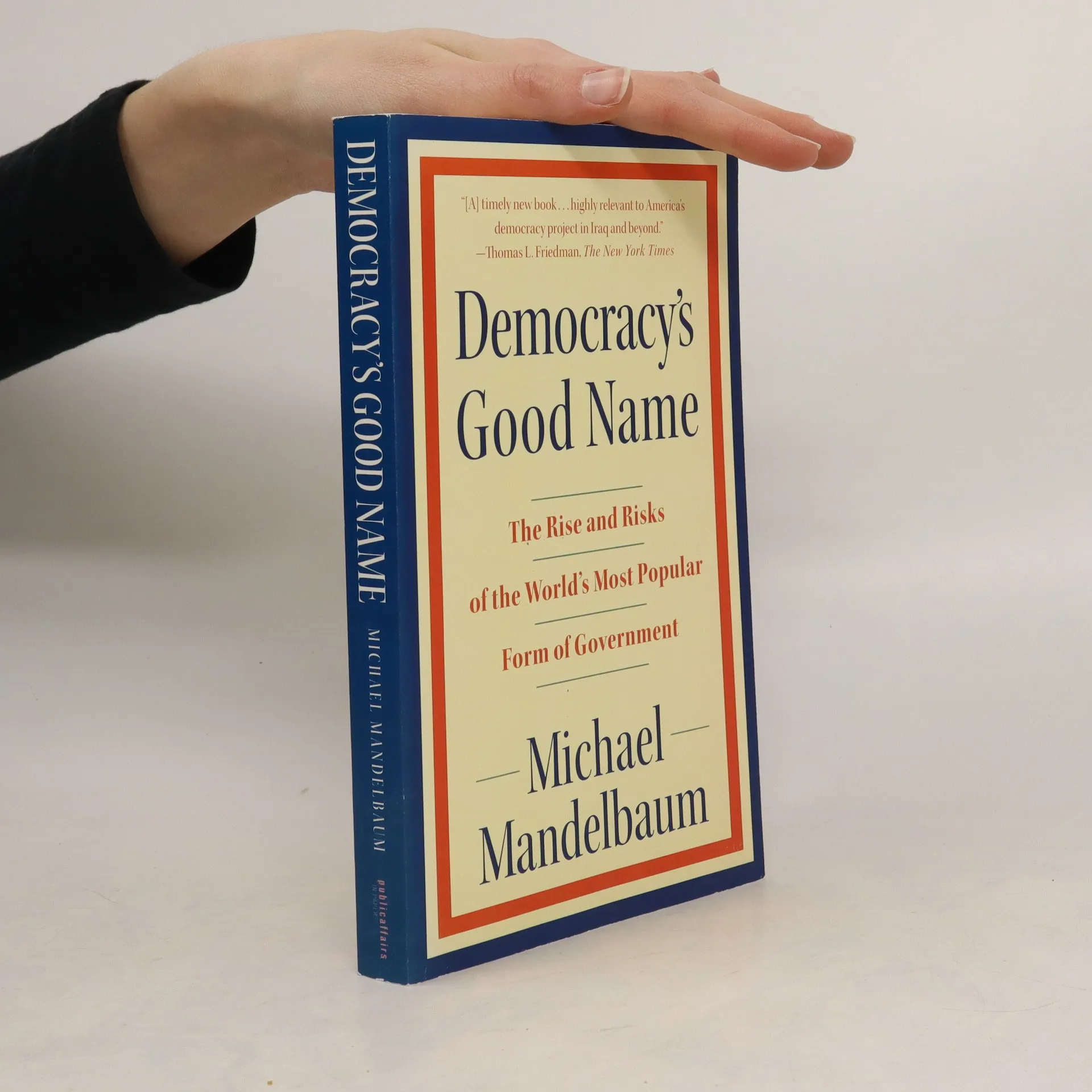
    Democracy's Good Name
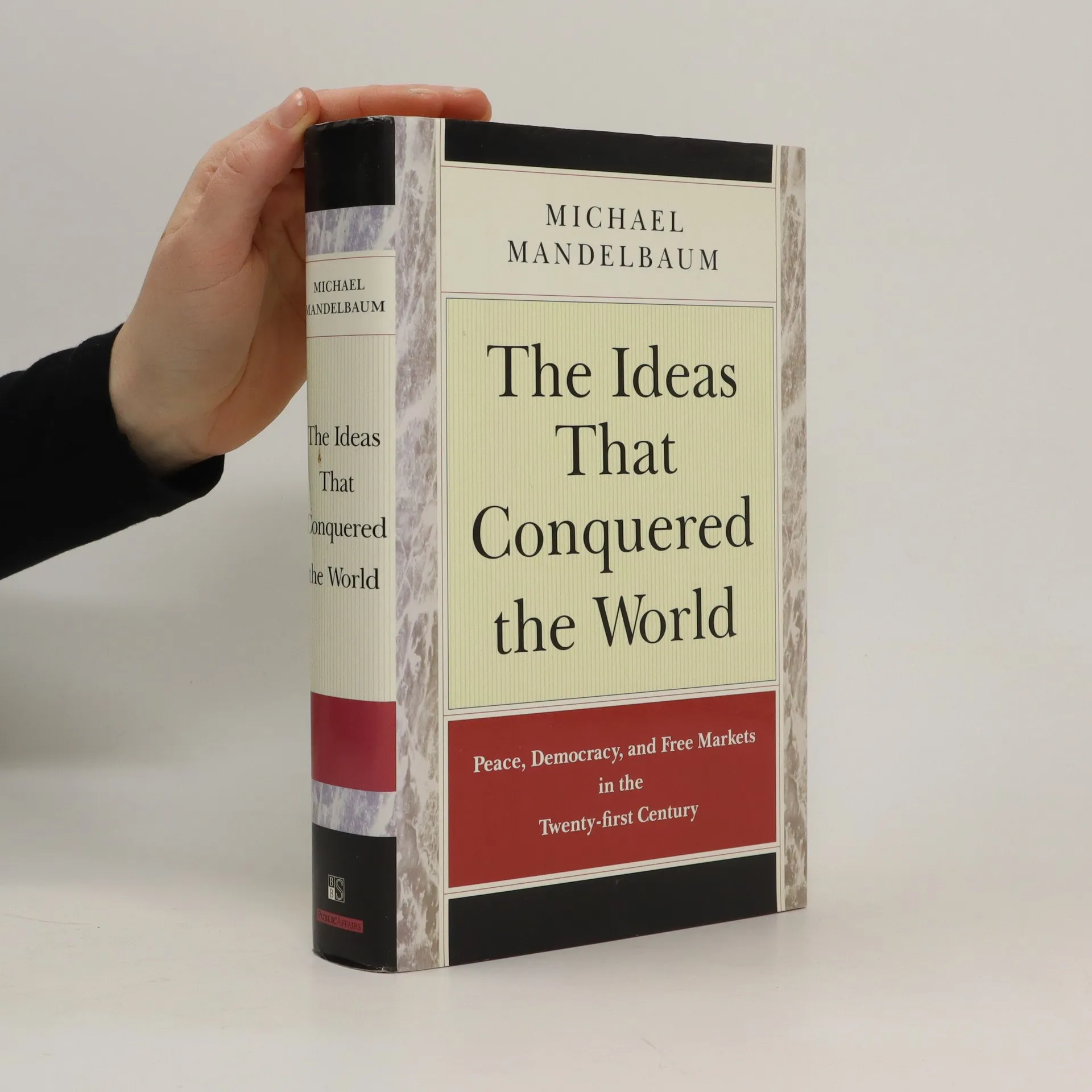
    The ideas that conquered the world: peace, democracy and free markets in the twenty-first century
    The Nuclear Revolution
    • The Nuclear Revolution

      International Politics Before and After Hiroshima

      How have nuclear weapons affected the way countries deal with one another? The Nuclear Revolution answers this question by comparing the nuclear age with previous periods of international history, from the fifth century B.C. to the twentieth century. The Nuclear Revolution offers insightful and provocative perspectives on the Soviet-American nuclear arms race, comparing it with the Anglo-German naval rivalry before World War I and with modern tariff competitions. The work also compares the advent of nuclear weapons with the two other modern revolutions in warfare: Napoleon's military innovations and the industrial warfare of World War I. It assesses the impact of nuclear armaments on the balance of power, alliances, and the behaviour of national leaders. Also included is an analysis of the differences between nuclear weapons and chemical and biological weapons of mass destruction. The concuding chapter, bringing together ideas from history, religion, and psychology, explores the effects that the threat of nuclear annihilation has on everyday life.
      The Nuclear Revolution
      5,0
    • Democracy's Good Name

      • 336 páginas
      • 12 horas de lectura

      The last thirty years have witnessed a remarkably rapid rise of democracies around the world. In 1975, only thirty countries were democracies. Today, 119 of the world's 190 countries are democratic. How did democracy establish itself so quickly and so widely? Why do some important countries and regions remain undemocratic? In Democracy's Good Name, Michael Mandelbaum, one of America's leading foreign policy thinkers, answers these questions. He discusses the relationship between democracy, on the one hand, and war and terrorism, on the other, and assesses the prospects for the establishment of democracy in Russia, China, and the Arab world. And he explains why the United States has found it so difficult to foster democratic governments in other countries.

      Democracy's Good Name
      3,8
    • That Used to Be Us

      • 388 páginas
      • 14 horas de lectura

      Originally published: New York: Farrar, Straus, and Giroux, 2011.

      That Used to Be Us
      3,8
    • How does the United States use its enormous power in the world? In The Case for Goliath , Michael Mandelbaum offers a surprising The United States furnishes to other countries the services that governments provide within the countries they govern. Mandelbaum explains how this role came about despite the fact that neither the United States nor any other country sought to establish it. He describes the contributions that American power makes to global security and prosperity, the shortcomings of American foreign policy, and how other countries have come to accept, resent, and exert influence on America's global role. And he assesses the prospects for the continuation of this role, which depends most importantly on whether the American public is willing to pay for it. Written with Mandelbaum's characteristic blend of clarity, wit, and profound understanding of America and the world, The Case for Goliath offers a fresh and surprising approach to an issue that obsesses citizens and policymakers the world over, as well as a major statement on the foreign policy issues confronting the American people today.

      The Case for Goliath
      3,5
    • The Global Rivals

      • 210 páginas
      • 8 horas de lectura

      This companion book to a four-part PBS series, The Global Rivals covers all major aspects of the changing relationship between the United States and the Soviet Union. First time in paperback.

      The Global Rivals