


Compra 10 libros por 10 € aquí!
Bookbot

Douglas Kellner

    31 de mayo de 1943

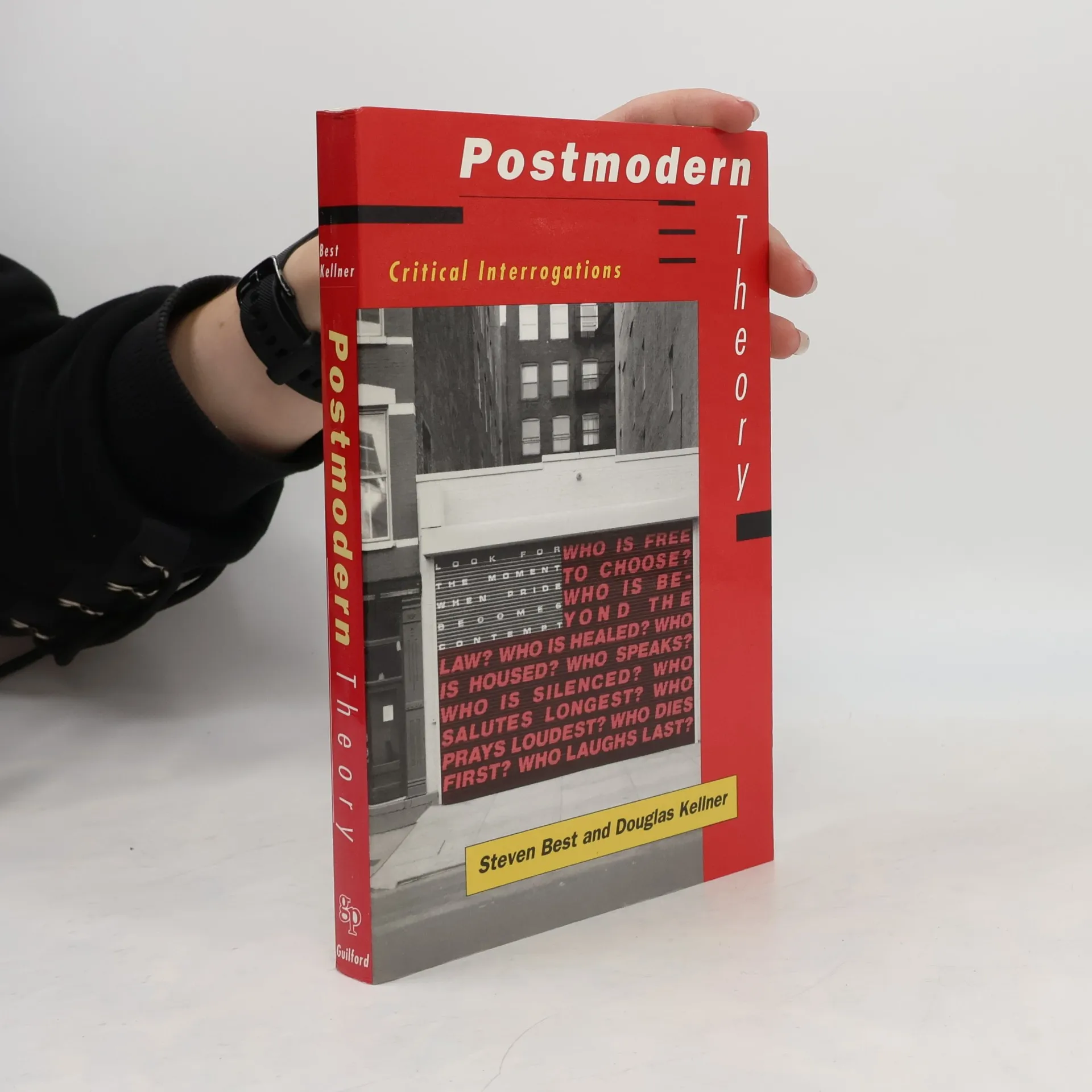
    Douglas Kellner es un destacado teórico crítico de tercera generación profundamente comprometido con el impacto de la cultura mediática en la sociedad. Es un pionero en la alfabetización mediática crítica, analizando cómo los paisajes mediáticos contemporáneos están cada vez más moldeados por el espectáculo y el mega-espectáculo. Su trabajo también profundiza en las dinámicas de la alterglobalización, promoviendo movimientos contrahegemónicos y expresiones culturales alternativas en la búsqueda de una sociedad más democrática. Kellner explora el potencial político de los nuevos medios, abogando por un concepto de 'múltiples tecnialfabetizaciones' como alternativa a las formas estandarizadas de alfabetización informática.

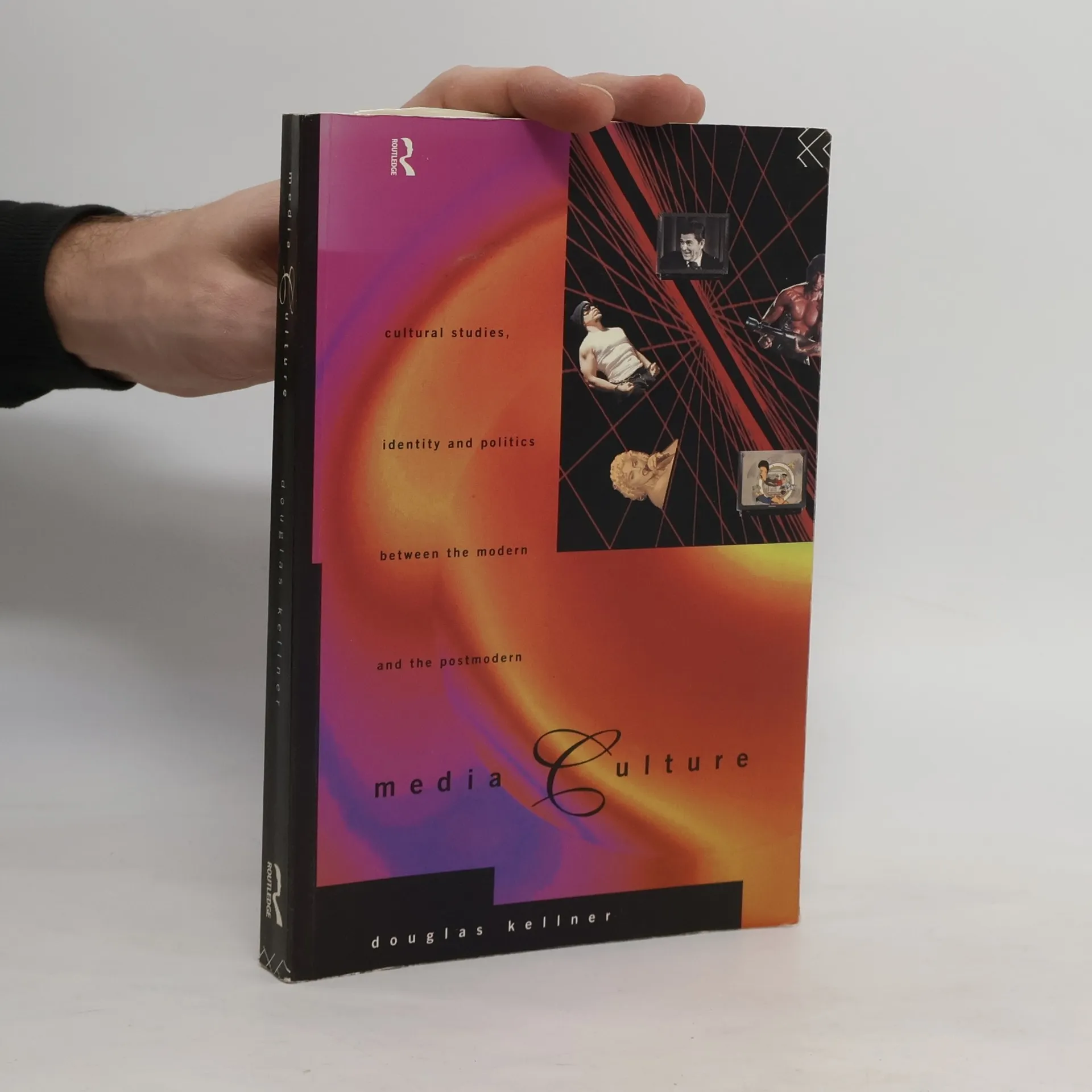
    Media culture : cultural studies, identity and politics between the modern and the postmodern
    One-dimensional Man
    Technology and Democracy: Toward A Critical Theory of Digital Technologies, Technopolitics, and Technocapitalism
    Critical Theory and Pedagogy
    Media Culture
    • Media Culture

      Cultural Studies, Identity, and Politics in the Contemporary Moment

      • 326 páginas
      • 12 horas de lectura

      Kellner examines the pervasive influence of mediated culture as the primary force shaping socialization and impacting various aspects of life, including the economy and politics. This updated edition of a classic text in media and cultural studies delves into how media serves as a crucial player in contemporary society, highlighting its significance in cultural and social interactions.

      Media Culture
    • Critical Theory and Pedagogy

      Towards the Reconstruction of Education

      • 202 páginas
      • 8 horas de lectura

      Focusing on a metatheory for educational philosophy, this book emphasizes the need for democratization, reconstruction, and decolonization of education. It addresses the challenges posed by a global and technological society, advocating for transformative approaches that reshape educational practices and theories to better serve diverse communities and foster critical engagement among learners.

      Critical Theory and Pedagogy
    • The book explores the profound impact of the ongoing technological revolution on society as we enter the new millennium. It highlights how advancements in computer, information, communication, and multimedia technologies are reshaping work, communication, politics, and leisure. This transformation challenges critical theorists, citizens, and educators to reevaluate their foundational ideas and adapt social institutions and education to effectively respond to these changes. The emphasis is on creatively utilizing media and restructuring systems to foster progressive societal development.

      Technology and Democracy: Toward A Critical Theory of Digital Technologies, Technopolitics, and Technocapitalism
    • One of the most important texts of modern times, Herbert Marcuse's analysis and image of a one-dimensional man in a one-dimensional society has shaped many young radicals' way of seeing and experiencing life. Published in 1964, it fast became an ideological bible for the emergent New Left. As Douglas Kellner notes in his introduction, Marcuse's greatest work was a 'damning indictment of contemporary Western societies, capitalist and communist.' Yet it also expressed the hopes of a radical philosopher that human freedom and happiness could be greatly expanded beyond the regimented thought and behaviour prevalent in established society. For those who held the reigns of power Marcuse's call to arms threatened civilization to its very core. For many others however, it represented a freedom hitherto unimaginable.

      One-dimensional Man