

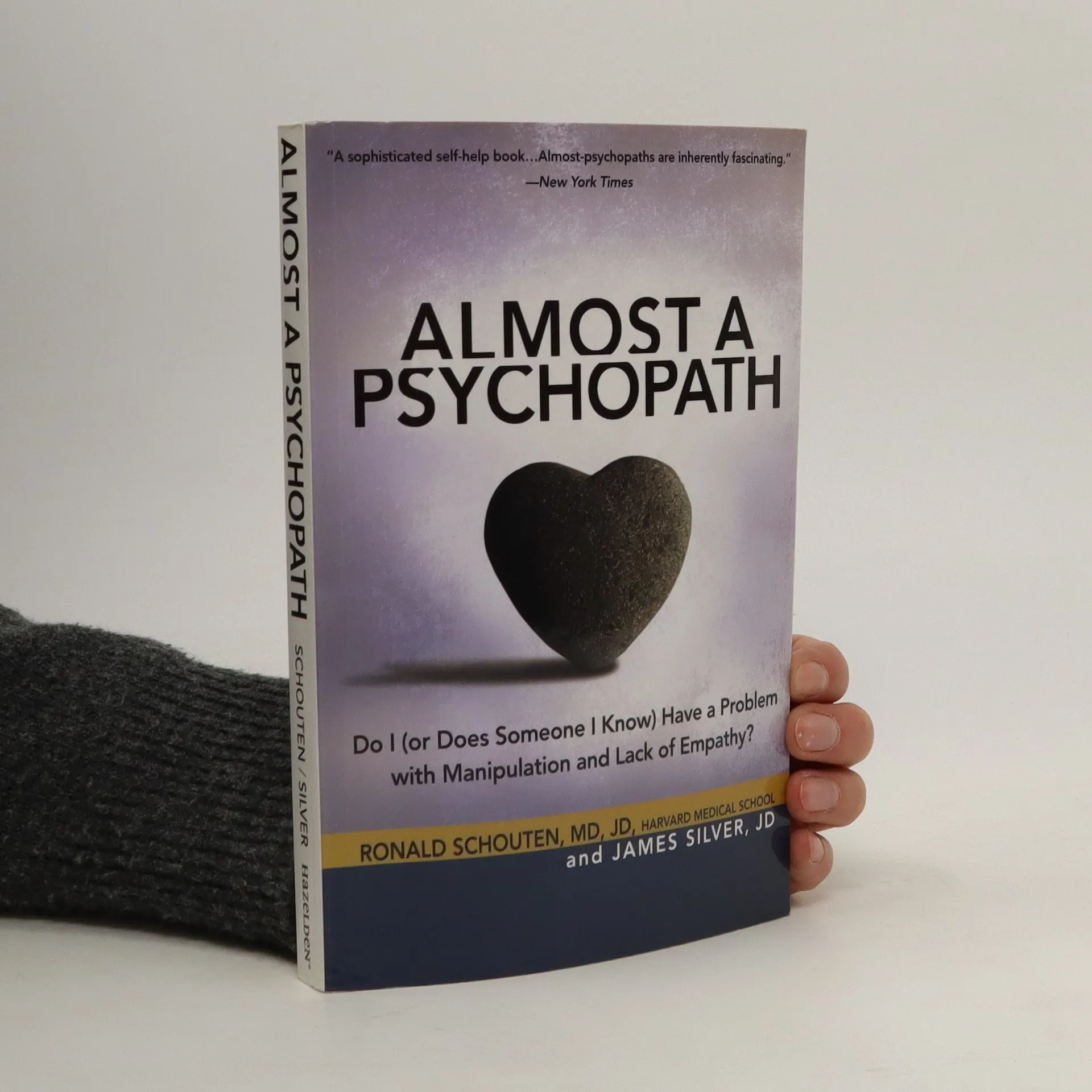
Minor problems to major predators. Setting the stage ; What is a psychopath? ; The almost psychopath ; Could it be something else? -- Dealing with almost psychopaths in our lives. Living with an almost psychopath ; Recognizing almost psychopathic traits in children ; Working with an almost psychopath ; Confronting child abuse by almost psychopaths ; Adults as victims : confronting almost psychopaths in the helping professions ; Sick or slick? : malingering and manipulation of illness ; What to do when you find yourself in almost psychopath territory -- Appendix A. Diagnostic criteria for antisocial personality disorder -- Appendix B. Defining a mental disorder using the axes of the diagnostic and Statistical Manual of Mental Disorders (DSM-IV-TR)
Jim Silver Libros
Jim Silver es un distinguido profesor y director del Departamento de Estudios Urbanos e Interiores de la Universidad de Winnipeg. Sus intereses de investigación se centran en cuestiones de las ciudades del interior, la pobreza y el desarrollo comunitario. Silver es una figura clave en la investigación e iniciativas centradas en la revitalización de viviendas y barrios, particularmente en el contexto de soluciones comunitarias para la pobreza indígena y de las ciudades del interior.

In this tense, action-packed thriller, the most penetrating portrait of a sniper since James Thayer's White Star, the author of Assumption of Risk explores the conflict between the justice the law metes out and an ancient retribution of blood, honor, and family.Ordered into battle for one last hurrah after U.S. troops have already begun their withdrawal from Vietnam, an American infantry squad decides that the only way to get out alive is to kill their commanding officer. Major Ralph Longbaugh's murder is set up to look like an ambush, and the Army, though it knows the truth, decides the case is too weak to prosecute. Longbaugh's family is told he died in action; his men seemingly escape the consequences of their crime.Years later, Longbaugh's son, Aaron, learns the cold-blooded truth about his father's death. Trained as an Army sniper, Aaron vows to gain revenge. He changes his identity, goes underground, and methodically plans to kill off each of the surviving members of the murderous squad. But when the Army begins to investigate this new rash of murders, Aaron is caught between two codes of conduct: will he obey the laws of his country and end the spree, or will he continue to avenge the memory and honor of his father -- by any means necessary?