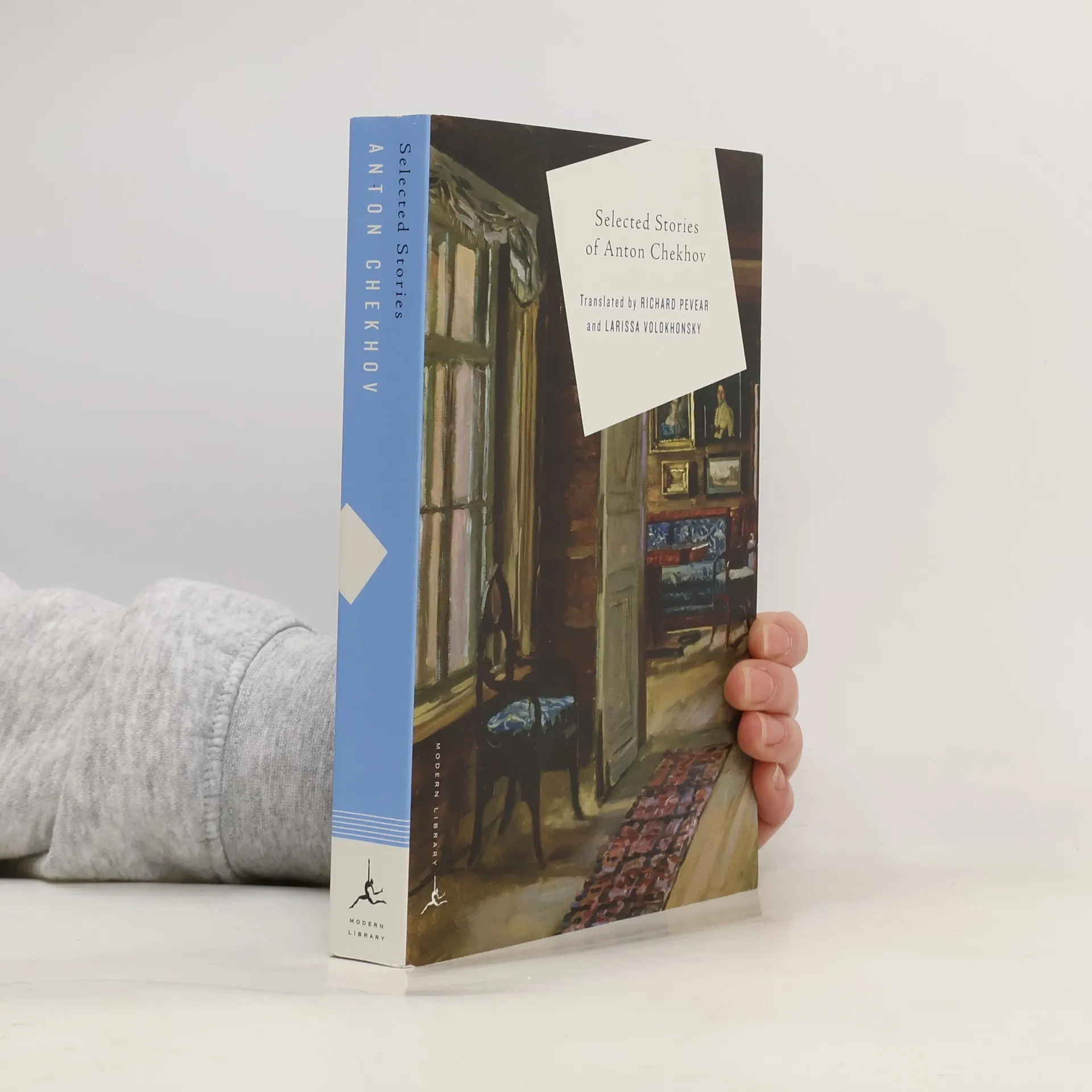
Richard Pevear and Larissa Volokhonsky, the highly acclaimed translators of War and Peace, Doctor Zhivago, and Anna Karenina, which was an Oprah Book Club pick and million-copy bestseller, bring their unmatched talents to The Selected Stories of Anton Chekhov, a collection of thirty of Chekhov’s best tales from the major periods of his creative life. Considered the greatest short story writer, Anton Chekhov changed the genre itself with his spare, impressionistic depictions of Russian life and the human condition. From characteristically brief, evocative early pieces such as “The Huntsman” and the tour de force “A Boring Story,” to his best-known stories such as “The Lady with the Little Dog” and his own personal favorite, “The Student,” Chekhov’s short fiction possesses the transcendent power of art to awe and change the reader. This monumental edition, expertly translated, is especially faithful to the meaning of Chekhov’s prose and the unique rhythms of his writing, giving readers an authentic sense of his style and a true understanding of his greatness.
Richard Pevear Libros
Richard Pevear es un aclamado poeta y traductor, reconocido principalmente por sus traducciones del ruso, francés, italiano y griego. Su obra, a menudo realizada en colaboración con su esposa Larissa Volokhonsky, se distingue por su precisión y profunda comprensión de las obras literarias originales. El enfoque de Pevear hacia la traducción se basa en el compromiso de preservar el espíritu y el estilo del material de origen, haciendo así que los logros literarios clásicos sean accesibles para los lectores en una forma nueva y vibrante. Su contribución literaria radica en hacer que la literatura mundial sea accesible con una fidelidad excepcional.


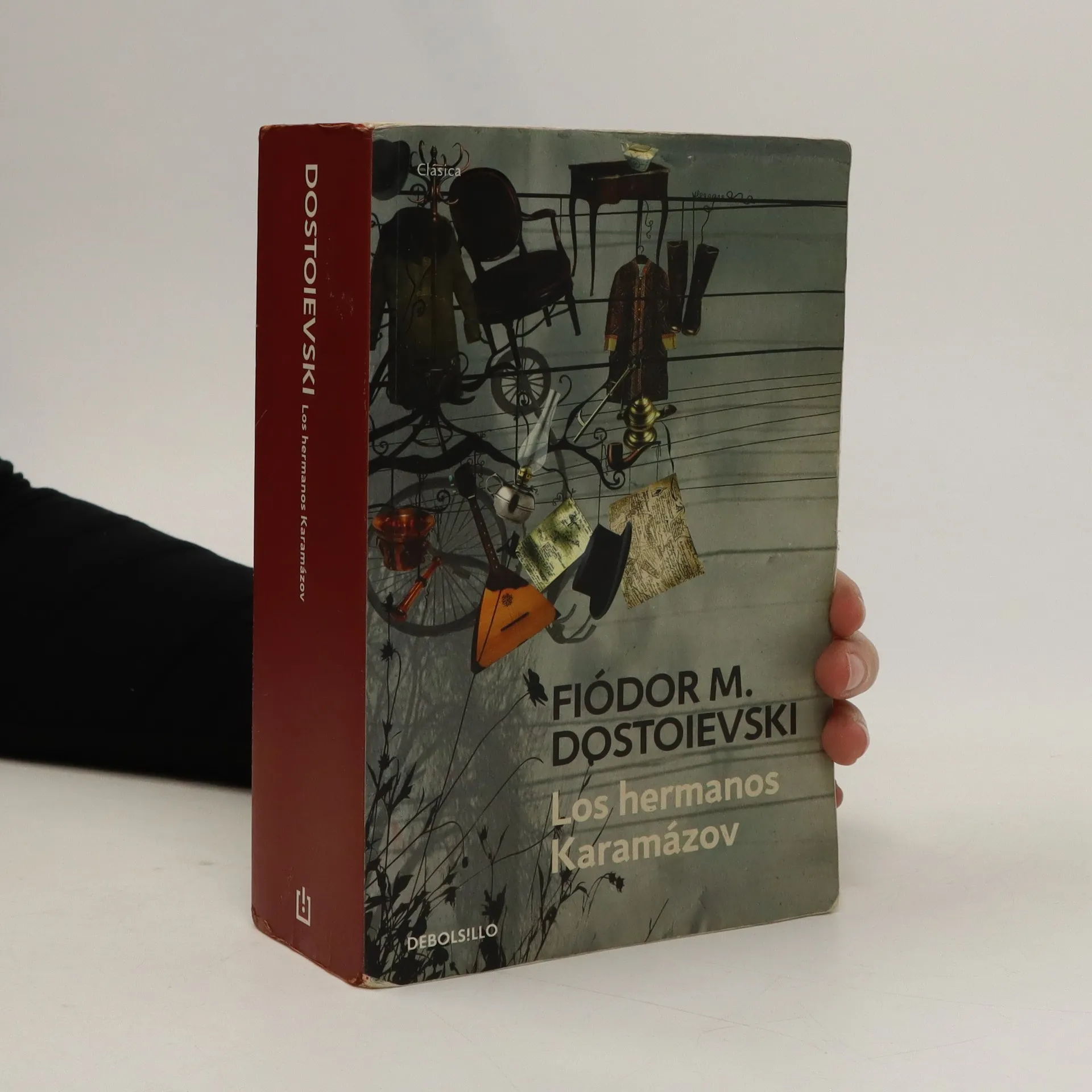
La novela se construye alrededor de Fiódor Pávlovich Karamázov, un terrateniente borracho, arbitrario y corrompido, y de sus cuatro hijos - Dmitri, de carácter violento; lván, un intelectual frío y materialista; Aliosha, el hijo pequeño, pasivo y religioso; y Smerdiakov, hijo bastardo y resentido. La novela gira en torno a las relaciones perversas que se establecen entre el padre y los hijos hasta que éste es asesinado y su presunto asesino, Dmitri, juzgado y condenado. Odio, amor, crueldad, compasión, sentimientos radicalmente contrarios y enfrentados.
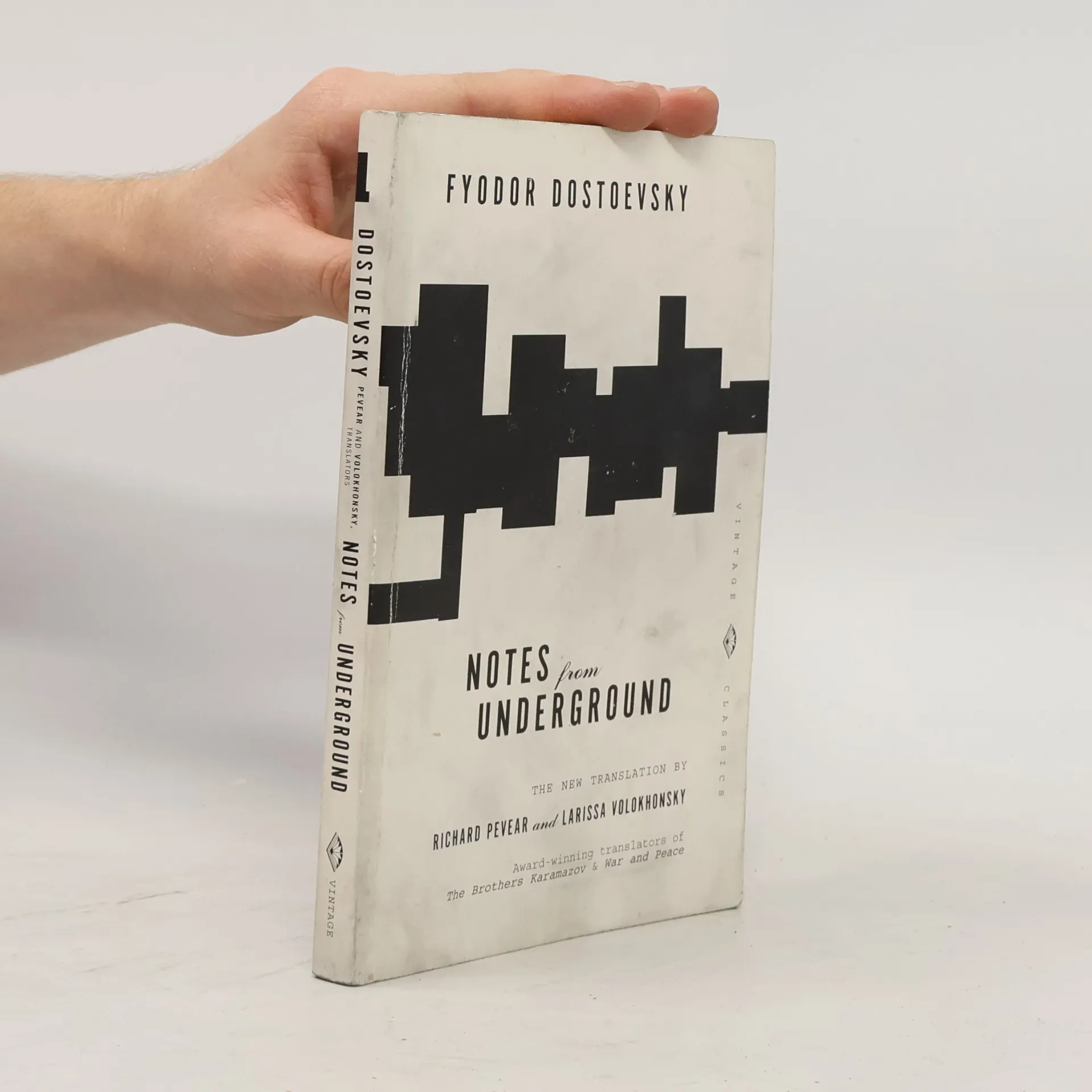
Award-winning translators Richard Pevear and Larissa Volokhonsky give us a brilliantly faithful rendition of this classic novel, in all its tragedy and tormented comedy. In this second edition, they have updated their translation in honor of the 200th anniversary of Dostoevsky’s birth. One of the most remarkable characters in literature, the unnamed narrator of Dostoevsky's most revolutionary novel is a former official who has defiantly withdrawn into an underground existence. In full retreat from society, he scrawls a passionate, obsessive, self-contradictory narrative that serves as a devastating attack on social utopianism and an assertion of man’s essentially irrational nature.
The Death of Ivan Ilyich
- 96 páginas
- 4 horas de lectura
A middle-aged judge who had never thought about his own mortality, must readjust his thinking when he learns he has a terminal illness
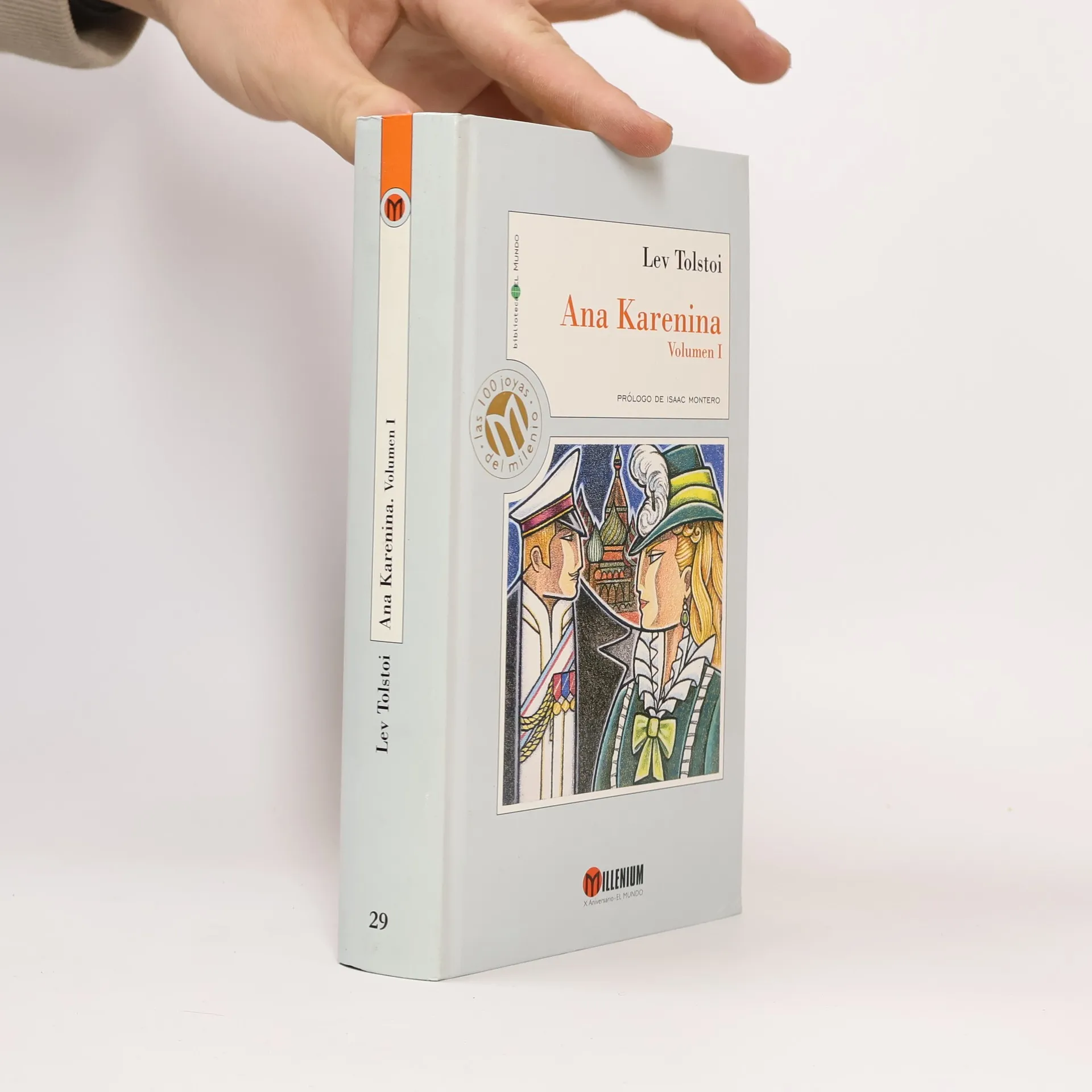
Anna Karenina es, junto con la monumental Guerra y paz, una de las obras clave Lev Tolstoi, en la que vemos todas las señas de identidad del gran realismo ruso: fina crítica social y multitud de personajes con una profundidad psicológica asombrosa. Las desventuras de Anna Karenina y su afán por integrarse en una sociedad hipócrita que la margina por adúltera, pero perdona los desmanes de su amante, nos hacen reflexionar sobre la invisibilización de la mujer a la par que nos ofrecen un fresco monumental de la Rusia decimonónica y todas sus contradicciones. Together with the monumental War and Peace, Anna Karenina is one of Leo Tolstoy's most important works and a classic of Russian realism. It contains all the hallmarks of that genre, from pointed social critique to psychologically complex characters. Anna Karenina's misadventures and eagerness to integrate into a hypocritical society that condemns her for adultery, but pardons her lover's excesses, offer a portrait of nineteenth-century Russia in all its contradictions. It also encourages us to reflect on the way women are invisibilized in society.
Penguin Clásicos: Los tres mosqueteros
- 816 páginas
- 29 horas de lectura
Francia, abril de 1625. En la polvorienta villa de Meung se cruzan los destinos de un joven gascón, una hermosa mujer y un misterioso hidalgo. Comienza así una de las mayores aventuras jamás escritas. Una carta de recomendación extraviada es la responsable de que el impulsivo D#Artagnan se adentre, sin saberlo, en un mundo de intrigas palaciegas, luchas intestinas, traiciones, celos, capas y espadas en el que perseguirá su sueño de gloria. Roger Nimier, uno de los más eminentes intelectuales del siglo XX francés, firma la introducción que abre el presente volumen. La sigue este clásico insoslayable del feuilleton en la espléndida y canónica traducción que realizara en su día Torcuato Tasso Serra, vigente aún hoy como una de las más palpitantes versiones en lengua castellana.
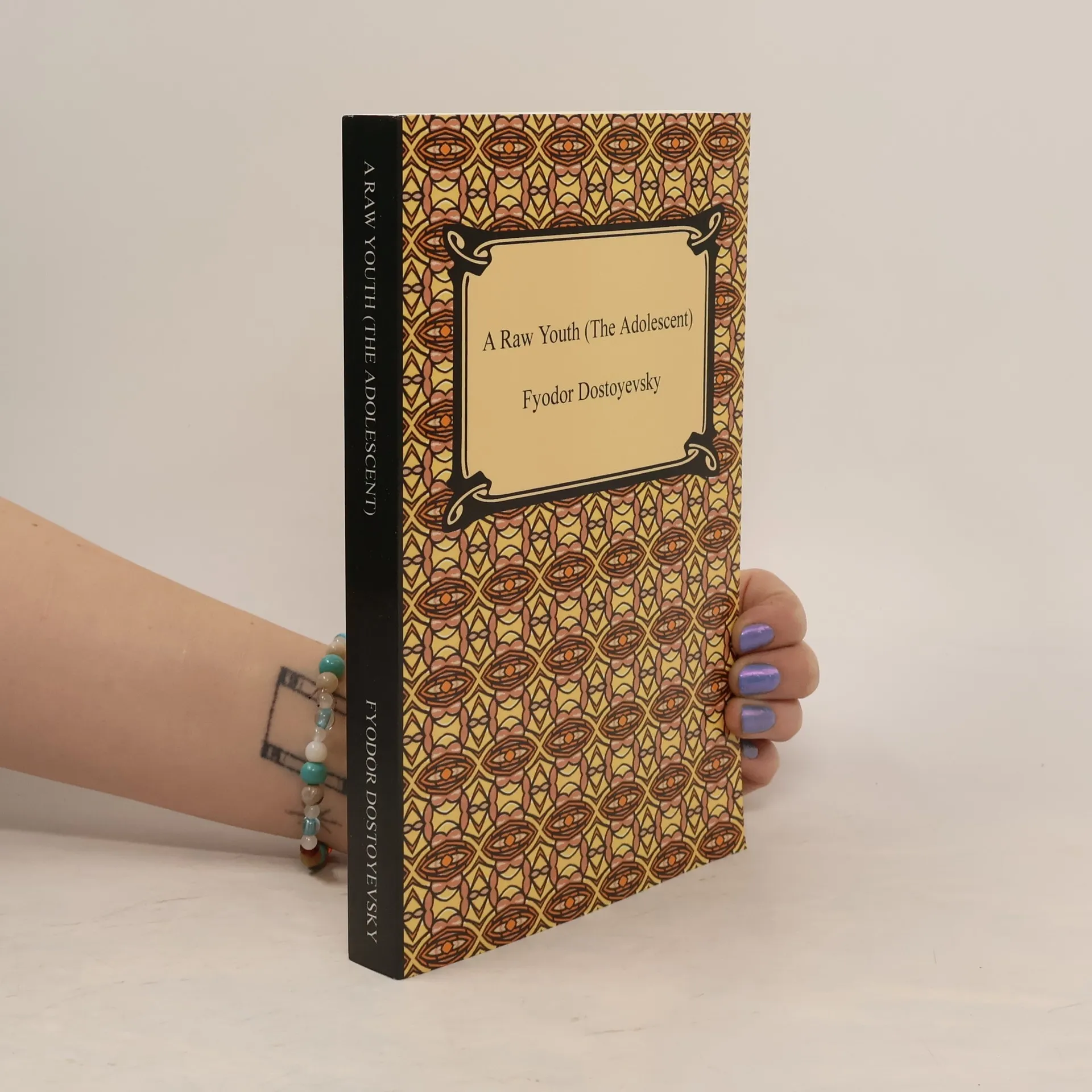
A Raw Youth (The Adolescent)
- 366 páginas
- 13 horas de lectura
The novel explores the tumultuous relationship between 19-year-old Arkady Dolgoruky and his father, the notorious landowner Versilov, as Arkady returns to St. Petersburg after years at boarding school. As he navigates the complexities of his family's scandalous affairs, the story delves into deep psychological, emotional, and moral conflicts, reflecting the intricacies of the human condition. Dostoyevsky's rich characterizations and themes make this work a significant contribution to literature, showcasing the author's profound understanding of human nature.
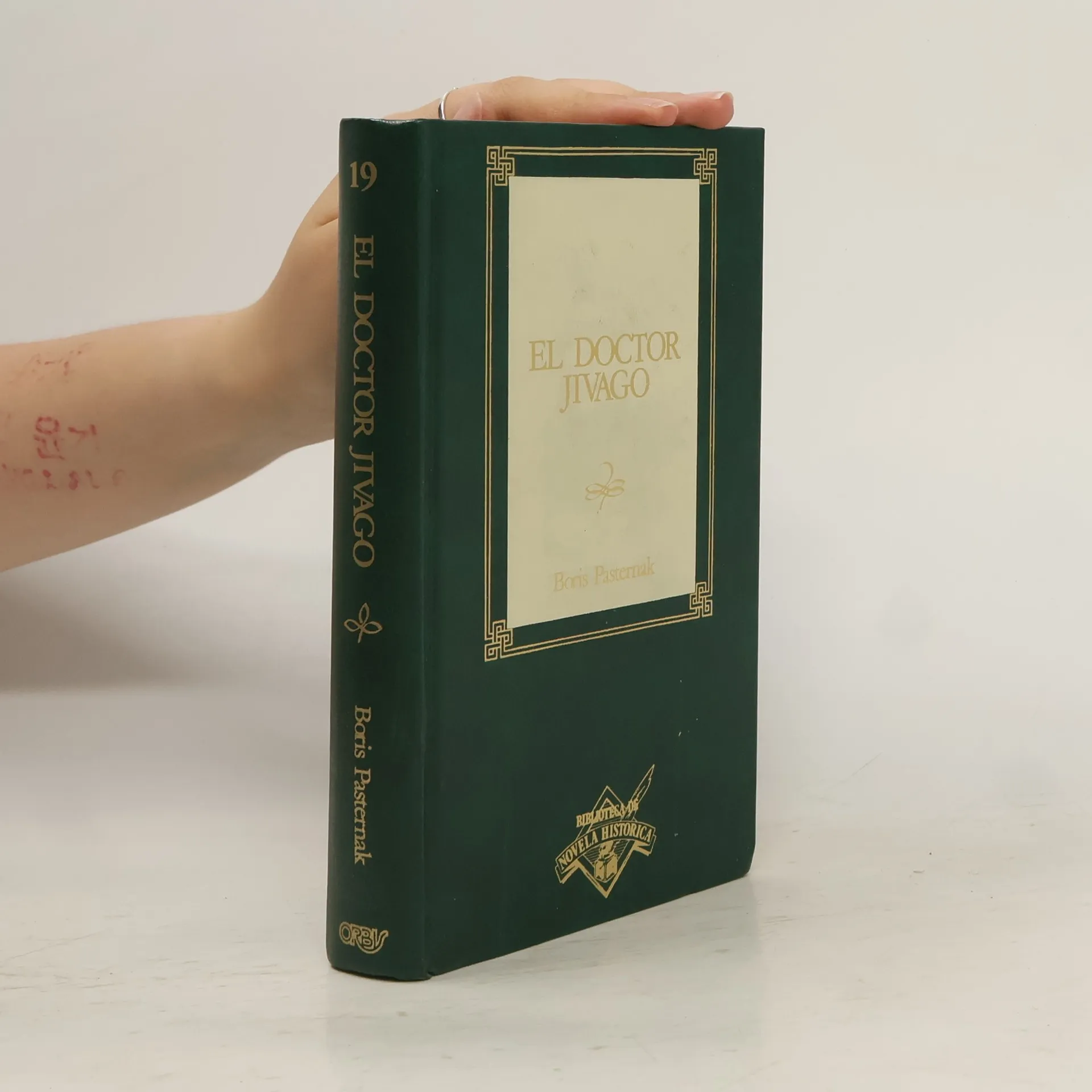
El Doctor Jivago
- 446 páginas
- 16 horas de lectura
Barcelona. 21 cm. 446 p. Encuadernación en tapa blanda de editorial ilustrada. Colección 'Narrativa actual', numero coleccion(8). Pasternak, Boris Leonidovich 1890-1960. Doktor Zhivago. Revisión a partir del original ruso, Yolanda Martínez. Traducción de: Doktor Zivago. Gutiérrez, Fernando. 1911-1984. Narrativa actual (RBA Editores. 1994). 8 .. Este libro es de segunda mano y tiene o puede tener marcas y señales de su anterior propietario. ISBN: 84-473-0681-X
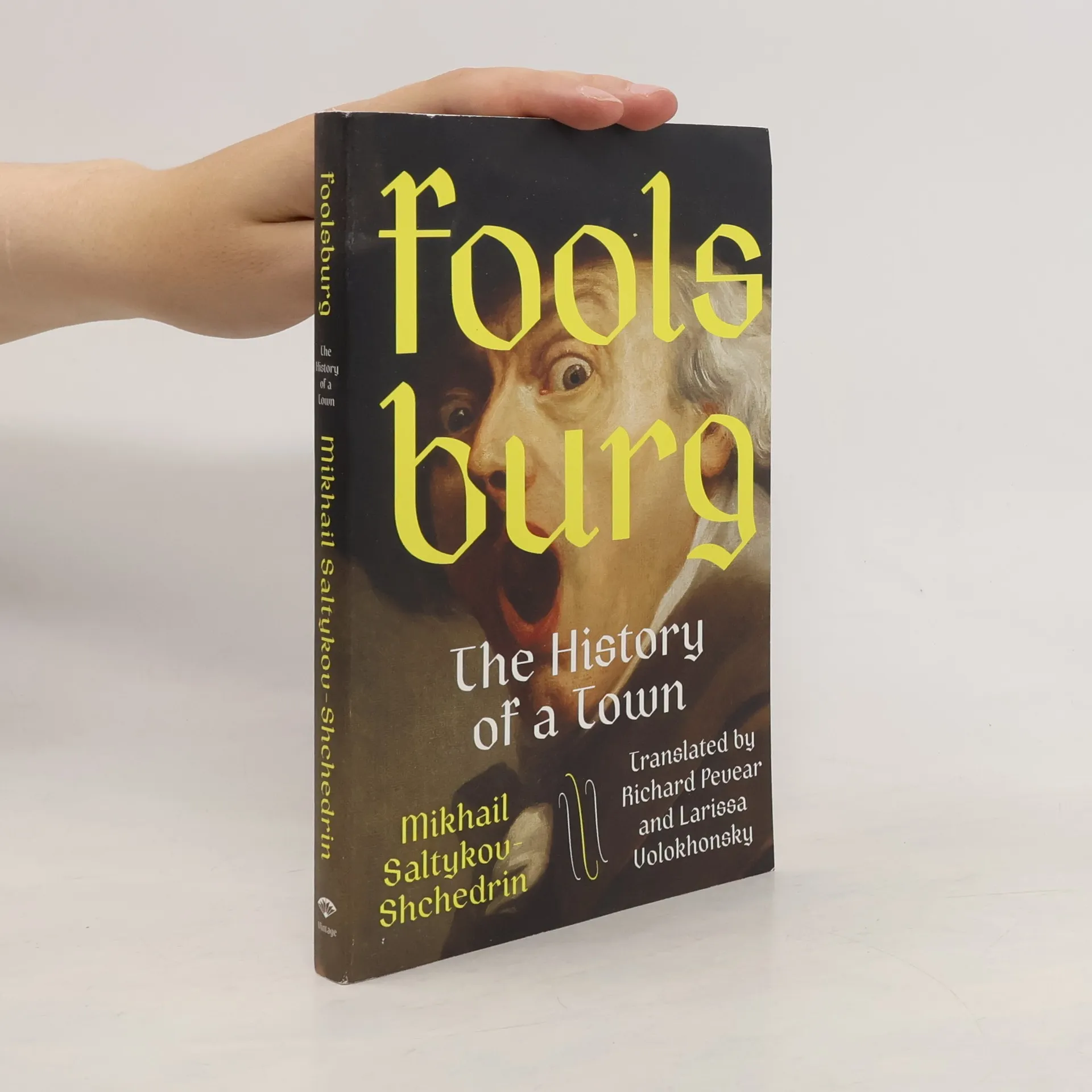
The award-winning translators bring us a new translation of an 1870 comic novel by Russia's greatest satirist—whose mockery of Russian autocracy is as relevant as ever. “Pevear and Volokhonsky [are the] reigning translators of Russian literature. . . . In Russia, The History of a Town is read in schools and regarded as a masterpiece of 19th-century satire. . . . [This new translation] is an argument for the book’s Swiftian wit and its relevance to Russia and the United States today.” —The New York Times A major classic in Russia since its publication, Foolsburg is the farcical chronicle of a fictional town and its hapless inhabitants as they passively endure the violence and lunacy of their rulers. The succession of brutal mayors of the town include such surreal extremes as a man with a music box instead of a brain and one so tall that he snaps in half during a windstorm. Mikhail Saltykov-Shchedrin marries biting satire reminiscent of Jonathan Swift with the fantastical absurdity of Nikolai Gogol, imbued throughout with his own brand of playful wordplay. The award-winning translators Richard Pevear and Larissa Volokhonsky have produced the first translation of this work into English that successfully captures its zany humor and enduring relevance.