Berlin--"East" and "West," day and of course night--throughout the 80s before the Wall came down. In the eyes of an American philosophy student. And Jewish, which makes for moments at once awkward, poignant, resonant, unspoken, crass, funny, and always lurking. Most of all, Susan Neiman can write, as borne out again by her books to follow this debut. Here, we live the Reagan years with her--when a city was divided, America the occupier, and the cigarettes not named "Salem" because it sounds too Jewish. Peter Becker folded an easel in the corner to make a table. He brought cold cuts and bread and asked me what I thought of his paintings. Later I would learn that people here always ask you what you think of their paintings, and that it's wrong just to say you find them interesting, but perfectly alright to say you find them awful. . . . You come from a Jewish family, don't you?" asked Becker. "Yes," I said. "It doesn't matter," said the other painter. Doesn't matter? To whom?
Susan Neiman Libros
Susan Neiman es una filósofa moral y ensayista estadounidense cuyos intereses principales se centran en la historia de la filosofía y la moral, así como en la filosofía de la política y la religión. Su obra explora profundas cuestiones sobre la existencia humana y la sociedad. Sus escritos destacan por su profundidad intelectual y su prosa accesible. Neiman ofrece perspectivas perspicaces sobre los desafíos contemporáneos.



Learning from the Germans
- 432 páginas
- 16 horas de lectura
'An ambitious and engrossing investigation of the moral legacies which stubbornly refuse to pass' Brendan Simms As the western world struggles with its legacies of racism and colonialism, what can we learn from the past in order to move forward? Susan Neiman's Learning from the Germans delivers an urgently needed perspective on how a country can come to terms with its historical wrongdoings. Neiman, who grew up as a white girl in the American South during the civil rights movement, is a Jewish woman who has spent much of her adult life in Berlin. In clear and gripping prose, she uses this unique perspective to combine philosophical reflection, personal history and conversations with both Americans and Germans who are grappling with the evils of their own national histories. Through focusing on the particularities of those histories, she provides examples for other nations, whether they are facing resurgent nationalism, ongoing debates over reparations or controversies surrounding historical monuments and the contested memories they evoke. It is necessary reading for all those confronting their own troubled pasts.
The Unity of Reason is the first major study of Kant's account of reason. It argues that Kant's wide-ranging interests and goals can only be understood by redirecting attention from epistemological questions of his work to those concerning the nature of reason. Rather than accepting a notion of reason given by his predecessors, a fundamental aim of Kant's philosophy is to reconceive the nature of reason. This enables us to understand Kant's insistence on the unity of theoretical and practical reason as well as his claim that his metaphysics was driven by practical and political ends. Neiman begins by discussing the historical roots of Kant's conception of reason, and by showing Kant's solution to problems which earlier conceptions left unresolved. Kant's notion of reason itself is examined through a discussion of all the activities Kant attributes to reason. In separate chapters discussing the role of reason in science, morality, religion, and philosophy, Neiman explores Kant'sdistinctions between reason and knowledge, and his difficult account of the regulative principles of reason. Through examination of these principles in Kant's major and minor writings, The Unity of Reason provides a fundamentally new perspective on Kant's entire work.
Evil in Modern Thought
- 408 páginas
- 15 horas de lectura
Whether expressed in theological or secular terms, evil poses a problem about the world's intelligibility. It confronts philosophy with fundamental questions: Can there be meaning in a world where innocents suffer? Can belief in divine power or human progress survive a cataloging of evil? Is evil profound or banal? Neiman argues that these questions impelled modern philosophy. Traditional philosophers from Leibniz to Hegel sought to defend the Creator of a world containing evil. Inevitably, their efforts--combined with those of more literary figures like Pope, Voltaire, and the Marquis de Sade--eroded belief in God's benevolence, power, and relevance, until Nietzsche claimed He had been murdered. They also yielded the distinction between natural and moral evil that we now take for granted. Neiman turns to consider philosophy's response to the Holocaust as a final moral evil, concluding that two basic stances run through modern thought. One, from Rousseau to Arendt, insists that morality demands we make evil intelligible. The other, from Voltaire to Adorno, insists that morality demands that we don't.
Why Grow Up?
- 256 páginas
- 9 horas de lectura
Originally published in 2014 by Penguin Books, Great Britain.
Left Is Not Woke
- 176 páginas
- 7 horas de lectura
If you’re woke, you’re left. If you’re left, you’re woke. We blur the terms, assuming that if you’re one you must be the other. That, Susan Neiman argues, is a dangerous mistake. The confusion arises because woke is fuelled by traditionally leftwing emotions: the wish to stand with the oppressed and marginalized, to address historic crimes. But those emotions are undermined by widespread philosophical assumptions with reactionary sources. As a result, wokeism conflicts with ideas that have guided the left for more than 200 years: a commitment to universalism, a firm distinction between justice and power, and a belief in the possibility of progress. Without these ideas, the woke will continue to undermine their own goals and drift, inexorably and unintentionally, towards the right. One of the world’s leading philosophical voices, Neiman calls with passion and power for the left to return to the ideals that built the best of the modern world.
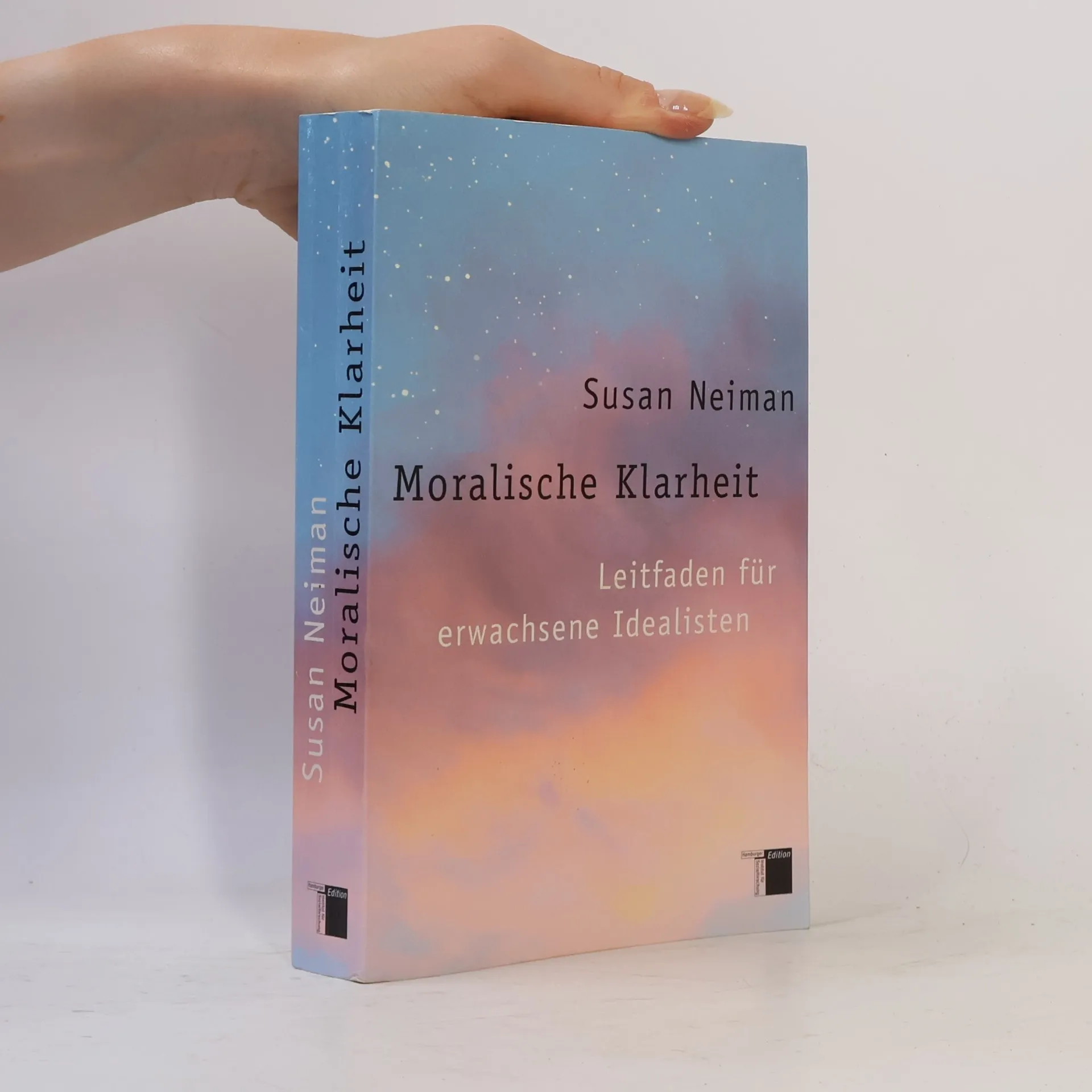
»Der Begriff Moral ist verpönt, ein Wort wie Held ist tabu, gut und böse tauchen nur mit Anführungszeichen auf«, so Susan Neiman, Philosophin und Direktorin des Einstein Forums in Potsdam. Susan Neiman ist eine Moralphilosophin mit dem Anspruch, das Handwerkszeug ihrer Zunft so einzusetzen, dass es für den Alltag relevant wird. Mit Vernunft und Leidenschaft entdeckt sie den Idealismus der Aufklärung neu und möchte seinen Tugenden wieder Geltung verschaffen. Neiman erweckt ein moralisches Vokabular zu neuem Leben, um uns an den Dogmen der Rechten und dem hilflosen Pragmatismus der Linken vorbeizusteuern. Überzeugt davon, dass Politik ein moralisches Unternehmen ist, formuliert sie eine Einladung an ihre Leser, daran mitzuwirken, die Welt gerechter zu gestalten. Susan Neiman verteidigt auf der Grundlage ihrer eigenen historischen Analysen die abendländischen Werte überzeugend gegen ihre Kritiker und entwickelt ein philosophisches Fundament für heutiges politisches Denken und Handeln. Durch ihre aktuellen Analysen von moralischen Urteilen über Gut und Böse sowie durch Beispiele von zeitgenössischen Helden, die bereit waren, um eines Ideals willen die engen Gleise ihrer Karrieren zu verlassen, entsteht eine völlige neue Sicht auf die Grundwerte der Aufklärung.
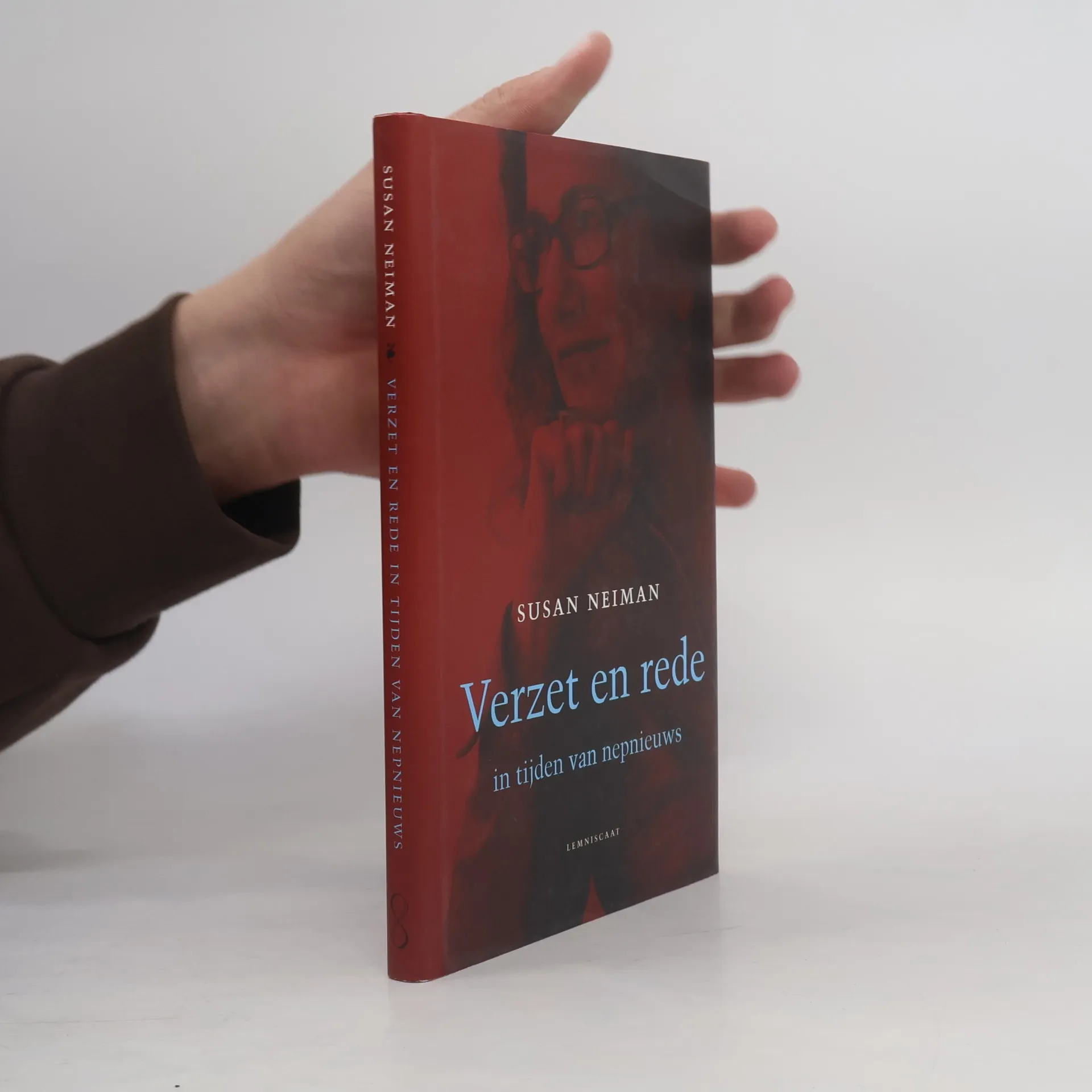
Verzet en rede in tijden van nep-nieuws
- 79 páginas
- 3 horas de lectura
Wat kunnen we doen in deze tijden van post-truth politics waarin overal nepnieuws opduikt? De machtsgreep van Trump kwam niet uit de lucht vallen. Decennia van leugens in de politiek - denk aan de 'rechtvaardiging' van de oorlog in Irak - hebben het idee ondermijnd dat er universele waarden bestaan waarvoor we ons schrap zouden moeten zetten. In dit boek stelt Susan Neiman, voortbouwend op de ideeën van Foucault en Kant, dat waarheid en rechtvaardigheid geen 'kwestie van perspectief' zijn, zoals vaak wordt beweerd, maar universele waarden om voor te strijden. Gelijke rechten voor iedereen - ongeacht ras, geslacht of seksuele geaardheid - waren nog niet zo lang geleden verre van vanzelfsprekend. Die waarden worden momenteel ernstig bedreigd. Het is gevaarlijk om de zaken op hun beloop te laten en onszelf te definiëren als slachtoffer van een onafwendbare gang van zaken.
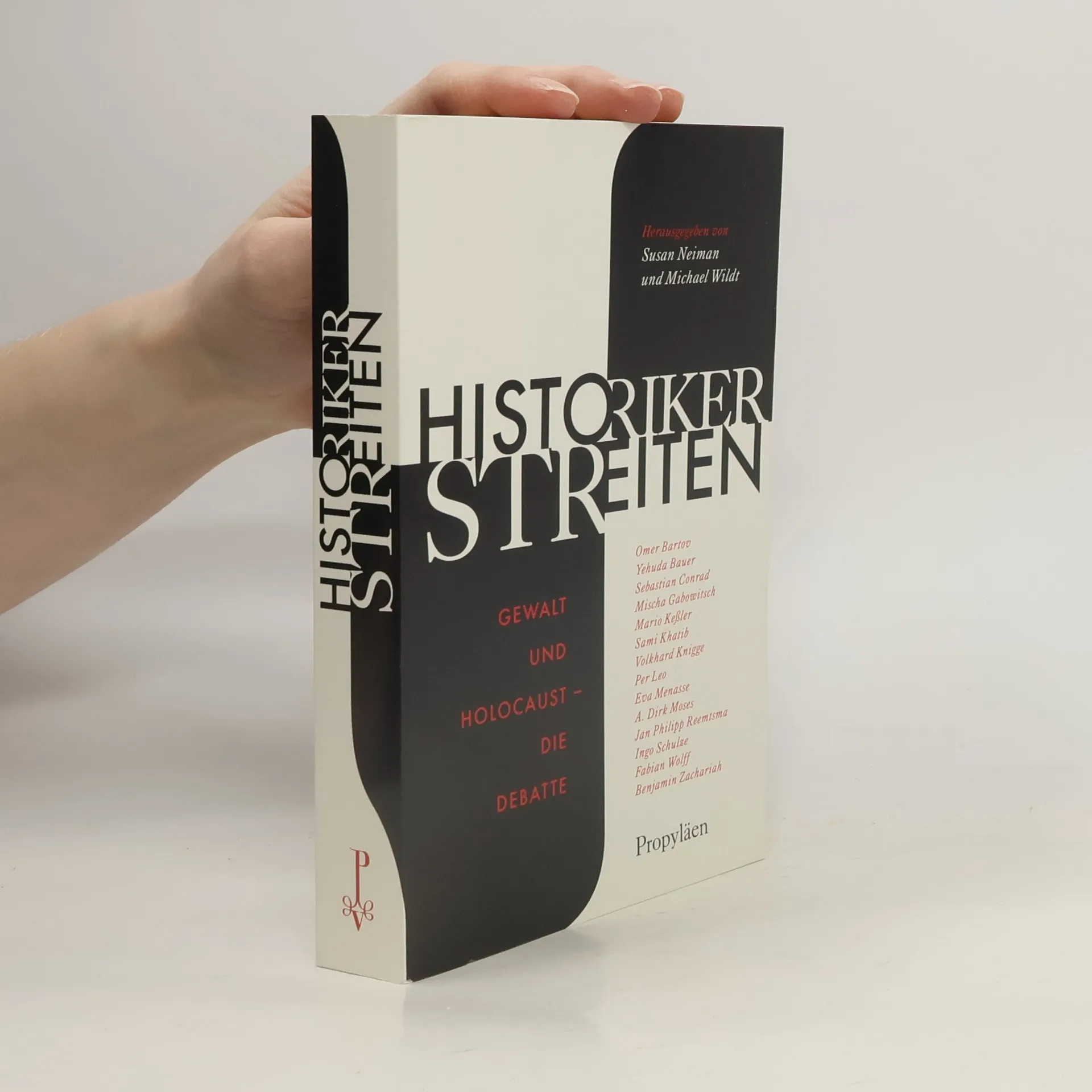
Historiker streiten
Gewalt und Holocaust – die Debatte | Neue Perspektiven der deutschen Erinnerungskultur
Der neue Historikerstreit über die Wurzeln des Holocaust und die Gewalt im 20. JahrhundertErneut steht die Frage im War der Holocaust ein singuläres Ereignis, und wie unterscheidet er sich von anderen Völkermorden? Heute geht es nicht mehr um den Vergleich mit den stalinschen Gräueln wie noch beim ersten Historikerstreit 1986/87. Das drängende Problem der Gegenwart Wie kann eine Gedenkkultur aussehen, die auch die lange verdrängten deutschen Kolonialverbrechen einbezieht?Mit Beiträgen von Emily Dische-Becker, Omer Bartov, Yehuda Bauer, Sebastian Conrad, Mischa Gabowitsch, Mario Keßler, Sami Khatib, Volkhard Knigge, Per Leo, Eva Menasse, A. Dirk Moses, Jan Philipp Reemtsma, Ingo Schulze, Fabian Wolff und Benjamin Zachariah.
Susan Neiman ist Direktorin des Einstein Forums in Potsdam. Sie lehrte Philosophie in Yale und an der Universität von Tel Aviv und ist Mitglied der Berlin-Brandenburgischen Akademie der Wissenschaften.
Wie soll man die Realität benennen, die moderne Demagogen wie Trump geschaffen haben? Für Susan Neiman ist das eine entscheidende Frage, denn wie wir die Gegenwart beschreiben, bestimmt unsere Fähigkeit, ihr Widerstand zu leisten. In Nennen wir es böse analysiert Neiman die aktuelle Krise der Demokratie aus moralphilosophischer Perspektive und sucht nach ihren Ursachen. Mit einem luziden Blick auf die Geschichte zeigt sie, wie die Normalisierung von Fehlverhalten das Vertrauen in den Rechtsstaat untergräbt und zu einer Erosion gemeinsamer Werte führt. Angesichts einer Welt, in der das skrupellose Streben nach Geld und Macht sanktionslos hingenommen wird, ruft Susan Neiman dazu auf, unsere Moralvorstellungen zu verteidigen, die grundlegend sind für die Welt, in der wir leben wollen.
Links ist nicht woke
Der Spiegel-Bestseller | Aktualisiert und ergänzt | Platz 1 der Sachbuch-Bestenliste von DLF Kultur, ZDF & der ZEIT | Bundestagswahl 2025 - Überarbeitete Neuausgabe
- 208 páginas
- 8 horas de lectura
Was bleibt? – Eine Streitschrift für mehr Aufklärung und Universalismus im Kampf gegen rechts. Wer links ist, muss woke sein, und wer woke ist, zählt zu den Linken – so der verbreitete Gedanke. Susan Neiman weist darauf hin, dass diese Annahme ein fataler Fehlschluss ist. Viele vermeintlich linke Stimmen haben sich von den philosophischen Ideen entfernt, die den linken Standpunkt seit zwei Jahrhunderten prägen: Universalismus, die Unterscheidung zwischen Recht und Macht und der Glaube an Fortschritt. In ihrer eindringlichen Streitschrift zeigt die renommierte Philosophin, wie traditionelle linke Empfindungen wie der Wunsch nach Gerechtigkeit durch theoretische Annahmen untergraben wurden. Sie appelliert an die heutige Linke, zu ihren Idealen zurückzukehren, um dem weltweiten Rechtsruck entgegenzuwirken. Eva Menasse lobt Neimans klare Sprache und ihr Denken, das die Verirrungen der Gegenwart korrigiert. Wolfram Eilenberger beschreibt das Werk als aufklärend über die Widersprüche der Linken und anregend für Emotionen und Geist. Jens-Christian Rabe hebt hervor, dass Neiman die Konfliktlinien der letzten Jahre exemplarisch systematisiert. Elisabeth von Thadden betont, dass Neiman mit ihrem Buch das kritische Denken schärfen will.