

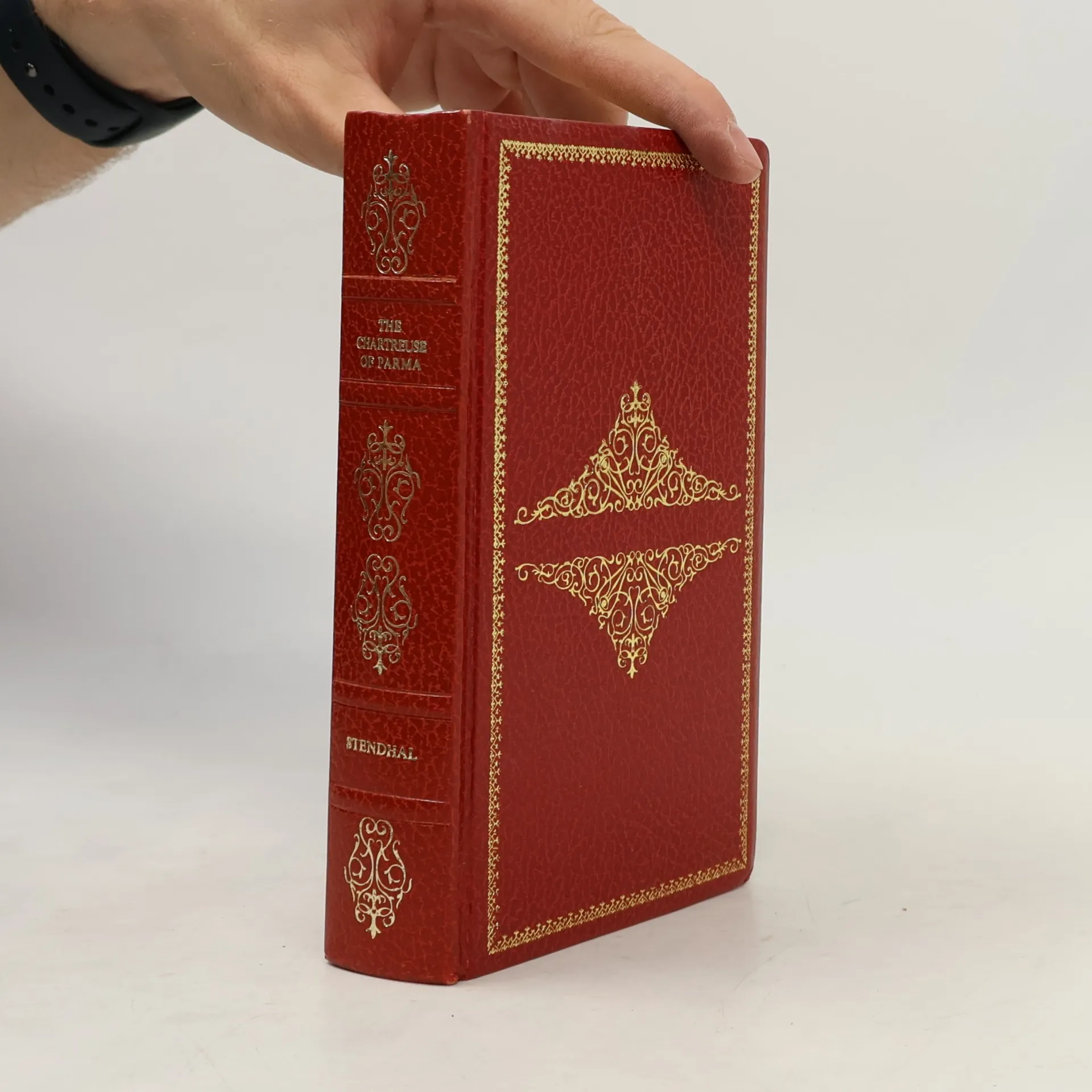
Headstrong and naïve, the young Italian aristocrat Fabrizio del Dongo is determined to defy the wrath of his right-wing father and go to war to fight for Napoleon. He stumbles on the Battle of Waterloo, ill-prepared, yet filled with enthusiasm for war and glory. Finally heeding advice, Fabrizio sneaks back to Milan, only to become embroiled in a series of amorous exploits, fuelled by his impetuous nature and the political chicanery of his aunt Gina and her wily lover. Judged by Balzac to be the most important French novel of its time, The Charterhouse of Parma is a compelling novel of extravagance and daring, blending the intrigues of the Italian court with the romance and excitement of youth. For more than seventy years, Penguin has been the leading publisher of classic literature in the English-speaking world. With more than 1,700 titles, Penguin Classics represents a global bookshelf of the best works throughout history and across genres and disciplines. Readers trust the series to provide authoritative texts enhanced by introductions and notes by distinguished scholars and contemporary authors, as well as up-to-date translations by award-winning translators.
Michel Parfenov Orden de los libros (cronológico)
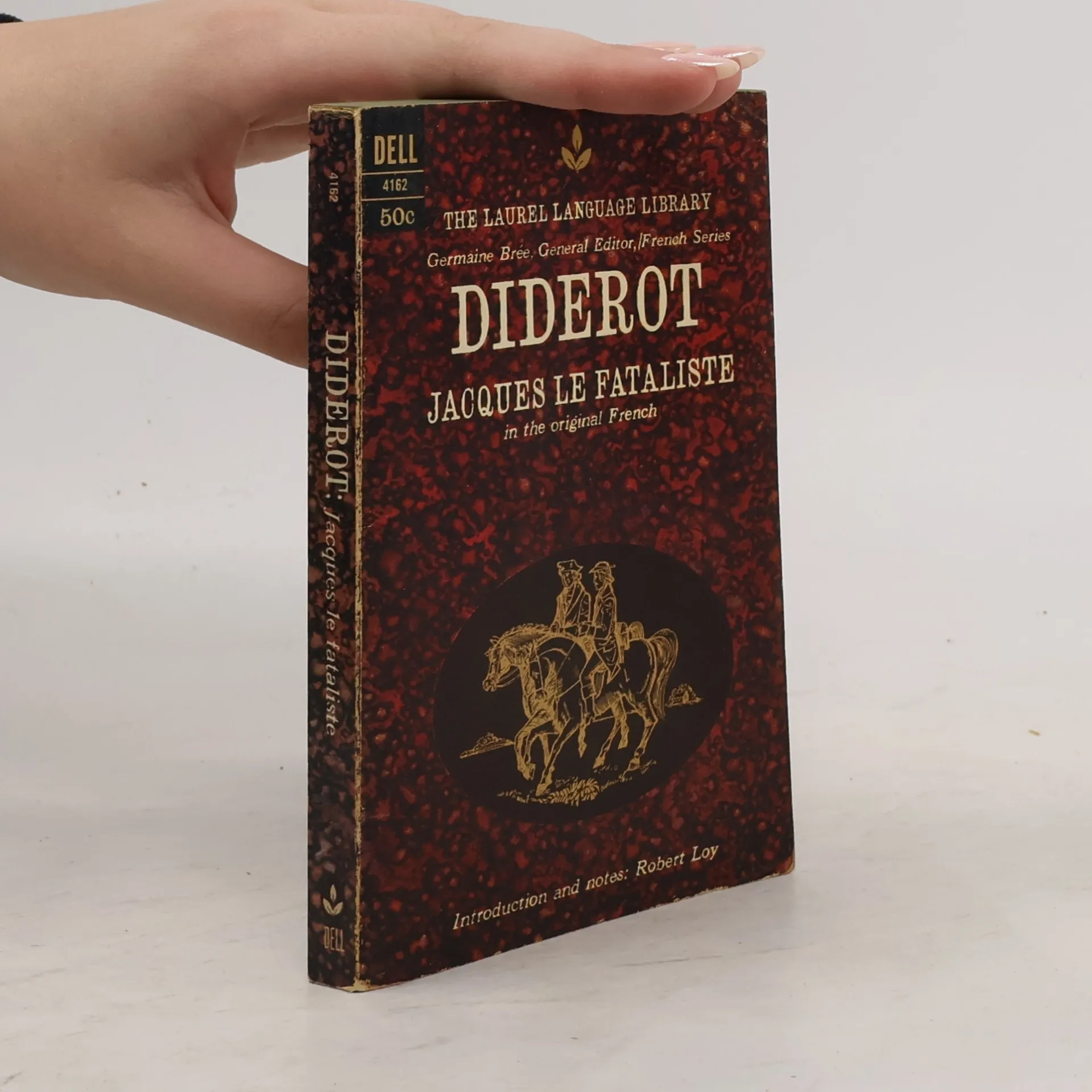
Everything that happens to us in the world, both good and bad, is written in the heavens. This is claimed by the titular character of the philosophical tale by the French writer and philosopher Denis Diderot. Not without reason, he has earned the nickname fatalist. However, despite his unwavering belief in the inevitability of fate, he stands against evil and believes that good must prevail. During countless wanderings, the characters discuss many fundamental issues, including the problem of individual freedom, friendship, and social relations. A significant portion of their humorous dialogues is dedicated to male-female relationships—mainly through the character of Kubuś, readers learn a number of love stories. The colorful conversations between Kubuś and his master entertained a few holders of Diderot's manuscript for two decades, and they were published only after the author's death in 1796. Even today, despite the fact that the world has undergone a true revolution, they still provoke reflection.