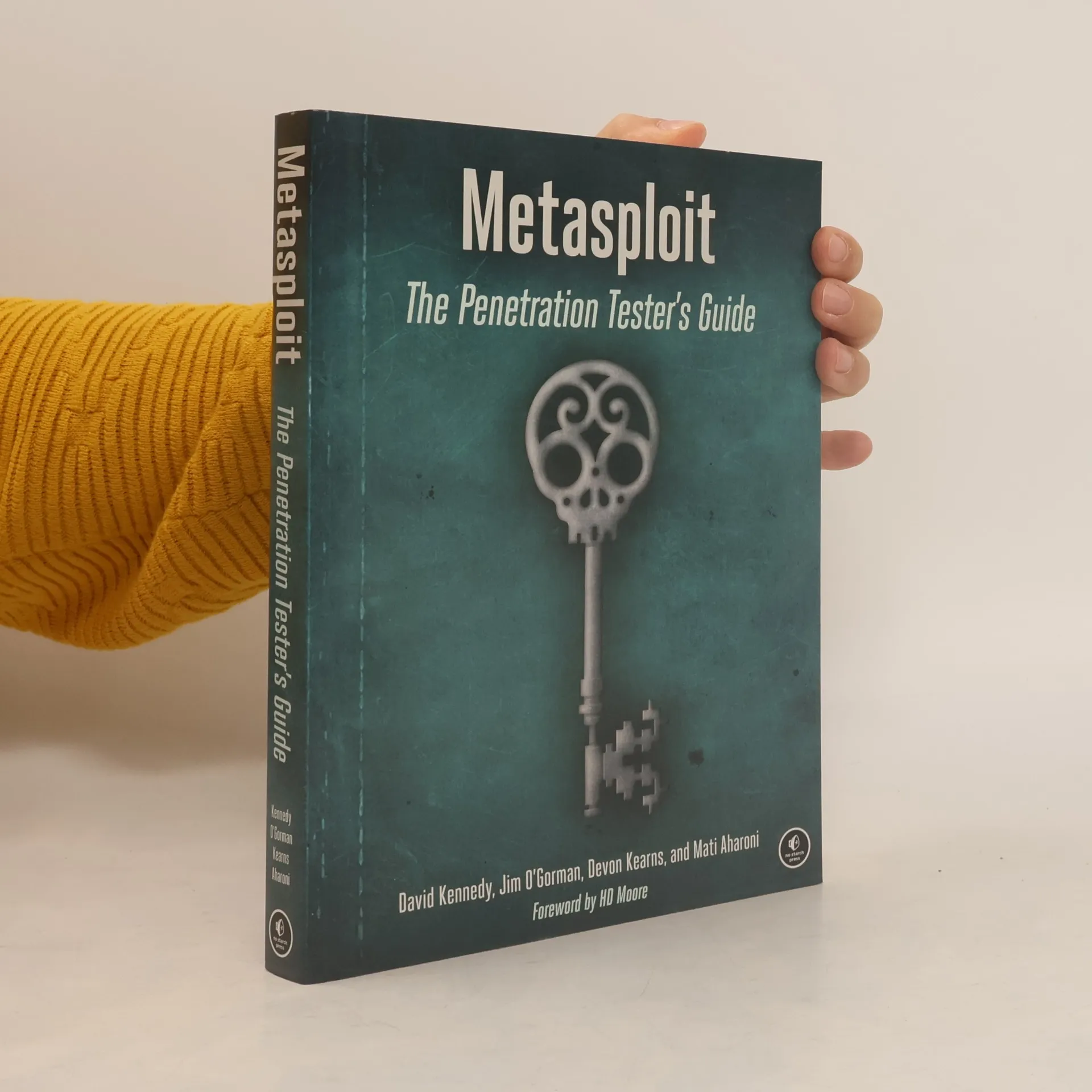
Habiendo pasado de escribir y publicar guías a convertirse en novelista, Dave ha encontrado su voz narrativa. Su ficción, que a menudo profundiza en thrillers intensos, explora temas de justicia y resiliencia humana a través de relatos modernos y cautivadores. Un sueño de toda la vida hecho realidad, su pasión por la narración es evidente en la meticulosa elaboración de unir palabras para atraer a los lectores.
Focusing on the challenges of elementary school, a young girl navigates various situations that require her to make important decisions. Throughout her journey, she learns to listen to her heart and strive to do what is right, highlighting themes of morality and self-discovery.
From the outset, the JonBenét Ramsey case was unlike any other investigation. On December 26, 1996, Patsy Ramsey reported her daughter missing in a frantic 5:52 a.m. 9-1-1 call, claiming a ransom note demanded an unusual sum of $118,000 for JonBenét's return. No follow-up call was made to collect the ransom. Tragically, JonBenét's lifeless body was found that afternoon in a seldom-used room of the family's cellar by her father and a family friend, prompted by a detective's suggestion to search the area. She was discovered with tape over her mouth, a ligature embedded in her neck from a garrote made from a cord and a broken paintbrush. A piece of the same cord was loosely wrapped around her wrist. An autopsy later revealed a linear skull fracture, likely from a blunt force trauma, and some marks on her body were speculated to be from a stun gun, though this theory was contested by other investigators. A grand jury voted to indict JonBenét's parents, John and Patsy Ramsey, on charges of child abuse resulting in death, but then-District Attorney Alex Hunter declined to pursue the indictment. Sadly, it appears no one will be held accountable for JonBenét Ramsey's murder.
This book reveals the impact of expert knowledge on political and economic life, highlighting how interactions among politicians, citizens, and experts lead to a landscape marked by inequality and injustice. Drawing from his experiences with international lawyers, human rights advocates, and policy professionals, the author provides an insider's view of the complexities surrounding global governance. He delves into the conflicts and assumptions that underpin expert authority, exploring how experts have developed a legal vocabulary for global management that often overlooks its distributive effects. Central to this discourse is the concept of struggle, where everyday disputes illustrate how expertise can detach from analytical rigor and observable facts. The author suggests methods to model and challenge expert work, culminating in a detailed examination of modern law in warfare as a case study of expertise in action. By charting a new direction for global governance, this important work discusses how expert knowledge can be leveraged to address and transform an unjust world, particularly at a time when the international order is poised for change.
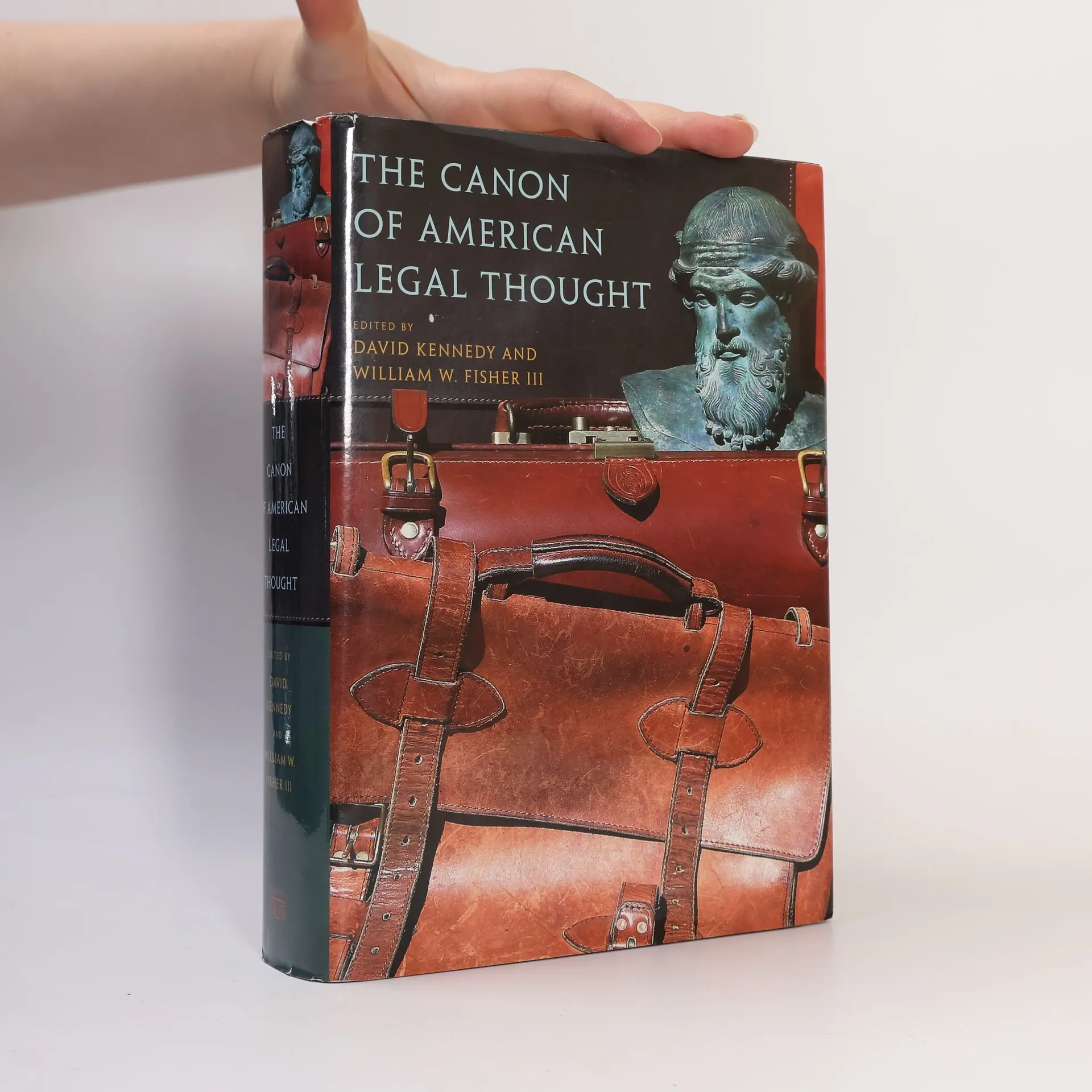
This anthology presents the full texts of the twenty most significant works of American legal thought since 1890, based on a course taught at Harvard Law School. It explores the rise of a unique American legal reasoning style, featuring influential authors like Oliver Wendell Holmes, Jr., Ronald Coase, Ronald Dworkin, and Catherine MacKinnon. These thinkers addressed the question, "What does it mean to think like an American lawyer?" and their diverse answers collectively advocate for a distinct mode of reasoning and governance. The legal mind is portrayed as both critical and constructive, with these texts serving as a canon of critical thinking and a toolkit for challenging the arguments of prominent legal figures. Each article includes an introduction that highlights its main ideas and situates it within the author's broader intellectual context, the scholarly debates of the time, and the article's reception. Law students and educators will find value in these classic writings, while practicing lawyers can revisit their law school experiences. All readers will appreciate the richness and sophistication with which many legal arguments, now considered clichés, were originally articulated.