'A New History of German Literature' offers some 200 essays on events in German literary history.
David E. Wellbery Libros
1 de enero de 1947
David E. Wellbery es un distinguido profesor de literatura alemana cuya erudición profundiza en la estética y la semiótica de la Ilustración. Su obra ilumina las intrincadas conexiones entre la teoría literaria, el pensamiento filosófico y el contexto histórico de la historia literaria alemana. A través de sus contribuciones, ofrece profundas perspectivas sobre una era crucial del desarrollo intelectual europeo.

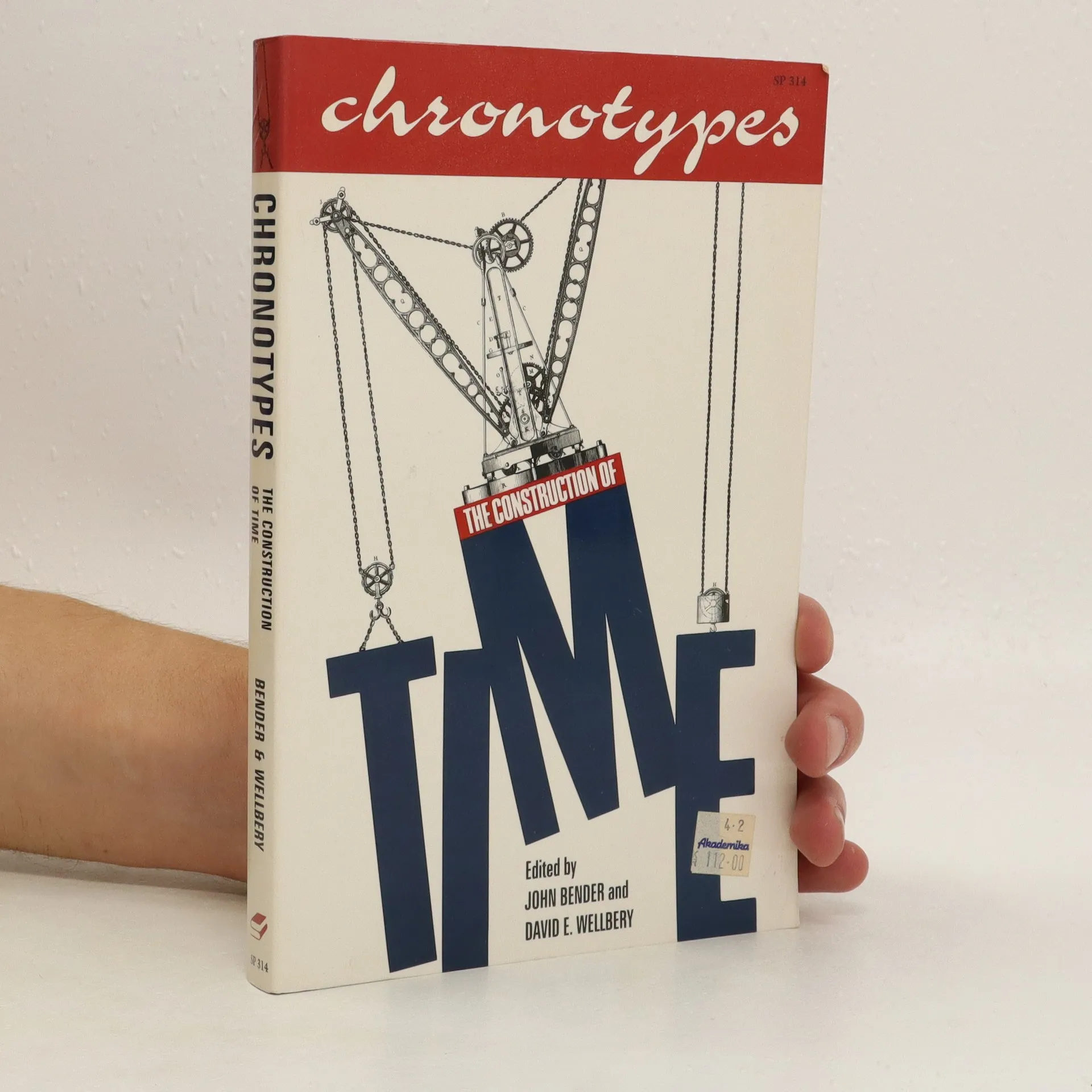

Chronotypes: the construction of time
- 252 páginas
- 9 horas de lectura
Time belongs to a handful of categories (like form, symbol, cause) that are genuinely transdisciplinary. Time touches every dimension of our being, every object of our attention -- including attention itself. It therefore can belong to no single field of study. Of course, this universalist view of time is not itself universal but rather is a product of the modern age, an age that conceived of itself as the "new" time. Time has thus gained new importance as a theme of general research with the "post-modern turn" now manifest in many areas of intellectual endeavor, especially in the humanities and social sciences. "Chronotypes" are models or patterns through which time assumes practical or conceptual significance. Time is not given but (as the subtitle indicates) fabricated in an ongoing process. Chronotypes are themselves temporal and plural, constantly being made and remade at multiple individual, social, and cultural levels. They interact, they change over time, and they have histories, whose construal is itself an act of temporal construction. This book -- an interdisciplinary collaboration of philosophers, historians, literary critics, and anthropologists -- examines the ways individuals, societies, and cultures make sense of time by constructing it in diverse patterns.
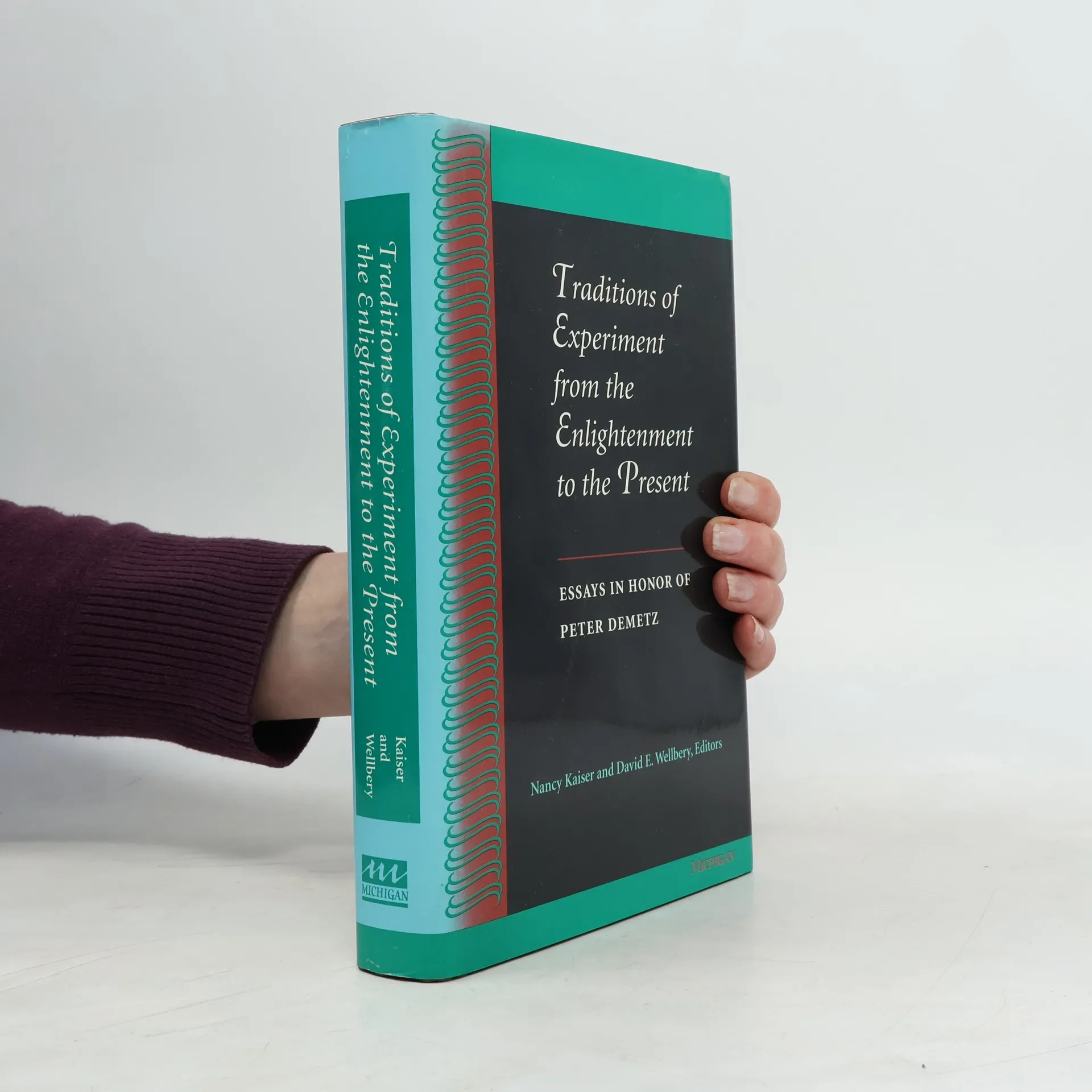
Traditions of Experiment from the Enlightenment to the Present
- 386 páginas
- 14 horas de lectura
This collection features a diverse range of essays that explore the intersections of literature, philosophy, and socio-political themes in German and comparative literature. Claudia Brodsky examines "Experimental Philosophy" and the literature of experience in the works of Diderot and Kleist. Gisela Brude-Firnau delves into Alexander von Humboldt's sociopolitical intentions, merging science and poetics. Thomas P. Saine critiques Johann Gottfried Seume's views on traditional society at the end of the eighteenth century. Michael T. Jones discusses Friedrich Schlegel's "Lucinde" as an experimental novel. James Rolleston analyzes the allegorical dimensions of freedom in Lenau's poetry. Jeffrey L. Sammons investigates innovation and intertextuality in Charles Sealsfield's work. Peter Gay offers a reading of the Gartenlaube from 1890, while Brigitte Peucker connects German cinema with the sister arts through Wegener's "The Student of Prague." Ruth V. Gross reflects on György Kurtág's "Kafka Fragmente." Amy Colin refigures the female body through Romanian avant-gardists. Walter Hinderer explores the role of foreign elements in Brecht's "In the Jungle of the Cities." Mark Harman addresses German translations of Joyce's "Ulysses." Ellis Shookman investigates Arno Schmidt's relationship with James Fenimore Cooper. Marilyn Sibley Fries examines the historical debris in the works of Bachmann and Benjamin. Dorrit Cohn analyzes Wolfgang Hil
Positionen der Literaturwissenschaft
- 194 páginas
- 7 horas de lectura
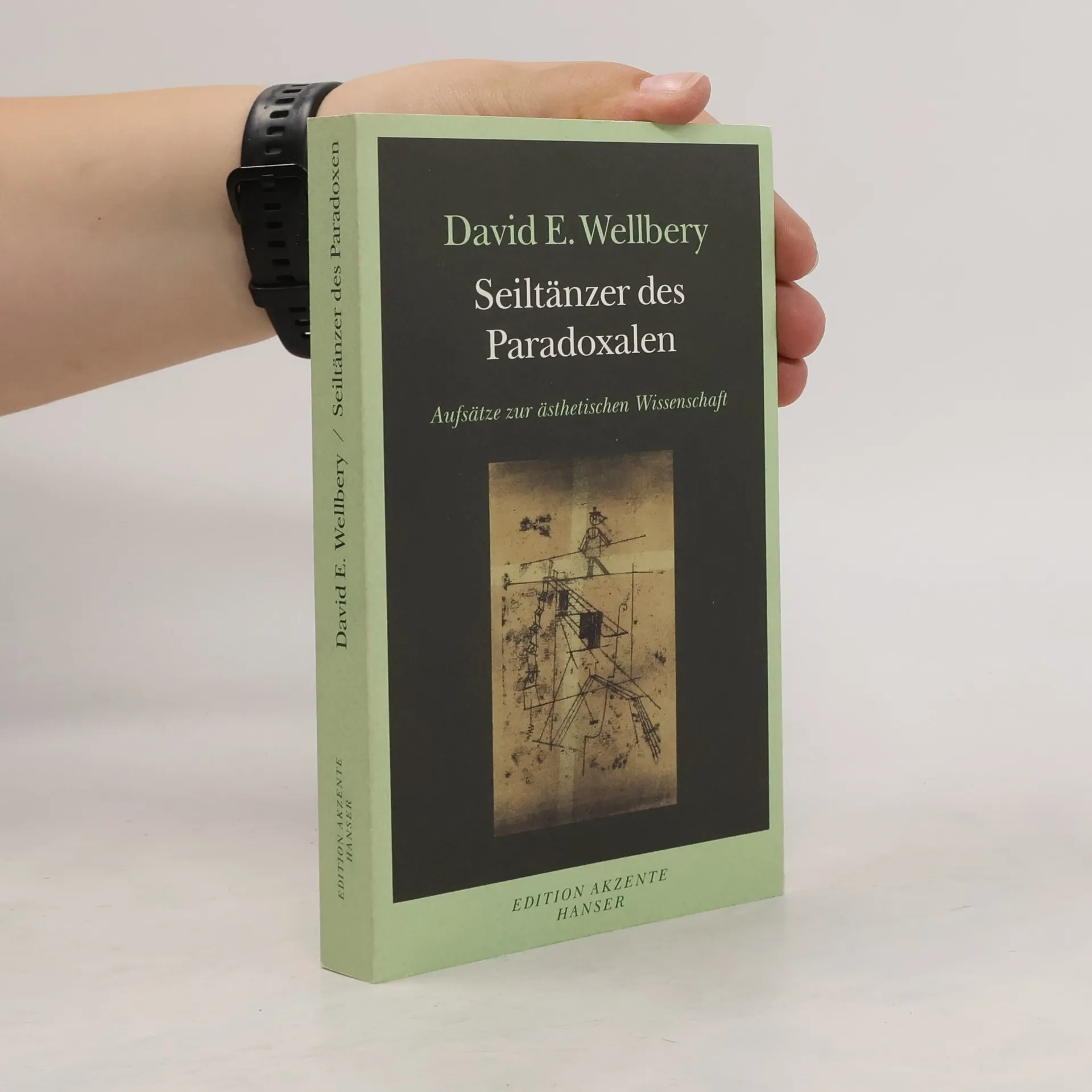
Seiltänzer des Paradoxalen
- 270 páginas
- 10 horas de lectura
In meisterhaften Textlektüren beschäftigt sich der Literaturwissenschaftler David E. Wellbery mit maßgeblichen Werken der Moderne (u. a. Laurence Sternes „Tristram Shandy“, Goethes „Wilhelm Meisters Lehrjahre“, E. T. A. Hoffmanns „Prinzessin Brambilla“, Kafkas „Schweigen der Sirenen“ und Hofmannsthals „Chandos-Brief“), die neben dem Dargestellten auch die Bedingungen ihrer Darstellung reflektieren. Das Buch macht literarische Form sichtbar als einen seiltänzerischen Akt, der sich in prekärer Balance von Vollendung und Brüchigkeit je neu, je anders vollzieht.
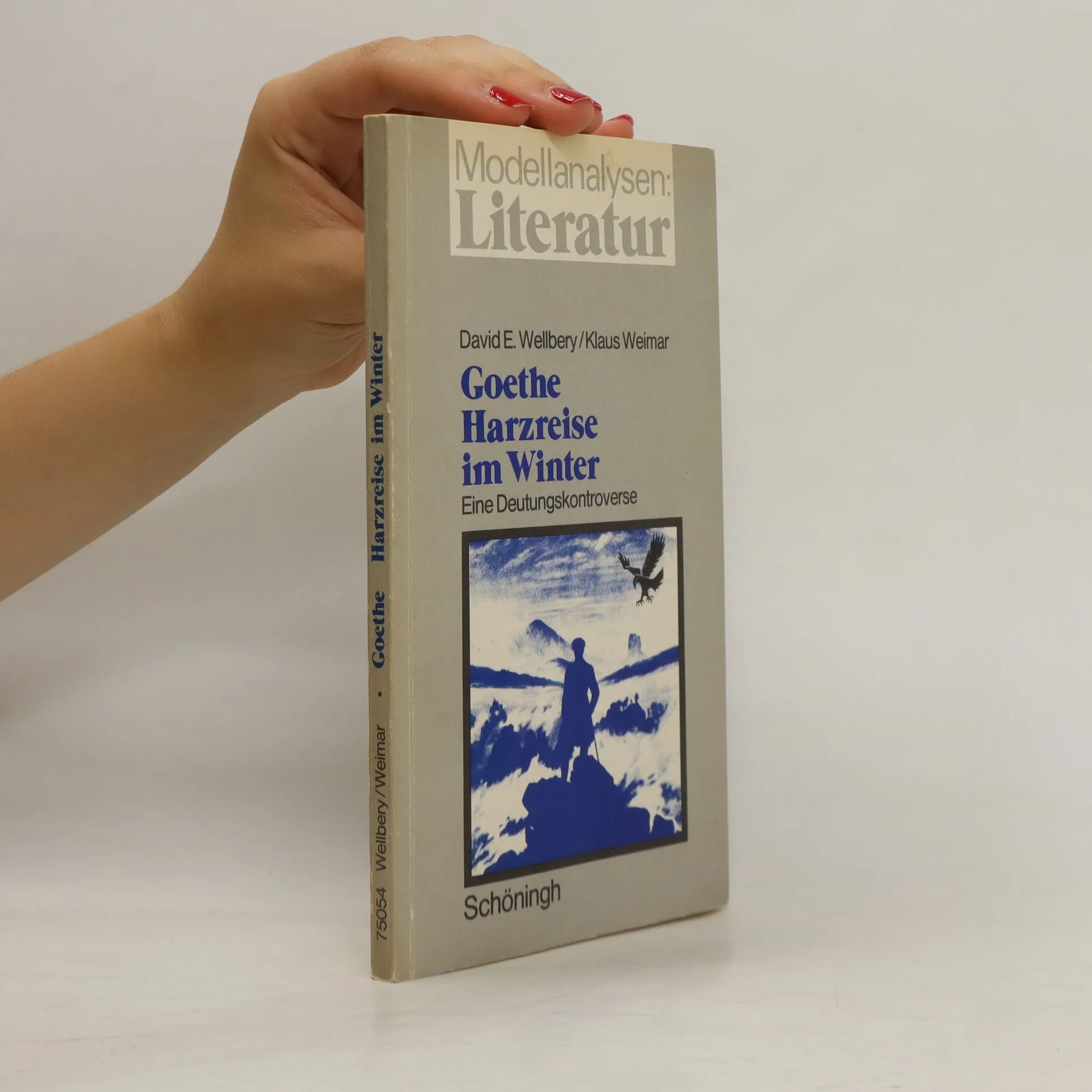
Johann Wolfgang von Goethe, Harzreise im Winter
- 96 páginas
- 4 horas de lectura