John C. Hull es un distinguido investigador en finanzas cuantitativas, especialmente reconocido por sus contribuciones al modelado de derivados. Su trabajo se adentra en la comprensión intrincada de instrumentos financieros complejos y su gestión. A través de sus influyentes publicaciones, une la teoría académica con la aplicación práctica, haciendo que sus ideas sean accesibles tanto para académicos como para profesionales del mercado. Su enfoque hacia los derivados financieros se considera un elemento fundamental en el campo.
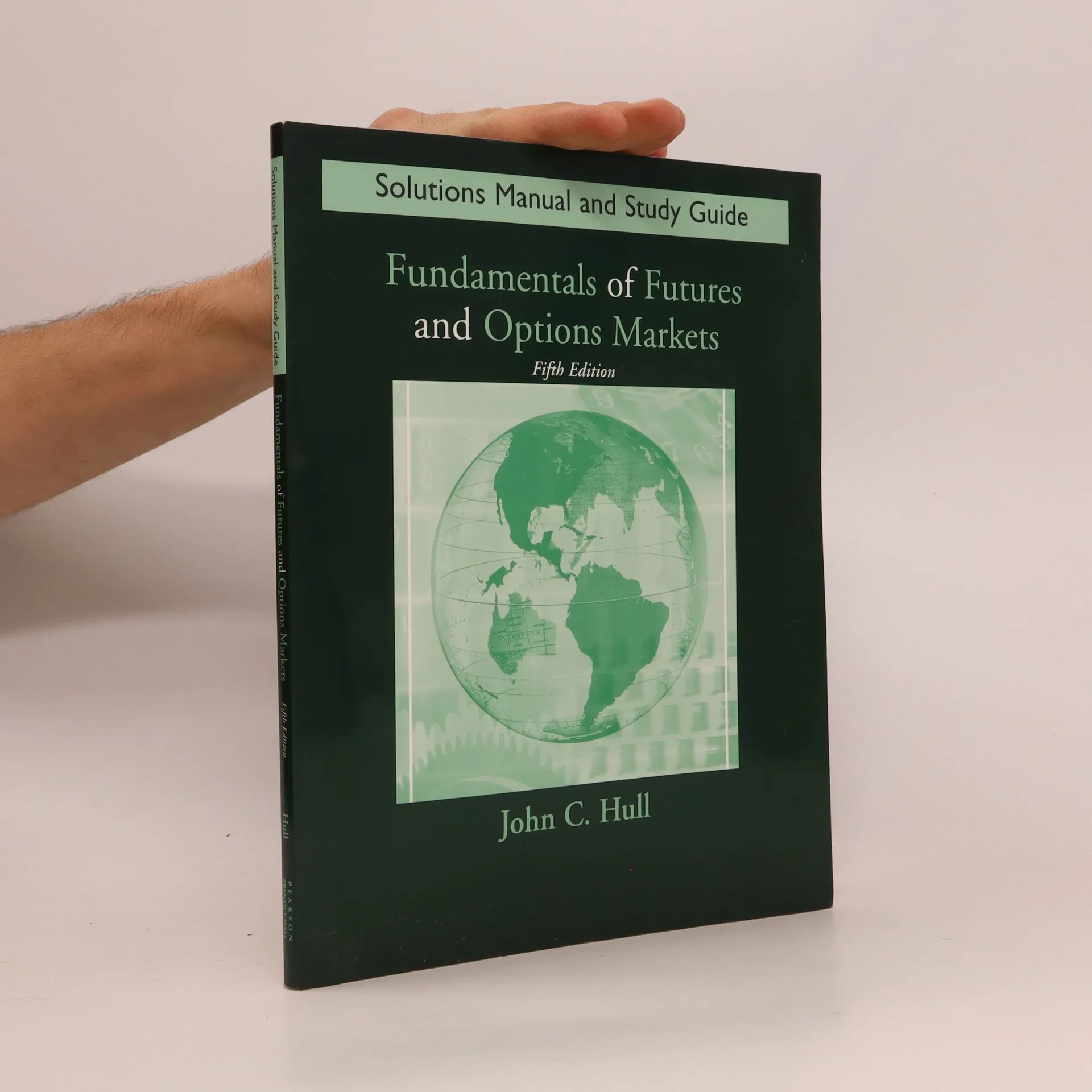
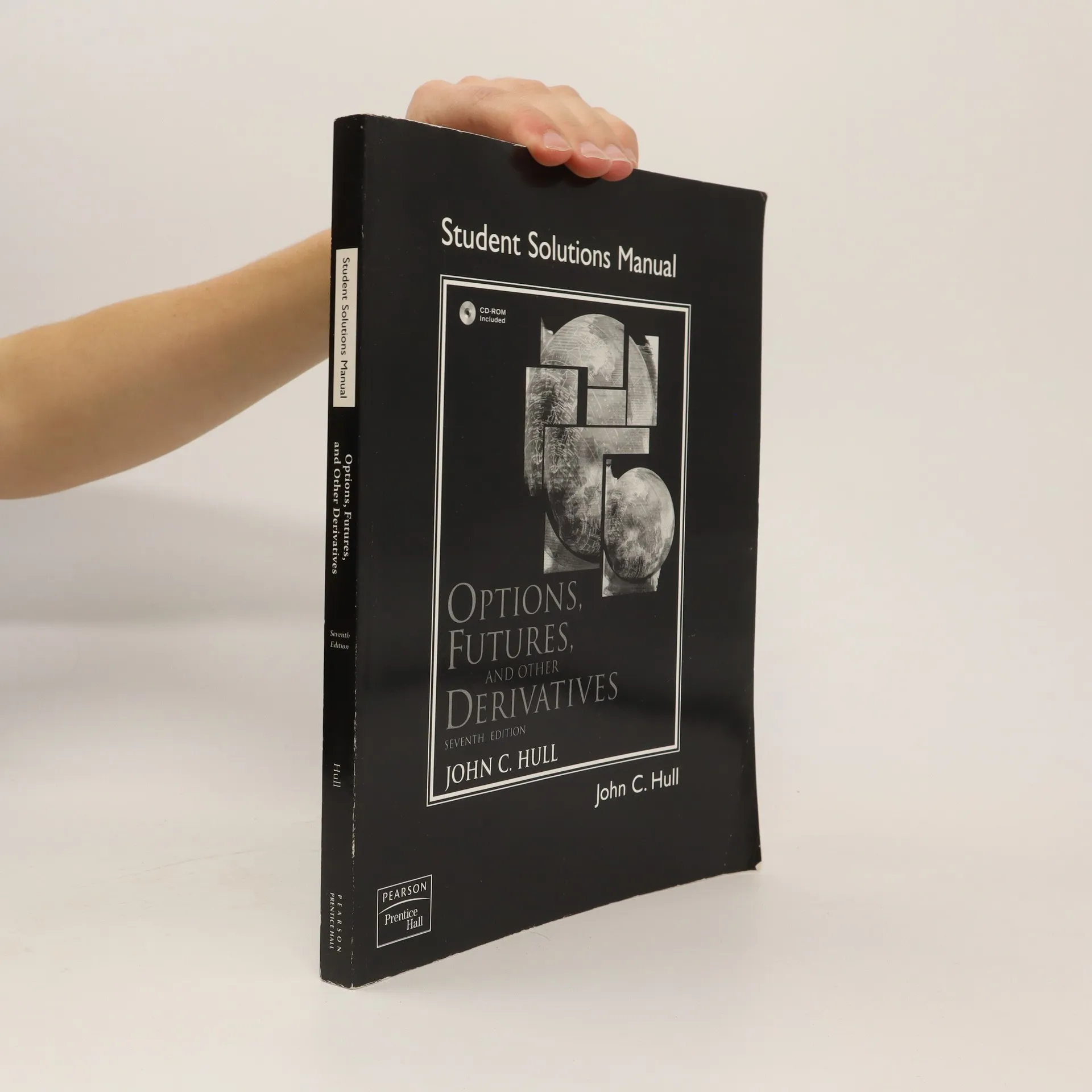
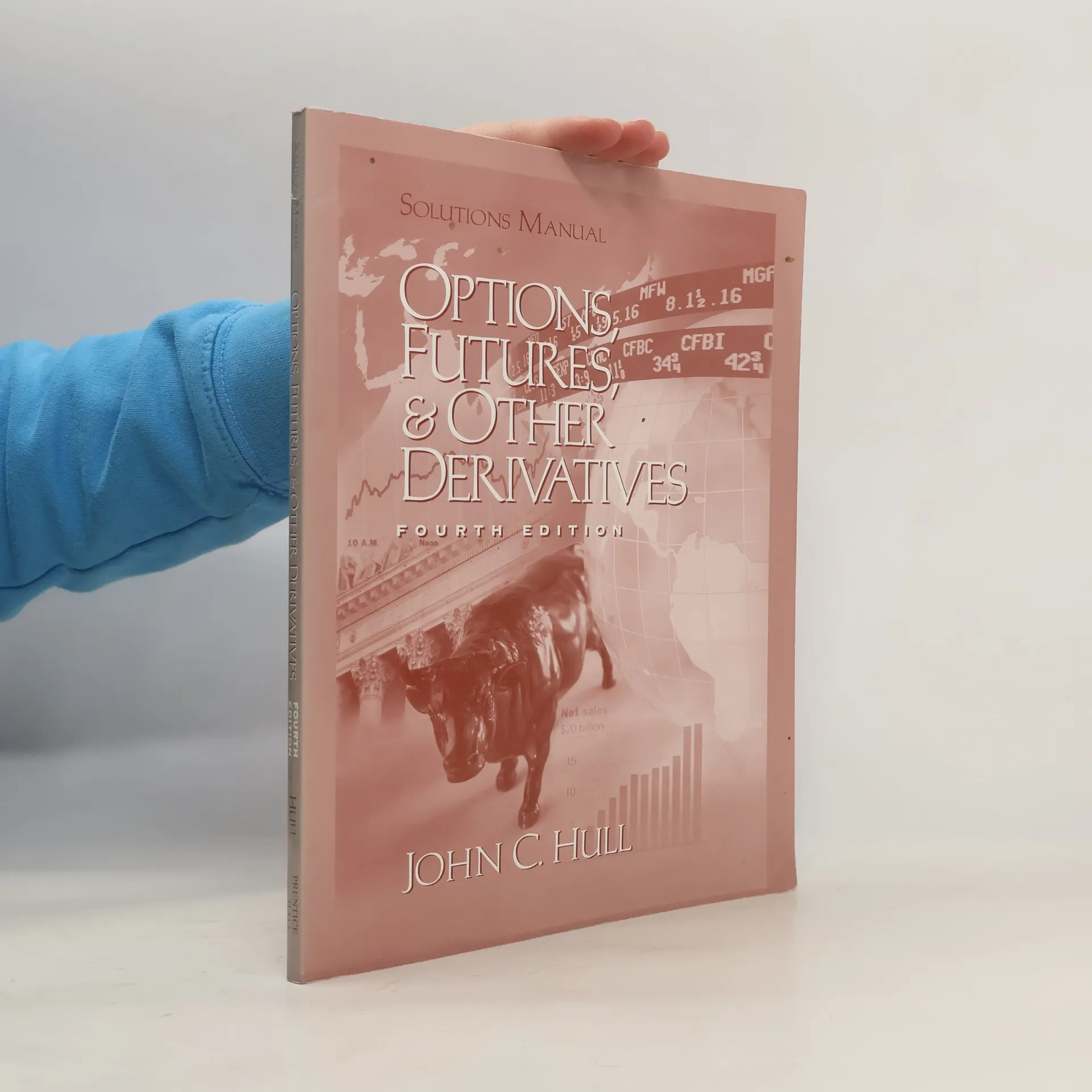
As in the sixth edition, end-of-chapter problems are divided into two groups: ``Questions and Problems'' and ``Assignment Questions''. Solutions to the Questions and Problems are in Options, Futures, and Other Derivatives 7e: Solutions Manual which is published by Pearson and can be purchased by students.
This book contains solutions to the questions and problems that appear at the ends of chapters. The questions and problems have been designed to help readers study on their own and test their understanding of the material. They range from quick checks on whether a key point is understood to much more challenging applications of analytical techniques. At the beginning of each chapter, there is a summary of the main points and suggested ways readers should approach studying the material. Students should find these summaries useful both when they first cover the material and when they are studying for exams.
"Options, Futures, and Other Derivatives, Global Edition" by John Hull is a comprehensive guide for finance students, covering essential foundations of the derivatives market. The 11th edition features modern topics, clear explanations, and practical resources, making complex concepts accessible while addressing current regulations and trends.
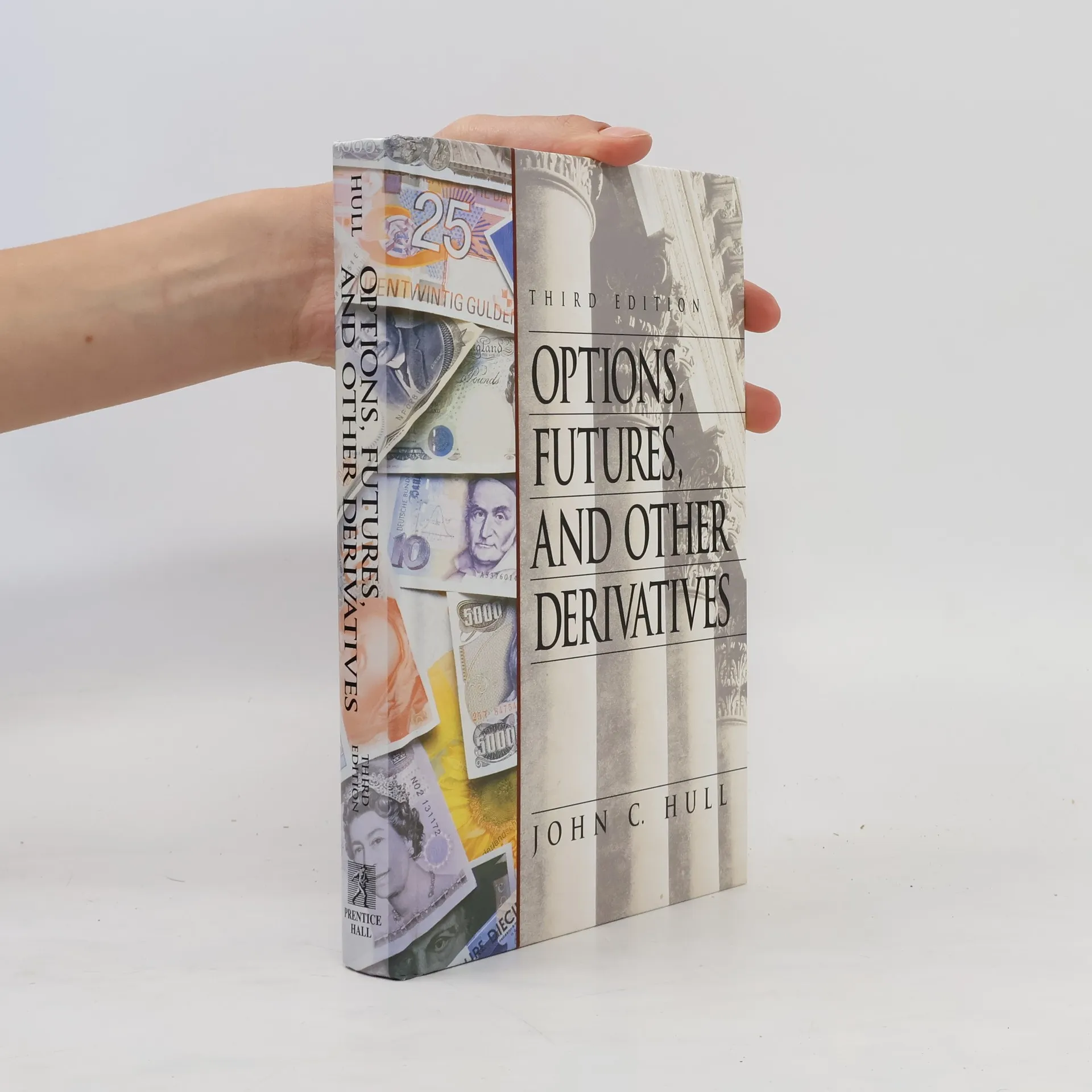
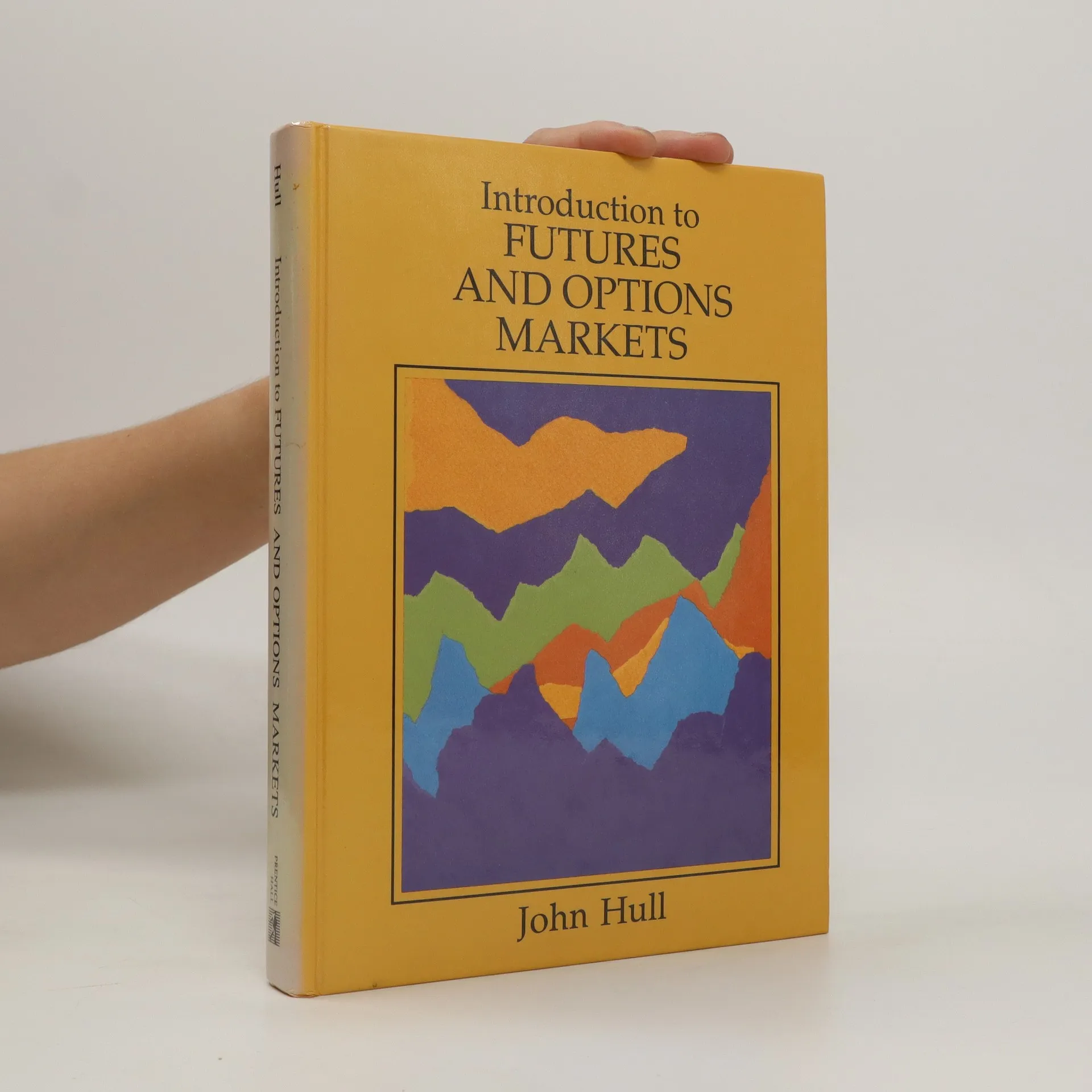
A text/disk package for undergraduate and graduate students in elective courses in business and economics, covering much of the same material as the author's previous text, Options, Futures, and Other Derivatives , but in a way that readers with limited training in mathematics will find easier to understand. Part I covers futures and swaps markets, and Part II, the bulk of the book, covers options markets. Includes chapter quiz questions and explained answers, additional questions and problems, mathematical appendices, and a glossary. This third edition features a new chapter on value at risk, and new material on swaps, volatility smiles, and standard market models for bond options, interest-rate caps and floors, and European swap options. The accompanying disk contains new Windows-based software specifically designed to complement the text, allowing readers to value different options, display binomial trees, and plot relationships between variables. Annotation c. by Book News, Inc., Portland, Or.
This book has been widely adopted for its comprehensive coverage, exceptionally clear explanations of difficult material, and avoidance of nonessential math. The text bridges the gap between the theory and practice of derivatives and helps readers develop a working knowledge of how derivatives can be analyzed.