



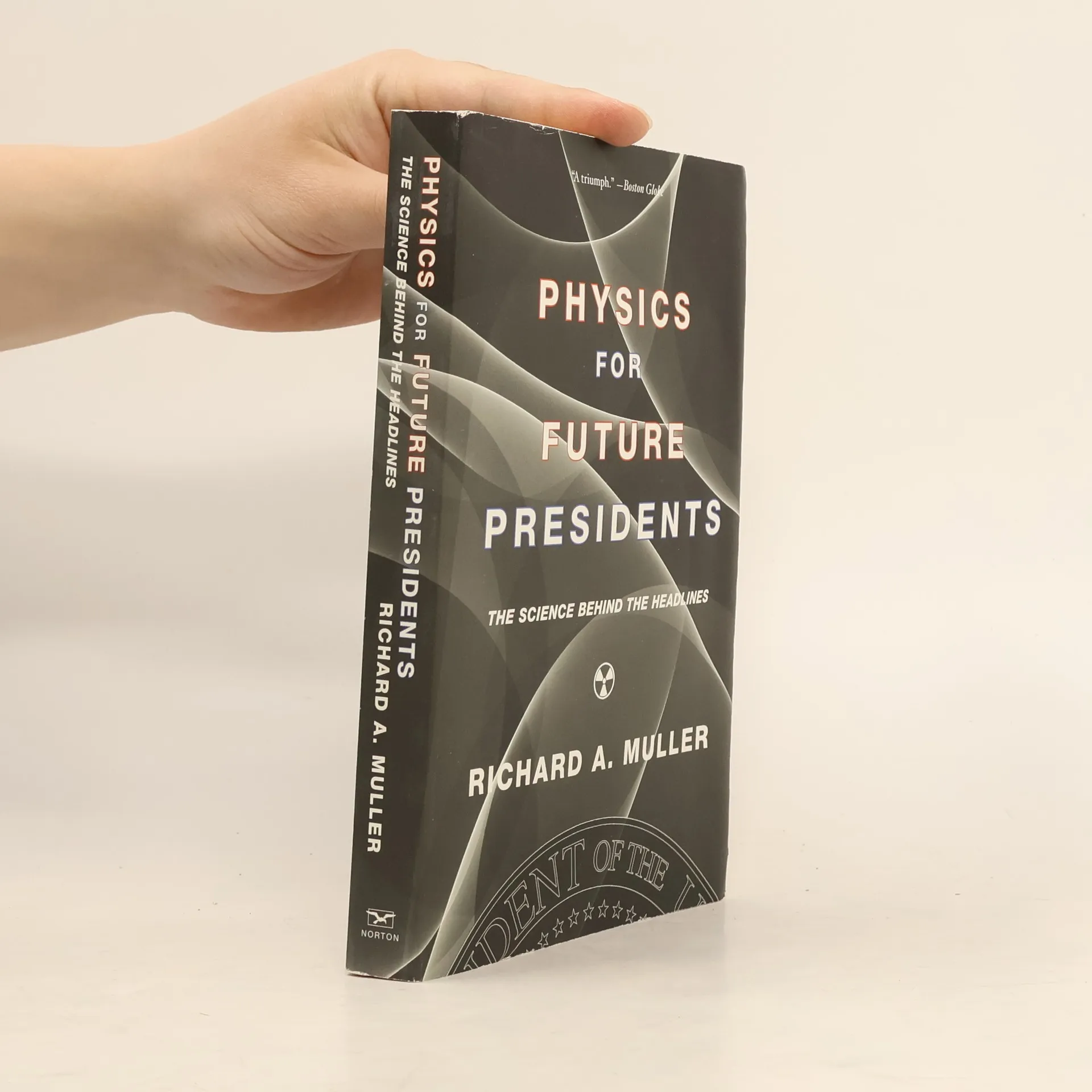
Richard A. Muller, profesor de física, destila conceptos científicos complejos para una audiencia general, basándose en su aclamado curso para estudiantes no científicos. Su trabajo tiene como objetivo hacer que los principios científicos avanzados sean accesibles y comprensibles. A través de su escritura de ciencia popular, tiende un puente entre la indagación científica y la comprensión pública.
Scholars commonly impose modern terms and theories on the past, particularly in discussions over divine sovereignty and human responsibility where libertarian and compatibilist notions of freedom obscure the older concept of concurrence.
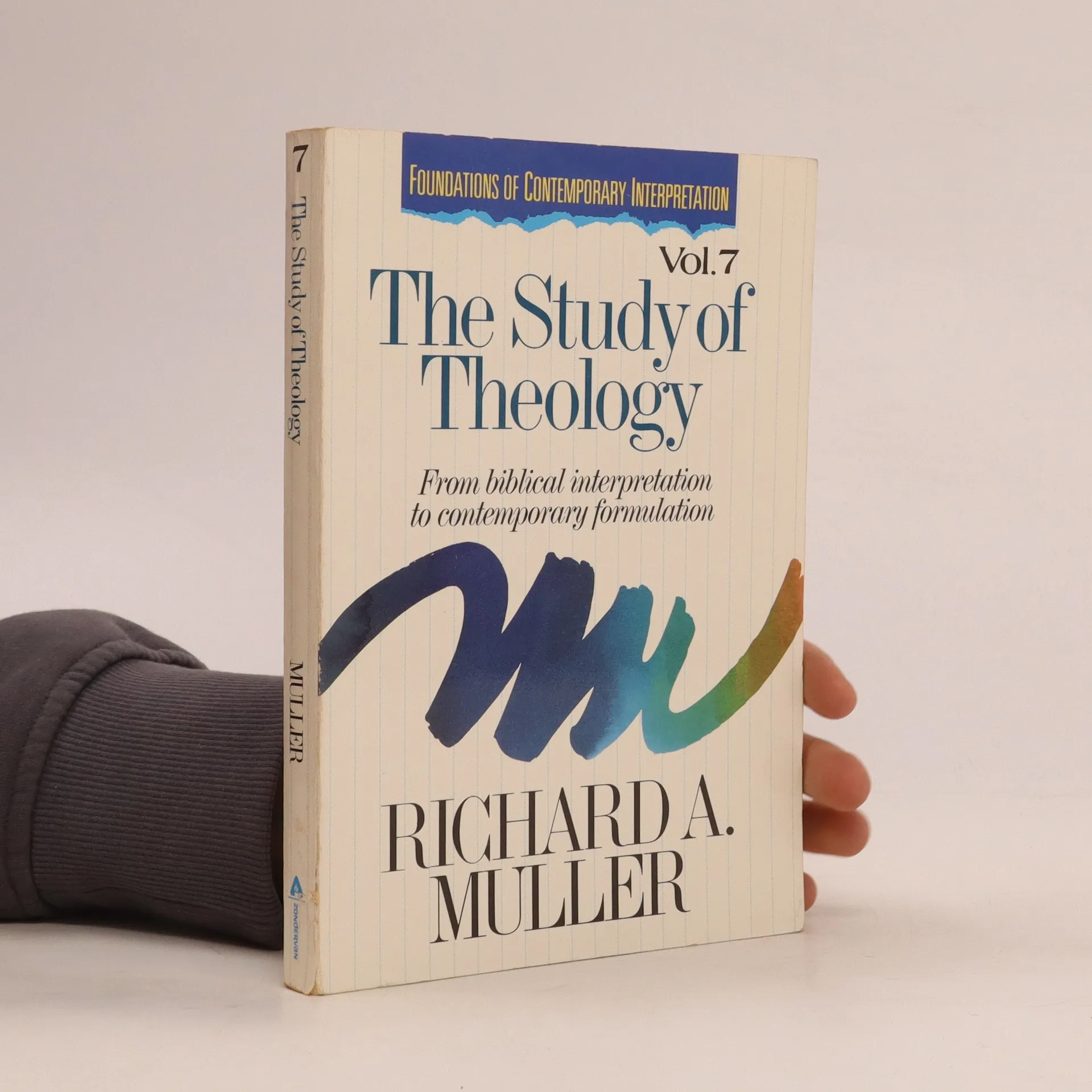
The Study of Theology address two major concerns -- the place of biblical hermeneutics and practical theology. The author discusses the hermeneutical implications of biblical, historical, systematic, and practical theology and presents a case for the relationship between exegesis and the other theological disciplines. However, the relationship between hermeneutics and practical theology is also essential. According to the author, "the traditional forms of theology and preaching frequently fail the tests of exegesis and contemporary theologizing while, at the same time, most contemporary theology and exegesis fails to address directly the needs of the church." Muller presents a case for the structure of hermeneutics and argues that it is essential to the church because "theological training as a whole . . . ought to reflect the life of the church and be of value to the life of the church."Author Biography: Richard A. Muller (Ph.D., Duke) is professor of historical theology at Calvin Theological Seminary in Grand Rapids, MI.
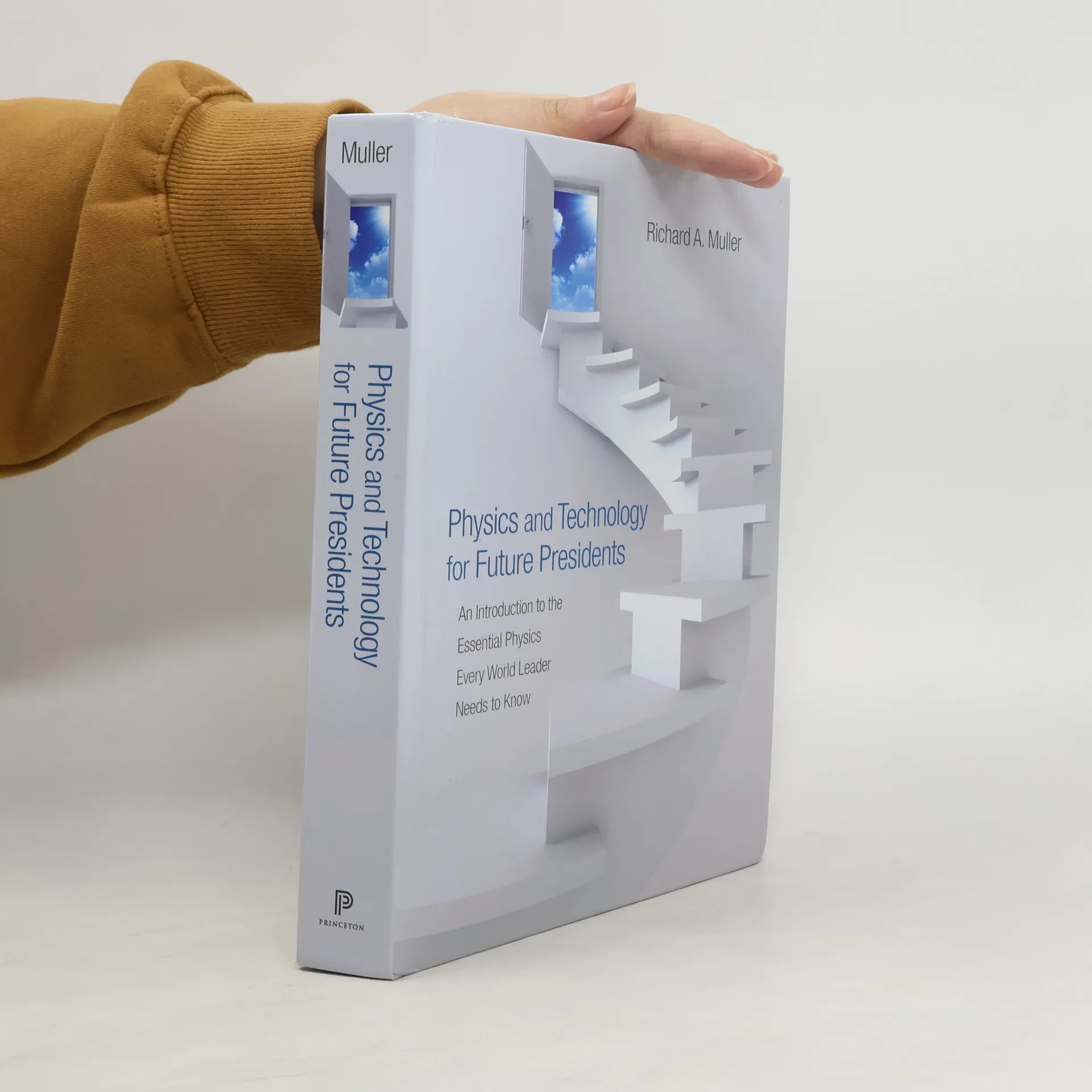
An Introduction to the Essential Physics Every World Leader Needs to Know
536 páginas
19 horas de lectura
<i>Physics and Technology for Future Presidents</i> contains the essential physics that students need in order to understand today's core science and technology issues, and to become the next generation of world leaders. From the physics of energy to climate change, and from spy technology to quantum computers, this is the only textbook to focus on the modern physics affecting the decisions of political leaders and CEOs and, consequently, the lives of every citizen. How practical are alternative energy sources? Can satellites really read license plates from space? What is the quantum physics behind iPods and supermarket scanners? And how much should we fear a terrorist nuke? This lively book empowers students possessing any level of scientific background with the tools they need to make informed decisions and to argue their views persuasively with anyone--expert or otherwise. Based on Richard Muller's renowned course at Berkeley, the book explores critical physics topics: energy and power, atoms and heat, gravity and space, nuclei and radioactivity, chain reactions and atomic bombs, electricity and magnetism, waves, light, invisible light, climate change, quantum physics, and relativity. Muller engages readers through many intriguing examples, helpful facts to remember, a fun-to-read text, and an emphasis on real-world problems rather than mathematical computation. He includes chapter summaries, essay and discussion questions, Internet research topics, and handy tips for instructors to make the classroom experience more rewarding. Accessible and entertaining, <i>Physics and Technology for Future Presidents</i> gives students the scientific fluency they need to become well-rounded leaders in a world driven by science and technology. A restricted instructor's manual is available to teachers. Contact the publisher for more information. Leading universities that have adopted this book include: Harvard Purdue Rice University University of Chicago Sarah Lawrence College Notre Dame Wellesley Wesleyan University of Colorado Northwestern Washington University in St. Louis University of Illinois - Urbana-Champaign Fordham University of Miami George Washington University
Sie lesen jetzt das Wort »jetzt« – und schon ist es vergangen. Das flüchtige Dasein der Gegenwart hat Philosophen und Physiker vor die größten Rätsel gestellt: Was ist die Zeit? Und warum fließt sie? Generationen von Wissenschaftlern haben sich vergeblich um Antworten bemüht, einige haben es aufgegeben. Nicht so Richard A. Muller. Er hat eine Theorie der Zeit aufgestellt, die neu ist und experimentell überprüfbar. Um sie vorzustellen, erklärt er zunächst mit großem Geschick die physikalischen Grundkonzepte wie Relativität, Entropie, Verschränkung, Antimaterie und Urknall. Darauf aufbauend entfaltet er seine provozierend neue Sicht mit all ihren Folgen für die Philosophie oder die Frage nach der Willensfreiheit. Eine kraftvolle und überzeugende Vision für die Lösung des alten Rätsels der Zeit. »Muller hat einen bemerkenswert frischen und aufregenden Ansatz für die Erklärung der Zeit.« Saul Perlmutter, Physik-Nobelpreisträger »Ein provokatives und gut argumentiertes Buch über die Natur der Zeit.« Lee Smolin