Bookbot

Hugh Coolican

    Este autor se especializa en métodos de investigación y estadística psicológica, impartiendo estas materias a nivel de pregrado y posgrado. Su trabajo explora diversas perspectivas y problemáticas dentro del campo de la psicología. Un enfoque significativo se pone en la psicología transcultural y su impacto en la cognición y el comportamiento humano. El profundo compromiso del autor con el análisis estadístico y las metodologías de investigación sustenta su examen más amplio de los fenómenos psicológicos.

    Psychology: A New Introduction, for AS Level
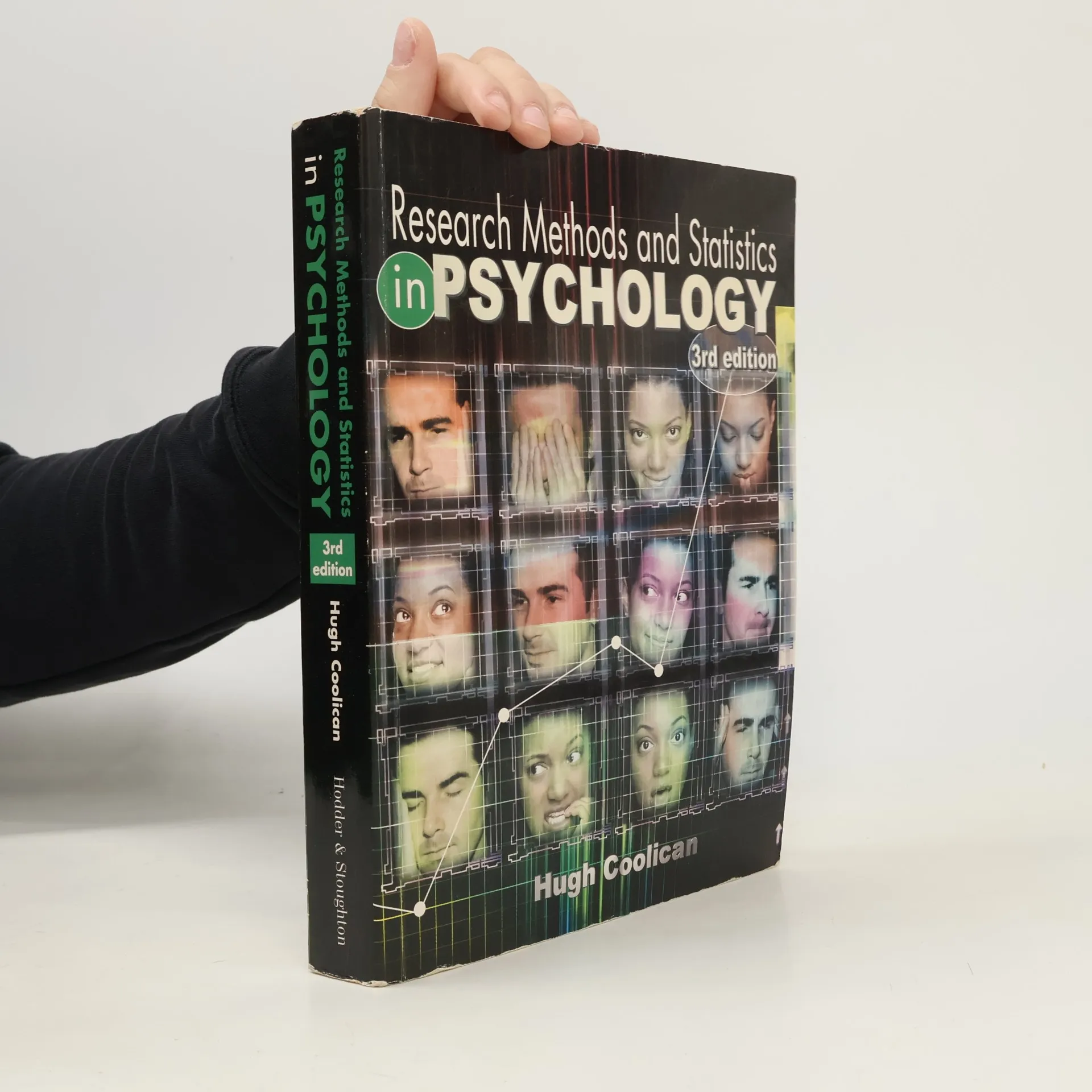
    Research Methods and Statistics in Psychology
    • Psychology: A New Introduction, for AS Level

      • 192 páginas
      • 7 horas de lectura

      This title aims to provide psychology students with an introduction to all major aspects of psychology. This edition has been re-written and re-structured in line with AS and A level specifications. The book is divided into two major parts. Part one covers material needed for AS level and comprises cognitive and developmental psychology, physiological psychology and individual differences, as well as social psychology and research methods. Part two covers A level material, which comprises social, physiological, cognitive, developmental, and comparative psychology as well as individual differences and perspectives.

      Psychology: A New Introduction, for AS Level2000
    • Research Methods and Statistics in Psychology

      3rd edition

      • 591 páginas
      • 21 horas de lectura

      The new edition of this market-leading textbook has been updated and revised to embrace current developments in this area of psychology. Changes to this edition Updated material, for example in the areas of quasi-experiments and qualitative research; improved design and greater use ofdiagrams, making the text easier to follow; structured questions that match the developments in A Level and provide superb opportunities for revision; inclusion of answers to in-text questions, so students can check their progress as they go along; clearer calculation tables -- ideal for those whoare not so good with mathematical concepts; a comparison between a 'good' and 'excellent' report, so students can understand what examiners are looking for; and finally, two synopses of qualitative reports.Above all, this book makes the potentially difficult area of psychology more understandable to its audience.

      Research Methods and Statistics in Psychology1990
      3,5