Amanda Ripley es una periodista de investigación cuyo trabajo profundiza en las complejidades del comportamiento humano durante las crisis y los sistemas educativos globales. Explora por qué las personas toman las decisiones que toman cuando se enfrentan a desastres, buscando comprender los factores subyacentes de supervivencia y resiliencia. Ripley también investiga métodos educativos y su impacto en el desarrollo de las mentes jóvenes, descubriendo qué contribuye a la excelencia académica. Su enfoque se basa en una rigurosa investigación de campo y el deseo de revelar los principios fundamentales que dan forma a nuestras vidas.
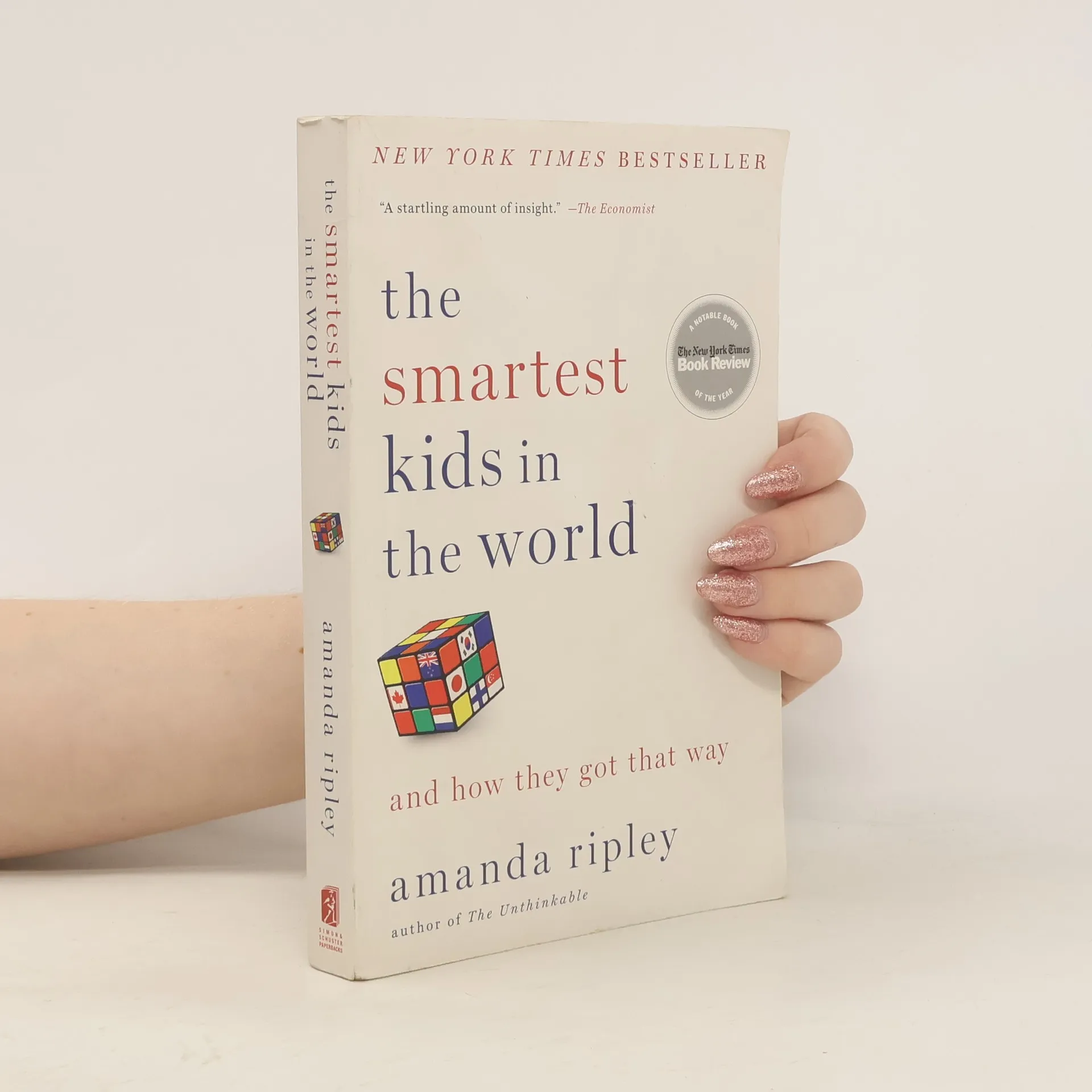
'[Ripley] gets well beneath the glossy surfaces of these foreign cultures and
manages to make our own culture look newly strange...The question is whether
the startling perspective provided by this masterly book can also generate the
will to make changes.' New York Times Book Review
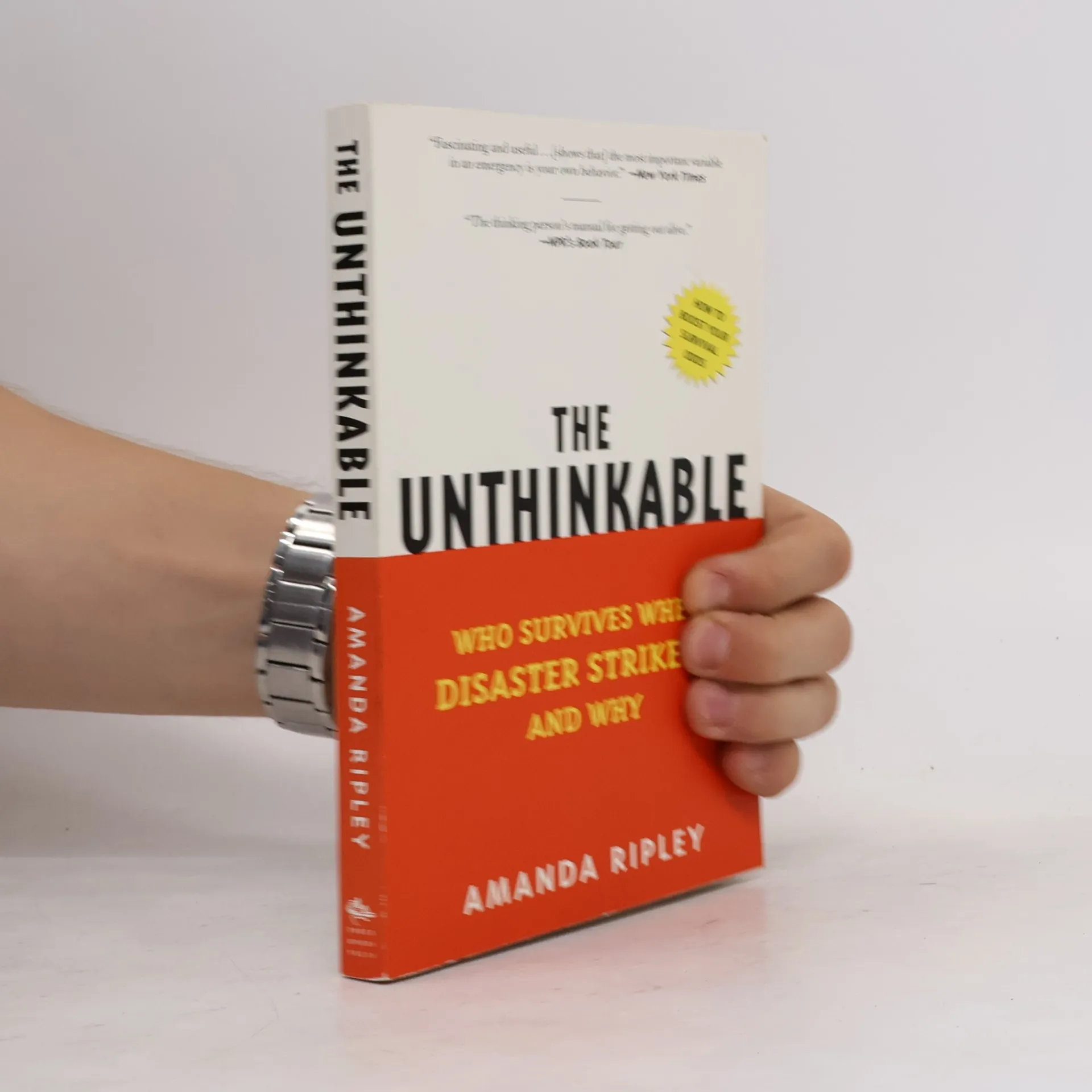
Discover how human beings react to danger–and what makes the difference between life and death Today, nine out of ten Americans live in places at significant risk of earthquakes, hurricanes, tornadoes, terrorism, or other disasters. Tomorrow, some of us will have to make split-second choices to save ourselves and our families. How will we react? What will it feel like? Will we be heroes or victims? In her quest to answer these questions, award-winning journalist Amanda Ripley traces human responses to some of recent history’s epic disasters, from the explosion of the Mont Blanc munitions ship in 1917–one of the biggest explosions before the invention of the atomic bomb–to the journeys of the 15,000 people who found their way out of the World Trade Center on September 11, 2001. To understand the science behind the stories, Ripley turns to leading brain scientists, trauma psychologists, and other disaster experts. She even has her own brain examined by military researchers and experiences, through realistic simulations, what it might be like to survive a plane crash into the ocean or to escape a raging fire. Ripley comes back with precious wisdom about the surprising humanity of crowds, the elegance of the brain’s fear circuits, and the stunning inadequacy of many of our evolutionary responses. Most unexpectedly, she discovers the brain’s ability to do much, much better–with just a little help.