Keith Devlin se enfoca en el uso de diversos medios para enseñar y comunicar matemáticas. También explora el diseño de sistemas de información y razonamiento para el análisis de inteligencia. Sus intereses de investigación abarcan la teoría de la información, los modelos de razonamiento y la cognición matemática. A través de su trabajo, Devlin se esfuerza por hacer que las matemáticas sean accesibles a una audiencia más amplia mediante enfoques de comunicación innovadores.
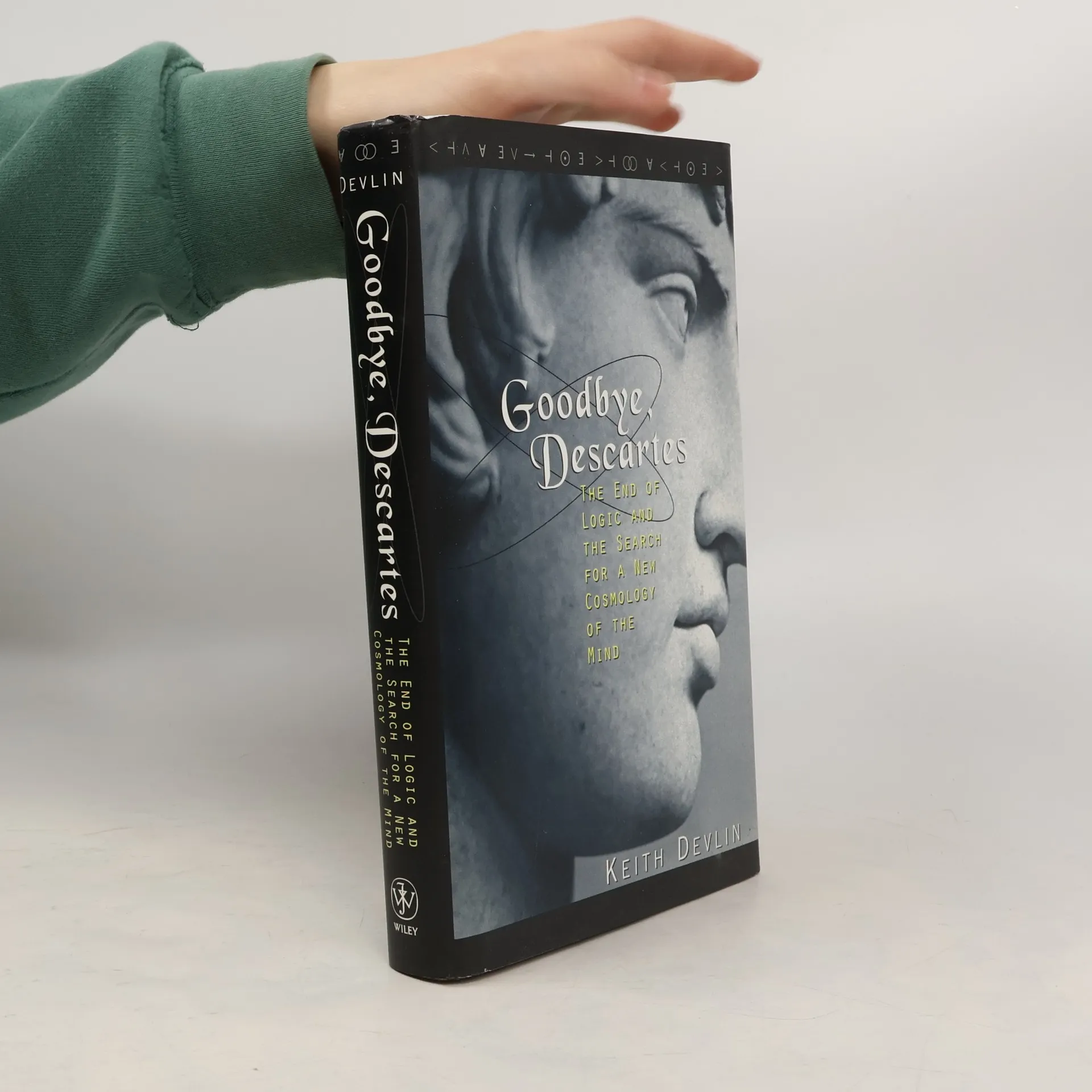
The End of Logic and the Search for a New Cosmology of the Mind
320 páginas
12 horas de lectura
Keith Devlin chronicles scientists' centuries-old quest to discover the laws of thought, from the astonishingly adept efforts of the ancient Greeks, to the invention of the first primitive "thinking machine" in the late nineteenth century, to radical findings that are challenging the very notion that the mind follows logical rules.
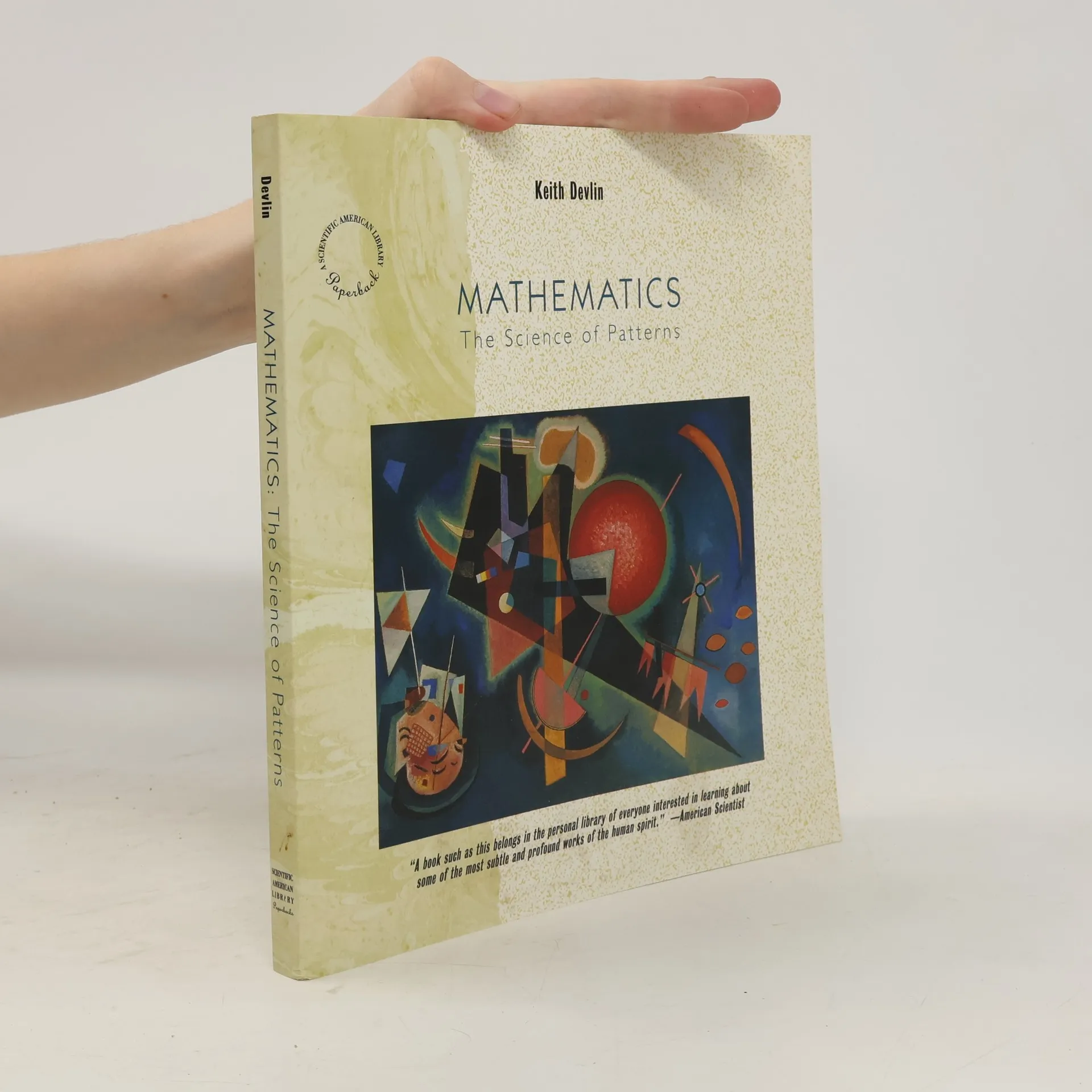
"The great book of nature," said Galileo, "can be read only by those who know the language in which it is written. And this language is mathematics." A richly illustrated celebration of the beauty and elegance of this ever-evolving language, The Science of Patterns explores the many ways mathematics helps us understand our perceptions of reality--both the physical, biological, and social worlds without, and the realm of ideas and thoughts within.
The Seven Greatest Unsolved Mathematical Puzzles of Our Time
256 páginas
9 horas de lectura
In 2000, the Clay Foundation of Cambridge, Massachusetts, announced a historic competition: whoever could solve any of seven extraordinarily difficult mathematical problems, and have the solution acknowledged as correct by the experts, would receive 1 million in prize money. There was some precedent for doing this: in 1900 David Hilbert, one of the greatest mathematicians of his day, proposed twenty-three problems, now known as the Hilbert Problems, that set much of the agenda for mathematics in the twentieth century. The Millennium Problems are likely to acquire similar stature, and their solution (or lack of one) is likely to play a strong role in determining the course of mathematics in the current century. Keith Devlin, renowned expositor of mathematics, tells here what the seven problems are, how they came about, and what they mean for math and science.These problems are the brass rings held out to today's mathematicians, glittering and just out of reach. In the hands of Keith Devlin, "the Math Guy" from NPR's "Weekend Edition," each Millennium Problem becomes a fascinating window onto the deepest and toughest questions in the field. For mathematicians, physicists, engineers, and everyone else with an interest in mathematics' cutting edge, The Millennium Problems is the definitive account of a subject that will have a very long shelf life.
"Mathematical thinking is not the same as 'doing math'--unless you are a professional mathematician. For most people, 'doing math' means the application of procedures and symbolic manipulations. Mathematical thinking, in contrast, is what the name reflects, a way of thinking about things in the world that humans have developed over three thousand years. It does not have to be about mathematics at all, which means that many people can benefit from learning this powerful way of thinking, not just mathematicians and scientists."--Back cover.
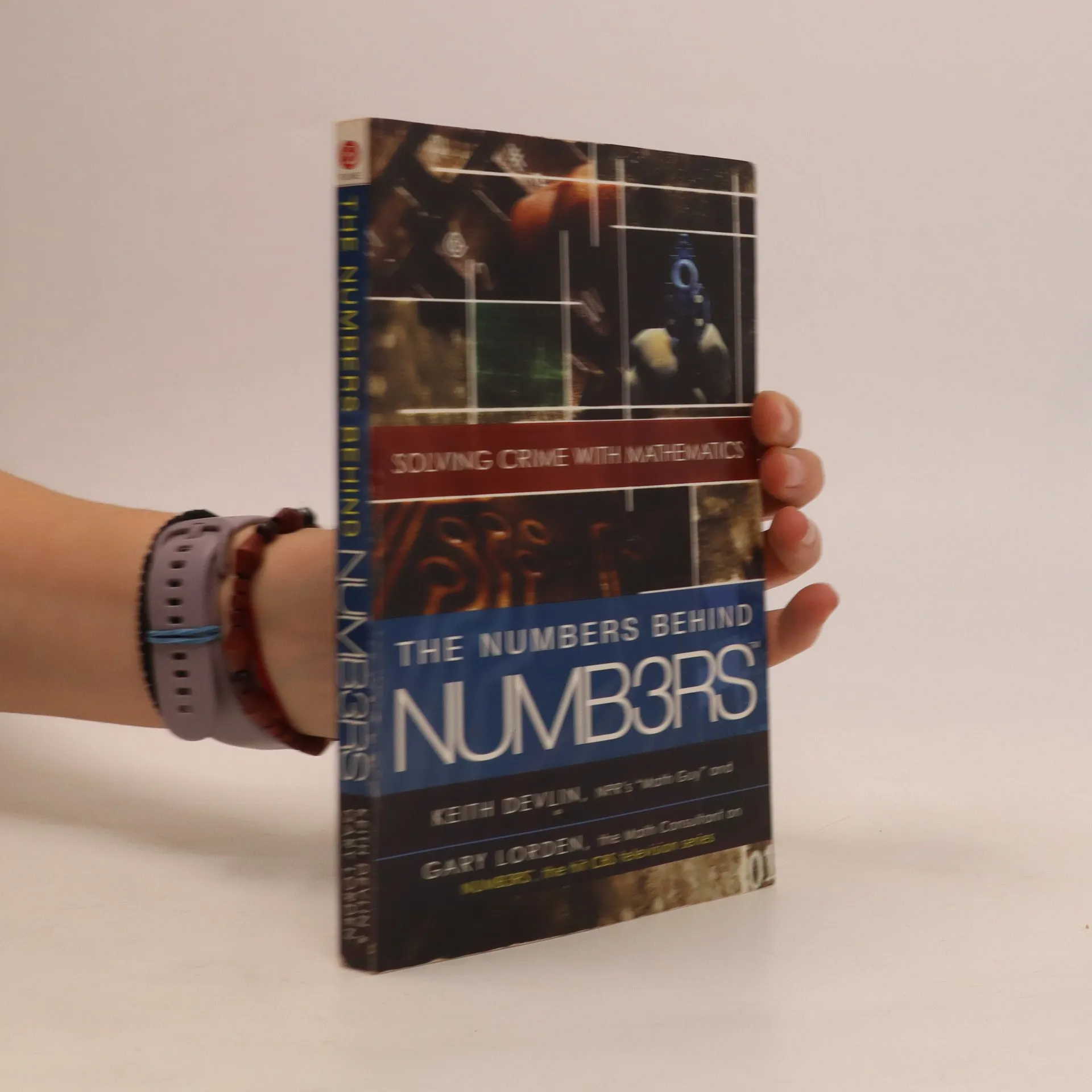
The companion to the hit CBS crime series Numb3rs presents the fascinating way mathematics is used to fight real-life crime Using the popular CBS prime-time TV crime series Numb3rs as a springboard, Keith Devlin (known to millions of NPR listeners as the Math Guy on NPR's Weekend Edition with Scott Simon) and Gary Lorden (the principal math advisor to Numb3rs) explain real-life mathematical techniques used by the FBI and other law enforcement agencies to catch and convict criminals. From forensics to counterterrorism, the Riemann hypothesis to image enhancement, solving murders to beating casinos, Devlin and Lorden present compelling cases that illustrate how advanced mathematics can be used in state-of-the-art criminal investigations.
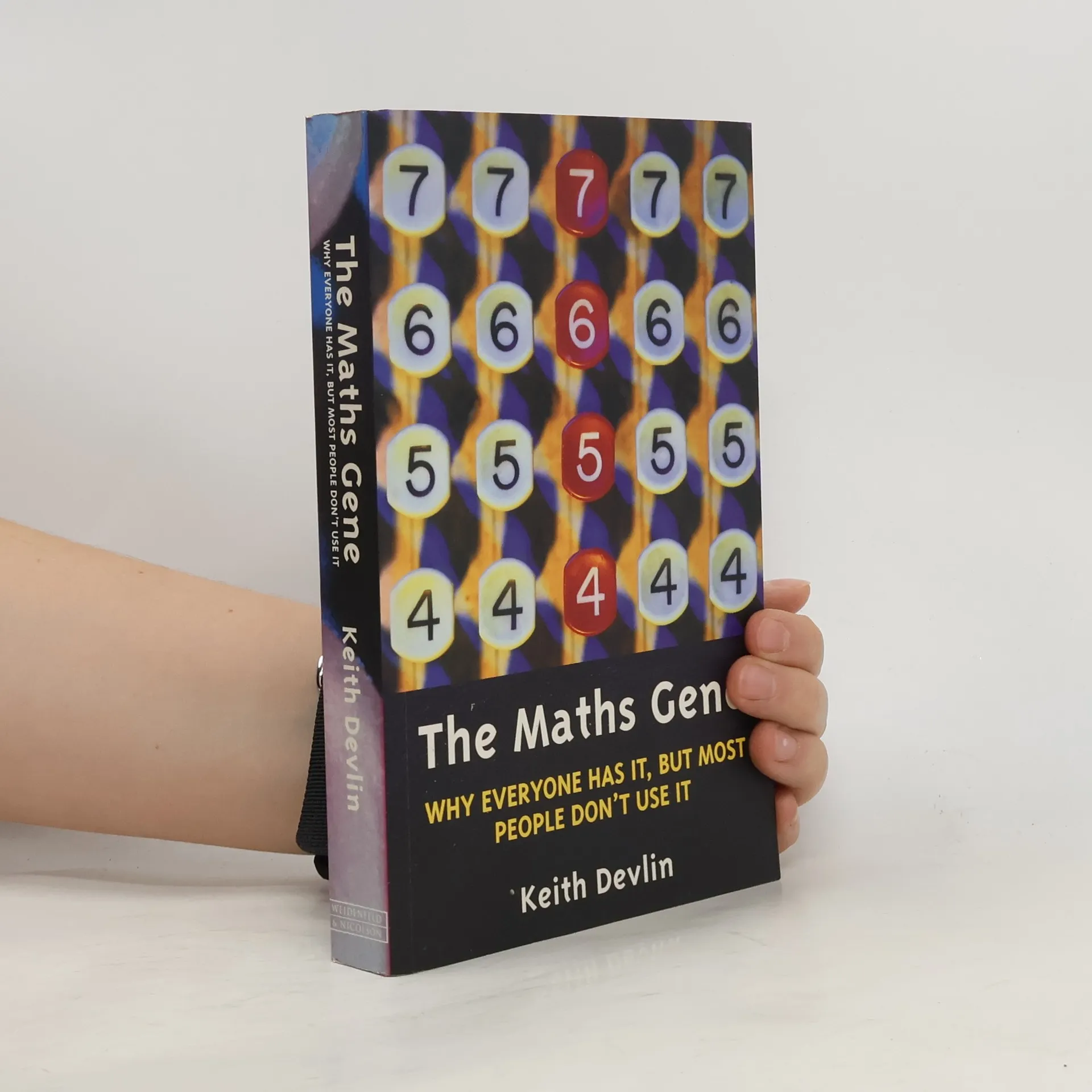
In The Maths Gene, Keith Devlin explains how the human mind came to perform mathematical reasoning. He claims the answer lies in our genes, and reveals why some people feel they can't do maths, while a select few excel.
How Mathematical Thinking Evolved and Why Numbers Are Like Gossip
352 páginas
13 horas de lectura
If people are endowed with a "number instinct" similar to the "language instinct"—as recent research suggests—then why can't everyone do math? In The Math Gene, mathematician and popular writer Keith Devlin attacks both sides of this question.Devlin offers a breathtakingly new theory of language development that describes how language evolved in two stages and how its main purpose was not communication. Devlin goes on to show that the ability to think mathematically arose out of the same symbol-manipulating ability that was so crucial to the very first emergence of true language.Why, then, can't we do math as well as we speak? The answer, says Devlin, is that we can and do—we just don't recognize when we're using mathematical reasoning.
Sedm největších nevyřešených otázek matematiky. V roce 2000 uspořádala nadace Leonarda Claye působící při Harvardské univerzitě matematický kongres. Její představitelé vyhlásili sedm nejdůležitějších nevyřešených problémů matematiky a za vyřešení každého z nich vypsali odměnu jednoho milionu amerických dolarů. Problémy zasahují do mnoha moderních oborů současné čisté i aplikované matematiky, od topologie přes teorii čísel, kryptografii a výpočetní techniku až po letecký design. Keith Devlin, nedostižný popularizátor matematiky, v této knize formou srozumitelnou komukoli vysvětluje podstatu, původ a význam každého ze sedmi problémů. Po přečtení této knihy se čtenář hned může pustit do řešení některé z těchto sedmi hádanek — v sázce je přeci sedm milionů dolarů!
Nulli und Priesemut haben genaue Vorstellungen davon, wie ein Schneemann
auszusehen hat. Mit Feuereifer machen sie sich ans Werk. Was dabei
herauskommt, sind zwei völlig unterschiedliche Gestalten. Welche ist die
richtige?
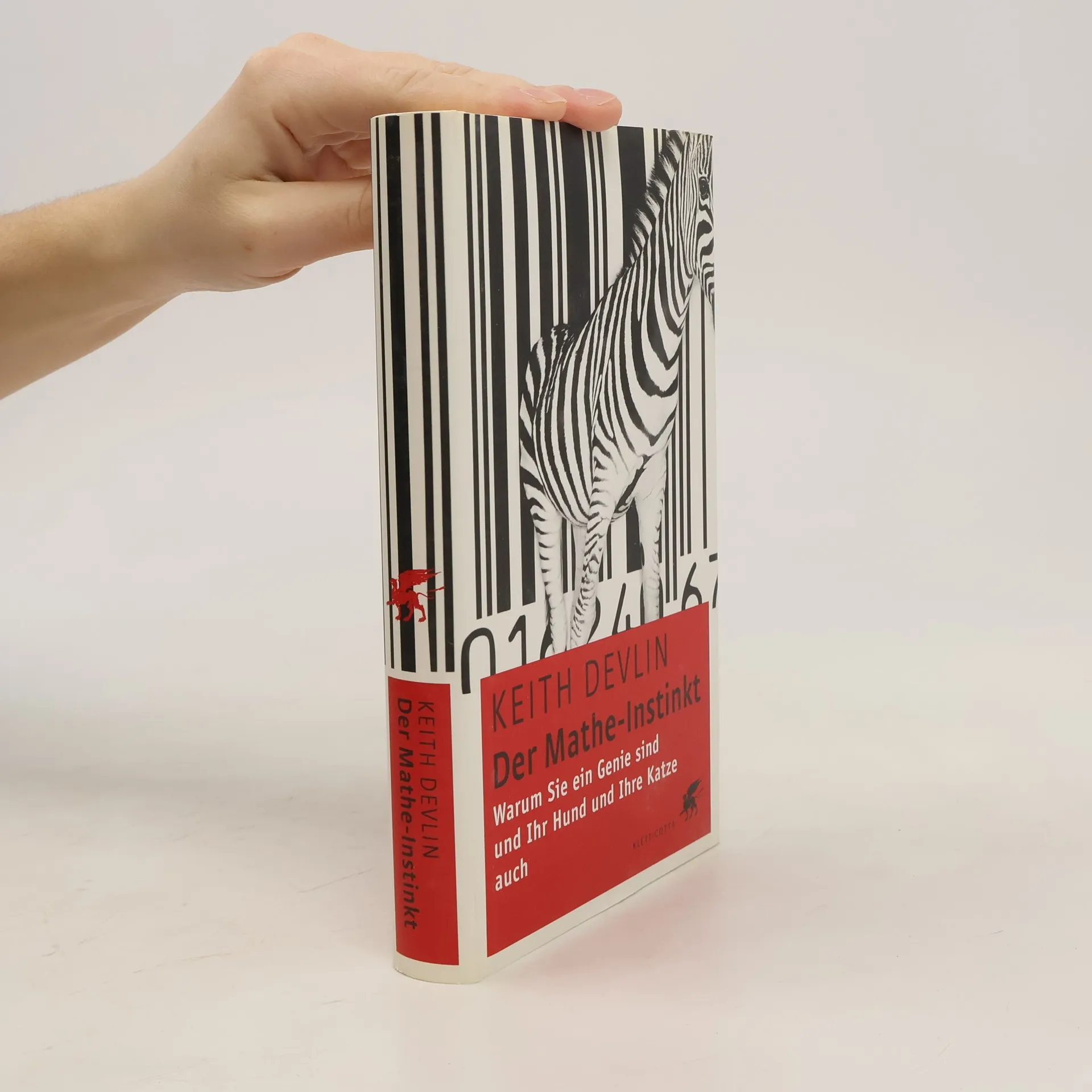
Auch in seinem zweiten Buch führt Keith Devlin spielerisch vor, wie man abstrakte Formelmonster der Mathematik zum Leben erweckt, ohne daß sie erschrecken. Es gibt ihn, den mathematischen Instinkt. Und Sie haben ihn auch! Wetten, daß. ? Einige Beispiele für den mathematischen Instinkt in der Natur - Wir Straßenmathematiker im Supermarkt: Warum wir mit Zahlen spielend umgehen können, wenn es sich um Euros, Zentimeter und Meter, Gramm und Kilos handelt. - Die klammheimlichen Mathematiker: Warum Hunde auf dem schnellsten Weg jeden Ball und Stock fangen. - Die Außerirdischen: Wie Katzen wieder auf den Beinen stehen, wenn sie vom Baum fallen. - Die Himmlischen: Wie Vögel bis zur 40 000 km jährlich zurücklegen, ohne sich zu verfliegen. - Die Sternengucker: Vogelnachtflug mit Hilfe der Sterne. - Die Fantastischen: Spinnen und ihre Netze. - Die Magnetischen: Brieftauben mit Kopfkompaß, Hummer mit Panzermagnetfeld, Wale. - Die Exakten: Ameisen und ihre Schrittlänge. Bereits von Keith Devlin bei Klett-Cotta erschienen: - Das Mathe-Gen (Wissenschaftsbuch des Jahres 2002 von bild der wissenschaft)
In This Explains Everything, John Brockman, founder and publisher of Edge.org, asked experts in numerous fields and disciplines to come up with their favorite explanations for everyday occurrences. Why do we recognize patterns? Is there such a thing as positive stress? Are we genetically programmed to be in conflict with each other? Those are just some of the 150 questions that the world's best scientific minds answer with elegant simplicity. With contributions from Jared Diamond, Richard Dawkins, Nassim Taleb, Brian Eno, Steven Pinker, and more, everything is explained in fun, uncomplicated terms that make the most complex concepts easy to comprehend.
Priesemut ist traurig. Der Frosch weiß nämlich nicht, wann er Geburtstag hat -
er war ja erst eine Kaulquappe, bevor er als Frosch an Land ging. So kann er
sich nicht wie sein Freund Nulli, der Hase, auf seinen Geburtstag freuen. Doch
dann öffnet ein blinder Maulwurf dem bekümmerten Frosch die Augen für die
Sonnenseiten des Lebens und auf einmal ist sein großes Problem winzig klein.
Lässt sich die Zukunft vorhersagen, das Glück berechnen? Bis zur Mitte des 17. Jahrhunderts lautete die kategorische Antwort der Gelehrten: Nein. Doch dann erfanden Blaise Pascal, einer der berühmtesten Philosophen seiner Zeit, und Pierre Fermat, der genialste Mathematiker der Epoche, die Wahrscheinlichkeitsrechnung. Das Problem, über das sich Pascal und Fermat in einem Briefwechsel austauschten, hatte sich aus einem abgebrochenen Glücksspiel ergeben. Doch was sie dabei entdeckten, sollte unsere Ansicht über die Zukunft revolutionieren.
Gibt es ein mathematisches Gen? Warum können einige Menschen Mathematik besser als andere? Keith Devlin argumentiert, dass Sprache und Mathematik eine gemeinsame natürliche Wurzel haben und beide Wunderwerke der Natur sind. Wie das Gehen oder Schwimmen erlernen Kinder Mathematik instinktiv, ohne dass Eltern oder Schule sie dazu anleiten. Mathematik ist somit eine natürliche Fähigkeit, vergleichbar mit den Eigenschaften von Tieren. Während Sprache früh für soziale Interaktionen notwendig ist, wird das Zählen und Rechnen oft weniger intensiv geübt. Viele Menschen schöpfen ihr mathematisches Potenzial nicht aus, und nur wenige entdecken ihre wahren Fähigkeiten. Devlin zeigt, dass man über Mathematik schreiben kann, ohne die Mehrheit der Menschen zu überfordern. Er spricht auf informative, unterhaltsame und einfühlsame Weise, was ihn zum Therapeuten für alle Mathematiktraumatisierten macht. Der Autor lädt die Leser ein, die Welt der Mathematik zu erkunden und beweist, dass jeder ein Interesse an Mathematik hat – besonders nach der Lektüre seines Buches. Ist das nicht logisch?