

Bookbot

John M. Barry

    John M. Barry es un autor e historiador estadounidense cuyo trabajo profundiza en momentos cruciales de la historia estadounidense y la configuración de los ideales sociales modernos. Sus escritos examinan críticamente los impactos de desastres naturales, como la Gran Inundación del Mississippi de 1927 y la pandemia de influenza de 1918, al tiempo que diseccionan la evolución de conceptos como la separación de iglesia y estado y la libertad individual. El enfoque literario de Barry se caracteriza por una profunda investigación histórica, que a menudo revela cómo estos eventos e ideas han moldeado a los Estados Unidos. Su experiencia en desastres y salud pública también lo ha involucrado en la formulación de políticas y estrategias de gestión de crisis, conectando la investigación académica con el impacto en el mundo real.

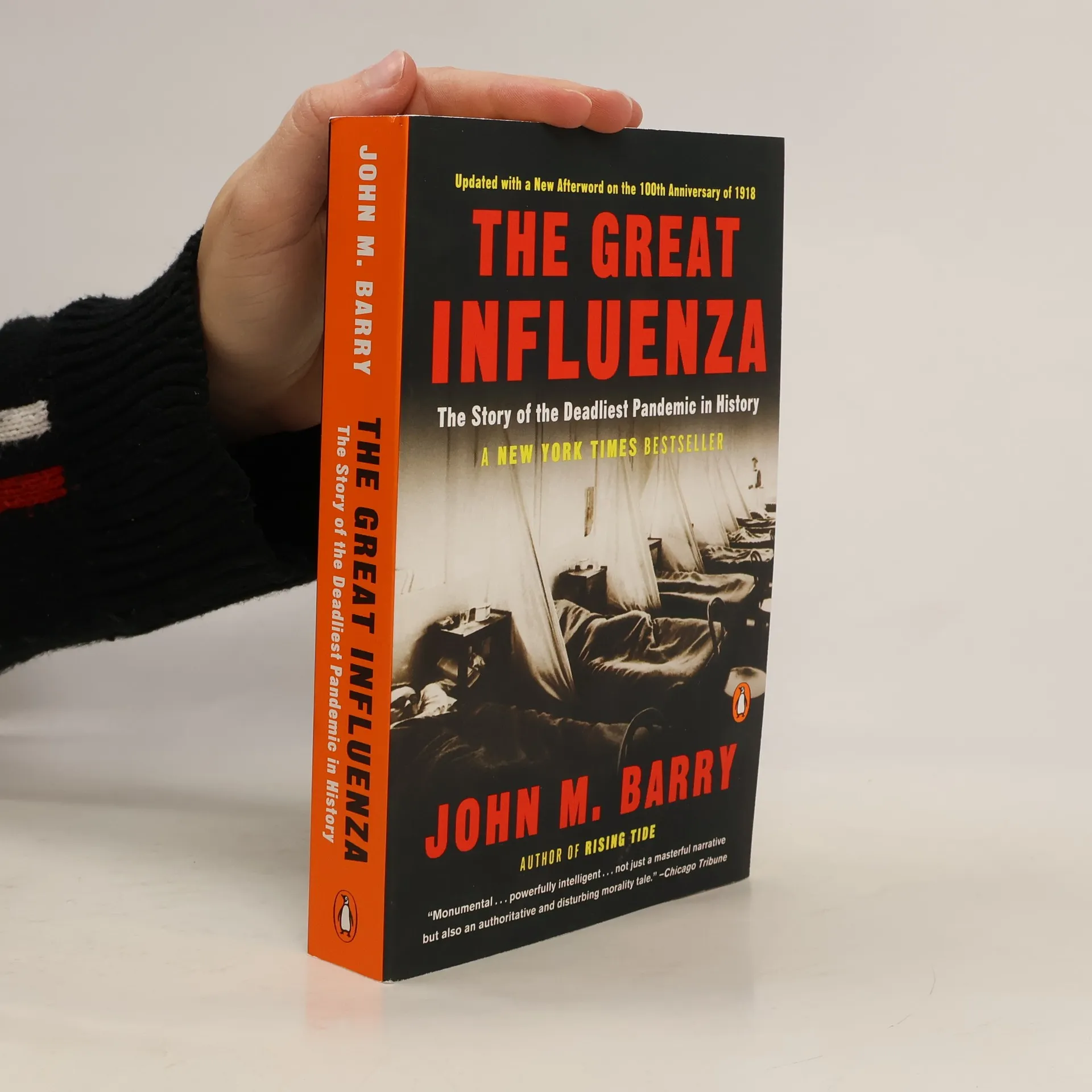
    The great influenza : the story of the deadliest pandemic in history
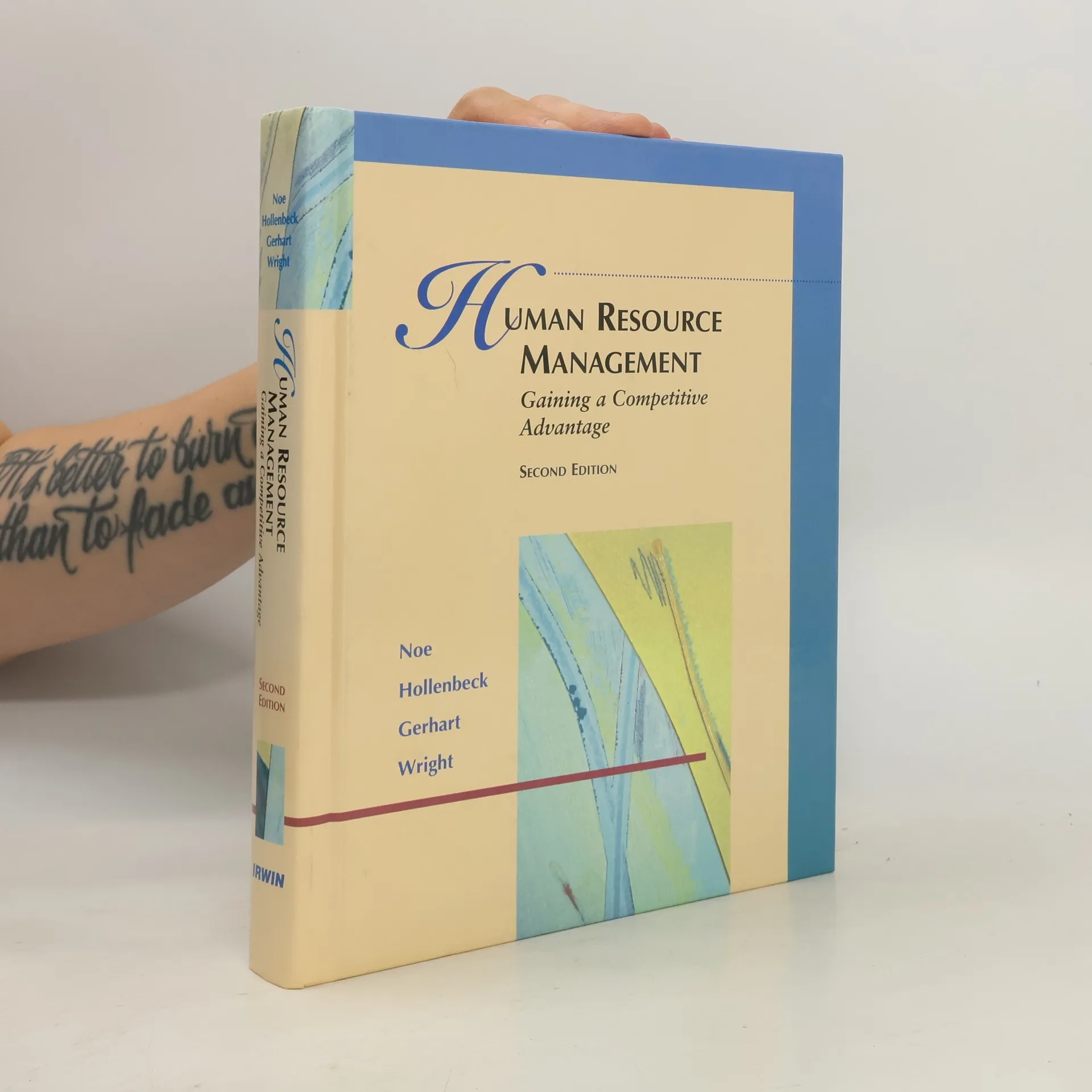
    Human Resource Management
    • Human Resource Management

      Gaining a Competitive Advantage - Third Edition

      • 672 páginas
      • 24 horas de lectura

      This best-selling Irwin/McGraw-Hill human resource management title comes out in a new and improved format in time for fall classes 1999. According to the authors, effective human resource management is necessary for a firm to gain true competitive advantage. The three challenges companies face are the global challenge, the challenge of meeting stakeholder needs, and the high performance work practices challenge. HUMAN RESOURCE MANAGEMENT provides students with the technical background needed to be a successful HR professional, to manage HR effectively, and most importantly to be a knowledgeable consumer of HR products and services. The text also emphasizes how managers can more effectively acquire, develop, compensate, and manage the internal and external environment that relates to the management of human resources.

      Human Resource Management
      5,0
    • "At the height of WWI, history's most lethal influenza virus erupted in an army camp in Kansas, moved east with American troops, then exploded, killing as many as 100 million people worldwide. It killed more people in twenty-four months than AIDS killed in twenty-four years, more in a year than the Black Death killed in a century. But this was not the Middle Ages, and 1918 marked the first collision of science and epidemic disease. Revised to reflect the growing danger of the avian flu, this is ultimately a tale of triumph amid tragedy, providing us with a precise and sobering model as we confront the epidemics looming on our own horizon."-- Provided by publisher

      The great influenza : the story of the deadliest pandemic in history
      4,0