SYSTEMES D'EXPLOITATION 2E EDITION
- 996 páginas
- 35 horas de lectura



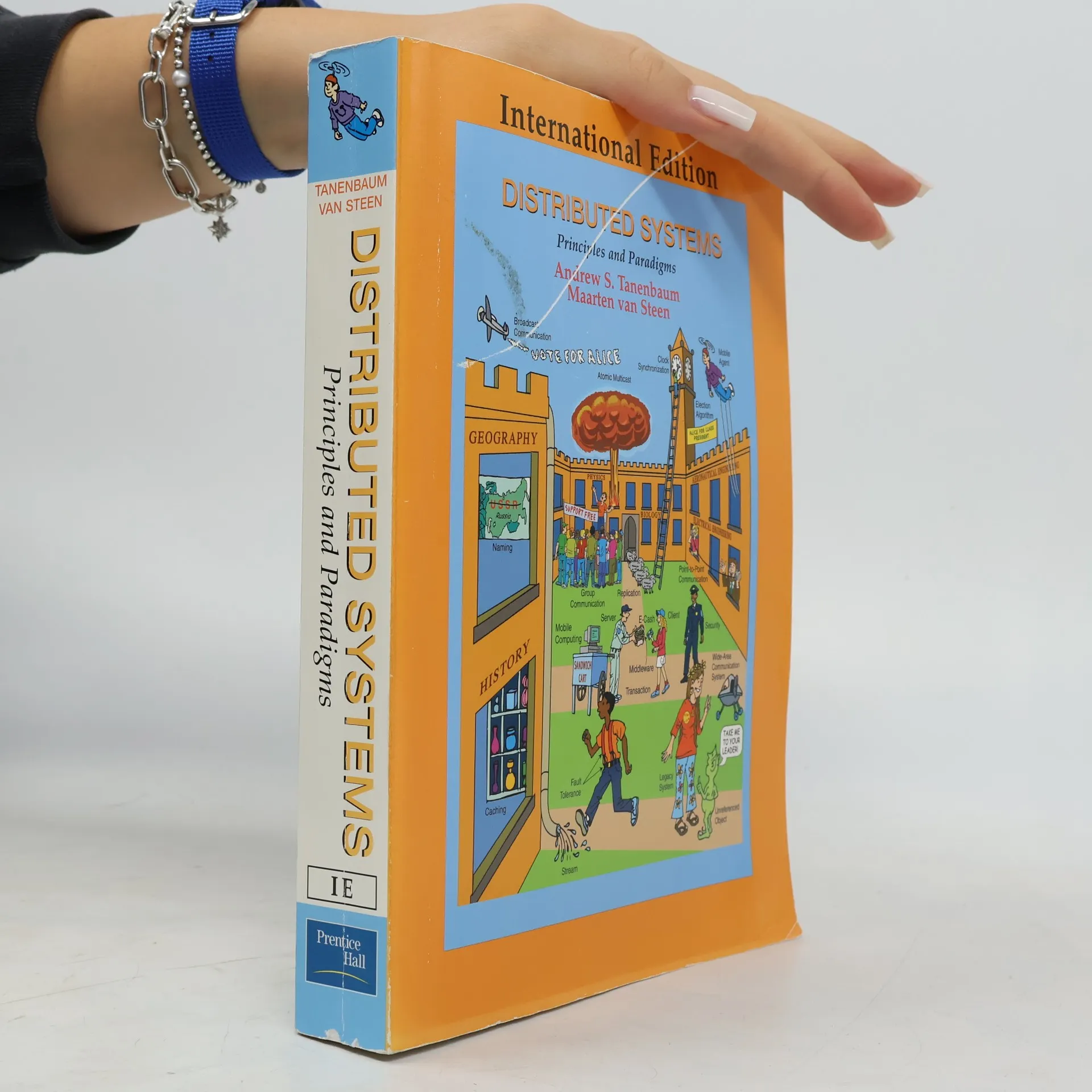
Virtually every computing system today is part of a distributed system. Programmers, developers, and engineers need to understand the underlying principles and paradigms as well as the real-world application of those principles. Now, internationally renowned expert Andrew S. Tanenbaum – with colleague Martin van Steen – presents a complete introduction that identifies the seven key principles of distributed systems, with extensive examples of each. For all developers, software engineers, and architects who need an in-depth understanding of distributed systems.
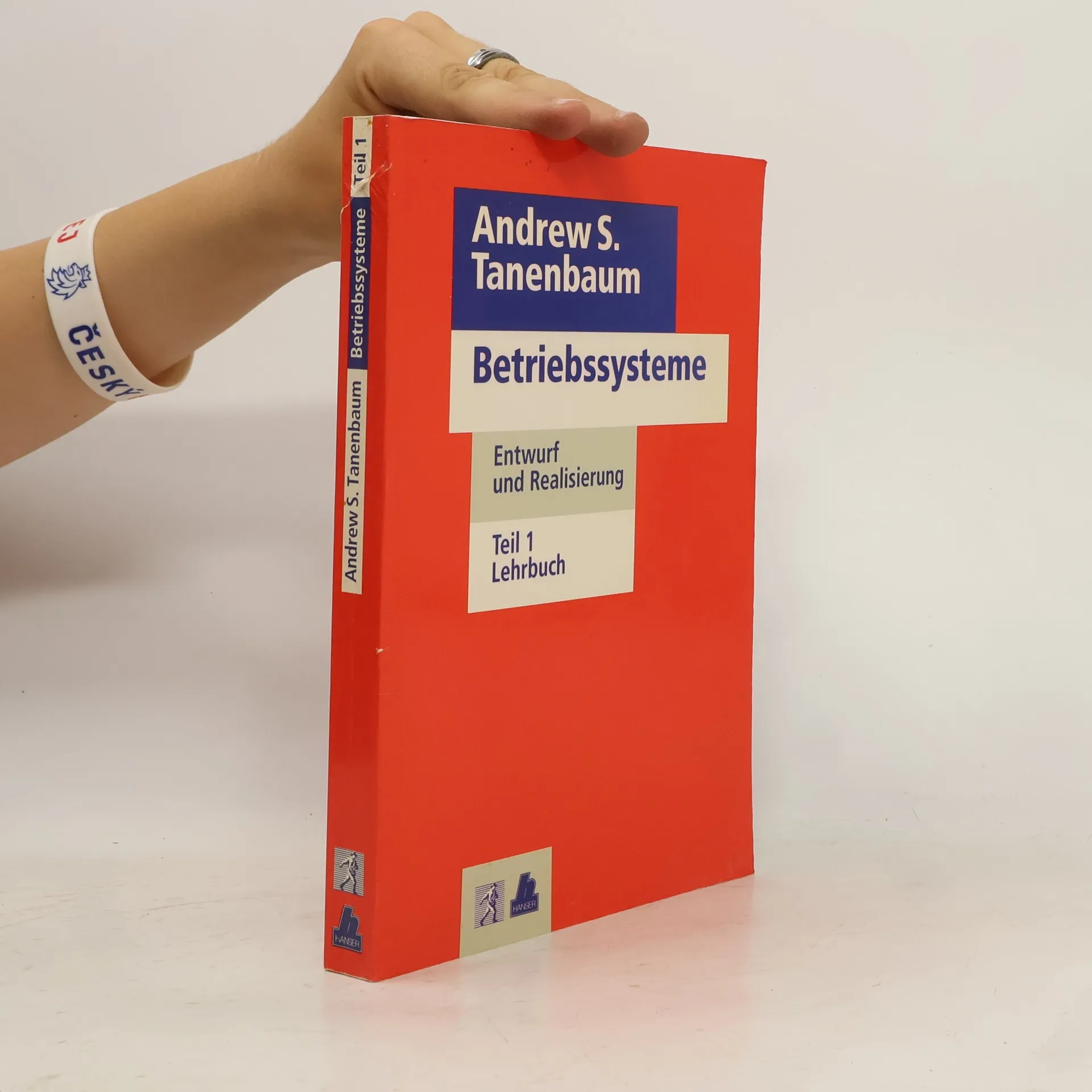
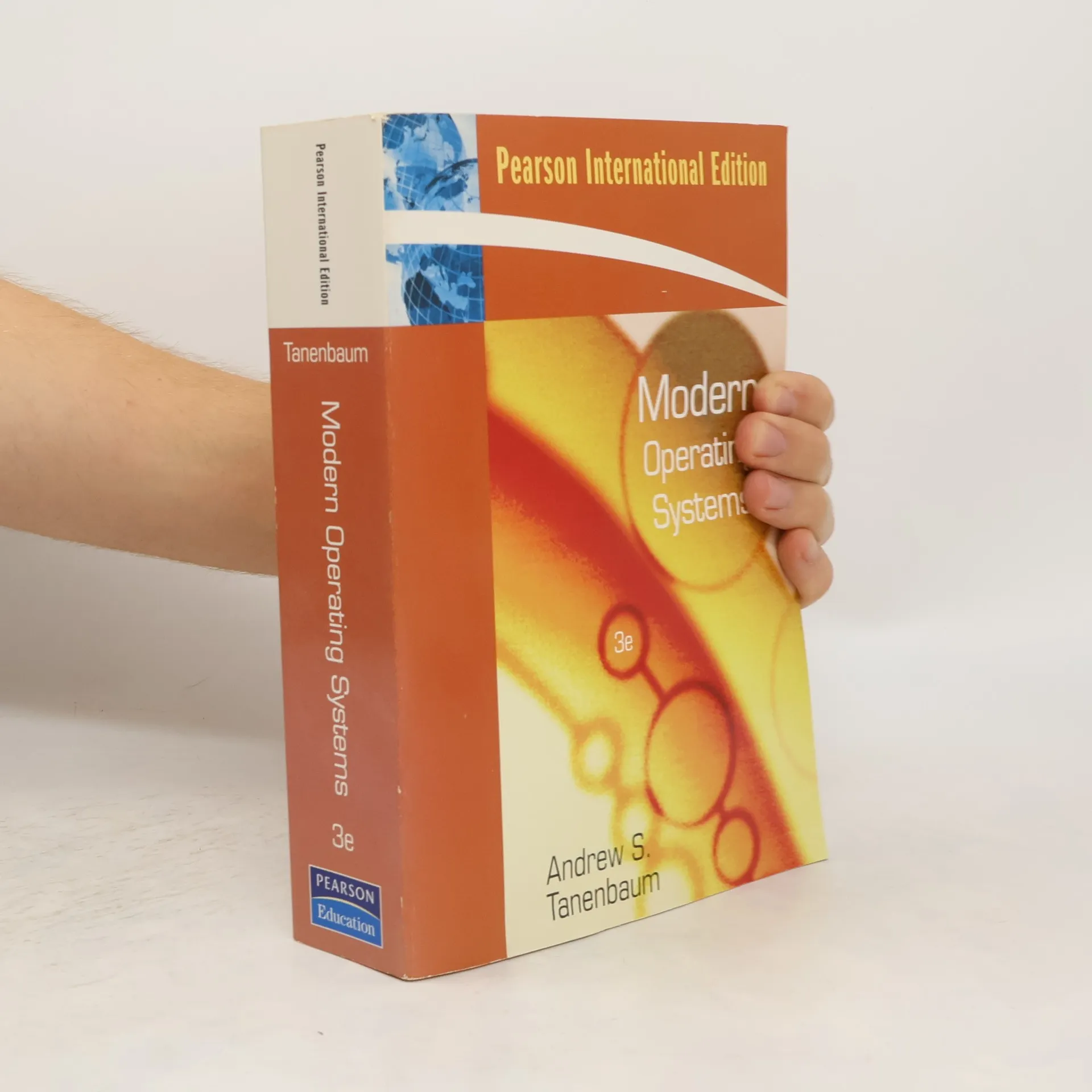
This edition of this worldwide best-seller incorporates the latest developments in operating systems technologies. It includes up-to-date materials on relevant operating systems such as Linux, Windows, and embedded real-time and multimedia systems.
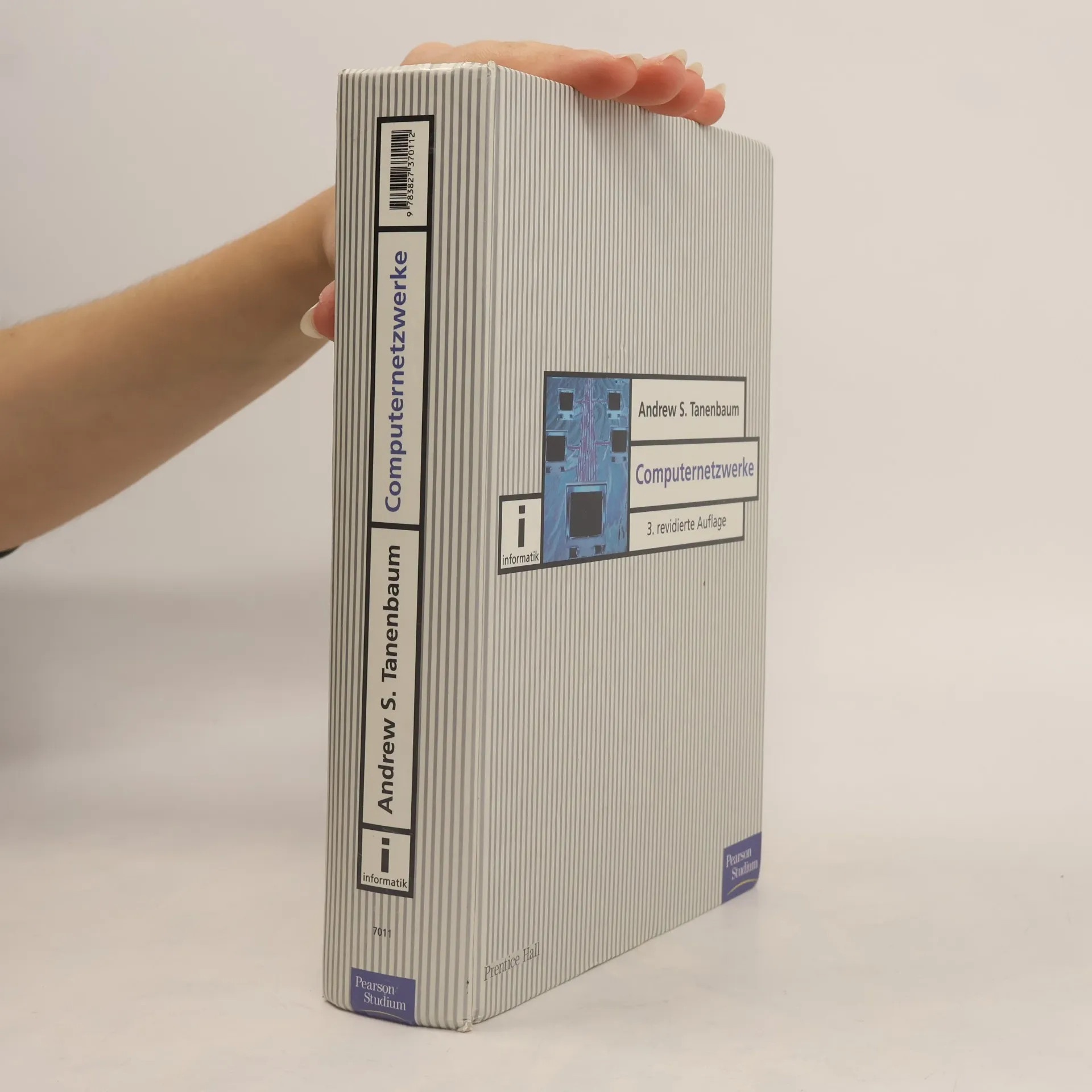
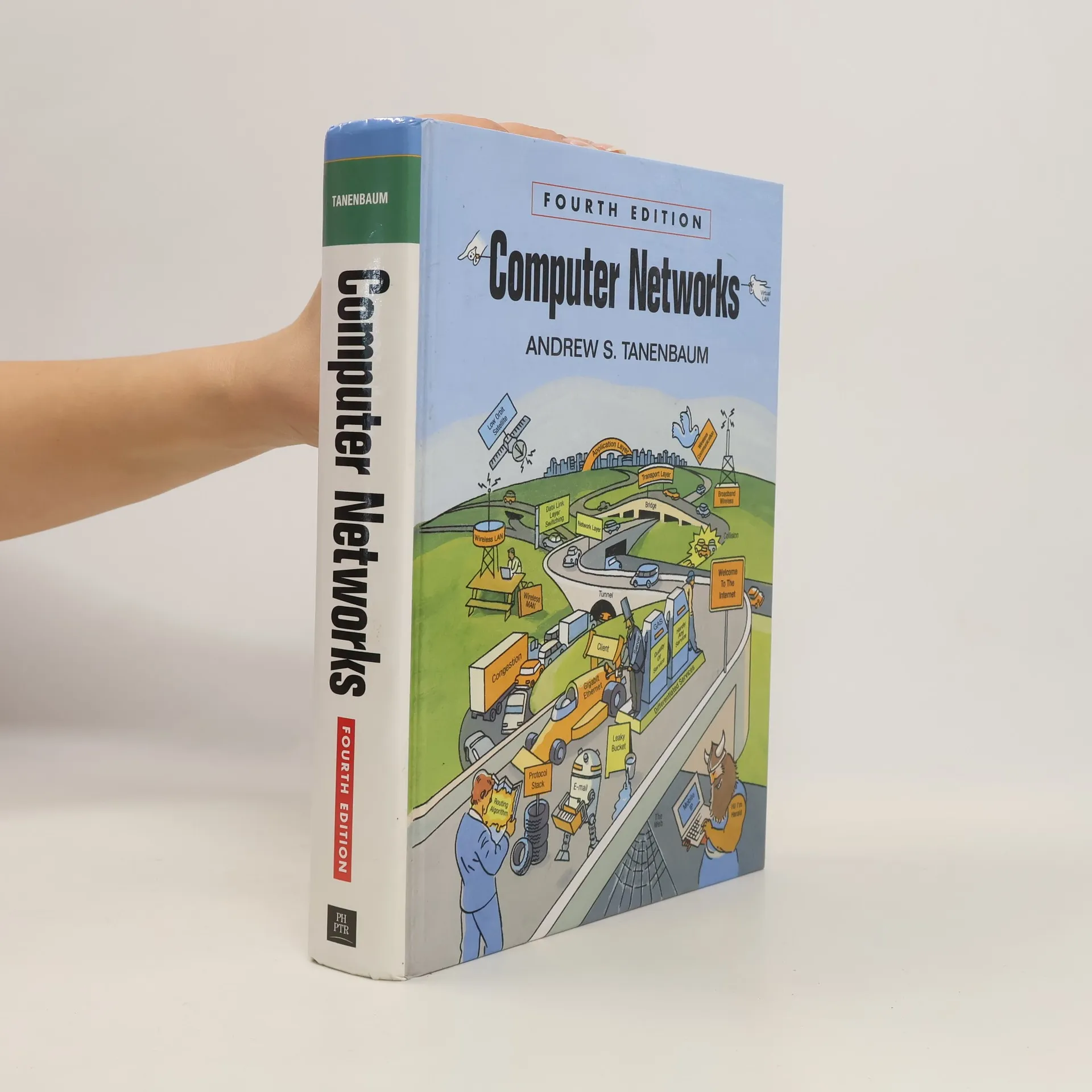
Details descriptions of the principles associated with each layer and presents many examples drawn the Internet and wireless networks.
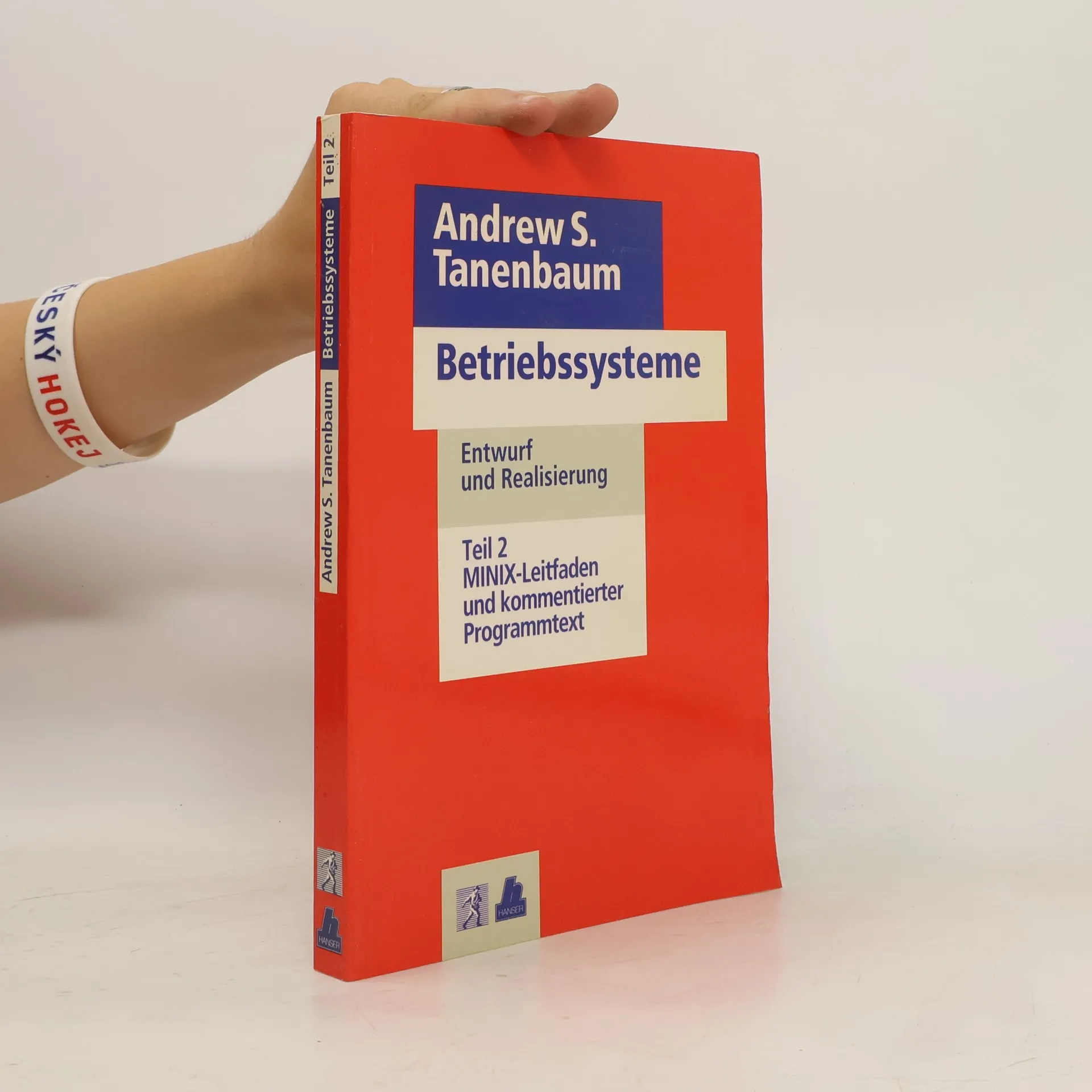
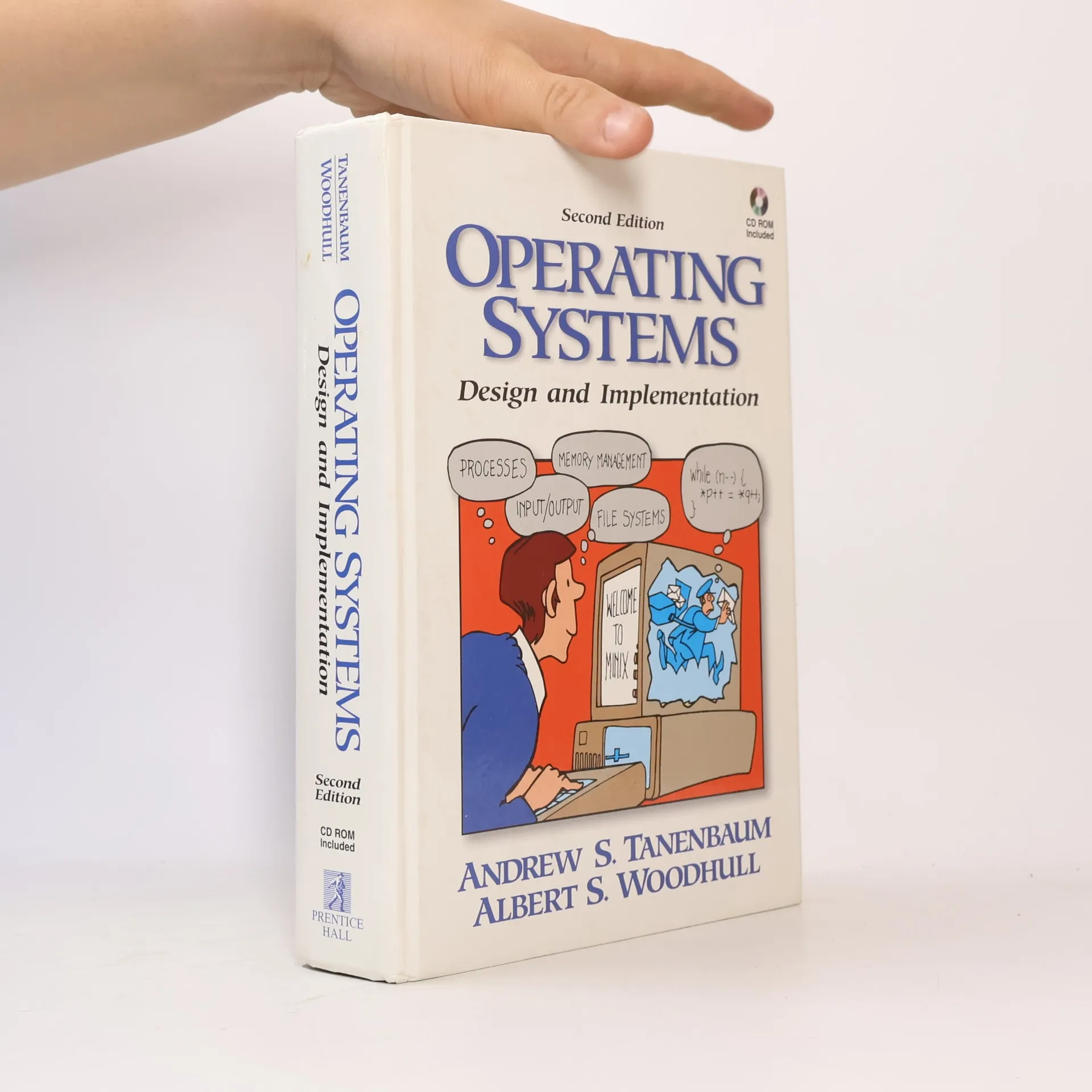
This is a practical manual on operating systems, which describes a small UNIX-like operating system, demonstrating how it works and illustrating the principles underlying it. The relevant sections of the MINIX source code are described in detail, and the book has been revised to include updates in MINIX, which initially started as a v7 unix clone for a floppy-disk only 8088. It is now aimed at 386, 486 and pentium machines, and is based on the international posix standard instead of on v7. Versions of MINIX are now also available for the Macintosh and SPARC.
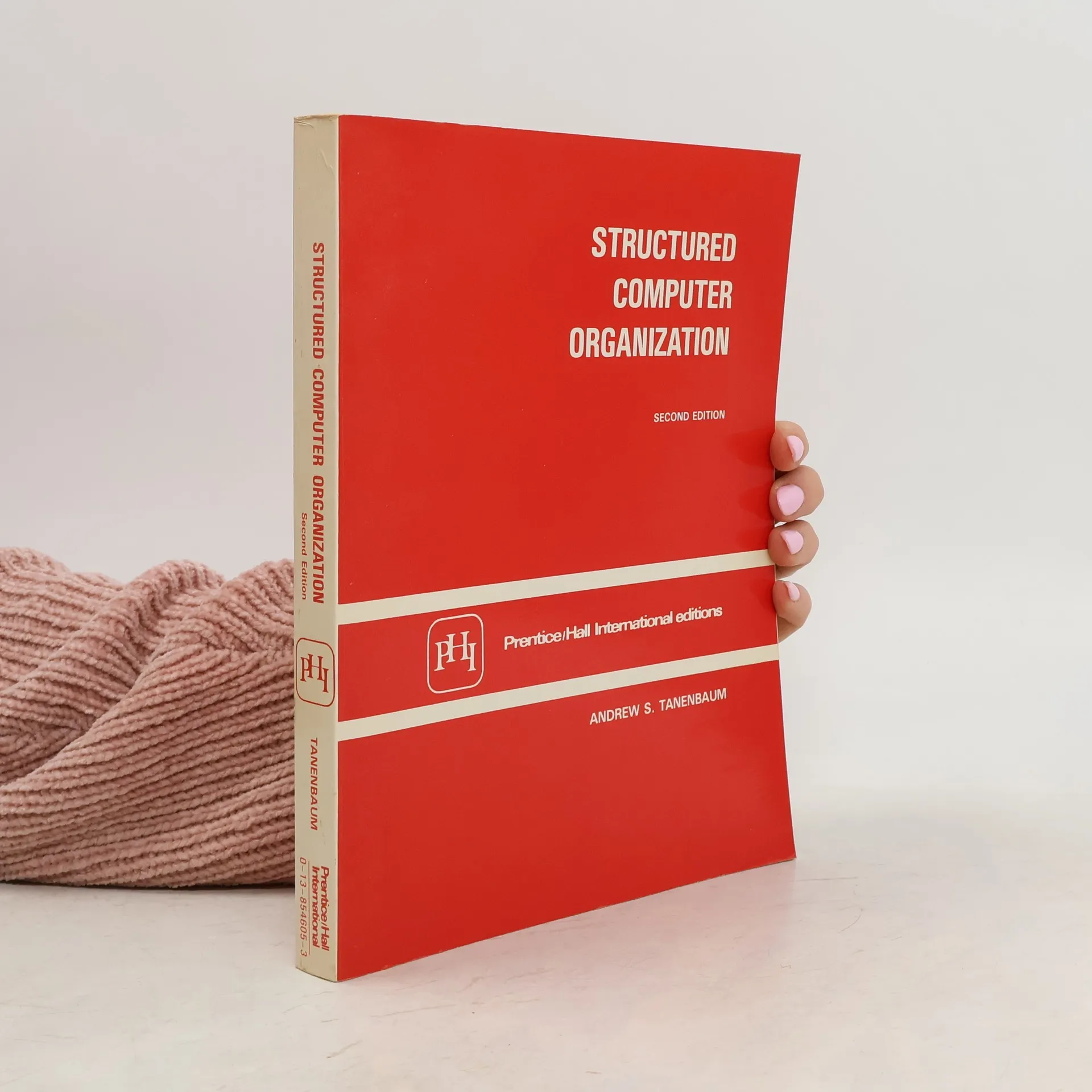
"Structured Computer Organization, " specifically written for undergraduate students, is a best-selling guide that provides an accessible introduction to computer hardware and architecture. This text will also serve as a useful resource for all computer professionals and engineers who need an overview or introduction to computer architecture. This book takes a modern structured, layered approach to understanding computer systems. It's highly accessible - and it's been thoroughly updated to reflect today's most critical new technologies and the latest developments in computer organization and architecture. Tanenbaum's renowned writing style and painstaking research make this one of the most accessible and accurate books available, maintaining the author's popular method of presenting a computer as a series of layers, each one built upon the ones below it, and understandable as a separate entity.